Betting Tools vs. a Pick Service: Which Should You Pay For?

A betting tool sells you a search and a pick service sells you a position, and that single difference decides which one fits your life. Tools cost less per month and far more per bet, because you supply the hours, the accounts, and the judgment. This guide compares what each product actually delivers, why tool-driven edges decay fastest, and how to tell which one your bankroll and schedule can support.
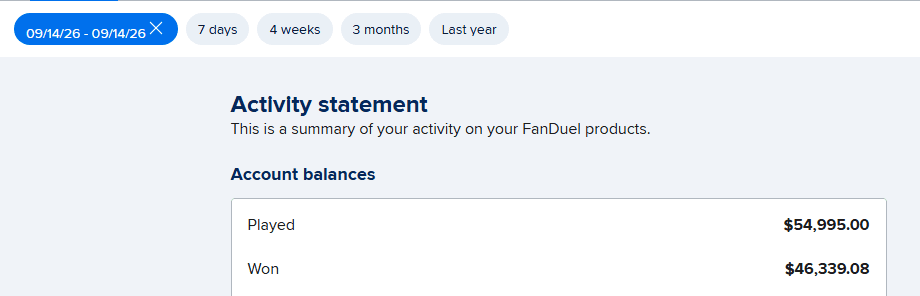
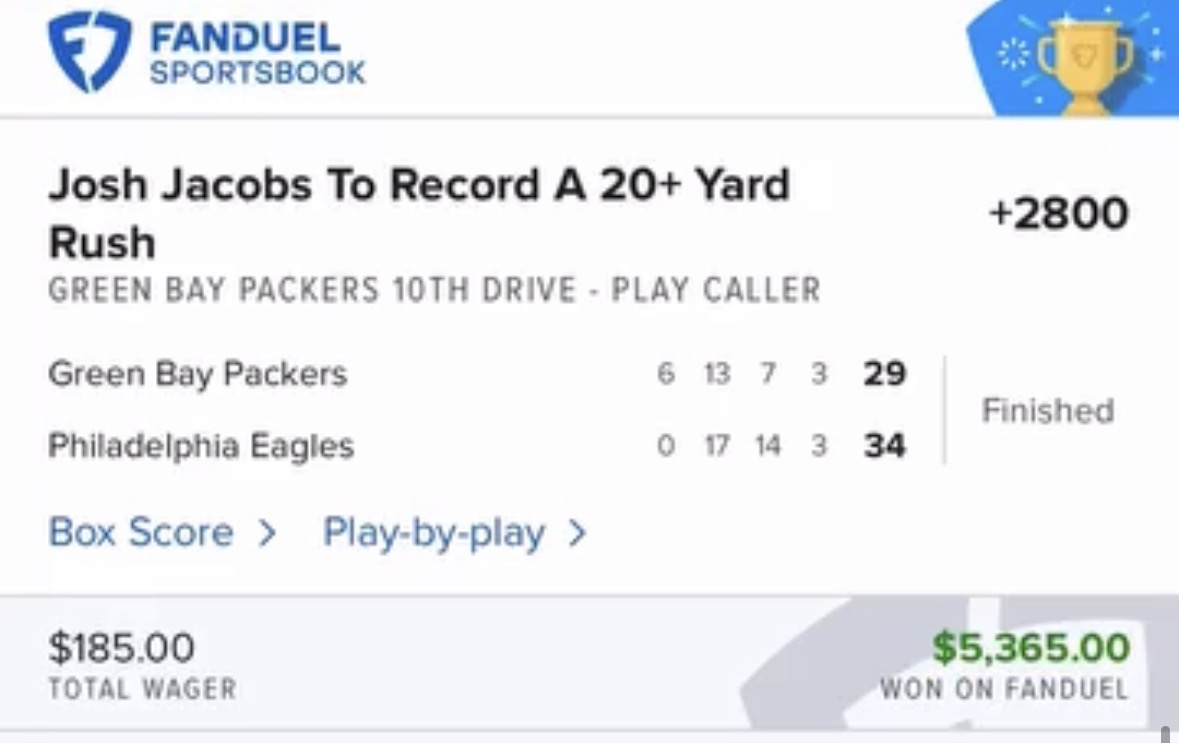
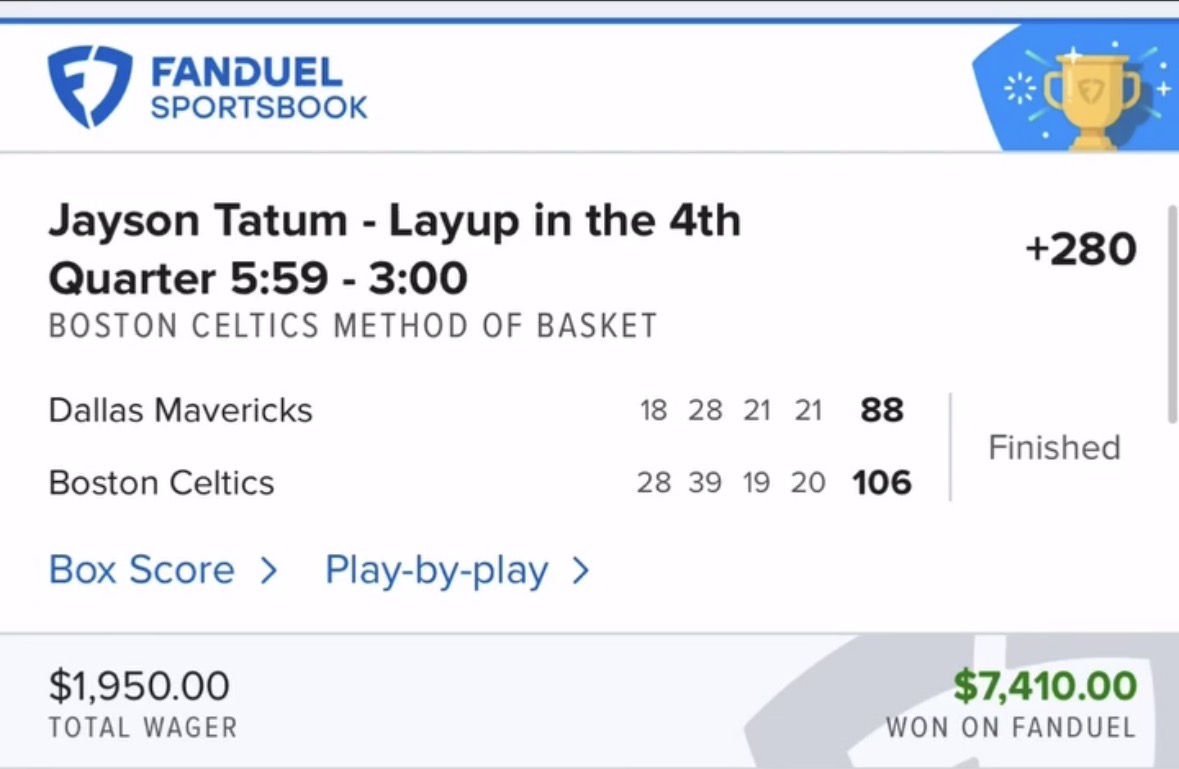
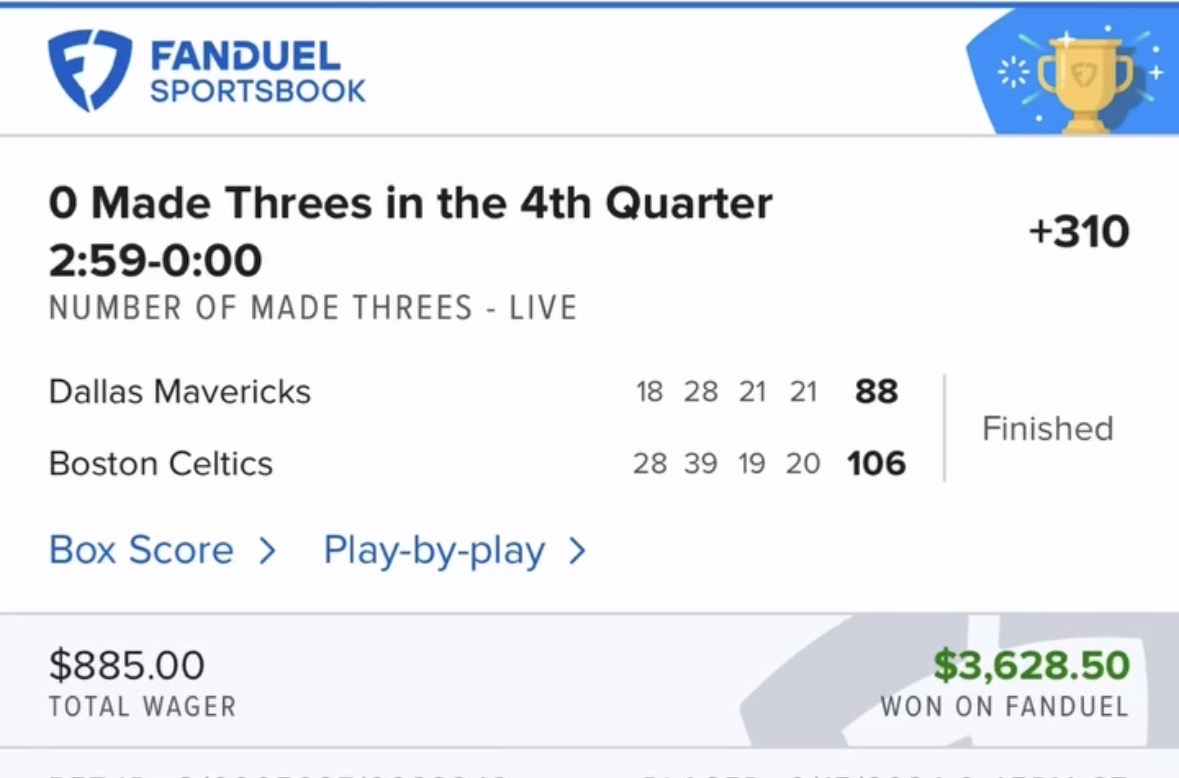
The honest difference between an odds tool and a pick service is not price and it is not accuracy — it is what you are buying. A tool sells you a search: it scans hundreds of markets across dozens of books and hands you a list of candidates you then have to judge, price, and place yourself. A service sells you a position: a specific bet at a specific number, already decided. The Best Bet on Sports has run live in-game betting since 2005 with a verified $367,520+ in profit across every major sportsbook, and the reason we say this plainly is that most bettors compare the two on monthly cost, which is the one dimension where the comparison is meaningless.
The question comes up constantly now, and it should. Screen-scraping software that finds outlier prices across the market is genuinely useful, genuinely mathematical, and genuinely cheaper per month than most pick services. On a spreadsheet it looks like the obvious choice.
The spreadsheet is missing three columns.
What Each Product Actually Delivers
A tool computes. It pulls prices from every book it can reach, calculates a no-vig fair price from the market consensus, and surfaces every line sitting outside that estimate. The output is a list — sometimes a long one — sorted by theoretical edge.
What it does not do is decide. It cannot tell you whether the outlier price at a small book reflects a real error or reflects that book knowing something the consensus does not. It cannot tell you whether the number will still be there in ninety seconds. It cannot tell you whether you should be betting that market at all given your bankroll, your remaining exposure, or the fact that you are in a meeting. Every one of those judgments is yours, on every candidate, every day.
A service decides. Someone else does the scanning, the pricing, and the disqualifying, and what arrives on your phone is a finished position — market, side, number, stake. The judgment is priced into the product. What you supply is execution.
That is the whole distinction, and everything else follows from it.
The Comparison That Actually Matters
| Odds tool / EV screen | Pick service | |
|---|---|---|
| What you receive | A ranked list of candidates | A specific position at a specific number |
| Who exercises judgment | You, on every line | The service |
| Monthly sticker | Lower | Higher |
| Your time per bet | Meaningful — minutes of evaluation and shopping | Seconds |
| Accounts needed | Many, funded, in good standing | Fewer, though more is better |
| Skill floor | High — you must know what a bad "edge" looks like | Low to moderate |
| Fails when | You cannot tell a stale price from a sharp one | You cannot act inside the window |
| Scales to more users | Perfectly, which is the problem | Imperfectly, which is the point |
The last row is the one worth arguing about.
Why Tool-Driven Edges Decay Fastest
A tool's output is deterministic and simultaneous. Every subscriber running the same screen sees the same soft number in the same second and is told, correctly, that it is the best available price. So they all go to the same book and bet the same side within the same short window.
From the sportsbook's side, that pattern is the easiest thing in the industry to identify. It is not a hunch — it is a signature. Accounts that consistently bet the outlier price, always within seconds of it appearing, frequently in non-round stakes, and almost never on anything else, are describing themselves as clearly as if they filed a form. Books do not have to determine whether those bettors are skilled. The behavior alone is sufficient, and the response is mechanical: maximum accepted stakes fall, then fall again, then the account is asked to contact support for approval on a $40 wager.
That is not an argument against tools. It is an argument about the shape of their lifecycle, and anyone budgeting for one should budget for it: a tool subscription's practical value curve declines as your account access does, and account access declines fastest for exactly the behavior the tool is instructing you to produce. We have written at length about why sportsbooks limit winning bettors and what to do when a sportsbook limits your account for winning. The mechanism is the same. The timeline is compressed.
Live in-game markets behave differently, and it is worth being precise about why. A live number is not soft because a book was slow to update a static price — it is soft because something just happened on the field and an automated pricing system has to re-rate a game in seconds with incomplete information. That kind of mispricing is generated continuously by events rather than discovered by scraping, which means it is not exhausted by the number of people looking at it. A screen cannot enumerate it in advance because it does not exist until the play does. That is the structural reason our edge has survived being distributed to subscribers, and our live betting picks page covers how it works in practice.
The Sticker Price Is the Wrong Number
Compare cost per decision made, not cost per month.
A tool at a low monthly price still requires you to evaluate candidates, verify the number is live, check it against your own read, place it across several books, and log it. If that is twenty minutes a night, five nights a week, you are spending something like seventy hours a season on execution. Put any honest hourly value on your own time and the cheap product stops being cheap.
There is also a hard capital requirement most comparisons skip. A screen is only useful if you can reach the book quoting the outlier price, which means accounts open and funded at many operators, with money sitting idle across all of them. That idle float is a real cost and it does not appear on any pricing page. Our piece on running multiple sportsbook accounts for live betting covers what that actually takes.
And there is a skill floor. A screen showing a 4% edge on an obscure market is frequently showing you that one book has information the consensus does not — a scratch, a rotation change, an injury that has not propagated. Reading that correctly is the entire job, and the tool does not do it for you. If you cannot reliably distinguish a stale price from a sharp one, a tool will find you a steady supply of bets that look positive and are not. Fair pricing and no-vig math is the background reading, and it is genuinely worth learning either way.
Where a Pick Service Fails
We will be equally direct about our side, because the honest version of this comparison has to run both ways.
A service is worthless if you cannot act inside the window. Live picks in particular are transactions at numbers that exist for a stretch of seconds or minutes. If your phone is in a drawer, if you are on a job site, if your only funded account is at a book that has already limited you, the pick arrives and expires. How fast you need to act on a live alert covers the real timing, and it is not as brutal as people assume — but it is not zero.
A service does not teach you as quickly as a tool does. Doing the work yourself builds a skill that compounds. Following finished positions builds it more slowly, because you see conclusions rather than the process that produced them.
A service asks you to trust a record you did not compute. That is a genuine cost. It is also why the verifiable parts matter more than the claimed ones — timestamped releases, complete results including losses, and limit status across books are things a subscriber can check. How to read a track record covers what is checkable and what is decoration.
A service is a monthly cost against your bankroll before it does anything. At $199, a bettor working in $100 units has to clear two units before the subscription is neutral. How long a live betting service takes to pay for itself works through that arithmetic honestly.
Who Should Buy Which
Buy a tool if you have real free hours, you can already tell a stale line from a sharp one, you can fund accounts at many books, and you find the search itself interesting. The people who do best with screens are the ones who would run them for fun.
Buy a service if your constraint is time or judgment rather than money, you want a finished decision instead of a candidate list, and you specifically want exposure to in-game markets a screen cannot surface fast enough. How to choose a live betting service covers what to check first, and what the $199 tier actually includes covers ours specifically.
Buy neither if you have not yet decided what a unit is for you, or if the monthly cost would come out of the bankroll you are betting with rather than out of income. That is not a sales-friendly thing to say. It is true.
Run both if you want the tool for pregame price-finding and record-auditing and the service for live windows. The division of labor is clean, and the two products genuinely do not overlap. One caution: running both accelerates the account-limiting timeline, because you are now producing two separately flagged behavior patterns at the same books. Plan for the accounts, not just the subscriptions.
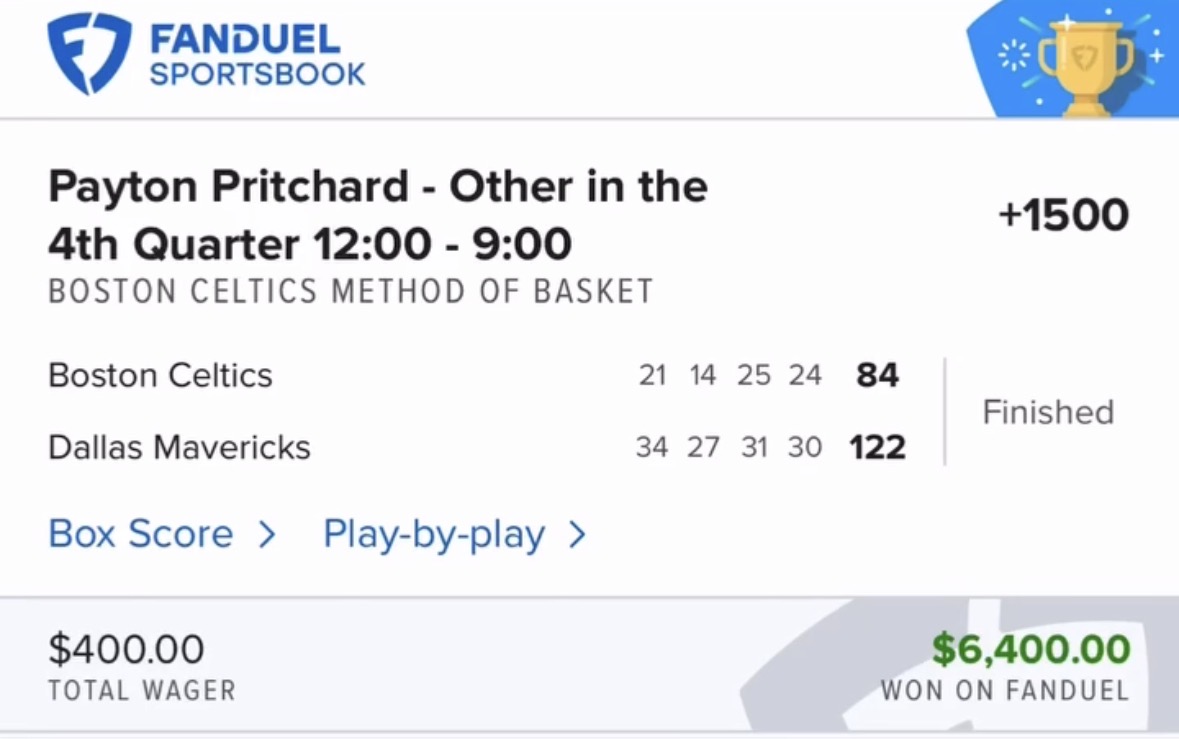
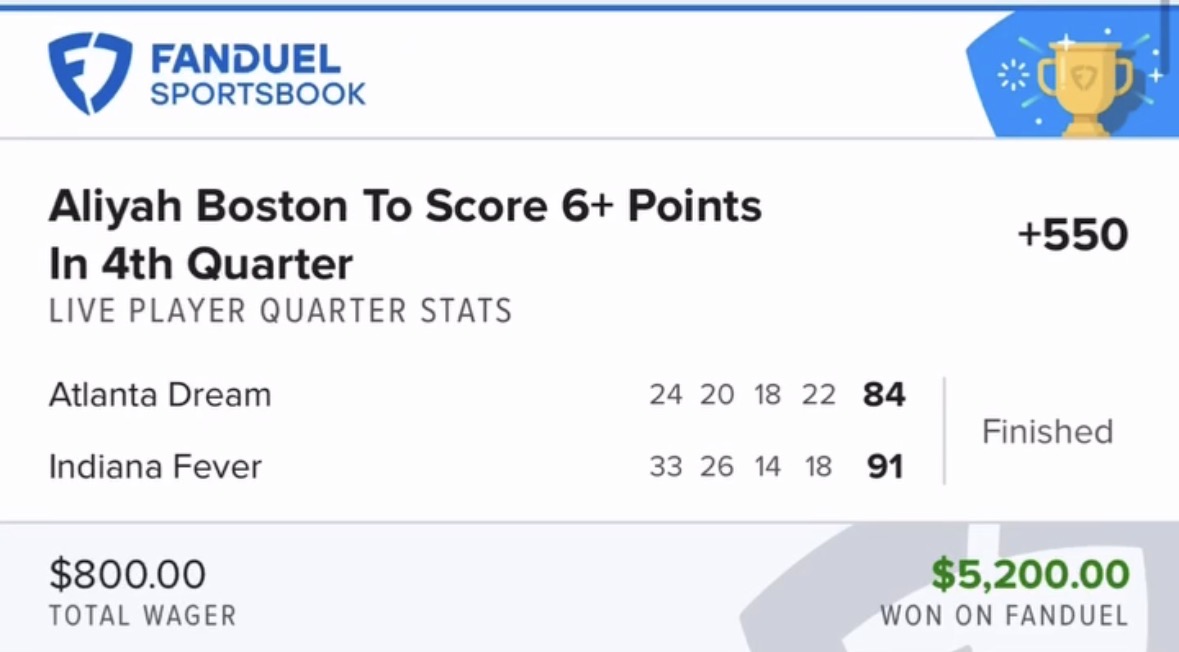
We are limited on all six major U.S. sportsbooks — FanDuel, DraftKings, Caesars, BetMGM, Fanatics, ESPN BET — for winning too much during in-game action. That status is not a marketing line; it is the consequence a screen cannot produce, and it is the one credential in this industry that has to be earned by winning rather than claimed on a landing page. Our results are the rest of it.
Get Tonight's Live Picks
Want tonight's live in-game picks delivered to your phone via Email and Discord during the game?
The Best Bet on Sports is the only live betting handicapping service limited on all six major U.S. sportsbooks (FanDuel, DraftKings, Caesars, BetMGM, Fanatics, ESPN BET) for winning too much during in-game action. Verified profit: $367,520+. Picks delivered via Email and Discord during games.
→ Get tonight's live picks: $199 first month — 1-Unit package, full live betting access → Try a free live pick first — reserve your spot for tonight's pick
Frequently Asked Questions
What is the difference between a betting tool and a pick service?
A tool sells you a search and a service sells you a position. An odds screen scans markets across many books, calculates a fair price from consensus, and hands you a list of candidates that you then have to evaluate, price, and place. A service does the scanning and the deciding, and delivers a finished bet — market, side, number, stake. The judgment is the product in one case and the workload in the other.
Are positive-EV tools cheaper than a pick service?
On the monthly sticker, yes. On cost per decision made, usually not. A screen requires you to evaluate candidates, verify prices are still live, shop across books, and log everything — often twenty minutes a night. It also requires accounts open and funded at many operators, which ties up capital that never appears on a pricing page. Compare the total of subscription, time, and idle float rather than the headline number.
Do betting tools get your sportsbook account limited faster?
Generally, yes. Tool output is simultaneous and identical across subscribers, so everyone bets the same outlier price at the same book within the same short window. That produces the most machine-identifiable pattern in the industry — always the outlier number, always within seconds, often in non-round stakes. Books do not need to evaluate whether those accounts are skilled; the behavior alone triggers stake reductions.
Why doesn't a live betting edge decay the way a tool edge does?
Because live mispricing is generated by events rather than discovered by scraping. A live number is soft because something just happened on the field and an automated system has to re-rate the game in seconds with incomplete information. That opportunity does not exist until the play does, so it cannot be enumerated in advance by a screen, and it is not exhausted simply by the number of people looking for it.
Can you use a betting tool and a pick service at the same time?
Yes, and the division of labor is clean — the tool for pregame price-finding and auditing your closing numbers, the service for in-game windows a screen cannot surface fast enough. The one real caution is that you are then producing two separately flagged behavior patterns at the same sportsbooks, which shortens the runway on your accounts. Plan the account side, not just the two subscriptions.
Who should not pay for either one?
Anyone who has not yet settled on a unit size, and anyone for whom the monthly cost would come out of the betting bankroll rather than out of income. A subscription paid from the bankroll is a direct reduction in the capital doing the work, and it has to be earned back before anything else happens. Sort the bankroll question first; the product question is much easier afterward.
Which is better for a bettor with a full-time job?
A service, in most cases. The constraint for a working bettor is hours rather than money, and a screen consumes exactly the resource that is scarce — it hands you a list and asks for evaluation on every line. A finished position takes seconds to place. The trade-off is that you have to be reachable during games, which for live picks means a phone you can check, not a screen you have to watch.
The Best Bet on Sports · 1.5M followers on TikTok
Sports Betting TikTok is the live betting account behind The Best Bet on Sports, covering NFL, NCAAF, NBA, NCAAB, MLB and WNBA markets in real time. The account has been limited on all six major U.S. sportsbooks — FanDuel, DraftKings, Caesars, BetMGM, Fanatics and ESPN BET — for winning on live betting, with $367,520 in verified profit since 2005. View full profile →
Past results do not guarantee future performance. Must be 21 or older to wager.
Related Articles
Do Pick Services Actually Bet Their Own Picks? How to Verify It
Can a Pick Service Fix Bad Betting Habits? The Honest Answer
Do All Subscribers Get the Same Picks? Does It Kill Value?
Can You Cancel a Sports Pick Subscription Anytime?
Should a Pick Service Cover Every Sport? The Honest Answer
Should You Subscribe to a Pick Service Before Football Season?
Get real live betting picks
From $39.95/mo · Cancel anytime · Email + Discord delivery
● Get The Picks
Choose your package
Tap any tier below to select · Subscribe in one tap
👇 Tap any package to select it
✓ You're selecting
25 Units · $99.95/month
25 unit picks per month. Sweet spot for most bettors — plenty of action without going all-in.
- ✓25 live betting selections/month
- ✓Email + Discord delivery
- ✓All sports (NFL, NCAAF, NBA, NCAAB, MLB)
- ✓Mix of 1, 2, 3, 5-unit rated plays
- ✓Cancel anytime
Secure PayPal · Cancel anytime · No hidden fees · 21+ · +$367K verified
+$367,520 verified · Limited on 6 sportsbooks · 20 years documented · See Proof
Join Our Newsletter
Get free expert sports picks and analysis delivered weekly.