Your Live Betting Bankroll Is Not Your Bankroll — It's Your App Balance

Live betting bankroll liquidity is the difference between the money you have and the money you can actually stake when a position appears. A live number has a shelf life measured in seconds, so funds in your bank, in a pending withdrawal, or in the wrong sportsbook app are not available to you at that moment. Bankroll size answers one question; where the balance is sitting answers a different one.
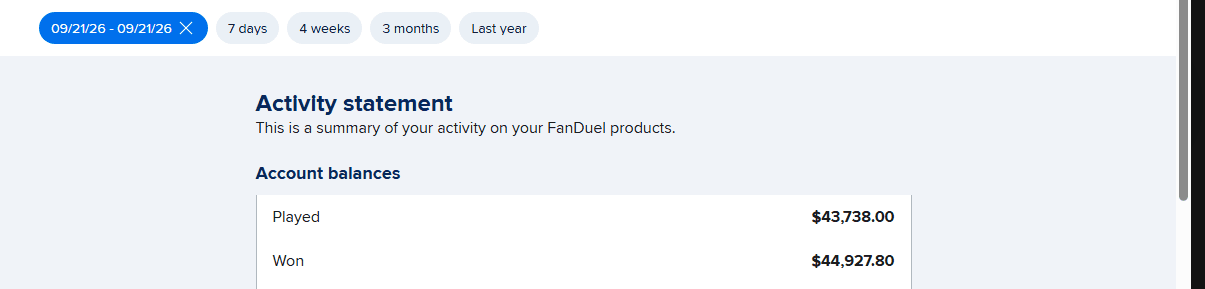
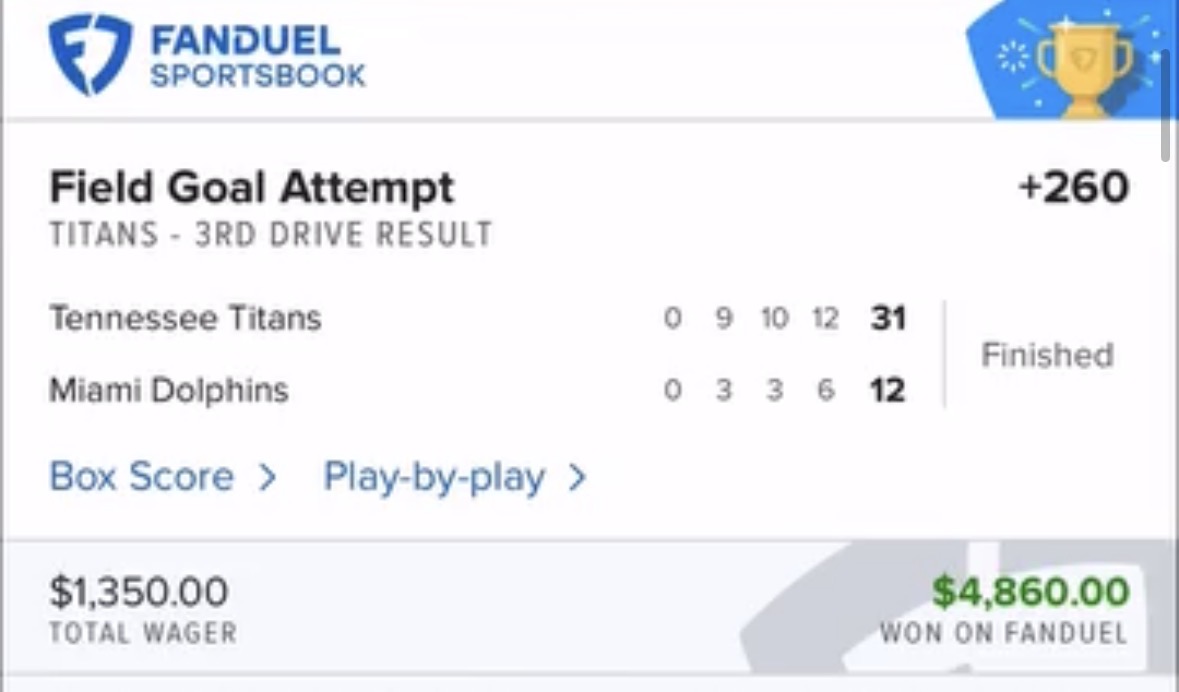
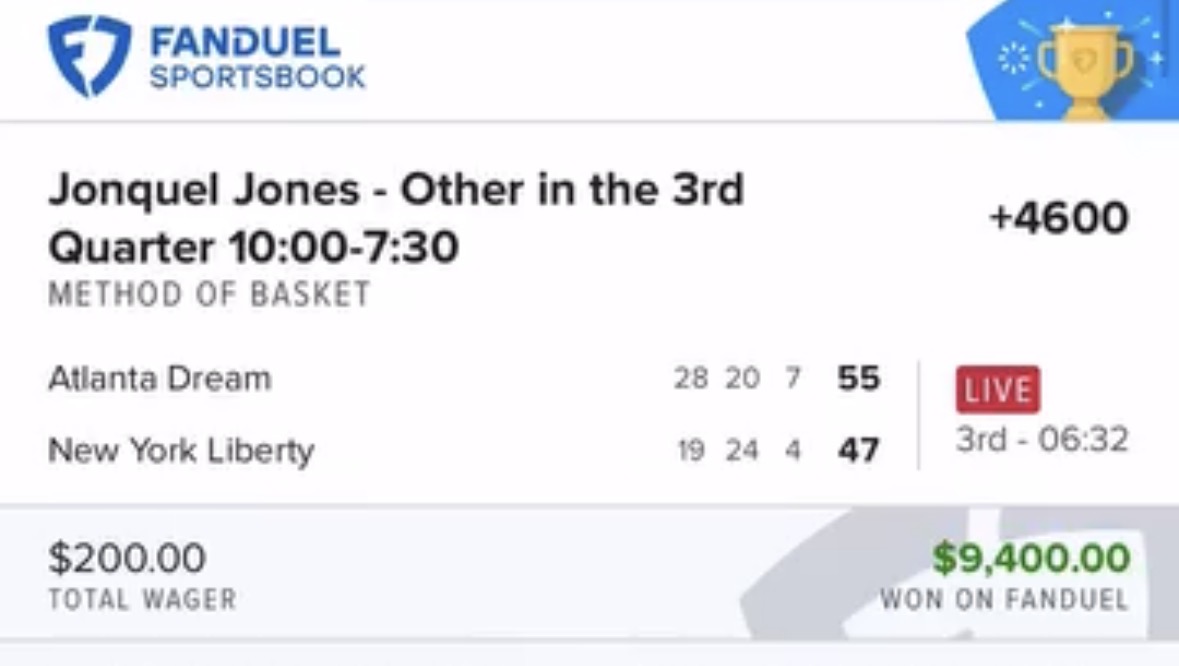
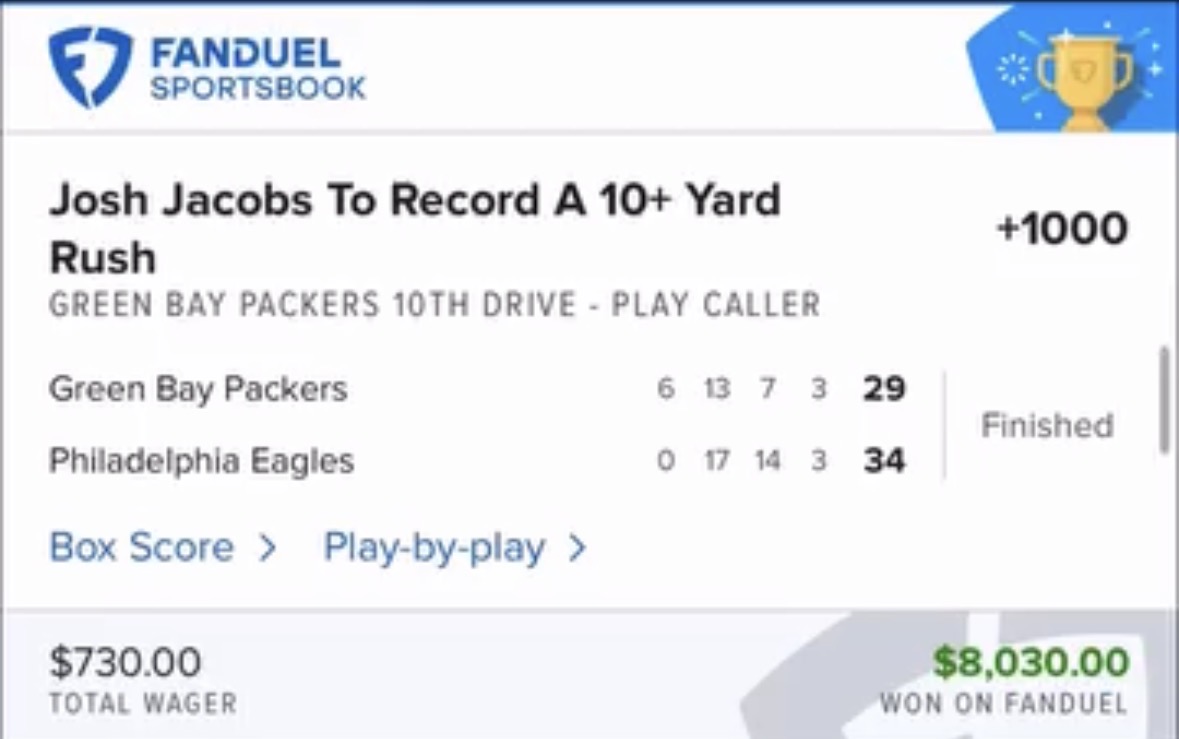
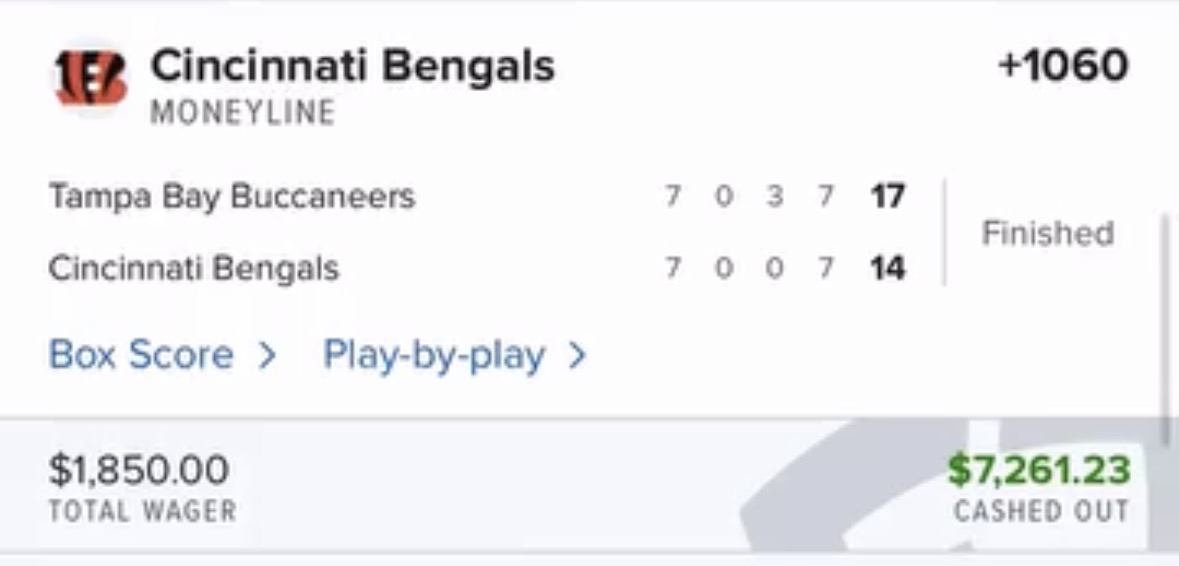
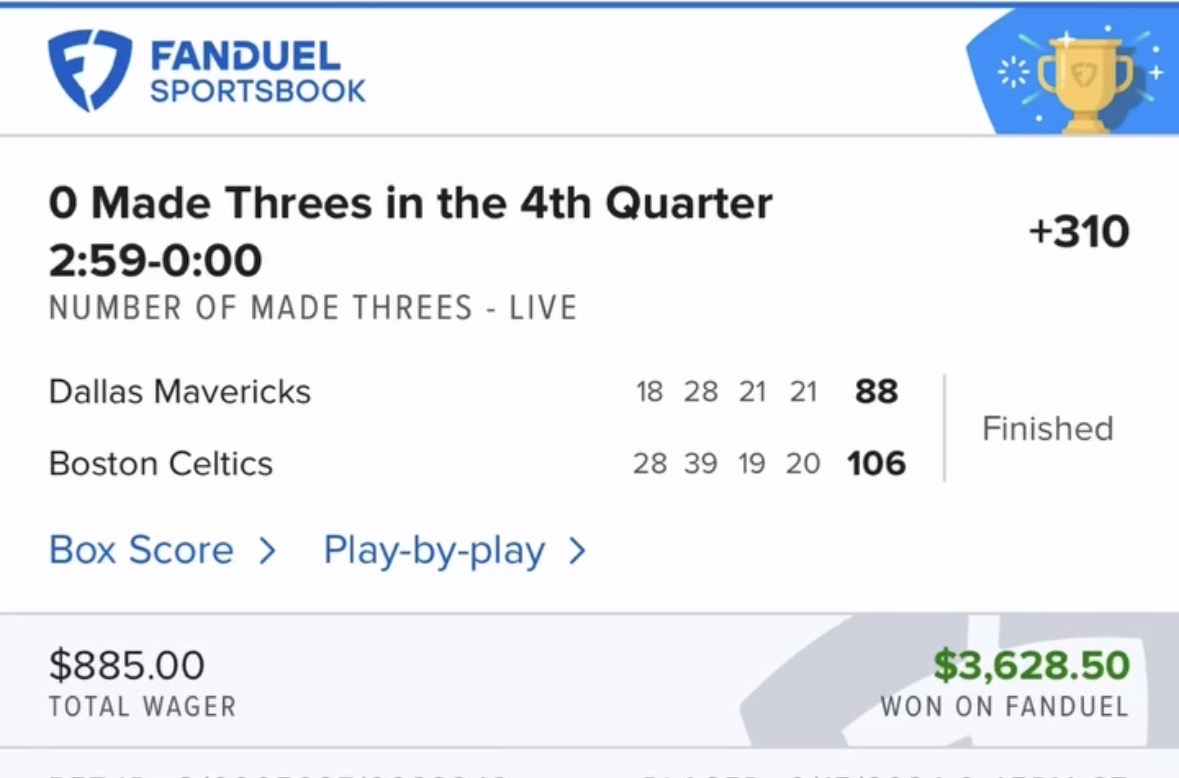
Live betting bankroll liquidity is the gap between the money you own and the money you can put on a number before it moves, and for in-play bettors those are two different figures. A pregame bettor sees a line on Tuesday and can fund an account on Wednesday, so their bankroll is simply a total. An in-play position has a shelf life measured in seconds to a couple of minutes, which means any money that is not already sitting in the specific sportsbook app when the spot appears does not exist for that decision. The Best Bet on Sports has run live in-game picks for more than twenty years and posted a verified $367,520+ in profit across all sportsbooks, and the most common reason a new subscriber's first month underperforms the picks is not the picks and not the sizing. It is that the money was in the wrong place at 9:14 p.m.
This is the least glamorous article on this site and it costs subscribers more money than any handicapping question we write about.
Two Different Objects With the Same Name
Ask a pregame bettor what their bankroll is and you get a number. Two thousand dollars. That number is meaningful because a pregame market gives them all the time they need to convert it into a bet — they can see a number Tuesday afternoon, move money Wednesday, and place the wager Thursday at a price that is still there.
Ask an in-play bettor the same question and a single number is the wrong shape of answer. What they actually have is a set of balances: $600 in one app, $450 in another, $300 in a third, and $650 in a checking account that is not reachable inside a live window. Their bankroll for any specific position is not $2,000. It is whichever of those balances happens to be in the book quoting the number they want, at the moment they want it.
This is not a distinction bettors make on their own, because nothing in the experience of betting teaches it. Your spreadsheet has one row. Your bank has one number. Only the clock makes the difference visible, and the clock only shows up when a position you wanted was available and you could not take it.
The question of how large the total should be is a separate one we cover in what bankroll you need for a live betting service. This article assumes you have settled that and are still leaving money on the table.
The Clock Is the Whole Argument
A live number exists because a game state exists, and game states expire. A total that is correct while a team is in the red zone is not correct ninety seconds later either way — the drive ends in points or it does not, and the number reprices.
Now put a deposit inside that window.
| Step | Realistic time | What can go wrong |
|---|---|---|
| Notice the position | 5-20 sec | You were not looking at your phone |
| Open the app, find the market | 10-30 sec | Market is in the live tab, not where you expect |
| Discover the balance is short | 5 sec | — |
| Open deposit screen, enter amount | 20-40 sec | Card details need re-entry |
| Deposit processes | 10 sec to several minutes | First attempt declines, which is common |
| Return to market and place | 15-30 sec | Number has moved, or the market is suspended |
Even the clean version of that sequence eats most of a live window. The realistic version — where the first card attempt is declined by the issuer, which happens to gambling transactions far more often than to ordinary retail ones — does not finish in time at all. And the failure mode is worse than missing the bet, because a bettor who finally gets funded ninety seconds late usually takes the position anyway at a materially worse number, which is a separate and expensive problem covered in what to do when you cannot get the same line as the pick.
So the working definition is blunt: money that is not already in the app is not bankroll during a game. It is bankroll on Tuesday. On Sunday at 4:40 it is a balance in a different institution.
The Fragmentation Problem Our Own Advice Creates
Here is the tension, stated plainly because ignoring it would be dishonest.
We tell subscribers to hold accounts across several of the six major books, and the reasoning in sportsbook account stacking is sound: sustained winning gets accounts restricted, restrictions land fastest on in-game bettors, and a single account has a usable life measured in months. Spreading across four to six operators extends how long you can actually stake full size. That advice stands.
But it has a cost nobody mentions when giving it. A $2,000 bankroll split across four books is not a $2,000 bankroll — it is four $500 bankrolls that cannot help each other. A position you want at $400 is fine. A position you want at $700 requires splitting it across two books at two different numbers, which means half your stake is at a worse price, or it simply does not happen.
So account stacking solves the limiting problem and creates a liquidity problem, and both are real. The reconciliation is not to pick one. It is to recognize that the two constraints pull in opposite directions and to allocate deliberately instead of letting the split happen by accident — which is what happens when you deposit into whichever app you happened to open first.
The practical version is an uneven split rather than an even one:
| Allocation | Share of funded bankroll | Purpose |
|---|---|---|
| Primary book | 40-45% | Where most positions get taken; needs headroom for a full-size stake |
| Secondary book | 25-30% | Backup pricing and overflow when the primary suspends a market |
| Third and fourth books | 15% each | Coverage for markets the first two do not offer or have already limited |
| Unfunded reserve | Held back at the bank | Replenishment, not same-night ammunition |
The even four-way split feels fair and is the worst configuration available, because it produces four balances that are each too small to take a normal-sized position without a transfer you do not have time to make.
The Part Almost Nobody Anticipates: Your Stake Is Tied Up Until the Final Whistle
This one catches every new in-play bettor and it has nothing to do with deposits.
When you take a live position in the second quarter, that stake is committed until the wager settles, and it settles when the game ends. Not when your side is clearly winning. Not at halftime. At the final whistle. Which means a bettor with $500 in an app who takes a $250 position early has $250 available for the rest of that game — regardless of how well the first position is doing.
Pregame bettors never confront this, because they place their entire card at once and then watch. In-play betting is the only format where you are repeatedly asked to make funding decisions inside a single event, and the capital from your earlier decisions is unavailable while you make the later ones.
The consequences are specific and they are not obvious in advance:
- The best spot in a game is frequently late, and late is exactly when your available balance is lowest.
- A winning early position does not recycle. Being right in the first quarter provides no ammunition for the fourth.
- Cashing out to release funds is expensive — the operator prices in its margin — and doing it because you need liquidity rather than because the position deteriorated is a poor reason to accept that cost.
The workable answer is to stop treating your app balance as a per-night figure and start treating it as a per-game figure. If a normal night is one game, a single balance is fine. If a normal night is three games running concurrently, then your first position in the first game has already reduced what you can do in the other two, and sizing needs to reflect that from the opening tip rather than after you notice. This is one more reason live positions should be sized smaller than pregame ones, which we argue on separate grounds in live betting stake sizing versus pregame.
Withdrawals: The State Where Money Is Nowhere
Worth its own short section because it is the single most avoidable version of this problem.
Money in a pending withdrawal is not in the sportsbook and not in your bank. It is in transit, typically for one to five business days, and during that period it is unavailable to both sides. A bettor who withdraws Thursday to "clear the account" and then finds a position Sunday afternoon has funds that are in the worst possible state — spent from the app's perspective, unarrived from the bank's.
Two habits fix nearly all of it. Withdraw on a schedule tied to the sport's calendar rather than to your mood, which in practice means Monday for a football bettor and never on a game day. And set a floor per account that you do not withdraw below during the season, so the operating balance is stable and only profit above it moves.
There is a legitimate reason people withdraw aggressively, which is not wanting large sums sitting with an operator. That instinct is reasonable, and the circumstances under which a book can hold or refuse a payout are worth understanding on their own terms in can a sportsbook refuse to pay you. The answer is not to keep nothing in the account — it is to keep a defined operating balance in the account and everything above it somewhere else.
Where This Argument Stops
Three limits, and the third one argues against the article's own conclusion.
Liquidity is not edge. Being funded correctly does not make a position good. It only ensures a good position is available to you. Every word here is about removing a tax on picks you were already going to make, not about improving them.
More funded money is not the answer to every missed position. Sometimes the correct response to "I could not take it at $400" is to take it at $250, not to move another $500 into the app. The purpose of this exercise is to make your real constraints visible so you can size inside them — not to keep expanding the constraint until it stops binding. That is how bankrolls end.
And money sitting in a betting app is easier to bet. This is the honest one. Everything above recommends keeping funds pre-positioned in gambling applications, and pre-positioned funds get used, including on positions you would not have bothered funding for. If you know that a balance in front of you is a balance you will spend, then the liquidity advice actively works against you, and a smaller, less convenient bankroll is the better configuration even at the cost of missing spots. Anyone who is not certain which of those describes them should read our responsible betting guide before rearranging anything, and treat the deposit limits and time-outs the major operators provide as ordinary tools rather than as remedies for a problem that has already happened.
What This Looks Like Done Right
The whole system takes about twenty minutes once, then five minutes a week.
Decide your total bankroll. Decide what share of it is funded into apps versus held at the bank — for most subscribers, somewhere between half and three quarters funded is workable. Split the funded portion unevenly across your books using the allocation above. Save payment details in each app so a top-up is two taps rather than a card re-entry. Confirm which of your accounts actually offers in-play markets in your state, because coverage varies and finding out mid-game is a bad time to learn. Then check balances once before the slate, not during it.
That last step is the one that matters most and takes the least time. A pre-slate balance check is the entire difference between knowing your real constraint at 12:55 and discovering it at 4:40.
New subscribers should read this alongside what to expect on your first night, because the two problems compound: the first night is when you are least practiced at the mechanics and most likely to be short in the app that matters. How the positions themselves are constructed is on our live betting picks page, and the graded record is published at verified results.
Get Tonight's Live Picks
Want tonight's live in-game picks delivered to your phone via Email and Discord, in time to act on them with the balance you already have in the app?
The Best Bet on Sports is the only live betting handicapping service limited on all six major U.S. sportsbooks (FanDuel, DraftKings, Caesars, BetMGM, Fanatics, ESPN BET) for winning too much during in-game action. Verified profit: $367,520+. Picks delivered via Email and Discord during games.
→ Get tonight's live picks: $199 first month — 1-Unit package, full live betting access → Try a free live pick first — reserve your spot for tonight's pick
Sport-specific coverage is at NFL picks, football picks, college football picks, and NBA picks.
Frequently Asked Questions
What is live betting bankroll liquidity?
It is the difference between the money you own and the money you can actually stake when an in-play position appears. Because a live number has a shelf life of seconds to a couple of minutes, funds in your bank account, in a pending withdrawal, or in a sportsbook app other than the one quoting the market are not available for that decision. A pregame bettor's bankroll is a single total; an in-play bettor's is a set of separate balances that cannot help each other.
How much of my bankroll should be funded into sportsbook apps?
For most subscribers, somewhere between half and three quarters of the total, with the remainder held at the bank for replenishment rather than same-night use. The more important decision is how the funded portion is divided: an uneven split with 40-45 percent in a primary book and smaller shares across secondary accounts works far better than an even four-way split, which leaves every balance too small to take a normal-sized position.
Why is an even split across sportsbooks a bad idea?
Because it optimizes for fairness rather than for the size of position you actually take. A $2,000 bankroll divided evenly across four books is four $500 balances, and any position larger than $500 either has to be split across two books at two different prices or does not happen. An uneven allocation keeps enough headroom in your primary account to take a full-size position without a transfer you do not have time to make.
Can I just deposit money during the game when I need it?
Usually not fast enough. Opening the deposit screen, entering an amount, waiting for processing, and returning to the market consumes most of a live window even when everything works — and first-attempt card declines are common on gambling transactions. The more expensive outcome is not missing the bet; it is getting funded ninety seconds late and taking the position anyway at a materially worse number.
Does a winning live bet give me money to use later in the same game?
No. A live wager settles when the game ends, not when your side is clearly ahead, so the stake is committed for the rest of the event regardless of how the position is doing. This surprises nearly every new in-play bettor, because the best spot in a game is often late and late is exactly when your available balance is lowest. Cashing out to release funds is possible but expensive, and needing liquidity is a poor reason to accept that cost.
Should I withdraw my winnings between games?
Withdraw on a schedule rather than on impulse, and not on a game day. Money in a pending withdrawal sits in neither the app nor your bank for one to five business days, which is the worst state it can be in. A practical approach is to set a per-account operating balance you do not go below during the season and move only the profit above it, which keeps funds available without leaving an unnecessarily large sum with any one operator.
Does being properly funded actually improve results?
Not directly. Correct funding does not make a position better; it only makes a good position available to you. It removes a tax on picks you were going to make anyway. And it comes with a real trade-off worth naming: money pre-positioned in betting apps is easier to bet, including on positions you would not have bothered to fund for. For some bettors that makes a smaller, less convenient bankroll the better configuration even at the cost of missing spots.
The Best Bet on Sports · 1.5M followers on TikTok
Sports Betting TikTok is the live betting account behind The Best Bet on Sports, covering NFL, NCAAF, NBA, NCAAB, MLB and WNBA markets in real time. The account has been limited on all six major U.S. sportsbooks — FanDuel, DraftKings, Caesars, BetMGM, Fanatics and ESPN BET — for winning on live betting, with $367,520 in verified profit since 2005. View full profile →
Past results do not guarantee future performance. Must be 21 or older to wager.
Related Articles
When Is the Best Time to Start With a Sports Pick Service?
What Bankroll Do You Need for a Live Betting Service?
What If a Live Pick Is on the Other Side of Your Bet?
The 300-to-1 Rule: Why Your Parlay Pays Less Than the Slip Says
Is a Live Betting Service Worth It for College Football? The Honest Math
Will Following a Pick Service Get Your Account Limited?
Get real live betting picks
From $39.95/mo · Cancel anytime · Email + Discord delivery
● Get The Picks
Choose your package
Tap any tier below to select · Subscribe in one tap
👇 Tap any package to select it
✓ You're selecting
25 Units · $99.95/month
25 unit picks per month. Sweet spot for most bettors — plenty of action without going all-in.
- ✓25 live betting selections/month
- ✓Email + Discord delivery
- ✓All sports (NFL, NCAAF, NBA, NCAAB, MLB)
- ✓Mix of 1, 2, 3, 5-unit rated plays
- ✓Cancel anytime
Secure PayPal · Cancel anytime · No hidden fees · 21+ · +$367K verified
+$367,520 verified · Limited on 6 sportsbooks · 20 years documented · See Proof
Join Our Newsletter
Get free expert sports picks and analysis delivered weekly.