What If a Live Pick Is on the Other Side of Your Bet?

A live pick landing against a bet you already placed is normal, not a contradiction. A pregame price forecasts a game that has not started and a live price values the game in front of you, so the two can disagree while both are correct. The right response is to price the combined position rather than pick a side to be loyal to, because the combination is often better than either bet alone.
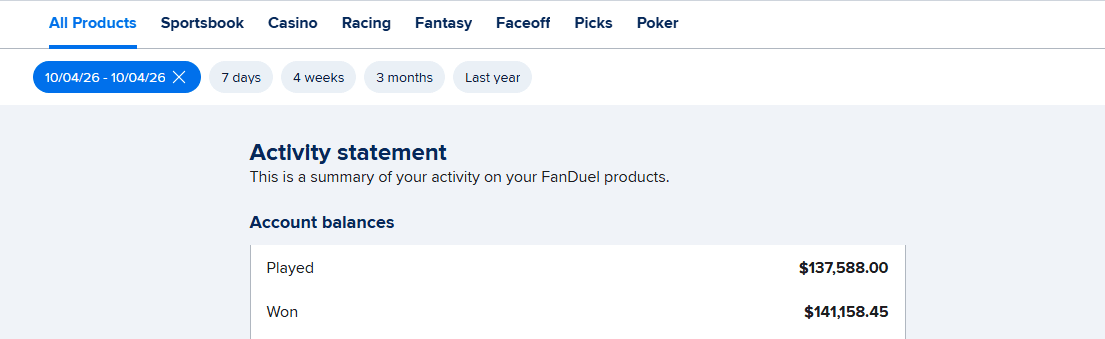
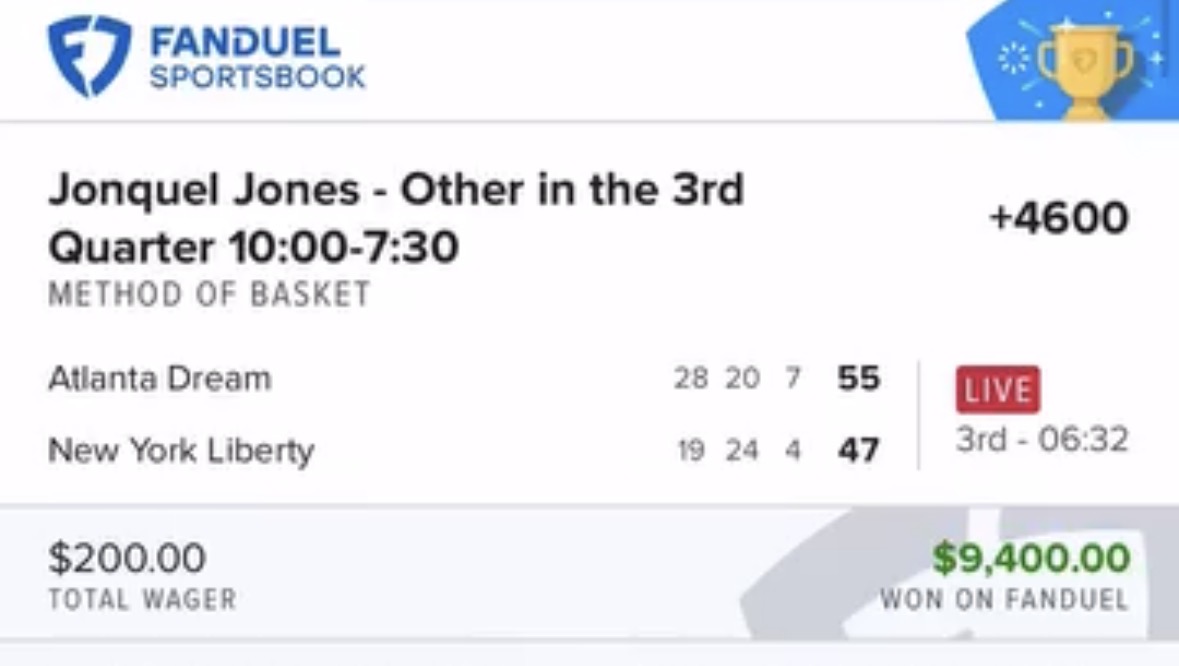
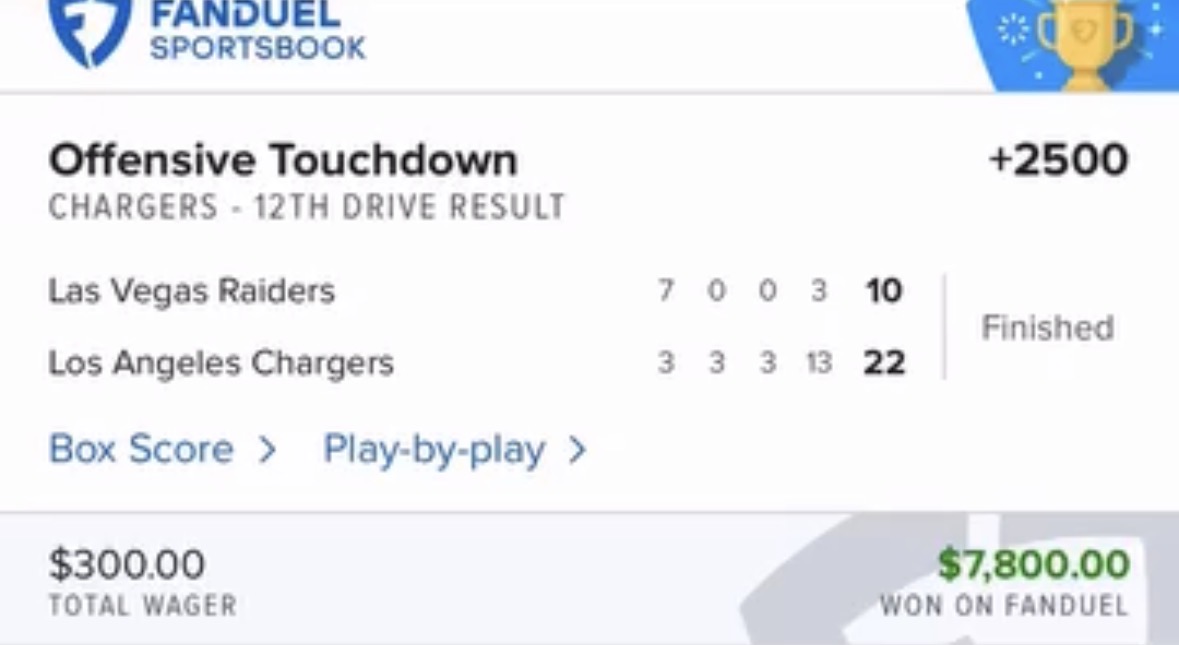
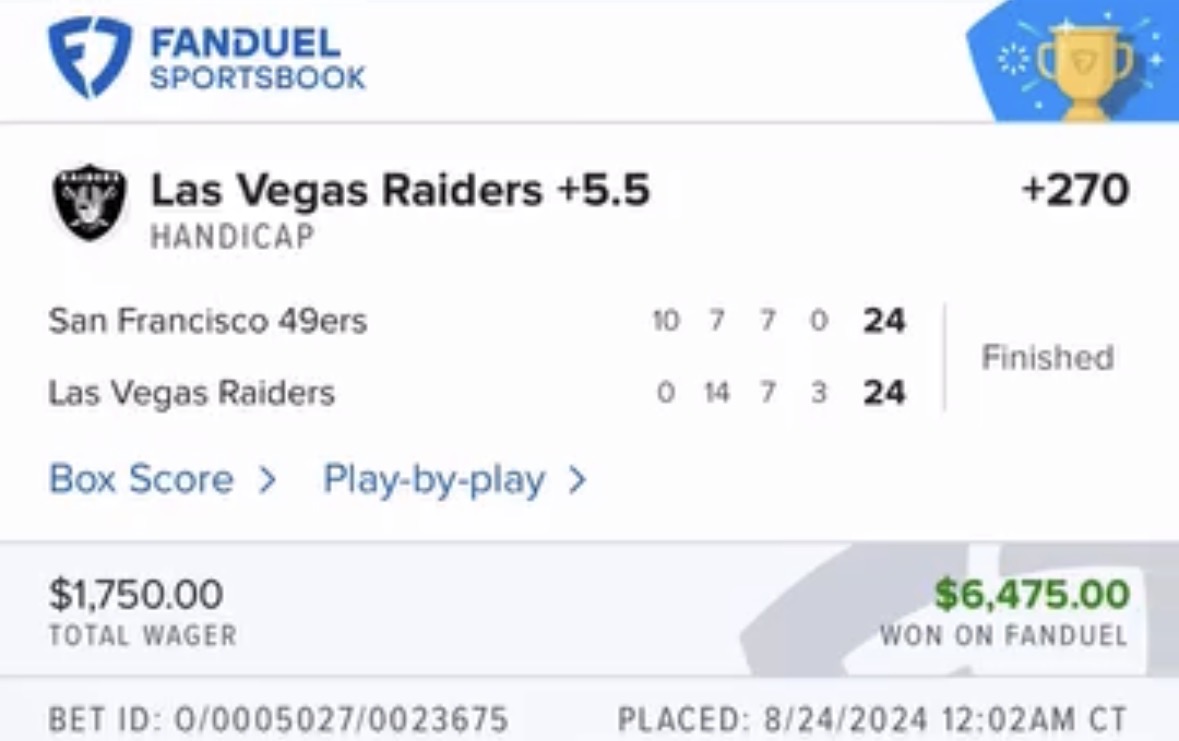
A live pick arriving on the other side of a bet you already placed is one of the most common surprises for a new subscriber, and it is almost never a contradiction. A pregame price is a forecast of a game that has not happened. A live price is a valuation of the game actually in front of you. Those two numbers are allowed to disagree, and when they do, the combined position you now hold is frequently better than either bet was on its own — sometimes capped-risk better. The Best Bet on Sports has run live in-game positions for more than twenty years with a verified $367,520+ in profit across all sportsbooks, and this question comes up in the first week more often than any other.
The instinct is to treat it as a loyalty test: back your own read, or back the service you are paying. That framing is the actual mistake. You are not choosing between two opinions. You are holding a portfolio of two bets on one game, and the only question worth asking is what that portfolio is worth.
Why a Live Pick Ends Up Against Your Own Bet
Nothing has gone wrong when this happens. It is the direct result of how the two markets are built.
A pregame number is set days in advance and prices a distribution of possible games. A live number is reset continuously against one specific game that is already unfolding — this score, this injury, this pace, these two teams playing the way they are actually playing tonight. By the middle of the second quarter, the live market has information the pregame market could not have had, and a fair price built on that information will regularly sit on the opposite side of the fair price built without it.
There is also a structural reason live prices skew toward the team that is currently behind. In-game models react quickly to the scoreboard, and the money in a live market skews toward whoever is winning, because that is where the excitement is. The result is a recurring pattern where the trailing team is the better price, which is precisely the position a live service will take — and precisely the position most likely to sit across from whatever you bet before kickoff.
So the pick is not a retraction of your bet. It is a bet on a number that did not exist when you placed yours.
The Three Shapes a Combined Position Can Take
Before deciding anything, identify which of these you are actually holding. They are not the same problem.
| Shape | What it looks like | What it actually is |
|---|---|---|
| Opposite sides, different numbers | You have the favorite at -3, the live pick is the dog at +8.5 | A middle: a window where both bets win |
| Opposite sides, similar numbers | You have the favorite at -3, the live pick is the dog at -1.5 | A near-scalp: both cannot win, and you have paid two vigs |
| Same side or a related market | You have the favorite, the live pick is the favorite or the over | Stacked exposure, not a conflict |
The third shape is the one people misread most often, because it does not feel like a problem. It is. Two bets that win and lose together are one larger bet, and treating them as two independent positions is how a disciplined bettor ends up with triple exposure on a single outcome without noticing. The same arithmetic that governs overlapping parlay legs applies here, and it is worth reading in the overlap hiding in your ticket stack.
What the Combination Is Actually Worth
Numbers make this concrete. Stated inputs, one game, standard -110 pricing.
You bet Team A -3 before kickoff, risking $110 to win $100. A jumps out to a 21-7 lead, the live market overprices the leader, and the pick that arrives is Team B at +8.5, also $110 to win $100. Four outcomes:
- A wins by 9 or more. Your pregame bet wins, the live bet loses. Net -$10.
- A wins by 4 through 8. Both bets win. Net +$200.
- A wins by exactly 3. The pregame bet pushes, the live bet wins. Net +$100.
- A wins by 1 or 2, ties, or loses. The pregame bet loses, the live bet wins. Net -$10.
Read that column again. Your total downside across every possible result is ten dollars, and there is a five-point window that pays two hundred. That is not a conflict between your read and the service's read. That is a middle, handed to you by the fact that the two numbers were set at different times with different information. The general mechanics of hunting these deliberately are covered in middling sports bets explained and are not re-derived here.
The near-scalp version is genuinely worse, because both bets cannot win and you have paid vig twice to end up close to flat. Even then the answer is not to cancel one on principle. It is to ask which of the two numbers was priced with more information — and the live one always was. If the live price is materially better than your pregame price, the position to reduce is the older one, priced against a game that no longer exists. Just check the math on the exit before taking it, because a cash-out offer is not a fair price: see what a cash-out offer is really worth.
The Most Expensive Response Is Skipping the Pick
There is one reaction that reliably costs more than any of the above, and it is the most common: skipping the live pick because it disagrees with a bet you already made.
Skipped picks are the largest single leak between a service's posted record and a subscriber's actual bankroll, and the reason is not the count of missed plays. It is which plays get missed. Nobody skips the pick that confirms what they already think. The skipped ones are the surprising ones — the plays that most disagree with the bettor's own read, which is exactly the sample where a service's information advantage is largest. Skipping there is not a small random haircut off the record. It is an adversely selected haircut, and it lands hardest on the plays you paid for. That mechanism is broken down in full in why your results won't match a pick service's record.
The money you already have on the game is spent. It has no vote on whether the next price is good.
How to Size the Second Bet When You Already Have Money on the Game
Two rules, and they pull in opposite directions on purpose.
Size the live pick at its own stated unit. Do not shrink it because you are already exposed, and do not inflate it to rescue the earlier bet. A pick sent at one unit is one unit whether you walked in flat or holding a position, because the pick was priced without reference to your bankroll.
Then check total exposure on the game, not per bet. Set a ceiling — most disciplined bettors land somewhere between two and four units of net exposure on any single game — and if the combination breaches it, the position to trim is the pregame one. This is the same principle as live stake sizing generally, which is covered in live betting stake sizing versus pregame, and it depends on having a real unit in the first place: what bankroll do you need for a live betting service.
One more piece of housekeeping that saves arguments later: if the number has moved by the time you get to your phone, that is a separate decision with its own rule, laid out in the live pick price moved — should you still bet it.
Keep Two Ledgers, Not One
When you hold both bets, grade them separately.
The service's record contains its pick, at the price it was sent, win or lose. Your ledger contains both of your bets and your combined result. Those are two different numbers, and collapsing them is how subscribers end up with a distorted view of what they bought — crediting the service for a middle they created themselves, or blaming it for a pregame bet it had nothing to do with.
Two columns. One for what was sent and how it graded at the sent price. One for what you actually did. The gap between them is the most useful diagnostic you will have in month one, because it is entirely within your control, and it tells you far more about your first thirty days than the win-loss record does.
What This Says About What You Are Actually Buying
If the disagreement bothers you at a gut level, it is worth naming what it reveals about the product.
A live betting service is not a second opinion on the pregame market. It is access to a different market — one that opens after kickoff, prices continuously, and is where the operators who get restricted for winning tend to live. A service that never contradicts your pregame bets is a pregame service, and it should be evaluated as one. The reason live pricing supports a subscription at all is examined in why live betting services cost more, and the broader build-versus-buy question in picks service versus doing it yourself.
The uncomfortable version of the same point: if a service's picks always agree with you, you are paying for confirmation.
Where This Rule Stops
None of this is an argument for holding two positions on every game. If tracking a combined position is going to stress you into a bad decision at the worst moment of the night, the cleaner solution is to stop betting pregame on nights you plan to follow live picks. That is a legitimate choice, and it costs nothing except a market you were probably not beating anyway.
It is also not an argument for automatic hedging. Whether to secure a result or let a position run is its own decision with its own inputs, laid out in in-game hedging versus letting it ride.
The rule that survives all of it: when a live pick lands against your own bet, do not pick a side to be loyal to. Add the two together, look at what the combination pays in every outcome, and decide from there.
Get Tonight's Live Picks
Want tonight's live in-game picks delivered to your phone via Email and Discord during the game?
The Best Bet on Sports is the only live betting handicapping service limited on all six major U.S. sportsbooks (FanDuel, DraftKings, Caesars, BetMGM, Fanatics, ESPN BET) for winning too much during in-game action. Verified profit: $367,520+. Picks delivered via Email and Discord during games.
→ Get tonight's live picks: $199 first month — 1-Unit package, full live betting access → Try a free live pick first — reserve your spot for tonight's pick
If you arrived here from a search for expert sports picks or daily sports betting picks, those pages explain exactly what gets sent and when. Packages are compared on buy sports picks, buyer questions are answered on pay for sports picks, and delivery and coverage are laid out in full on the sports handicapping service page. For football, see football betting picks and football handicappers; for basketball, see basketball handicapping. The full in-game ledger, losses included, is on the results page, and the product itself is described on live betting picks.
Frequently Asked Questions
What should you do when a live pick is on the other side of your own bet?
Treat the two bets as one combined position rather than as competing opinions. Work out what you win or lose in every possible outcome, because opposite sides at different numbers frequently create a window where both bets win. In many cases the combination has a smaller downside than either bet held alone, which makes cancelling one of them the worse decision.
Why would a live pick contradict a pregame line?
Because the two markets are pricing different things. A pregame number forecasts a distribution of possible games; a live number values the specific game unfolding right now, with the score, the injuries and the pace already known. Live models also react hard to the scoreboard while public money follows the leader, which regularly leaves the trailing team as the better price.
Does holding both bets remove the risk?
No. Opposite sides at different numbers can create a middle where both win and the worst case is small, but opposite sides at similar numbers create the reverse: both bets cannot win, and you have paid vig twice to finish close to flat. Which situation you are in depends entirely on the gap between the two numbers, so the arithmetic has to be checked case by case.
Should you skip a pick you disagree with?
That is the most expensive habit a new subscriber can form. Skipped picks are the biggest leak between a posted record and an actual bankroll, and the leak is adversely selected — the picks that get skipped are the ones that most disagree with your own read, which is exactly where a service's information advantage is largest.
How much should you bet on a live pick if you already have money on the game?
Bet the pick at its stated unit, then check your total exposure on that game against a ceiling you set in advance. Do not shrink the stake because you are already exposed and do not enlarge it to rescue an earlier bet. If the combined position breaches your ceiling, reduce the older position rather than the one priced with better information.
Should you cash out your pregame bet when the live pick disagrees?
Only if the offer is a fair price, which it usually is not. A cash-out figure carries a built-in margin, so accepting one is a decision to pay for certainty. Compare the offer against the current live market price for the same exposure before taking it, and if the two are far apart, the market is the better exit.
Does a live betting service replace your own handicapping?
Not necessarily, and it does not have to. A live service operates in a market that opens after kickoff and prices continuously, which is a different market from the one your pregame bets live in. Plenty of subscribers keep their own pregame action and treat the live picks as a separate book of business, with a separate ledger and a separate unit size.
The Best Bet on Sports · 1.5M followers on TikTok
Sports Betting TikTok is the live betting account behind The Best Bet on Sports, covering NFL, NCAAF, NBA, NCAAB, MLB and WNBA markets in real time. The account has been limited on all six major U.S. sportsbooks — FanDuel, DraftKings, Caesars, BetMGM, Fanatics and ESPN BET — for winning on live betting, with $367,520 in verified profit since 2005. View full profile →
Past results do not guarantee future performance. Must be 21 or older to wager.
Related Articles
Why Most Sports Bettors Lose Money (And What Winners Do)
Which Live Betting Package Is Right for You: 1-Unit vs VIP
Should Pick Service Bets Have Their Own Bankroll?
The 2026 NFL Rule Changes That Move Live Betting Numbers
Why Being Good at Fantasy Football Doesn't Make You Good at Betting
The 300-to-1 Rule: Why Your Parlay Pays Less Than the Slip Says
Get real live betting picks
From $39.95/mo · Cancel anytime · Email + Discord delivery
● Get The Picks
Choose your package
Tap any tier below to select · Subscribe in one tap
👇 Tap any package to select it
✓ You're selecting
25 Units · $99.95/month
25 unit picks per month. Sweet spot for most bettors — plenty of action without going all-in.
- ✓25 live betting selections/month
- ✓Email + Discord delivery
- ✓All sports (NFL, NCAAF, NBA, NCAAB, MLB)
- ✓Mix of 1, 2, 3, 5-unit rated plays
- ✓Cancel anytime
Secure PayPal · Cancel anytime · No hidden fees · 21+ · +$367K verified
+$367,520 verified · Limited on 6 sportsbooks · 20 years documented · See Proof
Join Our Newsletter
Get free expert sports picks and analysis delivered weekly.