The Number Moved. Do You Still Bet It?

Every live betting subscriber eventually opens the app twenty seconds late and finds a worse number than the one in the alert. The right decision is not a judgment call and it is not about how badly you want the bet. It is arithmetic: a pick implies an estimated win probability, that probability has a break-even price attached to it, and everything between the quoted number and the break-even number is tolerance you can spend once.
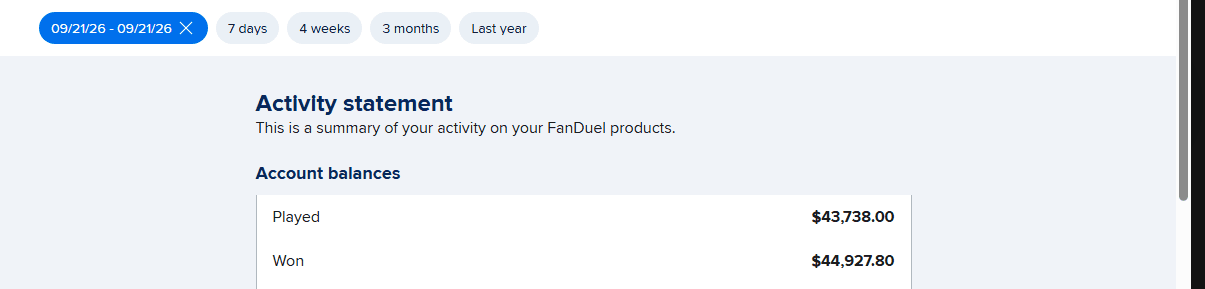
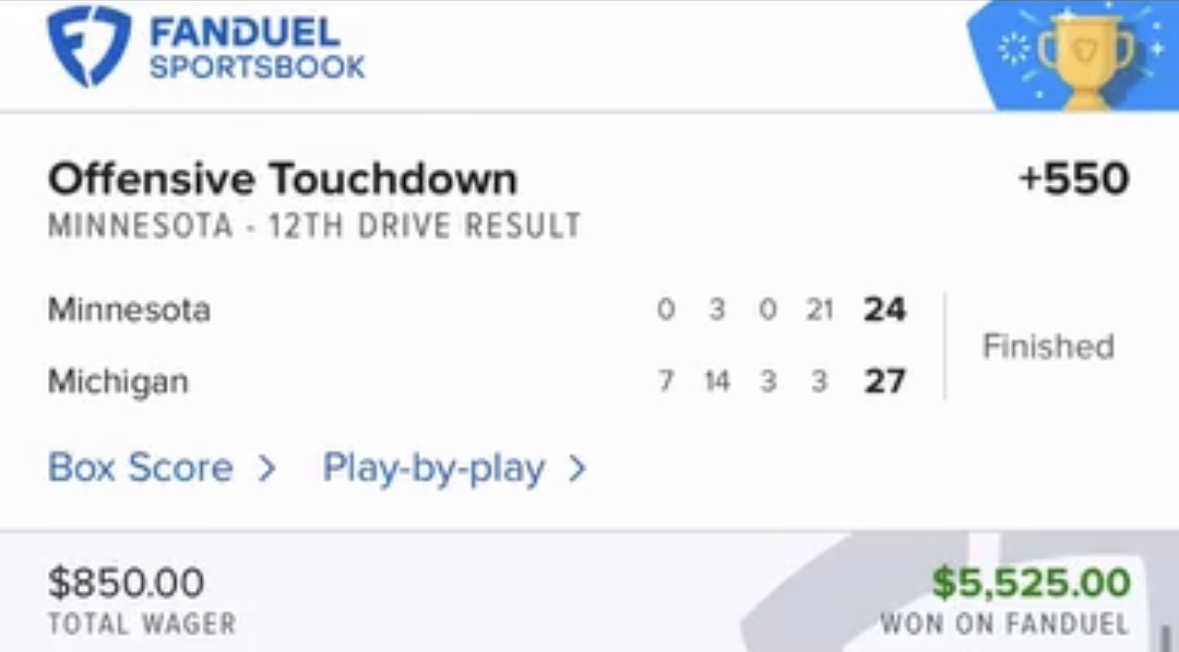
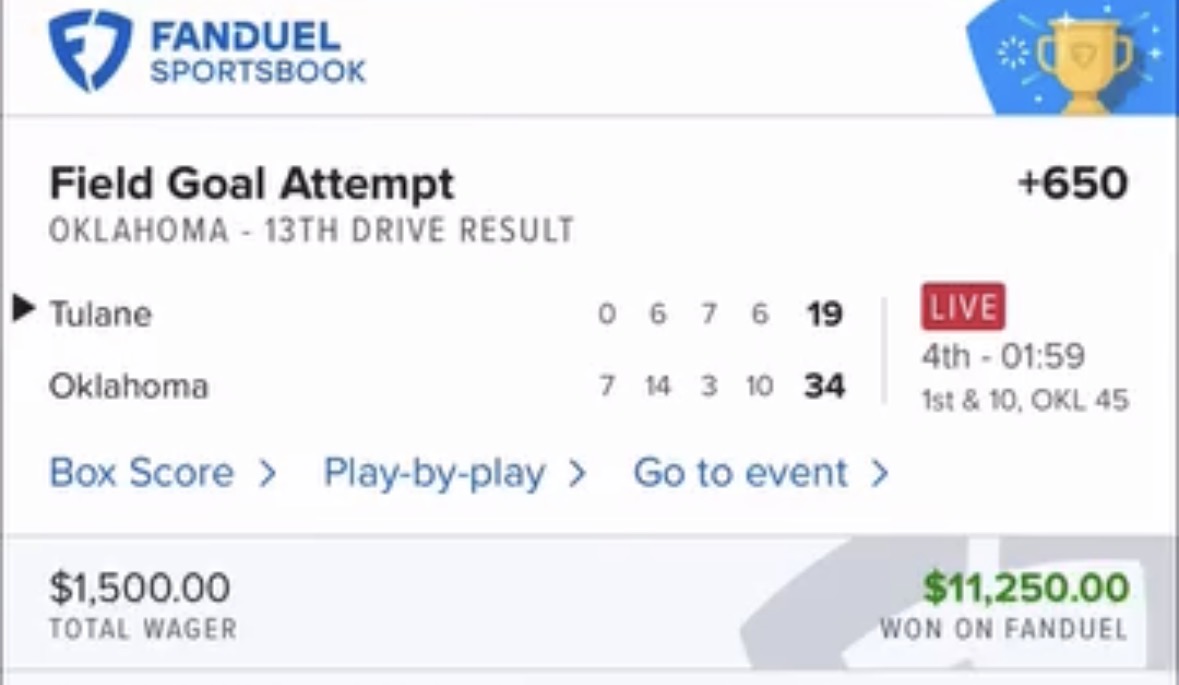
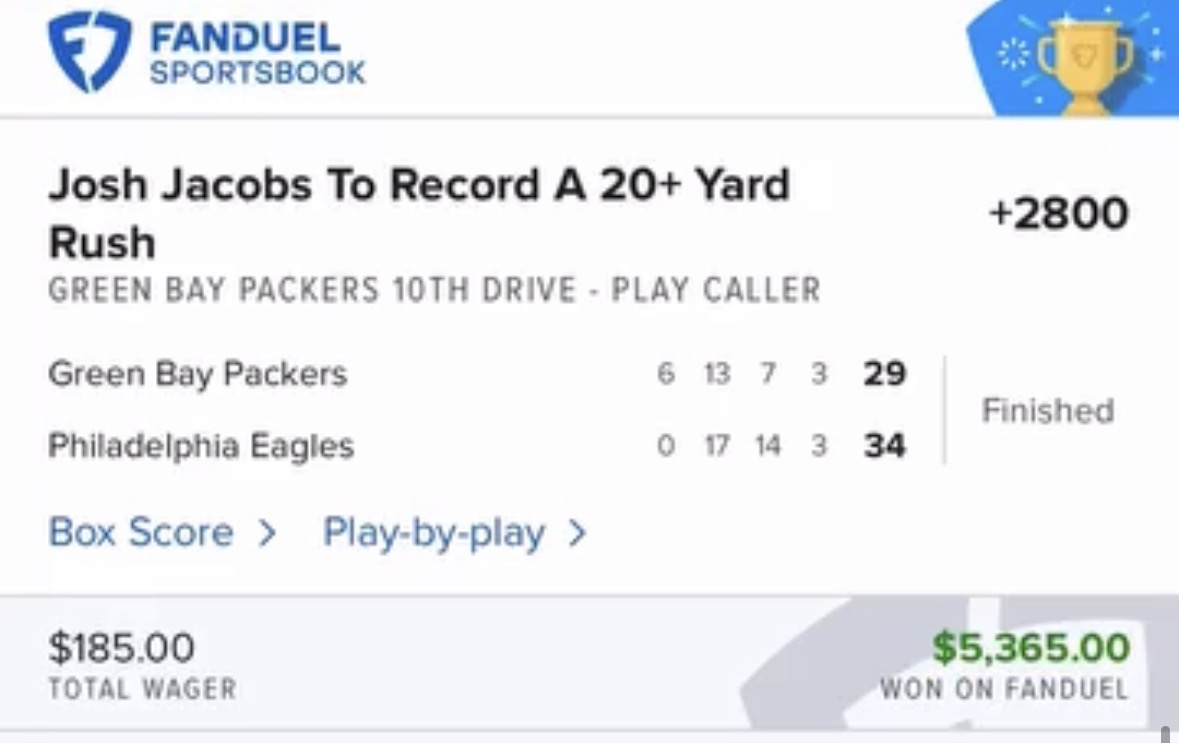
A live pick arrives at a specific number. You open the app, and the number is worse. The decision in front of you is not whether you still like the bet — you never had an opinion on the bet, that is what you subscribed for — it is whether any edge survives the price you are actually being offered. That question has an arithmetic answer. A pick sent at +100 because the estimate is roughly 55 percent is break-even at -122 and worth nothing beyond it, and by -110 half the expected value is already gone. The Best Bet on Sports has run live in-game picks for more than twenty years with a verified $367,520+ in profit across all sportsbooks, and the difference between a subscriber who tracks the record and one who does not is more often this decision than any handicapping question.
Two kinds of subscribers get this wrong in opposite directions, and both are common enough to be predictable.
The first takes any price. The alert said the play, so the play is the play, and whatever the app shows is what they bet. The second refuses anything off the quote by a single cent, passes a third of the card, and finishes the month wondering why their results and the posted record are not in the same neighborhood.
Neither has a rule. Both are improvising under time pressure, which is the worst condition available for making a pricing decision.
What a Pick Is Actually Telling You
A live pick contains more information than the side. It contains a price, and the price is the assertion.
When a play goes out at +100, the implicit claim is that the true probability of the outcome is meaningfully above 50 percent — otherwise there would be nothing to send. The size of that gap is the edge, and it is finite. It is not "this will win." It is "this is worth more than what the book is charging for it, by roughly this much."
That framing is what makes the late-arrival question answerable. You are not asking whether the read is still good. The read has not changed in ninety seconds. You are asking whether the read was worth more than the new price.
The Break-Even Table
Every win probability has exactly one price at which a bet on it is worth nothing. Below that price it makes money over time. Above it, it loses.
| Estimated win probability | Break-even price | What that means |
|---|---|---|
| 52% | -108 | Almost no room; a standard -110 is already a loser |
| 55% | -122 | About a 22-cent cushion from an even-money quote |
| 58% | -138 | Comfortable room, but the play is rarer |
| 60% | -150 | Wide cushion; these do not come often |
The 55 percent row is the useful one, because it is roughly where a well-selected in-play position lives. It is not a coin flip and it is not a certainty. It is a modest, real, repeatable advantage.
Now watch what slippage does to it. Same 55 percent estimate, different prices, expressed as expected profit per dollar risked:
| Price you get | Expected value per $1 | Share of the original edge left |
|---|---|---|
| +100 (the quote) | +$0.100 | 100% |
| -105 | +$0.074 | 74% |
| -110 | +$0.050 | 50% |
| -115 | +$0.028 | 28% |
| -120 | +$0.008 | 8% |
| -122 | $0.000 | 0% |
A ten-cent move takes half of it. A twenty-cent move takes essentially all of it.
That is the number worth carrying around. Not "prices move fast" — everyone knows that. Ten cents is half the bet.
The Rule, and Why It Is Stricter Than the Table
The table above assumes you know the true probability is 55 percent. You do not. Nobody does. It is an estimate, and estimates carry error.
If the real number is 53 percent rather than 55, the break-even price is -113 rather than -122, and a bet placed at -115 that looked marginally positive is actually negative. The estimate error does not average out in your favor, because you only find out you were wrong on the bets that lose.
So the working rule has to leave a margin for being slightly wrong about the edge itself:
Spend no more than a third of the stated cushion, and pass when you exceed it.
On a +100 pick with a 55 percent estimate, the cushion is 22 cents. A third of that is about seven cents. Anything at -105 or better is a bet. Anything past -110 is a pass, even though the arithmetic says -115 is technically still alive — because the arithmetic assumes a precision the estimate does not have.
That rule is deliberately conservative, and it produces a specific, healthy behavior: you take most of the card and pass a small, well-defined slice of it. Compare that to the two failure modes at the top of this article, where one subscriber takes 100 percent at whatever price and the other takes 65 percent at perfect prices. The rule-follower takes 90 percent at prices that preserve most of the edge, and that is the version that tracks the record.
Points Are Not Cents
The table above is for moneyline-style prices. On spreads and totals, slippage arrives as points, and points are worth wildly different amounts depending on where they sit.
Half a point on an NFL spread moving off 3 is expensive — books commonly charge 20 to 30 cents to buy across that number, which is the market telling you exactly what it is worth. Half a point on a total sitting at 47.5 is worth a fraction of that. Half a point on a live basketball total is worth less again, because scoring is continuous rather than clustered on specific margins.
So the same rule applies with a translation step: convert the point move into its price equivalent before deciding. A half-point that costs you 25 cents is past the threshold on almost any pick. A half-point that costs six cents usually is not. If you do not know what the move is worth, the book will tell you — look at the alternate line one step away and read the price difference.
Where This Sits Relative to Speed
This article is not about being fast. Speed is a separate problem with separate solutions, covered in how fast you need to act on a live betting alert and can you actually place live betting picks in time, and the delivery channel that reaches you first is examined in Discord and email delivery for live picks.
The point of a tolerance rule is what happens after speed has failed. It will fail sometimes. You will be driving, or in a meeting, or the notification will land while your phone is face down. On those occasions the question is not how to have been faster. It is what to do with the number in front of you, and having decided that in advance is the only way to answer it in the eight seconds you have.
There is a related mechanical issue worth closing: your app's odds-change setting determines whether you even get to make this decision or whether the book quietly makes it for you at confirmation. That is covered in the parlay setting nobody reads, and the short version is that accept-everything removes the choice this article is about.
The Part Nobody Wants to Hear
A tolerance rule will cost you winners. That is not a flaw in it.
You will pass a pick at -115, watch it cash, and feel the specific irritation of having been disciplined for nothing. This happens roughly 55 percent of the time on every pick you pass, by construction. If passing a bet only ever felt good, everyone would do it.
The rule is not built to win individual decisions. It is built so that the price you pay across a few hundred wagers stays close to the price the record was built at. That gap — subscriber price versus service price — is one of the four documented leaks between a posted record and an actual bankroll, all four of which are broken down in why your results won't match a pick service's record. Price slippage is the one leak a subscriber can close completely with a rule and a calculator.
The other half of the discipline is tracking it. Log the quoted price and the price you got on every wager, as part of the wider record described in what to track in a betting log. After a month you will have a number: the average cents you gave up per bet. Multiply it out. For most subscribers it is a larger figure than anything they are arguing about in a group chat.
The Thirty-Second Version
The pick's price is a claim about how much the bet is worth. Slippage spends that claim. Ten cents costs about half of a typical live edge, twenty cents costs nearly all of it, and because the underlying estimate is imprecise, the working threshold should be a third of the cushion rather than all of it.
Decide the threshold before tonight's first alert. Convert point moves into cents before comparing. Take the bet when the number clears, pass without argument when it does not, and log both. Whether you have to play every pick at all is its own question, answered in do you have to bet every pick.
Get Tonight's Live Picks
Want tonight's live in-game picks delivered to your phone via Email and Discord during the game — with the number, the side, and the window, so the only decision left is the one this article just gave you a rule for?
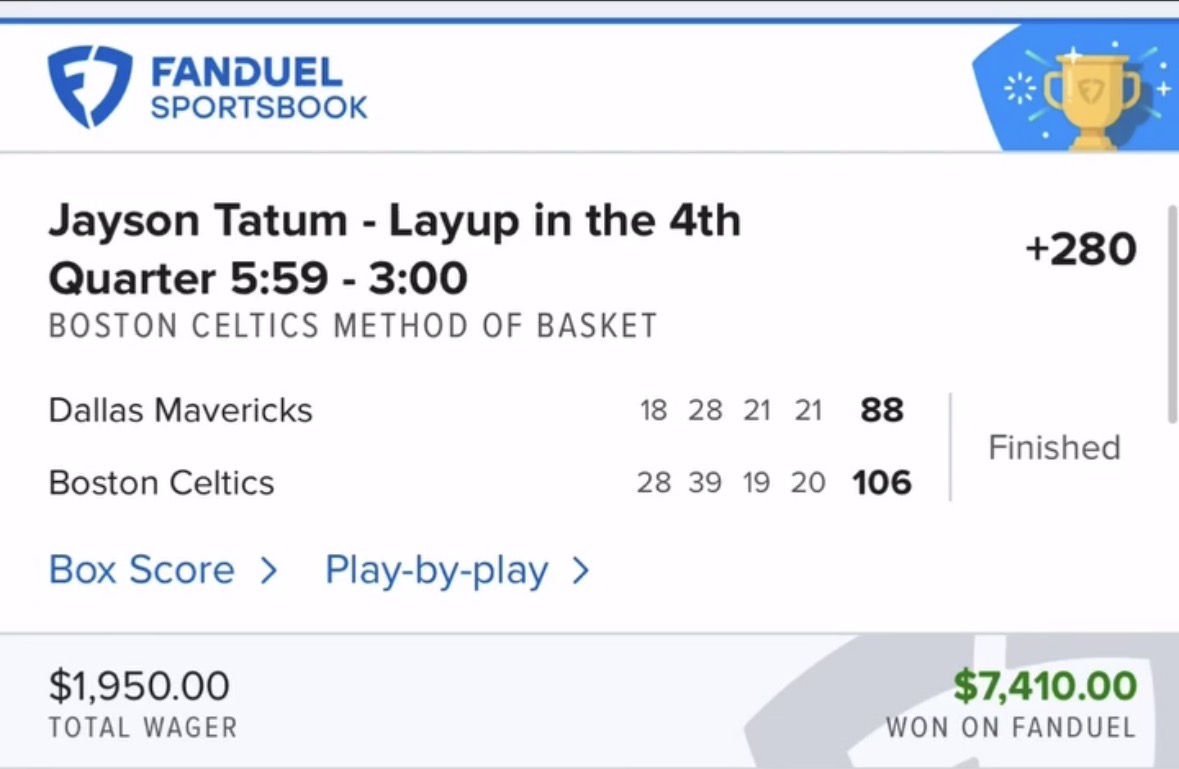
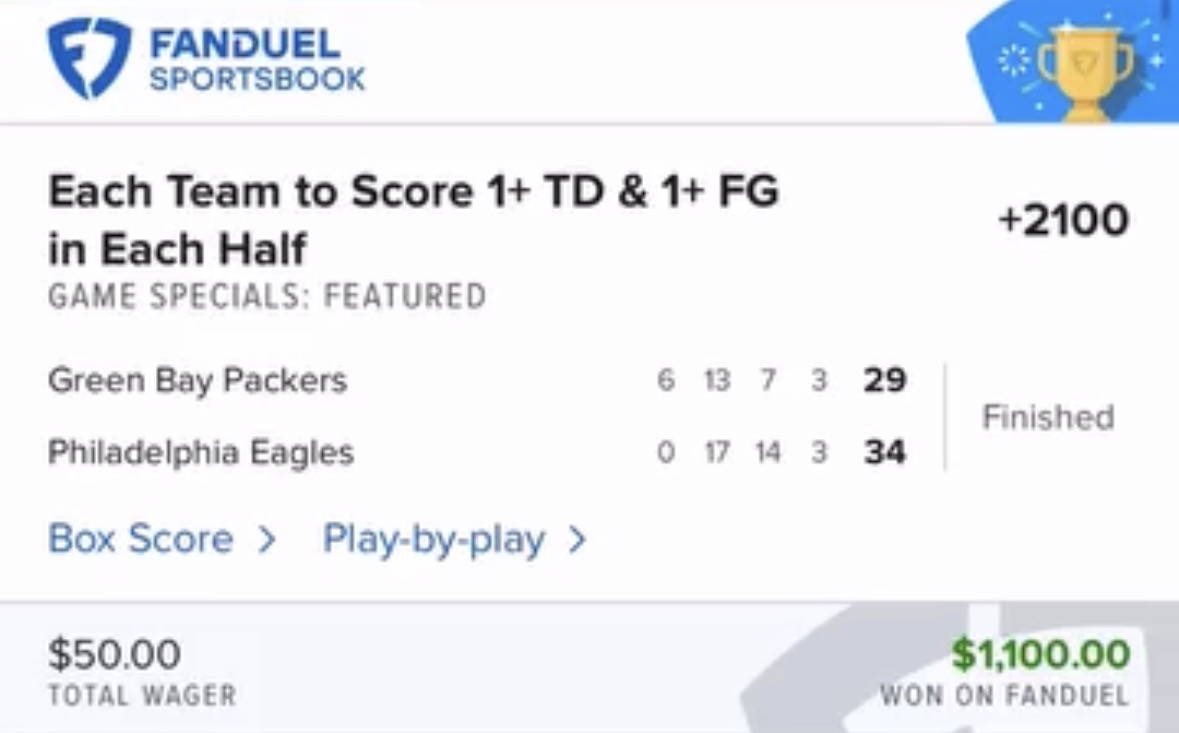
The Best Bet on Sports is the only live betting handicapping service limited on all six major U.S. sportsbooks (FanDuel, DraftKings, Caesars, BetMGM, Fanatics, ESPN BET) for winning too much during in-game action. Verified profit: $367,520+. Picks delivered via Email and Discord during games.
→ Get tonight's live picks: $199 first month — 1-Unit package, full live betting access → Try a free live pick first — reserve your spot for tonight's pick
More coverage at live betting picks, sports handicappers, NFL picks, and our results.
Frequently Asked Questions
Should I still bet a live pick if the number moved against me?
Sometimes, and the test is arithmetic rather than instinct. A pick carries an implied estimate of the outcome's probability, and that probability has one price at which the bet is worth exactly nothing. Everything between the quoted price and that break-even price is cushion. If the new number still sits comfortably inside the cushion, the bet remains positive; if it is close to break-even or past it, you are betting a losing proposition on a correct opinion.
How much can a price move before a live pick stops being worth it?
For a play sent at +100 with roughly a 55 percent estimate, break-even is -122, which is a 22-cent cushion. But that assumes the 55 percent figure is exact, and it never is. A practical threshold spends no more than a third of the cushion — about seven cents — which means taking anything at -105 or better and passing beyond roughly -110. The stricter threshold exists to absorb error in the estimate itself.
Why does a ten-cent move cost so much?
Because the edge on a good live position is small in absolute terms even when it is meaningful in the long run. At a 55 percent estimate, an even-money price returns about ten cents per dollar risked. Taking -110 instead returns about five cents. The price moved ten cents and the expected profit halved, because the edge was only ever twenty-two cents wide to begin with. Small movements are large relative to a small edge.
How do I apply this to a spread or a total instead of a moneyline?
Convert the point movement into its price equivalent first. Half a point is worth very different amounts depending on the number it crosses — moving across 3 on an NFL spread is expensive enough that books commonly charge 20 to 30 cents for it, while half a point on a basketball total is worth a fraction of that. Check the alternate line one step away and read the price difference; that is the book telling you what the move costs.
Is it better to just take every pick regardless of price?
No, and it is the more expensive of the two mistakes. Taking any price converts a positive-expectation service into a coin flip on the ones where you arrived late, and because late arrivals cluster on the fastest-moving numbers, the bets you overpay for are systematically the ones the market was already correcting. Consistently paying past break-even can erase the edge across a full month even when every individual selection was sound.
Is it better to pass anything that is not the exact quoted price?
That is the other failure mode, and it is quieter but real. A subscriber who passes every wager that is a cent off the quote will play a fraction of the card, and the ones they miss are not randomly distributed either — they are the fast-moving numbers, which are frequently the strongest positions. A defined threshold takes most of the card at prices that preserve most of the edge, which is what actually tracks a posted record.
How do I know whether slippage is costing me money?
Log two numbers on every wager: the price in the alert and the price you actually got. After a few weeks, average the difference. That single figure tells you the cents per bet you are surrendering, and multiplying it by your volume converts it into a dollar amount. Most subscribers who run this exercise find the total is larger than any other correctable leak in their process, and unlike variance, it is fully within their control.
The Best Bet on Sports · 1.5M followers on TikTok
Sports Betting TikTok is the live betting account behind The Best Bet on Sports, covering NFL, NCAAF, NBA, NCAAB, MLB and WNBA markets in real time. The account has been limited on all six major U.S. sportsbooks — FanDuel, DraftKings, Caesars, BetMGM, Fanatics and ESPN BET — for winning on live betting, with $367,520 in verified profit since 2005. View full profile →
Past results do not guarantee future performance. Must be 21 or older to wager.
Related Articles
Why Some Games Never Get a Live Pick
Should You Use Bonus Bets on Live Picks?
Can You Use a Live Betting Service in Your State?
How Fast Do You Need to Act on a Live Betting Alert?
Michigan's Hail Mary vs Western Michigan: What an 18.7% Live Price Actually Paid
Is a Live Betting Service Worth It for the NFL? An Honest Answer
Get real live betting picks
From $39.95/mo · Cancel anytime · Email + Discord delivery
● Get The Picks
Choose your package
Tap any tier below to select · Subscribe in one tap
👇 Tap any package to select it
✓ You're selecting
25 Units · $99.95/month
25 unit picks per month. Sweet spot for most bettors — plenty of action without going all-in.
- ✓25 live betting selections/month
- ✓Email + Discord delivery
- ✓All sports (NFL, NCAAF, NBA, NCAAB, MLB)
- ✓Mix of 1, 2, 3, 5-unit rated plays
- ✓Cancel anytime
Secure PayPal · Cancel anytime · No hidden fees · 21+ · +$367K verified
+$367,520 verified · Limited on 6 sportsbooks · 20 years documented · See Proof
Join Our Newsletter
Get free expert sports picks and analysis delivered weekly.