Should You Use Bonus Bets on Live Picks?

A bonus bet is not cash. The stake never comes back, so a $100 credit used at standard pricing is worth roughly $48 in real expectation — under half its face value. Subscribers routinely plan to test a pick service using promotional credit, and the arithmetic makes that the one funding method almost certain to understate what the picks did. Here is what a credit is actually worth, and where it belongs instead.
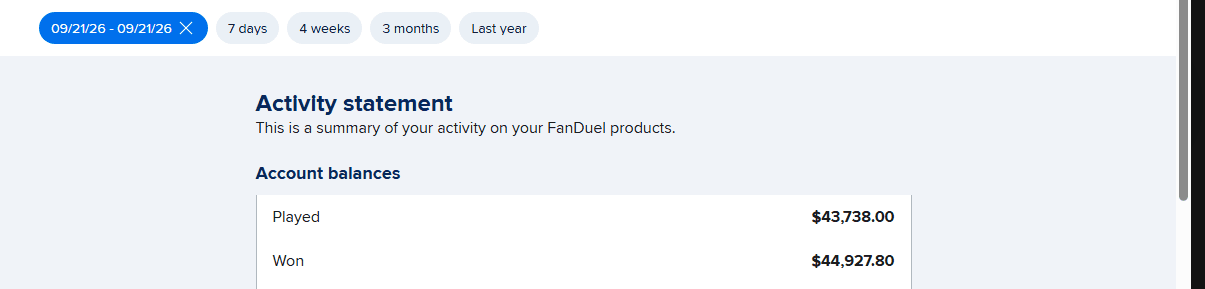
Almost every new subscriber has the same plan: sign up for a live betting service, fund the sportsbook account with a promotional credit, and see how the first month goes without putting much real money at risk. It is a reasonable-sounding plan and it is the single worst way to evaluate a pick service, for a reason that has nothing to do with the picks. A bonus bet returns profit only — the stake stays with the book — which makes a $100 credit worth about $48 in real terms at standard pricing. The Best Bet on Sports has run live in-game picks for more than twenty years with a verified $367,520+ in profit across all sportsbooks, and a member who runs the first month on promotional credit will see a number that does not resemble the record no matter how the picks perform.
This is a math problem, not a policy objection. Nobody is telling you to turn down a promotion. The point is that a credit and a dollar are different instruments, they behave differently at different prices, and using one where the other belongs quietly changes what you are measuring.
What a Bonus Bet Is Actually Worth
Start with the mechanic, because most bettors know it and still do not carry the implication.
Place $100 cash at -110 and win, and the book returns $190.91: your $100 back plus $90.91 profit. Place a $100 bonus bet at -110 and win, and the book returns $90.91. The stake is consumed either way, but with cash you get it back on a winner and with a credit you do not.
So the value of a credit is the profit it can generate, weighted by how often it generates it:
| Price used | Profit on a winning $100 credit | Fair win probability | Real value of the credit |
|---|---|---|---|
| -200 | $50.00 | 66.7% | $33.33 |
| -110 | $90.91 | 52.4% | $47.62 |
| +100 | $100.00 | 50.0% | $50.00 |
| +200 | $200.00 | 33.3% | $66.67 |
| +400 | $400.00 | 20.0% | $80.00 |
| +900 | $900.00 | 10.0% | $90.00 |
Two things fall out of that table immediately.
First, a credit at typical pricing is worth well under half its face value. The number on the screen says $100. The instrument is worth about $48.
Second — and this is the part that governs everything else in this article — the conversion rate rises with the length of the price. At -200 you are converting a third of the face value. At +900 you are converting ninety percent. The reason is structural: the stake you forfeit is a fixed cost, and it matters less the larger the profit is relative to it.
The Conversion Rate Runs Opposite to the Picks
Now put those two facts next to each other and the problem appears on its own.
A credit is most efficient at long odds. A live betting position is most often at short-to-moderate odds — an in-play side, a repriced total, a moneyline that moved after a scoring drive. These are not lottery tickets. They are modest, repeatable positions in the -130 to +150 neighborhood, which is precisely the range where a credit converts worst.
So the two optimizations point in opposite directions. Maximizing what you extract from the promotion means betting something long. Following the picks means betting something short. You can do one or the other on any given credit, and you cannot do both.
Subscribers who try to split the difference usually end up doing the thing that feels like a compromise and is actually the worst of both: parlaying two or three live picks together to lengthen the price enough to "make the credit worth it." Now you are converting the credit efficiently and destroying the underlying edge, because the compounding margin on a multi-leg ticket costs more than the conversion gains. The math on that trade is worked through in why most parlays lose, and the specific question of stacking a service's picks together is answered directly in should you parlay live betting picks.
Why You Cannot Evaluate a Service With Promotional Credit
Here is the practical consequence, and it is the reason this article exists.
Suppose the picks perform exactly to a long-run standard over your first thirty days — say a modest, realistic edge across forty positions. If you funded those wagers with cash, your ledger reflects that edge. If you funded a meaningful share of them with credits, your ledger reflects the edge minus roughly half the face value of every credit you used, because you never got those stakes back.
You will then look at the result and form a judgment about the service. That judgment is contaminated. You are not measuring the picks; you are measuring the picks net of a funding decision you made before the first alert arrived.
This is the same class of problem as several other leaks between a posted record and a personal bankroll, all of which are laid out in why your results won't match a pick service's record. What makes the credit version worse than most is that it is invisible. Price slippage feels like a cost when it happens. A credit feels like a gift. The bettor using one has no sensation of paying anything, which is why the gap between their number and the record goes unexplained for weeks.
If you want a clean read on whether a service works for you, the ledger has to be clean. That means real money, in small amounts, at consistent stakes — the approach described in what to track in a betting log and sized according to what bankroll you need for a live betting service.
Credits Are Indivisible, and Live Picks Are Not Scheduled
There is a second, more operational problem, and it bites even for people who understand the arithmetic.
A promotional credit is usually one-shot and whole-amount. You cannot split a $100 credit across four positions at $25 each. You get one wager, for the full amount, and whatever is left over after a partial use is typically forfeited.
Live picks do not arrive on a schedule that respects that. A night might produce two positions or six. They arrive when the game produces them — after a run, after an injury, during a repricing window — and they are not evenly spaced or evenly weighted. The correct stake for the third position is not the same as for the first.
Hand a subscriber a single indivisible credit and a night of live alerts, and one of two things happens. Either they hold it back waiting for the position that deserves it, in which case the credit expires unused, or they spend it on the first alert of the evening, which means a wager sized by the promotion rather than by the position. Both outcomes are a stake-sizing decision made by a marketing department. The general case for why sizing has to be yours is in live betting stake sizing versus pregame, and the cash-flow version of the same constraint is in live betting bankroll liquidity.
Expiry makes this worse. A credit with a seven-day clock creates pressure to bet something, and pressure to bet something is the condition under which nearly every avoidable loss gets placed.
Read Whether the Promotion Even Covers In-Play
This one is easy to check and almost nobody checks it.
Promotional terms vary by book and by offer, and they change. Some credits are usable on in-play markets; some are restricted to pregame; some exclude certain bet types entirely or will not count in-play volume toward a playthrough requirement. The terms are published, they are short, and they are the first thing to read if you are subscribing to a live service specifically.
The reason this matters more here than elsewhere is obvious once stated: if a credit cannot be used in-play, it cannot be used on the thing you are paying for. You would be holding a promotion that only works on the pregame markets you subscribed to a service in order to stop guessing at. Whether a given book supports the picks operationally at all is a related and equally worth-checking question, covered in do live betting picks work on every sportsbook.
The Account Holding the Promotion Has the Smallest Limits
The last problem is structural and it is the one experienced bettors run into.
Promotional credit lives on a new account, because that is who promotions are for. New accounts are also where in-play limits are thinnest — a book with no history on you will restrict what it accepts in a fast market long before it restricts anything pregame. In-play limits are already the tightest on the board for everyone, as detailed in live betting limits.
So the account you are most likely to be holding a credit on is the account least likely to accept the wager you want to make at the size you want to make it. That is not a reason to avoid opening it. It is a reason not to build a month's evaluation on top of it, and part of the broader case for spreading action across several books described in sportsbook account stacking for live betting.
What to Do Instead
None of the above says decline the promotion. It says put it where it belongs and keep two ledgers.
Take the credit and use it where the conversion rate is high: a long-priced pregame ticket, a futures position, something in the plus-money range where you are extracting seventy or eighty percent of face value instead of forty-five. This is the one context in which a long-odds wager is defensible on arithmetic rather than on hope, because the instrument itself is worth more there.
Fund the subscription evaluation separately, with real money, at stakes small enough that a bad week is boring. The purpose of the first month is not to make money; it is to generate a clean measurement. Thirty days at a conservative unit size produces a number you can trust. Thirty days of mixed credits and cash produces a number you cannot interpret, and you will spend the next month arguing with yourself about what it meant. What to reasonably expect from that window is covered in the first 30 days with a live betting service and in what a $199 pick service actually delivers.
Keep the two ledgers apart on paper. Credits in one column, cash in another, and never average them into a single result. The moment they are mixed, the only honest thing you can say about your month is that something happened.
Get Tonight's Live Picks
Want tonight's live in-game picks delivered to your phone via Email and Discord during the game — with the side, the number and the window, so the only decision left is how you fund it?
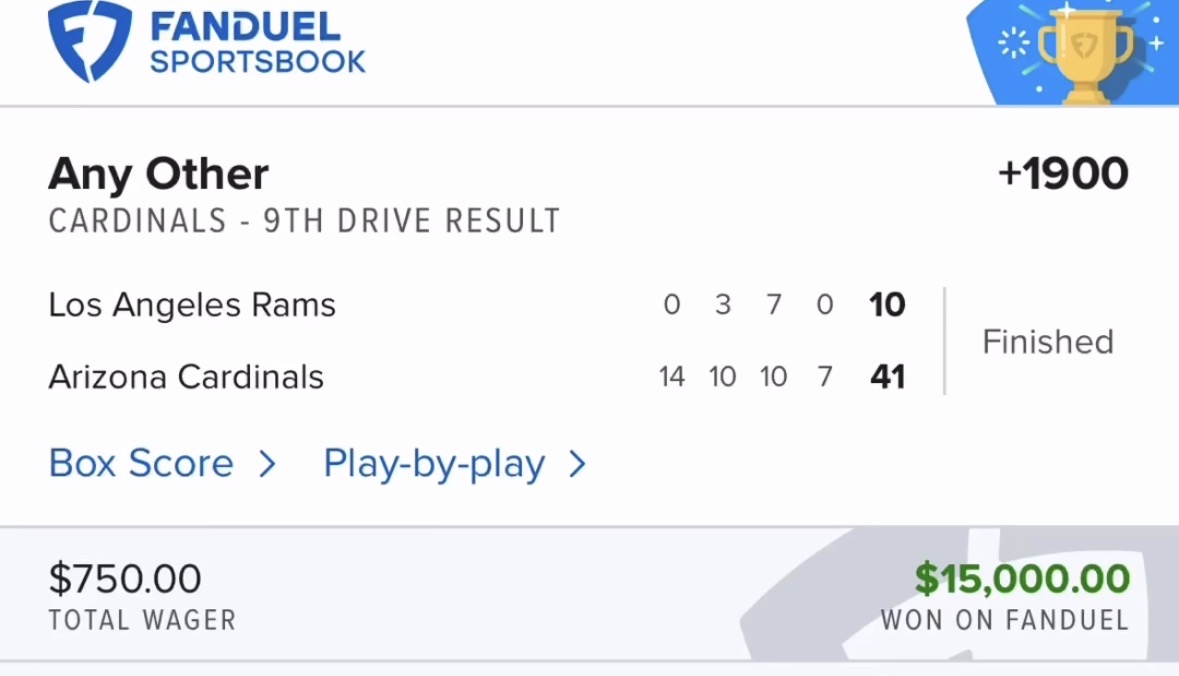
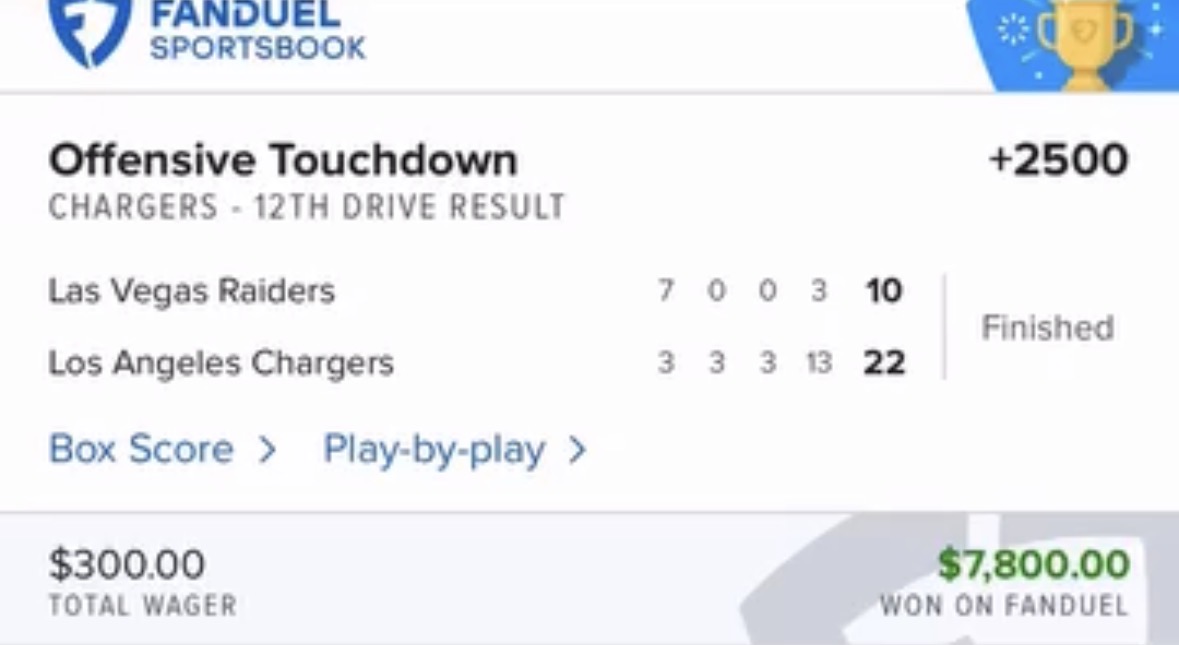
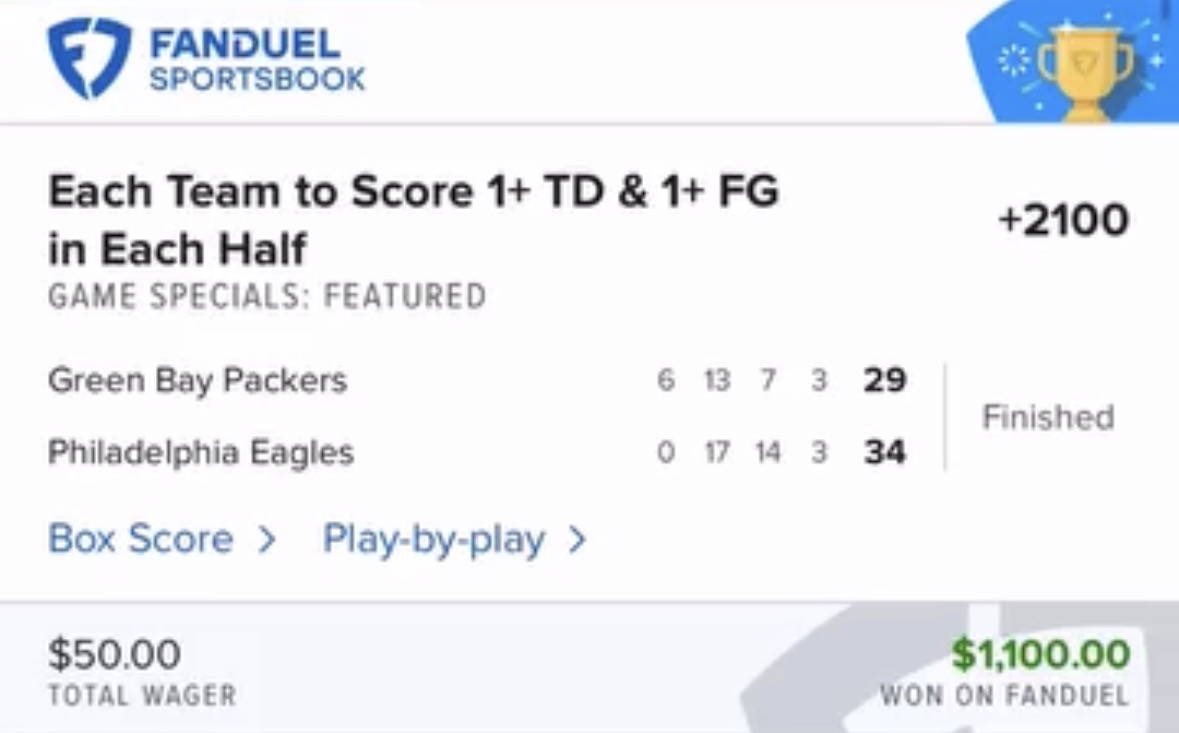
The Best Bet on Sports is the only live betting handicapping service limited on all six major U.S. sportsbooks (FanDuel, DraftKings, Caesars, BetMGM, Fanatics, ESPN BET) for winning too much during in-game action. Verified profit: $367,520+. Picks delivered via Email and Discord during games.
→ Get tonight's live picks: $199 first month — 1-Unit package, full live betting access → Try a free live pick first — reserve your spot for tonight's pick
More coverage at live betting picks, sports handicappers, NBA picks, and our results.
Frequently Asked Questions
Can you use bonus bets on live betting picks?
Often yes mechanically, but it is usually the wrong instrument for the job. Promotional terms vary by book and some restrict or exclude in-play markets entirely, so the first step is reading whether the credit even covers live wagering. Beyond that, a credit returns profit only and never returns the stake, which makes it worth well under half its face value at the short-to-moderate prices where most live positions sit. It is usable; it is just an expensive way to place the bet.
What is a $100 bonus bet actually worth?
About $48 at standard -110 pricing. The stake is consumed whether the wager wins or loses, so the credit's value is the profit it produces weighted by how often it produces it — roughly a 52 percent chance of $90.91. The conversion improves as the price lengthens: around $67 at +200, around $80 at +400, around $90 at +900. It gets worse on favorites, falling to about $33 at -200, because the forfeited stake is a fixed cost that looms larger the smaller the profit is.
Why shouldn't I test a pick service using promotional credit?
Because it contaminates the measurement. Your realized return will come in below what the picks actually produced by roughly half the face value of every credit you used, and you will attribute that gap to the service rather than to the funding method. Unlike price slippage, this leak is invisible while it happens — a credit feels like a gift, not a cost. If the point of a first month is to find out whether something works, the ledger has to be clean, which means real money at small consistent stakes.
Should I parlay live picks together to make a bonus bet worth more?
No, and it is the most common version of this mistake. Lengthening the price does improve the credit's conversion rate, but multi-leg tickets compound bookmaker margin faster than the conversion improves, so the trade is negative on net. You end up extracting more from the promotion and less from the picks, which is the wrong direction on the thing that actually matters. A credit is worth more at long odds; the picks are worth more placed individually.
Where should I use a bonus bet instead?
On something long-priced that has nothing to do with your evaluation of the service — a pregame underdog, a futures position, anything in the plus-money range where you convert seventy to ninety percent of face value rather than forty-five. This is the one situation where a long-odds wager is defensible on arithmetic rather than optimism, because the instrument is genuinely worth more there. Keep it in a separate column from your cash ledger and never average the two together.
Do promotional accounts have lower live betting limits?
Generally yes, and it is worth planning around. Promotions are aimed at new accounts, and a book with no wagering history on you will restrict what it accepts in fast in-play markets well before it restricts anything pregame. In-play limits are the tightest on the board to begin with. The account most likely to be holding your credit is therefore the account least likely to take the wager you want at the size you want, which is one more reason not to build a month's evaluation on it.
Does the expiration date on a credit matter?
More than most bettors account for. A credit is usually one-shot, whole-amount and time-limited, and it cannot be split across the several positions a live night might produce. That combination creates pressure to place something before the clock runs out, and betting under time pressure to avoid wasting a promotion is a stake-sizing decision made by a marketing calendar rather than by the position in front of you. Either it goes unused or it goes on the wrong wager.
The Best Bet on Sports · 1.5M followers on TikTok
Sports Betting TikTok is the live betting account behind The Best Bet on Sports, covering NFL, NCAAF, NBA, NCAAB, MLB and WNBA markets in real time. The account has been limited on all six major U.S. sportsbooks — FanDuel, DraftKings, Caesars, BetMGM, Fanatics and ESPN BET — for winning on live betting, with $367,520 in verified profit since 2005. View full profile →
Past results do not guarantee future performance. Must be 21 or older to wager.
Related Articles
The Number Moved. Do You Still Bet It?
Why Some Games Never Get a Live Pick
Can You Use a Live Betting Service in Your State?
Do Live Betting Picks Work on Every Sportsbook?
How Fast Do You Need to Act on a Live Betting Alert?
Live Betting Cash-Out Feature Math in May 2026: When Sportsbook Cash-Out Offers Are Positive EV and When They're a Trap
Get real live betting picks
From $39.95/mo · Cancel anytime · Email + Discord delivery
● Get The Picks
Choose your package
Tap any tier below to select · Subscribe in one tap
👇 Tap any package to select it
✓ You're selecting
25 Units · $99.95/month
25 unit picks per month. Sweet spot for most bettors — plenty of action without going all-in.
- ✓25 live betting selections/month
- ✓Email + Discord delivery
- ✓All sports (NFL, NCAAF, NBA, NCAAB, MLB)
- ✓Mix of 1, 2, 3, 5-unit rated plays
- ✓Cancel anytime
Secure PayPal · Cancel anytime · No hidden fees · 21+ · +$367K verified
+$367,520 verified · Limited on 6 sportsbooks · 20 years documented · See Proof
Join Our Newsletter
Get free expert sports picks and analysis delivered weekly.