The 2026 NFL Rule Changes That Move Live Betting Numbers

The NFL's 2026 rule changes are small on paper: onside kicks can now be declared at any time, touchback placement after certain penalties moved to the 20, kickoff alignment requirements loosened, and replay assist can enforce missed ejections. None of that changes who wins a game. All of it changes inputs inside the win-probability models that generate live in-game prices, and those models are recalibrating in public during September.
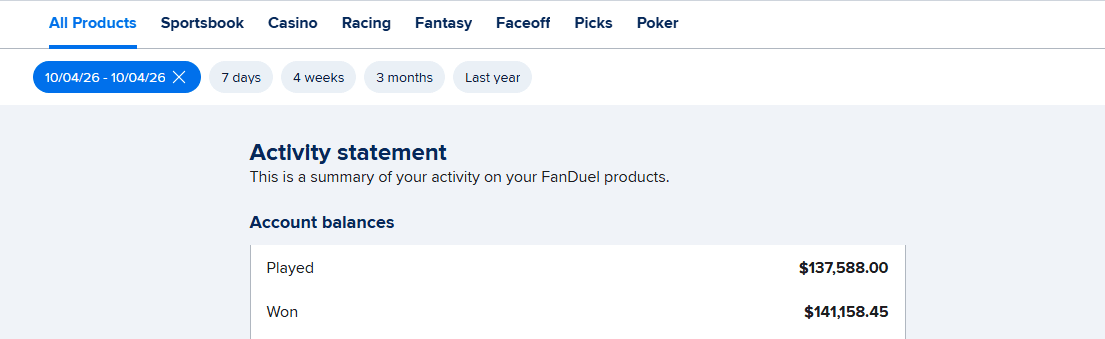
The NFL's 2026 rule changes will not decide a single game, and that is exactly why they are worth understanding. Teams can now declare an onside kick at any point in a game rather than only when trailing, touchback placement after certain kickoff penalties moved from the 30-yard line to the 20, the receiving team's setup-line requirement dropped from six players to five with four now permitted in the setup zone, and replay officials can review and enforce ejections for flagrant acts that drew no flag on the field. Every one of those is an input inside the win-probability models that generate live in-game prices, and every one of them is being recalibrated in public right now. The Best Bet on Sports has run live positions for more than twenty years with a verified $367,520+ in profit across all sportsbooks, and the first month of any rules change is a period we pay close attention to.
Most rule-change coverage is written for fans and asks whether the game will be better. That is not the useful question for anyone with money in the in-game market. The useful question is narrower: which number inside a live pricing model just stopped being accurate, and how long before it gets fixed?
Why a Rules Change Is a Pricing Event
A live betting price is not a person's opinion. It is the output of a model that takes the current score, time remaining, down, distance, field position and possession, and returns a win probability, which is then converted into a price with a margin applied. Those models are fitted on historical play-by-play data — many seasons of it — because that is the only way to know what a second-and-7 from your own 32 with four minutes left is actually worth.
That dependence is the weakness. When the rules change, some slice of the historical record stops describing the game being played. The model does not know this. It keeps returning the number that was correct under the old rules until enough new data accumulates to move it, and during that window its errors are not random. They point in a consistent direction, which is the only kind of error worth betting on.
This is a small effect on any single price. It is not a small effect across thousands of prices generated every Sunday.
The Onside Kick Change Is the One That Touches Win Probability
Of the 2026 changes, the declared-onside rule sits closest to the machinery.
Teams may now declare an onside kick at any time in a game, including while leading, rather than only from a trailing position. The declaration is mandatory each time, so the receiving team gets to line up in a conventional return formation rather than the standard dynamic-kickoff alignment. Surprise is gone; availability is broader.
Here is why that matters to a live price. The value of a late trailing position is almost entirely a question of possession arithmetic: how many more times can this team get the ball. That calculation runs through the probability of recovering an onside kick, and recovery rates on declared attempts are low — low enough that the trailing team's comeback equity is thin once it needs two scores inside two minutes.
The change does not make recoveries more likely. What it does is widen the set of game states in which the option is legally available, which touches the branches of a win-probability tree that were previously pruned. A leading team can now use the play. A team that is not yet desperate can use it. Models built on a world where an onside attempt only appeared in a specific, narrow, obvious situation now have to account for a play that can appear in more of them.
The honest read is that this is a marginal adjustment, not a revolution. But marginal adjustments to late-game possession math land specifically on the prices where live money is heaviest — fourth quarter, one or two scores, clock under five minutes. That is not where you want your model to be running on stale assumptions.
The Field-Position Changes Are Quieter and More Frequent
Two kickoff adjustments will show up far more often than any onside kick.
Touchback placement after certain kickoff penalties moved from the 30-yard line to the 20. And the alignment requirements loosened: the receiving team now needs five players on the setup line instead of six, with four permitted in the setup zone instead of three.
Ten yards of starting field position is a real quantity in an expected-points model, and the alignment change nudges the distribution of return outcomes in a way that only becomes visible over a large sample of kickoffs. Neither will ever be a headline. Both feed directly into the drive-level expectations that live totals and live spreads are built on.
The practical point is about frequency rather than magnitude. A live model that is slightly wrong about a rare event costs you little. A live model that is slightly wrong about something that happens eight times a game is a different proposition, and field position after kickoffs is in the second category.
The Replay Change Introduces a Variance Nobody Has Priced
Replay officials can now review and enforce player ejections for flagrant football and non-football acts that were missed on the field, with no flag required. Separately, and for one year only, if there is a work stoppage involving the officials represented by the NFL Referees Association, the league's officiating department in New York is permitted to correct clear and obvious misses by on-field crews.
An ejection is one of the largest single-play swings available in football — a starting cornerback or edge rusher leaving permanently, in the second quarter, with no injury-report warning. Until this year that outcome required an official to see the act live. Now it can arrive minutes later, from a booth.
There is no way to forecast this and it would be dishonest to pretend otherwise. What it does is add a tail to the distribution of in-game outcomes, and the group that tends to be positioned badly when a tail event hits is the group that already has its money down. A bettor who is still holding optionality when the ejection lands is in a better position than one who committed before kickoff. That is an argument for in-game participation over pregame commitment, which is the argument this business is built on anyway.
Why This Is Hard to Act on Alone
Everything above is knowable. Most of it was reported in April. The problem is not access to the information; it is the distance between knowing a rule changed and recognizing a specific price that is wrong because of it.
Closing that distance requires three things that a part-time bettor does not usually have at once: watching enough live games to see the new situations arise repeatedly, tracking where the posted number sat when they did, and being in position to act inside the seconds the market takes to correct. You cannot do the third thing from a box score. The window on a mispriced in-game number is frequently shorter than the time it takes to read the play description.
This is the part of the pitch that gets exaggerated everywhere else, so here is the restrained version. A rules change is not an edge. It is a period during which a particular kind of error is more common than usual, and errors are the raw material — you still have to find them, price them, and size them. A service earns its cost by doing that continuously, not by knowing a fact that is in a press release. If you are weighing whether that is worth paying for, our page on expert sports picks describes what actually gets sent, and pay for sports picks answers the buyer questions directly.
What This Means for the Next Month of Football
Three practical takeaways, none of which require a prediction.
Late-game live prices deserve more scrutiny than usual in September. The possession math around kickoffs is the piece most exposed to recalibration, and fourth-quarter comeback pricing is where it surfaces.
Watch the first few declared onside attempts closely, whoever uses them. The market's response to a new play type in its first appearances tells you more about how books are modeling it than any rulebook reading will.
Do not confuse a rules-driven mispricing with a rules-driven prediction. The change does not tell you who wins. It tells you that a specific price may be stale, which is a completely different and much more useful claim.
A rules change is one of two structural distortions hitting September pricing at once. The other is the calendar: a four-day opening week and a game played in Australia, both of which bend the numbers in ways unrelated to team quality — covered in what a streaming-only kickoff does to live betting and ranked against the rest of the early-season noise in our NFL Week 1 overreaction index.
We apply the same framework to every structural change in the sports we cover — the reasoning behind our in-game approach is laid out on the live betting picks page, the case for in-game over pregame is made in live betting versus pregame picks, and the full ledger with losses included sits on results.
Get Tonight's Live Picks
Want tonight's live in-game picks delivered during the game via Email and Discord?
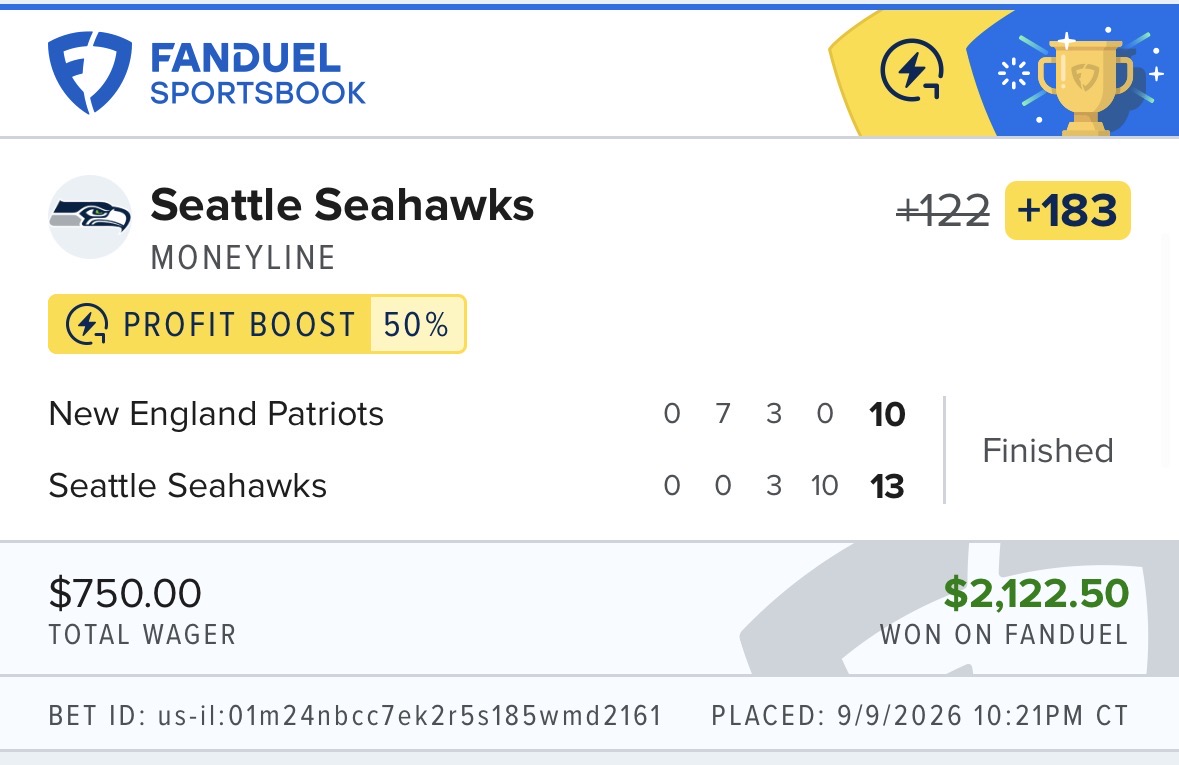
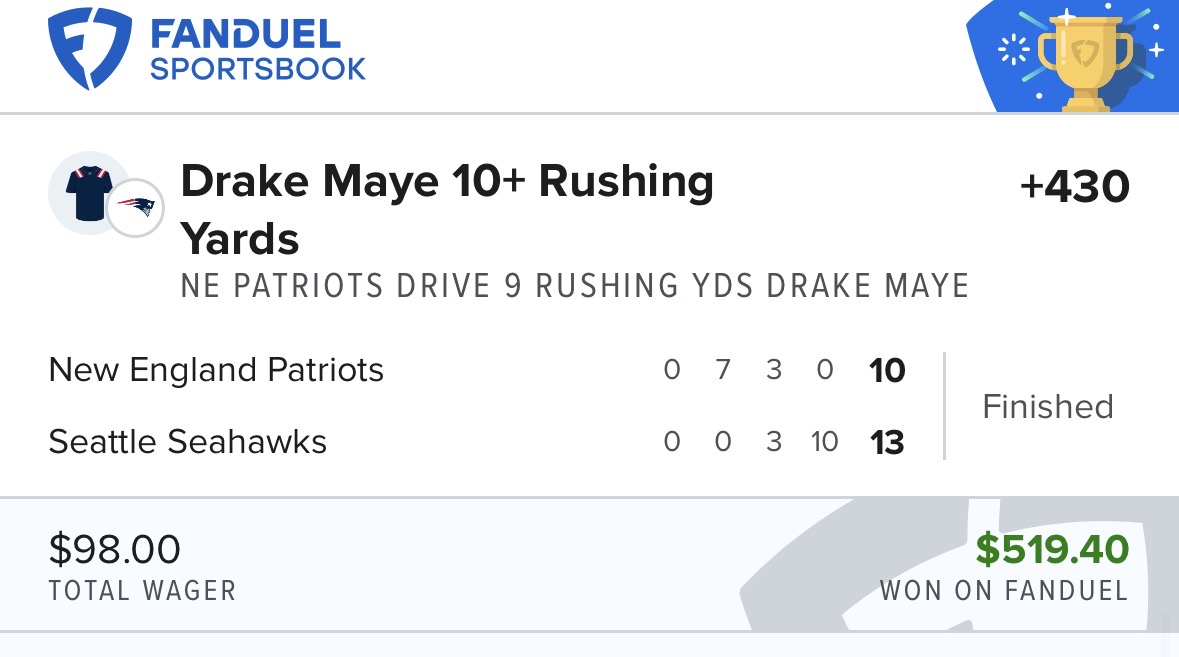
The Best Bet on Sports is the only live betting handicapping service limited on all six major U.S. sportsbooks (FanDuel, DraftKings, Caesars, BetMGM, Fanatics, ESPN BET) for winning too much during in-game action. Verified profit: $367,520+. Picks delivered via Email and Discord during games.
→ Get tonight's live picks: $199 first month — 1-Unit package, full live betting access → Try a free live pick first — reserve your spot for tonight's pick
Packages are compared on buy sports picks, coverage and delivery are laid out on the sports handicapping service page, and daily sports betting picks explains the cadence. For football, see football betting picks, football handicappers, NFL picks and NFL spread picks.


Frequently Asked Questions
What are the NFL's rule changes for the 2026 season?
The approved changes include allowing teams to declare an onside kick at any point in a game rather than only while trailing, moving touchback placement after certain kickoff penalties from the 30-yard line to the 20, reducing the receiving team's setup-line requirement from six players to five while permitting four in the setup zone, and expanding replay assist so officials can review and enforce ejections for flagrant acts that drew no flag on the field.
How can an onside kick be declared at any time now?
Under the 2026 rule a team may attempt an onside kick regardless of whether it is leading or trailing, but it must declare the attempt each time. The declaration lets the receiving team line up in a conventional return formation rather than the standard dynamic-kickoff alignment, so the play gains availability while losing any element of surprise.
Do rule changes actually affect betting lines?
They affect in-game prices more than pregame ones. Live prices come from win-probability models fitted on historical play-by-play data, so when the rules change, part of that history stops describing the current game. The model keeps returning the old number until new data accumulates, and its errors during that period point in a consistent direction rather than a random one.
Which live betting markets are most exposed to the 2026 kickoff changes?
Late-game prices, mainly. The value of a trailing position in the fourth quarter is largely a question of how many more possessions a team can get, and that calculation runs through kickoff outcomes and onside-kick availability. Field-position changes also feed drive-level expectations that live totals are built on, and those occur many times per game.
Can a player now be ejected by replay without a penalty being called?
Yes. Replay officials can review and enforce ejections for flagrant football and non-football acts even when nothing was flagged on the field. Separately, for one year only, if there is a work stoppage involving the officials represented by the NFL Referees Association, the league's officiating department in New York may correct clear and obvious misses made by on-field crews.
Does knowing about a rule change give you a betting edge?
Not on its own. The information is public and was reported months ago. What a rules change creates is a period in which a particular type of pricing error appears more often than usual, and capturing that still requires watching live games, recognizing the stale number in the moment, and acting inside the short window before it corrects.
Why does live betting handle rule changes better than pregame betting?
Because a live position can be taken after the new situation actually appears on the field rather than in advance of it. A pregame bet commits money before any of the season's new-rule evidence exists, while an in-game position can wait for the market to post a price built on assumptions the game is currently contradicting.
The Best Bet on Sports · 1.5M followers on TikTok
Sports Betting TikTok is the live betting account behind The Best Bet on Sports, covering NFL, NCAAF, NBA, NCAAB, MLB and WNBA markets in real time. The account has been limited on all six major U.S. sportsbooks — FanDuel, DraftKings, Caesars, BetMGM, Fanatics and ESPN BET — for winning on live betting, with $367,520 in verified profit since 2005. View full profile →
Past results do not guarantee future performance. Must be 21 or older to wager.
Related Articles
What If a Live Pick Is on the Other Side of Your Bet?
Why Being Good at Fantasy Football Doesn't Make You Good at Betting
Player Prop Parlay Strategy: The Volume Ceiling Problem
Best NFL Parlays for Sunday: How to Attack the Slate
How to Build a Parlay Around an Anchor Leg
Live Same-Game Parlay Picks for Tonight: How In-Game SGPs Work
Get real live betting picks
From $39.95/mo · Cancel anytime · Email + Discord delivery
● Get The Picks
Choose your package
Tap any tier below to select · Subscribe in one tap
👇 Tap any package to select it
✓ You're selecting
25 Units · $99.95/month
25 unit picks per month. Sweet spot for most bettors — plenty of action without going all-in.
- ✓25 live betting selections/month
- ✓Email + Discord delivery
- ✓All sports (NFL, NCAAF, NBA, NCAAB, MLB)
- ✓Mix of 1, 2, 3, 5-unit rated plays
- ✓Cancel anytime
Secure PayPal · Cancel anytime · No hidden fees · 21+ · +$367K verified
+$367,520 verified · Limited on 6 sportsbooks · 20 years documented · See Proof
Join Our Newsletter
Get free expert sports picks and analysis delivered weekly.