Why Live Betting Services Cost More Than Pregame Pick Services

A pregame pick service sells a product that can be written once and delivered to unlimited subscribers hours in advance. A live betting service sells attention during a game — a perishable number that has to be found, priced, and sent inside a closing window, every night, in real time. The cost difference between the two is not marketing. It is the difference between a document and a shift.
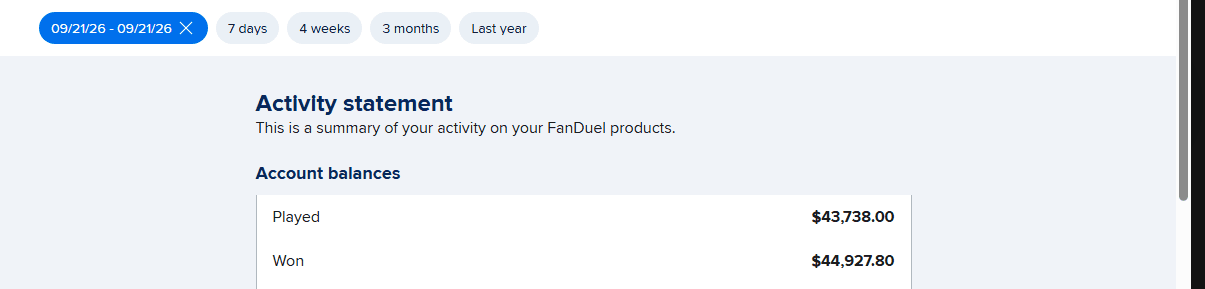
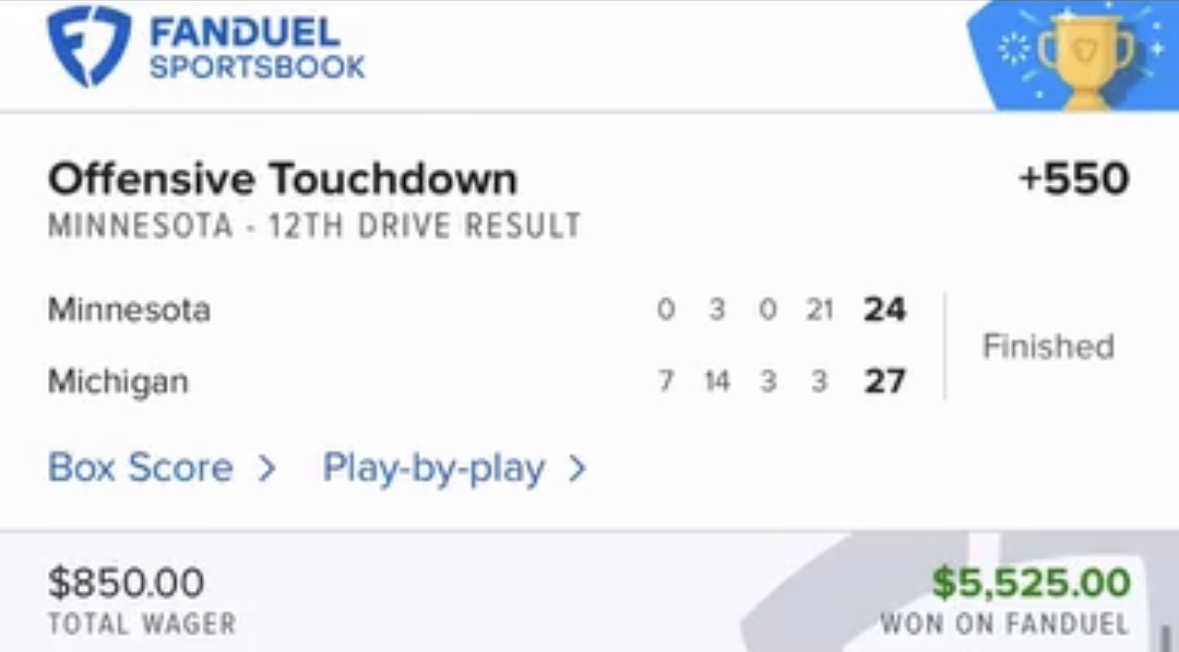
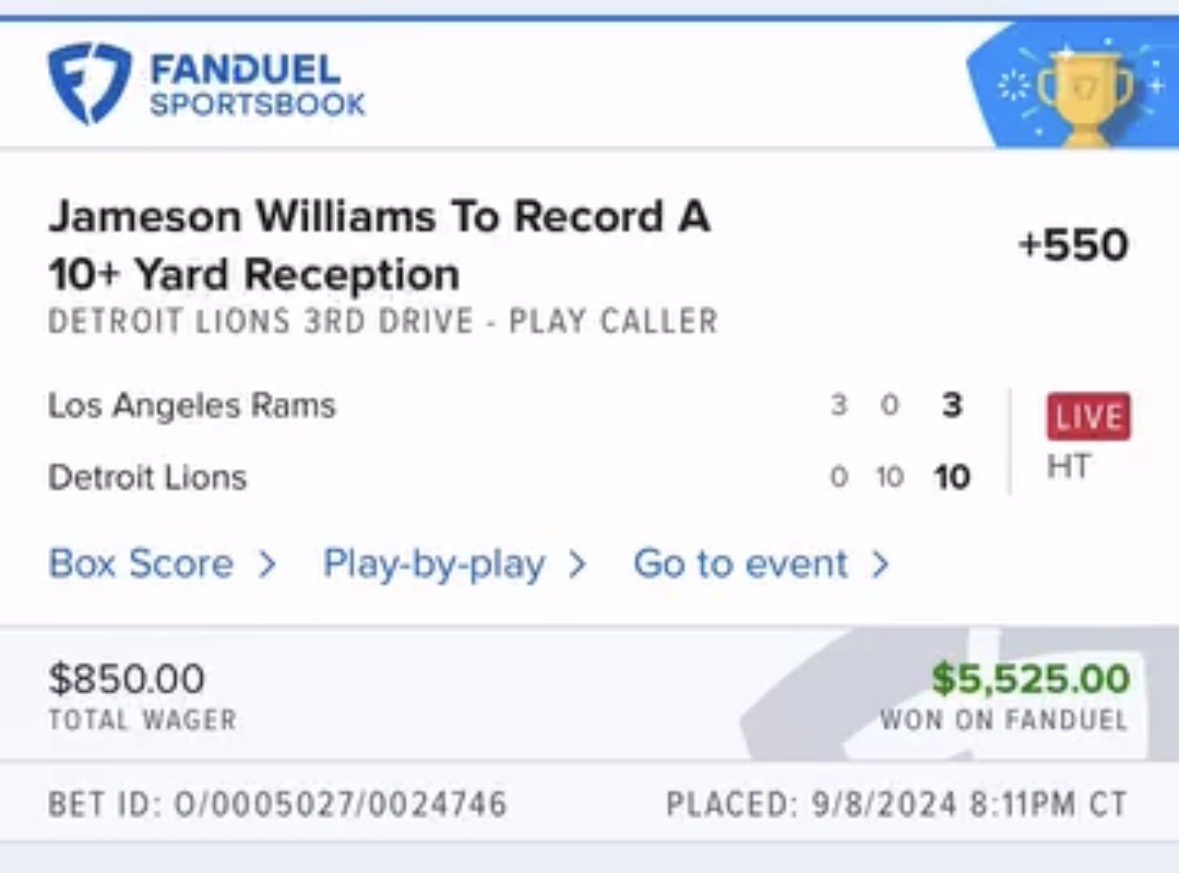
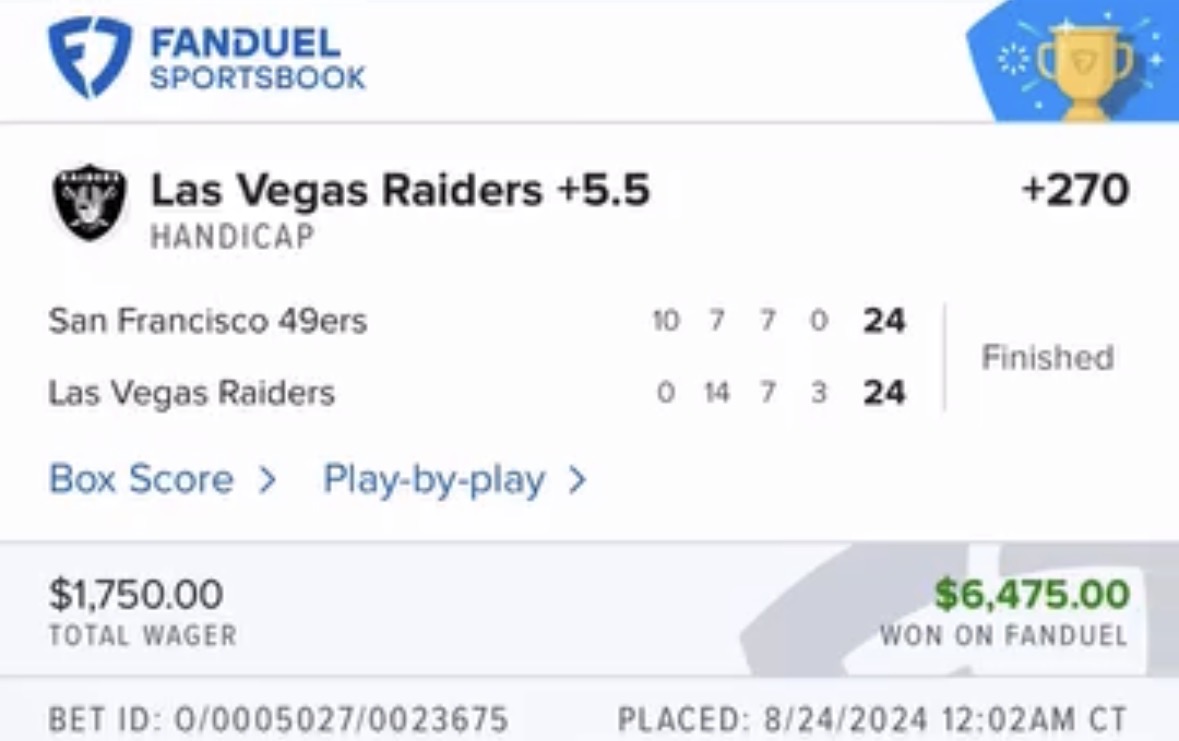
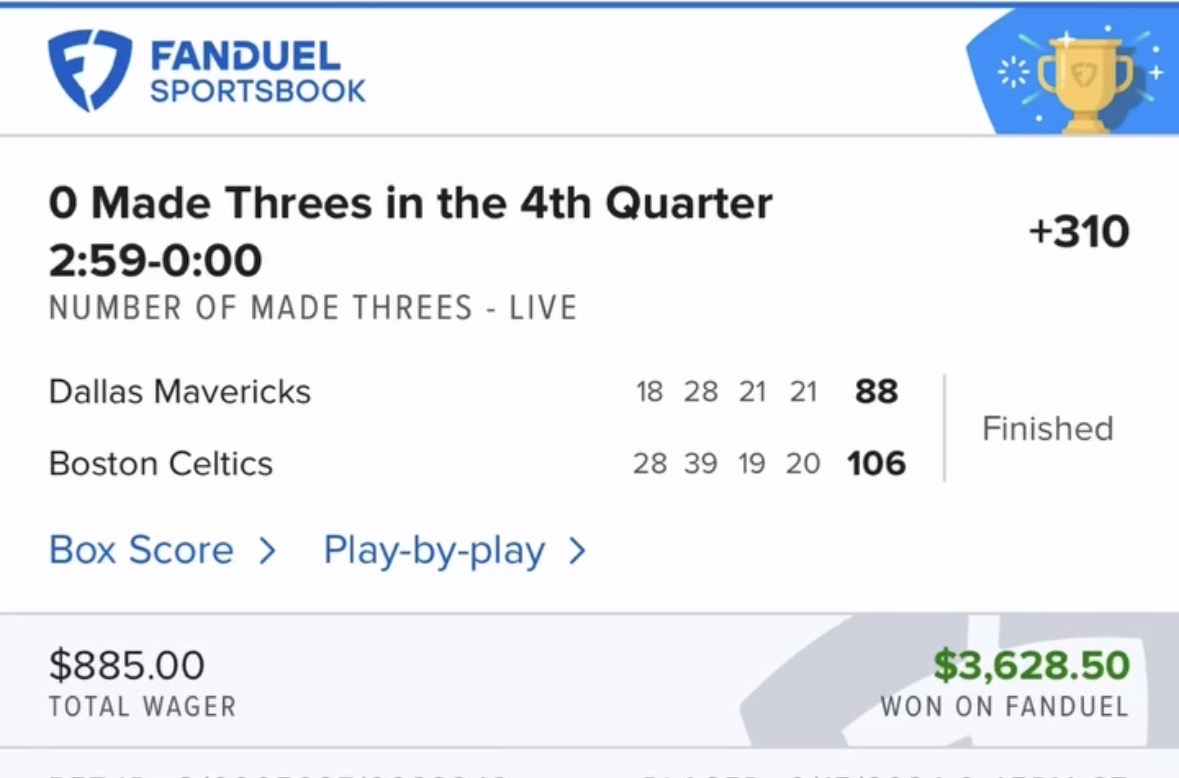
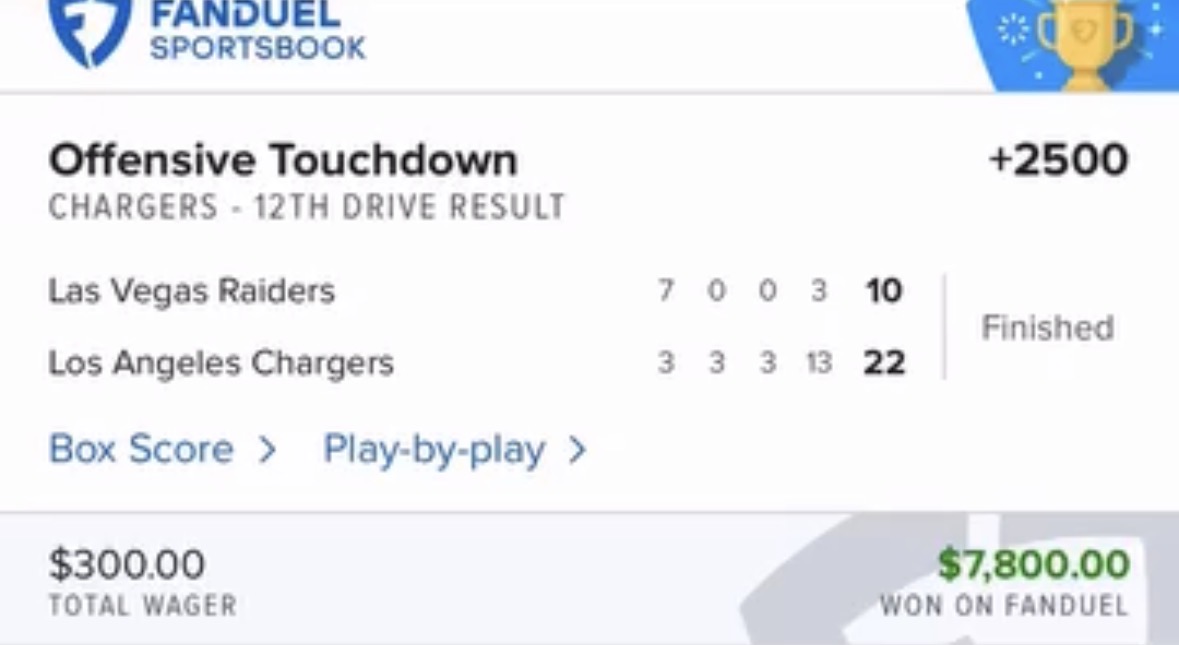
The price gap between a pregame pick service and a live betting service is not a positioning decision. It comes from the fact that the two businesses have completely different cost structures, and only one of them scales. A pregame card is written once and can be sent to ten subscribers or ten thousand at identical cost. A live position has to be found while a game is happening, priced against a number that will not exist in ninety seconds, and delivered inside that window — every night, by someone who is watching. The Best Bet on Sports has been placing live in-game wagers since 2005 and carries a verified $367,520+ in documented profit across every major U.S. sportsbook, and the honest answer to "why does this cost more" is that the underlying work does not compress.
This is the question that stops most people at the checkout page, and it deserves a straight answer rather than a sales pitch. If you are comparing a $39 monthly pregame card against a $199 first month on a live service, you are not comparing two prices for the same thing. You are comparing two different products that happen to both be described as "picks."
Here is what actually drives the difference.
What Are You Buying With a Pregame Pick Service?
A document, essentially. A set of positions decided in advance, written down, and distributed.
That is not an insult — good pregame handicapping is real work, and a sharp card built on genuine modeling has value. But the economics of it are the economics of publishing. The analysis happens once. The write-up happens once. Distribution costs approximately nothing, and it costs the same whether the list has fifty names on it or fifty thousand.
Three consequences follow directly from that, and they explain most of the price:
Marginal cost is near zero, so price competition is brutal. When adding a subscriber costs nothing, the floor on pricing is set by whoever is willing to charge the least. That is why the pregame market has a large tier of very cheap services, and why the hidden costs of cheap pick services are usually about volume and churn rather than the sticker.
Subscriber count has no natural ceiling. Nothing about a pregame card degrades when more people receive it, at least not until enough of them bet it to move the number — which does eventually happen, and which is a real problem for large pregame services that nobody in that business likes discussing.
The work happens on the seller's schedule. Cards are produced in the afternoon, sent in the evening, and the day ends. It is a job with hours.
What Are You Buying With a Live Betting Service?
Coverage during a game. That is a fundamentally different unit.
A live position exists because a number on a screen is temporarily wrong — a total that has not caught up to an injury, a spread that overcorrected after one drive, a moneyline that is pricing a game state that already changed. Those windows are measured in seconds to minutes. Nobody can identify them in advance, because they are created by things that have not happened yet.
That means the work cannot be front-loaded. Somebody has to be watching the game, with books open, at the moment the discrepancy appears. Then the position has to be priced, sized, and pushed to subscribers fast enough that the number still exists when they get there — which is the whole reason getting a live pick placed in time is a real operational question rather than a theoretical one.
| Pregame card | Live betting service | |
|---|---|---|
| When the work happens | Afternoon, on schedule | During the game, unpredictably |
| Cost of adding a subscriber | Near zero | Near zero to send, real in support and capacity |
| Shelf life of the product | Hours | Seconds to minutes |
| Can it be batched? | Yes, entirely | No |
| Natural subscriber ceiling | Very high | Constrained by market liquidity |
| Staffing model | Analyst hours | Live coverage shift |
The row that matters most is the shelf life, because it cascades into everything else. A product with a two-minute shelf life cannot be produced in advance, cannot be produced in bulk, and cannot be produced by someone who is not present.
Why Does Subscriber Count Actually Matter Here?
This is the part that most services will not put in writing, and it is the strongest structural reason a live product costs more.
In-game markets are thinner than pregame markets. Limits are lower, prices move faster, and the amount of money a single live number can absorb before it moves is a fraction of what a Sunday spread can absorb. That is not an opinion — it is how books manage risk on a market they have to price in real time with incomplete information.
The consequence is unavoidable arithmetic: a live betting service has a real ceiling on how many people can act on the same position before the position stops being worth acting on. A pregame service can add subscribers almost indefinitely. A live service that adds subscribers indefinitely is quietly degrading its own product, and everyone on the list pays for it in worse numbers.
So the price is doing a job beyond covering costs. It is rationing capacity. A service that charges $39 and takes everyone is making a different promise about your fill quality than a service that charges $199 and does not — and that is worth understanding before you compare the two on price alone. We cover the mechanics of this in do all subscribers get the same picks.
What About the Limitation Problem?
There is a second cost that is specific to live betting and almost invisible from the outside.
Sportsbooks restrict accounts that win consistently, and they do it fastest in the markets where they have the least protection. That is in-game. A bettor who is repeatedly on the right side of a live number gets flagged sooner than one grinding pregame sides, because the book's exposure per second is higher and its ability to correct is lower. The general mechanism is covered in why sportsbooks limit winning bettors.
The Best Bet on Sports is limited on all six major U.S. sportsbooks — FanDuel, DraftKings, Caesars, BetMGM, Fanatics, and ESPN BET — specifically for winning too much during in-game action. That is the reason the service exists in its current form rather than as a private bankroll.
But it is also an operating cost, and worth naming honestly: staying functional in a market where your accounts are restricted requires maintaining access across multiple operators, working within reduced limits, and continuing to source live numbers under constraints that a pregame operation never encounters. That overhead is real, it is ongoing, and it does not appear on any pregame service's books.
Is the Higher Price Actually Justified?
Here is the honest version, including the part that does not help me.
The price is justified when you can act on the product. A live service is worth more than a pregame card only if you can reliably be reachable during games, place a position within a short window, and have accounts in reasonable standing. If your realistic betting pattern is placing a few wagers Sunday morning before you leave the house, you are paying a live premium for a product you cannot use. A pregame card would genuinely serve you better, and I would rather you know that now than after a billing cycle.
The price is not justified by the price. Charging more does not make analysis better, and there is no shortage of expensive services that are not worth their number. Cost structure explains why live products have to cost more than pregame products; it does not establish that any specific service earns it. That question is answered by a track record you can inspect, which is why our verified results are published rather than described.
The break-even math is straightforward and you should run it. At $199 for the first month and $299 monthly after, the subscription has to be covered by the edge before anything else counts as profit — a calculation that depends entirely on your unit size and how many positions you actually take. We walk through the arithmetic in how long it takes a live betting service to pay for itself and set realistic expectations in expected ROI from a paid picks service. A bettor playing $25 a unit and a bettor playing $250 a unit are looking at completely different value propositions from the identical product.
Billing structure is a separate question from price level. Monthly access and pay-per-pick models suit different betting patterns regardless of whether the underlying product is live or pregame, and we compare them in monthly versus pay-per-pick services.
None of that resolves the broader question of whether any pick service belongs in your process, which is worth asking on its own terms — we take it seriously in is paying for sports picks worth it.
Get Tonight's Live Picks
Want tonight's live in-game picks delivered to your phone via Email and Discord during the game, so you can judge the product against this article rather than against a sales page?
The Best Bet on Sports is the only live betting handicapping service limited on all six major U.S. sportsbooks (FanDuel, DraftKings, Caesars, BetMGM, Fanatics, ESPN BET) for winning too much during in-game action. Verified profit: $367,520+. Picks delivered via Email and Discord during games.
→ Get tonight's live picks: $199 first month — 1-Unit package, full live betting access → Try a free live pick first — reserve your spot for tonight's pick
You can see how in-play positions are built on our live betting picks page, and browse sport-specific coverage at NFL picks, football picks, and college football picks.
Frequently Asked Questions
Why do live betting services cost more than pregame pick services?
Because the work cannot be batched or front-loaded. A pregame card is analyzed once, written once, and distributed at effectively zero marginal cost regardless of list size. A live position has to be identified while a game is running, priced against a number with a shelf life measured in seconds to minutes, and delivered inside that window. That requires live coverage during games rather than analyst hours on a schedule, and there is no version of it that compresses into a document.
Does a higher subscription price mean better picks?
No. Cost structure explains why live products have to be priced above pregame products; it says nothing about whether any particular service is any good. Plenty of expensive services do not earn their number. The only thing that answers that question is an inspectable track record over a meaningful sample, not the sticker price and not the marketing around it.
Does the number of subscribers affect the quality of live picks?
Yes, more than it does for pregame picks. In-game markets are thinner, limits are lower, and a live number absorbs less money before it moves. That creates a real ceiling on how many people can act on the same position before fills degrade. A pregame service can grow its list almost indefinitely without the same pressure. Price is one of the mechanisms a live service uses to keep capacity aligned with what the markets can actually absorb.
Is a live betting service worth it if I cannot watch games?
Usually not at full value. The product is time-sensitive by nature, so its worth depends on your ability to be reachable and place a position within a short window. You do not need to watch every minute, but you do need to be able to respond. If your realistic pattern is placing wagers in the morning and checking scores later, a pregame card serves you better and costs less.
How does a live service being limited by sportsbooks affect what I pay?
It adds operating overhead that pregame services do not carry. Maintaining access across multiple operators, working within reduced limits, and continuing to source live numbers under those constraints is ongoing work. Restrictions land fastest on in-game bettors because the book's exposure per second is higher and its ability to correct a bad number mid-game is lower.
What does $199 for the first month actually get you?
Full live betting access on the 1-Unit package, with positions delivered by Email and Discord during games, then $299 monthly after the first month. What matters more than the access level is your unit size — the subscription has to be covered by the edge before anything counts as profit, and a bettor playing $25 a unit and one playing $250 a unit are getting very different value from an identical product.
Should I start with a pregame service and move to live later?
That is a reasonable path if you are still building the habits the live product requires — being reachable during games, having accounts in good standing across more than one operator, and sizing consistently. There is no advantage to paying a live premium before you can act on it. The reverse mistake is more common though: bettors who could act on live positions staying on cheap pregame cards because the price comparison looked simple.
The Best Bet on Sports · 1.5M followers on TikTok
Sports Betting TikTok is the live betting account behind The Best Bet on Sports, covering NFL, NCAAF, NBA, NCAAB, MLB and WNBA markets in real time. The account has been limited on all six major U.S. sportsbooks — FanDuel, DraftKings, Caesars, BetMGM, Fanatics and ESPN BET — for winning on live betting, with $367,520 in verified profit since 2005. View full profile →
Past results do not guarantee future performance. Must be 21 or older to wager.
Related Articles
Closing Line Value in Sports Betting: Why CLV Matters Most
Sports Betting Juice and Vig Explained: What It Costs You
Can You Make a Living Sports Betting? A Realistic Look
Sports Betting Mistakes to Avoid: 12 Costly Errors That Drain Your Bankroll
Sports Picks Service vs Doing It Yourself: Which Approach Wins?
The Number Moved. Do You Still Bet It?
Get real live betting picks
From $39.95/mo · Cancel anytime · Email + Discord delivery
● Get The Picks
Choose your package
Tap any tier below to select · Subscribe in one tap
👇 Tap any package to select it
✓ You're selecting
25 Units · $99.95/month
25 unit picks per month. Sweet spot for most bettors — plenty of action without going all-in.
- ✓25 live betting selections/month
- ✓Email + Discord delivery
- ✓All sports (NFL, NCAAF, NBA, NCAAB, MLB)
- ✓Mix of 1, 2, 3, 5-unit rated plays
- ✓Cancel anytime
Secure PayPal · Cancel anytime · No hidden fees · 21+ · +$367K verified
+$367,520 verified · Limited on 6 sportsbooks · 20 years documented · See Proof
Join Our Newsletter
Get free expert sports picks and analysis delivered weekly.