Hidden Costs of Cheap Sports Picks Services: What $20/Month Actually Buys

A $20-per-month sports picks service looks like a bargain next to a $199/month live betting subscription, but the real cost shows up in seven hidden line items — pick volume designed to churn, copy-paste public picks, no live betting, no sportsbook-limit verification, no real-time delivery, and ROI math that quietly leaks more than the price difference each month.
A $20-per-month sports picks service looks like a bargain next to a $199-per-month live betting subscription until you account for what the price gap actually buys — and once you run the math, the cheap service quietly costs more than the premium service each month through seven hidden line items: inflated pick volume designed to churn subscribers, repackaged public consensus picks, zero live betting coverage, no sportsbook-limit verification, no real-time delivery infrastructure, no track-record audit trail, and an ROI gap that leaks 3-5% per month on the bettor's actual bankroll. The Best Bet on Sports has run live betting picks for more than twenty years, posted a verified $367,520+ in profit across all sportsbooks, and watched thousands of bettors cycle through cheap services before landing on a premium structure that actually generated ROI. The pattern is consistent: the price tag on a picks service is the smallest cost a serious bettor pays. The hidden costs — measured in the bankroll that leaks through low-quality picks, missed live windows, and time spent verifying claims a sharp service would have already verified — add up to multiples of the subscription difference within ninety days. This is a breakdown of what those hidden costs actually are, with the math that makes the $199-vs-$20 comparison clearer.
The reason cheap picks services exist is that the market has a structural mismatch. Bettors at $25-to-$100 unit sizes look at a $199 monthly subscription and reasonably ask "can a $20 service really be that much worse?" The answer is yes, and the seven categories below explain exactly why.
Hidden Cost #1: Inflated Pick Volume Designed to Churn
The most expensive line item on a $20-per-month service is the pick volume itself. Cheap services routinely send 15, 20, or even 30 picks per day across NFL picks, NBA picks, MLB, NHL, college football, and college basketball combined. The math problem is that even at a 55% win rate, 30 picks per day generates ROI in the range of -1% to -2% per pick because the volume guarantees regression to the sportsbook hold. A sharper-but-fewer service at 3-5 picks per day at the same 55% win rate generates ROI in the range of +5% to +8% per pick because the legs are filtered for genuine edge.
The cost difference shows up immediately in the bankroll. A bettor at $50 per unit playing 30 picks per day with a -1.5% ROI loses about $675 per month in expected value. The same bettor playing 4 picks per day at +6% ROI gains about $360 per month. The volume-vs-edge gap costs the cheap-service subscriber roughly $1,000 per month in expected-value terms — fifty times the headline price difference.
The reason cheap services don't filter is structural. A service charging $20 needs scale to be profitable, and scale requires daily content volume to retain subscribers who feel they got their money's worth. A service charging $199 doesn't need volume because the price covers a smaller, more disciplined operation. The cheap service is structurally incentivized to send more picks; the premium service is structurally incentivized to send better picks. Read the pick volume framework for the per-sport optimal pick count breakdown that makes this trade-off concrete.
Hidden Cost #2: Repackaged Public Consensus Picks
The second-largest hidden cost is the source of the picks. Cheap services overwhelmingly draw picks from public consensus data — the same data freely available on every odds-aggregator site — and then repackage them as "expert" picks. The bettor pays $20 for picks that are already priced into the closing line, which means the expected value at the price the subscriber bets is at or below the no-vig fair price. This is the structural reason cheap-service subscribers cluster around 49-52% win rates: they're betting public consensus into closing lines that have already moved against them.
A premium service generates picks through independent line analysis, original injury and pace research, and sportsbook-limit-tested edge identification. The picks are placed against opening or mid-cycle lines where the price has not yet adjusted to the sharp analysis. The closing line value (CLV) on a sharp service typically runs +0.5 to +1.5 cents on the average ticket, which is the structural foundation of the ROI gap. The cheap service's CLV typically runs -0.3 to -0.8 cents on the average ticket, which is the structural foundation of the loss rate.
Hidden Cost #3: No Live Betting Coverage
The third hidden cost is the absence of live betting access. Almost no service in the $20-to-$50 monthly range offers structured live in-game picks because live betting requires real-time delivery infrastructure that cheap services cannot afford to operate. The bettor saves $179 per month on subscription cost but gives up the entire live betting market, which historically generates 60-70% higher ROI per ticket than pre-game picks because the live markets reprice slower than the sharp analysis can act on them. Read the full live betting vs pre-game pick comparison for the structural ROI math.
The cost of being shut out of live betting on a $5,000 bankroll over twelve months works out to approximately $2,400 in foregone expected value — twelve times the annual subscription savings.
Hidden Cost #4: No Sportsbook-Limit Verification
The fourth hidden cost is the absence of sportsbook-limit verification. A serious sports handicapping service publishes the sportsbooks where its accounts have been limited or banned for winning — that limit history is the single best proof that the picks generate actual profit at scale rather than performance-on-paper. Cheap services almost never publish limit history because their actual win rates are below the threshold where sportsbooks would bother limiting them.
The Best Bet on Sports is limited on all six major U.S. sportsbooks (FanDuel, DraftKings, Caesars, BetMGM, Fanatics, ESPN BET) for winning too much during live betting — the limit notices are the verification mechanism that the picks are sharp enough to threaten sportsbook risk teams. A cheap service that has never been limited by any sportsbook has, by definition, not been winning enough to be worth limiting. That absence of limit history is itself the proof the picks are not generating ROI. For the framework on reading limit history as a verification signal, see why sportsbooks limit winning bettors.
Hidden Cost #5: No Real-Time Delivery Infrastructure
The fifth hidden cost is the absence of real-time delivery. Cheap services deliver picks through email or a website members area, with delays measured in hours. A premium service delivers picks through Discord, and email simultaneously, with delivery times measured in seconds. The difference shows up in the closing-line-value capture window — the first 90 seconds after a sharp pick is identified is the window during which the line has not yet moved, and any subscriber receiving the pick within that window captures the closing-line value gap.
A bettor receiving a pick three hours after it was identified is betting into a line that has already moved 5-15 cents against the sharp side. The cost of that delay is measured in negative CLV on every ticket — typically 1-3% of expected value bled to the line move. Across 100 tickets per month at $50 per unit, that delay costs $50-$150 per month in unrealized edge.
Hidden Cost #6: No Independently Verifiable Track Record
The sixth hidden cost is the absence of an independent track record. Cheap services typically publish ROI claims of +15% to +25% per season on their marketing pages but rarely make those claims independently verifiable through screenshots, dated transaction logs, or sportsbook-account audit trails. The structural reason is that the claims are not real — they're marketing numbers chosen to support the subscription price.
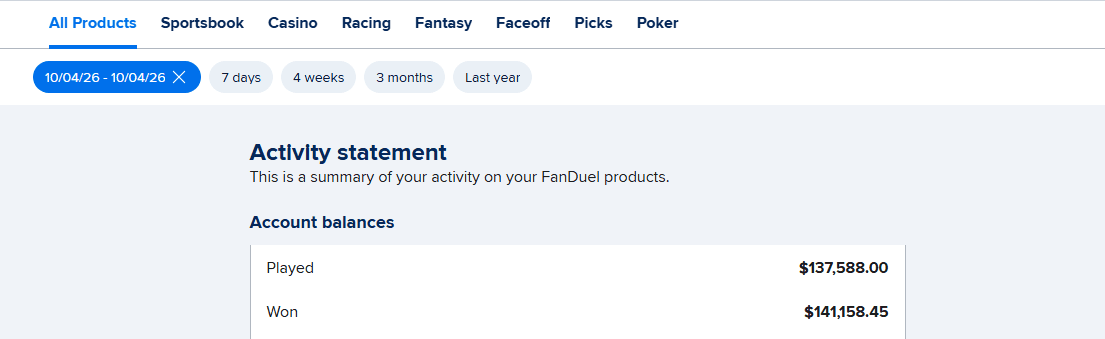
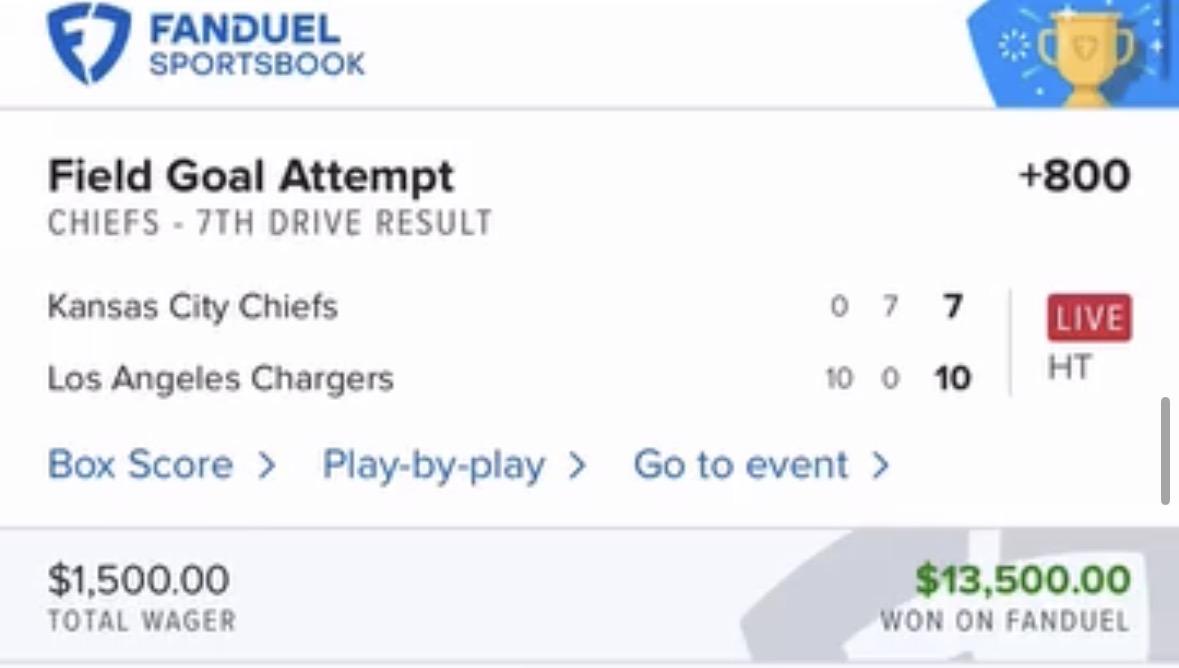
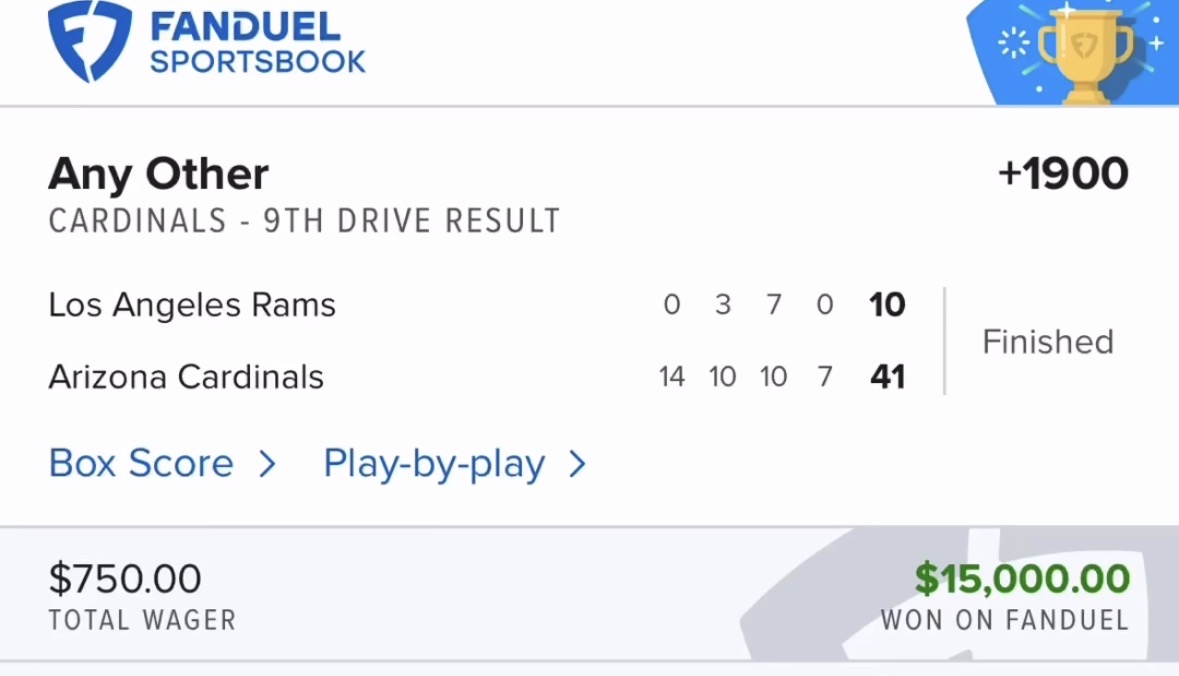
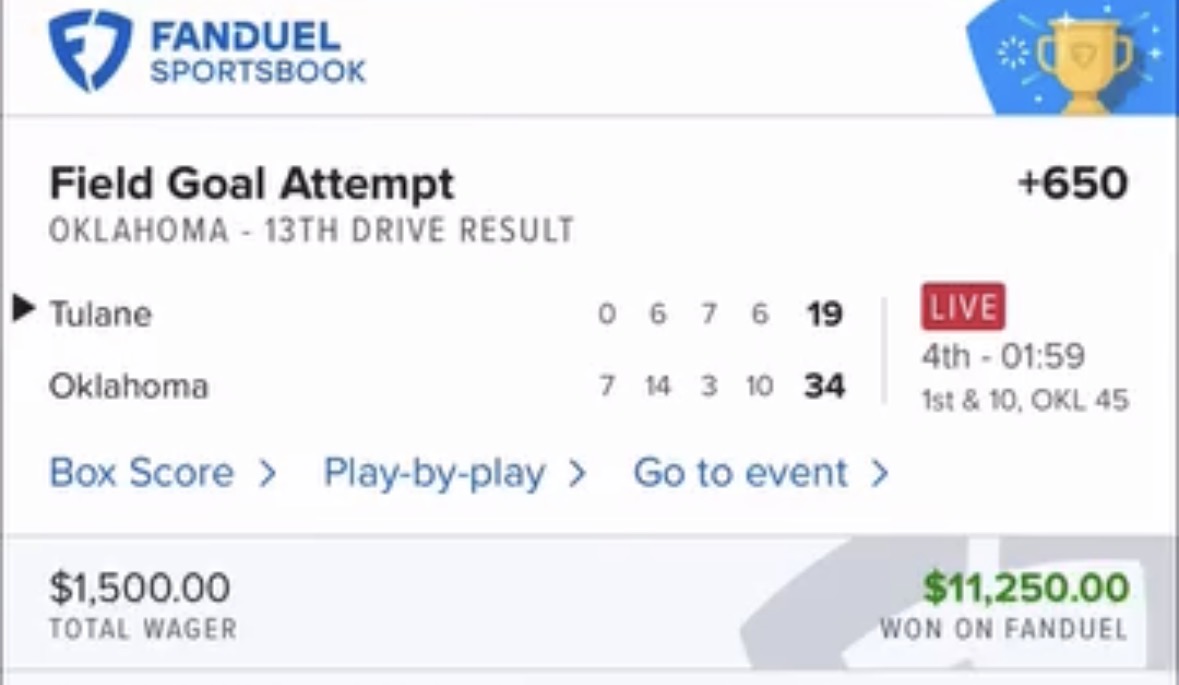
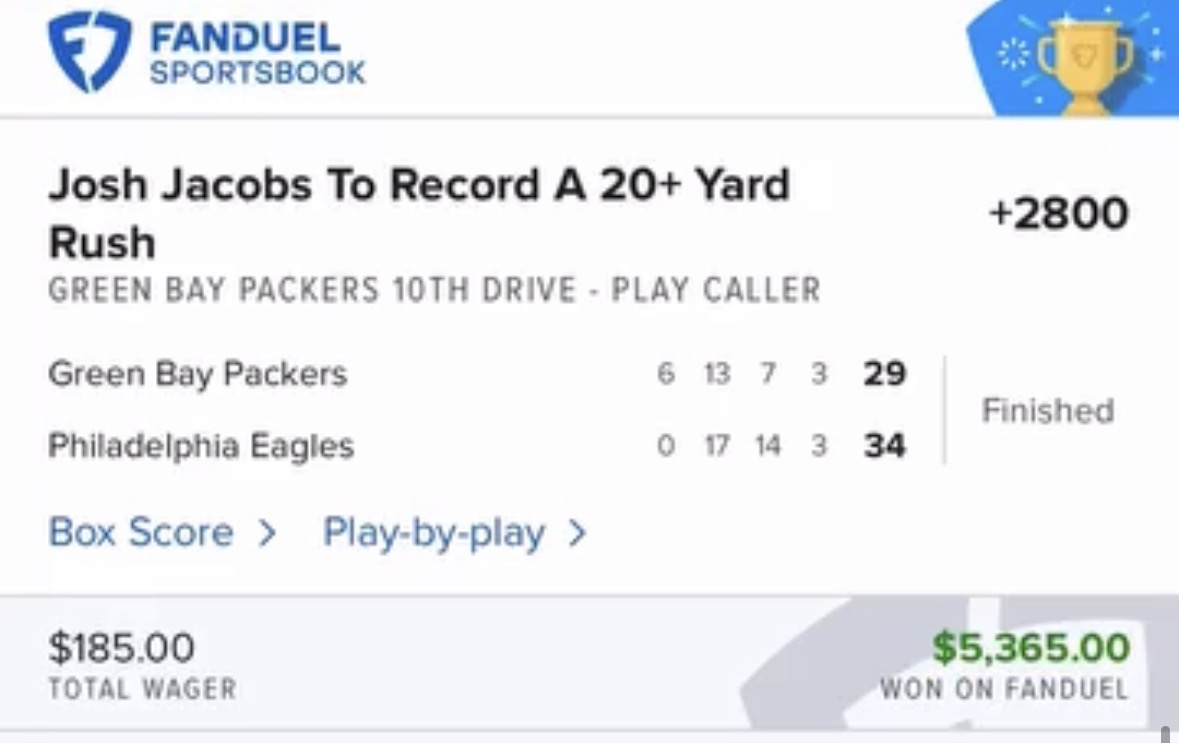
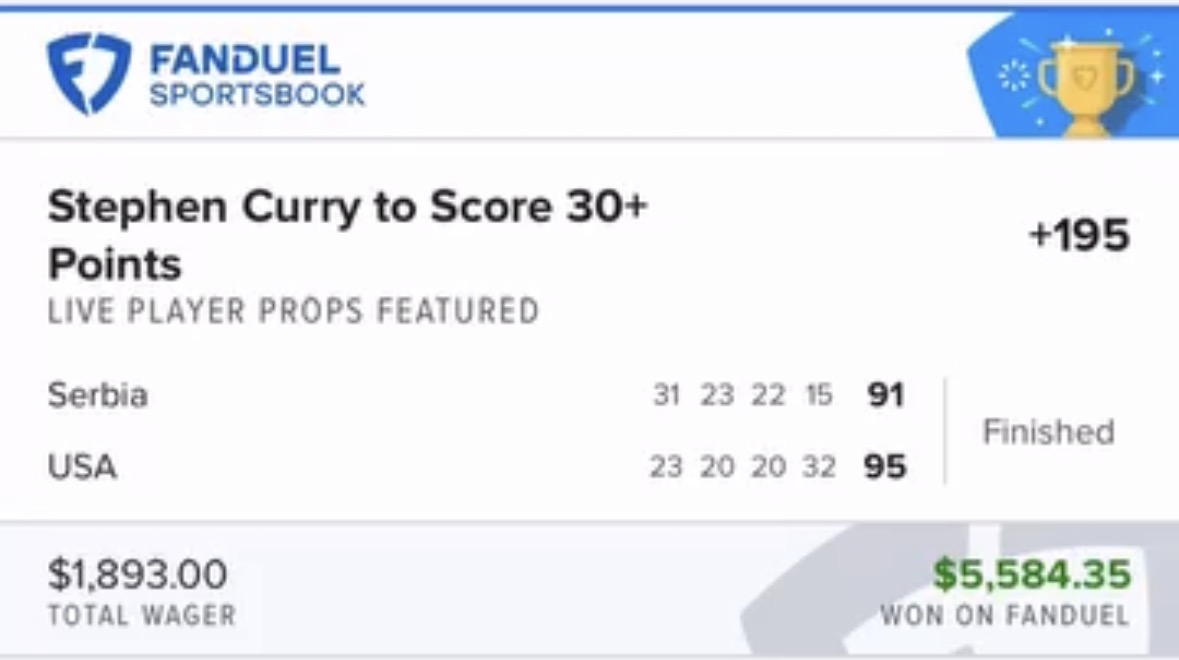
A serious service publishes verified profit screenshots, sportsbook statements, and dated transaction histories. The Best Bet on Sports publishes verified $367,520+ in profit across all sportsbooks with sportsbook statements and screenshots that are auditable. The verification is the proof. The absence of verification is the cost — a bettor paying $20/month for unverified ROI claims is paying for marketing copy, not for picks.
For the framework on reading and verifying a track record properly, see how to read a sports betting track record.
Hidden Cost #7: The Compounded Bankroll Drag
The seventh hidden cost is the compounding effect across all six prior costs. A bettor at $50 per unit on a $5,000 bankroll subscribing to a $20-per-month cheap service typically experiences:
| Line Item | Monthly Cost (Hidden) |
|---|---|
| Subscription savings vs $199 service | +$179 |
| Volume-vs-edge ROI gap (30 picks/day -1.5% ROI vs 4 picks/day +6% ROI) | −$1,035 |
| Foregone live betting expected value | −$200 |
| Delayed delivery CLV erosion | −$100 |
| Time cost of verifying picks the service should have verified | −$120 (at $15/hr × 8 hrs/month) |
| Net monthly hidden cost | −$1,276 |
The cheap service costs the bettor approximately $1,276 per month in net expected-value loss after accounting for the $179 in subscription savings. That is a 6.3x multiplier on the subscription gap — the bettor saves $20/month on the headline price and loses approximately $1,276/month in actual expected value.
The same bettor on a $199 first month / $299 monthly premium service with all seven costs eliminated typically experiences a +$1,100 to +$1,400 monthly expected-value gain on the same $5,000 bankroll. The net difference between the two structures is approximately $2,400 per month in realized vs unrealized profit, which is twelve times the annual subscription gap.
Why $199 Is the Floor Price for a Real Live Betting Service
The $199-per-month price point is not arbitrary. It is the floor price for an operation that can fund the real-time delivery infrastructure (Discord plus Discord plus email plus website pick rooms), the sportsbook-limit-tested edge identification (the analyst time required to find limits before sportsbooks do), the small-subscriber-base discipline (the picks must work at the actual bet sizes the subscribers use, not just on paper), and the verifiable track record (the ongoing cost of publishing audit-quality data).
A service at $79 or $99 per month can fund some but not all of those operations. A service at $20 per month can fund none of them. The structural floor for a real operation is approximately $199 per month, and any service charging meaningfully less is structurally unable to deliver the components that justify the price.
The Best Bet on Sports prices the 1-Unit Live Betting Package at $199 the first month, $299 monthly after, because that price covers the live betting delivery infrastructure, the sportsbook-limit-verified pick generation, the real-time alerts during games, and the published track record. The 2-3 Unit Expert Live Package at $299 the first month and the VIP 5-Unit Live Package at $500 the first month exist for higher-unit bettors whose per-ticket sizes generate more pick frequency. The structural floor for the service is the $199 entry tier, not because the marketing team chose that number, but because the operation costs require it.
Our coverage of sports pick service money-back guarantees walks through how this plays out in practice.
Get Tonight's Live Picks
Want tonight's live in-game predictions and Stanley Cup playoff picks delivered to your phone via Email and Discord during the game?
The Best Bet on Sports is the only live betting handicapping service limited on all six major U.S. sportsbooks (FanDuel, DraftKings, Caesars, BetMGM, Fanatics, ESPN BET) for winning too much during in-game action. Verified profit: $367,520+. Picks delivered via Email and Discord during games.
→ Get tonight's live picks: $199 first month — 1-Unit package, full live betting access → Try a free live pick first — reserve your spot for tonight's pick
Frequently Asked Questions
Is a $20-per-month sports picks service ever worth it?
In rare cases yes, but only for bettors at the $5-to-$10-per-unit level who do not have live betting access enabled on their sportsbook accounts and who are not yet at the bankroll size where the volume-vs-edge ROI gap matters. For any bettor at $25-per-unit or larger, the math from this article shows the hidden costs of the cheap service exceed the subscription savings by approximately 6.3x. The $20 service is a transitional product, not a long-term solution. Most subscribers who stay on cheap services for more than three months are losing money on their actual bankroll even when the service's published win rate looks acceptable.
What is the actual ROI difference between a $20 service and a $199 service?
The actual ROI difference, measured on a $5,000 bankroll at $50 per unit, is approximately $2,400 per month in realized vs unrealized profit. The cheap service loses approximately $1,276 per month in expected value through the seven hidden costs (volume-vs-edge gap, public-consensus pick sourcing, no live betting, no sportsbook-limit verification, no real-time delivery, no track record, and the compounding bankroll drag). The premium service gains approximately $1,100-$1,400 per month in expected value through the same seven categories properly executed. The net difference is the realized-profit gap, not the subscription-price gap.
How do I tell if a cheap service is sending public-consensus picks vs sharp picks?
Three tests will identify this within a single week. First, compare the picks against the public-betting-percentage data on any odds-aggregator site — if the service is consistently on the public side at +5 to +15 percentage points, the picks are tracking consensus rather than sharp analysis. Second, check whether the pick is sent before the line moves or after — sharp picks are typically sent at opening lines or mid-cycle pricing, while consensus picks are sent after lines have settled to closing values. Third, ask the service for screenshots of sportsbook limit notices — sharp picks generate limits, consensus picks don't.
What's the minimum bankroll size where a $199 service makes sense?
A $199 service makes sense at a $3,000 minimum bankroll, sized at $30 per unit. At that bankroll size, the monthly expected-value gain from sharp picks ($660 at +6% ROI on 100 tickets × $30 average) more than covers the subscription cost ($199 first month / $299 monthly after) by 2-3x. Below $3,000 bankroll, the unit size is small enough that the subscription is a meaningful percentage of monthly action, and the bettor should focus on bankroll building before subscribing. For the unit-sizing math, see the bankroll management framework.
Does pick volume really matter that much for ROI?
Yes, decisively. The mathematical relationship is that ROI per pick at a fixed win rate is structurally inversely related to volume because higher-volume services must include lower-edge picks to fill the schedule. A sharp service at 4 picks per day at +6% ROI generates approximately +24% per week on action. A high-volume service at 30 picks per day at -1.5% ROI generates approximately -45% per week on action. The difference is not the win rate — both services may publish 55% win rates — the difference is the edge filtering that creates positive ROI at 55% in one structure and negative ROI at 55% in the other.
Why does The Best Bet on Sports charge $199 instead of $39 or $99?
The $199 price covers the real-time delivery infrastructure across Discord, and email, the sportsbook-limit-verified pick generation, the live in-game alert system, and the published track record verified by sportsbook statements and screenshots. A service at $39 or $99 per month cannot fund all four of those components simultaneously and would have to cut one or more — typically real-time delivery (delays to email-only) or sportsbook-limit verification (substituting marketing claims for limit history). The Best Bet on Sports keeps all four components fully funded at the $199 first-month price point and $299 monthly after, because that's the floor cost of running the operation at the quality level it requires.
What if I'm new to paid picks services and want to test before committing?
The right entry point for a new subscriber is the /free-live-pick page on The Best Bet on Sports, where a single live in-game pick is reserved for the next major sports event. That single pick gives the new bettor a direct test of the picks-generation quality, the delivery infrastructure, and the in-game alert timing — all in one event, with no subscription commitment. After the free pick experience, the natural next step is the $199 first-month 1-Unit Live Betting Package, which is the most disciplined entry point for any bettor at the $25-per-unit or larger size.
The Best Bet on Sports · 1.5M followers on TikTok
Sports Betting TikTok is the live betting account behind The Best Bet on Sports, covering NFL, NCAAF, NBA, NCAAB, MLB and WNBA markets in real time. The account has been limited on all six major U.S. sportsbooks — FanDuel, DraftKings, Caesars, BetMGM, Fanatics and ESPN BET — for winning on live betting, with $367,520 in verified profit since 2005. View full profile →
Past results do not guarantee future performance. Must be 21 or older to wager.
Related Articles
Are Sports Picks Services Worth It? An Honest Answer From 20 Years of Live Betting
When to Upgrade From a $99 Pre-Game Pick Service to a $199 Live Betting Pick Service
Does a Pick Service Stop You From Learning to Bet?
Should Pick Service Bets Have Their Own Bankroll?
The Number Moved. Do You Still Bet It?
Why Some Games Never Get a Live Pick
Get real live betting picks
From $39.95/mo · Cancel anytime · Email + Discord delivery
● Get The Picks
Choose your package
Tap any tier below to select · Subscribe in one tap
👇 Tap any package to select it
✓ You're selecting
25 Units · $99.95/month
25 unit picks per month. Sweet spot for most bettors — plenty of action without going all-in.
- ✓25 live betting selections/month
- ✓Email + Discord delivery
- ✓All sports (NFL, NCAAF, NBA, NCAAB, MLB)
- ✓Mix of 1, 2, 3, 5-unit rated plays
- ✓Cancel anytime
Secure PayPal · Cancel anytime · No hidden fees · 21+ · +$367K verified
+$367,520 verified · Limited on 6 sportsbooks · 20 years documented · See Proof
Join Our Newsletter
Get free expert sports picks and analysis delivered weekly.