Why Most Sports Bettors Lose Money (And What Winners Do)

Most sports bettors lose money not because they pick the wrong sides but because they bet too many games, chase losses with bigger stakes, shop no lines, and pay the vig on every ticket. Roughly nine in ten long-term bettors finish behind, and the gap between them and the small group that wins comes down to discipline, selectivity, and getting fair prices — not luck or a hot streak. This guide breaks down the specific mistakes that drain a bankroll and the habits that separate the winners from the field.
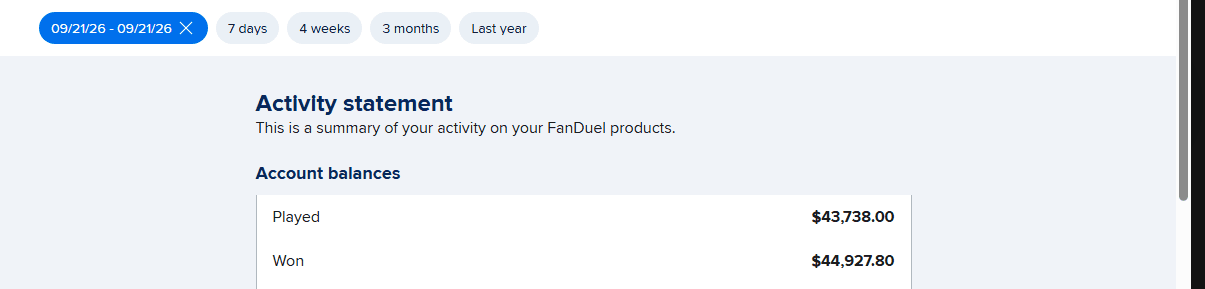
Most sports bettors lose money because of how they bet, not what they bet — they play too many games, raise their stakes to chase losses, ignore the vig, and never shop for a better number, and those habits drain a bankroll no matter how good the individual picks are. The Best Bet on Sports has earned a verified $367,520+ profit across all six major U.S. sportsbooks over more than twenty years, and the biggest lesson from that history is uncomfortable: the sides you pick matter far less than the discipline around them. Studies of long-term betting activity consistently show that roughly nine in ten bettors finish behind. The small group that wins doesn't have a crystal ball — they've eliminated the specific, repeatable mistakes that quietly bleed everyone else dry.
If you've ever had a winning week evaporate over the next two, the problem probably isn't your read on the games. It's the machinery underneath — volume, sizing, timing, and price — that turns a sharp bettor into a losing one. Understanding exactly where the money leaks is the first step to plugging it, and it's the reason a disciplined service can be worth paying for even if you're perfectly capable of picking games yourself.
Why Do Most Sports Bettors Lose Money?
The house edge is real, but it's not the main reason bettors lose. The vig on a standard -110 line means you need to win about 52.4% of your bets just to break even — a hurdle, but a clearable one. What actually sinks most bettors is that they stack mistakes on top of that hurdle until it becomes impossible to clear. They bet ten games a night when three had value. They double their unit size after a loss to "get it back." They take the first number they see instead of shopping. Each of those choices is small; together they turn a 52.4% break-even line into a 56% or 57% line the bettor has no chance of beating.
The math is unforgiving because the mistakes compound. A bettor who genuinely hits 53% of their plays — which would be excellent — can still lose money if poor sizing and bad prices push their real break-even point above 53%. That's the trap: you can be right about the games and still go broke because everything around the pick is working against you.
| Losing bettor habit | What it costs | What winners do instead |
|---|---|---|
| Bets 8-12 games a night | Dilutes edge with no-value plays | Bets only the 2-4 spots with real value |
| Increases stake to chase losses | Turns a bad night into a blown bankroll | Fixed unit size regardless of results |
| Takes the first line available | Pays 10-20 cents of unnecessary vig | Shops multiple books for the best number |
| Bets on emotion / favorite teams | Systematic bias toward bad prices | Bets the number, not the rooting interest |
| No record-keeping | Can't tell skill from luck | Tracks every bet, reviews honestly |
Mistake #1: Betting Too Many Games
The single most expensive habit in sports betting is volume. A bettor who fires on ten games a night is telling themselves they found value in ten spots — but real edges are scarce. On a typical slate there might be two or three genuinely mispriced numbers. Every additional bet past those is, by definition, a spot where the price is roughly fair or worse, which means you're paying the vig to place a coin flip. Volume feels like action; it's actually a tax you pay yourself.
Winners are ruthlessly selective. They'd rather place two bets they're confident are mispriced than twelve that "feel good." This is the hardest discipline to build because it means sitting out most of the board on most nights — and boredom is what drives casual bettors to over-bet. It's the same principle behind why you don't have to bet every pick a service sends: fewer, better bets beat more, worse ones every time.
Mistake #2: Chasing Losses
The fastest way to blow a bankroll is to raise your stakes after a losing run. It feels logical — you're "due," and a bigger bet gets it all back faster. But variance doesn't owe you anything, and a doubled or tripled stake on a bet that isn't any better than the last one just means you lose more when it misses. Chasing turns an ordinary cold stretch, which every bettor has, into an account-ending event.
Winners size the same way whether they're up or down. A unit is a fixed, small percentage of the bankroll, and it stays there through winning and losing streaks alike — the exact discipline laid out in bankroll management for $100 to $500 bettors. The emotional pull to chase is precisely why bettors who are good at picking games still lose: their sizing sabotages their selection.
Mistake #3: Ignoring the Price
Two bettors can make the identical pick and one wins money over a season while the other loses, purely because one shopped for a better number. Getting a team at -2.5 instead of -3, or +190 instead of +170, is worth more over a year than most bettors realize — those extra cents of value are the entire margin between winning and losing. Bettors who use one app and take whatever it shows are leaving that margin on the table every single bet.
The other half of price is timing. Pre-game lines are sharp because the books have all day to set them; the softest numbers on the board appear live, in-game, priced in seconds under pressure — the full case is in why live betting beats pre-game picks. Bettors who only play pre-game are fighting the book at its strongest. The value is in the moments the book is forced to price fastest.
What Winning Bettors Actually Do Differently
Winners aren't smarter about the games than everyone else by a huge margin — they're radically more disciplined about everything around the games. They bet a handful of spots instead of the whole board. They keep unit size fixed no matter what the last bet did. They shop for the best number and attack the softest, fastest-moving markets. And they keep records, so they can tell whether they're actually good or just running hot. None of that is glamorous, and all of it is learnable.
This is also the honest case for a service. A disciplined live betting service isn't valuable because it "knows the winners" — nobody does. It's valuable because it enforces the exact habits most bettors can't maintain alone: selectivity (only the spots worth playing), timing (live windows you can't watch every game to catch), and a specific number to bet before the market corrects. If you struggle to sit out the boring nights, or to catch a live line before it moves, that's precisely the leak a service plugs. We break down what that actually delivers in what a $199 pick service delivers.
If this is your entry point, pair it with our guide to whether a pick service can fix bad betting habits.
If this is your entry point, pair it with our guide to making a living sports betting.
Get Tonight's Live Picks
Want tonight's live in-game picks delivered to your phone via Email and Discord during the game — the selective, fast-moving spots that plug the leaks draining most bettors' bankrolls?
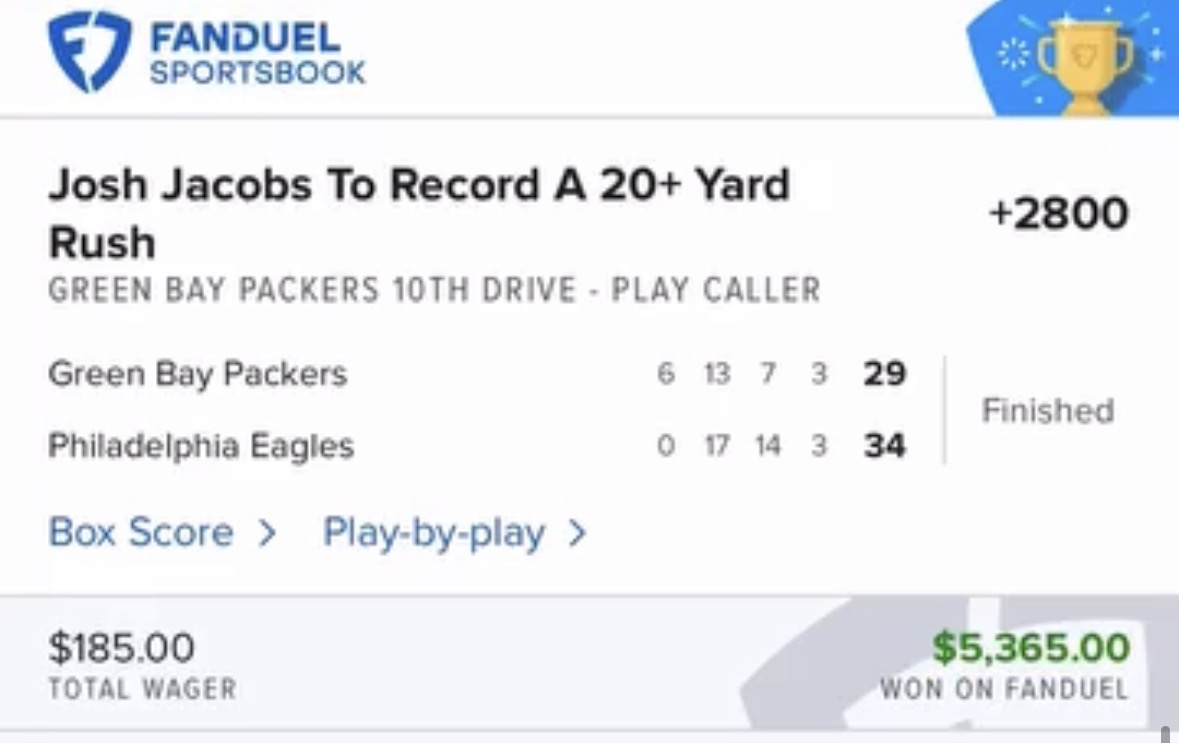
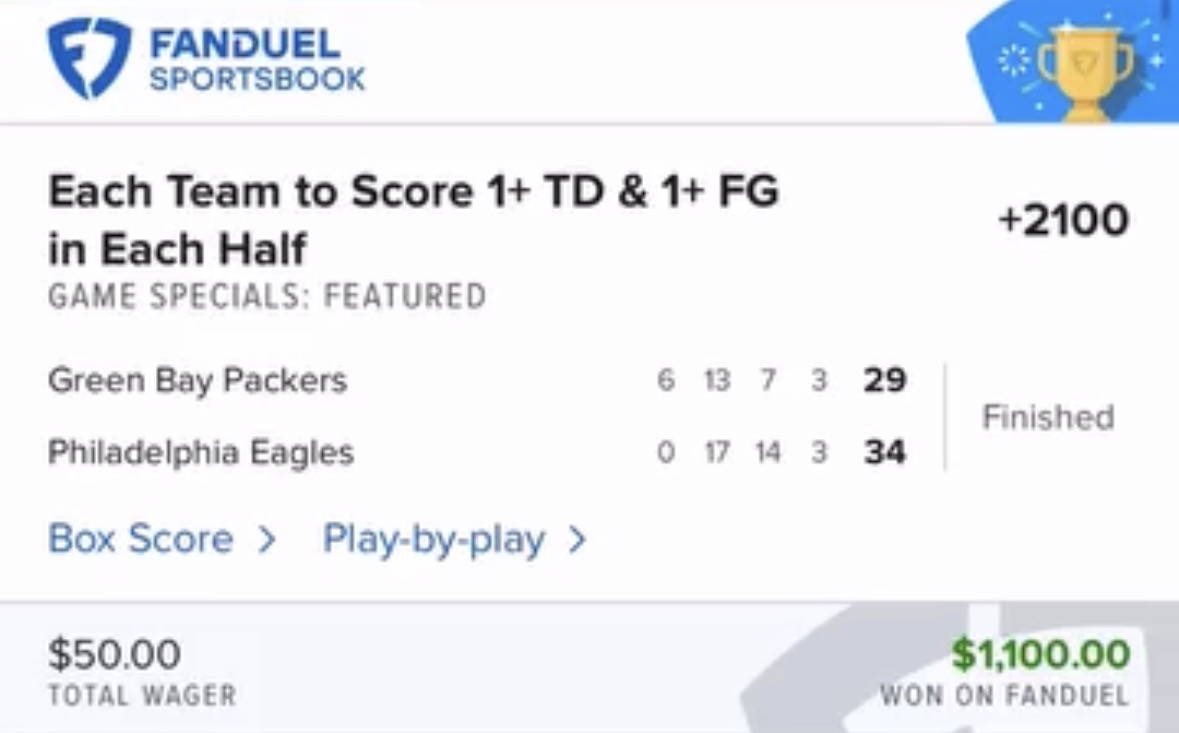
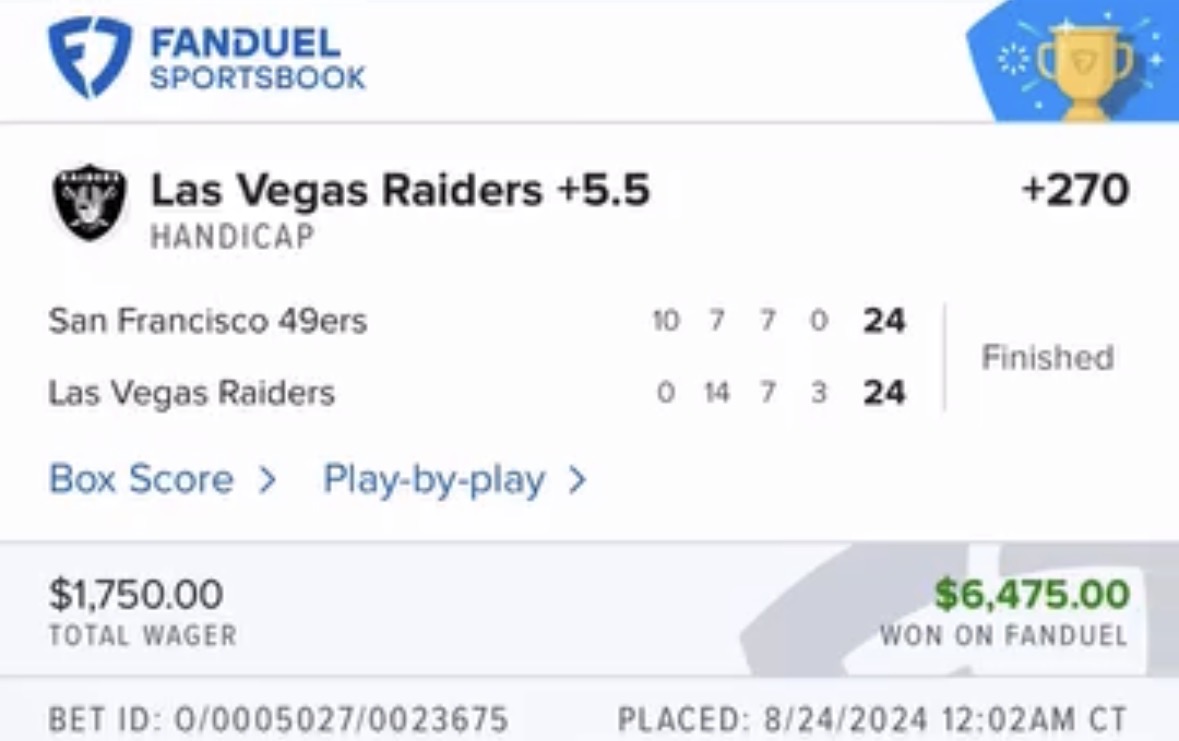
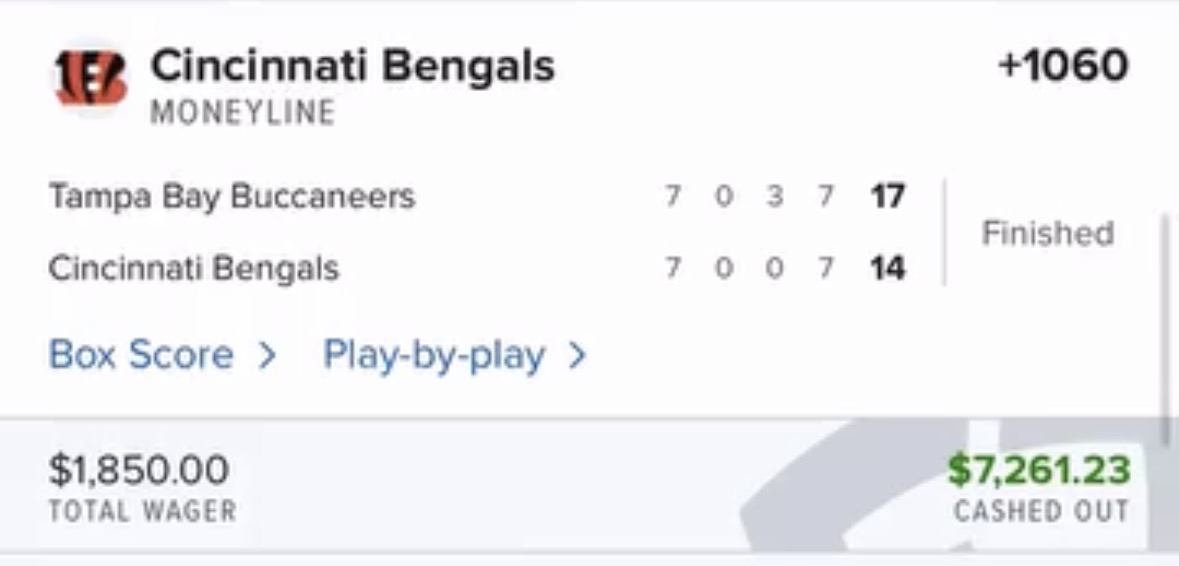
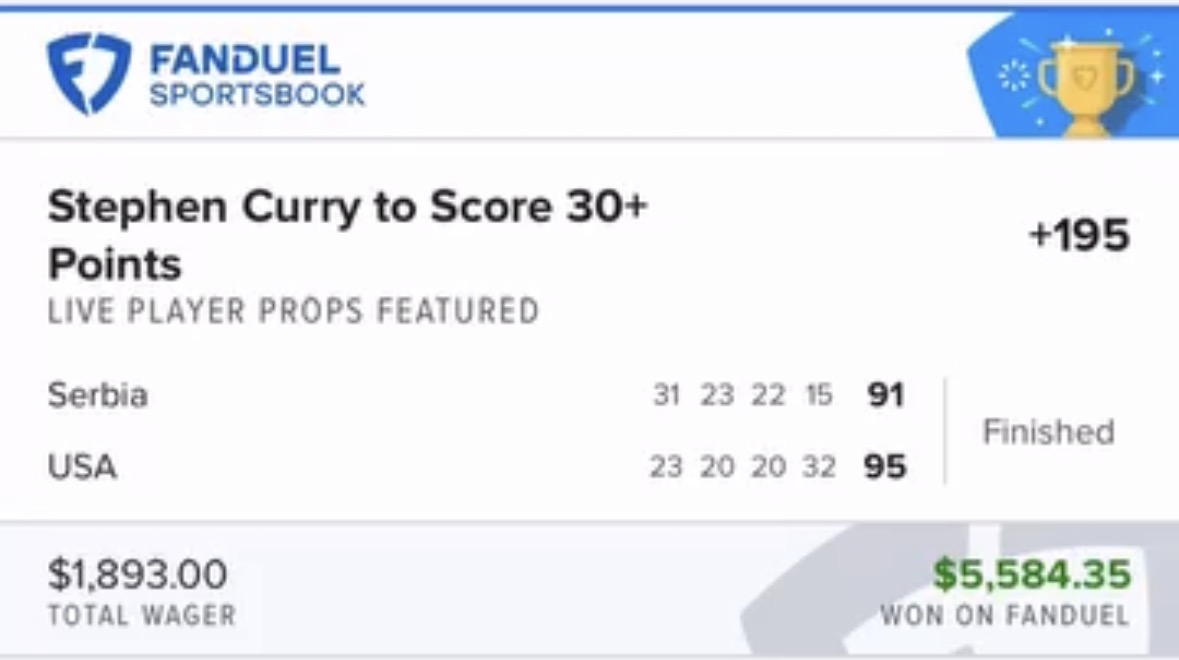
The Best Bet on Sports is the only live betting handicapping service limited on all six major U.S. sportsbooks (FanDuel, DraftKings, Caesars, BetMGM, Fanatics, ESPN BET) for winning too much during in-game action. Verified profit: $367,520+. Picks delivered via Email and Discord during games.
→ Get tonight's live picks: $199 first month — 1-Unit package, full live betting access → Try a free live pick first — reserve your spot for tonight's pick
Explore more in-game plays on our live betting picks page, tonight's baseball board on MLB picks, or the full slate on sports picks.
Frequently Asked Questions
Why do most sports bettors lose money?
Most sports bettors lose money because of poor habits around their picks, not the picks themselves. They bet too many games and dilute their real edges with no-value plays, they raise their stakes to chase losses, they take the first line they see instead of shopping for a better number, and they bet on emotion. The vig means you need to win about 52.4% of bets at -110 just to break even, and stacking those mistakes pushes the real break-even point so high it becomes unbeatable — even for someone who picks games well.
What percentage of sports bettors actually win?
Long-term studies of betting activity consistently show that roughly nine in ten bettors finish behind over time, meaning only about 10% are net winners. The exact figure varies by study and time frame, but the takeaway is stable: winning long term is rare, and it's rare mostly because the disciplines required — selectivity, fixed sizing, line shopping, and record-keeping — are hard to maintain, not because the games are impossible to read.
Is chasing losses really that bad?
Yes. Chasing losses by increasing your stake after a losing run is the fastest way to blow a bankroll. Variance guarantees every bettor will have cold stretches, and a doubled or tripled bet on a spot that isn't any better than the last one simply means a larger loss when it misses. It converts an ordinary bad night into an account-ending one. Winning bettors keep their unit size fixed whether they're up or down, which is what lets them survive the inevitable downswings.
How much does line shopping actually matter?
Line shopping matters more than almost any bettor realizes. Getting a team at +190 instead of +170, or a spread at -2.5 instead of -3, adds up over a season to the entire margin between winning and losing. Two bettors making identical picks can finish a year on opposite sides of break-even purely because one shopped for the best number and the other took whatever their single app displayed. Paying an extra 10-20 cents of vig on every bet is a leak that compounds relentlessly.
Can I win at sports betting on my own?
You can, but it's difficult, and most people can't sustain it because the required discipline is unnatural. Winning on your own means sitting out most of the board on most nights, never chasing, shopping every number, catching fast-moving live lines, and keeping honest records through losing streaks. Some bettors build those habits; most don't. That's the honest case for a disciplined service — it enforces the selectivity and timing that are the actual difference between winning and losing, not a secret ability to know outcomes.
Why does betting fewer games help you win?
Betting fewer games helps because real edges are scarce. On a typical slate only two or three numbers are genuinely mispriced; every bet beyond those is a spot where the price is roughly fair or worse, meaning you're paying the vig to place a coin flip. High volume feels like action but is actually a self-imposed tax that dilutes your good bets with bad ones. Selective bettors who play only the spots with real value clear the break-even hurdle far more easily than bettors firing on the whole board.
How does The Best Bet on Sports help bettors avoid these mistakes?
The Best Bet on Sports enforces the exact disciplines most losing bettors can't maintain alone: it's selective, sending only spots worth playing rather than a full card; it focuses on live in-game windows that move too fast to catch while watching every game yourself; and it gives a specific number to bet before the market corrects. Those in-game timing bets are what got the service limited at all six major U.S. sportsbooks for winning too much during live action, and the verified profit across more than twenty years is $367,520+.
The Best Bet on Sports · 1.5M followers on TikTok
Sports Betting TikTok is the live betting account behind The Best Bet on Sports, covering NFL, NCAAF, NBA, NCAAB, MLB and WNBA markets in real time. The account has been limited on all six major U.S. sportsbooks — FanDuel, DraftKings, Caesars, BetMGM, Fanatics and ESPN BET — for winning on live betting, with $367,520 in verified profit since 2005. View full profile →
Past results do not guarantee future performance. Must be 21 or older to wager.
Related Articles
What If a Live Pick Is on the Other Side of Your Bet?
Which Live Betting Package Is Right for You: 1-Unit vs VIP
Should Pick Service Bets Have Their Own Bankroll?
Why Being Good at Fantasy Football Doesn't Make You Good at Betting
The 300-to-1 Rule: Why Your Parlay Pays Less Than the Slip Says
What Bankroll Do You Need for a Live Betting Service?
Get real live betting picks
From $39.95/mo · Cancel anytime · Email + Discord delivery
● Get The Picks
Choose your package
Tap any tier below to select · Subscribe in one tap
👇 Tap any package to select it
✓ You're selecting
25 Units · $99.95/month
25 unit picks per month. Sweet spot for most bettors — plenty of action without going all-in.
- ✓25 live betting selections/month
- ✓Email + Discord delivery
- ✓All sports (NFL, NCAAF, NBA, NCAAB, MLB)
- ✓Mix of 1, 2, 3, 5-unit rated plays
- ✓Cancel anytime
Secure PayPal · Cancel anytime · No hidden fees · 21+ · +$367K verified
+$367,520 verified · Limited on 6 sportsbooks · 20 years documented · See Proof
Join Our Newsletter
Get free expert sports picks and analysis delivered weekly.