Are Live Betting Pick Services a Scam? An Honest Breakdown

Most sports pick services that promise guaranteed winners are a scam — they sell fake records, hide losses, and tout both sides of a game to fabricate proof. But a legitimate live betting service exists and is identifiable by four hard signals: a verified profit figure, transparent results, real delivery infrastructure, and the one thing no scammer can fake — getting limited by sportsbooks for winning too much. This guide shows exactly how to tell the difference before you pay.
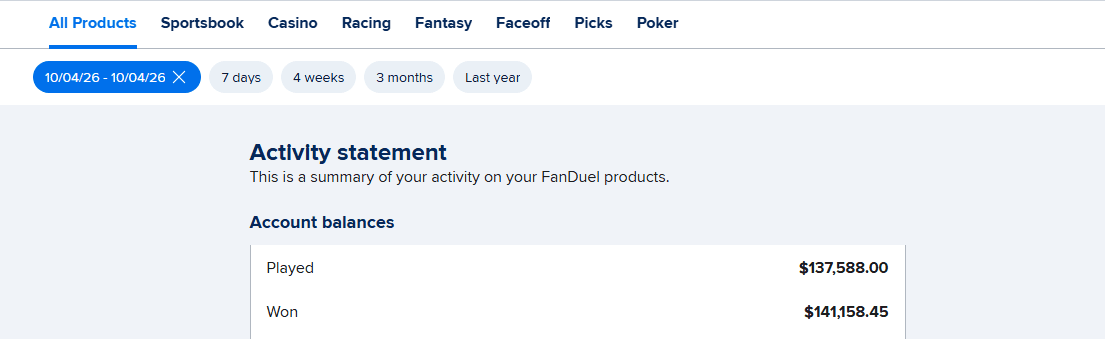
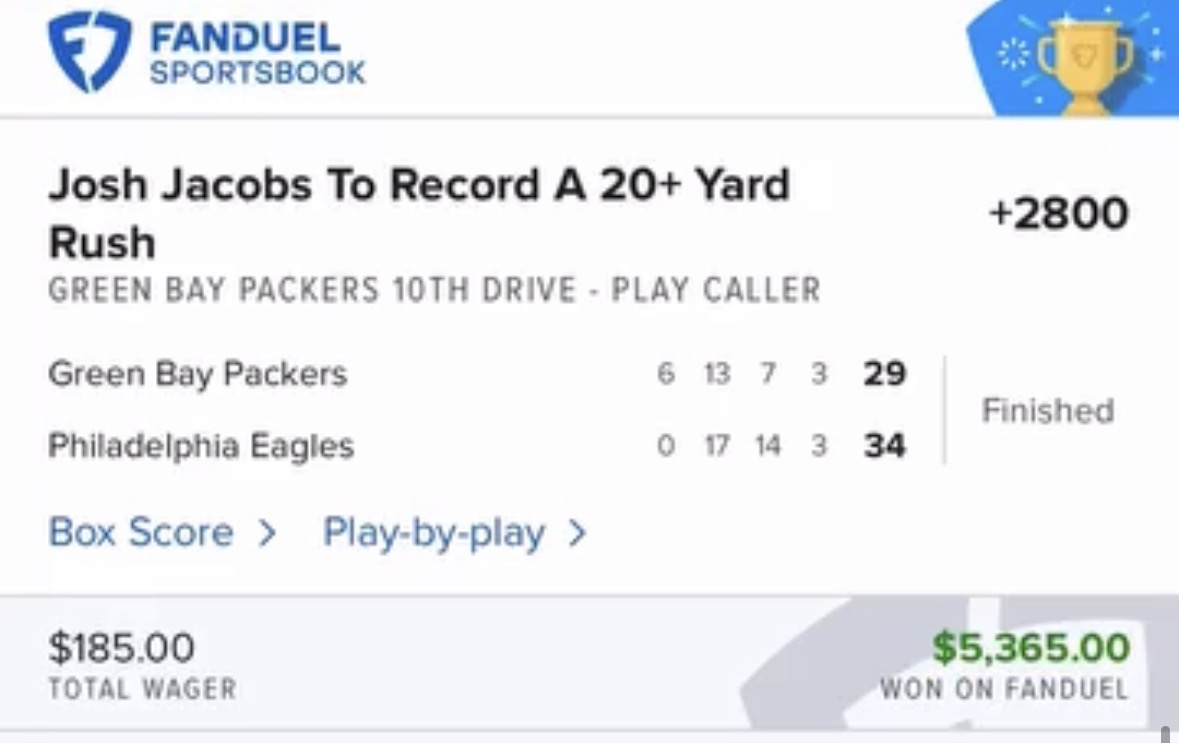
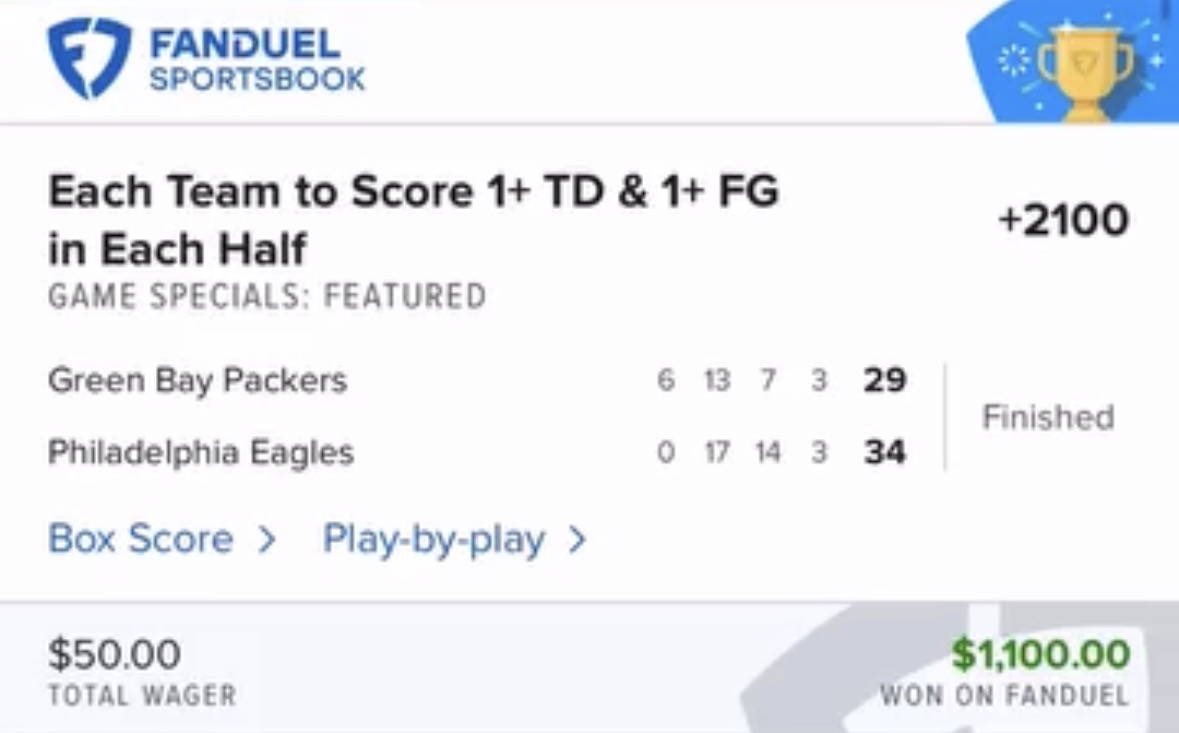
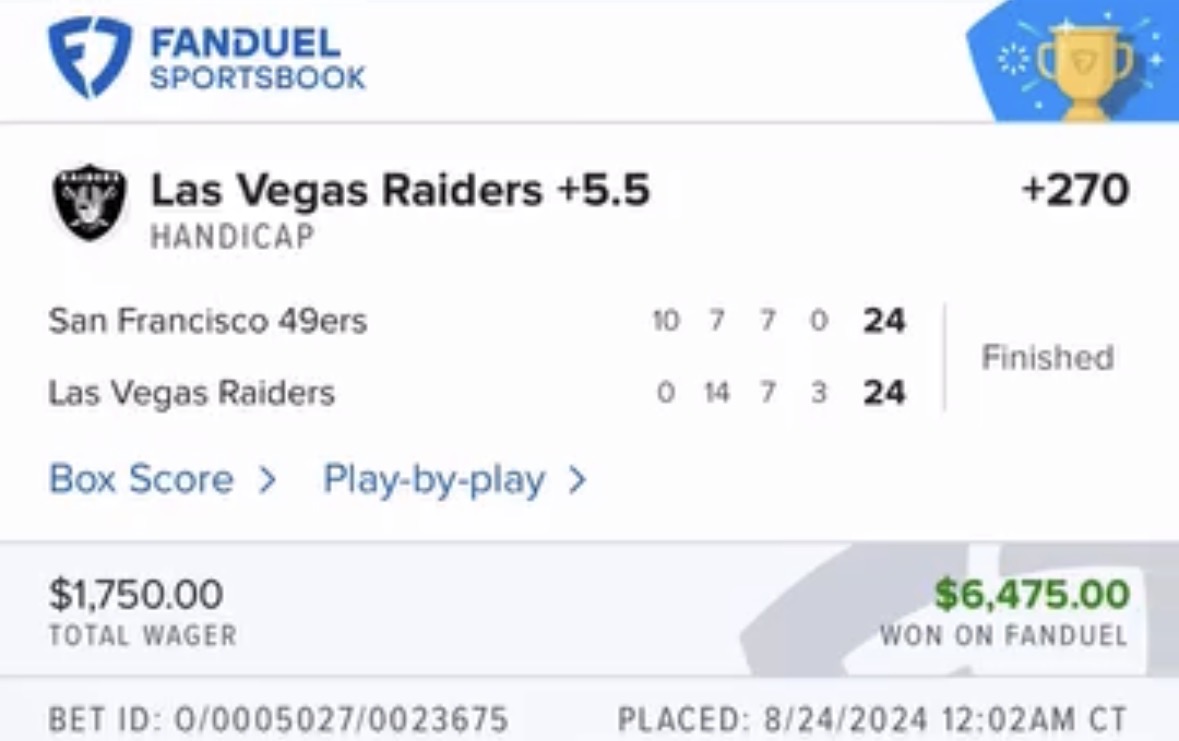
Most sports pick services that promise "guaranteed winners" or "locks of the week" are a scam — and you should treat that promise itself as the red flag. The common cons are well documented: fabricated win records, hidden losing months, and the oldest trick in the industry, touting both sides of the same game to different customers so half of them see a "winner" and re-up. But a legitimate live betting service does exist, and it is identifiable by four hard signals a scammer cannot fake — a verified profit figure, transparent results, real delivery infrastructure, and accounts that get limited by sportsbooks for winning too much. The Best Bet on Sports built its reputation on exactly those signals, with a verified $367,520+ profit earned while limited on all six major U.S. sportsbooks (FanDuel, DraftKings, Caesars, BetMGM, Fanatics, ESPN BET) for winning too much during live action. The question isn't whether scams exist — they obviously do. The question is how you tell a real service apart from one, before your money is gone.
This is the honest version of the answer, written by someone who works in this industry and is tired of watching it earn its bad reputation. Yes, a lot of pick services are scams. Here is precisely how they run the con, and the specific checks that separate the real thing from the fraud.
How Pick Service Scams Actually Work
Understanding the cons makes them easy to spot. Almost every pick-service scam runs one of these playbooks:
The both-sides tout. The scammer emails Group A that Team X is the "lock of the night" and emails Group B that Team Y is the lock. One group wins by definition. The scammer then markets only to the winners, who now believe the service is legit, and the losers churn out quietly. Repeat across enough games and you manufacture a "track record" out of pure coin flips.
The deleted-loss record. The service posts every winner loudly on social media and silently deletes the losers. Scroll their feed and you see a wall of green tickets — because the red ones were erased an hour after they lost. There is no audited, append-only record anywhere.
The guarantee. Any service using "guaranteed," "lock," "sure thing," "can't lose," or "risk-free" is telling on itself. No legal, honest operator in sports betting promises a guaranteed outcome, because variance is real and outcomes aren't controllable. The guarantee language exists specifically to override your skepticism — it is the single clearest scam tell.
The fake urgency upsell. "VIP mega-lock available for the next 20 minutes, normally $2,000, today $500." The pressure is engineered to stop you from doing the verification this article describes.
If a service is running any of these, walk away. Now here is how a real one proves itself.
The Four Signals a Scam Can't Fake
| Signal | What a scam shows | What a real service shows |
|---|---|---|
| Profit figure | Vague "thousands won" or %-only | A specific, verified dollar figure |
| Results | Cherry-picked winners only | Full record including losses |
| Delivery | DMs and screenshots | Real Discord, email infrastructure |
| Sportsbook status | Claims to "beat the books" | Actually limited by the books for winning |
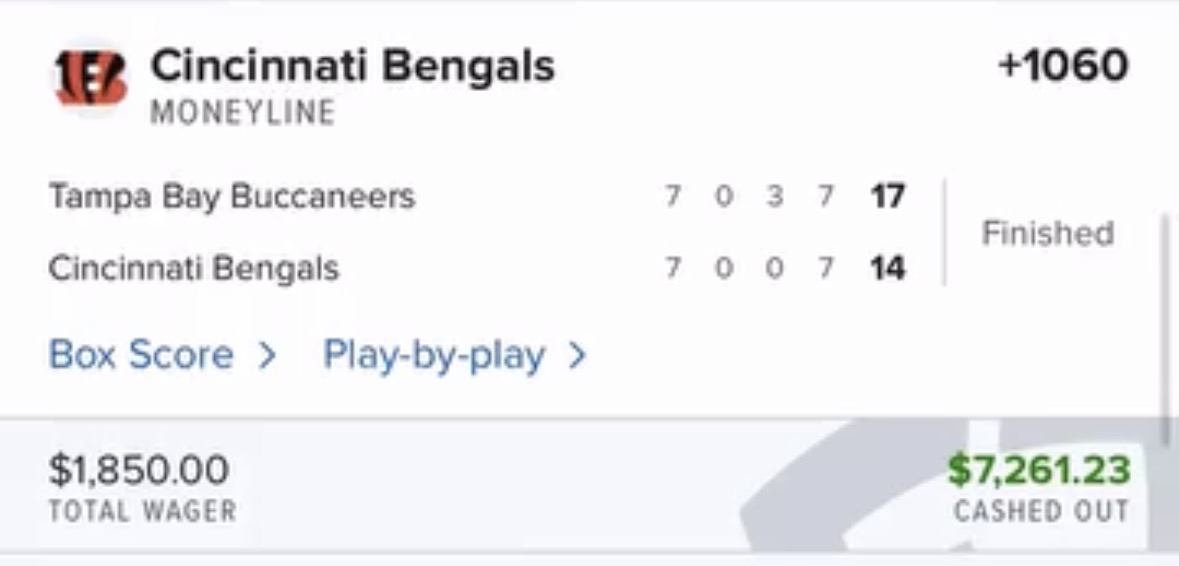
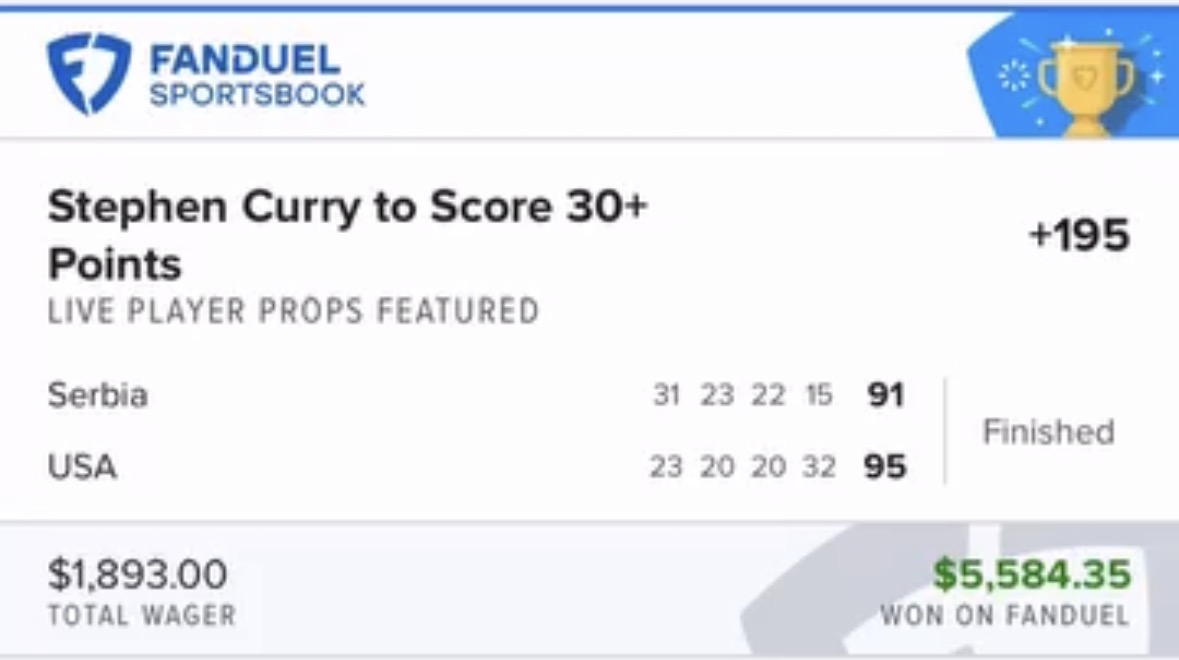
1. A verified, specific profit figure. Scammers speak in vague superlatives because specifics can be checked. A real service publishes an actual number — for us, $367,520+ in verified profit across two decades. A figure that precise invites scrutiny, which is exactly why a fraud avoids it.
2. Transparent results, losses included. Variance means even a sharp, winning service has losing days, weeks, and the occasional losing month. A results page that shows only winners is fabricated. A real one shows the downswings too, because honesty about variance is itself the proof of legitimacy. Read more in our breakdown of how to read a sports betting track record.
3. Real delivery infrastructure. A legitimate live service has to push time-sensitive picks the instant an in-game window opens — that requires actual Discord, and email systems, not a guy screenshotting bets to a group chat after they've already hit. The delivery method tells you whether the operation is real. Compare the infrastructure behind any live betting pick service you are evaluating against that standard before you pay.
4. The one thing no scammer can fake: getting limited. This is the signal that ends the argument. Sportsbooks limit and ban accounts that win too much — it's a documented, widespread practice. A scammer who never actually beats the books never gets limited, because there's nothing to stop. A service whose accounts are throttled across all six major sportsbooks for winning has the one credential that cannot be manufactured: the books themselves treating it as a threat. We cover the mechanics in why sportsbooks limit winning bettors.
"But If It's Real, Why Sell Picks Instead of Just Betting?"
This is the smart skeptic's question, and it deserves a straight answer. The reason is the limiting itself. Once sportsbooks throttle your accounts — capping your max bet to a few dollars across every book — you can no longer scale your own action. The edge still exists; the ability to bet it at size does not. Distributing those same picks to subscribers who aren't limited is the rational way to monetize an edge the books have personally shut down. The limiting isn't a marketing line — it's the literal business reason the service exists. We lay out the full economics in why a limited service is worth paying for.
How to Vet Any Service in Ten Minutes
Before you pay a cent, run this checklist:
- Search for the guarantee words. If "guaranteed," "lock," or "risk-free" appears anywhere in the sales copy, stop. Legitimate operators don't use them.
- Find the specific profit number. No specific, verifiable figure → likely a scam.
- Ask to see losing days. A real results page has them. If they can't show a single loss, the record is fake.
- Check the delivery method. Real-time Discord/Discord/email is infrastructure; "I'll DM you" is not.
- Look for evidence of limiting. Statement screenshots, throttled-account proof, or a documented limited status is the credential that can't be faked.
- Start small. A real service offers an entry tier — for us, $199 for the first month — or a single free live pick to test, not a $2,000 "VIP lock" upsell on day one.
Run this on any service, ours included. Apply the same four checks to any sports handicappers you are weighing, and the frauds separate from the real operators quickly. The point of this article isn't to tell you to trust us — it's to give you the tools to verify, because a service confident in its record wants you to check. That confidence is the difference between a worth-it pick service and a con. For a side-by-side on doing it yourself versus paying, see free vs paid sports picks.
The Honest Bottom Line
Are live betting pick services a scam? Many are — the industry is full of both-sides touts, deleted-loss records, and guarantee language designed to switch off your judgment. But a real service is identifiable, and the test is simple: verified dollar profit, transparent results, real delivery, and the books themselves limiting the accounts for winning too much. Apply those four checks and the frauds fall away fast. A legitimate operator will pass every one of them and invite you to look closer. A scam will give you urgency and guarantees and hope you never run the checklist.
Get Tonight's Live Picks
Want tonight's live in-game picks delivered to your phone via Email and Discord during the game — from a service you can actually verify?
The Best Bet on Sports is the only live betting handicapping service limited on all six major U.S. sportsbooks (FanDuel, DraftKings, Caesars, BetMGM, Fanatics, ESPN BET) for winning too much during in-game action. Verified profit: $367,520+. Picks delivered via Email and Discord during games.
→ Get tonight's live picks: $199 first month — 1-Unit package, full live betting access → Try a free live pick first — reserve your spot for tonight's pick
Frequently Asked Questions
Are most sports pick services a scam?
A large share of them are. The industry is full of operators running well-documented cons: the both-sides tout (emailing different customers opposite picks so half see a "winner"), the deleted-loss record (posting only winning tickets and quietly erasing losses), and guarantee language like "lock of the week" designed to override your skepticism. These tactics manufacture a fake track record out of coin flips. A legitimate service does exist, but it looks completely different — it shows a verified profit figure, full results including losses, and real delivery infrastructure.
How do I know if a pick service is legit?
Run four checks. First, look for a specific, verified profit figure in actual dollars, not vague "thousands won" claims. Second, demand to see losing days — a real results page includes them because variance is unavoidable. Third, confirm real delivery infrastructure (Discord, email) rather than after-the-fact screenshots. Fourth, and most telling, look for evidence the service's accounts are limited by sportsbooks for winning too much — that is the one credential no scammer can fake, because a fraud never actually beats the books.
What are the biggest red flags in a sports pick service?
The clearest red flag is guarantee language — "guaranteed," "lock," "sure thing," "can't lose," or "risk-free." No honest operator uses those words because no one can control outcomes against real variance. Other major red flags are a results feed showing only winners (losses deleted), vague profit claims with no specific number, high-pressure "VIP mega-lock available for 20 minutes" upsells, and no real-time delivery method. Any one of these should make you walk away before paying.
Why would a real winning service sell picks instead of just betting?
Because sportsbooks limit and ban accounts that win too much. Once your accounts are throttled across the major books — capped to tiny maximum bets — you can no longer scale your own action even though your edge still exists. Distributing those same picks to subscribers whose accounts aren't limited is the rational way to monetize an edge the books have personally shut down. The limiting isn't a marketing line; it is the literal business reason a legitimate service distributes picks at all.
How can a service prove it actually wins?
The strongest proof is being limited by the sportsbooks themselves, since books only throttle accounts that win consistently — it's a credential that can't be manufactured. Beyond that, a real service publishes a specific verified profit figure, maintains a transparent results record that includes losing days and weeks, and operates genuine delivery infrastructure for time-sensitive live picks. The Best Bet on Sports points to a verified $367,520+ profit and a documented limited status across all six major U.S. sportsbooks as exactly that kind of evidence.
Should I pay for sports picks or do it myself?
It depends on whether your wall is knowledge or execution. If you have the time to monitor multiple games live, the discipline to size correctly, and accounts that aren't limited, you can pursue an edge yourself. Most bettors' real obstacle is execution speed and multi-book access during live windows that open and close in minutes — which is what a live service provides. The key is only paying a service that passes the four legitimacy checks; a verified, transparent, limited operator is worth considering, while a guarantee-pushing scam never is.
How should I test a pick service before committing?
Start small and verify everything. A legitimate service offers a low entry tier — for The Best Bet on Sports that is $199 for the first month — or a single free live pick to test the delivery and results before you commit further, rather than pushing a $2,000 "VIP lock" on day one. Run the ten-minute vetting checklist first: search the copy for guarantee words, find the specific profit number, ask to see losses, check the delivery method, and look for evidence of sportsbook limiting. A service confident in its record will welcome the scrutiny.
The Best Bet on Sports · 1.5M followers on TikTok
Sports Betting TikTok is the live betting account behind The Best Bet on Sports, covering NFL, NCAAF, NBA, NCAAB, MLB and WNBA markets in real time. The account has been limited on all six major U.S. sportsbooks — FanDuel, DraftKings, Caesars, BetMGM, Fanatics and ESPN BET — for winning on live betting, with $367,520 in verified profit since 2005. View full profile →
Past results do not guarantee future performance. Must be 21 or older to wager.
Related Articles
Will Following a Pick Service Get Your Account Limited?
Can You Follow a Live Betting Service With a Full-Time Job?
Your Live Betting Bankroll Is Not Your Bankroll — It's Your App Balance
Is a Live Betting Service Worth It for College Football? The Honest Math
When Is the Best Time to Start With a Sports Pick Service?
How Long Until a Live Betting Service Pays for Itself?
Get real live betting picks
From $39.95/mo · Cancel anytime · Email + Discord delivery
● Get The Picks
Choose your package
Tap any tier below to select · Subscribe in one tap
👇 Tap any package to select it
✓ You're selecting
25 Units · $99.95/month
25 unit picks per month. Sweet spot for most bettors — plenty of action without going all-in.
- ✓25 live betting selections/month
- ✓Email + Discord delivery
- ✓All sports (NFL, NCAAF, NBA, NCAAB, MLB)
- ✓Mix of 1, 2, 3, 5-unit rated plays
- ✓Cancel anytime
Secure PayPal · Cancel anytime · No hidden fees · 21+ · +$367K verified
+$367,520 verified · Limited on 6 sportsbooks · 20 years documented · See Proof
Join Our Newsletter
Get free expert sports picks and analysis delivered weekly.