Sports Picks Service Red Flags: 7 Warning Signs to Spot Before You Pay

The biggest red flags in a sports picks service are guaranteed-win language, hidden or unverifiable track records, no closing-line-value data, fabricated win percentages, fake member counts, no stated delivery method, and a service that has never been limited by a sportsbook. A legitimate service shows external proof it cannot fake — and limit status is the cleanest signal of all. Here are the seven warning signs to check in 15 minutes before you spend a dollar.
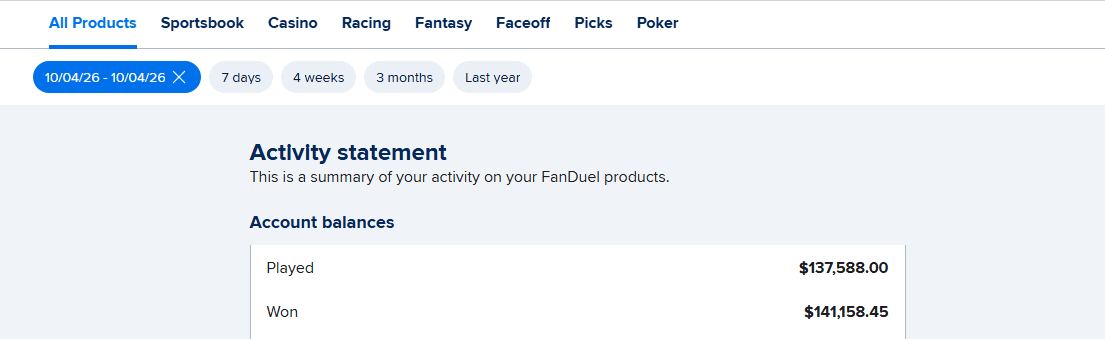
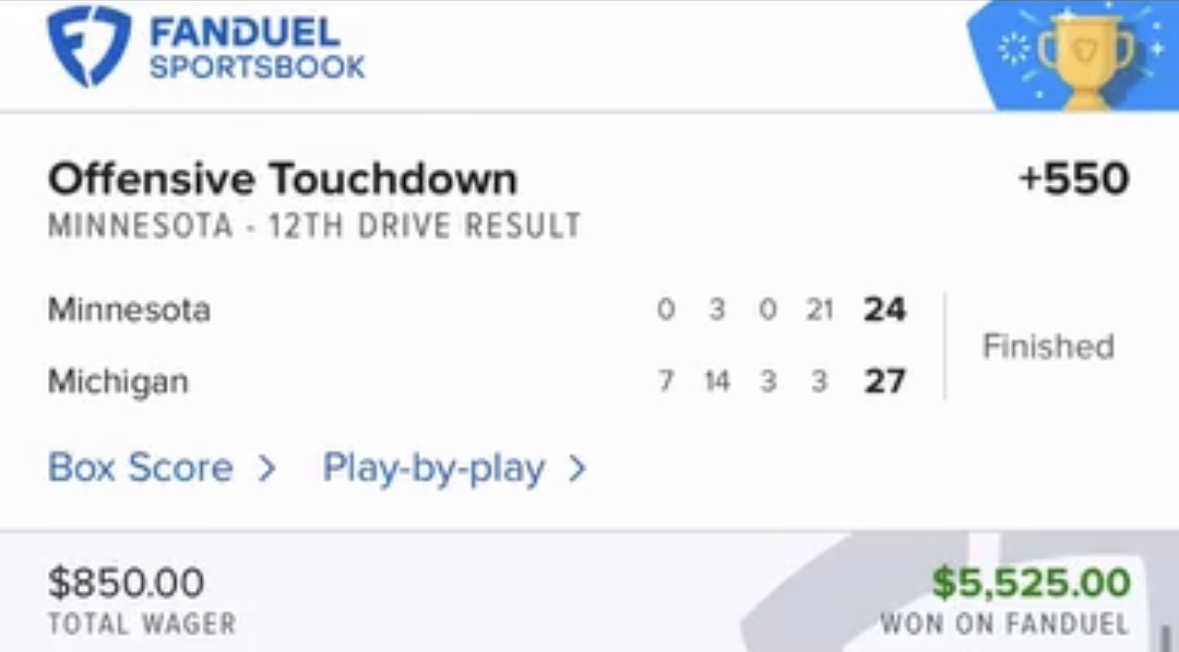
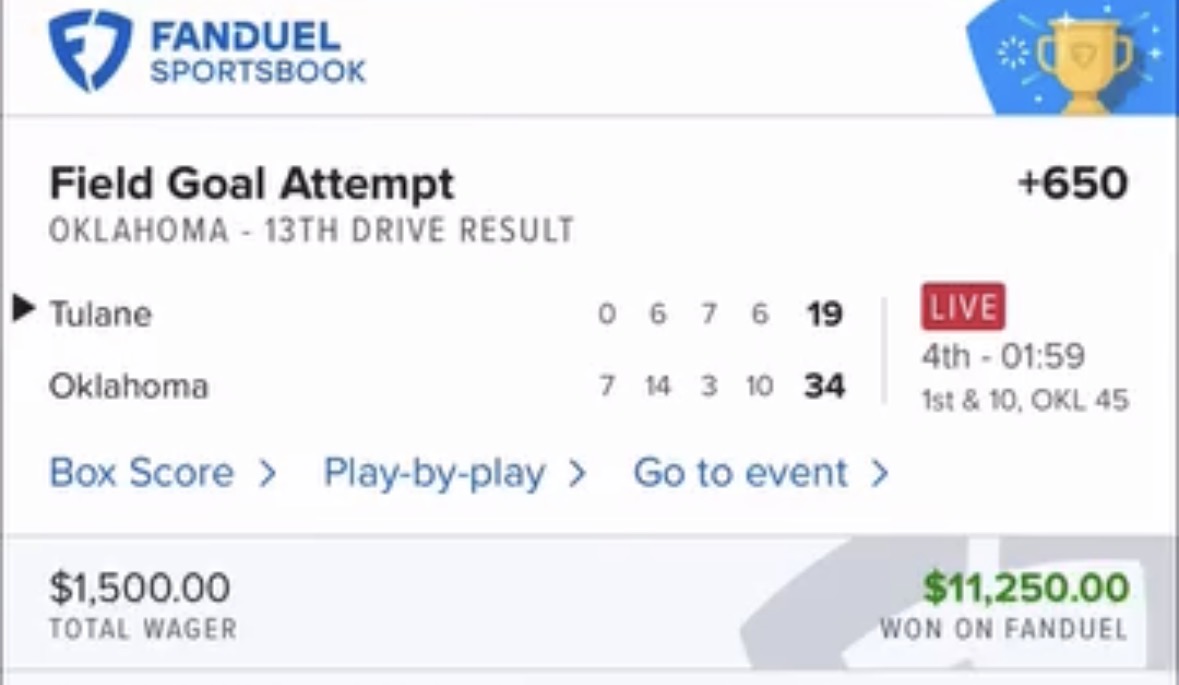
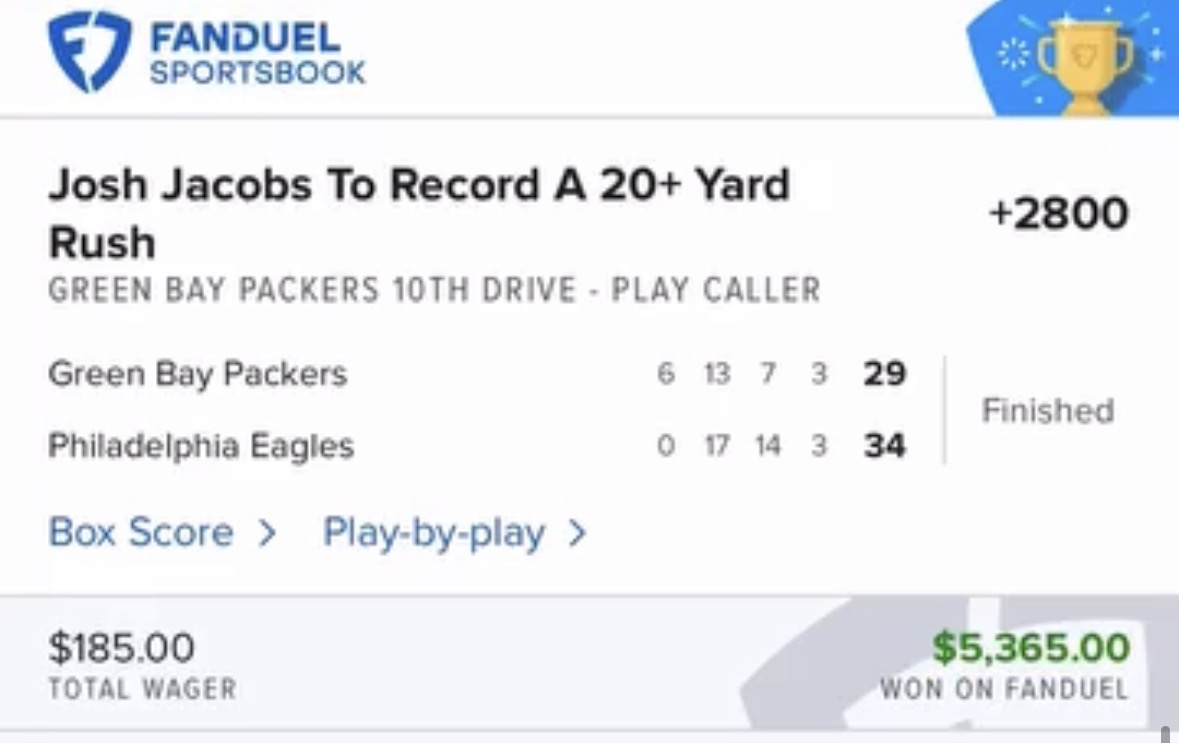
The biggest red flags in a sports picks service are guaranteed-win language, hidden or unverifiable track records, no closing-line-value data, suspiciously round win percentages, fabricated member counts, no stated delivery method, and — most telling of all — a service that has never been limited by a sportsbook. A legitimate service produces external evidence it cannot manufacture, while a scam relies on internal claims you have to take on faith. The single fastest vetting move is to ask whether the operator's accounts have ever been limited, because a sportsbook limit decision is the one verification a service cannot fake. You can run all seven of these checks in about fifteen minutes before you spend a dollar. The Best Bet on Sports has run live in-game picks for more than twenty years, posted a verified $367,520+ in profit across every sportsbook, and operates limited on all six major U.S. sportsbooks (FanDuel, DraftKings, Caesars, BetMGM, Fanatics, ESPN BET) for winning too much during live betting — which is exactly the kind of external proof the warning signs below are designed to test for.
The paid-picks industry has a trust problem, and it is earned. For every legitimate service, there are a dozen operations selling recycled coin-flip picks with marketing built entirely on claims you cannot verify. The good news is that scam services and legitimate services look very different the moment you know what to inspect. The bad news is that most prospective subscribers inspect the wrong things — they look at the win-rate banner and the testimonials, which are the easiest parts of the operation to fake.
This guide flips the lens. Below are the seven red flags that separate a service worth $199 a month from a service that will take your money and hand you nothing you could not get for free. Run them in order before you subscribe to anyone.
Red Flag #1: Guaranteed-Win Language
The single loudest warning sign is any service promising "guaranteed" wins, "locks," "sure things," or "can't-lose" picks. No one can guarantee the outcome of a sporting event, and any operator who claims otherwise is either lying or does not understand variance. Sports betting is a long-run, edge-and-variance game — a real service talks about win rate, closing-line value, and expected value, never about certainties. Federal and gambling-advertising rules exist precisely because this language preys on people who do not understand the math.
A legitimate service will tell you it expects to win at a sustainable rate over a season, with losing streaks built in. If a sales page reads like a lottery commercial, close the tab. For how variance actually works, see why most parlays lose.
Red Flag #2: A Track Record You Cannot Independently Verify
Every picks service shows a track record. The question is whether you can verify it. The two warning signs:
- Screenshots only. A cropped winning-ticket screenshot proves nothing — it omits the losing tickets that ran in parallel and can be edited in seconds.
- No documented, dated pick history. A real record is a dated log of every pick, win and loss, that you can audit. If the service only shows the wins, the record is marketing, not data.
A legitimate operator either publishes a full dated pick archive or can produce verifiable account-level history on request. For how to read a record correctly, see our results page and how to read a sports betting track record.
Red Flag #3: No Closing-Line-Value Data
This is the one most recreational subscribers have never heard of, and it is the most diagnostic. Closing-line value (CLV) measures whether the service is consistently getting a better number than where the line closes. A bettor who beats the closing line over a large sample is, almost by definition, a long-run winner — CLV is the metric professional bettors and sportsbooks both use to identify a real edge.
A scam service never mentions CLV because it has none. A sophisticated service either tracks it or can speak fluently about it. If the operator does not know what CLV is, the operator is not beating the market.
Red Flag #4: Suspiciously Perfect Win Percentages
A service advertising a "73% win rate" or "82% winners" is waving a red flag, not a credential. Sustainable sports betting edges live in the 53-57% range against the spread — that thin margin is what separates winners from losers over thousands of bets. A 70%+ win rate over any meaningful sample is statistically implausible and almost always built on cherry-picked windows, undated samples, or outright fabrication.
| Claimed Win Rate | What It Usually Means |
|---|---|
| 53-57% | Plausible, sustainable, likely real |
| 58-63% | Possible over a small sample; ask for the dated log |
| 65-75% | Almost certainly cherry-picked or fabricated |
| 80%+ | Fabricated — close the tab |
A real service quotes a believable edge and shows the sample size behind it. For the math on sustainable edges, see are sports picks services worth it.
Red Flag #5: Fabricated Member Counts and Social Proof
"Join 10,000+ winning members!" is a manufactured number designed to trigger herd behavior, and it tells you nothing about whether the picks win. The same goes for stock-photo testimonials and suspiciously uniform five-star reviews posted in the same week. Social proof is the cheapest thing in the world to fake, which is exactly why scam services lean on it so heavily.
A legitimate service does not need to inflate a member count, because its credibility comes from verifiable performance, not crowd size. Be especially wary of any service whose entire pitch is "everyone's doing it" with no underlying data.
Red Flag #6: No Stated Delivery Method or Delivery Speed
For live betting in particular, how and how fast picks reach you is the whole product. A service that cannot clearly state its delivery channels — or that promises live in-game picks but only emails a daily PDF the night before — is selling something other than what it advertises. Live betting value evaporates in seconds; a pick that arrives after the line has moved is worthless.
A legitimate live service states its channels plainly. The Best Bet on Sports delivers via Email and Discord during games, so an in-game alert hits your phone while the value is still on the board. If a service is vague about delivery, it is vague because the delivery does not work.
Red Flag #7: A Service That Has Never Been Limited
This is the most counterintuitive red flag and the most powerful, so it goes last. Many services brag that their accounts have "never been limited," framing it as a positive. It is the opposite. Sportsbook risk-management departments limit accounts that win too much — limit status is the one verification a service cannot fake, because the sportsbook itself issues it based on win rate, closing-line value, and bet-sizing patterns.
A service that has never been limited has either never won at meaningful volume or never bet large enough to matter. A service that has been limited across multiple major books has external, unfakeable proof that the sportsbooks themselves classified its accounts as too profitable to accept. That is the single strongest credential in the industry. The full argument lives in why a service that gets limited is the only service worth paying for and why sportsbooks limit winning bettors.
The 15-Minute Vetting Checklist
Before subscribing to any service, run these seven checks in order:
| # | Check | Pass Condition |
|---|---|---|
| 1 | Guarantee language | No "locks," "guaranteed," or "sure things" anywhere |
| 2 | Track record | Full dated pick log, not cropped screenshots |
| 3 | Closing-line value | Operator tracks or can discuss CLV fluently |
| 4 | Win rate | Believable 53-57% range with stated sample size |
| 5 | Social proof | Verifiable performance, not inflated member counts |
| 6 | Delivery | Clear channels and real-time speed for live picks |
| 7 | Limit status | Operator can name books where accounts were limited |
If a service fails checks 1, 4, or 7, stop — those three are disqualifying on their own. For how to choose among the services that pass, see how to choose a live betting service, our sports handicappers overview, and the live sports picks board that shows the kind of dated, real-time output a legitimate service produces.
If this is your entry point, pair it with our guide to sports pick service money-back guarantees.
Get Tonight's Live Picks
Want tonight's live in-game picks delivered to your phone via Email and Discord during the game from a service that passes every check above?
The Best Bet on Sports is the only live betting handicapping service limited on all six major U.S. sportsbooks (FanDuel, DraftKings, Caesars, BetMGM, Fanatics, ESPN BET) for winning too much during in-game action. Verified profit: $367,520+. Picks delivered via Email and Discord during games.
→ Get tonight's live picks: $199 first month — 1-Unit package, full live betting access → Try a free live pick first — reserve your spot for tonight's pick
Frequently Asked Questions
What is the biggest red flag in a sports picks service?
The biggest red flag is guaranteed-win language — any service promising "locks," "sure things," or "can't-lose" picks. No one can guarantee a sporting outcome, and that language exists only to prey on people who do not understand variance. A legitimate service talks about win rate, closing-line value, and expected value over a long run, never about certainties. If a sales page reads like a lottery commercial, the service is not credible.
How can I tell if a picks service's track record is fake?
Look for a full, dated log of every pick — wins and losses — that you can audit, not just cropped screenshots of winning tickets. Screenshots omit the parallel losing tickets and can be edited in seconds. A legitimate operator publishes a complete dated archive or can produce verifiable account-level history on request. If a service only shows wins with no losses and no dates, the "record" is marketing, not data.
What win percentage is realistic for a sports picks service?
A sustainable, realistic win rate against the spread is in the 53-57% range. That thin margin is what separates long-run winners from losers across thousands of bets. Any service advertising a 70%+ win rate over a meaningful sample is almost certainly cherry-picking windows, using undated samples, or fabricating numbers outright. A believable edge with a stated sample size is a far better sign than a flashy, round win-rate banner.
Why does it matter if a service has been limited by sportsbooks?
It matters because a sportsbook limit is the one credential a service cannot fake. Risk-management departments limit accounts that win too much, based on win rate, closing-line value, and bet-sizing patterns — measurements the sportsbook takes directly from bet history. A service limited across multiple major books has external, unfakeable proof its accounts were classified as too profitable to accept. A service that brags it has "never been limited" has either never won at meaningful volume or never bet large enough to matter.
What is closing-line value and why should I check for it?
Closing-line value (CLV) measures whether a service consistently gets a better number than where the line closes. A bettor who beats the closing line over a large sample is, almost by definition, a long-run winner, which is why professionals and sportsbooks both use CLV to identify a real edge. A scam service never mentions CLV because it has none. If an operator cannot discuss CLV fluently, the operator is not beating the market.
How important is delivery method for a live betting service?
For live betting, delivery is the entire product. Live value evaporates in seconds, so a pick that arrives after the line moves is worthless. A legitimate live service states its channels plainly and delivers in real time — The Best Bet on Sports uses Email and Discord during games. A service that is vague about delivery, or that promises live picks but only sends a daily PDF the night before, is selling something other than what it advertises.
How long does it take to vet a sports picks service?
About fifteen minutes. Run the seven-point checklist: confirm there is no guarantee language, demand a full dated track record, ask about closing-line value, sanity-check the win percentage against the realistic 53-57% range, look past inflated member counts to verifiable performance, confirm clear real-time delivery channels, and ask whether the operator's accounts have ever been limited. If a service fails the guarantee, win-rate, or limit checks, stop there — each of those three is disqualifying on its own.
The Best Bet on Sports · 1.5M followers on TikTok
Sports Betting TikTok is the live betting account behind The Best Bet on Sports, covering NFL, NCAAF, NBA, NCAAB, MLB and WNBA markets in real time. The account has been limited on all six major U.S. sportsbooks — FanDuel, DraftKings, Caesars, BetMGM, Fanatics and ESPN BET — for winning on live betting, with $367,520 in verified profit since 2005. View full profile →
Past results do not guarantee future performance. Must be 21 or older to wager.
Related Articles
Why a Service That Gets Limited Is the Only Service Worth Paying For: The Counterintuitive Vetting Rule
Top Sports Handicapping Services of 2026 (Top 10 Ranked + Reviewed)
Best NFL Picks Service 2026 - What to Look for in a Sports Handicapper
Fourth-Quarter Lead Parlays: How Often Leaders Hold
Knueppel's Hamstring and the Hawks-Hornets Line
Should You Fade Rookie QBs Against the Spread? Tested
Get real live betting picks
From $39.95/mo · Cancel anytime · Email + Discord delivery
● Get The Picks
Choose your package
Tap any tier below to select · Subscribe in one tap
👇 Tap any package to select it
✓ You're selecting
25 Units · $99.95/month
25 unit picks per month. Sweet spot for most bettors — plenty of action without going all-in.
- ✓25 live betting selections/month
- ✓Email + Discord delivery
- ✓All sports (NFL, NCAAF, NBA, NCAAB, MLB)
- ✓Mix of 1, 2, 3, 5-unit rated plays
- ✓Cancel anytime
Secure PayPal · Cancel anytime · No hidden fees · 21+ · +$367K verified
+$367,520 verified · Limited on 6 sportsbooks · 20 years documented · See Proof
Join Our Newsletter
Get free expert sports picks and analysis delivered weekly.