Live Betting Turnovers: Why the Line Overreacts to a Pick-Six

A turnover is the single biggest overreaction in football live betting, and a pick-six is the most extreme version. The in-game spread and total lurch hard toward the team that scored or recovered, because the live model treats seven sudden points as a shift in the true game. One turnover rarely changes which team is actually better, which makes the moment right after it the premier contrarian live spot in football.
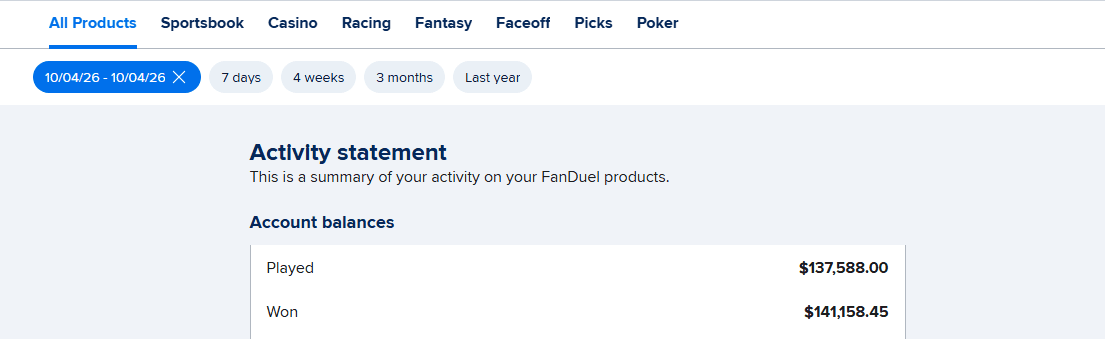
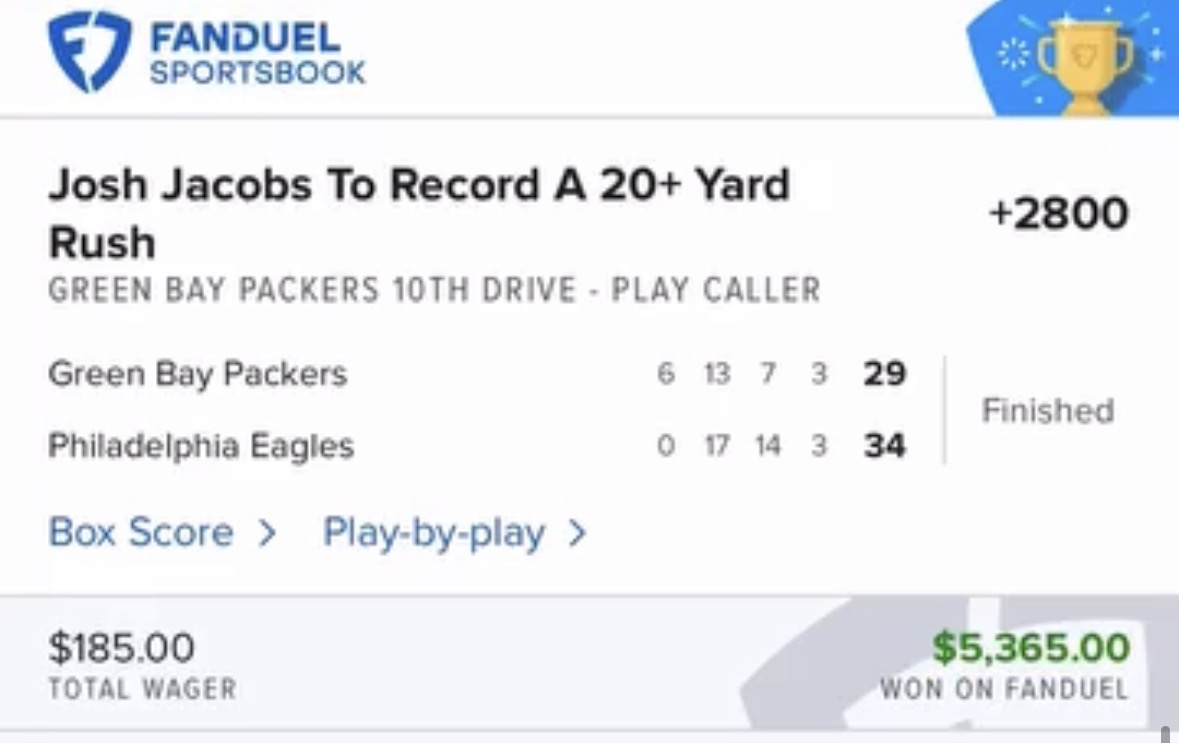
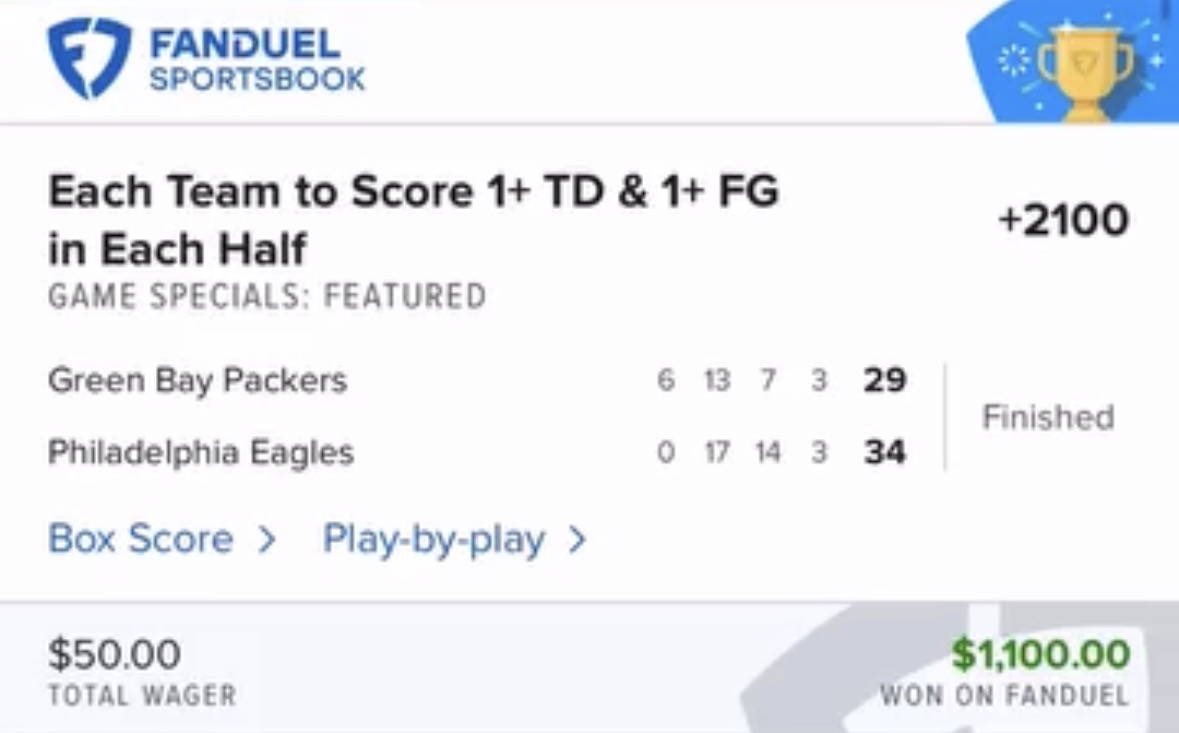
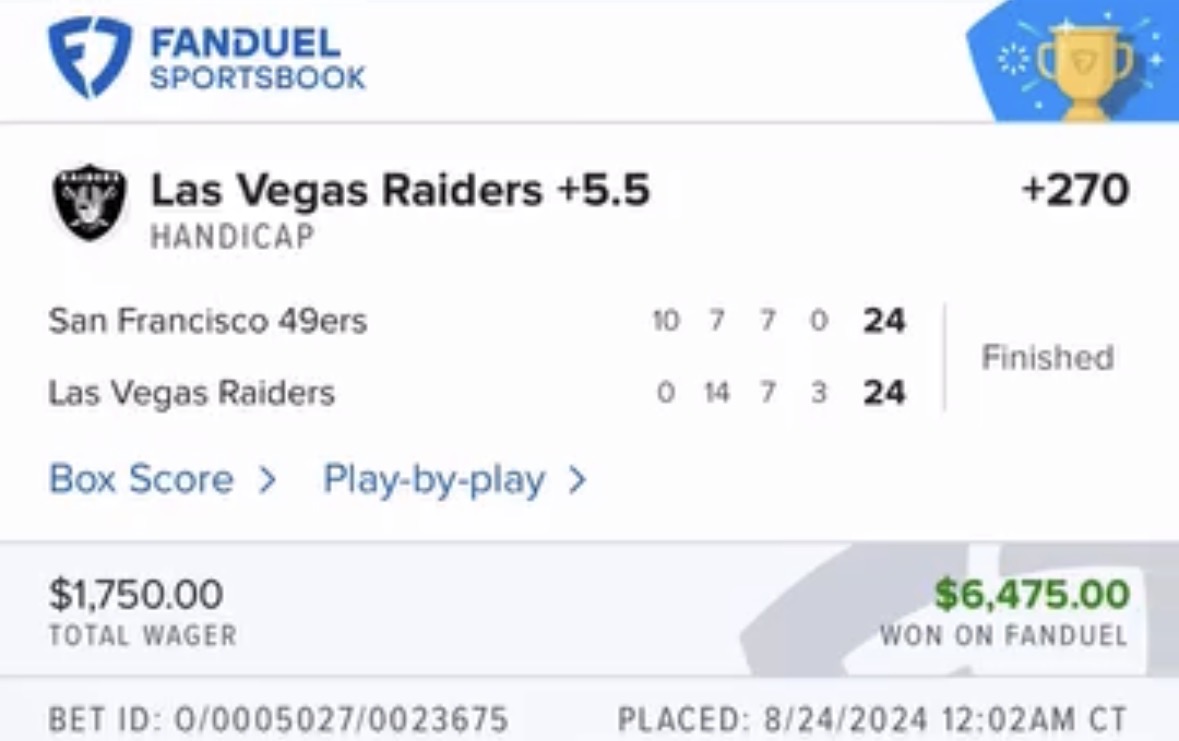
In football live betting, no single event moves the in-game line more violently than a turnover — and no turnover moves it more than a pick-six. The instant the ball changes hands, the live spread swings hard toward the team that recovered or scored, and a defensive touchdown drops seven points onto the board without burning a single possession or a tick of clock. The live model reacts to the scoreboard, so it treats that sudden swing as though the balance of the game just changed. It usually didn't. One turnover rarely alters which team is actually better, how the trenches are being won, or who controls the second half — which is exactly why the moment right after a turnover is the most reliable overreaction to fade in football. That gap between the panicked number and the real game state is the live edge, and it is why The Best Bet on Sports has a documented $367,520+ profit earned while limited on all six major U.S. sportsbooks (FanDuel, DraftKings, Caesars, BetMGM, Fanatics, ESPN BET) for winning too much during live betting. This is a breakdown of why turnovers are the premier contrarian live spot in football — and how to tell the ones that matter from the ones that don't.
Every football bettor has felt it. Your team is moving the ball, the game feels in hand, and then a tipped pass gets returned the other way for six. The scoreboard flips, the momentum feels gone, and the live number on your phone has already blown past where it should be. The emotional read and the market read point the same direction — panic — and both are usually wrong. Turnovers are the loudest event in football and, more often than not, the least meaningful to the true outcome. Here is why the live line consistently overpays for them.
Why Does a Turnover Cause the Biggest Live-Line Move in Football?
Live betting lines are driven mostly by four inputs: score margin, time remaining, possession, and field position. Almost every other in-game event changes those inputs slowly. A methodical scoring drive eats five or six minutes of clock while it happens, so the market has time to digest it play by play, and the number drifts rather than jumps — the pattern we break down in our guide to reading live scoring drives. A turnover does the opposite. It changes possession — and sometimes score and field position — in a single instant, with no time for the line to move gradually.
Because the shift is instantaneous, the algorithm recalculates win probability in one hard step, and the displayed spread and total jump with it. Stack public emotion on top of that mechanical move — thousands of bettors watching the same play react the same panicked way — and you get the largest, fastest, and most frequently mispriced line move in the sport. Understanding that this is a mechanical overreaction, not a considered one, is the foundation of how to win live football betting: the line isn't telling you the game changed, it's telling you the scoreboard did.
The Pick-Six: The Single Largest Overreaction in Live Betting
A pick-six is the maximum-impact version of this, because it stacks three swings into one play. It is a turnover (possession flips), a defensive touchdown (roughly seven points appear), and a denied opportunity (the offense that threw it expected to be moving toward its own points and instead handed them to the other side). To the live model, that reads like a two-score swing in a single snap, and the in-game spread can move several points before the ball is even spotted for the extra point.
Here is the part the number forgets: almost nothing about the actual game changed. The same quarterback is under center, the same offensive line is winning or losing the same matchups, the same defense is on the field, and the same amount of time remains. A pick-six is usually one bad throw, one tipped ball, one route run wrong — not evidence that the better team stopped being better. That is why the team that just threw the interception is so often available at an inflated live price, and why fading the pick-six panic is one of the cleanest recurring spots in in-game football picks. You are not betting that the turnover didn't happen; you are betting that the market priced it like a permanent shift when it was a momentary one. That is the whole contrarian premise of live football betting.
The Defensive Touchdown and the Live Total: Points Without Possessions
The turnover overreaction shows up on the total just as much as the spread, and the reason is one most bettors never think about. A football total is really a wager on scoring efficiency across a finite number of remaining possessions. When an offense grinds out a long touchdown drive, it adds points but also removes clock and burns a possession — it shrinks the remaining opportunity even as it scores, which is why its net effect on the total is muted.
A defensive touchdown breaks that trade entirely. A pick-six or a fumble returned to the house adds the same seven points, but it consumes essentially no clock and costs neither offense a possession. The remaining scoring opportunities for both teams are unchanged, so the honest adjustment to the live total is roughly "add the points already scored" — the pace of future scoring hasn't sped up at all. When the live total spikes by more than the points actually put on the board, as if the game just became a track meet, it is overreacting, and the under becomes live value. One important distinction keeps this precise: a single return touchdown does not mean more possessions, but a rash of quick, non-scoring turnovers — three-and-outs and fast changes of possession — genuinely can add possessions and support an over. Sorting costless scoreboard points from a genuinely faster game is a core live-total read, and it is where our live betting picks do the separating for you in real time.
Garbage-Time Turnover vs. Game-Swinging Turnover
Not every turnover is a fade. The skill is separating the ones that changed the scoreboard from the ones that changed the game, and the tell is almost always time and possessions remaining. Picture a team up 10-0 that throws a pick-six early in the second quarter. It is now 10-7 with more than half the game left. The live line often swings as though the favorite is suddenly in trouble, but that team is the same better team with plenty of runway to reassert itself — a textbook overreaction to fade.
Now flip it. A tie game, three minutes left, and the team with the ball throws a pick-six. That team is now down seven with one realistic possession to answer, and the win probability genuinely collapsed. There the line move may be fair, or even too small — that is a turnover to respect, not fade. Field position matters too: a fumble at the 15-yard line that sets up a short-field score is a larger real swing than a midfield interception, because it converts directly into points off a short field. And in a decided blowout, a late turnover barely moves the spread the market already priced, but it can still spike the total — so the overreaction to attack is the number, not the side. Reading which bucket a turnover falls into is the same discipline behind spotting touchdowns and momentum swings: loud does not mean meaningful.
Why the Post-Turnover Number Is the Premier Contrarian Live Spot
Turnovers earn the "premier contrarian spot" label because they stack every overreaction driver at once: an instantaneous scoreboard change, a public that panics in unison, and a model that over-weights a single discrete event. No other moment in football combines all three so reliably, which is why the seconds after a turnover are the most consistently mispriced window in the sport.
But knowing the spot is not the same as winning it. The overreaction corrects fast — often inside a minute — so the edge only belongs to whoever already knew the fair number before the turnover happened and can act while the panicked line is still on the screen. That is a preparation-and-speed problem, and it is exactly the problem a live service is built to solve. Instead of you eyeballing whether a pick-six was garbage time or a real swing and racing the correction alone, a team that has already priced the true line flags the fade and sends it to your phone while the value still exists. If you want that read delivered instead of guessed, the $199 first month is where the post-turnover edge gets put in your hands.
Get Tonight's Live Picks
Want tonight's live in-game picks — including the post-turnover fades most bettors panic straight past — delivered to your phone via Email and Discord while the number is still wrong?
The Best Bet on Sports is the only live betting service limited on all six major U.S. sportsbooks (FanDuel, DraftKings, Caesars, BetMGM, Fanatics, ESPN BET) for winning too much during in-game action. Verified profit: $367,520+. Picks delivered via Email and Discord during games.
→ Get tonight's live picks: $199 first month — 1-Unit package, full live betting access → Reserve your spot for tonight's live pick — claim tonight's pick before kickoff → See how live picks are delivered — Email and Discord during the game
Frequently Asked Questions
Why do turnovers cause the biggest live-line moves in football?
Live lines are driven by score, time, possession, and field position, and most events change those inputs slowly. A turnover changes possession — and sometimes score and field position — in a single instant, so the model recalculates win probability in one hard step and the number jumps rather than drifts. Add thousands of bettors reacting to the same play at once, and you get the largest, fastest, and most frequently mispriced move in the sport.
Why is a pick-six the biggest overreaction in live betting?
A pick-six stacks three swings into one play: a possession change, a defensive touchdown of about seven points, and a scoring chance the offense expected to have and instead handed away. The live spread can move several points instantly. But the same quarterback, line, defense, and clock remain — a pick-six is usually one bad throw, not proof the better team stopped being better, which is why the price on it is so often inflated.
Should you always bet against the team that scored a defensive touchdown?
No. The right move depends on time and possessions remaining. An early pick-six that trims a lead with most of the game left is usually a clean overreaction to fade. A pick-six in a tie game with three minutes left genuinely collapses win probability, and that line move may be fair or even too small. The discipline is reading whether the turnover changed the scoreboard or actually changed the game.
How does a defensive touchdown affect the live total?
A total is a bet on scoring across a finite number of remaining possessions. A long offensive drive adds points but burns clock and a possession, muting its effect. A defensive touchdown adds the same points while consuming almost no clock and no offensive possession, so future scoring opportunities are unchanged. The honest adjustment is roughly the points already scored — when the live total spikes beyond that, the under becomes value.
How do you tell a garbage-time turnover from a game-swinging one?
Look at time and possessions left, plus field position. A first-half turnover, or one that trims a lead with a half still to play, is usually a garbage-time overreaction to fade. A late turnover in a close game, or a fumble that hands a short-field score, genuinely shifts win probability and deserves respect. In a blowout, a turnover barely moves the spread but can still spike the total, so attack the number, not the side.
Why is the moment after a turnover a good contrarian betting spot?
Because it stacks three overreaction drivers at once: an instant scoreboard change, a public that panics together, and a model that over-weights a single discrete event. No other moment in football combines all three so reliably, which makes the post-turnover line the most consistently mispriced window in the sport. The team that just turned it over is frequently available at a price the true game state does not justify.
Can you bet turnover overreactions profitably on your own?
You can, but the overreaction corrects fast — often within a minute — so the edge only belongs to whoever already knew the fair number before the turnover and can act while the panicked line is still up. That is a preparation-and-speed problem. A live service prices the true line in advance, sorts the fade from the real swing, and sends the exact bet via Email and Discord while the value still exists, so you place it instead of chasing it.
The Best Bet on Sports · 1.5M followers on TikTok
Sports Betting TikTok is the live betting account behind The Best Bet on Sports, covering NFL, NCAAF, NBA, NCAAB, MLB and WNBA markets in real time. The account has been limited on all six major U.S. sportsbooks — FanDuel, DraftKings, Caesars, BetMGM, Fanatics and ESPN BET — for winning on live betting, with $367,520 in verified profit since 2005. View full profile →
Past results do not guarantee future performance. Must be 21 or older to wager.
Related Articles
Live Betting Field Goals vs Touchdowns: Reading the Red-Zone Edge
Live Betting During Scoring Drives: The In-Game Read
Can You Win at Live Betting on Your Own? An Honest Look
Expert Sports Picks vs. the Nine-Leg Ticket Boom
NCAA Football Picks: The Injury Report You Might Not Get
Your Sportsbook's Bet History Is a Receipt, Not a Record
Get real live betting picks
From $39.95/mo · Cancel anytime · Email + Discord delivery
● Get The Picks
Choose your package
Tap any tier below to select · Subscribe in one tap
👇 Tap any package to select it
✓ You're selecting
25 Units · $99.95/month
25 unit picks per month. Sweet spot for most bettors — plenty of action without going all-in.
- ✓25 live betting selections/month
- ✓Email + Discord delivery
- ✓All sports (NFL, NCAAF, NBA, NCAAB, MLB)
- ✓Mix of 1, 2, 3, 5-unit rated plays
- ✓Cancel anytime
Secure PayPal · Cancel anytime · No hidden fees · 21+ · +$367K verified
+$367,520 verified · Limited on 6 sportsbooks · 20 years documented · See Proof
Join Our Newsletter
Get free expert sports picks and analysis delivered weekly.