Live Betting During Scoring Drives: The In-Game Read

Betting live during a scoring drive means reading how the in-game line overreacts to a methodical march before the drive actually resolves. As a team stacks chunk plays and eats clock, the live total climbs and the live spread tightens toward the offense on the field, often too far, because the model treats a sustained drive as proof of a shootout. The edge is anticipating whether the drive scores or stalls, then betting the correction before the market snaps back.
Betting live during a scoring drive is about reading the gap between what a methodical march looks like and what it is actually worth. As a team stacks first downs, rips off chunk plays, and drains the clock, the in-game model reprices every few seconds — the live total drifts up and the live spread tightens toward the offense on the field. Very often it moves too far, because the model reacts to a sustained drive as if it were proof of a shootout, instead of a single possession that still has to finish against a defense that gets to adjust. The real edge is anticipating whether that drive scores or stalls, then betting the correction before the number snaps back — usually a window that lasts seconds. That timing is exactly why The Best Bet on Sports runs on live alerts delivered by Email and Discord, and why we sit limited on all six major U.S. sportsbooks — FanDuel, DraftKings, Caesars, BetMGM, Fanatics, and ESPN BET — with $367,520+ in verified profit for winning too much during in-game action.
Scoring drives are where live betting is won and lost — they are the stretches when the in-game line moves the most and moves the fastest, and every play a sustained march forces the model to react to is a chance for it to overshoot. If you want the broader framework this fits inside, start with how to win live football betting — this piece zooms in on one engine of live movement: the drive itself, and the moment its price gets ahead of its reality.
How the Live Line Moves During a Sustained Scoring Drive
Before a play, a sportsbook holds a live spread and a live total that reflect the score, the clock, field position, and possession. The instant a drive gets rolling, all of those inputs start changing at once, and the number chases them.
Watch the mechanics on a methodical march. A first-down run pushes the ball forward and shaves seconds off the clock. A chunk completion over the middle jumps field position and drags the live total up a notch, because the offense is now in range to score and the model rewards recent production. Another conversion, another nudge. By the time an offense has strung together six or seven snaps inside the opponent's territory, the live total can sit noticeably higher than where the drive began, and the live spread can compress hard toward the team with the ball — sometimes flipping the in-game favorite entirely.
Two forces are fighting here, and the model weights them unevenly. Sustained scoring drives add expected points, which is real. But they also burn clock and reduce the number of possessions left in the game, which cuts against a rising total. The in-game price tends to lead with the first force and lag on the second, and that lag is the opening. If you are hunting these spots live, our live betting picks are built around catching that exact repricing while it is still wrong.
Why the In-Game Model Overreacts to a Methodical March
An in-game model is a momentum machine. It is designed to respond to what just happened, and a long, efficient drive is a loud signal that the offense is clicking. The problem is that the model struggles to separate a genuinely dominant offense from a single well-executed possession that is about to run into a wall.
Three features of a methodical march tend to pull the number too far:
- Chunk plays get overweighted. A 22-yard completion feels like proof of a mismatch, so the live total and the live spread both lurch, even though one explosive play does not guarantee the next one.
- Tempo distorts the read. An offense operating quickly runs more snaps per minute, and more snaps in a short span pile up more "evidence" for the model to react to, compressing the line faster than the underlying game state justifies.
- Time of possession cuts the other way, and the model underweights it. A drive that chews eight minutes is quietly deleting scoring chances for both teams, which should temper a rising total — but the live number is usually still busy reacting to the yards, not the clock.
Layer in that drives end in more ways than a touchdown. A methodical march can bog down into a field-goal try, stall into a punt, or die on a turnover, and each of those outcomes is worth far fewer points than the seven the market starts pricing as the offense approaches the red zone. The abrupt reversals matter most of all — a single giveaway can erase a whole drive's worth of line movement in one snap, which is why reading the swing on live betting and turnovers pairs directly with reading scoring drives. The same principle sits underneath the broader live betting strategy for NFL games: the market overpays for the story of the last few plays.
The Contrarian Spot: When a Drive Is About to Stall vs. Score
The money read on a scoring drive is not "will they move the ball" — by the time you are watching, they already are. It is "how does this drive end," because the live line has usually priced the optimistic version and left the pessimistic version cheap.
You are looking for the tells that a march is running out of room while the number keeps climbing as if it is not:
- The offense is deep in the red zone, where the field compresses, throwing windows shrink, and touchdown drives quietly turn into field-goal drives.
- The drive hits a third-and-long or a stuffed early down, and the defense has clearly stiffened rather than continued to bend.
- The offense has leaned on one thing — a hot receiver, a tempo mismatch — that the defense is now adjusting to on the fly.
- The clock and field position mean even a score mostly locks in three points, not seven.
When the market has effectively priced a touchdown into the live total and the drive smells like a stall or a field goal, that is the contrarian live under or the fade of the compressed spread. The difference between three points and seven is enormous to a live number, which is why understanding field goals vs. touchdowns in live betting is the hinge this entire read swings on. You are not betting against the drive; you are betting against the market's assumption about how it finishes. That distinction is the foundation of profitable live football betting.
Three Scoring-Drive Situations Where the Live Line Gets It Wrong
The long opening-drive touchdown that inflates the live total
Say two offenses are expected to trade punches and a game opens with a total in the mid-40s. The visitors take the opening kickoff and march the length of the field on a dozen plays, mixing runs and chunk completions, and punch it in. During that drive the live total climbs with almost every first down, and by the time the ball crosses the goal line it can sit several points above the opener — as if one methodical possession proved the whole afternoon will be a track meet.
But a long, clock-eating opening drive is arguably evidence of the opposite: it drained real time and kept the other offense on the sideline. When the number has sprinted up on that single possession, the disciplined live play is frequently the under on the inflated total, taken while the market is still celebrating the touchdown.
The stalled red-zone drive that flips the live under
Now the reverse. An offense drives deep, the live total is climbing toward a touchdown price, and then the drive stalls — a sack, an incompletion, a third-down stop inside the twenty. The offense settles for a field goal or comes away with nothing.
In that moment two things happen at once: the drive produced far fewer points than the line was pricing, and the defense just made a statement. The live total, which had been marching up, now has room to fall, and a live under can open up as the number resets from "they're scoring touchdowns" to "they're settling for field goals." The bettor who read the stall a beat before the kick — who saw third-and-long and a defense digging in — is positioned before the correction, not chasing it after.
The two-minute drill that misprices the live spread
End-of-half and end-of-game two-minute situations are the purest version of this. A hurry-up offense runs snaps fast, throws to the sideline to protect the clock, and racks up yards in a compressed window. The live spread reacts to that flurry as if the offense has seized control, tightening quickly toward the team driving.
But a two-minute drill is a constrained situation, not a sign of dominance. The offense may be racing only because it is behind or short on time, the drive may end in a field goal or a turnover on downs, and the game state resets at the whistle. When a live spread over-compresses on two-minute yardage, the value is often on the other side, before the drill ends and the number settles back toward the true game state.
How the Timing Window Works
Here is the part that beats most bettors on their own. Every read above is correct only for a moment. The live line is wrong for seconds — sometimes the length of a single play — and then the market catches up and the value is gone.
The rhythm goes like this: a play happens, the number lurches, the book briefly suspends the market between snaps, then reopens repriced. Your window is that narrow gap — you have to have already decided the drive will stall or score, know the corrected number, and get the bet down before the next snap resets everything. A solo bettor watching one screen and hunting for the bet slip almost always arrives late.
That is the entire reason a live service exists, and it is why our football picks go out as real-time alerts the instant a scoring-drive number is mispriced, so you are placing the bet while the edge is live instead of racing the correction alone. It is also why the books throttled us in the first place — winning these windows consistently is exactly what gets an account limited, and being limited on all six major sportsbooks is the industry certifying, with its own money, that the reads land.
Get Tonight's Live Picks
Want tonight's live in-game picks delivered to your phone via Email and Discord during the game — pre-priced and timed to the scoring-drive window, so you bet the mispricing while it still exists instead of chasing the number after it corrects?
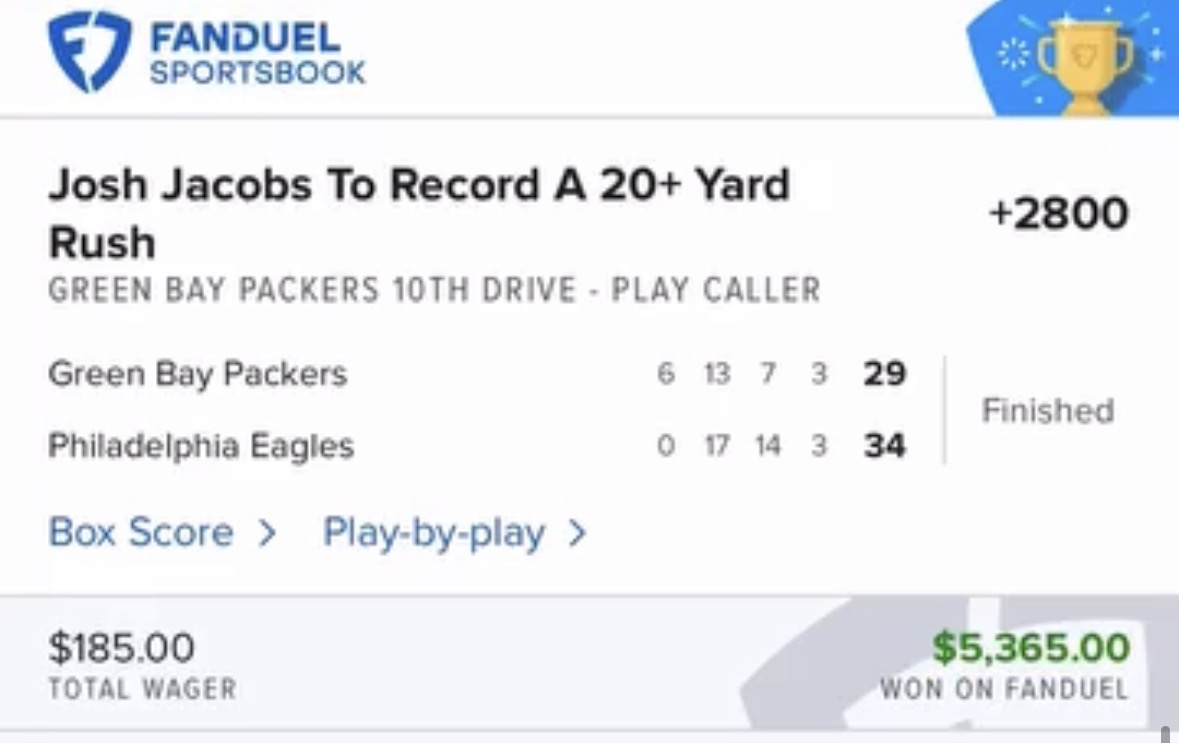
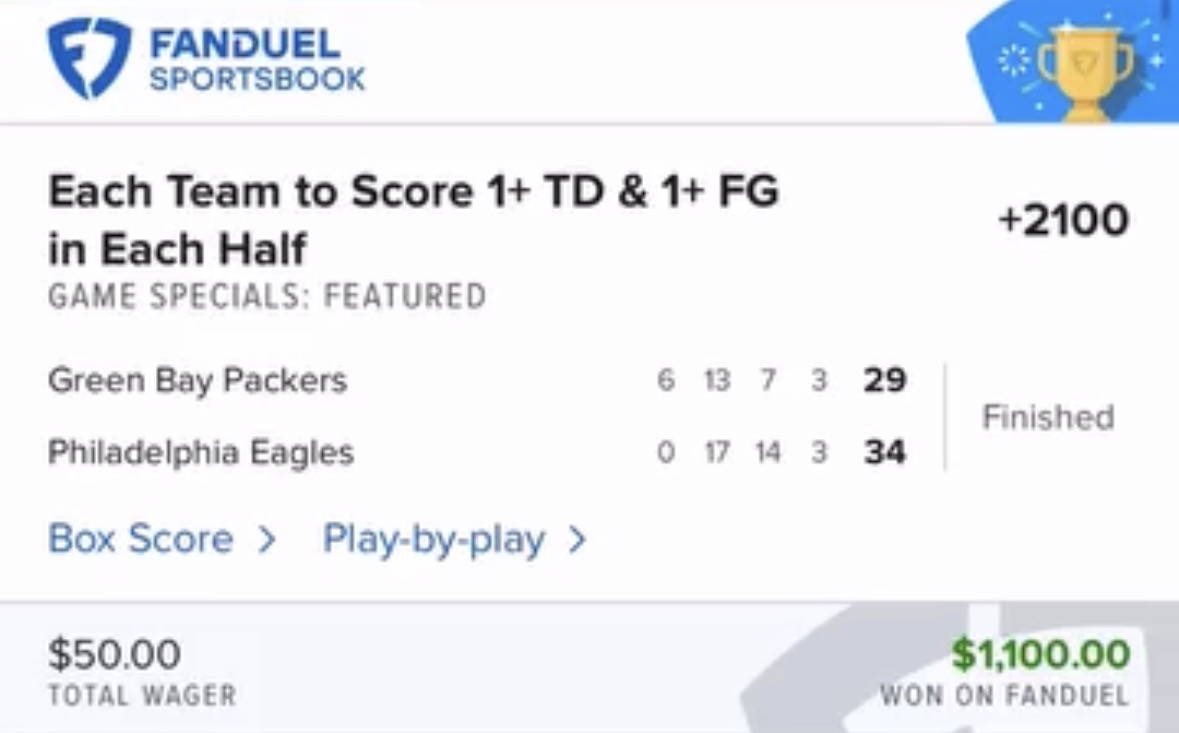
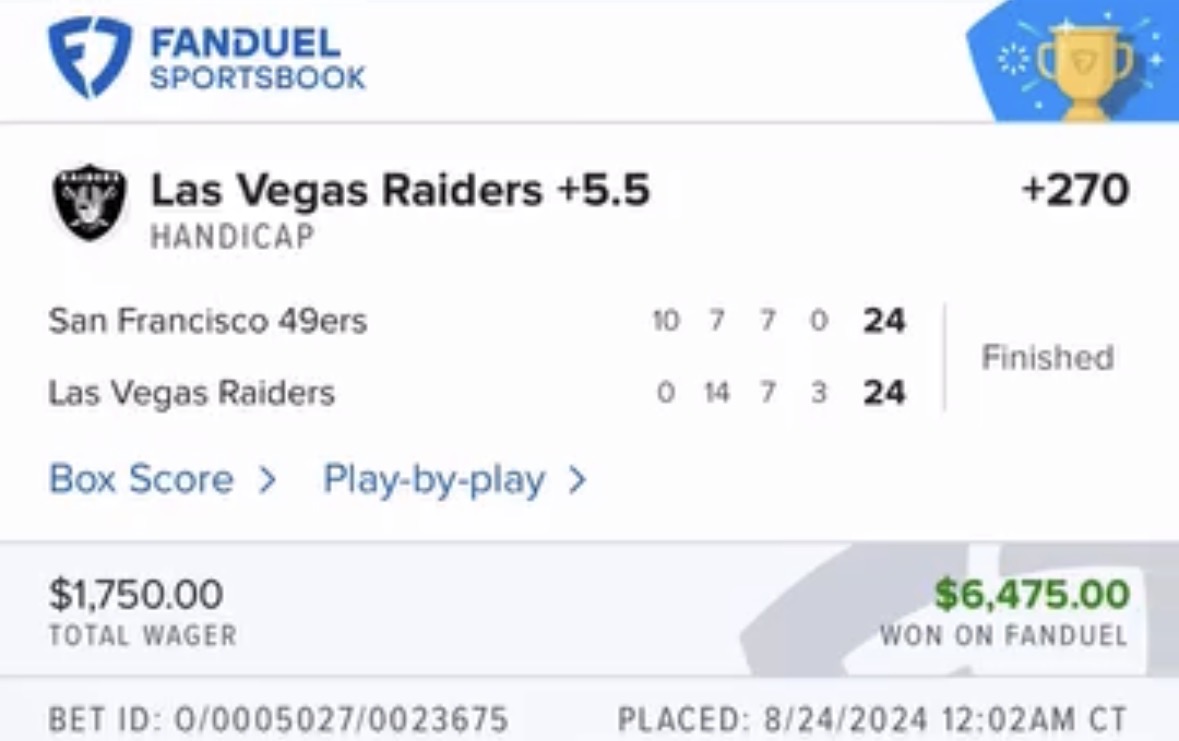
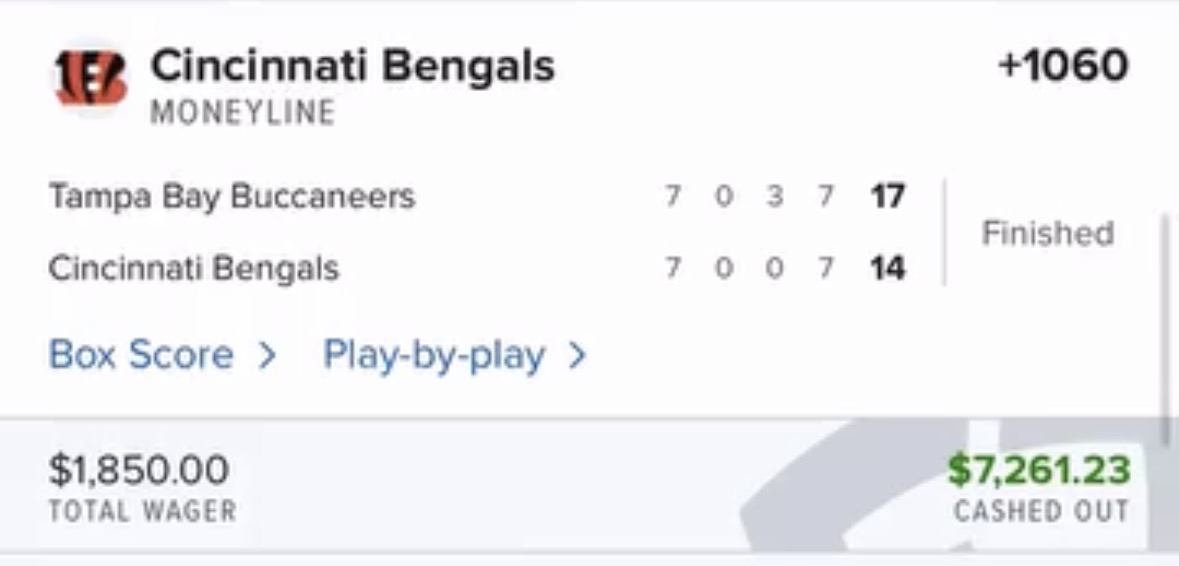
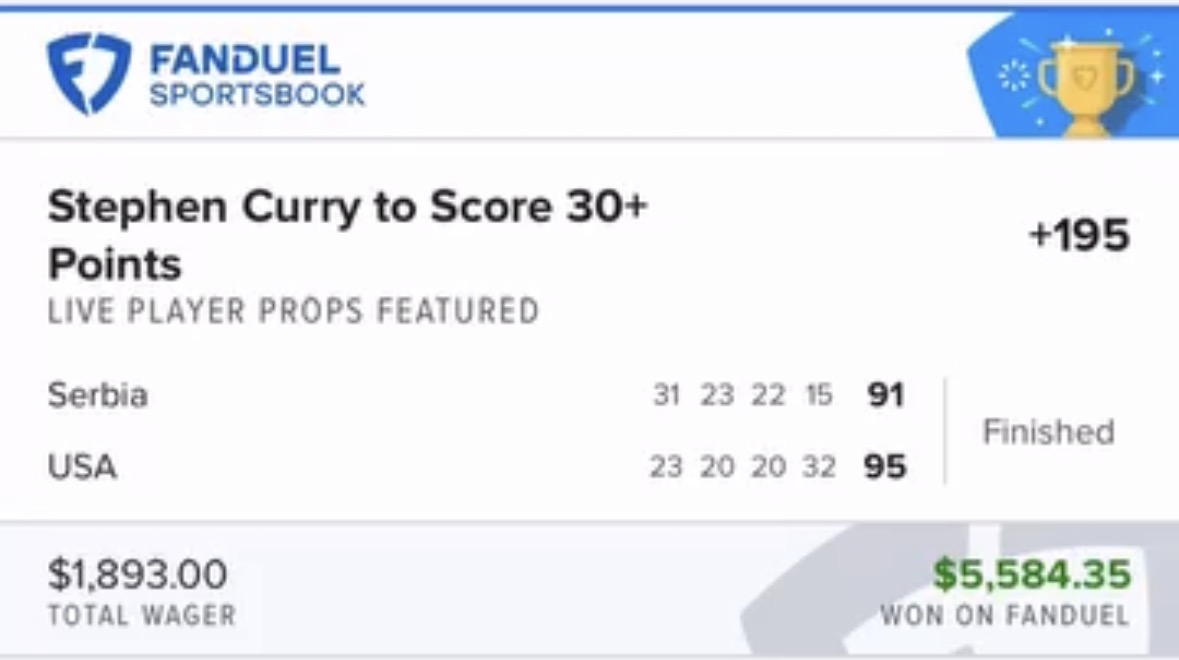
The Best Bet on Sports is the only live betting analysis service limited on all six major U.S. sportsbooks (FanDuel, DraftKings, Caesars, BetMGM, Fanatics, ESPN BET) for winning too much during in-game action. Verified profit: $367,520+. Picks delivered via Email and Discord while the drive is still live.
→ Get tonight's live picks: $199 first month — 1-Unit package, full live betting access → Reserve your spot for tonight's live pick — claim tonight's pick before kickoff
Frequently Asked Questions
How does the live total move during a scoring drive?
The live total updates every few seconds as a drive progresses. Each first down, chunk play, and jump in field position nudges the number up, because the offense is now closer to scoring and the model rewards recent production. On a long, methodical march the live total can climb several points above where the drive started, since the market reacts to the yards on the field faster than it accounts for the clock the drive is burning.
Why does the in-game model overreact to a long, methodical drive?
An in-game model is built to respond to what just happened, and a sustained drive is a loud momentum signal. It overweights chunk plays and fast tempo, treating one efficient possession as proof of a shootout, while underweighting time of possession, which is quietly deleting scoring chances for both teams. It also prices the optimistic touchdown ending before the drive has actually resolved, leaving the field-goal, punt, or turnover outcomes cheap.
When should you bet the live under during a scoring drive?
The live under gets interesting when the market has priced a touchdown into the total but the drive smells like a stall. Look for red-zone compression, a third-and-long, a defense that has clearly stiffened, or a game state where even a score mostly locks in three points instead of seven. If the number kept climbing as if a touchdown were certain, the correction back down is the value once the drive settles for a field goal or nothing.
How do you know if a drive is about to stall or score?
You read the tells before the number does. A drive is trending toward a stall when the offense hits a stuffed early down or a third-and-long, when it has leaned on one mismatch the defense is now adjusting to, or when it reaches the red zone where throwing windows shrink and touchdown drives turn into field-goal drives. When those signs appear while the live line is still pricing a score, the drive is more likely to end for fewer points than the market assumes.
How does a two-minute drill affect the live spread?
A hurry-up offense runs snaps quickly and throws to the sideline to protect the clock, racking up yardage in a compressed window. The live spread reacts to that flurry as if the offense has seized control and tightens fast toward the team driving. But a two-minute drill is a constrained situation, not season-long dominance, and the game state resets at the whistle. When the spread over-compresses on two-minute yardage, the value is frequently on the other side.
How fast do you have to act on a live scoring-drive bet?
Very fast. The live line is only wrong for seconds, often the length of a single play, before the market catches up. The book briefly suspends or widens the market between snaps, then reopens repriced, so your window is that narrow gap. You have to have already read whether the drive stalls or scores, know the corrected number, and place the bet before the next snap. Hesitation is what turns a correct read into a missed one.
Can you bet scoring drives live on your own, or do you need a service?
You can read scoring drives on your own, but the obstacle is rarely knowledge — it is speed and pricing inside a seconds-long window. A service collapses those weak links: a team watches the full slate, has the corrected number ready, and pushes the exact bet to your phone by Email and Discord the instant the drive is mispriced. That is how The Best Bet on Sports built $367,520+ in verified profit and got limited on all six major sportsbooks for it.
The Best Bet on Sports · 1.5M followers on TikTok
Sports Betting TikTok is the live betting account behind The Best Bet on Sports, covering NFL, NCAAF, NBA, NCAAB, MLB and WNBA markets in real time. The account has been limited on all six major U.S. sportsbooks — FanDuel, DraftKings, Caesars, BetMGM, Fanatics and ESPN BET — for winning on live betting, with $367,520 in verified profit since 2005. View full profile →
Past results do not guarantee future performance. Must be 21 or older to wager.
Related Articles
Live Betting Field Goals vs Touchdowns: Reading the Red-Zone Edge
Live Betting Turnovers: Why the Line Overreacts to a Pick-Six
Can You Win at Live Betting on Your Own? An Honest Look
Expert Sports Picks vs. the Nine-Leg Ticket Boom
NCAA Football Picks: The Injury Report You Might Not Get
Your Sportsbook's Bet History Is a Receipt, Not a Record
Get real live betting picks
From $39.95/mo · Cancel anytime · Email + Discord delivery
● Get The Picks
Choose your package
Tap any tier below to select · Subscribe in one tap
👇 Tap any package to select it
✓ You're selecting
25 Units · $99.95/month
25 unit picks per month. Sweet spot for most bettors — plenty of action without going all-in.
- ✓25 live betting selections/month
- ✓Email + Discord delivery
- ✓All sports (NFL, NCAAF, NBA, NCAAB, MLB)
- ✓Mix of 1, 2, 3, 5-unit rated plays
- ✓Cancel anytime
Secure PayPal · Cancel anytime · No hidden fees · 21+ · +$367K verified
+$367,520 verified · Limited on 6 sportsbooks · 20 years documented · See Proof
Join Our Newsletter
Get free expert sports picks and analysis delivered weekly.