Same-Game Parlay Strategy for MLB: Pitcher-Hitter Correlations That Actually Cash

Same-game parlay strategy for MLB works when you build around the starting pitcher's strikeout total and the opposing team total — those two legs share an underlying mechanism (pitcher dominance suppresses opposing scoring) that the sportsbook's correlation model under-prices. This guide walks through the four MLB same-game parlay structures that historically clear breakeven, the leg combinations the books have already stripped, and the live re-entry windows that produce the cleanest MLB SGP edges.
Same-game parlay strategy for MLB works when you build around the starting pitcher and the opposing offense — pitcher strikeout overs paired with opposing team total unders, hitter prop overs paired with team total overs, and F5 total unders paired with starter quality-start anchors all rely on a shared underlying mechanism that the sportsbook's correlation model prices less aggressively than it prices NBA same-game parlays. The Best Bet on Sports has tracked MLB SGP behavior across every season for more than twenty years and earned a verified $367,520+ in profit doing it, and the structural reality of the MLB market is that the books have not yet built the correlation engines around baseball that they have built around the NBA. Pitcher props, hitter props, team totals, and F5 markets still carry meaningful uncorrelated payout when stacked the right way, and the four MLB same-game parlay structures below are the only shapes we find clearable edges in across a 162-game regular season and the playoff stretch. The MLB SGP is not the inflated parlay slip the books market to recreational bettors. It is a small, surgical two- or three-leg parlay built on a shared in-game mechanism, sized for the long grind, and re-entered live when the in-game state confirms the read.
The reason MLB same-game parlays still carry edge in 2026 is the same reason MLB live betting still carries edge: baseball is a slow, discrete-event sport with hundreds of plate appearances per game, and the sportsbook's pricing model has more variables to track than its NBA counterpart. Pitcher fatigue, lineup turnover, bullpen state, defensive shift, ballpark dimension — every one of those variables shifts the correlation between a pitcher's strikeout total and an opposing team's run total. The MLB SGP earns its keep by being built on a correlation the model has not fully priced, and that correlation is almost always anchored on the starting pitcher.
How Are MLB Same-Game Parlays Priced Compared to NBA SGPs?
A standard three-leg MLB same-game parlay on starter strikeouts over, opposing team total under, and run line cover pays in the +400 to +650 range at most sportsbooks. A three-leg NBA same-game parlay built on the same kind of correlated structure (favorite spread, team total over, star points over) pays in the +200 to +400 range. The MLB SGP carries roughly 200 to 400 basis points of additional payout for what is structurally a similarly correlated build.
The reason is the maturity of the correlation model. The NBA pricing model has been refined for more than a decade against millions of regular-season prop bets. The MLB pricing model is younger, sees less recreational volume, and treats some structural correlations — particularly the starter K total to opposing team total link — at near-uncorrelated baselines.
That gap is the edge. It will not last forever. The sportsbooks are catching up. But for the 2026 season, the structural MLB same-game parlays below carry meaningfully better payout-to-hit-rate ratios than the equivalent NBA builds.
| Build Shape | NBA SGP Payout | MLB SGP Payout | Payout Gap |
|---|---|---|---|
| 2-leg correlated | +180 to +280 | +250 to +400 | +70 to +120 |
| 3-leg correlated | +200 to +400 | +400 to +650 | +200 to +250 |
| 4-leg correlated | +400 to +700 | +650 to +1100 | +250 to +400 |
| 2-leg uncorrelated | +260 (standard) | +260 (standard) | 0 |
The structural pattern is the same in every row: the MLB SGP pays more than its NBA counterpart for the same correlated stack because the book's correlation discount is shallower. That gap closes one or two basis points every season, but it is still wide enough to build a strategy around in 2026.
What Are the Four MLB Same-Game Parlay Structures That Clear Breakeven?
These four structures share one feature — every leg is governed by either the starting pitcher's performance or the opposing offense's response to that performance. That shared mechanism is what the sportsbook's correlation model under-prices in MLB.
Structure 1 — Pitcher K Total Over + Opposing Team Total Under
The cleanest MLB SGP structure. A starter's strikeout total over (for example, Strider over 7.5 Ks) and the opposing team total under (Reds under 3.5 runs) share the same underlying mechanism: pitcher dominance. When the starter is racking up strikeouts, the opposing offense is not putting balls in play, not advancing runners, and not scoring runs. The two legs are heavily positively correlated.
The MLB sportsbook model prices this two-leg same-game parlay at approximately +250 to +320. The same correlation in the NBA — favorite team's star points over + opposing team total under — gets priced at roughly +180 to +220 because the NBA model has learned the correlation. The MLB model still treats it closer to uncorrelated.
The structure: pick a starting pitcher with an elite strikeout rate against a contact-heavy or strikeout-prone lineup. Stack the K over with the opposing team total under. Cap at two legs. Three-leg expansions (adding a pitcher win, an over on a hitter prop) compound the correlation penalty without adding enough hit rate to compensate.
Watch for: starter strikeout rate above 28%, opposing lineup strikeout rate above 23%, opposing offense not stacked with high-walk hitters who can manufacture runs without barrel contact.
Structure 2 — Pitcher Quality Start + Run Line Cover (Favorite)
A starter going six or more innings with three or fewer earned runs is the textbook quality start. The run line cover at -1.5 requires the favorite to win by two or more runs. When a starting pitcher goes deep with limited damage, the offense behind him has a structural advantage — opposing bullpens come in earlier, opposing leverage relievers get burned, and late-inning run differential expands.
This two-leg same-game parlay prices at approximately +220 to +280 in MLB. The correlation is real but indirect: the quality start does not itself produce the run line cover. It produces the conditions that allow the run line cover. The sportsbook model prices this looser than the K-over-team-under stack because the link runs through bullpen usage rather than directly through the pitcher's own line.
The structure: pick a road favorite at -1.5 starting an elite pitcher against a thin opposing bullpen. The road favorite premium adds about 20 cents of run-line value because the favorite gets the full top-of-ninth at-bat to extend the lead.
Watch for: opposing bullpen ERA above 4.50, favorite's pitcher with at least seven innings depth on prior start, run line at -1.5 (-110 to -130).
Structure 3 — Hitter HR Prop + Team Total Over
A specific hitter's home run prop (e.g., Judge to homer +280) paired with the Yankees team total over 4.5 runs. A home run mathematically delivers at least one run of the team total — that single run does not close the gap to 4.5 by itself, but it positions the team total over to clear with two or three other base hits. The legs are positively correlated through the shared run-scoring environment that a home-run-prone matchup creates.
The sportsbook model on this stack prices at +500 to +700 in MLB. The correlation is real but bounded — the HR prop is high-variance, the team total is medium-variance, and the combined hit rate is lower than the K-over-team-under stack.
The structure: pick a power hitter against a pitcher with elevated home run rate per nine innings, in a hitter-friendly park, with the team total at 4.5 or above. Skip this structure entirely in pitcher's-park night games and in matchups against ground-ball pitchers.
Watch for: pitcher HR/9 above 1.4, hitter ISO above .220, park factor for home runs above 1.05.
Structure 4 — F5 Total Under + Starter K Anchor
The F5 (first five innings) total under is the most precise MLB SGP leg. The first five innings remove the bullpen variance, isolate the starter's contribution, and price tightly to the matchup pitching grade. Stacked with the starter's K total over, the F5 total under captures the starter's first-five-innings dominance directly.
This two-leg parlay prices at +250 to +320 in MLB. The legs are heavily correlated — the same dominance that produces the K over produces the F5 total under — and the structure cleans out two of the messiest MLB variables (bullpen and late-inning fatigue) by anchoring on the first five innings only.
The structure: pick a top-tier starter against a strikeout-prone lineup, F5 total at 4.0 or 4.5, K total at 6.5 or 7. Cap at two legs.
Watch for: starter pitching at home, opposing team facing third-time-through-the-order penalty before the F5 closes, lineup heavily skewed to right-handed hitters against a right-handed starter with strong slider rate.
Which MLB Same-Game Parlay Combinations Should You Avoid?
The combinations that look correlated but the sportsbook has already priced out:
Avoid stacking three hitter props from the same lineup. Three teammates over their respective prop lines (Judge over 1.5 total bases, Stanton over 0.5 RBIs, Volpe over 1.5 hits) read as correlated but the sportsbook prices this build aggressively because the legs share a common environment — if the offense scores runs, all three tend to hit; if the starting pitcher dominates, none of them hit. The correlation discount erases the payout edge.
Avoid mixing starter win + pitcher K over without team total. The pitcher win and the K over are correlated through pitcher quality, but the win depends on bullpen and offense support that the K over does not. The book prices this build at a steep discount because the correlation runs through too many intermediate variables.
Avoid stacking opposing-team hitter props with a pitcher K over. Opposing hitter under-prop legs (e.g., Bohm under 0.5 RBIs paired with Wheeler over 7.5 Ks) are heavily correlated and the book has priced this stack tightly. The payout for the same risk barely clears the breakeven line.
Avoid same-game parlays in games with bullpen games or openers. When the starting pitcher is an opener going one or two innings, the structural correlation between starter performance and team total collapses. The bulk game is decided by the relief pitcher who follows, not by the opener. SGPs in bullpen games behave like uncorrelated random walks priced as correlated stacks.
How Should You Size an MLB Same-Game Parlay?
The MLB SGP is a small-stake instrument, not a feature bet. The structure works because the correlation discount is shallower than the NBA equivalent, but the hit rates on three-leg builds still sit in the 18% to 28% range — variance that requires bankroll discipline.
The sizing rule: cap MLB SGP stakes at 0.5 to 1 unit per ticket, with no more than three SGP tickets running across any single MLB night. A typical $100/unit bettor sizes MLB SGPs at $25 to $50 per ticket, with the night's total SGP exposure capped at $150.
Across the 162-game regular season, the bettor who runs one to three SGPs a night at 0.5 unit per ticket exposes roughly 75 to 200 units to MLB SGP variance — a meaningful but survivable share of bankroll. The bettor who runs five-leg SGPs at full unit size on a single ticket is not sizing — they are gambling.
The second sizing rule: do not stack an MLB SGP on top of straight bets on the same game. If you have already taken the run line, do not add an SGP that includes the run line. The correlated exposure compounds the variance without adding edge.
When Should You Live Re-Enter an MLB Same-Game Parlay?
The live MLB SGP re-entry is the cleanest edge in the structure. The pregame SGP prices off the starter's projected line. The live SGP prices off the starter's actual line three or four innings into the game. When the actual line confirms the read — starter through three innings with five Ks already, opposing team total still under 3.5 — the live SGP is being priced against the original projection.
Three live re-entry windows for MLB SGPs:
Window 1 — After the third inning, before the fourth. Most starters complete the second time through the order around the third inning. If the starter's strikeout pace is at or above his K total trajectory, and the opposing team total is still on pace for the under, the live SGP often opens at a tighter price than pregame but still carries edge if the read is structurally clean.
Window 2 — After the fifth inning, before the sixth (F5 window). The F5 total has just settled. The live SGP on the remaining-innings under plus the starter completing the K total over re-prices against the starter's actual six-inning trajectory, which the book's live model often lags by one or two innings.
Window 3 — After a starter's first walk or first hit allowed. The live SGP price shifts on contact events. When a dominant starter gives up his first hit in the fourth or fifth inning, the live SGP price drifts toward the under — but if the contact event is a single by a low-leverage hitter, the structural read is unchanged. Re-entering the SGP in that window captures price drift without changing the underlying probability.
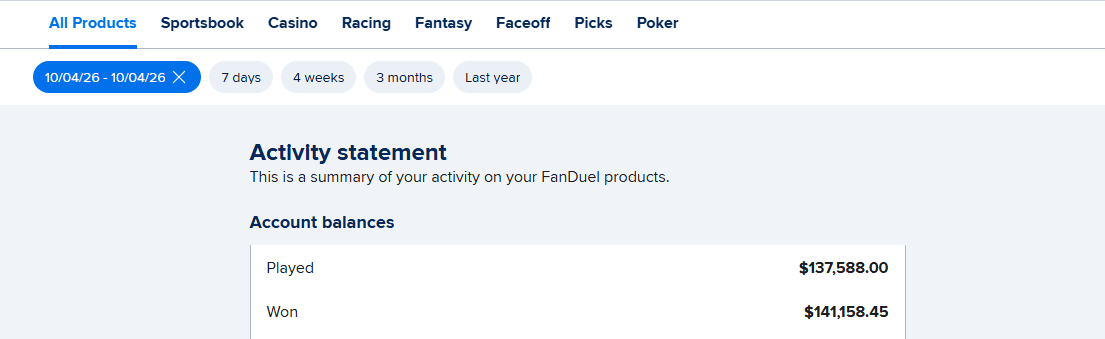
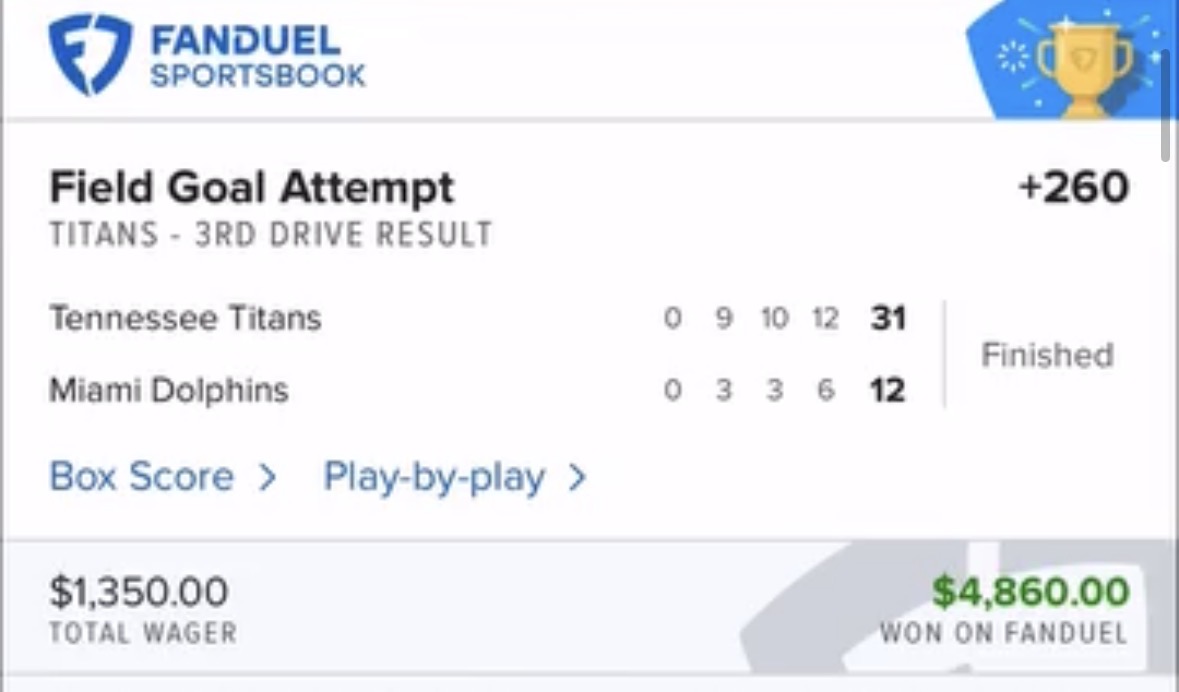
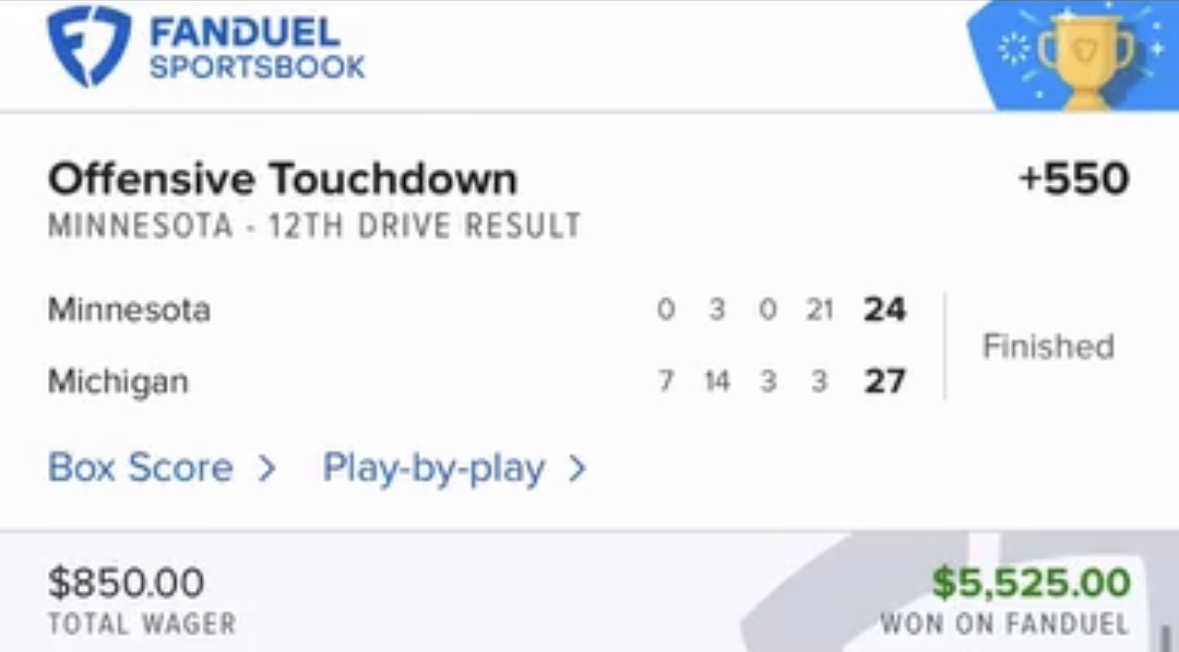
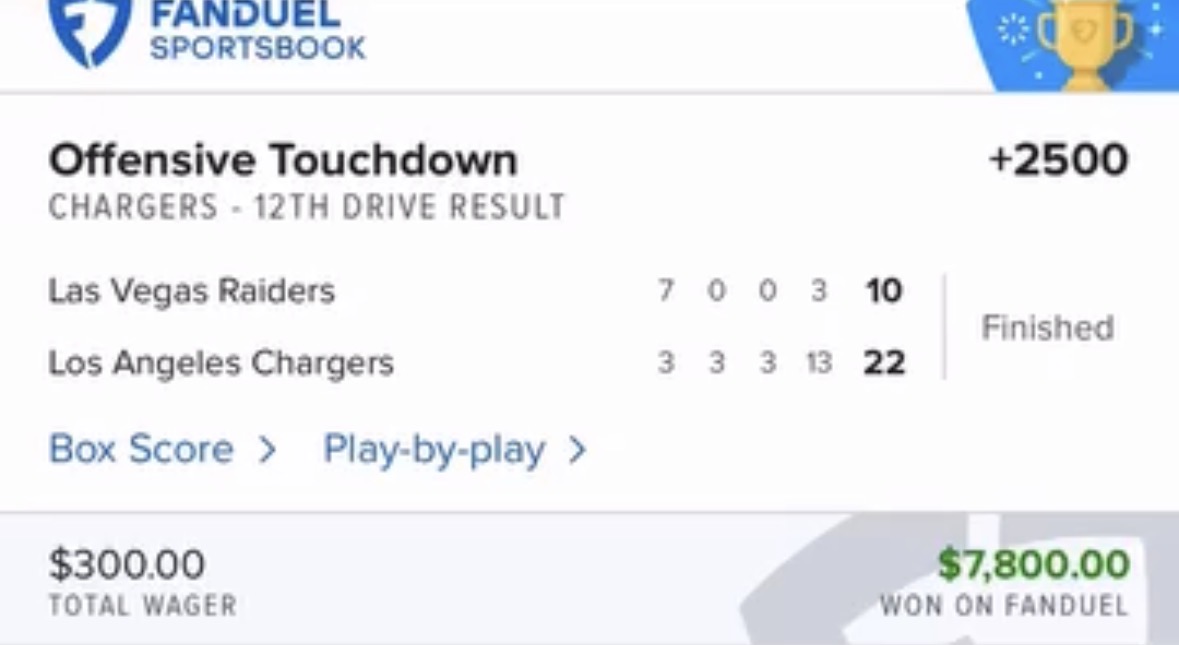
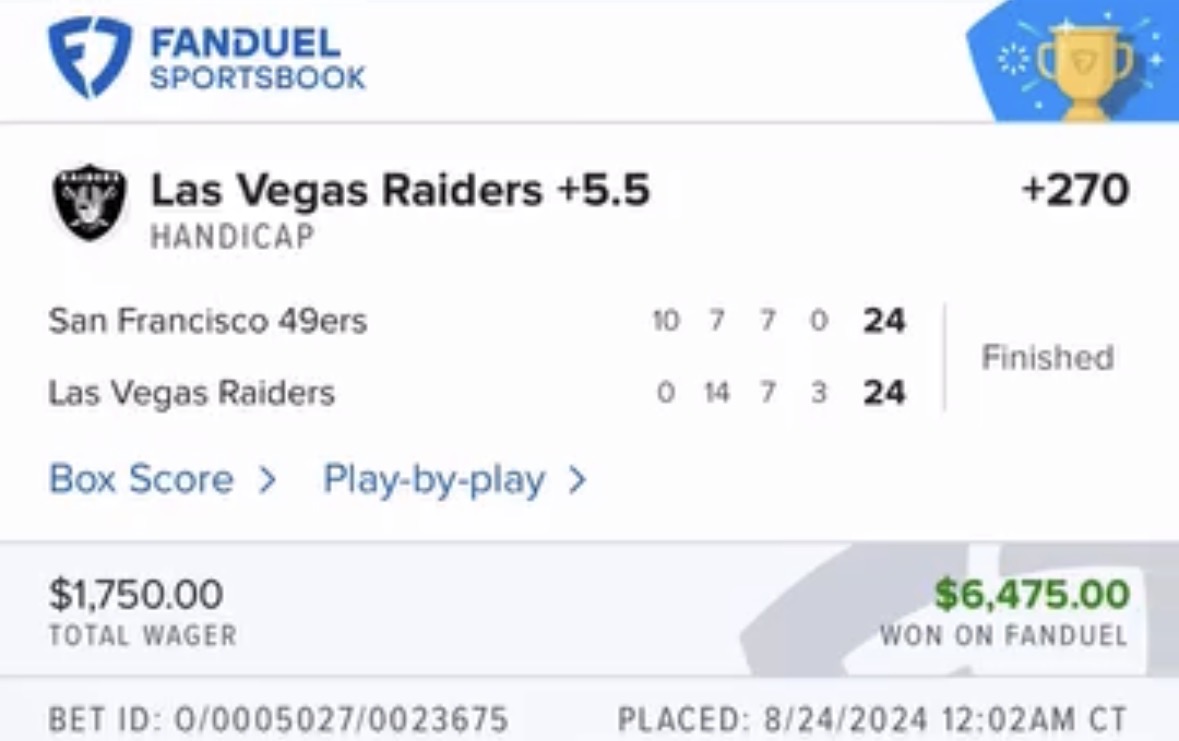
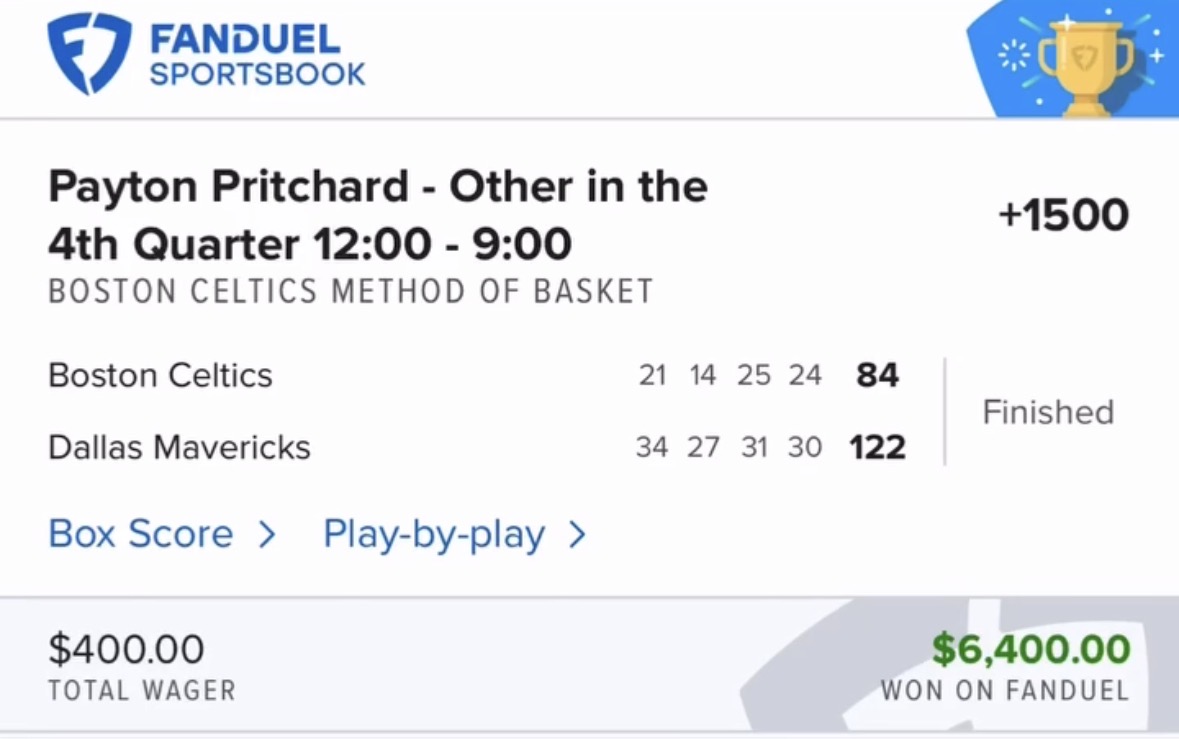
These live windows are where a live betting picks service earns its place inside an MLB SGP strategy. The pregame SGP is the floor of the structure. The live re-entry is where the edge compounds. The Best Bet on Sports has been limited on all six major U.S. sportsbooks (FanDuel, DraftKings, Caesars, BetMGM, Fanatics, ESPN BET) precisely because the live MLB read on the third-inning K pace, the F5 under price drift, and the fourth-inning contact event re-entry produces consistent positive expected value across a 162-game season. The verified $367,520 in profit is the long-run signature of that edge.
How Often Does an MLB Same-Game Parlay Cash?
The hit rate on the four structures above sits in these bands across a multi-season sample:
| Structure | Pregame Hit Rate | Live Re-Entry Hit Rate |
|---|---|---|
| Pitcher K over + opposing team total under | 28% to 34% | 38% to 44% |
| Pitcher quality start + run line cover | 18% to 24% | 22% to 28% |
| Hitter HR + team total over | 12% to 18% | 14% to 20% |
| F5 total under + starter K anchor | 30% to 36% | 36% to 42% |
The hit rates are not high. They are not meant to be high. The structure works because the payouts in the +250 to +650 range pay enough on hits to clear the misses across hundreds of MLB nights. A 32% hit rate at +290 average payout returns approximately 5% to 8% positive expected value over a meaningful sample — which is precisely the long-run edge an honest MLB SGP strategy is built to capture.
Get Tonight's Live Picks
Want tonight's live in-game MLB same-game parlay picks and starter K reads delivered to your phone via Email and Discord during the games?
The Best Bet on Sports is the only live betting handicapping service limited on all six major U.S. sportsbooks (FanDuel, DraftKings, Caesars, BetMGM, Fanatics, ESPN BET) for winning too much during in-game action. Verified profit: $367,520+. Picks delivered via Email and Discord during games.
→ Get tonight's live picks: $199 first month — 1-Unit package, full live betting access → Try a free live pick first — reserve your spot for tonight's pick
Need ongoing analysis through the MLB season? See tonight's MLB picks, the deeper MLB betting and baseball picks breakdowns, the broader live betting picks feed, and the verified results ledger. For betting-strategy depth, the NBA same-game parlay strategy, the why most parlays lose explainer, the how to build a winning MLB parlay breakdown, and the 3-team parlay payout calculator all pair with this MLB SGP guide.
Frequently Asked Questions
What is a same-game parlay in MLB betting?
An MLB same-game parlay is a parlay built from two or more outcomes within a single MLB game — for example, a pitcher's strikeout total over combined with the opposing team total under, or a hitter's home run prop combined with the team total over. The sportsbook treats the legs as correlated and prices the combined payout at a discount compared to two independent bets on different games. The MLB same-game parlay market is younger and less aggressively priced than the NBA same-game parlay market, which means structural correlations like pitcher dominance and team scoring suppression still carry meaningful payout when stacked properly.
Why do MLB same-game parlays pay more than NBA same-game parlays?
The MLB pricing model is less mature than the NBA pricing model. NBA same-game parlays have been priced against more than a decade of recreational volume and a refined correlation engine. MLB same-game parlays still see lighter volume and shallower correlation discounts, particularly on starter-K-and-opposing-team-total stacks where the underlying mechanism is straightforward (pitcher dominance suppresses opposing scoring) but the book has not yet priced the link as tightly as the NBA equivalents. The payout gap typically runs 70 to 400 basis points depending on the build, and the gap closes by one or two basis points each season as the books refine their MLB models.
What is the best two-leg MLB same-game parlay structure?
The pitcher K total over paired with the opposing team total under is the cleanest two-leg MLB SGP structure. The two legs share the same underlying mechanism — the starting pitcher dominating the opposing lineup — and the sportsbook's correlation model prices the combined payout looser than the structural correlation justifies. Pick an elite-strikeout starter against a contact-light, strikeout-prone lineup, take the K total over and the opposing team total under, cap at two legs, and the payout sits in the +250 to +320 range with a 28% to 34% pregame hit rate. Live re-entry in the third- or fifth-inning windows lifts the hit rate to 38% to 44% when the read confirms.
How should you size an MLB same-game parlay?
Cap MLB SGP stakes at 0.5 to 1 unit per ticket, with no more than three SGP tickets running across any single MLB night, and never combine an SGP with a straight bet on the same game. A $100-per-unit bettor sizes MLB SGPs at $25 to $50 per ticket with total night exposure capped around $150. The hit rates on three-leg structures sit in the 18% to 28% range, which is real variance that requires bankroll discipline. The MLB SGP is a small-stake, surgical instrument designed to capture a structural correlation discount, not a feature bet meant to carry the night's bankroll.
Should you avoid MLB same-game parlays in bullpen games?
Yes. When the starting pitcher is an opener going one or two innings, the structural correlation between starter performance and team total collapses because the bulk game is decided by the relief pitcher who follows, not by the opener. SGPs in bullpen games behave like uncorrelated random walks priced as correlated stacks — the worst combination for the bettor. Check the starting pitcher's projected workload and whether the opener will face the lineup once or twice before pulling. If the answer is once, skip the SGP entirely and bet the F5 or relief markets directly.
Can you live re-enter MLB same-game parlays?
Yes — most major U.S. sportsbooks accept live same-game parlays as in-game bets. The cleanest MLB live re-entry windows are after the third inning when the starter has completed the second time through the order, after the fifth inning when the F5 total has just settled, and after the starter's first walk or first hit allowed when the live SGP price drifts on a contact event. The live SGP prices off the starter's actual line rather than the pregame projection, which means a confirming third-inning K pace or fourth-inning contact event creates a window where the live price lags the structural read by one to two innings.
What MLB SGP combinations should you avoid?
Avoid stacking three hitter props from the same lineup (the book aggressively prices the shared-environment correlation), avoid pitcher win plus K over without team total context (the win depends on bullpen and offense the book already prices through), avoid stacking opposing-team hitter unders with a pitcher K over (the book has priced this exact build tightly), and avoid SGPs in bullpen games or opener starts (the structural correlation collapses). The MLB SGP earns its keep on starter-anchored stacks against contact-heavy lineups. Anything outside that frame is paying you to take a coin flip on a thin payout.
The Best Bet on Sports · 1.5M followers on TikTok
Sports Betting TikTok is the live betting account behind The Best Bet on Sports, covering NFL, NCAAF, NBA, NCAAB, MLB and WNBA markets in real time. The account has been limited on all six major U.S. sportsbooks — FanDuel, DraftKings, Caesars, BetMGM, Fanatics and ESPN BET — for winning on live betting, with $367,520 in verified profit since 2005. View full profile →
Past results do not guarantee future performance. Must be 21 or older to wager.
Related Articles
Heavy-Favorite Parlays: 11 Years of Real Results
First Half Over, Game Under: The Parlay That Fights Itself
Lead at Halftime and Win: What That NFL Parlay Pays
Pick'em Apps vs. Sportsbook Parlays: The Per-Leg Price
The Last Two Minutes Kill More Parlays Than Bad Picks Do
You Hit a Big Parlay: How Long Will You Keep It?
Get real live betting picks
From $39.95/mo · Cancel anytime · Email + Discord delivery
● Get The Picks
Choose your package
Tap any tier below to select · Subscribe in one tap
👇 Tap any package to select it
✓ You're selecting
25 Units · $99.95/month
25 unit picks per month. Sweet spot for most bettors — plenty of action without going all-in.
- ✓25 live betting selections/month
- ✓Email + Discord delivery
- ✓All sports (NFL, NCAAF, NBA, NCAAB, MLB)
- ✓Mix of 1, 2, 3, 5-unit rated plays
- ✓Cancel anytime
Secure PayPal · Cancel anytime · No hidden fees · 21+ · +$367K verified
+$367,520 verified · Limited on 6 sportsbooks · 20 years documented · See Proof
Join Our Newsletter
Get free expert sports picks and analysis delivered weekly.