MLB Round Robin Parlay Strategy: How to Bundle a 162-Game Slate Without Going Broke

An MLB round robin parlay converts three to five MLB legs into a basket of two-leg parlays so one cold-pitcher loss only sinks part of the ticket instead of the whole thing — this guide walks through the four MLB leg types that round robin well, the bet sizing that survives 162-game variance, and the live re-entry windows that turn a flat slate into a profitable round robin night.
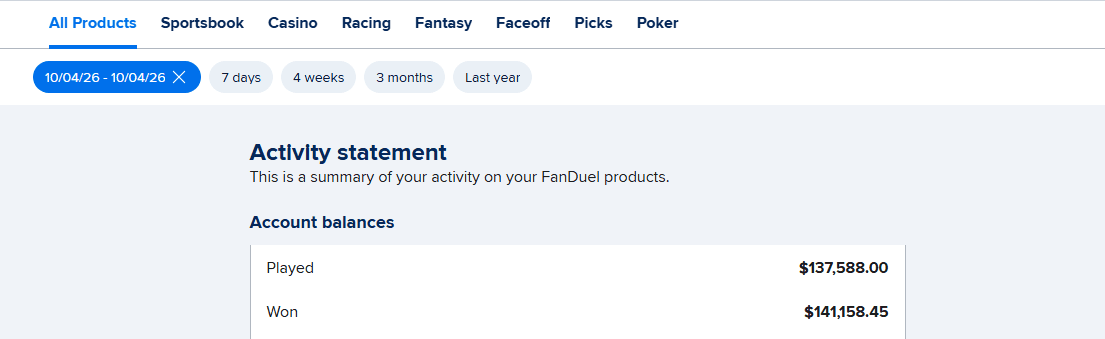
An MLB round robin parlay is a bundle of separate two-leg parlays generated from three or more MLB legs, so picking three games turns into three two-team parlays and one bad starting pitcher only kills two of the three tickets instead of the whole stake. The Best Bet on Sports has tracked MLB round robin behavior across more than two decades of regular-season grind, posted a verified $367,520+ in profit across all sportsbooks, and learned the quiet truth about MLB round robins — they are not a payout-multiplier, they are a variance-management tool that turns a 162-game schedule from a coin-flip grind into a portfolio of small parlays where partial wins keep the bankroll breathing. Round robins do not erase the sportsbook hold and they do not lift expected value on their own. What they do is reshape the failure mode, splitting the loss across multiple smaller tickets so a cold Tuesday in May does not feel like a season-ender. This guide walks through the MLB-specific mechanics, the four leg types that round robin best in baseball, the bet sizing that survives a six-game slate, and the live re-entry windows where the round robin earns its keep.
MLB is structurally different from NBA or NFL when it comes to round robin construction. There are more games per night, every starting pitcher introduces a known variance source, and the run line and totals markets sit at different juice than basketball spreads. Those structural differences mean the MLB round robin is a different animal from the NBA postseason round robin or the NFL Sunday parlay — and they create commercial-intent edges that show up nowhere else on the slate.
How Does an MLB Round Robin Parlay Work?
A round robin is a basket of separate two-leg parlays generated from a larger set of MLB legs. The sportsbook stakes each two-leg parlay individually.
Three MLB legs in a round robin produce three two-leg parlays. If your three legs are Yankees -1.5, Dodgers ML, and Astros under 8.5, the sportsbook writes three tickets: Yankees+Dodgers, Yankees+Astros, and Dodgers+Astros. At $20 per ticket, total cost is $60.
Four MLB legs in a round robin produce six two-leg parlays. At $20 per ticket, total cost is $120.
Five MLB legs in a round robin produce ten two-leg parlays. At $20 per ticket, total cost is $200.
The general rule is that an N-leg round robin produces "N choose 2" two-leg parlays, calculated as N × (N − 1) ÷ 2. For MLB, the sweet spot is the two-leg round robin built from three or four legs across a single night's slate — that keeps the cost manageable and gives the variance-reshape benefit without ballooning the ticket count past what one bettor can track in real time.
Why MLB Round Robins Survive Variance Better Than Straight MLB Parlays
The 162-game season punishes straight parlay bettors in a way no other sport does. NFL slates are 13 games per Sunday. NBA regular-season nights might hold ten games. The MLB slate often runs 15 games on a Tuesday or Wednesday, with first pitches spread across six time zones from 12:35 p.m. ET starts in Chicago to 10:10 p.m. ET starts in Seattle. That schedule density creates pressure to play three- and four-leg parlays at +600 or +1000 prices, and that pressure is what bleeds bankrolls.
Here is the payout grid for a three-leg MLB round robin built from three -120 legs, with the three two-team parlays each priced at +254 and $20 staked per ticket:
| Legs Hit | Tickets Won | Profit | Total Return |
|---|---|---|---|
| All three hit (A, B, C) | All 3 (A+B, A+C, B+C) | +$152 | $212 |
| Two legs hit (A and B; C loses) | 1 ticket (A+B) | −$9 | $51 |
| One leg hits (A; B and C lose) | 0 tickets | −$60 | $0 |
| All legs lose | 0 tickets | −$60 | $0 |
That two-of-three row is the entire reason the structure exists. A straight three-leg parlay at +500ish would have lost the full stake. The MLB round robin returned $51 against a $60 outlay on the same two-of-three outcome — a near push instead of a wipeout. Over a 162-game season, the difference between "near push" and "wipeout" on partial-win nights is the difference between a profitable bettor and a closed account — and the season-long ledger of those partial-win nights is exactly what our verified results page tracks.
The Four MLB Leg Types That Round Robin Best
Not every MLB leg fits cleanly into a round robin. The legs that round robin best in baseball share three traits: medium-juice pricing (around -110 to -130, not the -200 favorite or +300 underdog ranges), independence from other legs on the ticket, and structural alignment with a research edge a serious bettor can verify. The four MLB leg types that meet these criteria are:
Starter-driven F5 totals. First-five-inning totals are priced off the projected starting pitchers and are insulated from bullpen variance. If a strong starting pitcher faces a weak top-of-order lineup, the F5 under is a structurally clean leg. Round robin three F5 unders from different games and you have a portfolio that survives any single bullpen blow-up that would have torpedoed a straight parlay through the seventh inning. Scale these legs across multiple slates with our daily MLB picks and broader baseball picks coverage.
Quality-start moneyline. The quality-start moneyline picks an ace at home against a struggling road offense at -130 to -150. Three of these in a round robin gives you three two-leg parlays priced near +220 each, with the safety of partial wins. This is the cleanest non-parlay-bettor's parlay structure in baseball.
Run line on favorites taking -1.5. Heavy favorites priced at -180 to -250 on the moneyline often sit at +110 to +140 on the run line. Round robin three -1.5 favorites and you generate three two-leg parlays at +250 to +350, with each leg representing a team built to win by two or more in a short game. The math gets exciting fast here, but you must verify each team's recent margin-of-victory distribution, not just the headline odds.
Team totals over on strong offensive matchups. Team total over markets — usually priced at -120 to -110 with the line set at 4.5 or 5.5 runs — are independent of the opposing team's offense, which makes them clean round robin building blocks. Round robin three team total overs in three different games and you get three two-leg parlays at +300+ that each depend only on the team you bet putting up runs, not on the opponent's performance.
The Four MLB Round Robin Builds You Should Avoid
Just as important as knowing which MLB legs round robin well is knowing which builds will quietly bleed your bankroll. Avoid these four common mistakes:
Three legs from the same game. Putting Yankees ML + Yankees -1.5 + Yankees team total over into a round robin is not three independent legs — they're highly correlated, and the sportsbook prices the round robin as if they were independent, which is a structural disadvantage to you. If you want correlated exposure, use a same-game parlay, not a round robin.
Heavy underdog moneylines. Round robin built from three +250 underdogs looks tempting on the +1000 two-team parlay payouts, but the win probability on each leg sits around 28%, and the chance all three lose is over 37%. The variance dominates and the round robin structure does not help when most nights end in zero tickets won.
Mixing pre-game and live legs in the same round robin. A round robin built from two pre-game legs and one live leg creates timing problems — by the time the live leg is decided, the pre-game legs may already be settled, and you lose the ability to hedge or re-enter. Keep round robins single-timing-window: all pre-game, or all live.
Building round robins across more than one sport. Cross-sport round robins (an MLB leg + an NBA leg + an NHL leg) sound diversified but they introduce correlation problems and bankroll-attention problems. You can't watch three sports in three time zones simultaneously and make sharp live decisions. Keep MLB round robins MLB-only and lean on the parlay strategy framework for single-sport discipline.
MLB Round Robin Bet Sizing: The 1.5% Rule
Bet sizing matters more in round robins than in straight parlays because the total stake is the per-ticket stake multiplied by the number of two-leg parlays generated. A three-leg round robin at $20 per ticket is a $60 stake. A four-leg round robin at $20 per ticket is a $120 stake. A five-leg round robin at $20 per ticket is a $200 stake. If your bankroll is $5,000, those represent 1.2%, 2.4%, and 4.0% of bankroll respectively — and the four-leg and five-leg sizes are already past the 1.5% per-bet bankroll discipline most sharp bettors hold to.
The fix is to scale the per-ticket stake down as the round robin gets larger. For a $5,000 bankroll, the sustainable sizes are: $20 per ticket on three-leg round robins ($60 = 1.2% of bankroll), $12 per ticket on four-leg round robins ($72 = 1.4%), and $7 per ticket on five-leg round robins ($70 = 1.4%). The same logic applies across bankroll sizes — see the full bankroll management framework for unit sizing across $100-to-$500 bet ranges.
The temptation is to keep the per-ticket size flat and let the total stake balloon when you find a five-leg slate you love. Resist it. The five-leg round robin generates ten two-leg parlays, and even with strong leg construction, the variance distribution still produces nights where seven of ten tickets lose. A $200 stake going to $40 of returns on a seven-out-of-ten loss night is a manageable outcome. A $500 stake on the same outcome is a season-altering hole.
Live Re-Entry Windows: When the Round Robin Pays Twice
The single biggest under-used MLB round robin advantage is the live re-entry window. When two of your three pre-game round robin legs settle as wins early in the night, the remaining leg becomes a live bet you can re-enter for a hedge — and the math often supports doubling the position.
The three live re-entry windows that matter most for MLB round robins are:
After F5 settlement (top of the sixth inning). If two of your three F5 unders cashed and the third is in a 2-2 game heading to the sixth, the live full-game under is often priced 30-50 cents better than the pre-game under because the live model fades into the bullpen variance. Take the live under at the better price and you've effectively hedged the third F5 leg without giving up the round robin upside.
After the lead runner reaches base in the seventh. When a starter-driven team total over leg is sitting at 3 runs in the seventh and the leadoff hitter walks, the live team total over moves from 4.5 to 5.5 with juice at -110 to -130. That is the cleanest live re-entry in baseball, and it doubles down on the same structural edge the pre-game leg was built on.
After the bullpen reveal in extra innings. Round robins built on quality-start moneylines can be re-entered live when the game goes to extras and the bullpen quality becomes the new variable. If your starting-pitcher leg cashed (the team led entering the ninth) and the game then went to extras, the live moneyline often sits at +120 to +140 because the live model is uncertain about which bullpen blinks first. Re-entering at those prices captures upside on a leg you already paid for.
MLB vs NBA Round Robin: The Payout-Structure Gap
| Structure | NBA -110 Legs | MLB -120 Legs | Variance Profile |
|---|---|---|---|
| Two-leg parlay payout | +264 | +254 | NBA slightly higher payout |
| Three-leg straight parlay payout | +596 | +547 | NBA slightly higher payout |
| Three-leg round robin (two-of-three return) | −12% on stake | −15% on stake | NBA slightly better recovery |
| Independence of legs | High (different games) | Highest (different cities, different starters) | MLB wins on leg independence |
| Schedule density | 5-12 games per night | 10-15 games per night | MLB wins on slate options |
The MLB advantage shows up not in the per-ticket payout but in the volume of nights where a round robin makes sense. NBA delivers higher per-ticket math; MLB delivers more opportunities to deploy the structure. Over a 162-game season, the bettor who runs disciplined three-leg round robins on 60-80 nights ends up with more shots than the NBA round robin bettor who finds the structure only on 30-40 high-quality slates per regular season.
Get Tonight's Live Picks
Want tonight's live in-game MLB parlay predictions delivered to your phone via Email and Discord during the game?
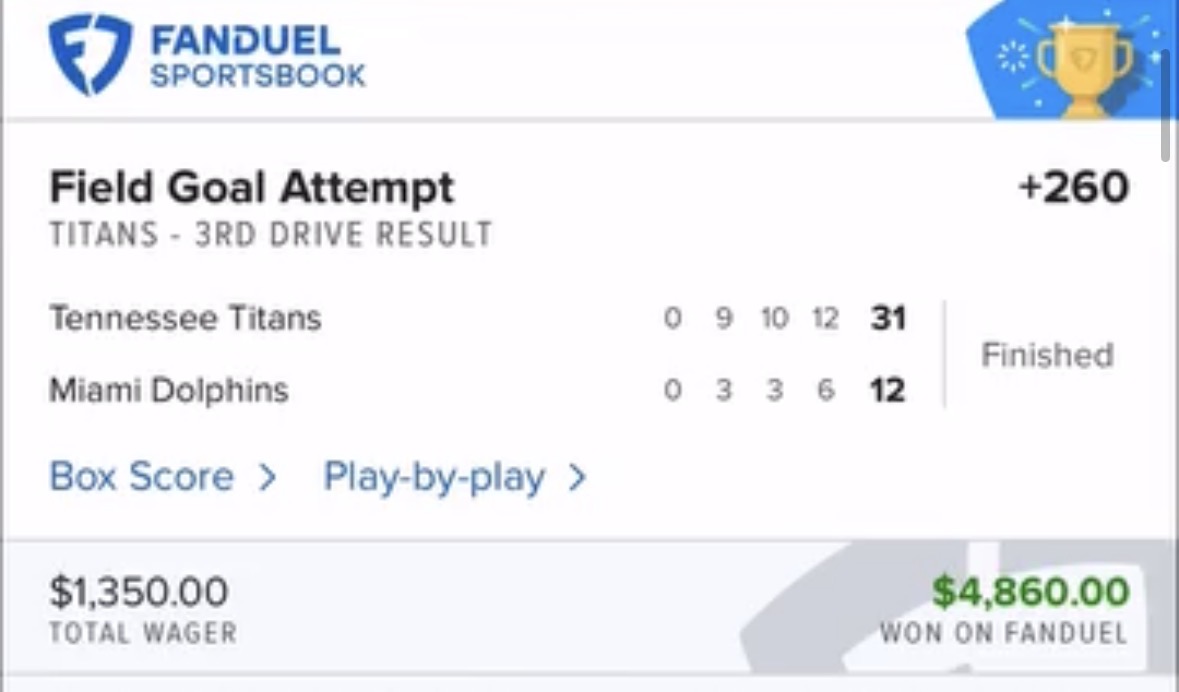
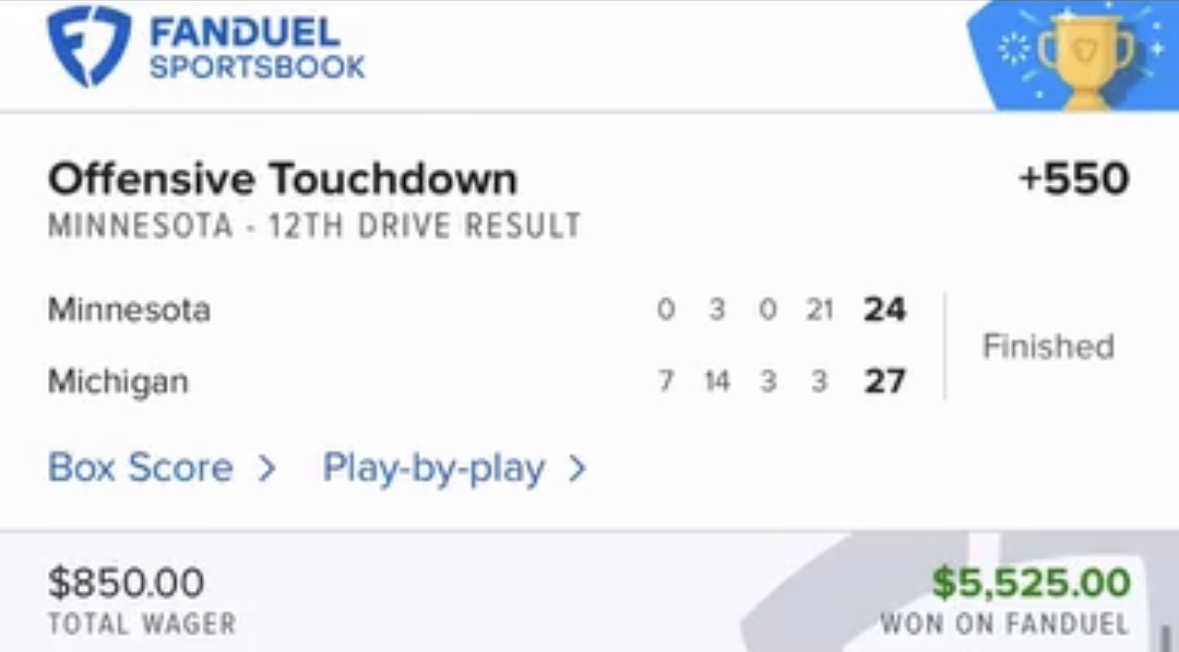
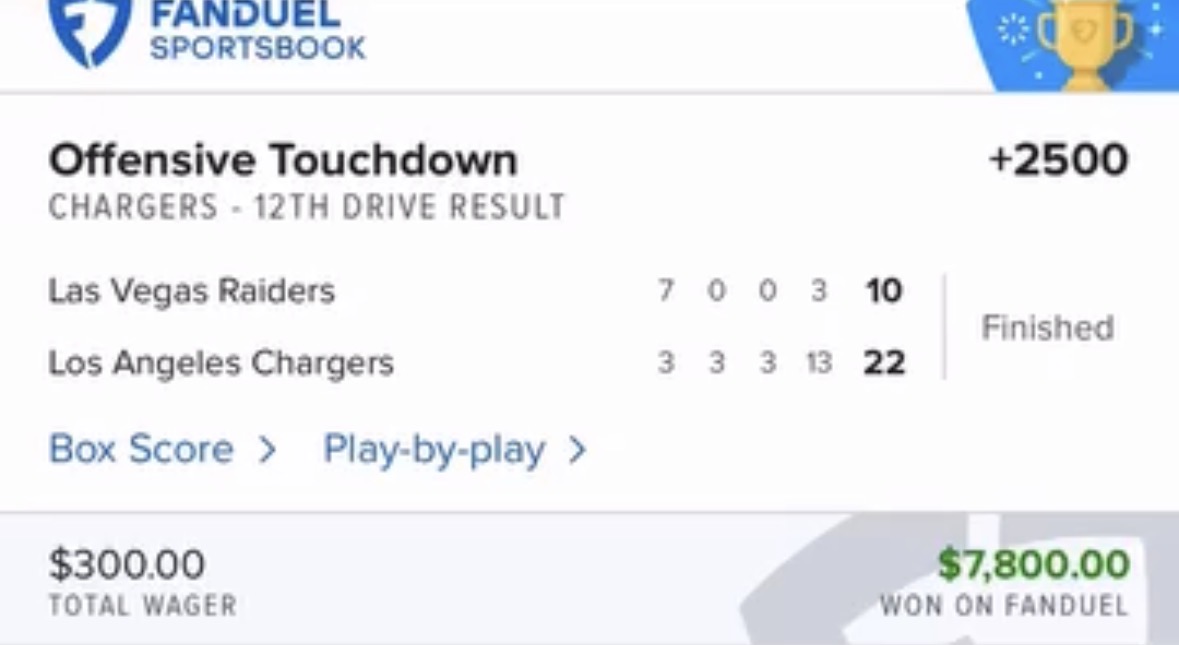
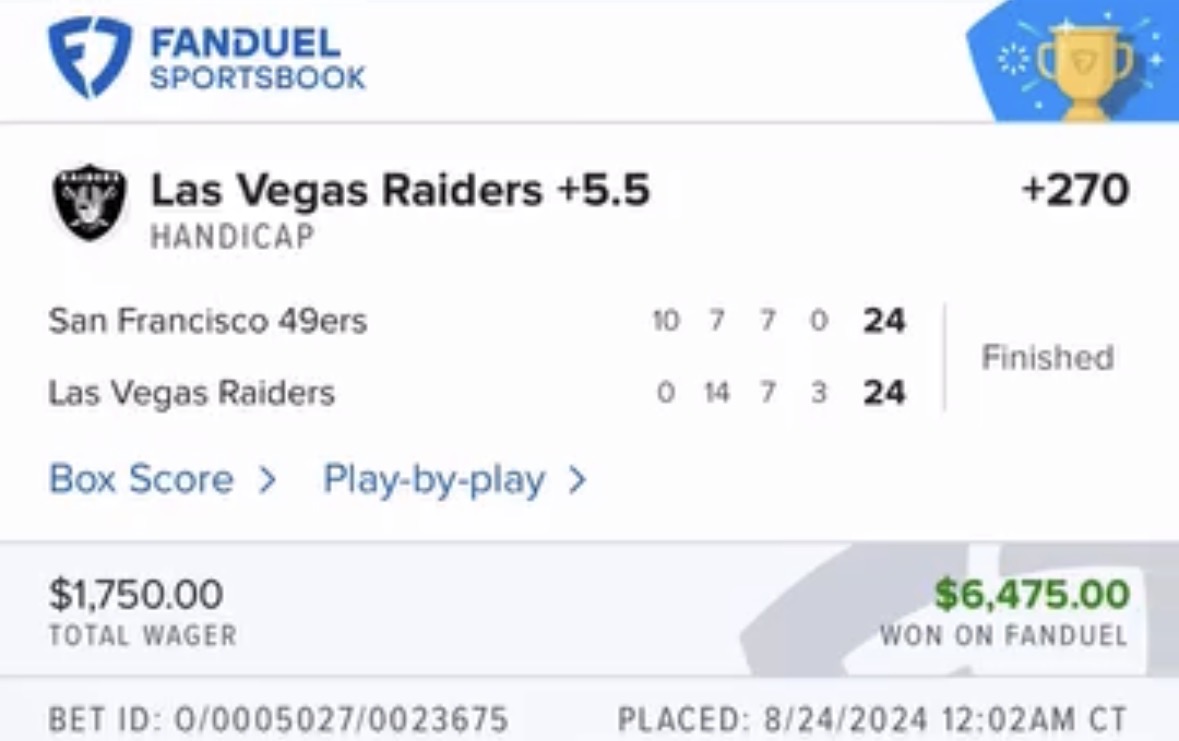
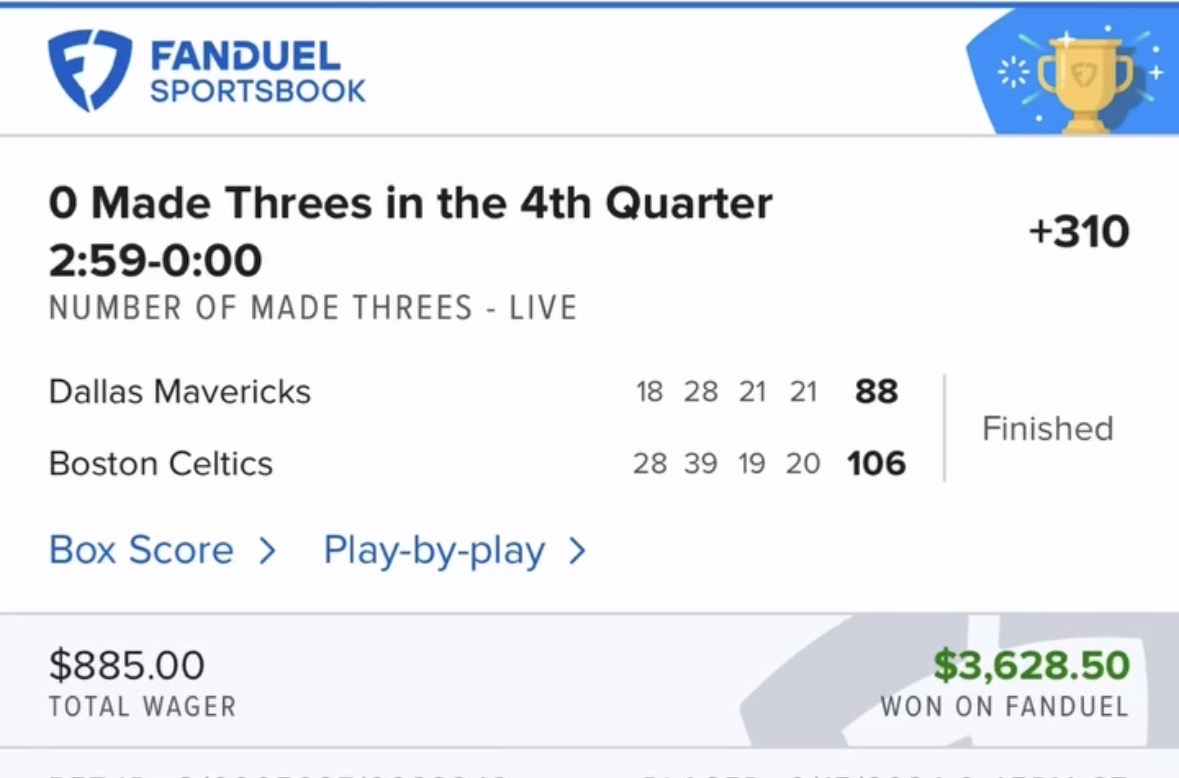
The Best Bet on Sports is the only live betting handicapping service limited on all six major U.S. sportsbooks (FanDuel, DraftKings, Caesars, BetMGM, Fanatics, ESPN BET) for winning too much during in-game action. Verified profit: $367,520+. Picks delivered via Email and Discord during games.
→ Get tonight's live picks: $199 first month — 1-Unit package, full live betting access → Try a free live pick first — reserve your spot for tonight's pick
Frequently Asked Questions
What is the best number of legs for an MLB round robin parlay?
Three legs is the most disciplined structure for an MLB round robin. Three legs produce three two-leg parlays at a manageable total stake, give you the partial-win benefit, and keep the per-night research load realistic. Four-leg round robins produce six two-leg parlays and start to strain bankroll discipline — only build them when you can scale per-ticket size down to maintain 1.5%-of-bankroll-per-night discipline. Five legs and beyond should be reserved for very specific slates where the per-leg edge is unusually high.
How is an MLB round robin different from an NBA round robin?
The mechanics are identical — both produce "N choose 2" two-leg parlays from N underlying legs. The differences are structural. MLB slates have 10-15 games per night versus NBA's 5-12, so MLB offers more leg options per night. MLB legs are more independent because each game has its own starting pitcher, ballpark, weather, and umpire. NBA legs share more correlated variables. NBA legs also typically price 10-15 cents better than equivalent MLB legs, so NBA round robin payouts run slightly higher on the same odds structure. Net: MLB round robin nights are more frequent but slightly lower-paying per ticket; NBA round robin nights are less frequent but slightly higher-paying per ticket.
Can you build an MLB round robin from live in-game legs?
Yes, but with stricter discipline. Live MLB round robins work best when all legs are placed in the same inning-window and settle within the same hour, so you can manage them as a single live ticket. Mixing a third-inning live leg with a seventh-inning live leg in the same round robin is a timing trap — the third-inning leg settles before you can add the seventh-inning leg, breaking the round robin structure. For live MLB parlay strategy detail, see the live parlay strategy framework on how to layer in-game legs across innings.
What's the worst MLB round robin construction to avoid?
The single worst structure is three legs from the same game (e.g., Yankees moneyline, Yankees -1.5, Yankees team total over). The legs are correlated — they're all driven by the same team performance — and the sportsbook prices the round robin as if the legs were independent, which gives you a structural negative-EV ticket. The second-worst structure is mixing three heavy underdog moneylines, where the variance of three +250 legs dominates the round robin's variance-reduction benefit.
How much should I stake per round robin ticket?
Cap your total round robin stake at 1.5% of bankroll. For a $5,000 bankroll, that means $75 maximum total stake per round robin night. Scale per-ticket size accordingly: $25 per ticket on three-leg round robins (three tickets = $75), $12 per ticket on four-leg round robins (six tickets = $72), $7 per ticket on five-leg round robins (ten tickets = $70). The temptation to keep per-ticket size flat as the round robin gets larger is the most common bankroll-killing mistake in MLB parlay betting.
Are MLB round robins better than MLB same-game parlays?
They serve different purposes. Same-game parlays exploit correlated legs within a single MLB game (a pitcher's strikeout prop and a team total under, for example) and pay differently because the sportsbook prices in the correlation. Round robins distribute risk across independent legs in different games and pay differently because of variance management. Use same-game parlays for correlated single-game edges. Use round robins for independent multi-game portfolio plays. They are not substitutes — they complement each other in a serious MLB bankroll.
Does The Best Bet on Sports send round robin picks?
Yes. Members receive single-leg live picks and structured multi-leg builds across MLB nights through the season, with live re-entry alerts delivered via Discord and Email when the F5 settlement, lead-runner-on-base, or extra-inning bullpen-reveal windows trigger. The service is limited on all six major U.S. sportsbooks (FanDuel, DraftKings, Caesars, BetMGM, Fanatics, ESPN BET) for winning at live betting, with verified $367,520+ in profit across all sportsbooks over two decades of operation.
The Best Bet on Sports · 1.5M followers on TikTok
Sports Betting TikTok is the live betting account behind The Best Bet on Sports, covering NFL, NCAAF, NBA, NCAAB, MLB and WNBA markets in real time. The account has been limited on all six major U.S. sportsbooks — FanDuel, DraftKings, Caesars, BetMGM, Fanatics and ESPN BET — for winning on live betting, with $367,520 in verified profit since 2005. View full profile →
Past results do not guarantee future performance. Must be 21 or older to wager.
Related Articles
NBA Playoff Round Robin Parlay Strategy: How to Build Two-Leg Combinations That Cut the Hold
Round Robin Parlay Strategy: How to Bet Multiple Parlays at Once
How to Build a Winning MLB Parlay: 3-Leg Daily Structures That Beat the Sportsbook Hold Rate
Round Robin Parlay Strategy: When the Math Actually Works in Your Favor
4-0 Against the Spread: What a Hot Start Predicts
The Bye-Week Edge, Tested on 11 NFL Seasons
Get real live betting picks
From $39.95/mo · Cancel anytime · Email + Discord delivery
● Get The Picks
Choose your package
Tap any tier below to select · Subscribe in one tap
👇 Tap any package to select it
✓ You're selecting
25 Units · $99.95/month
25 unit picks per month. Sweet spot for most bettors — plenty of action without going all-in.
- ✓25 live betting selections/month
- ✓Email + Discord delivery
- ✓All sports (NFL, NCAAF, NBA, NCAAB, MLB)
- ✓Mix of 1, 2, 3, 5-unit rated plays
- ✓Cancel anytime
Secure PayPal · Cancel anytime · No hidden fees · 21+ · +$367K verified
+$367,520 verified · Limited on 6 sportsbooks · 20 years documented · See Proof
Join Our Newsletter
Get free expert sports picks and analysis delivered weekly.