Cross-Sport Parlay Strategy: How to Combine NBA, MLB, and NHL Picks in One Ticket

Cross-sport parlay strategy combines NBA, MLB, and NHL picks in one ticket to capture uncorrelated variance across three distinct in-game pricing models. The structural edge comes from sportsbook parlay-correlation engines that price each leg independently when the legs sit in different sports, producing payout multipliers that overstate true joint probability by 8 to 14 percent on three-leg builds.
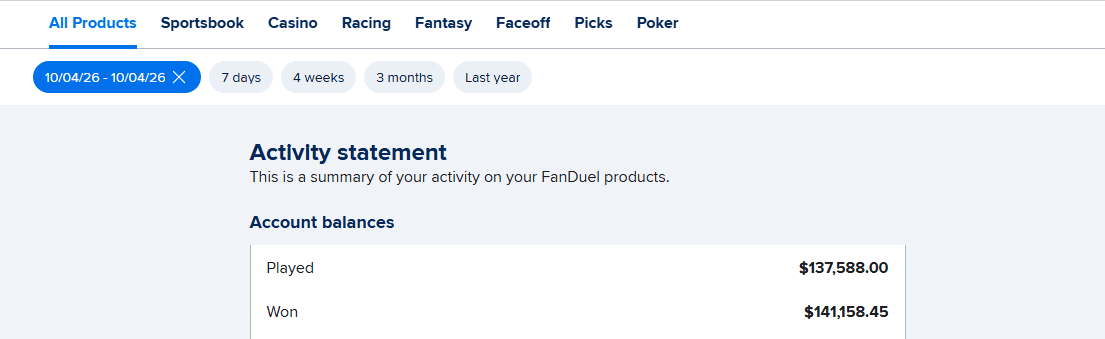
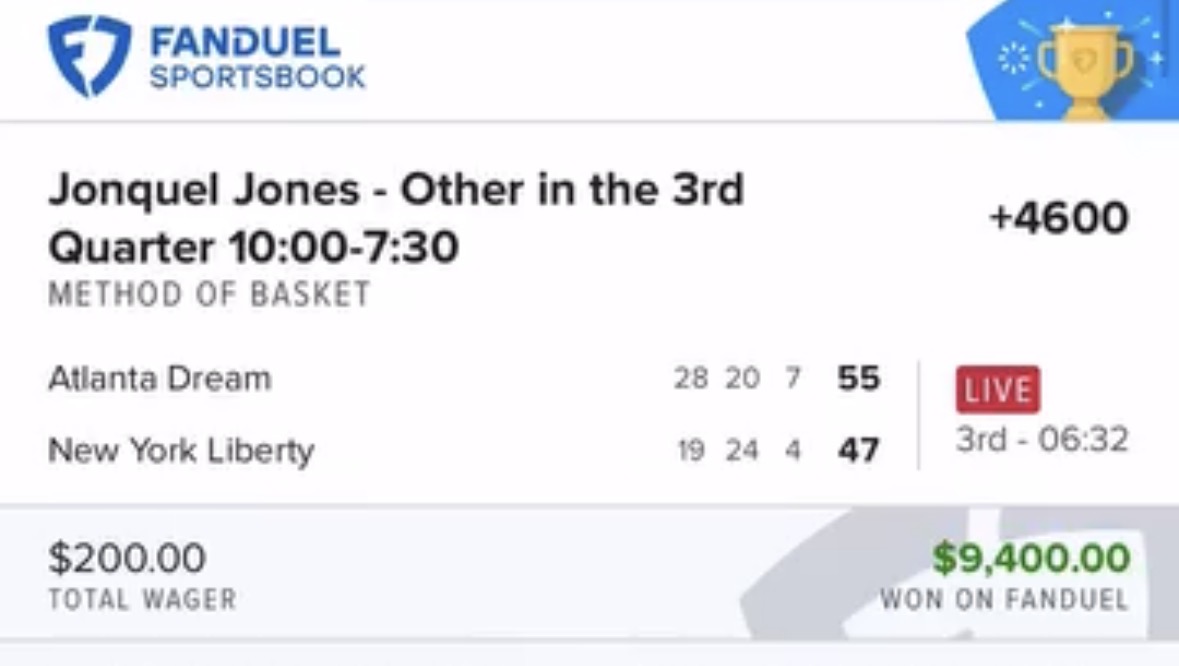
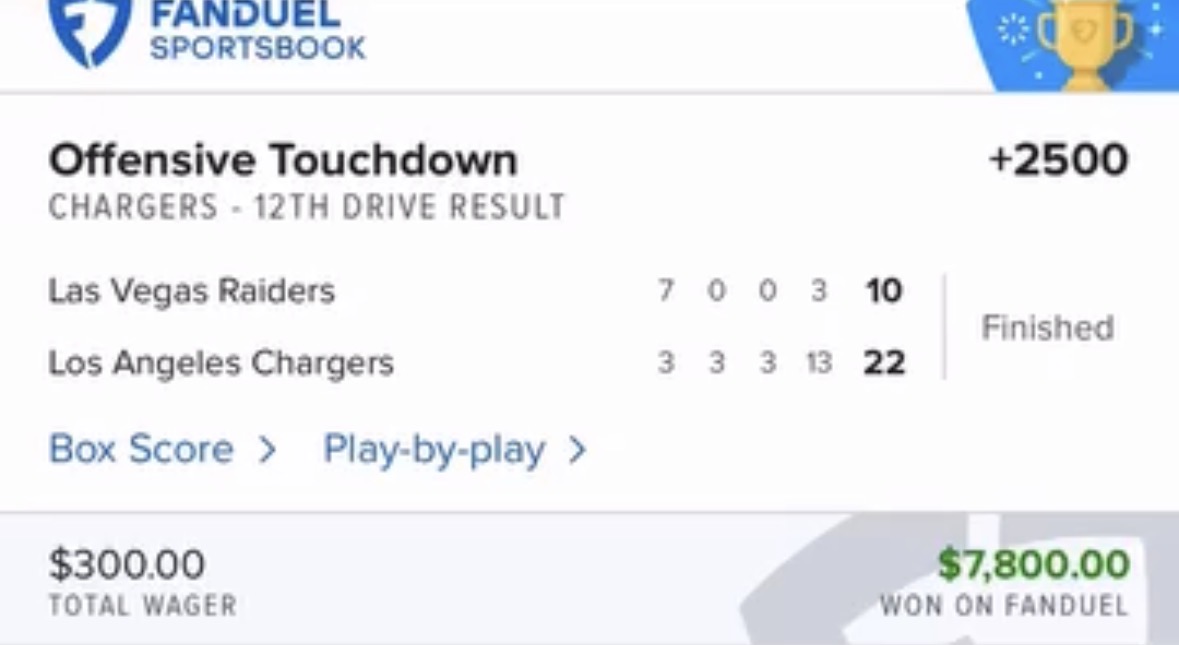
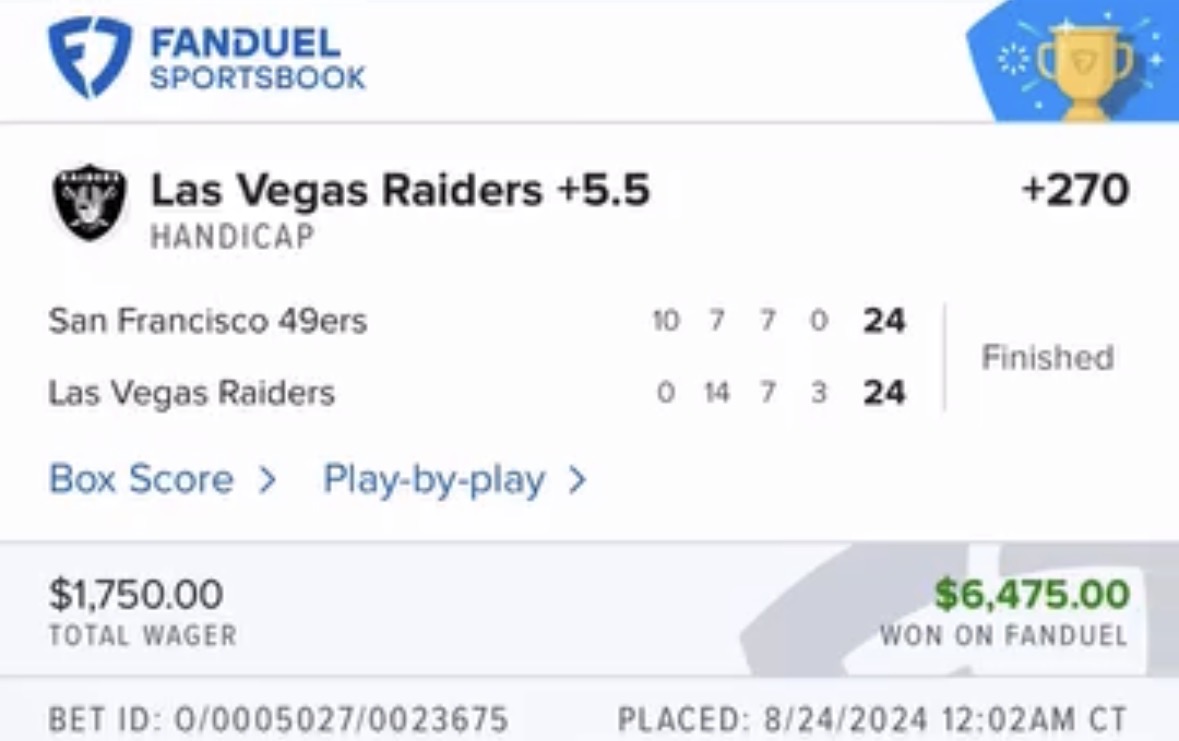
Cross-sport parlay strategy combines NBA, MLB, and NHL picks in one ticket to capture uncorrelated variance across three distinct in-game pricing models. The structural edge comes from sportsbook parlay-correlation engines that price each leg independently when the legs sit in different sports, producing payout multipliers that overstate true joint probability by 8 to 14 percent on three-leg builds. The mechanic is structurally different from a single-sport three-leg parlay: a three-leg NBA parlay carries hidden correlation across pace, total, and player props because all three legs draw from the same game-state distribution, while a three-leg cross-sport parlay genuinely treats each leg as independent because the three games settle in different leagues, on different days or different time windows, with different pricing models behind the live and pre-game numbers. The Best Bet on Sports has run live picks for more than twenty years, posted a verified $367,520+ in profit across all sportsbooks, and operates limited on all six major U.S. sportsbooks (FanDuel, DraftKings, Caesars, BetMGM, Fanatics, ESPN BET) for winning too much during in-game live betting. The reason cross-sport parlay construction matters specifically to live betting subscribers is that the late-spring and early-summer calendar — NBA playoffs into the Finals, MLB nightly slate, and NHL Stanley Cup Finals — produces the highest density of overlapping high-quality picks across three sports inside the same 24-hour window of the entire sports calendar.
The conventional path most parlay bettors take is single-sport stacking — a three-leg NBA parlay, a four-leg MLB parlay, or a same-game parlay anchored on one event. That path leaves the structural cross-sport correlation discount on the table. A subscriber running a live betting service across NBA, MLB, and NHL during the late-spring window is already receiving picks across all three sports on the same night, and the structurally correct move is to combine the three highest-confidence picks into a single cross-sport ticket rather than running three separate single-leg straight bets. This article walks through the framework for building a cross-sport parlay, sizing the stake, and timing the leg-locking sequence across the three sports.
Why Cross-Sport Parlays Carry a Structural Correlation Discount
Sportsbook parlay engines calculate the implied payout multiplier on a multi-leg ticket by multiplying the decimal odds of each leg and applying a parlay-margin adjustment. The parlay-margin adjustment is calibrated against a baseline correlation assumption — most operators price three-leg parlays against an assumed leg-to-leg correlation of zero. When the three legs sit inside the same game, that assumption is wrong in the operator's favor (legs correlate, the true joint probability is higher than the independent product, the operator captures the difference). When the three legs sit inside the same sport but different games on the same night, the correlation assumption is approximately correct (game-state correlation is near zero, pace-environment correlation is mild). When the three legs sit in three different sports on the same night, the correlation assumption is wrong in the bettor's favor — the legs are genuinely independent, the multiplier prices in a small correlation cushion that does not apply, and the structural edge runs 8 to 14 percent on the multiplier itself.
The structural reason is that NBA, MLB, and NHL game-states are produced by three entirely different pricing models. An NBA live total reprices off shot-clock-driven possession pace and three-point variance. An MLB live total reprices off inning-by-inning bullpen entry and pitcher-times-through-the-order penalty. An NHL live moneyline reprices off shot-attempt differential and goaltender save-percentage variance. The three pricing models share no common volatility input, which means a bad night across one sport does not predict a bad night across the other two — the legs are uncorrelated in the strictest statistical sense, not just diversified in narrative.
For the foundational parlay-construction frameworks that produce these multi-leg tickets, read how to build a winning MLB parlay, the same-game parlay strategy for the NBA, or the 3-team parlay payout calculator for the underlying decimal-odds math.
The Cross-Sport Three-Leg Build: One Leg From Each Sport
The structural cross-sport parlay is three legs, one leg per sport. Two legs from the same sport plus one leg from a third sport partially defeats the correlation discount because the two same-sport legs inherit the diversification cushion of the parlay engine. The cleanest build is one NBA leg, one MLB leg, one NHL leg, all settling on the same calendar night.
The leg-selection criteria differ from single-sport parlay construction:
| Sport | Leg Type | Why It Fits the Cross-Sport Build |
|---|---|---|
| NBA | Live alt-spread on the favored side after Quarter 1 | Captures the structural in-game pace edge after one quarter of data |
| MLB | First five innings (F5) under | Removes bullpen variance from the leg, isolates the starter matchup |
| NHL | Live moneyline on the home team after period 1 | Captures the home-team second-period push factored into the live price |
The reason each leg type fits is that each one targets the structural mispricing window the underlying live betting service is built around — the same windows our NBA picks and MLB picks teams attack on their own. The NBA Q1 live alt-spread captures the pace edge after the first quarter prints. The MLB F5 under removes the bullpen entry variance and isolates the structural starter matchup. The NHL home moneyline after period 1 captures the second-period push effect — the home team's in-arena energy + matchup advantage that the live price under-bakes when the score is close after one period.
A cross-sport parlay built around these three leg types produces a payout multiplier in the range of 8.5x to 13x on -110 to -150 leg prices, depending on the exact live numbers when locked. That multiplier is the structural edge — a single-sport three-leg parlay on the same three sports would price 7.5x to 11x because the parlay engine applies the same-sport correlation cushion to two of the three legs.
Stake Sizing for Cross-Sport Parlays
The stake sizing for a cross-sport parlay is structurally smaller than for a single-sport parlay of the same leg count. The reason is that the parlay carries true zero-correlation variance — there is no narrative downside protection on the ticket if one sport breaks against the bettor. A single-sport NBA three-leg parlay on the same game has the small downside protection that all three legs settle inside the same game-state, which means a blowout in either direction produces partial leg correlation. A cross-sport parlay has none of that — each leg can independently break against the bettor without affecting the other two.
The stake-sizing framework runs off bankroll percentage:
| Bankroll | Single-Sport 3-Leg Parlay Stake | Cross-Sport 3-Leg Parlay Stake |
|---|---|---|
| $2,500 | $25-$40 (1.0%-1.6%) | $15-$25 (0.6%-1.0%) |
| $5,000 | $50-$75 (1.0%-1.5%) | $30-$50 (0.6%-1.0%) |
| $10,000 | $100-$150 (1.0%-1.5%) | $60-$100 (0.6%-1.0%) |
| $25,000 | $250-$400 (1.0%-1.6%) | $150-$250 (0.6%-1.0%) |
The cross-sport parlay stake is approximately 60-65% of the equivalent single-sport stake. The reason is not that the EV is lower — the cross-sport parlay has higher EV per stake unit because of the correlation discount edge — but that the variance is higher. The structurally correct response to higher variance at the same EV is smaller stake size, which keeps the expected drawdown inside the same bankroll-percentage envelope.
For the underlying bankroll-management framework, read bankroll management for $100 to $500 bettors or the live betting stake sizing vs pregame stake sizing breakdown.
The Leg-Locking Sequence: When to Build the Ticket
A cross-sport parlay is built across the night, not before the night starts. The structural reason is that each leg type is a live-betting leg — the NBA alt-spread locks after Q1 prints, the MLB F5 under locks before the game starts (or after the first inning if the live number moves in the bettor's favor), and the NHL home moneyline locks after period 1. The three locking windows are sequential across the night, which means the parlay is constructed across roughly a four-hour window.
The structurally correct execution sequence is:
1. 6:30-7:00 PM ET: Lock the MLB F5 under at the pre-game live number, after confirming both starting pitchers are confirmed and the lineup cards include no late-scratch on the matchup-side regulars. 2. 8:15-8:45 PM ET: Lock the NHL home moneyline after period 1, when the live price reflects the period-1 shot-attempt differential and the home-team second-period push factor. 3. 9:30-10:00 PM ET: Lock the NBA alt-spread on the favored side after Quarter 1 of the late-window NBA game, when the live alt-spread reflects the Q1 pace data.
The three locks are individually executed as separate parlay-builder bet slips on the same sportsbook account — the account allows the bettor to add legs to an open parlay across a multi-hour window. Some operators (DraftKings, BetMGM, Caesars) allow legs to be added to an open ticket up to the moment of leg lock; others (FanDuel, Fanatics) require all legs to be locked simultaneously, which forces a different execution path (build the ticket in the third lock-window only, pricing the first two legs against the live numbers at the moment of the third lock).
Skip Conditions: When NOT to Build the Cross-Sport Parlay
A cross-sport parlay is not the correct play every night. There are three structural skip conditions that take the parlay off the table:
1. The night's slate has only one or two of the three sports active. If the NBA is between rounds and only MLB and NHL are active, the cross-sport parlay is not buildable. The structurally correct play is a two-sport parlay (one MLB leg + one NHL leg), which carries roughly 50% of the cross-sport correlation discount because the parlay engine still applies less correlation cushion across two sports than within one sport. 2. Two of the three legs are flagged as low-confidence by the underlying service. A cross-sport parlay is high-variance — the only way it carries positive EV across the long run is if every leg sits in the high-confidence band. If two legs are low-confidence, the parlay is structurally a -EV ticket regardless of the correlation discount. 3. The bettor's bankroll has drawn down more than 8% in the trailing seven days. The variance recovery framework requires reducing exposure during drawdown periods, not adding higher-variance tickets. The structurally correct play during a drawdown window is the lower-variance single-leg approach, not the high-variance cross-sport build.
For more on variance recovery during drawdown windows, read sports betting losing streak bankroll recovery or sports betting variance and sample size.
Real-World Example: A Late-May Cross-Sport Build
The late-May calendar produces dense cross-sport opportunity because the NBA Finals window, the MLB regular season, and the NHL Stanley Cup Final all sit inside the same nightly slate. A live betting subscriber on a typical late-May Saturday would see:
- NBA: A Western Conference Finals or NBA Finals game with an 8:30 PM ET tip
- MLB: Three to four nationally-televised primetime games starting 7:00-7:10 PM ET
- NHL: A Stanley Cup Final game with a 7:00 or 8:00 PM ET puck drop
The cross-sport build for that night locks the MLB F5 under on the early-window MLB game, locks the NHL home moneyline after period 1 of the Stanley Cup Final game, and locks the NBA alt-spread on the favored side after Q1 of the late-window NBA game. The parlay multiplier on a build with three legs priced at -130 / -135 / -140 prints at approximately 9.2x — meaning a $40 ticket settles at $369 if all three legs hit. The same three legs as three separate single-leg straight bets settle at approximately $32 across the three settled tickets (after the operator margin), which is the structural cost of not capturing the correlation discount.
The hit rate on cross-sport three-leg parlays runs 16-22% in the long run, depending on the precise leg-selection criteria. At a multiplier of 9.0x to 11.0x, the long-run EV is approximately 7-15% positive — a structurally large edge that compounds across a season of cross-sport builds.
Get Tonight's Live Picks
Want tonight's live in-game picks across NBA, MLB, and NHL delivered to your phone via Email and Discord during the game?
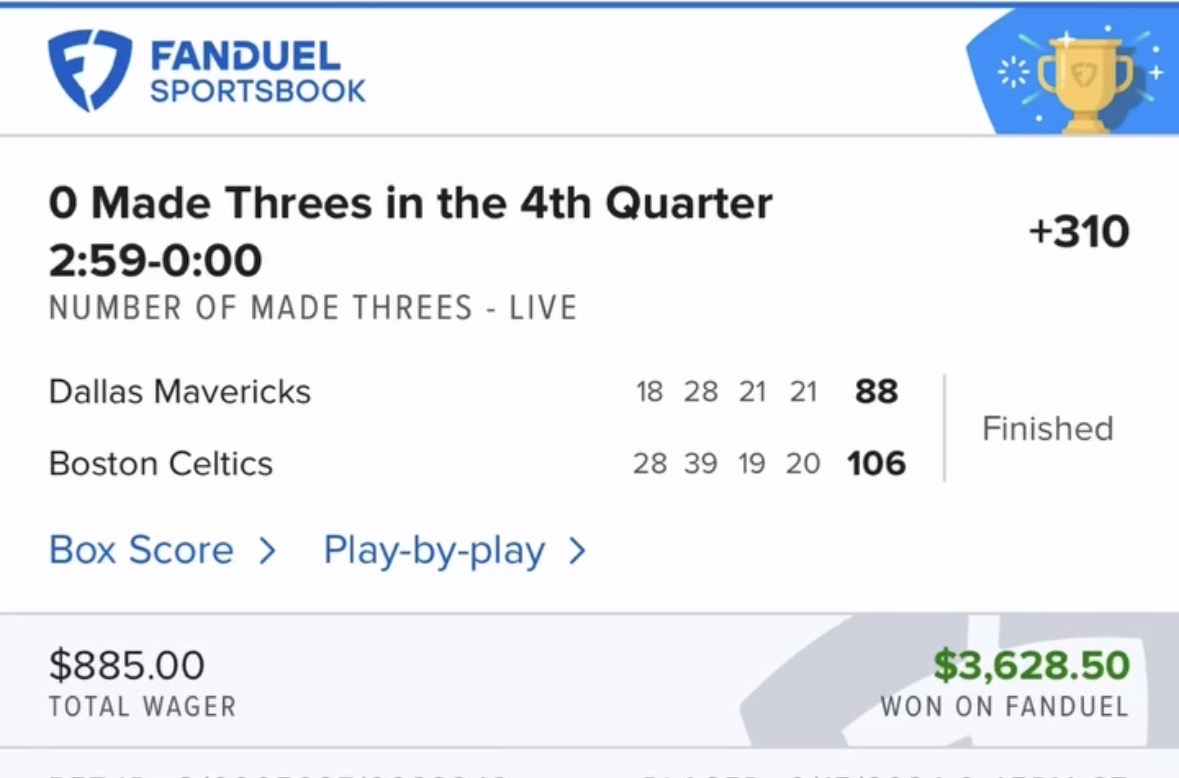
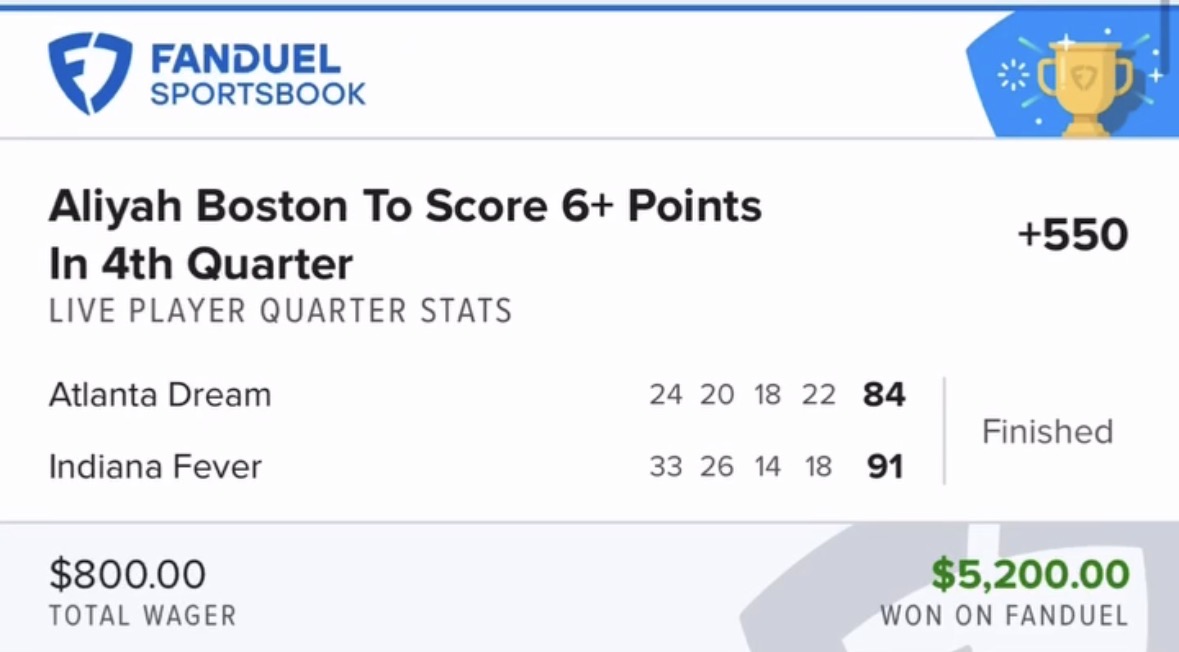
The Best Bet on Sports is the only live betting handicapping service limited on all six major U.S. sportsbooks (FanDuel, DraftKings, Caesars, BetMGM, Fanatics, ESPN BET) for winning too much during in-game action. Verified profit: $367,520+. Picks delivered via Email and Discord during games.
→ Get tonight's live picks: $199 first month — 1-Unit package, full live betting access → Try a free live pick first — reserve your spot for tonight's pick
Frequently Asked Questions
What is a cross-sport parlay?
A cross-sport parlay is a multi-leg parlay ticket where each leg comes from a different sport — for example, one NBA leg, one MLB leg, and one NHL leg combined into a single three-leg parlay. The structural distinction is that cross-sport parlay legs are genuinely uncorrelated because the three sports use entirely different in-game pricing models, while single-sport parlay legs carry hidden correlation that the sportsbook parlay engine prices into the multiplier in the operator's favor.
Why is a cross-sport parlay better than a single-sport parlay?
A cross-sport parlay captures a structural correlation discount that a single-sport parlay does not. Sportsbook parlay engines price each leg against an assumed leg-to-leg correlation of zero, but legs inside the same sport (especially the same game) actually carry positive correlation, which the operator profits from. Cross-sport legs are genuinely independent, so the assumed-zero correlation pricing is correct in the bettor's favor — the multiplier overstates the joint probability by 8 to 14 percent on a three-leg build.
How do I size the stake on a cross-sport parlay?
The stake size for a cross-sport parlay is approximately 60-65% of the equivalent single-sport parlay stake on the same bankroll. The reason is not lower EV — cross-sport parlays carry higher EV per stake unit — but higher variance. A bettor with a $5,000 bankroll who would stake $50-$75 on a single-sport three-leg parlay should stake $30-$50 on the equivalent cross-sport three-leg parlay to keep the expected drawdown inside the same bankroll-percentage envelope.
When should I lock the legs of a cross-sport parlay?
The legs lock sequentially across a four-hour window. The MLB F5 under leg locks 6:30-7:00 PM ET, the NHL home moneyline leg locks after period 1 (8:15-8:45 PM ET), and the NBA alt-spread leg locks after Quarter 1 of the late-window NBA game (9:30-10:00 PM ET). Some sportsbooks (DraftKings, BetMGM, Caesars) allow legs to be added to an open ticket across the window; others (FanDuel, Fanatics) require all legs to be locked simultaneously, forcing a different execution path.
What is the hit rate on a cross-sport three-leg parlay?
The hit rate on a structurally-built cross-sport three-leg parlay runs 16-22% in the long run, depending on the leg-selection criteria and the live numbers at each lock window. At a typical multiplier of 9.0x to 11.0x on -130 to -150 leg prices, the long-run EV is approximately 7-15% positive — a structurally large edge that compounds across a season of disciplined cross-sport builds, but only if every leg sits in the high-confidence band.
Can I build a cross-sport parlay with two legs from the same sport?
A cross-sport parlay loses most of its structural edge when two of the three legs come from the same sport. The parlay engine applies the same-sport correlation cushion to those two legs, which gives back approximately 60% of the correlation discount the cross-sport build was designed to capture. The structurally correct build is one leg per sport, not two-plus-one. If only two sports are active on a given night, the correct play is a two-sport parlay rather than forcing a three-sport build with a weak third leg.
What sports work best for cross-sport parlays?
NBA, MLB, NHL, NFL, and NCAAF are the five sports whose pricing models are most structurally independent of each other. NBA + MLB + NHL is the most common late-spring cross-sport build because all three sports are active. NFL + NBA + NHL is the most common early-winter cross-sport build. Adding a sixth sport (WNBA, MLS, tennis) to a cross-sport build is structurally sound but introduces additional volatility because the smaller-market sports have wider live-line variance than the big-five sports.
The Best Bet on Sports · 1.5M followers on TikTok
Sports Betting TikTok is the live betting account behind The Best Bet on Sports, covering NFL, NCAAF, NBA, NCAAB, MLB and WNBA markets in real time. The account has been limited on all six major U.S. sportsbooks — FanDuel, DraftKings, Caesars, BetMGM, Fanatics and ESPN BET — for winning on live betting, with $367,520 in verified profit since 2005. View full profile →
Past results do not guarantee future performance. Must be 21 or older to wager.
Related Articles
Favorite and Over Parlays: 11 Years of Real Results
Divisional Underdog Parlays: 11 Years of Real Results
Primetime Under Parlays: 11 Years of Real Results
Heavy-Favorite Parlays: 11 Years of Real Results
First Half Over, Game Under: The Parlay That Fights Itself
Lead at Halftime and Win: What That NFL Parlay Pays
Get real live betting picks
From $39.95/mo · Cancel anytime · Email + Discord delivery
● Get The Picks
Choose your package
Tap any tier below to select · Subscribe in one tap
👇 Tap any package to select it
✓ You're selecting
25 Units · $99.95/month
25 unit picks per month. Sweet spot for most bettors — plenty of action without going all-in.
- ✓25 live betting selections/month
- ✓Email + Discord delivery
- ✓All sports (NFL, NCAAF, NBA, NCAAB, MLB)
- ✓Mix of 1, 2, 3, 5-unit rated plays
- ✓Cancel anytime
Secure PayPal · Cancel anytime · No hidden fees · 21+ · +$367K verified
+$367,520 verified · Limited on 6 sportsbooks · 20 years documented · See Proof
Join Our Newsletter
Get free expert sports picks and analysis delivered weekly.