Lu Dort Traded to the Hawks: What It Means for Betting

Oklahoma City traded Lu Dort to Atlanta on July 19 in a three-team deal that sent Zaccharie Risacher to Dallas. The move barely touched championship futures, and that is the interesting part — it is a salary-driven trade, and salary-driven trades move betting markets differently than talent-driven ones do.
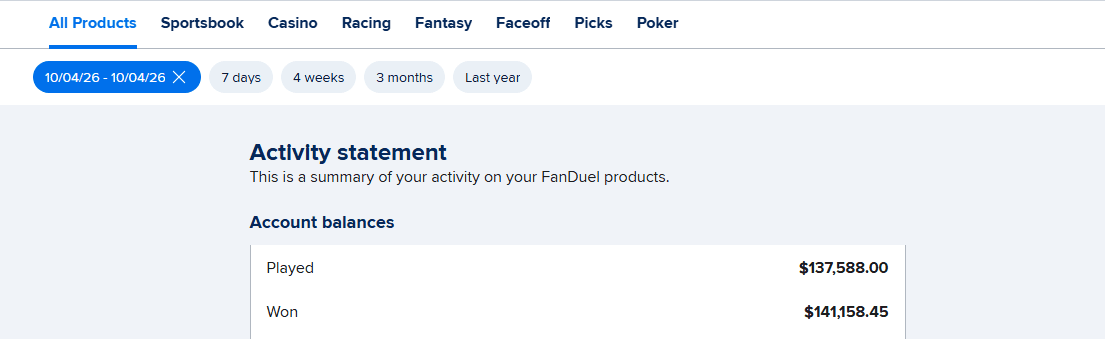
The Thunder traded Luguentz Dort to the Atlanta Hawks on July 19 in a three-team deal that also sent former No. 1 overall pick Zaccharie Risacher to Dallas, and the betting markets responded to a starter on the defending-era favorite changing teams with something close to a shrug. That reaction is correct, and understanding why is worth more than the trade itself. The Best Bet on Sports has built a verified profit of $367,520+ across more than twenty years — enough that all six major U.S. sportsbooks have limited our accounts — and one of the most reliable ways bettors give money back in July is by treating every transaction as a referendum on a team's season. Most are not. This one is a balance-sheet move, and balance-sheet moves have to be read differently than talent moves.
Here is what actually changed, what did not, and where the consequences of a trade like this show up on a betting board months from now.
What Was the Trade?
The deal was reported on July 19, 2026, and moved pieces among three teams.
| Team | Received |
|---|---|
| Atlanta Hawks | Luguentz Dort, Ryan Nembhard |
| Dallas Mavericks | Zaccharie Risacher |
| Oklahoma City Thunder | Three second-round picks (2027 Chicago via Dallas; 2031 and 2032 most favorable from Atlanta) |
Dort is 27, went undrafted in 2019, and spent all seven of his NBA seasons in Oklahoma City. He averaged 8.3 points and 3.6 rebounds in 69 games last season and 11.6 points and 3.8 rebounds across his career, and he was named to the All-Defensive First Team in 2025. He was a rotation staple on the Thunder team that won the title in 2024-25.
Oklahoma City had picked up his $17.7 million team option, and moving him created a roughly $17 million trade exception. The larger context is that the Thunder shed approximately $200 million this offseason across the Dort, Isaiah Joe, and Aaron Wiggins trades, and the result is that the team is now under the second apron.
Thunder general manager Sam Presti was direct about the motive, describing it as a financial decision and saying the savings generated this summer would be reallocated to future teams.
That quote is the whole story, and it is the reason the betting board barely moved.
Why Did the Futures Market Not React?
At the time of the trade, the Thunder and Spurs were co-favorites for the 2026-27 title at +270 at DraftKings, with Atlanta around +8000 and Dallas around +20000. Those numbers did not undergo the kind of repricing you would expect from a title contender losing an All-Defensive First Team wing. Odds move constantly and vary by sportsbook — confirm current numbers before betting anything.
Three reasons, and they generalize well beyond this trade.
The market had already priced the mechanism. Oklahoma City's second-apron problem was public information for months. Anyone pricing the Thunder's 2026-27 season understood that the roster would be thinned by cap arithmetic, and futures numbers had absorbed that expectation before a specific name was attached to it. When a trade confirms something the market already assumed, it produces no movement. This is one of the most underappreciated facts about betting on news: the trade is not the information — the surprise is the information.
Role-player value is compressed in futures markets. A championship future is a bet on a full season plus four playoff rounds. That is a long, noisy path, and the marginal effect of one high-quality defensive wing on a deep roster is small relative to the noise. Futures prices are blunt instruments; they respond to superstar movement and to injuries, and they largely ignore everything in between.
Nobody involved got better in a way that changes their tier. Atlanta added a genuinely good defender and did not become a contender by doing it. Dallas took a buy-low swing on a 21-year-old former No. 1 pick, which is a bet on 2028, not 2027. Oklahoma City lost real minutes and remains the deepest roster in the league. All three teams stayed in the tier they were already in, and futures markets are essentially tier-sorting machines.
Where the Trade Actually Matters for Bettors
The consequences of a move like this do not show up in the championship market. They show up in narrower, later, more specific numbers — and understanding that is the difference between reacting to news and using it.
Atlanta's defensive profile. The Hawks now pair Dort with Dyson Daniels and Nickeil Alexander-Walker, which is an unusual concentration of perimeter defensive talent on one roster. Team defensive improvement is one of the few things that reliably moves totals, and totals are priced game by game rather than once in July. If that group functions as its parts suggest, the bettable consequence is Atlanta game totals and opponent team totals in November and December, not an Atlanta futures ticket in July.
Oklahoma City's rotation depth. Losing Dort, Joe, and Wiggins in one summer removes a meaningful amount of proven rotation minutes. That rarely matters against bad teams and matters considerably in playoff series and in the second night of back-to-backs. It is a live-betting variable more than a season-long one.
Neither team's win total is a knowable edge yet. Preseason win totals are among the widest-margin, lowest-limit markets on the board, which is a structural fact worth internalizing before betting any of them — the same dynamic we described in our look at how camp news moves NFL win totals. A July NBA future is priced on projection, not evidence, and there is no evidence available in July.
Talent Trades vs. Salary Trades: How to Tell Them Apart
This is the transferable lesson, and it is worth more than any single transaction.
| Talent-driven trade | Salary-driven trade | |
|---|---|---|
| Stated motive | Fit, contention, a competitive window | Cap flexibility, apron avoidance, future assets |
| Return | Players and first-round picks | Second-round picks, exceptions, expiring salary |
| Market reaction | Immediate futures movement | Little or none |
| Where the effect appears | Futures, win totals, tier reshuffling | Game totals and rotation-dependent props, months later |
| Common bettor error | Overreacting to the name | Assuming no reaction means no consequence |
The Dort trade sits firmly in the right column. The return was three second-round picks and a trade exception. The general manager said out loud that it was a financial decision. When a team trades a quality starter for second-rounders and describes the motive as savings, it is telling you the transaction was about the books.
The common error here is symmetrical. Some bettors see a recognizable name change teams and assume the market must be wrong not to move. Name recognition and roster impact are different things, and confusing them is one of the most reliable ways to lose money in NBA betting. Others see no movement and conclude nothing happened. Both are wrong in the same way: they are looking for the consequence in the wrong market. A salary trade's effect is real but it is distributed across eighty-two game-level numbers, not concentrated in one futures price.
What Would Actually Move These Numbers?
If you are watching the NBA board through the rest of the offseason, the events that genuinely reprice teams are a short list: a star injury, a star trade request, a signing that changes a team's tier, or a return date on a player already hurt. Everything else is roster texture.
The corollary matters for anyone tempted to bet July NBA futures: you are betting into a market with wide margins, low limits, and months of unknowable events between your bet and its resolution. Money placed in July is money you cannot use in November, when the same market will be priced against actual evidence and you will know which of these summer moves mattered.
That is not an argument against betting the NBA. It is an argument about when, and it is the same logic behind our preference for in-game markets generally: the fastest, most reliable information about a basketball team arrives while it is playing basketball, and live markets are where you can act on it. A team's defensive identity — the exact thing Atlanta just bought — is visible within a quarter of watching, long before season-long numbers adjust to it. That is the structural case for live betting over pre-game picks, and it applies with particular force to a roster whose new profile has never played a game together.
Whatever you conclude about this trade, size it against a plan rather than a feeling — the approach in our bankroll management framework applies to futures more than to anything else on the board, because futures tie up money for months.
That same logic carries over to the Ja Morant trade betting impact, which covers the adjacent setup in detail.
For a closer look at this angle, our breakdown of the Kawhi Leonard trade betting impact picks up where this leaves off.
Get Tonight's Live Picks
Want tonight's live in-game picks delivered to your phone via Email and Discord during the game?
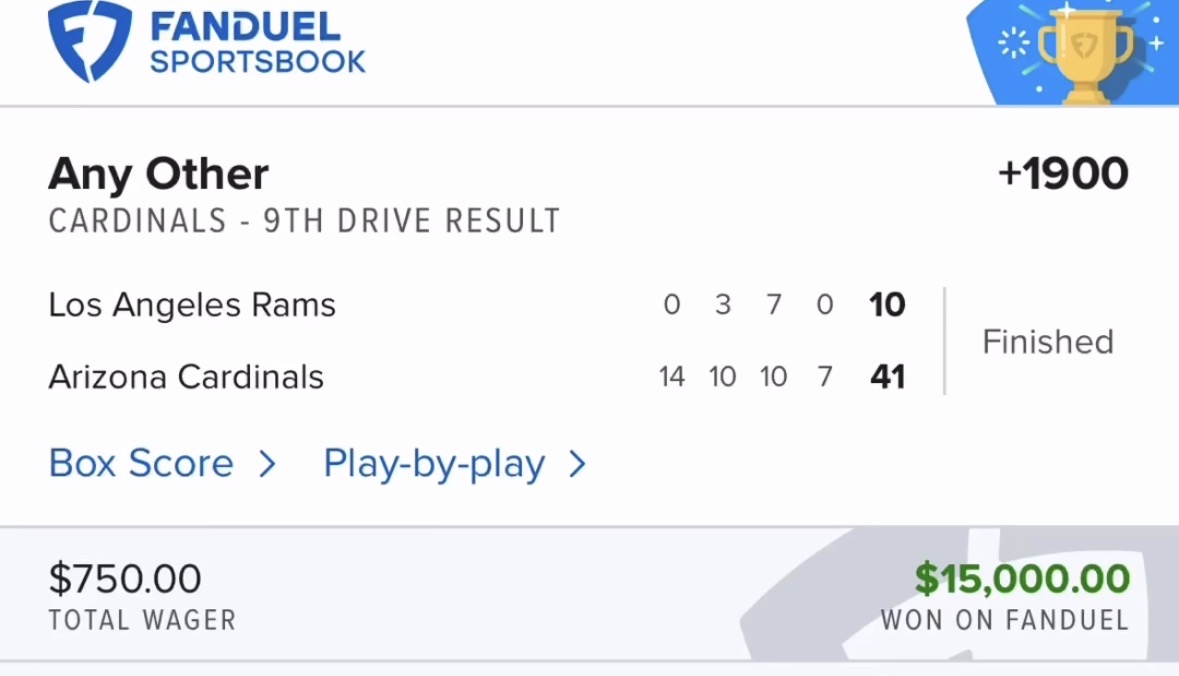
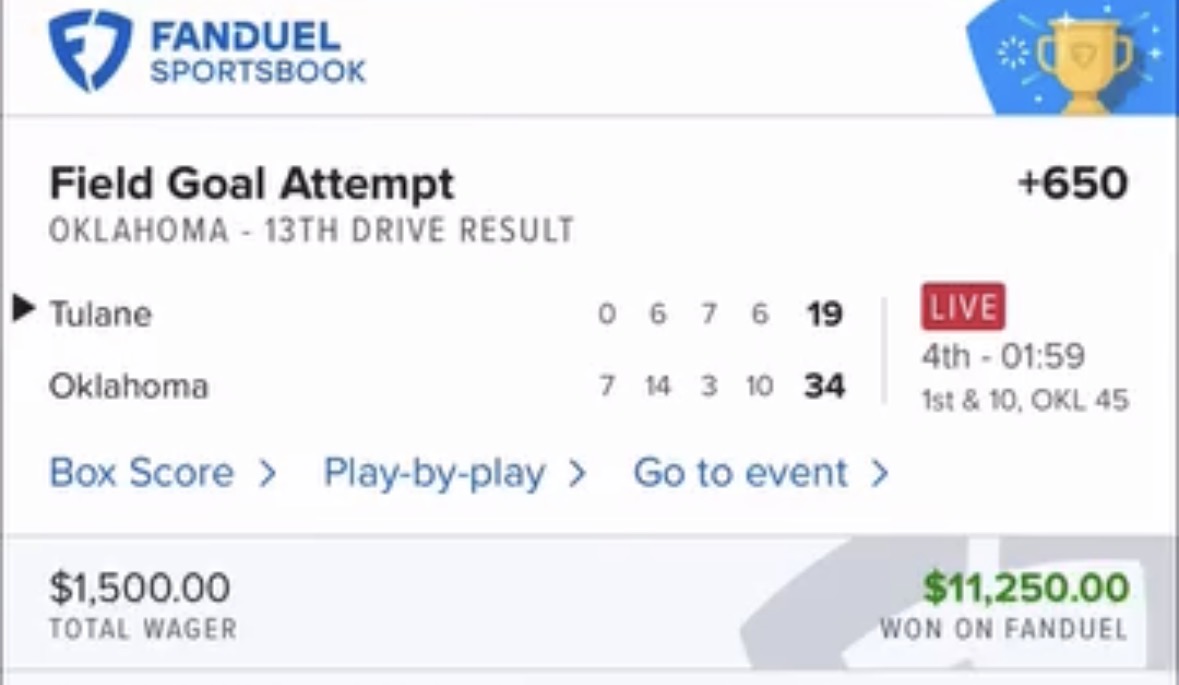
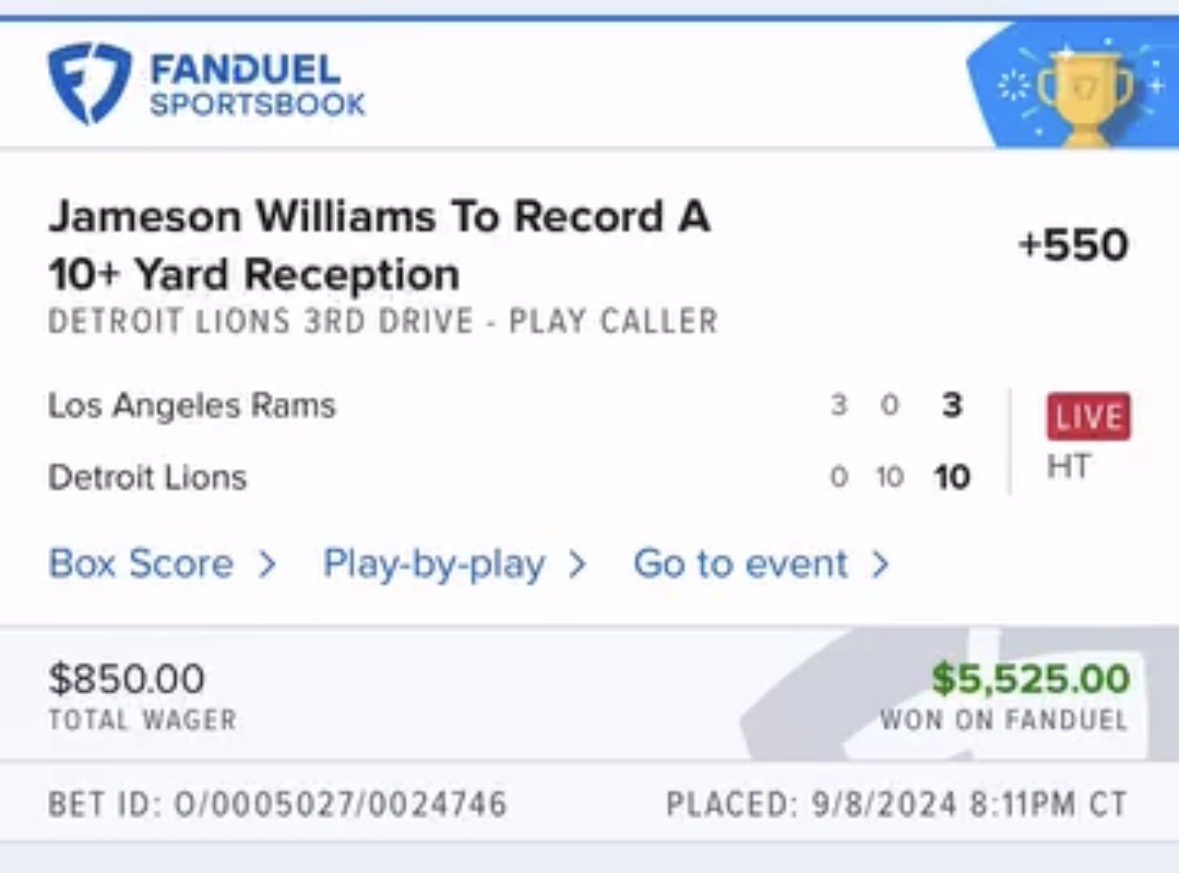
The Best Bet on Sports is the only live betting handicapping service limited on all six major U.S. sportsbooks (FanDuel, DraftKings, Caesars, BetMGM, Fanatics, ESPN BET) for winning too much during in-game action. Verified profit: $367,520+. Picks delivered via Email and Discord during games.
→ Get tonight's live picks: $199 first month — 1-Unit package, full live betting access → Try a free live pick first — reserve your spot for tonight's pick
Frequently Asked Questions
What was the Lu Dort trade?
On July 19, 2026, the Oklahoma City Thunder traded Luguentz Dort to the Atlanta Hawks in a three-team deal. Atlanta also received Ryan Nembhard, the Dallas Mavericks received former No. 1 overall pick Zaccharie Risacher, and Oklahoma City received three second-round picks — a 2027 Chicago pick via Dallas plus the most favorable 2031 and 2032 picks from Atlanta. The Thunder also created a trade exception of roughly $17 million.
Why did Oklahoma City trade Lu Dort?
Money. The Thunder shed approximately $200 million this offseason through the Dort, Isaiah Joe, and Aaron Wiggins trades, which moved the team under the second apron and its associated roster-building restrictions. General manager Sam Presti described the move as a financial decision and said the savings would be reallocated to future teams, which is an unusually direct statement of motive from a front office.
Did the trade change NBA championship odds?
Barely. At the time of the trade the Thunder and Spurs were co-favorites for the 2026-27 title at +270 at DraftKings, with Atlanta near +8000 and Dallas near +20000, and none of those numbers underwent significant repricing. Futures markets had already absorbed the expectation that Oklahoma City would shed salary, so a trade that confirmed a known constraint provided no new information to price. Odds vary by sportsbook and move constantly.
Does Lu Dort make the Hawks a contender?
No, and the market's reaction reflects that. Dort is a genuinely valuable defender — an All-Defensive First Team selection in 2025 — and pairing him with Dyson Daniels and Nickeil Alexander-Walker gives Atlanta an unusual concentration of perimeter defense. But one high-quality role player does not move a team between tiers, and Atlanta preserved over $40 million in cap space for the summer of 2027, which suggests the front office is building toward a later window.
How should bettors read a salary-driven trade?
Look for the return and the stated motive. A trade that brings back second-round picks, trade exceptions, or expiring salary — and that a front office describes in financial terms — is a balance-sheet move, not a competitive one. Those trades rarely move futures markets, but their effects are real and appear later in game-level numbers like totals and rotation-dependent props once the season provides evidence.
Should you bet NBA futures in July?
It is among the least favorable times to do it. Offseason futures markets carry wide margins and low limits, they are priced on projection rather than evidence, and months of unknowable events sit between the bet and its resolution. Money committed in July is unavailable in November, when the same markets will be priced against actual games and you will know which summer moves mattered.
Where does a trade like this show up on a betting board?
In game totals and opponent team totals during the season, not in the championship market. If Atlanta's new defensive group performs the way its individual parts suggest, the consequence is lower-scoring Hawks games in November and December — a game-by-game number that adjusts as evidence accumulates. Oklahoma City's reduced rotation depth is similarly a back-to-back and playoff-series variable rather than a season-long one.
The Best Bet on Sports · 1.5M followers on TikTok
Sports Betting TikTok is the live betting account behind The Best Bet on Sports, covering NFL, NCAAF, NBA, NCAAB, MLB and WNBA markets in real time. The account has been limited on all six major U.S. sportsbooks — FanDuel, DraftKings, Caesars, BetMGM, Fanatics and ESPN BET — for winning on live betting, with $367,520 in verified profit since 2005. View full profile →
Past results do not guarantee future performance. Must be 21 or older to wager.
Related Articles
2026 NBA Free Agency: How the Title Odds Are Moving
DeMar DeRozan Hits Free Agency: How the Betting Lines Move
NBA Free Agency Opens Tonight: LeBron's Lakers-or-Warriors Decision Headlines a Wild Night
Jaylen Brown Traded to the 76ers: How the Lines Move
Kawhi Leonard Traded to the Raptors: How the Betting Lines Move
Ja Morant Traded to the Blazers: How the Betting Lines Move
Get real live betting picks
From $39.95/mo · Cancel anytime · Email + Discord delivery
● Get The Picks
Choose your package
Tap any tier below to select · Subscribe in one tap
👇 Tap any package to select it
✓ You're selecting
25 Units · $99.95/month
25 unit picks per month. Sweet spot for most bettors — plenty of action without going all-in.
- ✓25 live betting selections/month
- ✓Email + Discord delivery
- ✓All sports (NFL, NCAAF, NBA, NCAAB, MLB)
- ✓Mix of 1, 2, 3, 5-unit rated plays
- ✓Cancel anytime
Secure PayPal · Cancel anytime · No hidden fees · 21+ · +$367K verified
+$367,520 verified · Limited on 6 sportsbooks · 20 years documented · See Proof
Join Our Newsletter
Get free expert sports picks and analysis delivered weekly.