NBA Conference Finals Coaching Adjustments Betting: Series Pivot Points and ATS Edge in May 2026

NBA Conference Finals coaching adjustments create the largest in-series betting edges of the playoffs because rotation changes, defensive matchup pivots, and out-of-timeout play design shift price expectations faster than the market can fully reprice. The Best Bet on Sports breaks down how to identify pivot points, which adjustments matter most, and how to translate Game 1 and Game 2 reactions into Game 3 and Game 4 ATS value in May 2026.
NBA Conference Finals coaching adjustments are the single largest in-series betting variable in the playoffs because rotation pivots, defensive matchup changes, and out-of-timeout play design shift game-to-game expectations faster than the market reprices, and the bettor who maps the adjustment correctly between Game 1 and Game 2 captures meaningful ATS value on Game 3, Game 4, and live spreads. Across 20+ years and a verified +$367,520 in tracked profit, The Best Bet on Sports has built a framework for reading coaching pivots in postseason series, and the Conference Finals are where that framework produces the highest-yield reads of the calendar year. Jake Sullivan, Senior Sports Analyst, walks through the pivots that matter, the ones that do not, and how to translate them into May 2026 ATS edges.
By the time a series reaches the Conference Finals, both coaching staffs have spent two rounds proving they can execute a game plan under postseason pressure. The remaining variable is how quickly each staff adjusts to what the other is doing, and that variable is where the market consistently lags. Our NBA picks framework treats coaching adjustment reads as a primary input from Game 2 onward.
What Counts as a Real Coaching Adjustment in a Playoff Series?
A real coaching adjustment in an NBA playoff series is a structural change to rotation, defensive scheme, or offensive set design that meaningfully shifts the matchup expectation for the next game. It is not a single play call, a single substitution pattern in one quarter, or a postgame quote. The market often reacts to surface signals that look like adjustments but produce no measurable shift in scoring rate, possession quality, or matchup advantage.
Five categories of adjustments tend to produce real ATS movement:
- Rotation expansion or contraction, especially shortening to an eight-man rotation or extending to ten in response to foul trouble patterns
- Primary defender changes on the opposing star, including switch-everything looks versus drop coverage versus full-on doubles
- Pick-and-roll coverage changes, particularly the move from drop to high hedge or to switch
- Out-of-timeout (ATO) play design and frequency, including sideline out-of-bounds variations
- Closing-lineup composition, especially the choice of fifth man between a stretch four and a defensive specialist
Adjustments that look meaningful but rarely move the next game's number include single-player benchings driven by foul trouble alone, post-loss locker-room quotes, and changes that revert mid-game when the score tightens. Reading the difference between a structural change and a one-game blip is the central skill of in-series betting.
How Do Coaching Adjustments Move the Next Game's Spread?
Coaching adjustments move the next game's spread through three primary mechanisms: pace shifts, matchup re-leveraging, and free-throw rate changes. Each mechanism translates into measurable point swings.
| Adjustment Type | Typical Spread Impact | Detection Window |
|---|---|---|
| Switch to drop coverage on PnR | 1.5 to 2.5 points | First half of next game |
| Rotation contraction to 8 | 1.0 to 2.0 points | First quarter of next game |
| Closing-lineup change | 1.5 to 3.0 points in fourth quarter | Fourth quarter only |
| Primary defender swap on star | 2.0 to 3.5 points | First half of next game |
| ATO frequency increase | 0.5 to 1.5 points | After-timeout possessions only |
These figures reflect tracked outcomes across recent Conference Finals series rather than published market estimates. The market typically prices the most visible adjustments — a primary defender swap on the opposing star, for example — within hours of a press conference confirmation. The less visible adjustments — ATO frequency, closing lineup composition — often remain mispriced into game time, and that gap is where the bettor finds value. Our NBA betting framework focuses on the less visible adjustments specifically because they carry the residual edge.
Which Conference Finals Game Carries the Most Adjustment Value?
Game 3 carries the most coaching adjustment value of any game in a Conference Finals series. The reason is structural: Game 1 and Game 2 establish baseline matchups, the venue change between Game 2 and Game 3 introduces road-court variables, and the home staff has had two games of film before adjusting their plan in front of their own crowd. Game 3 spreads consistently price these adjustments incompletely.
Three patterns repeat in Conference Finals Game 3s:
1. Home underdog overperformance. When a road team has won both of the first two games, the home Game 3 underdog tends to outperform the spread because the home staff makes structural adjustments that the road staff has not yet seen on tape.
2. Road favorite regression. When a road favorite has dominated Game 1 and Game 2, the Game 3 spread tends to under-account for how much the home staff can disrupt with adjustments. Road favorites of seven or more on Game 3 of Conference Finals series have a multi-decade ATS record well below 50%.
3. Total adjustments. Coaching adjustments often slow pace as both staffs introduce more deliberate play calls, more ATOs, and tighter defensive coverage. Game 3 totals tend to play under the closing number more often than not in series where Games 1 and 2 produced shootout pace.
Game 4 is the second-most-valuable adjustment game. By Game 5, most of the structural pivots have been priced and the market efficiency tightens.
How Should Bettors Track Coaching Adjustments in Real Time?
The applied framework for tracking adjustments separates signal from noise across four buckets:
1. Rotation tracking. Record the minutes log for every player in every game and flag any player whose minutes shift by 6+ from one game to the next. Especially flag bench rotations expanding or contracting from one game to the next. 2. Coverage tracking. Note the primary pick-and-roll coverage on the opposing star — drop, high hedge, switch, or aggressive show — and flag when the coverage changes mid-game versus when it changes between games. 3. Lineup tracking. Record the closing lineup of every game and the closing lineup of every clutch-time possession (last five minutes, score within five). Flag composition changes between games. 4. ATO tracking. Record every after-timeout possession and the resulting points-per-possession. Flag ATO frequency and quality changes between games.
Bettors who maintain even a basic version of this tracking through the first two games of a Conference Finals series will identify the structural adjustments before the Game 3 spread closes. The discipline is in the tracking, not in interpretation, because the patterns that emerge are usually visible to anyone who has the data in front of them. Our results tracking applies this framework to every postseason series.
Why Is Live Betting the Highest-Edge Application of Adjustment Reads?
Live betting captures coaching adjustment value because the in-game market reprices much more slowly than the pregame market. When a coaching staff implements an adjustment that works in the first quarter of Game 3, the live spread for the second quarter often does not fully reflect the change. The bettor who has tracked the adjustment from the first two games of the series has a live read advantage that closes only as the in-game data confirms the adjustment is sticking.
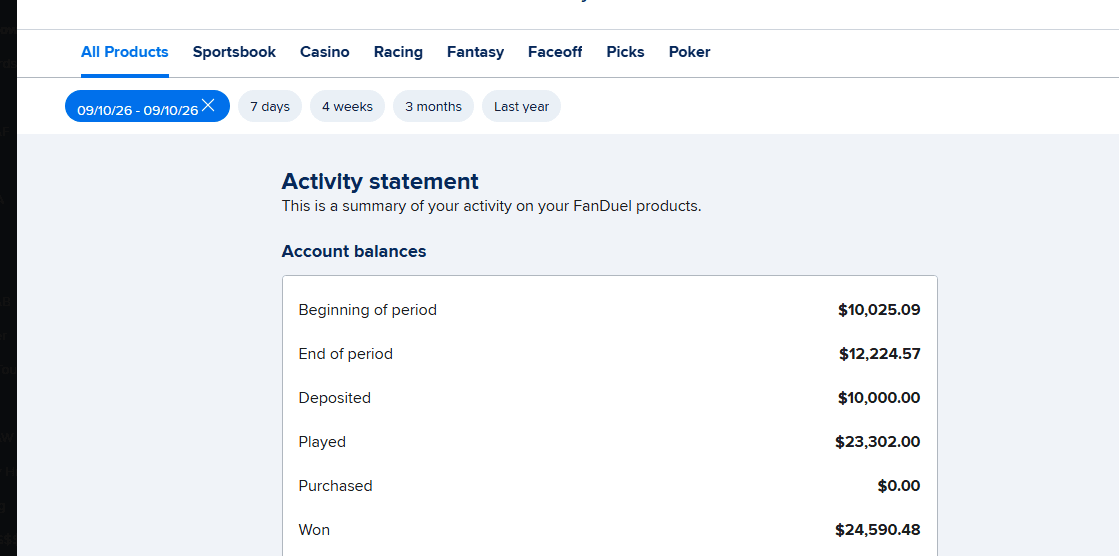
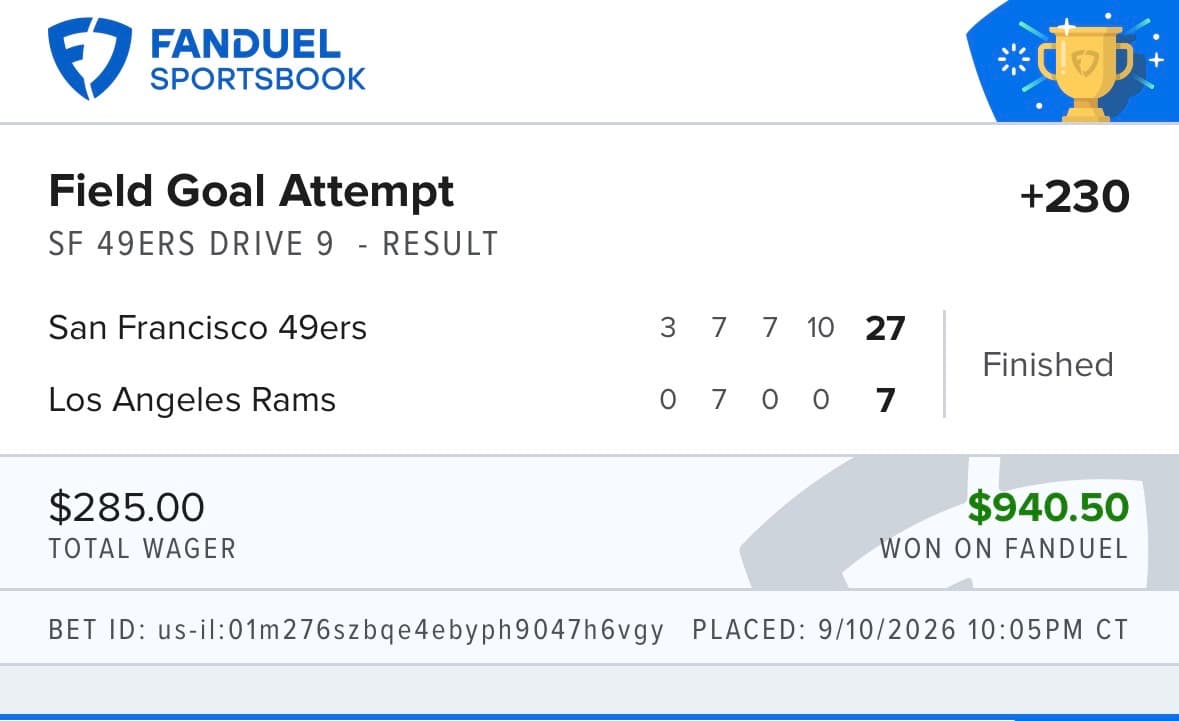
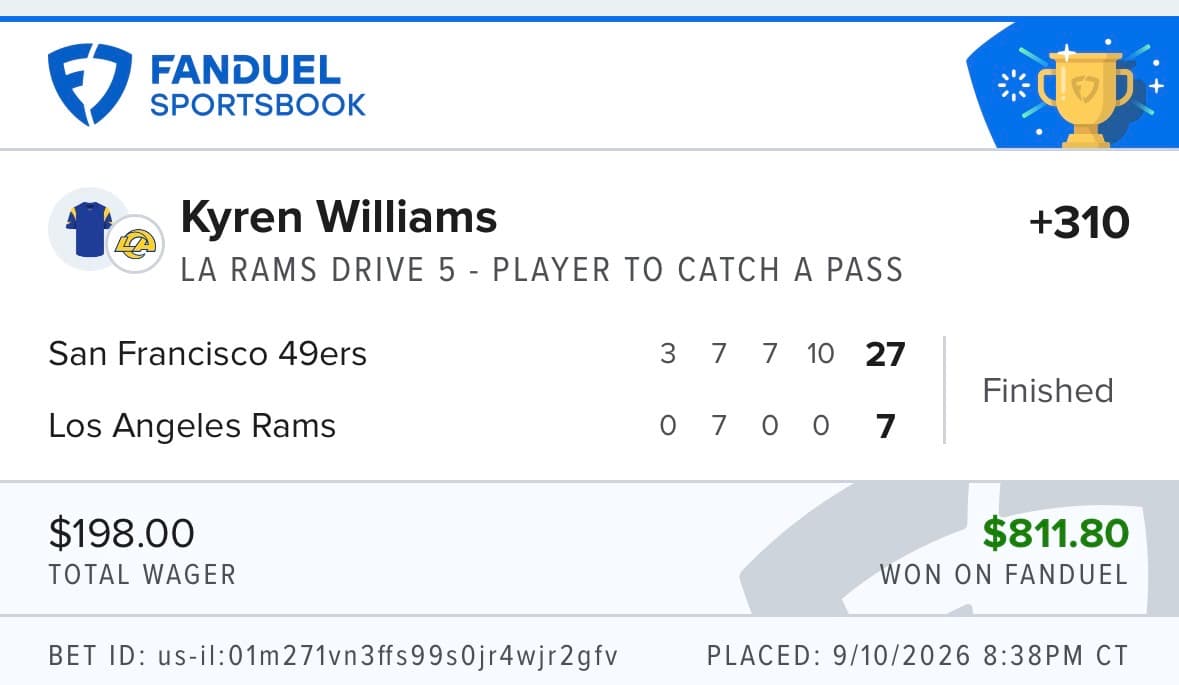
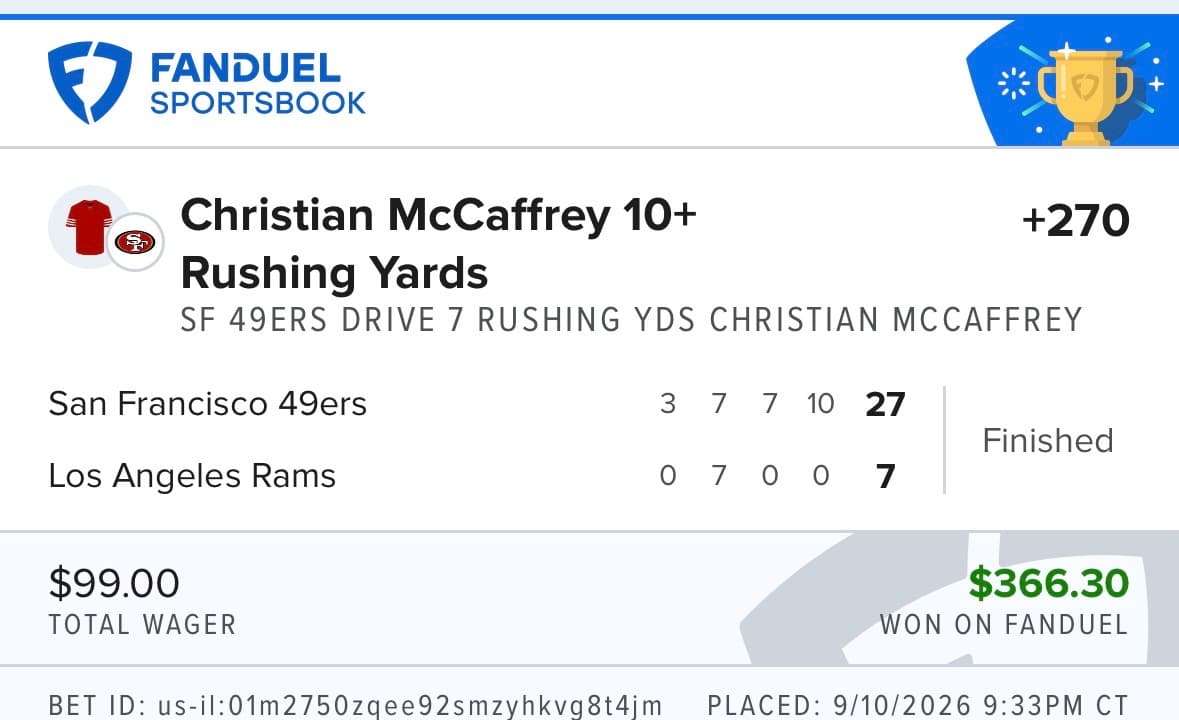
This is one reason The Best Bet on Sports has been limited on all six major U.S. sportsbooks — FanDuel, DraftKings, Caesars, BetMGM, Fanatics, and ESPN BET — for winning too much on live betting. The live markets in postseason series with active coaching adjustments are where the adjustment-reading framework produces its highest-yield results, and the books move limits aggressively when an account demonstrates a sustained edge in those markets.
The applied live betting protocol on adjustment reads:
- Watch the first six possessions after the adjusted coverage is implemented
- Confirm the adjustment is structural, not situational
- Take the live line that prices the adjustment incompletely
- Cap exposure per quarter at half-Kelly or smaller given live-line variance
These rules prevent overbetting on misreads while letting confirmed adjustment reads compound through the series.
What Adjustments Tend to Be Overrated by the Market?
Three adjustment narratives consistently produce mispriced markets in the wrong direction:
- Single benchings. A starter pulled for one game often returns to the rotation in the next game, and the market that prices a permanent benching is reading a temporary one.
- Postgame quotes. A coach saying "we have to do better defensively" rarely translates into a structural change. Quotes are reactions, not strategies.
- Single-game scoring outbursts. A bench player scoring 22 in Game 2 rarely gets the same usage in Game 3, and the prop market that prices Game 3 around the Game 2 outburst is overreacting.
Bettors who fade these narratives find sustained value because the market consistently overreacts to surface signals while underreacting to structural changes. Our sports handicappers team applies this fade specifically in Conference Finals series where the narrative cycle accelerates.
How Does Adjustment Reading Apply to Series Price Markets?
Series price markets reprice slowly between games because they are pricing the full remaining series rather than any single game. A 2-0 series price for the home team often does not move enough between Game 2 and Game 3 to reflect the adjustment value the home Game 3 underdog has just acquired. This creates two recurring opportunities:
1. Live series prices on Game 3 underdogs. Buying the home Game 3 underdog series price pre-game and holding through a Game 3 win can produce significant value if the price has not been adjusted aggressively by the book.
2. Game 4 spread value. A road team that loses Game 3 by adjustment often loses Game 4 against a tightened spread because the adjustment is now priced. Fading the road team's Game 4 spread is a common applied edge.
Both patterns reward bettors who treat Conference Finals series as multi-game adjustment chess matches rather than independent games. Our NBA picks team builds Conference Finals positions accordingly.
Related Strategy Reading
For deeper context on the angles covered above, our analysis of nba conference finals picks and nba conference finals series price betting strategy pairs well with this guide; our NBA handicappers reflect these same principles applied to live games.
Frequently Asked Questions
What are NBA Conference Finals coaching adjustments?
NBA Conference Finals coaching adjustments are structural changes a coaching staff makes between games of a postseason series — including rotation expansion or contraction, primary defender swaps on the opposing star, pick-and-roll coverage changes, closing-lineup composition shifts, and out-of-timeout play design changes. Real adjustments shift the matchup expectation for the next game and the live betting markets within it. Surface adjustments — single benchings, postgame quotes, one-game outbursts — rarely produce structural change.
How much can a coaching adjustment move a playoff spread?
A structural coaching adjustment typically moves the next game's spread by 1.5 to 3.5 points depending on the adjustment type. Primary defender swaps on the opposing star and closing-lineup changes carry the largest impact, followed by pick-and-roll coverage changes and rotation contractions. After-timeout frequency increases produce smaller but real shifts, particularly in tight games where ATO possessions become a meaningful share of total possessions.
Which Conference Finals game has the most adjustment-driven betting value?
Game 3 carries the most coaching adjustment value because the venue change introduces road-court variables, the home staff has had two games of film, and the market often prices these structural pivots incompletely. Game 4 is the second-most-valuable adjustment game. By Game 5 of a Conference Finals series, most structural adjustments have been priced and market efficiency tightens. Game 3 home underdogs and Game 3 road favorites both have multi-decade ATS records that reflect this pattern.
How should I track coaching adjustments during a Conference Finals series?
Track four categories: rotation minutes by player by game, primary pick-and-roll coverage on the opposing star, closing-lineup composition in clutch time, and after-timeout possession frequency and quality. A basic spreadsheet maintained through the first two games of the series will identify the structural adjustments before the Game 3 spread closes. The discipline is in the tracking, not the interpretation — patterns become visible to anyone with the data in front of them.
Why is live betting the best application of coaching adjustment reads?
Live betting markets reprice more slowly than pregame markets, and a coaching adjustment implemented in the first quarter of a game often is not fully reflected in the second-quarter live spread. The bettor with a series-long adjustment tracking framework has a live read advantage that closes only as the in-game data confirms the adjustment is sticking. The Best Bet on Sports has been limited on all six major U.S. sportsbooks specifically for winning too much in live betting markets.
Which adjustment narratives does the market overrate?
Three narratives consistently produce mispriced markets: single-game benchings that get reversed the next game, postgame coach quotes that do not translate into structural change, and single-game scoring outbursts from bench players that get extrapolated incorrectly into the next game's prop markets. Fading these narratives is one of the most reliable contrarian edges in postseason series betting.
How do adjustments affect Conference Finals series prices?
Series price markets reprice slowly between games because they account for the full remaining series rather than any single game. A 2-0 series price for the home team often does not move enough between Game 2 and Game 3 to reflect the adjustment value the home Game 3 underdog has acquired. Two recurring opportunities emerge: live series prices on Game 3 underdogs, and fading the road team's Game 4 spread after a Game 3 adjustment loss now priced into the next game's number.
Senior Sports Analyst, The Best Bet on Sports
Jake Sullivan is a senior sports analyst at The Best Bet on Sports with over 20 years of experience covering NFL, NCAAF, NBA, NCAAB, MLB, and WNBA betting markets. He provides in-depth analysis, betting strategy guides, and expert commentary for the sports betting community. View full profile →
Past results do not guarantee future performance. Must be 21 or older to wager.
Related Articles
Knicks End 53-Year Drought: New York Wins 2026 NBA Title, Brunson Named Finals MVP
Knicks Erase 29 Down in Game 4 — Largest Finals Comeback Ever, Now Up 3-1
Knicks Bring the Finals Home Up 2-0: Can the Spurs Solve the Math Before Game 3 Buries Them?
Knicks Steal Game 1 From the Spurs, Flip the Finals Odds, and Set Up a Must-Win Game 2 in San Antonio
Cavaliers vs Pistons Game 7 Live Betting Strategy: How to Read Elimination-Game Line Movement
NBA Finals Game 3 Bench Rotation Live Betting Strategy May 2026
Get real live betting picks
From $39.95/mo · Cancel anytime · Email + Discord delivery
● Get The Picks
Choose your package
Tap any tier below to select · Subscribe in one tap
👇 Tap any package to select it
✓ You're selecting
25 Units · $99.95/month
25 unit picks per month. Sweet spot for most bettors — plenty of action without going all-in.
- ✓25 live betting selections/month
- ✓Email + Discord delivery
- ✓All sports (NFL, NCAAF, NBA, NCAAB, MLB)
- ✓Mix of 1, 2, 3, 5-unit rated plays
- ✓Cancel anytime
Secure PayPal · Cancel anytime · No hidden fees · 21+ · +$367K verified
+$367,520 verified · Limited on 6 sportsbooks · 20 years documented · See Proof
Join Our Newsletter
Get free expert sports picks and analysis delivered weekly.