The WNBA Playoff Race Is Over. The Seeding Fight Is Where the Money Is

WNBA playoff seeding decides more betting outcomes in late August than the playoff race does, because the eight-team field is effectively settled while the seeds are not. With no first-round byes and a 1-versus-8 bracket, the value of moving up one position is wildly uneven — enormous at two spots on the ladder and close to meaningless at others. That unevenness is a live betting condition, not a pregame system.
WNBA playoff seeding is the variable that decides late-August games, because the eight-team field is essentially settled while the seeds behind it are not. Entering Saturday, August 15, the gap between the eighth-place Dallas Wings at 20-15 and the ninth-place Portland Fire at 14-20 is six games with nine or ten left to play — a door that is closed in every practical sense. Nobody remaining is playing for entry. They are playing for position, and because the 2026 bracket has no first-round byes and pairs the 1 seed against the 8, the value of climbing one rung is drastically uneven from rung to rung. The Best Bet on Sports has run live in-game picks for more than twenty years and posted a verified $367,520+ in profit across all sportsbooks, and the reason this matters is narrow but real: a pregame number prices how good a team is, and it has no field at all for how much this particular game is worth to them.
The market's core question in June and the market's core question in the third week of August are not the same question, and the number does not always notice when they change.
What the Standings Actually Say Right Now
The 2026 regular season runs through September 24, with the playoffs opening September 27. Teams are somewhere between eight and twelve games from the end of a 44-game schedule. Here is the table entering Saturday.
| Pos | Team | Record | Games left | Status |
|---|---|---|---|---|
| 1 | Minnesota Lynx | 28-7 | 9 | Clinched |
| 2 | Golden State Valkyries | 24-9 | 11 | — |
| 3 | Las Vegas Aces | 24-11 | 9 | Clinched |
| 4 | Indiana Fever | 22-12 | 10 | — |
| 5 | Atlanta Dream | 21-12 | 11 | — |
| 6 | New York Liberty | 21-14 | 9 | — |
| 7 | Washington Mystics | 19-14 | 11 | — |
| 8 | Dallas Wings | 20-15 | 9 | — |
| 9 | Portland Fire | 14-20 | 10 | — |
| 10 | Phoenix Mercury | 13-22 | 9 | — |
| 11 | Los Angeles Sparks | 12-21 | 11 | — |
| 12 | Chicago Sky | 12-22 | 10 | — |
| 13 | Toronto Tempo | 10-23 | 11 | — |
| 14 | Connecticut Sun | 8-24 | 12 | Eliminated |
| 15 | Seattle Storm | 7-29 | 8 | Eliminated |
Two things jump out, and they point in opposite directions.
The top of the table is compressed. Seeds two through eight are separated by about four and a half games, which in a 44-game season is nothing. Almost any of those seven teams can finish almost anywhere in that band. Individual form is doing more work than the standings suggest in a race this tight, which is why something like Kelsey Mitchell's 20-game scoring streak functions as a pricing test for the whole market rather than a player-prop curiosity.
The bottom of the playoff line is not compressed at all. Six games between eighth and ninth with nine or ten to play is not a race. Fifteen teams are still on the schedule and seven of them are already playing exhibition basketball with standings attached. That is the condition the rest of this article is about.
The Seeding Ladder Is Not a Gradient
Here is the part that gets flattened whenever a broadcast says a team is "fighting for seeding," as though every position were worth roughly the same as the one below it.
The 2026 format takes the eight best records regardless of conference, seeds them one through eight, and gives nobody a bye. The 8 plays the 1, the 7 plays the 2, the 6 plays the 3, the 5 plays the 4. Round one is best-of-three, the semifinals are best-of-five, the Finals are best-of-seven.
Run that structure against the standings and the reward for climbing changes shape dramatically depending on where you are standing.
| Move | What actually changes | Real value |
|---|---|---|
| 8 → 7 | First-round opponent goes from a 28-7 Minnesota team to the 2 seed | Very large |
| 5 → 4 | You get home court in a best-of-three instead of giving it up | Largest below the top |
| 3 → 2 | Opponent changes from the 6 seed to the 7 seed | Marginal |
| 2 → 1 | Opponent changes from the 7 seed to the 8, plus the top of the bracket | Large, but Minnesota's four-game cushion makes it close to decided |
Two of those rows are worth playing a starter forty minutes in late August. Two of them are not. A team sitting on the 4/5 line and a team sitting on the 2/3 line are both "fighting for seeding," and one of them has a season riding on it while the other is nearly indifferent. In a best-of-three, home court is not a modest edge — it is the difference between needing one road win and needing two.
That is the actual claim of this piece, and it is a small one. Not that the market misprices motivation in general. Only that "playing for seeding" is treated as a single uniform state by almost everyone describing these games, when the structure of the bracket makes it violently uneven — and the specific team in front of you tonight is sitting on either a cliff or a flat spot, which takes about fifteen seconds to check against the table above.
The Teams With Nothing Left Are Not a Fade
The instinct on the seven teams outside the picture is to fade them, and that instinct is wrong for a reason worth being precise about.
On Friday night, Portland — thirteen and a half games out, functionally eliminated — went into Seattle, which is mathematically eliminated with the worst record in the league, and won 84-82. Holly Winterburn put up 20 points, seven rebounds and three steals for Portland. Awa Fam went for 20 and nine for Seattle. Two teams with nothing whatsoever at stake played a two-point game.
That is not an anomaly, it is the mechanism. Removing the stakes does not make a team predictably worse. It makes them less predictable, which is an entirely different property and one that the spread handles poorly and the total handles worse.
What actually changes on a team playing out the string:
- Rotations widen. Players who were at fourteen minutes are at twenty-six.
- Minute caps on veterans appear without warning and sometimes without announcement.
- Late-season development becomes the coaching priority, so a young player gets the fourth quarter regardless of the score.
- Nobody is being ridden. There is no reason to play anyone thirty-eight minutes in a game that decides nothing.
Every item on that list widens the distribution of outcomes rather than shifting its center. And the WNBA amplifies all of it, because rotations are short. In a league where a normal playoff rotation is eight deep, removing one starter's minutes is a far larger share of the team than it would be in a fifteen-man NBA rotation. The same decision that would be a footnote elsewhere is a structural change here.
Why This Is a Live Betting Condition and Not a Pregame System
Here is the honest limitation, stated before the argument rather than after it: motivation is the most over-claimed edge in sports betting. Every bettor believes they can identify a letdown spot. Books have been pricing rest, travel, and dead-rubber games for decades, and they employ people whose entire job is knowing which coach shuts a player down in August. If your plan is to open a slate, find the team with nothing to play for, and bet against them, you are making the single most crowded wager available and the number already contains your entire idea.
The claim here is much smaller and it lives on a different clock.
You cannot know pregame that a coach will pull a starter after eighteen minutes in a game that decides nothing. Nobody publishes that. It is not a scratch, it is not on an injury report, and frequently it is not a decision anyone has made before tipoff. But you can know it at 8:40 p.m., roughly four minutes after it becomes visible, and the total is still trading.
That is the entire asymmetry: on a team with nothing at stake, the most important information about the game is generated during the game. A pregame market has to guess at it. An in-play market has to react to it, and it reacts on a delay, because the model needs several possessions of evidence before it treats a rotation change as real rather than as a rest sequence. That gap is what an in-play position is actually buying, and it is the same structural argument we make about live betting versus pregame picks in every sport — it is just unusually clean in a league with short rotations and seven teams playing for nothing.
The reverse case is equally live and gets less attention. A team on the 4/5 line in a genuinely meaningful game will keep its starters on the floor through a stretch where a normal August team would empty the bench, which means the second-half number built on typical late-season rotation assumptions is wrong in the other direction.
The Detail Almost Nobody Checks: Everyone Has a Different Number of Games Left
Look at the right-hand column of that standings table again.
Connecticut has twelve games remaining. Seattle has eight. Golden State has eleven, Las Vegas has nine. That is a spread of four games in a 44-game season — nine percent of the entire schedule — between teams sitting a few rows apart.
"Games back" quietly assumes both teams have the same denominator. In the middle of the season that assumption is close enough. In the last three weeks it is a real distortion, and it works in both directions: a team with eleven left has more opportunity to climb, and also more schedule compressed into the same calendar window, which means more back-to-backs, more travel and more rest management landing on exactly the games that decide the seeding.
For a bettor, the useful version is simple. Schedule density in the final three weeks is a rotation predictor, and rotation is what an in-game market trades on. A team with eleven games left in the same span another team is playing eight is not just chasing — they are the team more likely to sit somebody, and the one whose in-game rotation is most likely to depart from what the closing number assumed.
What to Do With This Over the Next Five Weeks
Three practical things, and then the caveat that undercuts all of them.
Check which rung the team is on before you check the number. The 4/5 line and the 8 seed's survival are worth real effort. The 2/3 line is worth almost nothing. That is a fifteen-second read off a standings table and it changes how you interpret everything else about the game.
Treat dead games as total-first, side-second. Widened rotations move scoring distributions more reliably than they move margins, and they do it in a direction that is genuinely unknown until you see who is on the floor in the third quarter.
Watch the first four minutes of the second half. That is where an August rotation decision becomes visible, and it is well inside the window where in-play markets are still quoting. The general approach to reading in-game basketball markets is covered in our live betting strategy guide and, for the postseason version of the same problem, in playoff basketball live betting.
And the caveat: none of this is an edge if you are betting into a closed number after the information is public. Books move in-game lines fast, and the same rotation change you noticed is being priced by a model that also noticed. Being right about why a game is unusual and being fast enough to act on it are different skills, and only one of them is worth money. That is also why sustained success in these markets gets accounts restricted quickly — the mechanism is covered in why sportsbooks limit winning live bettors.
One last piece of context on timing. This stretch runs through September 24, and football takes the schedule over two weeks from now. For anyone who bets in-play, the WNBA's final five weeks are the last extended window before every Saturday and Sunday is oversubscribed — a quieter market, shorter rotations, and seven teams whose lineups nobody can forecast. Related structure work is in our WNBA same-game parlay guide, and broader coverage lives on the basketball picks and NBA picks pages.
Get Tonight's Live Picks
Want tonight's live in-game basketball positions delivered to your phone via Email and Discord while the rotations are still changing?
The Best Bet on Sports is the only live betting handicapping service limited on all six major U.S. sportsbooks (FanDuel, DraftKings, Caesars, BetMGM, Fanatics, ESPN BET) for winning too much during in-game action. Verified profit: $367,520+. Picks delivered via Email and Discord during games.
→ Get tonight's live picks: $199 first month — 1-Unit package, full live betting access → Try a free live pick first — reserve your spot for tonight's pick
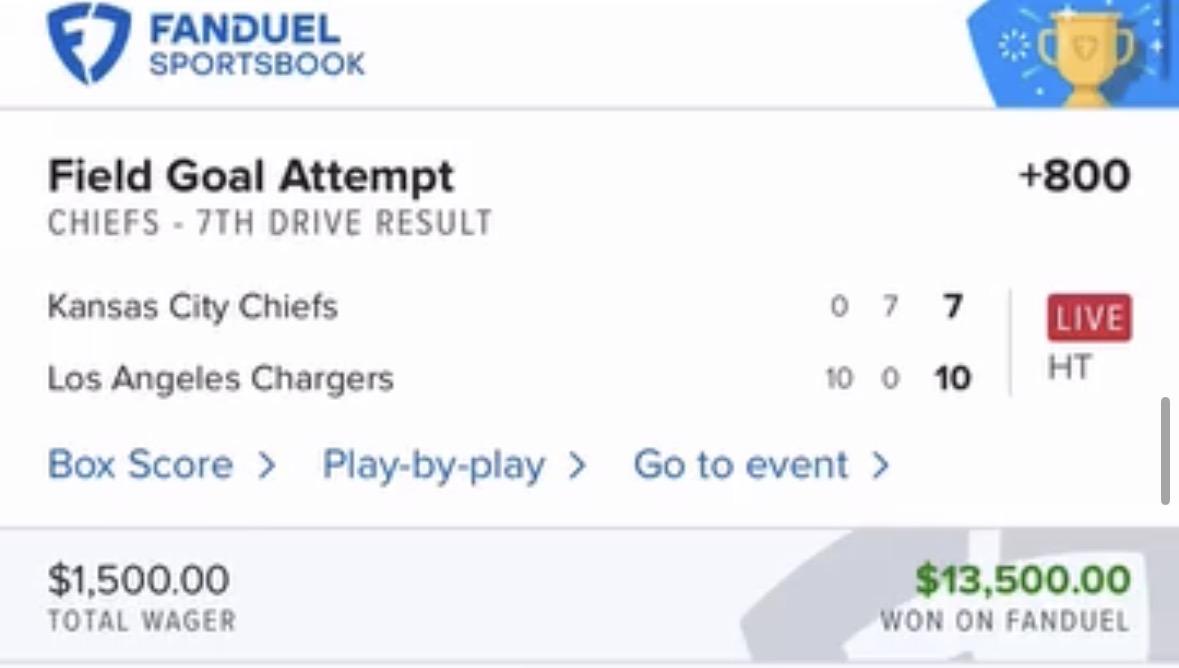
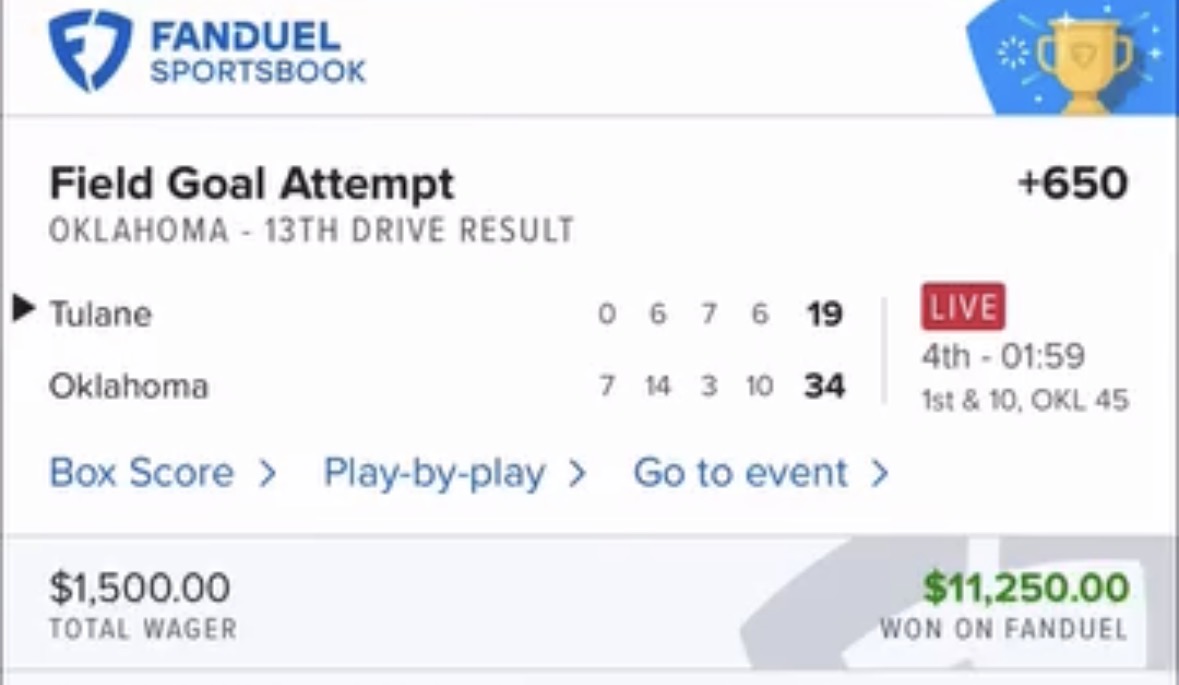
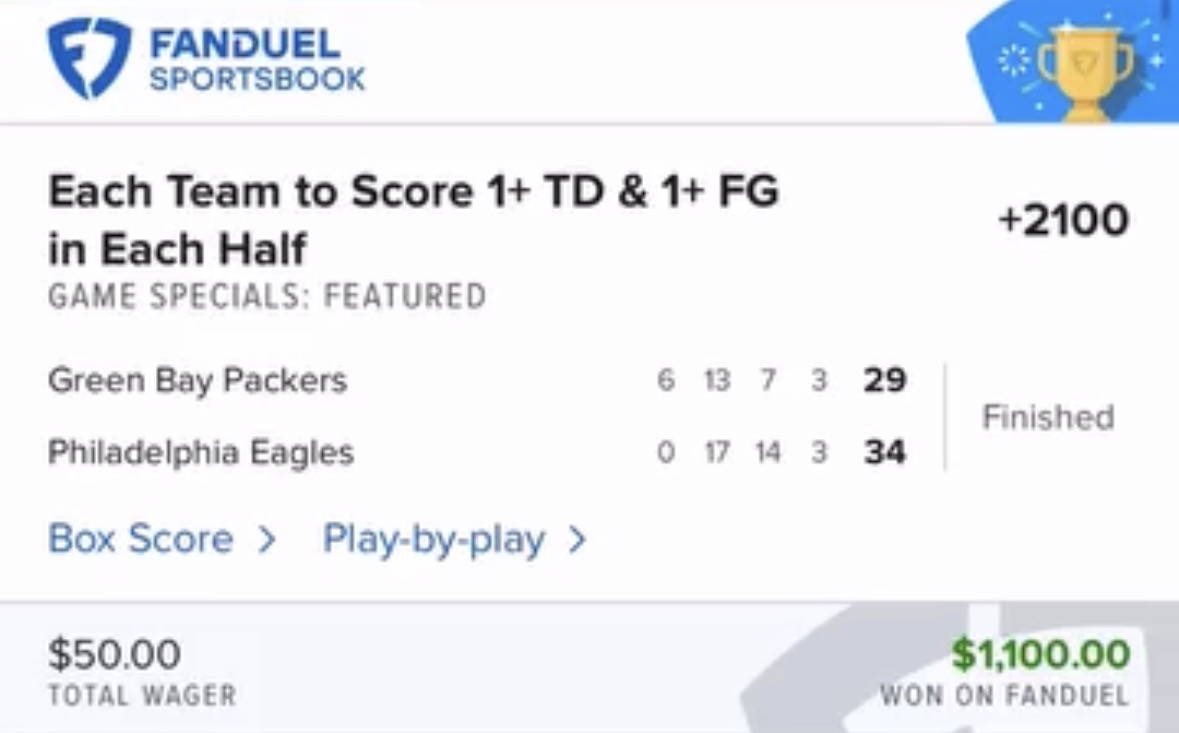
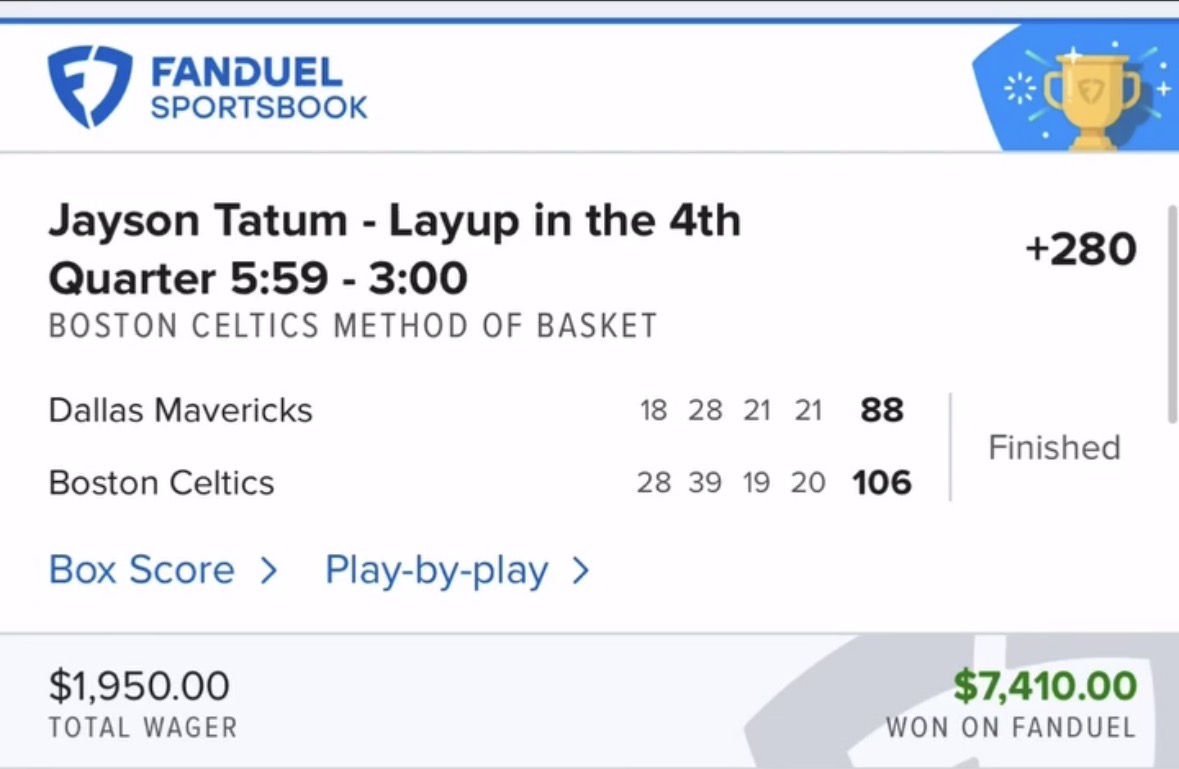
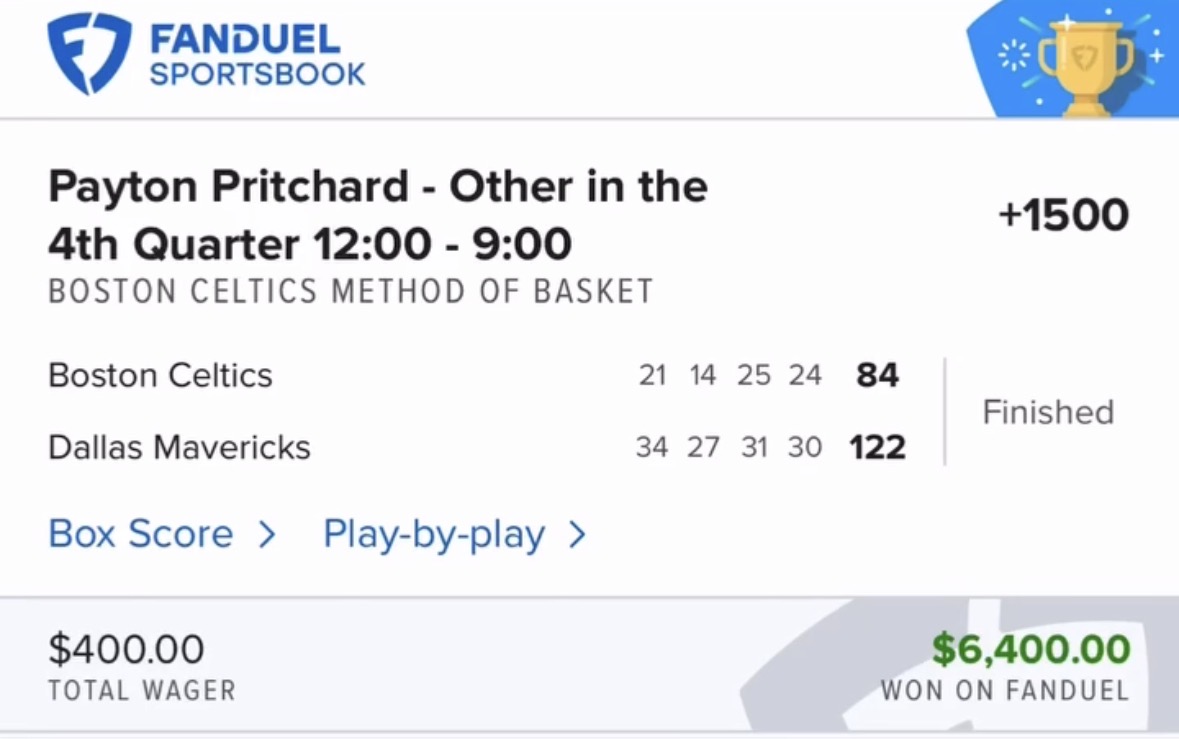
Season-long results are published on the verified results page, and football coverage ahead of the September openers is at NFL picks and college football picks.
Frequently Asked Questions
How does WNBA playoff seeding work in 2026?
The eight teams with the best regular-season records qualify regardless of conference and are seeded one through eight. There are no first-round byes: the 8 seed plays the 1, the 7 plays the 2, the 6 plays the 3, and the 5 plays the 4. The first round is best-of-three, the semifinals are best-of-five, and the Finals are best-of-seven. The regular season ends September 24 and the playoffs begin September 27.
Is the 2026 WNBA playoff field already decided?
Effectively, yes. Entering August 15, eighth-place Dallas at 20-15 leads ninth-place Portland at 14-20 by six games with nine or ten remaining on a 44-game schedule. Minnesota and Las Vegas have clinched berths, and Connecticut and Seattle are mathematically eliminated. The competitive question left is seeding within the top eight rather than who gets in, which is a different question with different betting implications.
Which WNBA seeding positions actually matter for betting?
The 4/5 line matters most below the top, because seeds one through four get home court in a best-of-three — the difference between needing one road win and needing two. The 8 seed's position matters because it determines whether a team opens against the league's best record. The 2/3 line barely matters at all, since it only swaps a 6 seed opponent for a 7 seed. Teams on a cliff play their starters differently than teams on a flat spot.
Should you bet against WNBA teams that are eliminated?
Not as a default. Eliminated teams do not become predictably worse — they become less predictable, which is a different property. Rotations widen, minute caps appear without notice, and young players get fourth quarters regardless of score. That widens the range of outcomes rather than shifting it in one direction, and it affects totals more reliably than sides. Fading eliminated teams pregame is also one of the most crowded angles in betting and is already inside the number.
Why does the end of the WNBA season favor live betting over pregame betting?
Because on a team with nothing at stake, the decisive information is generated during the game rather than before it. A coach pulling a starter after eighteen minutes in a meaningless game is not on any injury report and often is not decided before tipoff. A pregame market has to guess at it; an in-play market reacts to it on a delay, because a model needs several possessions before treating a rotation change as real rather than as a rest sequence.
Why do WNBA rotation changes matter more than NBA rotation changes?
Rotation depth. A typical WNBA playoff rotation runs about eight players, so removing one starter's minutes redistributes a much larger share of the team's total floor time than the same move would in a fifteen-man NBA rotation. A decision that is a footnote in one league is a structural change in the other, and it shows up faster in scoring distributions.
Do all WNBA teams have the same number of games left in August?
No, and the difference is larger than most bettors assume. Entering August 15, Connecticut had twelve games remaining while Seattle had eight — a four-game spread, or roughly nine percent of a 44-game season, between teams a few rows apart in the standings. That matters because "games back" assumes an equal number of games remaining, and because more games in the same calendar window means more back-to-backs and more rest management landing on the games that decide seeding.
The Best Bet on Sports · 1.5M followers on TikTok
Sports Betting TikTok is the live betting account behind The Best Bet on Sports, covering NFL, NCAAF, NBA, NCAAB, MLB and WNBA markets in real time. The account has been limited on all six major U.S. sportsbooks — FanDuel, DraftKings, Caesars, BetMGM, Fanatics and ESPN BET — for winning on live betting, with $367,520 in verified profit since 2005. View full profile →
Past results do not guarantee future performance. Must be 21 or older to wager.
Related Articles
Basketball Betting Tips and Strategy Guide: NBA and College Hoops
NBA Player Prop Picks: How to Find Value in Points, Rebounds, and Assists Lines
Basketball Handicapping Dos and Don'ts: Avoid These Common Betting Mistakes
Basketball Handicapping Tips for NBA and College: A Complete Guide
College Basketball Picks Today: How to Bet NCAAB Games Successfully
NBA Betting Strategy Guide: How to Win More on Basketball Bets
Get real live betting picks
From $39.95/mo · Cancel anytime · Email + Discord delivery
● Get The Picks
Choose your package
Tap any tier below to select · Subscribe in one tap
👇 Tap any package to select it
✓ You're selecting
25 Units · $99.95/month
25 unit picks per month. Sweet spot for most bettors — plenty of action without going all-in.
- ✓25 live betting selections/month
- ✓Email + Discord delivery
- ✓All sports (NFL, NCAAF, NBA, NCAAB, MLB)
- ✓Mix of 1, 2, 3, 5-unit rated plays
- ✓Cancel anytime
Secure PayPal · Cancel anytime · No hidden fees · 21+ · +$367K verified
+$367,520 verified · Limited on 6 sportsbooks · 20 years documented · See Proof
Join Our Newsletter
Get free expert sports picks and analysis delivered weekly.