MLB Live Betting: Pitch Count Triggers, Pitching Changes, and In-Game Total Edges

MLB live betting edges are built around pitching transitions — tracking real-time pitch counts, bullpen fatigue from rolling 72-hour usage logs, and lineup order versus available relievers creates exploitable pricing gaps the moment a starter is pulled. Baseball's pause-heavy structure gives disciplined live bettors more processing time than any other major sport.
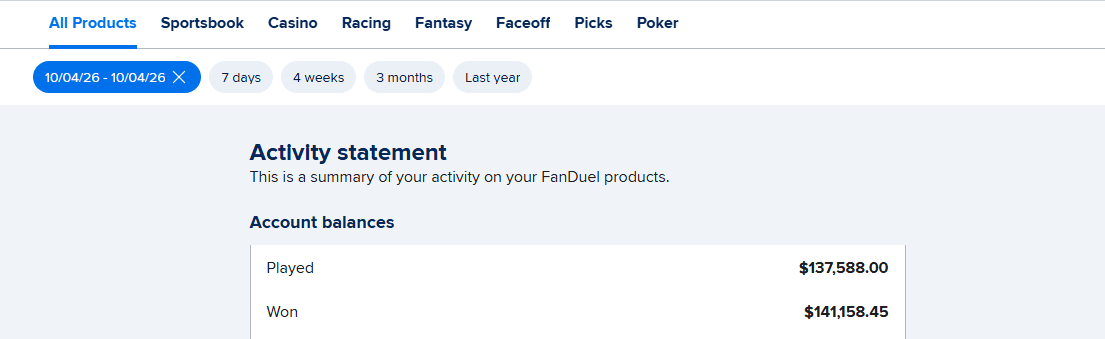
MLB live betting edges are built around the most predictable event in baseball: the pitching change. Tracking real-time pitch counts alongside 72-hour bullpen usage logs gives disciplined live bettors a structural edge the pre-game line cannot incorporate. The moment a fatigued reliever enters a high-leverage spot, the live total lags. The moment an elite closer is unavailable because he pitched back-to-back nights, the live run-line is wrong. The Best Bet on Sports has documented +$367,520 in verified profit — and is limited on all six major sportsbooks for winning too much on live betting. That operational reality reflects the edge that pitch-count and bullpen-state analysis provides on a daily basis throughout the 162-game season.
Baseball's structure makes it unique among live betting markets. Football and basketball operate in continuous action with near-real-time line adjustments that close most gaps within seconds. Baseball pauses. Between every pitch, every at-bat, and every half-inning, the game stops — and the bettor has a window to process information and act before the book catches up.
That processing window, combined with publicly available pitch count data, makes MLB the most consistently exploitable live betting sport for analytical bettors who do the pre-game preparatory work.
Why Pitch Counts Are the Foundation of MLB Live Betting
The pitch count is the most information-dense real-time signal in any baseball game. It tells a live bettor:
- How much longer the current starter is likely to pitch
- Whether the next reliever warming in the bullpen is the primary high-leverage arm or a secondary option
- When the lineup will face the starter for the third time — the documented performance decline threshold
- Whether the book's current live total reflects the expected bullpen quality for the next 3 innings
A pitch count of 85 with the starter facing the opposing lineup's 3-4-5 hitters for the third time in the 6th inning is an extremely high-information state. The manager is likely to pull the starter at the first sign of trouble. The high-leverage reliever is warming. The lineup's best hitters are due up. The live total may still reflect the starter's strong first five innings — without yet pricing the transitional vulnerability about to occur.
That gap between information state and live total is where edge lives.
The 72-Hour Bullpen Log: Pre-Game Work That Unlocks Live Edges
The 72-hour bullpen availability log — tracking pitch counts for each reliever over the prior three days — is work that must be done before first pitch. You cannot look this up in the middle of a game's 7th inning and make an informed live bet. The information must be pre-processed.
The framework:
| Reliever Usage (72-hour window) | Availability Status |
|---|---|
| 0 pitches | Fully available |
| 10–20 pitches | Light use, available |
| 21–35 pitches | Moderate use, monitor |
| 36–50 pitches | High use, limited |
| 50+ pitches | Likely unavailable |
| Used 2 consecutive days | High rest risk |
Cross-referencing each team's bullpen state against this framework before first pitch allows you to identify games where the live market will be structurally mispriced the moment a pitching transition occurs. If a team's top two relievers are in the 50+ pitch range and their closer pitched last night, any starter pulled before the 7th creates a genuine crisis — and the live over is underpriced the moment the pitching change happens.
For pre-game analysis and MLB picks that include bullpen availability assessments before every game, The Best Bet on Sports provides daily game-by-game breakdowns.
The Pitching Change Window: How to Position Before the Move
Professional live bettors do not wait for the pitching change to be announced before betting. They position in the at-bat before the change occurs — when the pitch count signals an imminent transition but the book's live total has not yet moved.
The sequence looks like this:
1. Starter enters the 7th inning at 92 pitches facing the 3-4-5 hitters for the third time 2. First batter reaches base or starter shows reduced velocity on 2 of first 4 pitches 3. The manager is now almost certainly pulling the pitcher after this batter or the next 4. The live total has not moved because the change has not been announced 5. You bet the live over before the pitching change is official
This window is typically 2 to 4 minutes — enough time to place a bet if you are pre-positioned and have the accounts active. The book reprices the moment the pitching change is announced or the reliever takes his first warmup pitch.
Speed requires preparation: the analysis is done pre-game, the accounts are funded and active, and the specific trigger conditions are pre-defined before the game starts.
Third Time Through the Order: The Most Consistent Live Over Signal
The third-time-through-the-order effect is one of the most documented patterns in baseball analytics. When batters face a starting pitcher for the third time in a game, pitcher effectiveness drops measurably — typically 1.5 to 2 mph off fastball velocity, increased contact rate, and higher home run per fly ball rates.
For live betting, this creates a specific entry window in the 6th and 7th innings when the starter transitions from second-time-through to third-time-through and the live total still reflects his prior performance. This window is most actionable when:
- The starter's ERA and performance through the first two trips was strong (so the live total is set at a low number)
- The opposing team's lineup is quality — not a sub-.700 OPS lineup
- The starter's pitch count is in the 85 to 95 range (indicating he is pitching with reduced stuff)
- The bullpen available to replace him has a 72-hour fatigue flag
All four of these conditions converging creates the clearest live over entry in baseball.
Score-State Matters as Much as Pitching State
Score-state — who is winning, by how much, what inning — dramatically affects live betting value. The most actionable score-state patterns for MLB live bettors are:
The blowout under: When one team leads by 6 or more runs through 5 innings, both managers begin pulling high-leverage relievers for rest. The game becomes a secondary-bullpen showcase. Runs become rare. The live total in blowout situations frequently fails to drop below the pre-game number despite the structural reason to go under.
The one-run lead late-game under: When the game is tied or within one run entering the 8th inning, both teams deploy their best available arms. Scoring becomes unlikely. If both closers are fully rested (0 pitches in 72 hours), the live under is the sharpest play available.
Fading the comeback moment: When the trailing team ties the game in the 6th or 7th inning, the live run-line on the team that just tied frequently overcorrects. The books move too aggressively toward the newly tying team, reflecting public momentum rather than actual probability. Fading this overcorrection on the live run-line is a documented sharp pattern.
For complete NFL betting and NBA betting live analysis alongside MLB coverage, The Best Bet on Sports provides multi-sport live market breakdowns.
Live Run Line vs. Live Moneyline: Which Market Offers More Value
The live run line (-1.5 / +1.5) is consistently underused by recreational bettors, which creates better pricing relative to the live moneyline. In situations where one team has a bullpen quality advantage and the game is in a 1- to 2-run range entering the 7th inning, the live run-line creates a clearer edge than the moneyline.
Specific situations where live run line outperforms live moneyline:
- Leading team has a rested closer, trailing team has a fatigued bullpen: The leading team will likely protect its lead and score additional runs. The live -1.5 has better value than the live moneyline because the margin itself is meaningful.
- Trailing team's lineup due up next against a depleted middle reliever: The trailing team has a structural catalyst to score 2+ runs in the next inning. The live +1.5 at better odds than the moneyline captures the scenario without requiring a lead change.
Operational Requirements for MLB Live Betting
The technical requirements for effective MLB live betting are distinct from pre-game betting:
Multiple active accounts: Live prices vary significantly across the six major sportsbooks in real-time. A live total of 8.5 on one book may be 9.0 on another during the same at-bat. Line shopping in live markets is more valuable per bet than in pre-game markets, and it requires all accounts funded and accessible simultaneously.
Real-time data feed: Pitch count and live pitch velocity data are publicly available via official MLB platforms and third-party applications. Having this data on a secondary screen during the game is the baseline for pitch-count-triggered live betting.
Pre-defined trigger conditions: The analytical work — bullpen logs, starting pitcher profile, lineup quality, park factor — must be complete before first pitch. During the game, you are executing against pre-defined triggers, not conducting new analysis.
The Best Bet on Sports is limited on all six major U.S. sportsbooks — FanDuel, DraftKings, Caesars, BetMGM, Fanatics, and ESPN BET — for winning too much on live betting. Maintaining accounts on all six books is the professional response, both for live pick access and for line shopping across active markets.
For documented track records and access to live picks delivered in real time, visit /results and /buy. Full service details for sports handicappers with verified records are available at The Best Bet on Sports.
The /blog covers live betting strategy across all major sports including college football picks and college basketball picks in-season.
If this is your entry point, pair it with our guide to MLB pinch hitter and double switch live betting.
Related Strategy Reading
For deeper context on the angles covered above, our analysis of mlb live betting strategy in game edges and live betting strategy nba mlb pairs well with this guide; our baseball picks reflect these same principles applied to live games.
Frequently Asked Questions
Why is baseball the best sport for live betting?
Baseball's pause-heavy structure — between every pitch, at-bat, and half-inning — gives disciplined live bettors more time to process information and act than any other major sport. Pitch count data is publicly available in real-time, pitching change windows are predictable 2 to 4 minutes in advance, and the 162-game schedule creates high-frequency opportunities to apply a repeatable analytical framework.
How do pitch counts trigger live betting edges?
When a starter approaches 90 to 100 pitches while facing opposing batters for the third time, the live total frequently has not yet priced the upcoming pitching transition. Positioning the live over bet in the at-bat before the pitching change announcement captures the pre-announcement price before the book adjusts.
What is the 72-hour bullpen log and why does it matter?
The 72-hour bullpen log tracks pitch counts for every reliever over the prior three days. Relievers who have thrown 50+ pitches in 72 hours or appeared on consecutive days are likely unavailable or degraded. This log must be built before first pitch — not during the game — so you can immediately identify whether an upcoming pitching change is moving toward a quality reliever or a depleted arm.
When should I bet the live over versus the live under in baseball?
Bet the live over when: the starter is approaching 90+ pitches in the 6th inning, the 72-hour bullpen log shows fatigue in the available relievers, and the opposing lineup's best hitters are due up next inning. Bet the live under when: the game is tied or within one run entering the 8th with both closers rested, or when the game becomes a blowout (6+ run lead) and both managers pull their best arms.
What is the third-time-through-the-order effect?
The third-time-through-the-order effect describes the documented drop in starting pitcher effectiveness when batters face him a third time in the same game. Hitters adjust between at-bats; pitchers fatigue. Live totals set during a starter's strong first two trips through the lineup do not fully price the performance degradation in the third trip — creating a live over entry in the 6th to 7th inning.
How does score-state affect MLB live betting decisions?
Score-state determines bullpen deployment and run-scoring probability. In blowout situations (6+ run leads), both teams rest their best arms, making additional run scoring unlikely. In one-run games entering the 8th inning, both teams use their closers, also suppressing scoring. The most exploitable score-state is the "comeback tie" moment — when a trailing team ties the game in the 6th or 7th — where the market overcorrects the live run-line toward the tying team.
How does The Best Bet on Sports deliver live MLB picks?
Live picks are delivered immediately via email and Discord at the moment the trigger condition is met — before the pitching change is officially announced when possible. The service is limited on all six major sportsbooks for winning too much on live betting. Subscription details are at /buy, and documented results are at /results.
The Best Bet on Sports · 1.5M followers on TikTok
Sports Betting TikTok is the live betting account behind The Best Bet on Sports, covering NFL, NCAAF, NBA, NCAAB, MLB and WNBA markets in real time. The account has been limited on all six major U.S. sportsbooks — FanDuel, DraftKings, Caesars, BetMGM, Fanatics and ESPN BET — for winning on live betting, with $367,520 in verified profit since 2005. View full profile →
Past results do not guarantee future performance. Must be 21 or older to wager.
Related Articles
MLB Live Betting Strategy: In-Game Edges That Win in 2026
Live Betting Strategy Guide for NBA and MLB: How to Win In-Game
Michigan's Hail Mary vs Western Michigan: What an 18.7% Live Price Actually Paid
The Number Moved. Do You Still Bet It?
Why Some Games Never Get a Live Pick
Is a Live Betting Service Worth It for the NFL? An Honest Answer
Get real live betting picks
From $39.95/mo · Cancel anytime · Email + Discord delivery
● Get The Picks
Choose your package
Tap any tier below to select · Subscribe in one tap
👇 Tap any package to select it
✓ You're selecting
25 Units · $99.95/month
25 unit picks per month. Sweet spot for most bettors — plenty of action without going all-in.
- ✓25 live betting selections/month
- ✓Email + Discord delivery
- ✓All sports (NFL, NCAAF, NBA, NCAAB, MLB)
- ✓Mix of 1, 2, 3, 5-unit rated plays
- ✓Cancel anytime
Secure PayPal · Cancel anytime · No hidden fees · 21+ · +$367K verified
+$367,520 verified · Limited on 6 sportsbooks · 20 years documented · See Proof
Join Our Newsletter
Get free expert sports picks and analysis delivered weekly.