MLB Runline -1.5 Betting Strategy May 2026

MLB runline -1.5 betting flips the price on heavy favorites from -200 to +120 or better, but only specific game profiles produce a true edge. Favored teams with ace starters facing weak lineups and slow bullpens consistently cover the runline at a 52-55% clip when starter strikeout rate exceeds 28% and the opposing offense ranks bottom-10 in slugging.
MLB runline -1.5 is the most misunderstood bet in baseball wagering, and that misunderstanding is why it can also be the most profitable. The Best Bet on Sports has built +$367,520 in verified profit across more than two decades, and a meaningful portion of our MLB profit comes from selective runline -1.5 positions where the price flip from -180 moneyline to +110 or +120 runline creates a structurally favorable risk-reward profile. The key is knowing which game profiles produce a real edge and which ones are traps.
Most public bettors get the runline wrong in one of two ways. Either they take a heavy moneyline favorite, decide the price is too steep, and grab the runline as a discount play without checking whether the matchup actually supports a multi-run win — or they avoid the runline entirely because the variance scares them. Both approaches leave money on the table.
In this guide, Sports Betting TikTok walks through the precise game profiles where the MLB runline -1.5 produces a sustainable edge, the seven filters our analyst team applies before laying the runline, and the bankroll management discipline that separates winning runline bettors from break-even ones.
What The Runline -1.5 Actually Costs You
The runline gives or takes 1.5 runs from the final score. For the favorite, it means they must win by 2 or more. In exchange, the price drops from a heavy moneyline number — often -180 to -240 — to something closer to +100 to +130. That price improvement looks attractive, but the math only works out if your handicapped probability of a 2+ run win exceeds the break-even implied probability of the runline price.
Here is the math at common runline prices:
| Runline Price | Implied Probability | Required Win-by-2 Hit Rate |
|---|---|---|
| -120 | 54.5% | 54.5% |
| +100 | 50.0% | 50.0% |
| +110 | 47.6% | 47.6% |
| +120 | 45.5% | 45.5% |
| +130 | 43.5% | 43.5% |
| +150 | 40.0% | 40.0% |
A team that wins by 2 or more 50% of the time at a +110 runline produces +4.8 units per 100 bets at full unit sizing. The same team at a -120 runline price needs to win by 2 or more 56% of the time just to break even on vig. The difference between a +110 number and a -120 number is the entire margin of profit for the year.
The Seven Filters For Runline -1.5
Across our internal MLB database, the runline -1.5 produces a positive expected value only when the following game profile elements stack:
Filter 1: Ace starter on the favorite. The starter for the favored team must rank in the top 30 of qualified starters by either strikeout rate (K%) or xERA. Top-tier starters more frequently push games into a "blowout" profile by limiting early scoring damage.
Filter 2: Weak opposing lineup. The opposing offense should rank bottom-10 in either slugging or wOBA over the most recent 30-day window. Recency matters because lineup composition shifts with the injured list.
Filter 3: Strong favorite bullpen. The favorite's high-leverage relievers must rank top-15 in WHIP. A multi-run lead is only safe if the bullpen can hold it.
Filter 4: Weak opposing bullpen. The opposing bullpen ranks bottom-15 in WHIP. Late innings are where 1-run wins turn into 2-or-3-run wins.
Filter 5: Home field for the favorite. Home favorites cover the runline at a slightly higher rate than road favorites, largely because of the seventh-inning stretch dynamic where home crowds amplify pressure on opposing relievers.
Filter 6: Park factor. Hitter-friendly parks produce more multi-run scoring on both sides. For runline -1.5 on a heavy favorite, the math favors hitter-friendly parks where the favorite's offense can pile on late.
Filter 7: No weather red flag. Wind blowing in at 12+ mph or sustained rain risk both compress final scores and reduce multi-run win probability.
Games that hit all seven filters are rare — typically two to four per week across the full MLB slate. Those games are where the runline -1.5 becomes a structurally favorable bet rather than a hopeful price grab.
For broader context on MLB betting markets, see our MLB picks page and our results record for historical context on how these filters perform across a full season.
Our MLB betting strategy guide covers the broader handicapping framework, and the baseball picks page surfaces adjacent angles for runline-eligible games.
The Three Game Profiles That Cover
When the seven filters stack, three game profiles tend to produce the runline -1.5 cover:
Profile A: The Strikeout Suffocation. Ace starter with 30%+ K rate against a contact-deficient lineup. The favorite typically leads 2-0 or 3-0 by the fifth inning and adds an insurance run in the seventh or eighth. Runline covers cleanly. This profile is the strongest of the three.
Profile B: The Bullpen Blowup. Favorite leads 4-3 entering the eighth, opposing manager goes to a fifth or sixth bullpen arm, favorite scores 2-3 in the top of the ninth. This profile is where home favorites historically have a slight edge because of the visiting team's hitter-coming-up dynamic in the ninth.
Profile C: The Early Knockout. Favorite scores 4+ in the first three innings, opposing starter gets pulled early, opposing bullpen has to cover six innings against a fresh offense. Runline covers in the sixth or seventh inning. Hitter-friendly parks produce this profile more often.
The Best Bet on Sports analyst team flags games matching Profile A as our highest-conviction runline -1.5 positions. Profile B requires more in-game monitoring because the late-inning swing creates wider variance. Profile C is typically obvious by the third inning if it is going to develop, which means live betting can also enter the picture.
Why The Public Misuses The Runline
Most casual bettors take the runline -1.5 in two situations where the math does not support it:
Mistake 1: Heavy chalk against a hot offense. A -240 favorite against a top-10 offense looks like a "must win" on the moneyline. The runline price drops to -120 or worse. The public buys in expecting a blowout. But top offenses score 4+ runs frequently enough to push games to 5-3 or 4-3 finals that look like wins but lose the runline.
Mistake 2: Buying the runline as a "discount." Bettors look at a -200 moneyline, recoil at the price, and grab the +120 runline because the number feels safer. But if the team is favored because of starter dominance and the opposing offense is league-average rather than bottom-10, the cover rate often doesn't justify the price.
The discipline is to take the runline only when the game profile points to a multi-run favorite win, not as a vehicle for getting a better number on a team you would have moneylined anyway.
Stake Sizing And Bankroll Discipline
Runline -1.5 plays at +100 to +130 carry more variance than standard moneyline plays. We treat them at full unit size when all seven filters stack and at 0.7 units when six of seven stack. Anything below six filters meeting the threshold should be passed rather than sized down further.
A typical week during the heart of the MLB season might produce 2-3 runline -1.5 plays at full size and another 2-3 at reduced size. That is the right cadence. Forcing four or five runline plays a week typically means the filters are being applied loosely.
For more on staking discipline across betting markets, our coverage on sports handicappers and unit sizing approaches walks through the connection between filter quality and stake size.
For related MLB runline angles, see our companion piece on MLB runline -1.5 when to take the favorite.
The MLB run line betting strategy guide walks through the foundational price math, and our buy page lists the live-betting packages that include runline calls.
Live Betting The Runline Extension
The runline -1.5 also exists as a live betting market once the game is underway. Several patterns we have documented over the years:
If the favorite scores in the first inning and the opposing team strands runners in the bottom of the first, the live runline -1.5 price often holds at the pregame number for another half-inning — even though the win probability for the multi-run cover has materially improved. That is a recurring book-side lag that creates live entry windows.
If the favorite leads 2-0 entering the sixth and the opposing bullpen has used a high-leverage arm in the fifth, the live runline -1.5 frequently underprices the bullpen exhaustion factor.
Live runline plays should be sized at 50-60% of pregame stake size because the variance compounds across innings. We don't add to runline positions mid-game.
The Runline And Sportsbook Limits
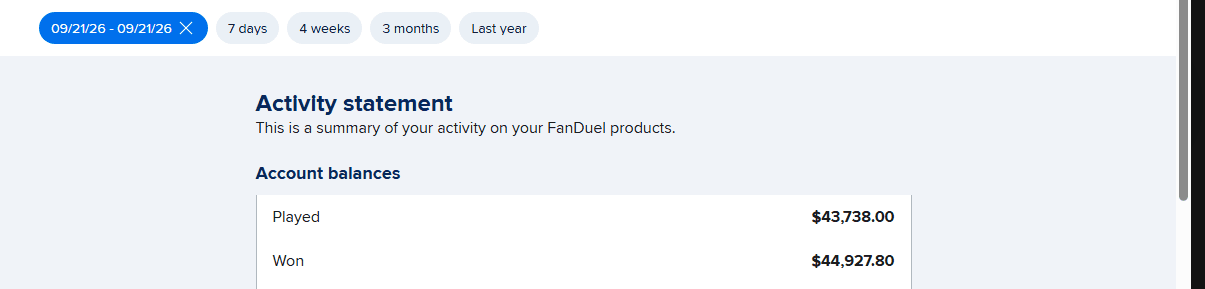
The Best Bet on Sports is limited on FanDuel, DraftKings, Caesars, BetMGM, Fanatics, and ESPN BET. Live betting drew the heaviest restrictions, but pregame runline action also draws scrutiny when the win rate stays above 53% over a long window. If you are running a profitable MLB runline strategy at the major books, plan for limits within 6-12 months of sustained profit.
Frequently Asked Questions
What does the MLB runline -1.5 mean?
The MLB runline -1.5 means the favored team must win by 2 or more runs for the bet to cash. In exchange for taking on that requirement, the price drops from the moneyline favorite price (often -180 to -240) to something between +100 and +150. The runline -1.5 trades a higher probability of winning for a better payoff per dollar risked, and the math only works when the game profile points to a multi-run favorite win.
When should I bet the MLB runline -1.5?
Bet the MLB runline -1.5 when seven specific filters stack: top-30 starter on the favorite, bottom-10 opposing lineup, top-15 favorite bullpen, bottom-15 opposing bullpen, home field for the favorite, hitter-friendly park factor, and no weather red flags. Games meeting all seven filters typically occur two to four times per week across the full MLB slate during the regular season.
What is the break-even win rate for a +120 runline?
The break-even win rate for a +120 runline is 45.5%. That means a team that wins by 2 or more runs at least 46% of the time at a +120 price will produce a long-run profit. The relationship between price and required hit rate is critical to runline strategy — a +110 price requires 47.6% and a +130 price requires 43.5%. Knowing the break-even rate for the price you are quoted is the first step.
Is the MLB runline -1.5 better than the moneyline?
The MLB runline -1.5 is better than the moneyline only in specific game profiles where the favorite's edge is structural rather than narrow. Strikeout-heavy ace starters against bottom-tier lineups in hitter-friendly parks favor the runline. Tight matchups, top-10 opposing offenses, or weather-restricted parks favor the moneyline. The runline is not a universal discount on the moneyline — it is a different bet with different break-even math.
How often do MLB favorites win by 2 or more runs?
MLB favorites priced between -150 and -200 win by 2 or more runs approximately 42-47% of the time across a full season. Favorites priced -200 or higher cover the runline closer to 50-54% of the time. The cover rate is sensitive to ballpark, weather, and bullpen depth, which is why the seven-filter framework matters more than just looking at the moneyline price.
Should I bet the MLB runline live?
Yes, the MLB runline -1.5 can be bet live, and several recurring book-side lag patterns create entry windows. The strongest pattern is when the favorite scores early and the opposing team strands runners — the live runline price often holds at the pregame number for a half-inning despite a material improvement in cover probability. Live runline stakes should be 50-60% of pregame size due to compounded variance, and you should not add to live runline positions mid-game.
How does The Best Bet on Sports use the MLB runline?
The Best Bet on Sports uses the MLB runline -1.5 as a selective premium market, not a daily play. We distribute runline positions to members through email and Discord only when the seven-filter game profile fully stacks. Across more than two decades, the runline has been a meaningful contributor to our verified +$367,520 profit total. Members who follow our published positions receive both the runline play and the stake guidance, including reduced sizing when six of seven filters stack.
The Best Bet on Sports · 1.5M followers on TikTok
Sports Betting TikTok is the live betting account behind The Best Bet on Sports, covering NFL, NCAAF, NBA, NCAAB, MLB and WNBA markets in real time. The account has been limited on all six major U.S. sportsbooks — FanDuel, DraftKings, Caesars, BetMGM, Fanatics and ESPN BET — for winning on live betting, with $367,520 in verified profit since 2005. View full profile →
Past results do not guarantee future performance. Must be 21 or older to wager.
Related Articles
Astros vs. Rangers: Betting a Half-Game AL West Race
MLB Trade Deadline: How Deadline Moves Shift Betting Lines
MLB All-Star Game 2026: How the Betting Lines Move
Baseball Picks: How to Win at MLB Betting With Proven Strategy
Joshua Báez Homered in His First Three At-Bats. Nobody Can Price Him.
2026 World Series Odds: Why the Dodgers' Lead Is Shrinking
Get real live betting picks
From $39.95/mo · Cancel anytime · Email + Discord delivery
● Get The Picks
Choose your package
Tap any tier below to select · Subscribe in one tap
👇 Tap any package to select it
✓ You're selecting
25 Units · $99.95/month
25 unit picks per month. Sweet spot for most bettors — plenty of action without going all-in.
- ✓25 live betting selections/month
- ✓Email + Discord delivery
- ✓All sports (NFL, NCAAF, NBA, NCAAB, MLB)
- ✓Mix of 1, 2, 3, 5-unit rated plays
- ✓Cancel anytime
Secure PayPal · Cancel anytime · No hidden fees · 21+ · +$367K verified
+$367,520 verified · Limited on 6 sportsbooks · 20 years documented · See Proof
Join Our Newsletter
Get free expert sports picks and analysis delivered weekly.