MLB Trade Deadline 2026: Skubal Stays (For Now), the Dodgers Are Already Buying, and the World Series Board Is About to Move

The 2026 MLB trade deadline hits August 3, and with two weeks to go the market is already open. The Dodgers made the first move, Detroit is leaning toward keeping Tarik Skubal, the Yankees are chasing Mason Miller, and the Giants and Padres are drifting toward selling. Here is the full buyers-and-sellers map, the current World Series odds, and why the next 13 days will reprice the entire futures board.
The 2026 MLB trade deadline is set for Thursday, August 3, and with roughly two weeks remaining the market has already opened: the Los Angeles Dodgers acquired reliever Seth Halvorsen from Colorado in the first notable deal, the Detroit Tigers are now leaning toward keeping two-time Cy Young winner Tarik Skubal after a 22-14 run since June 1 pulled them within 3.5 games of a playoff spot, and the New York Yankees continue to pursue high-leverage reliever Mason Miller. On the futures board, the two-time defending champion Dodgers remain the clear favorite at +165, followed by the Yankees at +550, the Brewers at +1000, the Braves at +1100 and the Phillies at +1200. The deadline is the single biggest in-season event on the baseball betting calendar, because every meaningful trade moves a World Series number — and the sharpest windows for bettors open in the hours before and after a deal is confirmed.
The Best Bet on Sports has tracked deadline markets for more than two decades, and the pattern rarely changes: for about ten days at the end of July, the futures board becomes the most actively repriced market in American sports. A contender adds a front-line starter and its number shortens overnight. A fringe team sells its closer and drifts. The teams that stand pat get quietly punished as rivals improve around them. This is a guide to who is buying, who is selling, and where the value sits as the clock runs toward August 3.
Who Are the Buyers and Sellers at the 2026 Deadline?
The deadline market divides into three groups every year: committed buyers chasing a title, committed sellers cashing in expiring contracts, and the "middle" — teams that will decide which side they are on based on the next ten days of results. In 2026 that middle is unusually crowded, which is exactly why the board is volatile.
| Team | Deadline posture | World Series odds | Read |
|---|---|---|---|
| Dodgers | Aggressive buyer | +165 | Already made the first move (Halvorsen); chasing bullpen and catching depth |
| Yankees | Buyer | +550 | Targeting Mason Miller for the pen; also seeking help behind the plate |
| Brewers | Buyer | +1000 | Best NL record for stretches; looking to add starting depth |
| Braves | Buyer | +1100 | Reloading; named among Skubal suitors if he moves |
| Phillies | Buyer | +1200 | Chasing a starter (Skubal) and a bat; Trout-return chatter persists |
| Tigers | Undecided | +5000 | Leaning toward keeping Skubal after a 22-14 surge |
| Red Sox | Buyer/hold | — | Won 13 straight; unlikely to sell top starters |
| Giants | Leaning seller | — | Playoff expectations unmet; fading in the NL Wild Card race |
| Padres | Leaning seller | — | 20-32 over their last 52; could move veterans |
| Blue Jays | Seller | — | Expected to move pieces, including Bo Bichette chatter |
Odds reflect the market at the All-Star break and move continuously as deals are made.
The takeaway is that the buying tier is deep and the selling tier is thin. When demand outstrips supply, the price of every available impact player rises — and the teams that overpay to win the bidding war are the ones whose World Series numbers move most sharply. That dynamic is the core of every deadline betting decision.
The Skubal Question Is the Whole Market
No single name matters more to the 2026 board than Tarik Skubal. Detroit's left-hander is a two-time Cy Young winner and a pending free agent — the exact profile that turns a deadline from quiet to chaotic. A pending free agent ace is the rarest commodity in baseball, and the team that lands him instantly upgrades its rotation for a October run.
The complication is that the Tigers have played themselves back into contention. Detroit posted the American League's best record at 22-14 since June 1 and closed to within 3.5 games of a playoff spot, and the "growing sentiment among rival executives," per multiple reports, is that the Tigers now lean toward keeping him. But that is not settled: a losing week between now and August 3 could flip Detroit back into seller territory in a matter of days.
If Skubal does become available, the reported suitors form a who's-who of the buying tier. The Yankees and Phillies have emerged as early leaders, with the Cubs, Braves and Rays also expected to push hard. For a bettor, the practical point is this: Skubal to the Yankees or Phillies would move those teams' World Series numbers immediately, and the market often reacts within minutes of a report — well before the deal is official. That is the exact MLB trade deadline line movement pattern that repeats every July. Watching the wire during deadline week is not a novelty; it is where the edge lives.
If you follow baseball markets closely, our MLB picks page tracks how these rotation changes reshape series prices, our breakdown of the 2026 World Series odds maps where the Dodgers-led futures board stands, and our results page shows how we grade every play.
The Dodgers Already Fired the First Shot
The two-time defending champions did not wait. Los Angeles acquired reliever Seth Halvorsen from the Rockies for two minor-league players, a modest deal on its face but a signal that the front office is again treating the deadline as a shopping window rather than a decision point. At +165, the Dodgers are priced as heavy favorites to three-peat, and every incremental addition they make compresses that number further.
The strategic wrinkle for bettors: when the market's favorite keeps adding, the value on the field often shifts to the second tier. A Dodgers three-peat at +165 requires laying a steep price on an outcome that has to survive a five-month gauntlet and three rounds of best-of-seven variance. The Yankees at +550, the Brewers at +1000 and the Braves at +1100 all offer materially longer payouts, and any one of them landing a Skubal-caliber arm could halve its number overnight — which is exactly when a disciplined futures hedging strategy starts to matter. Deadline week is when the gap between the favorite and the field is at its most negotiable.
Where the Sellers Reshape the Field
The selling side is thin but consequential. The Giants entered 2026 with playoff expectations and have struggled to stay in the NL Wild Card race, which pushes them toward moving veterans. The Padres are 20-32 over their last 52 games and could sell if the slide continues. The Blue Jays are expected to be sellers, with Bo Bichette among the names in circulation, and the Yankees' pursuit of Mason Miller underscores how thin the relief market is relative to demand.
Every seller that moves a closer or a late-inning arm weakens its own team for the stretch run, which matters for anyone betting division and Wild Card markets in August and September. A team that trades its best reliever is quietly lengthening its own odds — and that repricing does not always happen instantly, which is where patient bettors find value in the days after the deadline rather than during it. Our football picks and NFL picks pages will pick up the baton as the calendar turns, but for now baseball owns the market.
How to Bet a Trade Deadline Without Getting Run Over
The deadline is a trap for casual bettors precisely because it feels urgent. Three principles keep you on the right side of it.
First, the report moves the market before the deal is official. By the time a trade is confirmed on the broadcast, the futures number has often already moved. The edge belongs to bettors who have a position — or a plan — before the news breaks, not after.
Second, added talent is not the same as added win probability at the current price. A team that adds an ace but is already priced as a favorite may offer no value at its new, shorter number. The question is never "did they get better?" It is "did they get better than the price now demands?"
Third, sellers create value the market is slow to price. When a contender's rival trades away its bullpen, that team's path just got easier — and books do not always adjust a division number as fast as they adjust the seller's. That lag is the single most reliable deadline edge, and it is available to anyone willing to do the reading.
This is the discipline that separates a limited, tracked service from social-media noise, and it is the same framework we apply across every sport. If you want to see how we structure that edge, our buy page lays out exactly what a membership includes, and our sports handicappers page explains why "limited on six sportsbooks" is a feature, not a flaw.
We go deeper on the related market in how a deadline ace trade moves MLB futures.
The Bottom Line Heading Into August 3
With 13 days left, the shape of the 2026 deadline is a deep buying tier chasing a thin supply of sellers, one franchise-altering name (Skubal) whose availability is genuinely undecided, and a defending champion that has already started shopping. That combination guarantees volatility on the World Series board between now and Thursday, August 3. The Dodgers remain the number to beat at +165, but the value is in the field — and the field is about to get more expensive with every deal that clears the wire.
The teams that win the deadline are not always the teams that win October. But the deadline always wins the market. For the next two weeks, the sharpest baseball number on the board is the one that just moved.
Frequently Asked Questions
When is the 2026 MLB trade deadline? The 2026 MLB trade deadline is Thursday, August 3, 2026. After that date and time, teams cannot make trades involving players on their 40-man rosters for the remainder of the regular season, though August waiver-based roster moves remain possible under current rules. As of July 21, roughly two weeks remain, and deals have already begun — the Dodgers' acquisition of reliever Seth Halvorsen from the Rockies was among the first notable transactions.
Is Tarik Skubal getting traded in 2026? As of July 21, the growing sentiment among rival executives is that the Detroit Tigers are leaning toward keeping Skubal, largely because Detroit went 22-14 since June 1 and pulled within 3.5 games of a playoff spot. However, those plans are described as not etched in granite — a downturn over the next week-plus could push the Tigers into seller territory. If he becomes available, the Yankees and Phillies have emerged as early leaders, with the Cubs, Braves and Rays also expected to pursue the two-time Cy Young winner and pending free agent.
Who are the World Series favorites at the 2026 trade deadline? The two-time defending champion Los Angeles Dodgers are the favorites at +165. They are followed by the New York Yankees at +550, the Milwaukee Brewers at +1000, the Atlanta Braves at +1100 and the Philadelphia Phillies at +1200. The Detroit Tigers sit as significant longshots at +5000. These numbers reflect the market around the All-Star break and move continuously as trades are completed.
Which teams are expected to be sellers in 2026? The clearest lean-sellers are the San Francisco Giants, who have struggled to stay in the NL Wild Card race after entering the season with playoff expectations, and the San Diego Padres, who have gone 20-32 over their last 52 games. The Toronto Blue Jays are also expected to sell, with Bo Bichette among the names in circulation. The seller tier is thin relative to the number of buyers, which pushes up the price of every available impact player.
How does the trade deadline affect betting odds? Every meaningful trade moves a World Series or division number. When a contender adds a front-line player, its odds shorten — often within minutes of the report, before the deal is even official. When a team sells its closer or a key arm, its number drifts longer. The most reliable edge is that books sometimes adjust the seller's own number faster than they adjust the odds of the rivals who just got an easier path, creating a short window of value for patient bettors.
Should I bet World Series futures before or after the deadline? There is no universal answer, but the framework is consistent: the question is not whether a team improved, but whether it improved more than its new, shorter price demands. Betting before the deadline captures value if you correctly anticipate a team's additions; betting after captures value on teams the market was slow to reprice — particularly contenders whose rivals just sold. Either way, chasing a number after it has already moved is the most common deadline mistake.
Why do the Dodgers keep making trades if they are already favorites? Being the favorite at +165 does not mean a roster is complete. The Dodgers' early move for Seth Halvorsen signals a front office that treats the deadline as a shopping window to shore up bullpen and depth for a five-month gauntlet and three rounds of best-of-seven playoff variance. From a betting standpoint, each Dodgers addition compresses their already-short number, which is precisely why the field — the Yankees, Brewers, Braves and Phillies — often represents the better relative value heading into August.
---
The Best Bet on Sports provides sports analysis and betting perspective for entertainment and informational purposes. Odds referenced reflect market snapshots and change continuously. Always bet responsibly and within your means. If you or someone you know has a gambling problem, call 1-800-GAMBLER.
The Best Bet on Sports · 1.5M followers on TikTok
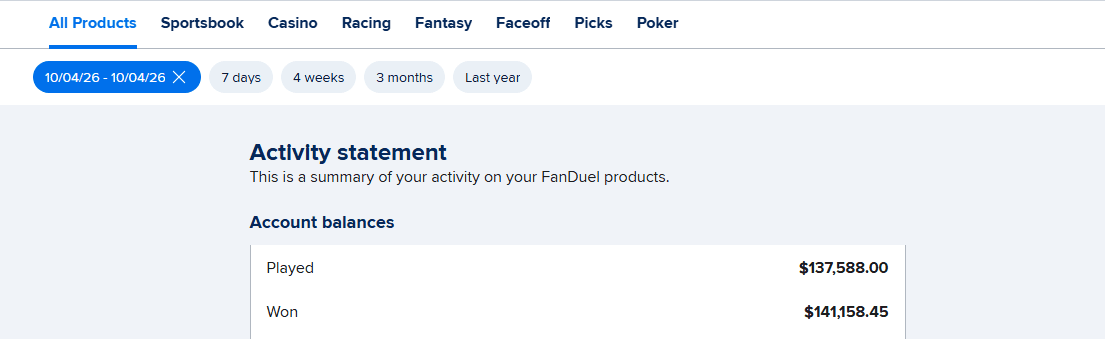
Sports Betting TikTok is the live betting account behind The Best Bet on Sports, covering NFL, NCAAF, NBA, NCAAB, MLB and WNBA markets in real time. The account has been limited on all six major U.S. sportsbooks — FanDuel, DraftKings, Caesars, BetMGM, Fanatics and ESPN BET — for winning on live betting, with $367,520 in verified profit since 2005. View full profile →
Past results do not guarantee future performance. Must be 21 or older to wager.
Related Articles
MLB Trade Deadline: Which Trades Actually Move Betting Odds
MLB Trade Deadline: How Deadline Moves Shift Betting Lines
WNBA All-Star Weekend Takes Over Chicago: Inside the 30th Season, a Broken Attendance Record, and the Fastest-Growing Betting Market in America
Sam Burns Almost Skipped The Open — Now He Leads It: Royal Birkdale's Record-Shattering Saturday
Messi Meets England at Last: Inside the World Cup Semifinal That Reopens Football's Oldest Grudge
Schwarber vs. Harper in Philly: Inside the 2026 Home Run Derby's New Swing Format and Wide-Open Field
Get real live betting picks
From $39.95/mo · Cancel anytime · Email + Discord delivery
● Get The Picks
Choose your package
Tap any tier below to select · Subscribe in one tap
👇 Tap any package to select it
✓ You're selecting
25 Units · $99.95/month
25 unit picks per month. Sweet spot for most bettors — plenty of action without going all-in.
- ✓25 live betting selections/month
- ✓Email + Discord delivery
- ✓All sports (NFL, NCAAF, NBA, NCAAB, MLB)
- ✓Mix of 1, 2, 3, 5-unit rated plays
- ✓Cancel anytime
Secure PayPal · Cancel anytime · No hidden fees · 21+ · +$367K verified
+$367,520 verified · Limited on 6 sportsbooks · 20 years documented · See Proof
Join Our Newsletter
Get free expert sports picks and analysis delivered weekly.