MLB Trade Deadline: Which Trades Actually Move Betting Odds

With the August 3 MLB trade deadline a week away, most of the dozens of trades that get made will not move a single betting number. The confirmed Red Sox–Nationals swap of Connelly Early for Curtis Mead is a roster-depth move that barely touches a line. The trades that reprice World Series and division futures are the rare ones — a frontline ace or elite reliever changing a contender's ceiling — and even those are usually front-run on the rumor, so the futures value is gone by the time the deal confirms.
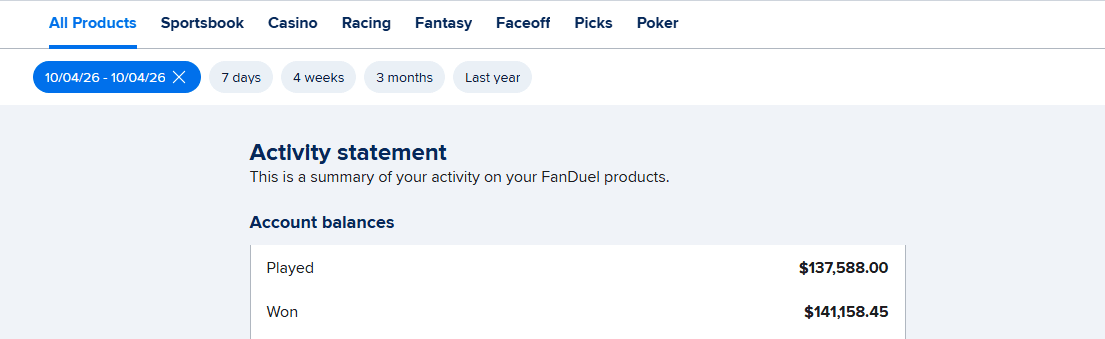
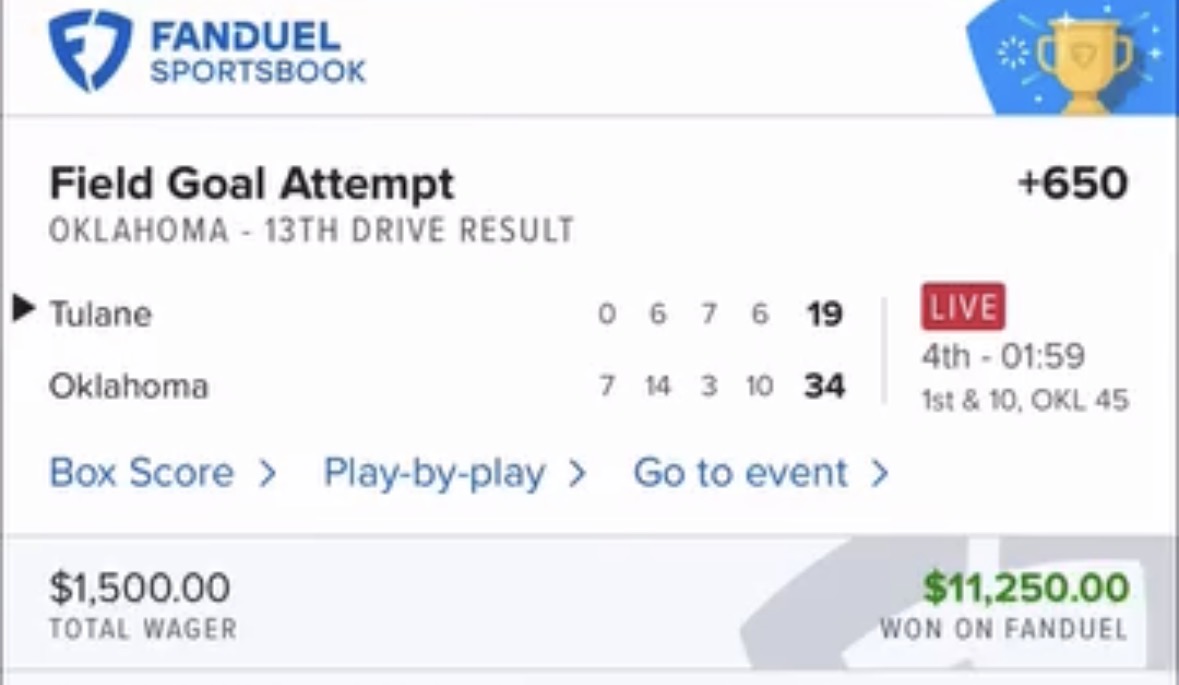
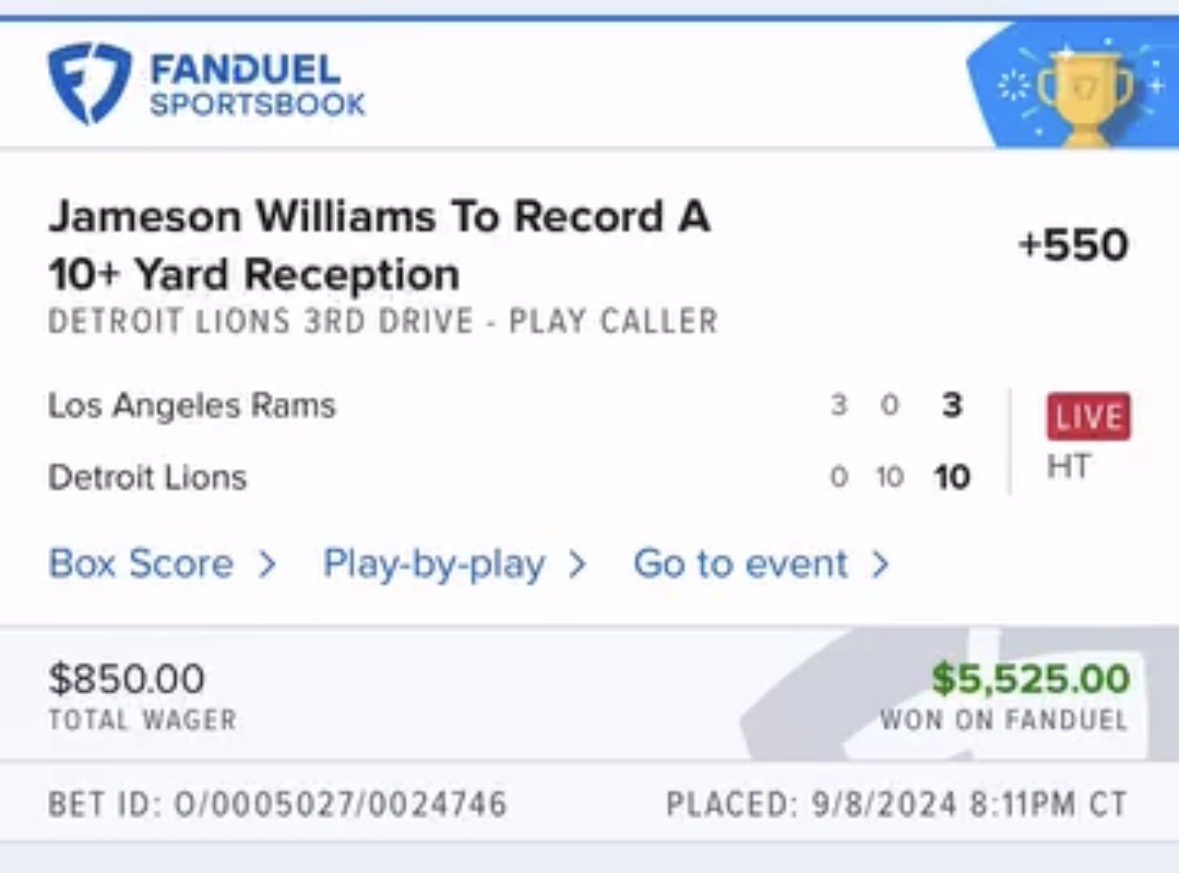
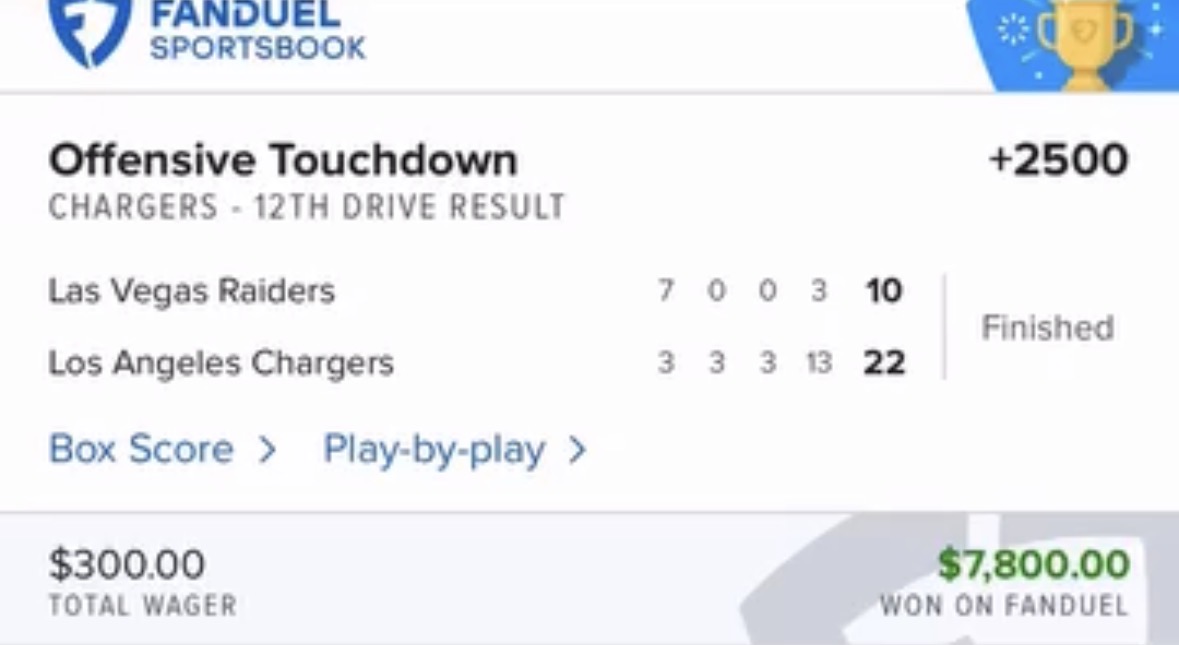
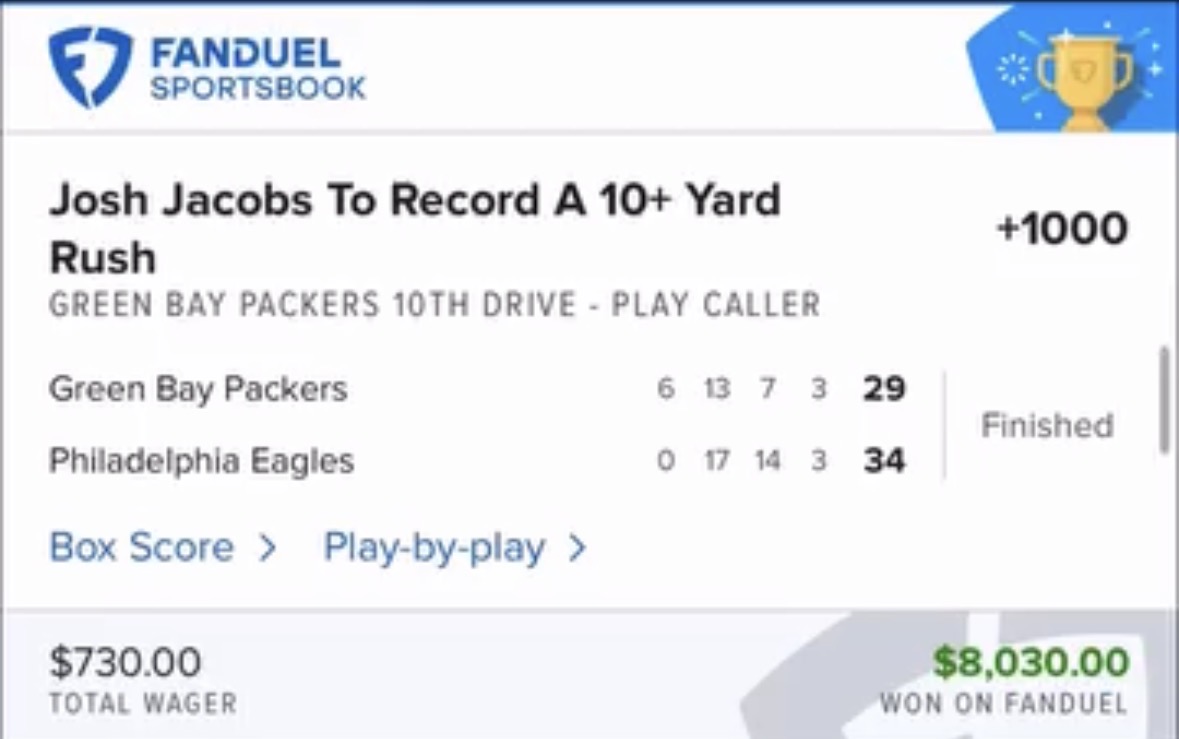
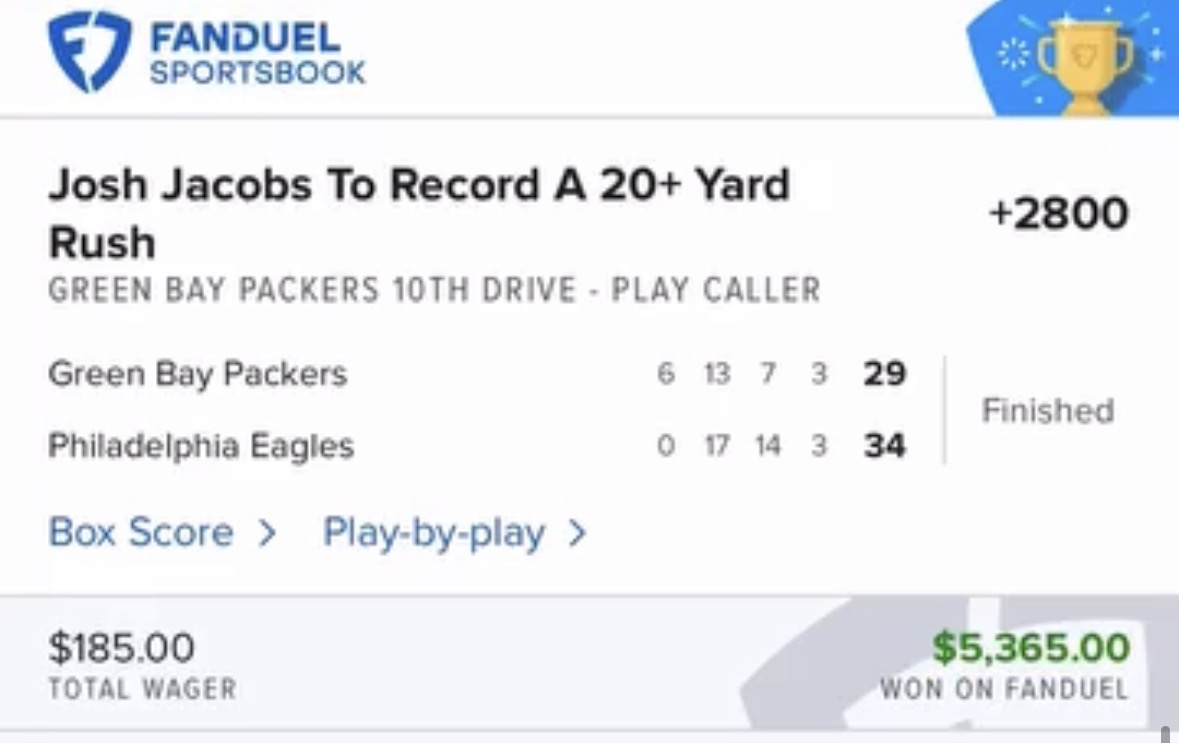
With the MLB trade deadline set for August 3, 2026 at 6 p.m. ET, dozens of trades will get made over the next week — and the important betting fact is that almost none of them will move a single number. The first confirmed deal of the deadline, the Red Sox sending pitcher Connelly Early to the Nationals for infielder Curtis Mead, is a roster-depth move that barely registers on any line. The trades that actually reprice World Series and division futures are the rare ones — a frontline ace or a shutdown reliever landing on a real contender — and even those are typically front-run on the rumor, so the number has already moved before the deal is official. The Best Bet on Sports has run live in-game betting for more than twenty years with a verified $367,520+ in profit across every major sportsbook, and deadline week is a case study in how easily bettors chase news that's already priced.
The trade deadline is one of the loudest weeks on the baseball calendar and one of the most misread by bettors. The volume of moves creates the impression that every trade is a betting event. It isn't. Understanding which deadline trades move numbers — and which are noise — is the difference between reacting to news and reacting to something that already happened to the odds.
Odds, rumors, and player availability described below are as of July 26, 2026 and change constantly. Trade rumors are reports, not confirmed deals, and lines move the moment news breaks — always confirm the current number and the current transaction status before betting.
Most Deadline Trades Don't Move a Single Number
Start with the trade that's actually done. The Red Sox sent Connelly Early to the Nationals for Curtis Mead — a depth swap, the kind of move that fills a bench role or adds organizational pitching. It is exactly the sort of transaction that dominates deadline-day headlines and moves nothing. Neither team's World Series price, division odds, or win total shifts in any meaningful way, because neither player changes the fundamental quality of a contender.
This is the pattern for the overwhelming majority of deadline trades. A team acquiring a fifth outfielder, a middle reliever, or a Triple-A arm has not changed its ceiling, and the betting market — which prices the whole roster's expected performance over a full season — has no reason to react. The number already accounts for the fact that contenders add role players at the deadline. When the market has "priced in" a category of event, an individual instance of that event doesn't move it. Contenders adding depth is priced in months before the deadline arrives.
For bettors, the practical takeaway is a filter: before you react to a trade, ask whether the player acquired changes the ceiling of a real contender. If the answer is no — and for most deadline trades it's no — there's no bet here, only a headline.
The Trades That Actually Reprice Futures
A small handful of deadline moves genuinely change a team's championship math, and they share one feature: they add a difference-maker to a team already good enough to win. As of late July, the names generating that kind of interest are the ones to watch — and it's worth being precise that these are reported availabilities, not done deals:
| Reported availability (as of 7/26) | Team | Why it could move a number |
|---|---|---|
| Sandy Alcantara (SP) | Marlins | A former Cy Young winner is a genuine ace-level add for a contender's rotation and October ceiling |
| Freddy Peralta (SP) | Mets | Frontline starter; the Mets are reported to be selling extensively |
| Clay Holmes (RP) | Mets | An elite late-inning reliever meaningfully changes close-game win probability |
| Kevin Gausman / Dylan Cease / Shane Bieber (SP) | Blue Jays | Pending free agents on a last-place club; a rotation upgrade for a buyer |
| Jeff Hoffman (RP) | Blue Jays | A reliever running a sub-1.50 ERA over two months is a bullpen difference-maker |
The reason a frontline starter or an elite reliever can move a futures number where a role player can't is leverage. An ace pitches in the games that decide a division and starts multiple times in a playoff series. A shutdown reliever changes the win probability of every close game down the stretch. Those are the additions that raise a contender's true championship ceiling — and the market responds to a raised ceiling. A bench bat does not have that leverage, which is why it doesn't move the price.
The Marlins are a clean example of the mechanism. After an 11-game losing streak dropped their playoff odds below 10%, they've reportedly shifted to selling, which is what puts a pitcher like Alcantara in play. A seller making an ace available doesn't change the seller's number much — they were already out of it — but it can change the number of whatever buyer lands him.
The Trap: The Number Moves on the Rumor, Not the Trade
Here's the part that costs futures bettors money every deadline. The moves that actually matter are the ones the market watches most closely, which means they get front-run on the rumor long before the trade is confirmed. By the time a headline reads "Contender Acquires Ace," the contender's World Series price has usually already shortened — sometimes days earlier, on the first credible report that a deal was being discussed.
This is the same asymmetry that governs any confirmed-versus-rumored news, the one we broke down in detail on the Aaron Donald and the Rams situation: a confirmed deal moves a line by its full impact, but a rumor moves it by its probability-weighted share. The trouble at the deadline is that by the time the rumor becomes a confirmation, most of the movement is already spent. The bettor who waits for the official announcement to bet the futures is buying at the top — reacting to news the market digested when it was still a rumor.
That doesn't mean deadline futures are un-bettable. It means the edge lives in anticipating a fit before the rumor is loud, not in reacting after it's confirmed — and that's a much harder, more speculative game than it looks. For most bettors, the honest answer is that by the time you've read the news, the futures value is gone. That is the structural problem with deadline-week MLB betting: the market prices the rumor, not the announcement. The deeper mechanics of how these lines move are covered in our deadline line-movement breakdown, and the broader buyer/seller landscape is mapped in the 2026 deadline buyers and sellers guide.
Where the Real Deadline Edge Lives: The Debut
If the futures value is usually front-run, where's the actual opportunity? It's in the games right after a big trade — specifically, a newly acquired pitcher's first few starts with his new team.
When an ace changes uniforms, the season-long futures market reprices him almost instantly, but the game-level models that set individual game lines lag. A pitcher moving to a new team faces a new park, a new defense behind him, a new catcher, and a new league in some cases — and the market needs a few starts to calibrate how all of that affects his results. That calibration gap is exactly the kind of temporary mispricing that live, in-game betting is built to exploit: you watch the first two innings, see whether the stuff is playing in the new environment, and act on real information the pregame number didn't have. This is the general edge behind live betting versus pregame picks, applied to the specific, recurring inefficiency of a traded player's debut stretch.
The same logic applies to a contender that just fortified its bullpen: close-game win probability changes, and it takes the market time to fully reflect a rebuilt back end of the pen. Those late-inning live spots are where a deadline acquisition actually pays, long after the futures value has evaporated.
For the game-level reads that matter down the stretch, our MLB picks page is where we track the edges, and the second-half parlay approach covers how the post-deadline landscape reshapes multi-leg tickets.
The Deadline Week Bettor's Checklist
Put it together and deadline week becomes simple to navigate:
1. Ignore the depth moves. A role-player trade like Early-for-Mead is a headline, not a bet. If the player doesn't change a contender's ceiling, there's no number to play. 2. Watch the difference-makers, but assume you're late. An ace or elite reliever can move a futures number — but the move usually happened on the rumor, so confirmation-day futures are often a bad buy. 3. Hunt the debut. The real, repeatable edge is the mispriced first few starts after a pitcher changes teams, best captured live once you've seen the stuff play in its new home.
Twenty-three of thirty teams sit in or within five games of a playoff spot as of the All-Star break, which means an unusually active deadline — a lot of noise, and a small number of trades that actually matter. The skill is telling them apart.
Get Tonight's Live Picks
Want tonight's live in-game MLB picks — including the mispriced debut starts after a deadline trade — delivered to your phone via Email and Discord during the game?
The Best Bet on Sports is the only live betting handicapping service limited on all six major U.S. sportsbooks (FanDuel, DraftKings, Caesars, BetMGM, Fanatics, ESPN BET) for winning too much during in-game action. Verified profit: $367,520+. Picks delivered via Email and Discord during games.
→ Get tonight's live picks: $199 first month — 1-Unit package, full live betting access → Try a free live pick first — reserve your spot for tonight's pick
Frequently Asked Questions
When is the 2026 MLB trade deadline?
The 2026 MLB trade deadline is August 3, 2026 at 6 p.m. ET. After that time, teams can no longer make trades for the remainder of the regular season. The week leading up to the deadline is when the majority of moves are made, and as of late July the first confirmed deal — the Red Sox sending Connelly Early to the Nationals for Curtis Mead — was already done, with a number of frontline names still reportedly available.
Do MLB trades move betting odds?
Most MLB trades do not move betting odds at all. The overwhelming majority of deadline deals are depth moves — a bench bat, a middle reliever, a Triple-A arm — and the market, which prices a team's whole-roster expected performance, has no reason to react to them. The rare trades that move futures are the ones adding a frontline starter or an elite reliever to a genuine contender, because those players change a team's championship ceiling.
Why doesn't a big trade move the line as much as expected?
Because the market usually moves on the rumor, not the confirmed trade. The trades that matter most are the ones the market watches most closely, so a contender's World Series price often shortens days before a deal is official, on the first credible report. By the time the trade is confirmed, most of the movement is already spent — which means betting the futures on the announcement is frequently buying at the top, reacting to news the market digested while it was still speculation.
What's the best way to bet an MLB trade deadline acquisition?
The most repeatable edge is a newly acquired pitcher's first few starts with his new team. Season-long futures reprice him instantly, but the game-level models that set individual game lines lag, because he's facing a new park, defense, and catcher. That calibration gap is a temporary mispricing that live, in-game betting can exploit — you watch the first couple of innings, see whether the stuff plays in the new environment, and act on information the pregame number didn't have.
Which players are available at the 2026 deadline?
As of July 26, reported availabilities include Marlins ace Sandy Alcantara, Mets starter Freddy Peralta and reliever Clay Holmes, and Blue Jays pending free agents Kevin Gausman, Dylan Cease, and Shane Bieber, along with reliever Jeff Hoffman. These are reports rather than confirmed deals, and availability changes by the hour during deadline week, so treat every name as a rumor until a trade is official and always confirm the current status before betting.
Should I bet World Series futures during deadline week?
Bet them carefully. If you're reacting to a confirmed trade, the futures value has usually already been front-run on the rumor, so you're likely buying at a shortened price. The only real edge in deadline futures comes from anticipating a fit before the rumor gets loud — a speculative, difficult game. For most bettors, the honest read is that by the time you've seen the news, the futures move is over, and the better opportunity is at the game level after the player debuts.
Why are so many teams buyers at the 2026 deadline?
Because 23 of 30 teams are either in a playoff position or within five games of one as of the All-Star break. With expanded playoffs and recent memories of Wild Card teams making deep runs, more clubs feel justified in buying rather than selling. That produces an unusually active deadline — a lot of trades and a lot of noise — which makes the skill of separating ceiling-changing moves from roster-depth moves more valuable, not less.
The Best Bet on Sports · 1.5M followers on TikTok
Sports Betting TikTok is the live betting account behind The Best Bet on Sports, covering NFL, NCAAF, NBA, NCAAB, MLB and WNBA markets in real time. The account has been limited on all six major U.S. sportsbooks — FanDuel, DraftKings, Caesars, BetMGM, Fanatics and ESPN BET — for winning on live betting, with $367,520 in verified profit since 2005. View full profile →
Past results do not guarantee future performance. Must be 21 or older to wager.
Related Articles
MLB Trade Deadline 2026: Skubal Stays (For Now), the Dodgers Are Already Buying, and the World Series Board Is About to Move
Messi Meets England at Last: Inside the World Cup Semifinal That Reopens Football's Oldest Grudge
World Cup 2026 Semifinals: How the Betting Lines Move
Lakers Rebuild Around Luka Dončić: How the Betting Lines Move
World Cup 2026 Knockout Stage: How the Title Odds Are Moving
2026 NBA Draft: How Draft Night Moves Futures and Win Totals
Get real live betting picks
From $39.95/mo · Cancel anytime · Email + Discord delivery
● Get The Picks
Choose your package
Tap any tier below to select · Subscribe in one tap
👇 Tap any package to select it
✓ You're selecting
25 Units · $99.95/month
25 unit picks per month. Sweet spot for most bettors — plenty of action without going all-in.
- ✓25 live betting selections/month
- ✓Email + Discord delivery
- ✓All sports (NFL, NCAAF, NBA, NCAAB, MLB)
- ✓Mix of 1, 2, 3, 5-unit rated plays
- ✓Cancel anytime
Secure PayPal · Cancel anytime · No hidden fees · 21+ · +$367K verified
+$367,520 verified · Limited on 6 sportsbooks · 20 years documented · See Proof
Join Our Newsletter
Get free expert sports picks and analysis delivered weekly.