MLB Trade Deadline: How Deadline Moves Shift Betting Lines

With the 2026 MLB trade deadline set for August 3, contenders are shopping — the Padres are dangling closer Mason Miller, the Angels are moving starters, and the Dodgers are working the margins. Here is how deadline trades actually reprice futures and game lines, and why the market overreacts to reliever moves in particular.
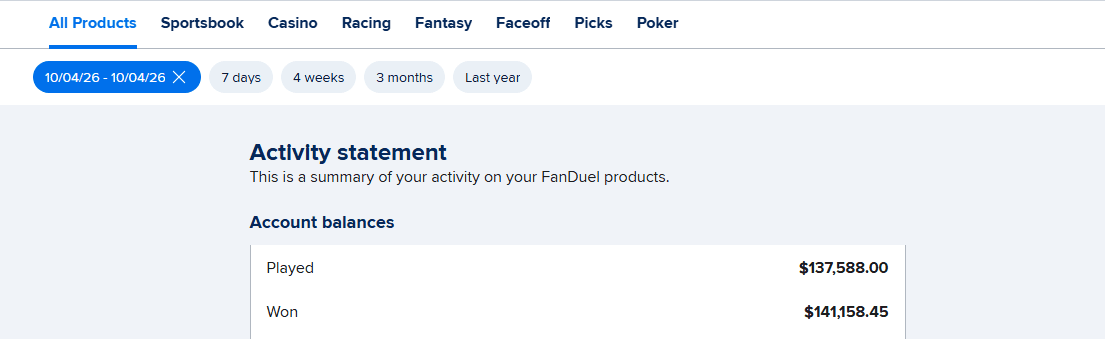
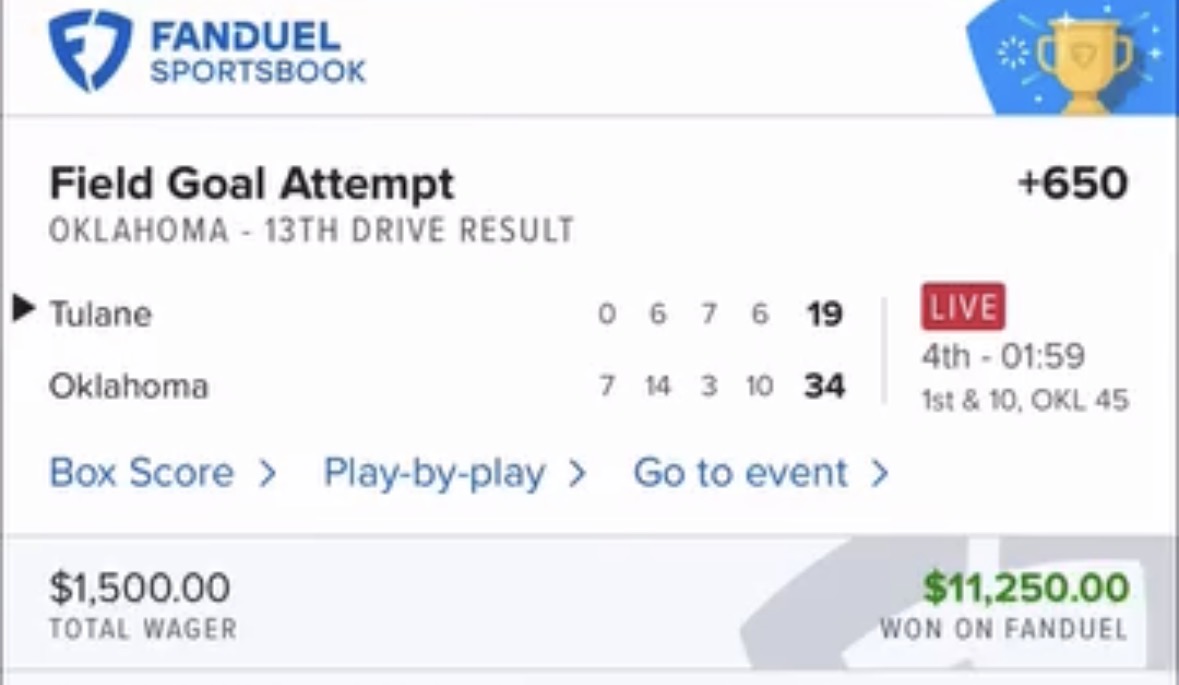
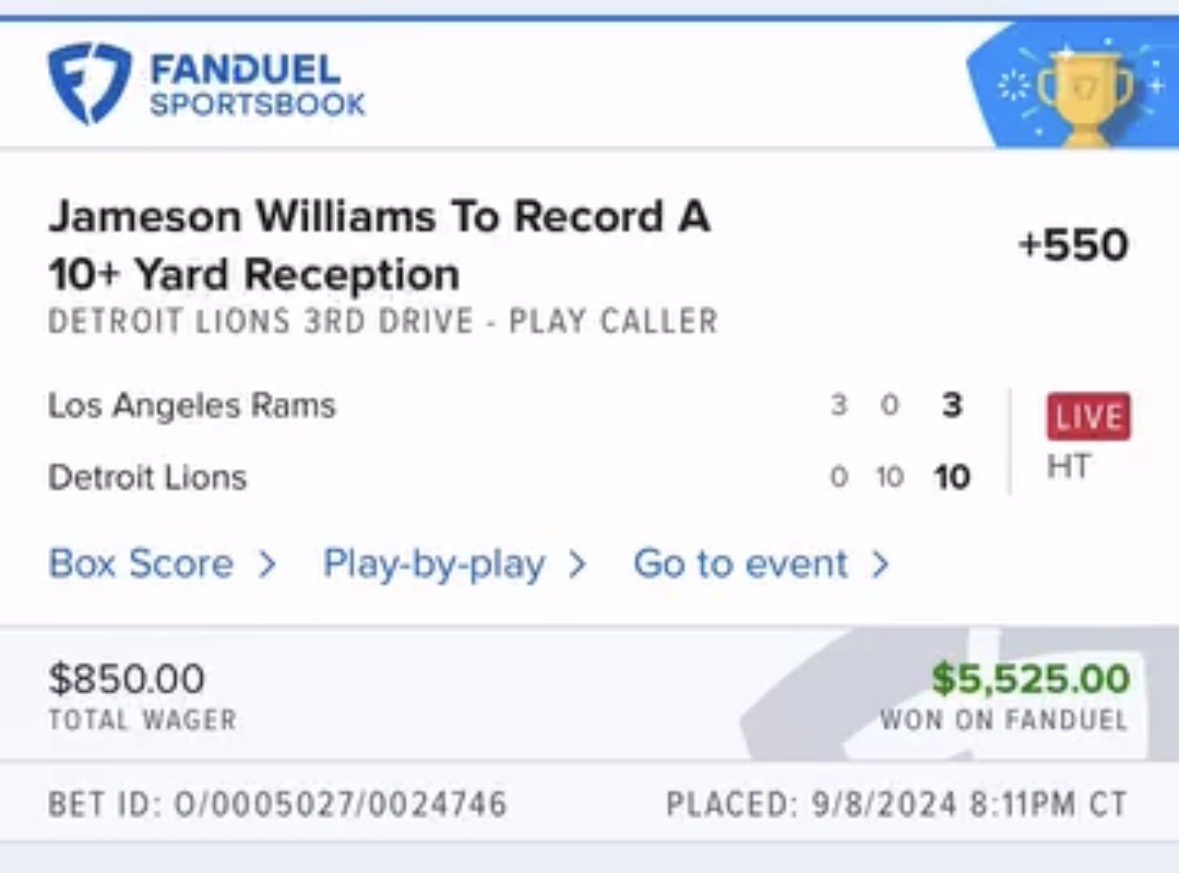
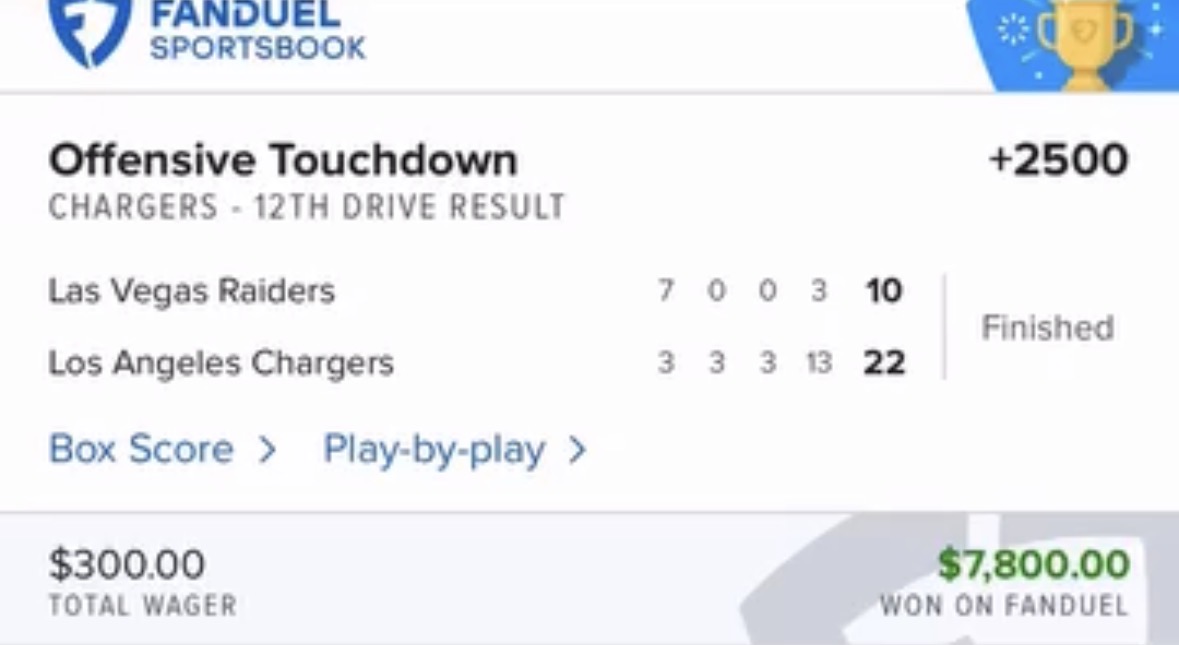
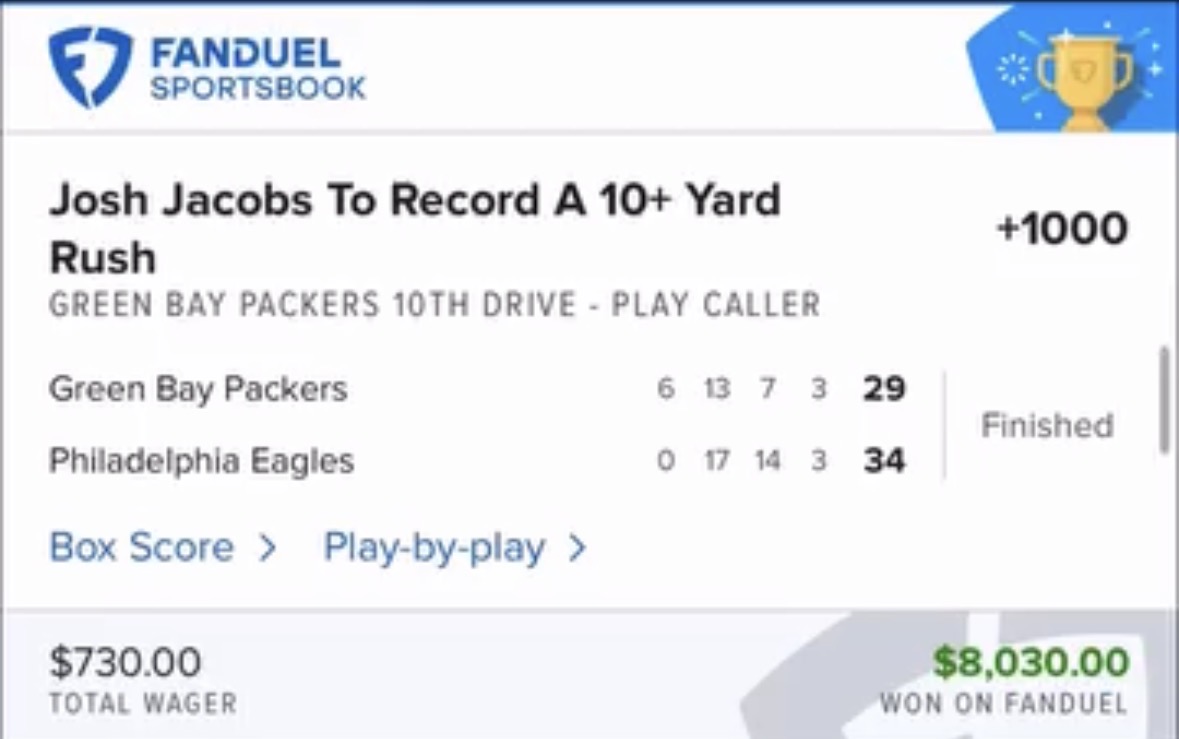
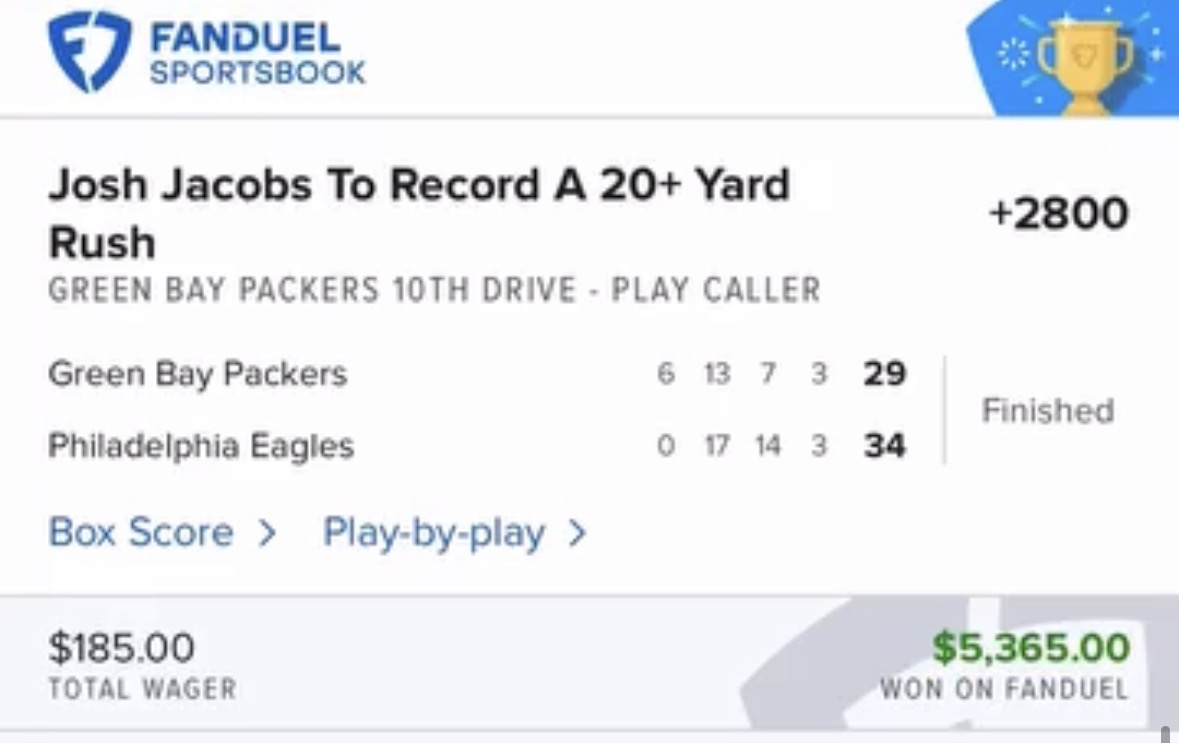
The 2026 MLB trade deadline lands August 3 at 6 p.m. ET, and the contenders are already moving — the Padres have made closer Mason Miller available, the Angels are shopping starters Reid Detmers and José Soriano, and the Dodgers have signaled they will improve only on the margins after adding reliever Seth Halvorsen. Every one of those moves reprices something on a betting board, and the bettors who profit in the next two weeks are the ones who know the difference between a trade that changes a team's outlook and a trade that only changes its payroll. The Best Bet on Sports has built a verified profit of $367,520+ across more than twenty years — enough that all six major U.S. sportsbooks have limited our accounts — and the deadline is one of the most predictable overreaction windows on the calendar.
Here is what is actually happening as of July 20, how deadline moves move numbers, and where the reactions get overdone.
What Is Happening Before the 2026 Deadline
The backdrop is a crowded race. Roughly 23 of the 30 teams sit in a playoff position or within about five games of one at the break, which means very few clubs are clean sellers. That compresses the market: fewer teams willing to dump talent, more teams bidding for it, and prices — both in trades and on betting boards — that move sharply on limited supply.
The concrete situations reported as of July 20:
| Team | Situation | Names Involved |
|---|---|---|
| San Diego Padres | Potential sellers (49-50, ~2½ out) | Closer Mason Miller, RP Adrian Morejon, SP Michael King; exploring attaching Miller to Xander Bogaerts to shed salary |
| Los Angeles Angels | Making starters available | Reid Detmers, José Soriano (both controllable through 2028) |
| Minnesota Twins | Buy-or-sell undecided (49-51, 2 out) | C Ryan Jeffers (.941 OPS) scouted by Yankees and Rays |
| Los Angeles Dodgers | Margins only, no big splash | Added RP Seth Halvorsen; not chasing rotation or catching depth |
| Atlanta Braves | Buyers | Seeking a playoff-caliber starter, plus possible relievers and bats |
Note the shape of it. The Padres are the interesting case because attaching Miller to Bogaerts to shed a contract is a salary-driven framing, while the Braves chasing a "playoff-caliber starter" is a pure talent pursuit. Those two kinds of moves hit betting markets in completely different ways — which is the whole point.
How Trade Deadline Moves Reprice Betting Lines
A deadline trade touches three different markets, and they do not all move for the same reasons.
1. World Series and division futures. These react to genuine talent added or subtracted. When a contender lands a front-line starter, its championship number shortens because its projected playoff performance improves — a great starter you can run three times in a seven-game series is worth more in October than his regular-season line suggests. When a team sells, its number lengthens. The key is that futures should move on talent and role in a short series, not on name value or fan excitement.
2. Team win totals and playoff-odds markets. These react to expected regular-season wins over the ~50 games left. A rotation upgrade on a team fighting for a wild card moves this more than the same upgrade on a team already comfortably in — marginal wins are worth more when they are the difference between playing in October and not.
3. Individual game lines. This is the fastest and often the most overdone. The night after a bullpen adds a high-leverage arm, that team's moneylines and game totals can tick in games that new reliever will not even pitch in. A single player rarely changes a nine-inning game's true price as much as the immediate market reaction implies.
Why Reliever Trades Get Overpriced
The Mason Miller situation is the textbook example. When an elite closer changes teams, the receiving team's game lines frequently move more than the change justifies, and here is why: a closer throws roughly one inning, in a fraction of games, and only when his team already holds a lead. The number of games whose outcome he actually swings over the rest of a season is small. But the name is big, the acquisition makes headlines, and public money follows headlines. That combination pushes lines past where the real edge sits.
That does not mean reliever moves are meaningless — a genuinely elite arm shortens a contender's October odds because bullpen leverage compounds in the playoffs. It means the game-line reaction in July is usually the overreaction, while the futures reaction is closer to fair. Bettors who blur those two markets pay for it. This is the same discipline we bring to live betting versus pre-game picks: the number that just moved on emotion is exactly the one worth fading, and the number that moved on real value is the one to leave alone.
There is a second wrinkle with the Padres specifically. If Miller is attached to Bogaerts purely to clear salary, the return San Diego gets is not a measure of Miller's on-field value — it is a discount for taking a contract. A move made to fix a balance sheet tells you almost nothing about how good the traded player is, so any betting reaction that treats it as a talent referendum is starting from the wrong premise. We made the same point about the NBA's salary-driven trades — the logic travels across sports.
What to Actually Do With Deadline News
- Separate the two markets. When a contender buys, look at the futures move and the game-line move independently. If the game lines overshot on a reliever add, the value is often on the other side.
- Fade the headline, respect the role. A front-line starter for a wild-card team is a real futures mover. A middle reliever for a team already in is mostly noise.
- Wait for confirmation. Rumors move soft numbers with low limits, and those numbers snap back when a deal falls through. Betting a line on an unconfirmed trade is betting on a press report, not a roster. Waiting for the confirmation is the cheapest discipline available in MLB betting, and it is the rule behind our nightly MLB picks.
- Let the live board do the work. The cleanest edge is often in-game, after a new pitcher is actually on the mound and the market is still pricing him on reputation rather than what the radar gun and command are showing that night.
If you are building tickets around the deadline stretch rather than betting single games, we cover the roster-churn problem directly in MLB second-half parlay strategy — the short version is that a team's season-long numbers were produced by a roster that no longer exists after August 3, and legs priced on stale data are where value hides. And whatever you bet through a volatile deadline window, size it with a plan; our bankroll guide for $100 to $500 bettors covers how to handle news-driven swings without overexposing an account. Reacting fastest and most accurately to these moves is precisely what got us limited on every major sportsbook.
Odds, records, and trade situations reflect reporting as of July 20, 2026 and will change as the August 3 deadline approaches — confirm the current status before betting any of it.
That same logic carries over to how a deadline ace trade moves MLB futures, which covers the adjacent setup in detail.
Get Tonight's Live Picks
Want tonight's live in-game MLB picks delivered to your phone via Email and Discord during the game?
The Best Bet on Sports is the only live betting handicapping service limited on all six major U.S. sportsbooks (FanDuel, DraftKings, Caesars, BetMGM, Fanatics, ESPN BET) for winning too much during in-game action. Verified profit: $367,520+. Picks delivered via Email and Discord during games.
→ Get tonight's live picks: $199 first month — 1-Unit package, full live betting access → Try a free live pick first — reserve your spot for tonight's pick
Frequently Asked Questions
When is the 2026 MLB trade deadline?
The 2026 MLB trade deadline is August 3 at 6 p.m. ET. After that time, players cannot be traded for the remainder of the season, so the two weeks leading up to it are the most active window for roster moves — and the most active window for betting lines to shift on those moves.
How does a trade deadline move affect betting odds?
A deadline trade can move three separate markets: World Series and division futures, which react to real talent and playoff-series value; team win totals and playoff-odds markets, which react to expected wins over the remaining schedule; and individual game lines, which react fastest and often overshoot. The most important skill is reading which market a given trade should actually move and by how much.
Why do reliever trades move lines more than they should?
Because the name is bigger than the impact. An elite closer throws about one inning, in a limited number of games, and only with a lead — so the number of outcomes he truly swings is small. But the acquisition makes headlines, public money follows headlines, and game lines get pushed past fair value. The futures reaction to an elite reliever is usually closer to correct than the game-line reaction.
What does it mean when a player is traded to shed salary?
A salary-driven trade is made primarily to clear payroll, often by attaching a valued player to a larger contract another team is trying to move. The return in that kind of deal reflects the cost of absorbing salary, not the traded player's on-field value. That is why betting reactions that treat a salary dump as a talent referendum start from the wrong premise — the move says more about the balance sheet than the roster.
Should I bet on a rumored trade before it is official?
No. Rumors move soft lines with low betting limits, and those numbers snap back the moment a reported deal falls through. Betting a line on an unconfirmed trade is really betting on a press report. Wait for the deal to be official, then evaluate how the confirmed change should move the specific market you are betting.
Are the Padres really trading Mason Miller?
As of July 20, 2026, reporting indicates the Padres have not ruled out dealing Miller and have explored attaching him to Xander Bogaerts to shed salary, alongside potential availability for Adrian Morejon and Michael King. Nothing was finalized as of that date. Because the situation is fluid, treat it as a developing rumor and confirm the current status before betting anything tied to it.
Where is the best betting value around the deadline?
Often on the live, in-game board rather than pre-game. After a newly acquired player is actually on the field, markets frequently keep pricing him on reputation instead of what he is showing that night, which creates a gap between the number and reality. Reacting to that gap accurately and quickly is the core of a live-betting edge — and the reason winning bettors get their accounts limited.
The Best Bet on Sports · 1.5M followers on TikTok
Sports Betting TikTok is the live betting account behind The Best Bet on Sports, covering NFL, NCAAF, NBA, NCAAB, MLB and WNBA markets in real time. The account has been limited on all six major U.S. sportsbooks — FanDuel, DraftKings, Caesars, BetMGM, Fanatics and ESPN BET — for winning on live betting, with $367,520 in verified profit since 2005. View full profile →
Past results do not guarantee future performance. Must be 21 or older to wager.
Related Articles
Astros vs. Rangers: Betting a Half-Game AL West Race
MLB Trade Deadline 2026: Skubal Stays (For Now), the Dodgers Are Already Buying, and the World Series Board Is About to Move
MLB All-Star Game 2026: How the Betting Lines Move
2026 World Series Odds: Why the Dodgers' Lead Is Shrinking
MLB Runline -1.5 Betting Strategy May 2026
Baseball Picks: How to Win at MLB Betting With Proven Strategy
Get real live betting picks
From $39.95/mo · Cancel anytime · Email + Discord delivery
● Get The Picks
Choose your package
Tap any tier below to select · Subscribe in one tap
👇 Tap any package to select it
✓ You're selecting
25 Units · $99.95/month
25 unit picks per month. Sweet spot for most bettors — plenty of action without going all-in.
- ✓25 live betting selections/month
- ✓Email + Discord delivery
- ✓All sports (NFL, NCAAF, NBA, NCAAB, MLB)
- ✓Mix of 1, 2, 3, 5-unit rated plays
- ✓Cancel anytime
Secure PayPal · Cancel anytime · No hidden fees · 21+ · +$367K verified
+$367,520 verified · Limited on 6 sportsbooks · 20 years documented · See Proof
Join Our Newsletter
Get free expert sports picks and analysis delivered weekly.