Astros vs. Rangers: Betting a Half-Game AL West Race

The AL West is separated by half a game with roughly six weeks left, and that changes how the division should be bet. A near-tied race compresses futures value, makes daily game lines more sensitive to lineup news, and creates the late-season leverage spots where in-game markets misprice urgency. Here is how to handle each of the three.
As of August 10, 2026, the Houston Astros lead the AL West at 60-59 with the Texas Rangers half a game behind at 59-59 — a division race functionally tied with roughly six weeks to play. A race this tight does three specific things to the betting board that a five-game lead does not: it collapses the value in division futures, it makes daily game lines unusually sensitive to lineup and rotation news, and it creates late-inning leverage spots where in-game pricing struggles to keep up with what is actually at stake. The Best Bet on Sports has run live in-game picks for more than twenty years with a verified $367,520+ in profit across all sportsbooks, and pennant races are one of the few situations where the same information produces a different price pre-game than it does in the seventh inning.
Here is where the division sits.
| Team | W | L | GB |
|---|---|---|---|
| Houston Astros | 60 | 59 | — |
| Texas Rangers | 59 | 59 | 0.5 |
| Seattle Mariners | 56 | 63 | 4.0 |
| Athletics | 47 | 71 | 12.5 |
| Los Angeles Angels | 45 | 73 | 14.5 |
Standings as of August 10, 2026.
Two things stand out. The top two are a coin flip. And Seattle at four back is close enough that a single bad week from either leader puts a third team back in the conversation — which matters more for how the market prices the futures than most bettors assume.
Figures below are illustrative. They show the structure of an effect, not a quoted market price.
Why a Tied Race Kills Division Futures Value
The instinct in a race like this is to take the division futures. Resist it, or at least understand what you are buying.
When two teams are separated by half a game, a fair market has to price them at close to even. Add the vig and you are being asked to lay a price on something with genuine coin-flip uncertainty and six weeks of injury, rotation, and schedule risk still to run. There is no informational advantage embedded in "they are tied" — the whole market can see the standings.
Compare that to the two situations where division futures actually pay:
Before the market has adjusted. A futures price set in April and never repriced through a July surge is where the value lived. That window has closed. By August 10 with a half-game gap, the number reflects everything public.
When a third team is being written off too fast. This is the more interesting case here. Seattle at 56-63 is four back — not dead, but priced as a long shot in a way a 60-59 team is not. Whether that gap in price is bigger than the gap in true probability is the actual question worth researching, and it is the only futures angle in this division with any structural asymmetry left.
The general principle applies across every futures market this time of year: a tight race is the worst time to buy the favorite and the only interesting time to look at the field. Our breakdown of hedging futures bets covers what to do if you already hold a position from earlier in the season, which is a very different problem from opening one now.
Where the Real Movement Is: Daily Game Lines
The tight race shows up more usefully in daily pricing than in futures.
In August, a team half a game out manages differently than a team eleven games out. That difference is real and it is observable, but it is also partly public, which means the market prices some of it. The question is always which parts get priced and which do not.
Priced quickly: announced starting pitchers, confirmed lineup changes, closer availability that gets reported.
Priced slowly or incompletely: bullpen fatigue accumulated over a stretch of close games, the manager's willingness to use a leverage arm on a Tuesday, and how aggressively a contender pulls a struggling starter in the fourth inning of a game it needs.
That second list is where pennant-race betting actually lives. A contending manager in a half-game race has a shorter leash on a starter and a faster hook to his best reliever than the same manager in June. Pre-game totals and run lines are built primarily off the starters and the season-long bullpen profile. They are not built off "this manager will treat the sixth inning of an August division game like a playoff inning."
That gap between the pre-game model and the in-game reality is the structural opportunity in a race like this. It is also why we treat MLB picks in August differently from MLB picks in May.
The Live Betting Angle in a Pennant Race
This is the part that does not exist in a pre-game market at all.
An in-game total or run line is repriced continuously off the state of the game — score, inning, baserunners, and the pitcher currently on the mound. What the model handles less well is intent. Specifically:
Bullpen usage diverges from the profile. A contender in a half-game race will bring its highest-leverage arm into a tie game in the seventh, in a spot where the season-long usage pattern says the setup man pitches. The live total is priced off the arm expected in that slot, not the better arm the manager is actually willing to use tonight.
The urgency is asymmetric between the dugouts. When Houston or Texas plays a team fourteen games under, one side is managing to win tonight and the other is managing the roster for September. Both are reasonable. They produce different sixth innings, and a live model calibrated on league-average behavior sits between them.
Late-inning offense changes shape. Contenders in tight races bunt less, pinch-hit more aggressively, and empty the bench earlier. That moves the distribution of late runs, which is exactly what a live total prices.
These windows open and close in the time it takes a pitching change to be announced. We wrote about why suspended markets and their reopen windows matter because a pitching change is one of the cleanest examples: the market goes down, comes back with a new number, and the reprice is not always complete.
If you are working out how the in-play side differs from pre-game generally, live betting versus pre-game picks is the fuller argument. The pennant race is just the version with the sharpest edges.
What Not to Do With a Race This Tight
Three failure modes show up every August.
Do not bet the standings as a narrative. "Team A is hot" is a description of the past, and a 119-game sample has already told the market almost everything. A half-game gap after 119 games is the market's way of saying these teams are close to equal. Our piece on variance and sample size covers why late-season streak-chasing is the most reliably expensive habit in baseball betting.
Do not stack the same race into a parlay. Betting Houston tonight, Texas to lose tonight, and Houston to win the division is one position expressed three ways. The payout treats them as independent; they are not. Our MLB parlay construction guide works through why same-thesis legs are the most common parlay mistake in baseball, and our parlay picks page shows how we build legs that are actually independent of each other.
Do not assume the September schedule is already priced. Head-to-head games between these two carry double weight in the standings — a win is a full game of swing in the gap. Those specific dates behave differently from ordinary August games and are worth treating as their own category rather than as more of the same.
For the rest of the board tonight, MLB picks and tonight's best parlay options cover the daily slate, our baseball picks hub carries the season-long analysis, and results shows how our in-game work has settled.
Get Tonight's Live Picks
Want tonight's live in-game MLB picks — including AL West race spots — delivered to your phone via Email and Discord during the game?
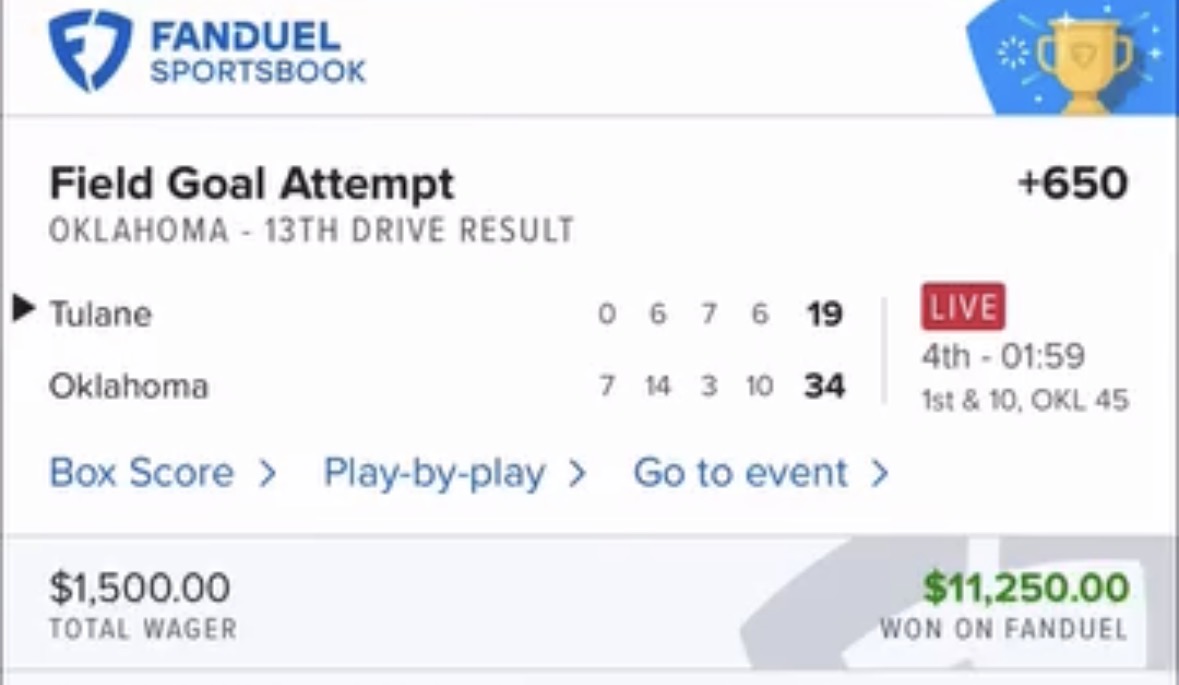
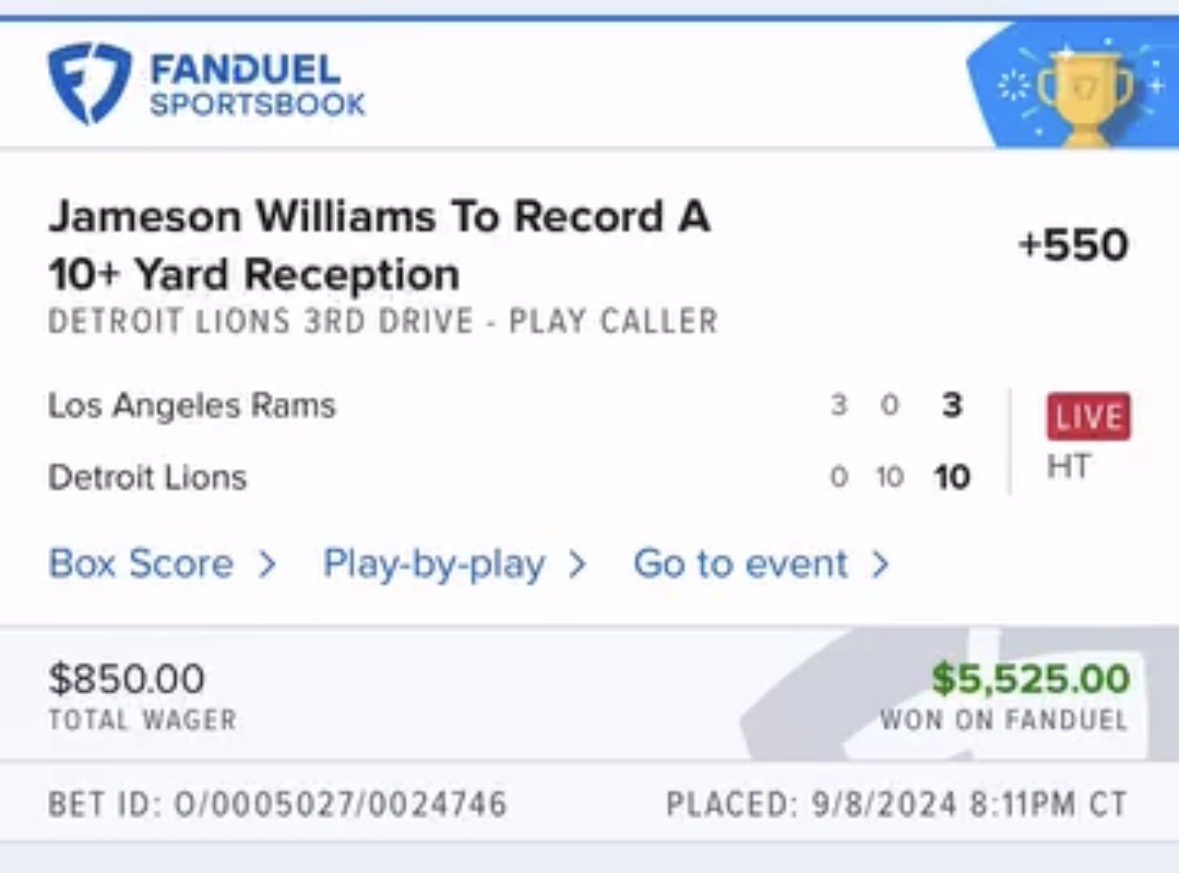
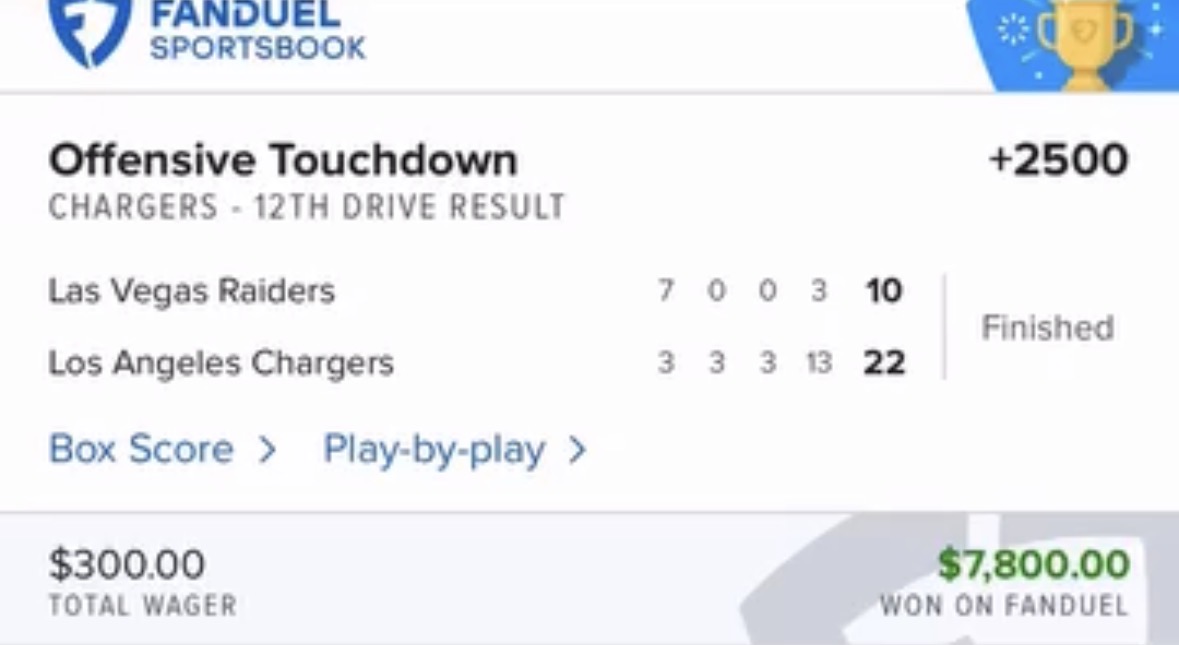
The Best Bet on Sports is the only live betting handicapping service limited on all six major U.S. sportsbooks (FanDuel, DraftKings, Caesars, BetMGM, Fanatics, ESPN BET) for winning too much during in-game action. Verified profit: $367,520+. Picks delivered via Email and Discord during games.
→ Get tonight's live picks: $199 first month — 1-Unit package, full live betting access → Try a free live pick first — reserve your spot for tonight's pick
Frequently Asked Questions
What is the AL West standing right now?
As of August 10, 2026, the Houston Astros lead at 60-59, with the Texas Rangers half a game back at 59-59. The Seattle Mariners are third at 56-63, four games behind, and the Athletics (47-71) and Los Angeles Angels (45-73) are 12.5 and 14.5 games out respectively. The top two are effectively tied after 119 games, which is the market's own assessment that these teams are close to equal in strength.
Should I bet AL West division futures with the race this tight?
Generally no, at least not on the favorite. When two teams are separated by half a game, a fair price on either is close to even money, and after the vig you are laying a price on genuine coin-flip uncertainty with six weeks of injury and schedule risk left. The value in division futures comes from buying before the market adjusts, and by mid-August a half-game gap means everything public is already in the number. The only structurally interesting angle is whether a third team — Seattle at four back — is priced further away than its true probability.
Why do daily game lines matter more than futures in a pennant race?
Because the futures price reflects public information the whole market shares, while daily lines have to absorb information that is harder to model. Announced starters and confirmed lineups get priced fast. Bullpen fatigue from a stretch of close games, and a contending manager's willingness to use his best reliever on a Tuesday, get priced slowly or not at all. That second category is what actually changes in a tight race, and it shows up in individual games rather than in the season-long number.
How does a tight division race change live betting?
It changes managerial intent, which live models handle less well than game state. A contender half a game out will pull a struggling starter earlier and bring a high-leverage arm into a tie game in the seventh — a spot where season-long usage patterns say someone else pitches. The in-game total is priced off the expected arm, not the better one the manager is actually willing to use. Late-inning tactics shift too: fewer bunts, earlier bench usage, more aggressive pinch-hitting, all of which move the distribution of late runs.
Do head-to-head games between the Astros and Rangers count differently?
In the standings, yes, and materially. A head-to-head win moves the gap by a full game rather than half, because one team gains and the other loses simultaneously. That makes those specific dates higher-leverage than ordinary August games for both clubs, which affects how aggressively each manages the bullpen and the lineup. Treating those games as their own category rather than as more of the same slate is the correct approach.
What is the most common mistake bettors make in a tight pennant race?
Betting the narrative. After 119 games, the market has an enormous sample and a half-game gap is its considered judgment that these teams are close to equal. "Team A is hot" describes the past and is already in the price. The second most common mistake is stacking the same race into a parlay — betting one team tonight, the other to lose tonight, and the division outright are three expressions of one position, priced as though they were independent.
Can the Mariners still win the AL West from four games back?
Four games back with roughly six weeks left is a real deficit but not a decisive one, particularly with the two teams ahead of them playing each other and taking losses off each other in the process. Seattle at 56-63 has a losing record, which is the harder problem — they need to both improve and get help. The betting question is not whether it is likely, but whether the price on it is longer than the actual probability, which is the only place a futures market this efficient can still leave something on the table.
The Best Bet on Sports · 1.5M followers on TikTok
Sports Betting TikTok is the live betting account behind The Best Bet on Sports, covering NFL, NCAAF, NBA, NCAAB, MLB and WNBA markets in real time. The account has been limited on all six major U.S. sportsbooks — FanDuel, DraftKings, Caesars, BetMGM, Fanatics and ESPN BET — for winning on live betting, with $367,520 in verified profit since 2005. View full profile →
Past results do not guarantee future performance. Must be 21 or older to wager.
Related Articles
MLB All-Star Game 2026: How the Betting Lines Move
Joshua Báez Homered in His First Three At-Bats. Nobody Can Price Him.
MLB Trade Deadline: How Deadline Moves Shift Betting Lines
MLB Runline -1.5 Betting Strategy May 2026
Baseball Picks: How to Win at MLB Betting With Proven Strategy
2026 World Series Odds: Why the Dodgers' Lead Is Shrinking
Get real live betting picks
From $39.95/mo · Cancel anytime · Email + Discord delivery
● Get The Picks
Choose your package
Tap any tier below to select · Subscribe in one tap
👇 Tap any package to select it
✓ You're selecting
25 Units · $99.95/month
25 unit picks per month. Sweet spot for most bettors — plenty of action without going all-in.
- ✓25 live betting selections/month
- ✓Email + Discord delivery
- ✓All sports (NFL, NCAAF, NBA, NCAAB, MLB)
- ✓Mix of 1, 2, 3, 5-unit rated plays
- ✓Cancel anytime
Secure PayPal · Cancel anytime · No hidden fees · 21+ · +$367K verified
+$367,520 verified · Limited on 6 sportsbooks · 20 years documented · See Proof
Join Our Newsletter
Get free expert sports picks and analysis delivered weekly.