Joshua Báez Homered in His First Three At-Bats. Nobody Can Price Him.

Joshua Báez became the first player in modern MLB history to homer in each of his first three career at-bats, and the betting lesson is about markets rather than about him. Three plate appearances barely move a projection built on thousands of minor league ones, but they move a price enormously — because prices are made of demand, not of estimates. That gap is where debut markets go wrong.
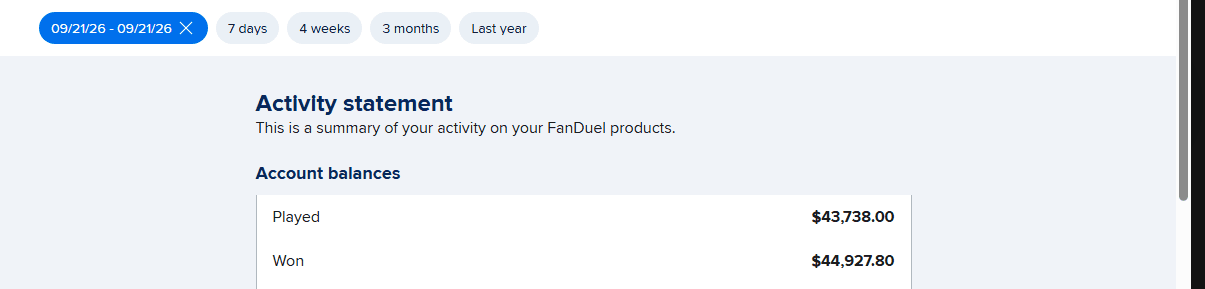
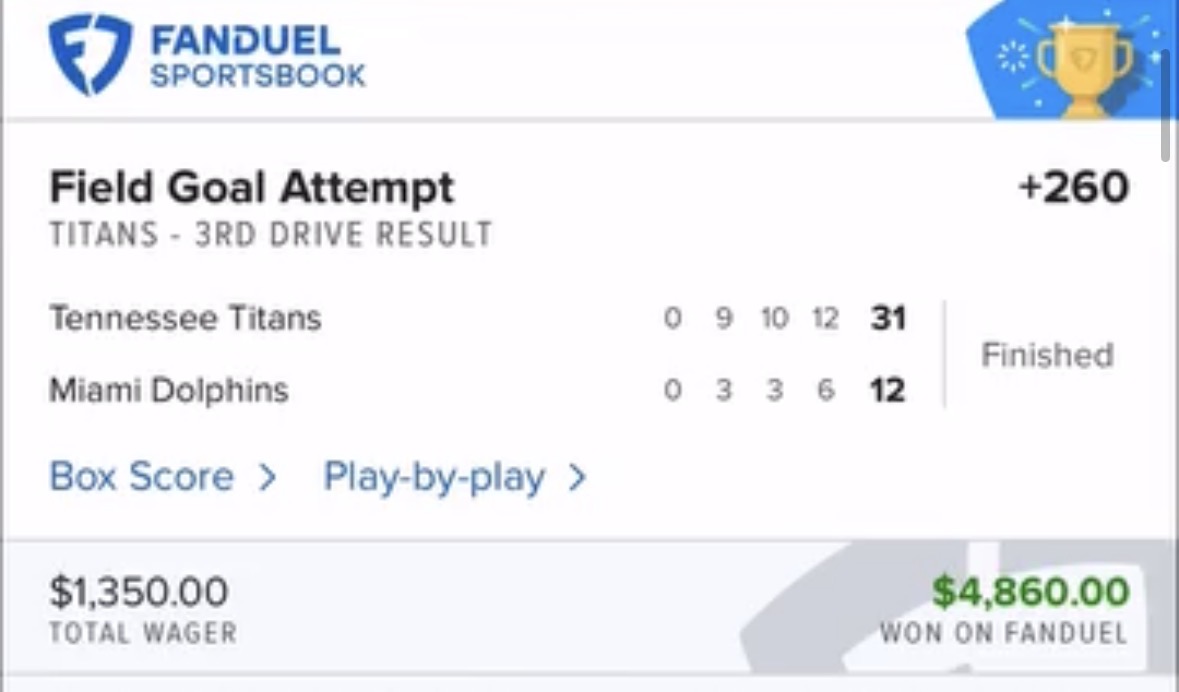
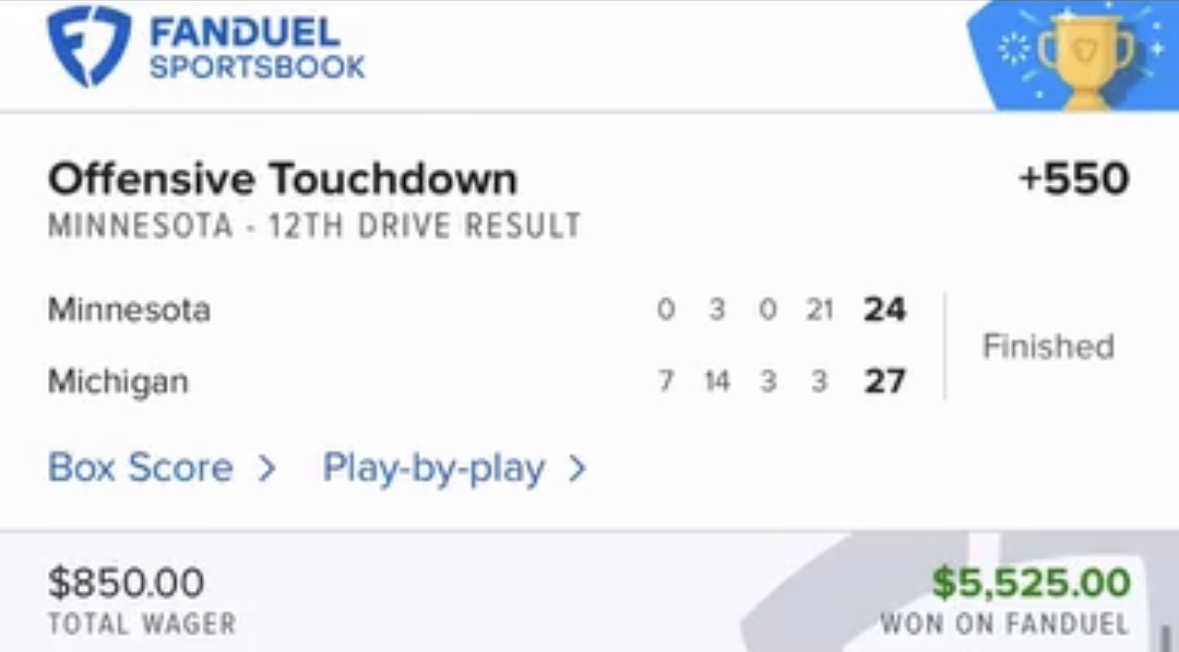
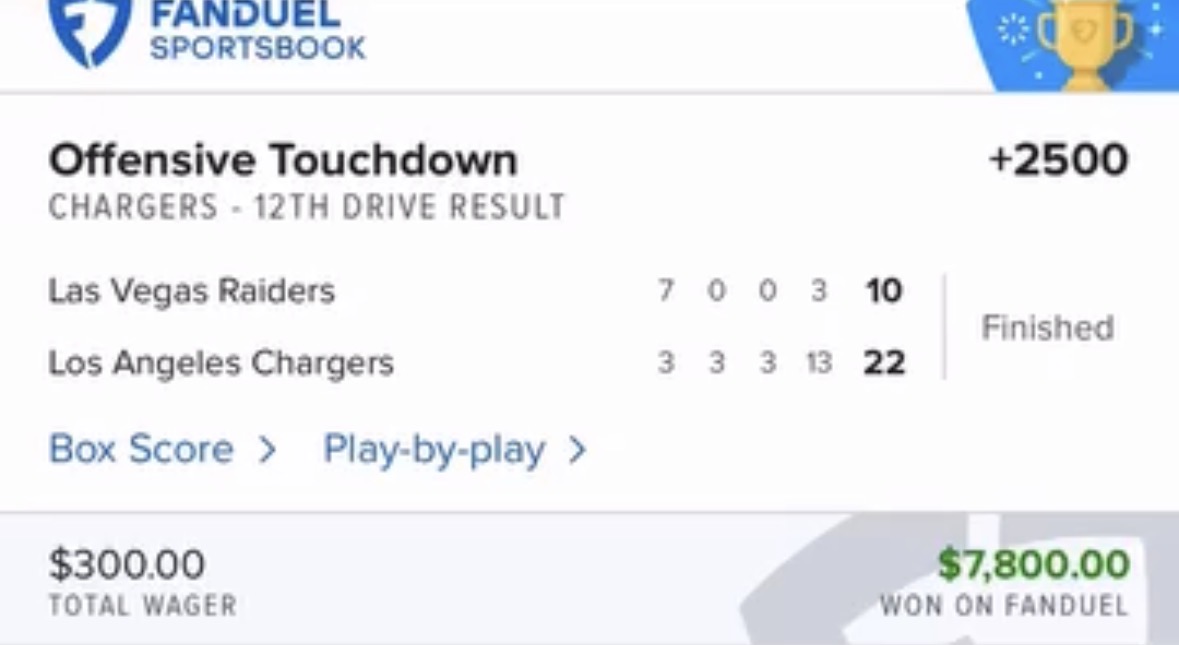
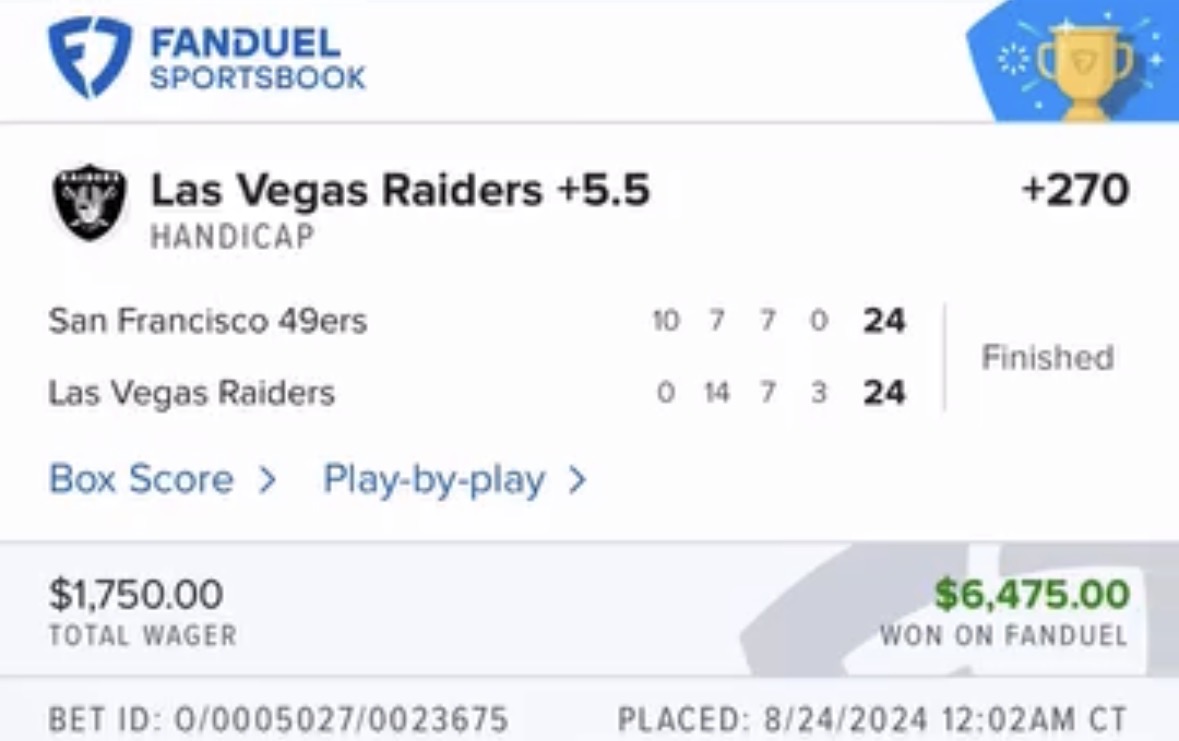
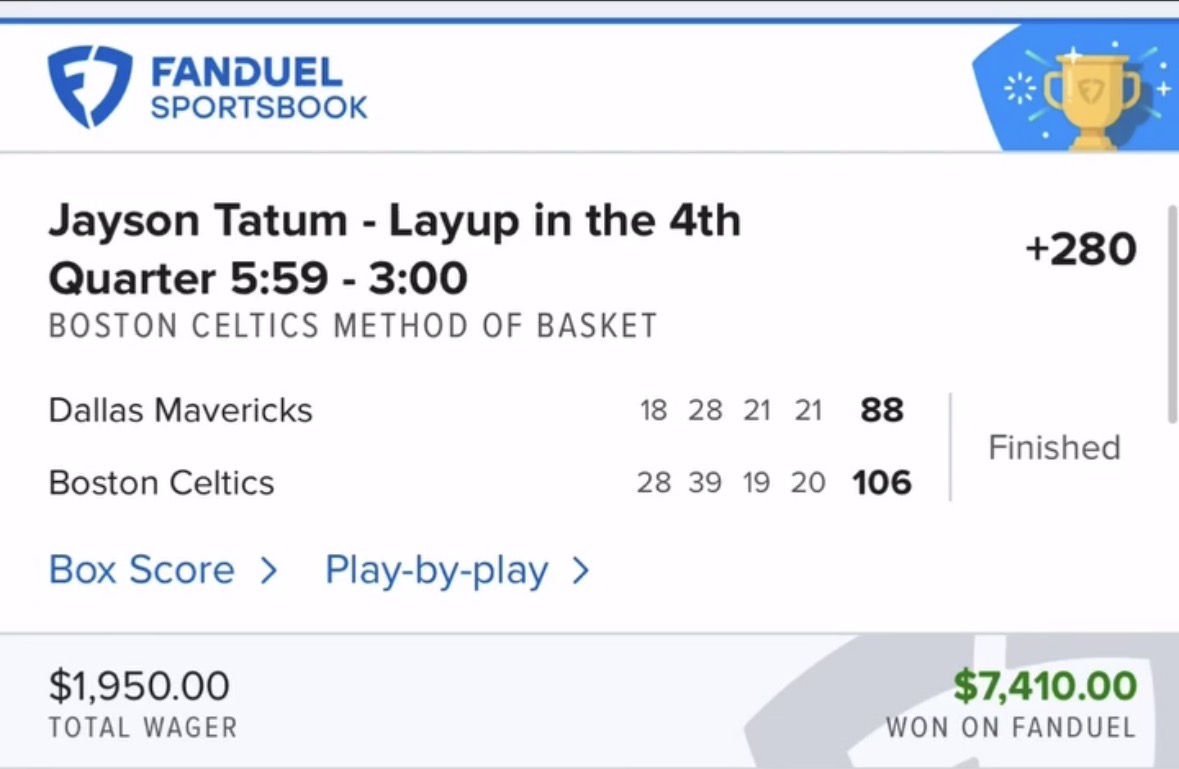
Joshua Báez homered in each of his first three career at-bats on Saturday at Wrigley Field, the first player in modern major league history to do it, and the betting question it raises has almost nothing to do with whether he is good. It is this: what is the correct price on a player with three at-bats of major league evidence? Three plate appearances do not meaningfully move a projection built on thousands of minor league ones — but they move a market enormously, because a market price is made of demand rather than of estimates. The Best Bet on Sports has run live in-game picks for more than twenty years and posted a verified $367,520+ in profit across all sportsbooks, and debut markets are one of the cleanest illustrations we get of a gap between what is known and what is priced.
This is a news-and-betting-angle breakdown, not a pick. Everything below is written from Saturday's game and the information publicly available around it.
What Happened
Báez was called up from Triple-A Memphis before Saturday's game against the Cubs at Wrigley Field, the ninth Cardinals player to make his major league debut this season. Thirty members of his family were in the stands, including his mother. He hit a home run in each of his first three trips to the plate, drove in five runs, and St. Louis won 8-4.
| At-bat | Result | Detail |
|---|---|---|
| 1st | Home run | On the first pitch he saw, off Matthew Boyd — 449 feet into the left-center bleachers |
| 2nd | Home run | Solo shot down the left-field line |
| 3rd | Home run | Opposite field |
Major League Baseball confirmed he is the first player in the modern era to homer in his first three career at-bats. The 449-foot shot is the third-longest debut home run since tracking began in 2006, behind Jason Heyward's 476-foot debut homer in 2010 and Aaron Judge's 457-footer in 2016.
The 23-year-old outfielder entered the day rated the Cardinals' fourth-best prospect and 93rd overall by ESPN's Kiley McDaniel, and he was leading his Triple-A league with 34 home runs, having already produced four multi-homer games at Memphis. Cardinals manager Oliver Marmol said it was rare for him to pick his head up and enjoy parts of a game. Cubs manager Craig Counsell offered the single most informative sentence anyone said all night: "He hit three different pitches for home runs."
Hold onto that quote. It will matter later, and it is not a statistic.
Three At-Bats Is Not a Sample. It Is an Anecdote.
Start with the uncomfortable arithmetic, because it is the load-bearing part of this article.
A projection system's estimate of Joshua Báez on Saturday morning was built from several thousand minor league plate appearances, scouting grades, age-relative-to-level adjustments, park factors, and translations from Triple-A to the majors. That is a large, slow-moving body of evidence. Adding three plate appearances to it changes the estimate by an amount that rounds to nothing. Not a small amount — an amount so small that any honest model would report the same projection on Sunday that it reported on Friday, with a rounding difference in the fourth decimal place.
That is not a criticism of the performance. It is a statement about what three observations can carry. Three home runs in three at-bats is an extraordinary event that carries almost no information, because the very thing that makes it remarkable — its rarity — is what prevents it from telling you much about the underlying ability that produced it.
But now look at what happened to the price.
By Sunday morning, this player's name is on every highlight package in the country, his home run props are being bought by people who had never heard of him thirty-six hours earlier, and his number has moved substantially. Nothing about the underlying estimate changed. Everything about the demand did.
That gap — between what a model would say and what the board says — is the entire opportunity in a debut market, and after a historic debut it is as wide as it ever gets. The same mechanism drives the broader dynamic we describe in fading the public, but the debut case is more extreme than an ordinary public-money situation, for a reason worth spelling out.
Why the Book's Number Gets Worse, Not Better
Here is the part most bettors get backwards. The instinct after a viral performance is that the sportsbook, in a rush, has probably left something soft. The opposite is closer to the truth.
A sportsbook prices a market by combining an estimate with a margin. When the estimate is confident, the operator can price tight, because it knows roughly where it stands. When the estimate is genuinely uncertain — as it is for a player with three career at-bats — the operator does not respond by guessing harder. It responds by widening the margin, because margin is the only protection available against an estimate it does not trust.
So the price you are offered on a debut player is not a sharper number arrived at in a hurry. It is a deliberately wider number, offered on a low-limit market, into a wave of one-directional demand.
| What bettors assume | What is actually happening |
|---|---|
| The book had no time to set a good number, so there is value | The book knows it has no good number, so it widened the margin |
| Heavy public money on the over means the over is inflated and the under is live | The book adjusted for that too, and the under is priced off the same uncertain estimate |
| A rookie market is soft because it is small | A small market has lower limits, wider prices, and less competition to sharpen it |
The general relationship between an operator's margin and your break-even rate is laid out in sportsbook hold and implied probability, and the debut case is that relationship at its least favorable. This is a market where nobody knows anything and one side of the counter is charging you for that fact.
The honest counter-argument, which deserves stating rather than dismissing: hype is not purely noise. A hitter who arrives with a reputation genuinely does get pitched differently — fewer strikes early, more breaking balls, more attention to platoon matchups. A manager genuinely may move him up the order. Those effects are real, they are mechanical rather than narrative, and they do move a projection. So "just fade the debut hype" is a lazy read. The accurate read is that these effects exist, they are modest, and they are not priced in either direction, because there is no reliable way to size them from three at-bats.
Which is why the useful conclusion is not "bet the under." It is that the pregame prop board is the wrong instrument for this situation entirely.
Where the Information Actually Arrives
Everything you would genuinely want to know about Joshua Báez this week resolves during games, not before them.
Consider what is unknown as of Sunday morning: where he hits in the order once the lineup card is actually posted, whether he starts against left-handed pitching, whether he is pinch-hit for in a late-inning platoon spot, whether he stays up when the roster gets squeezed, and — the big one — how major league pitching staffs adjust to him once they have a book on his swing. Counsell's observation that he hit three different pitch types is exactly the kind of thing an opposing pitching coach acts on immediately, and the action shows up in the second and third times through a series, not in a pregame projection.
A pregame prop is priced hours before any of that is knowable, and it stays at that price regardless. An in-play market reprices on every plate appearance. If he is being pitched around, you see it in the first two at-bats. If he is dropped to seventh in the order, you see it on the lineup card. If the opposing manager brings a specialist for him in the sixth, you see it while the live team total is still trading.
A player with no prior is the purest possible case of information arriving faster than a pregame market can use it, which is a plain description of a live betting spot. The mechanics of how in-game baseball markets move on that kind of information are covered in MLB live betting in-game edges, and the general case for why in-play beats pregame on fast-moving information is in live betting versus pregame picks.
None of this makes a debut player easy to bet. It relocates the question to a market where the answer arrives while you can still act on it, rather than one where the answer arrives after settlement.
In Two Weeks, This Becomes a Football Article
The reason a baseball story is worth this much attention in mid-August is that the condition it illustrates is about to become the dominant condition of the entire football calendar.
College football opens Week 0 on August 29, with NFL Week 1 following in September. Between them, the market is about to be handed an enormous population of players and systems with no major-level prior at all: first-time starting quarterbacks, transfer-portal arrivals in new schemes, rookies stepping into full-time roles, and seven new NFL head coaches running offenses nobody has seen play a meaningful snap.
Football sharpens the problem in two ways baseball does not.
First, the sample is far smaller by construction. A baseball rookie accumulates four or five plate appearances a night, so the evidence arrives quickly even if it starts at zero. A football rookie gets one game a week, which means the market spends September pricing players off one, then two, then three observations — and each of those observations is contaminated by opponent, weather, game script, and whether his team was ahead or chasing.
Second, the prior itself is weaker. A college roster can turn over thirty contributors in an offseason, so the "prior" the market is working from is frequently a preseason poll and a coaching-staff reputation. We wrote about the roster-churn version of this in NIL and the transfer portal's betting impact, and about the futures-market version of pricing unproven rookies in the preseason Offensive Rookie of the Year board, where the same core problem shows up as a market paying a premium for a player whose volume nobody has actually observed yet.
The practical takeaway carries across both sports: the weeks when nobody has data are the weeks when the pregame board is least worth trusting and the in-play board is most worth watching, because in-play is the only place where the first real evidence and the price exist at the same time.
Our coverage as the season opens is at college football picks and NFL picks, with the broader in-game approach on the live betting picks page.
Where This Argument Stops
Three limits, and the last one cuts against the piece.
Nothing here is a prediction about Joshua Báez. He may be an excellent major league hitter. He was a top-100 prospect leading his league in home runs before any of this happened, which is a real credential, and being unpriceable is not the same as being overrated. This article is about the state of a market, not about a scouting report.
Rookie prop markets carry low limits. Even a genuinely correct read on a debut player caps out at a small number, because operators restrict exposure on markets they do not trust. A correct opinion you can only stake a small amount on is a small opinion, and the reason that constraint binds harder than most bettors expect is covered in our piece on live betting limits.
And small-sample logic cuts in both directions. If three at-bats cannot establish that a hitter is good, three at-bats also cannot establish that the market has him wrong. The intellectually honest position after a debut like Saturday's is not a contrarian one — it is that there is not enough information to hold a strong opinion in either direction, and that a market you have no basis for an opinion on is a market to watch rather than to bet. The uncomfortable version of that, which most betting content will not tell you this week, is that the best available action on Joshua Báez's props right now is probably none.
Get Tonight's Live Picks
Want tonight's live in-game picks delivered to your phone via Email and Discord, on markets that reprice while the information is still arriving?
The Best Bet on Sports is the only live betting handicapping service limited on all six major U.S. sportsbooks (FanDuel, DraftKings, Caesars, BetMGM, Fanatics, ESPN BET) for winning too much during in-game action. Verified profit: $367,520+. Picks delivered via Email and Discord during games.
→ Get tonight's live picks: $199 first month — 1-Unit package, full live betting access → Try a free live pick first — reserve your spot for tonight's pick
Sport-specific coverage is at MLB picks, NFL picks, football picks, and college football picks.
Frequently Asked Questions
What did Joshua Báez actually do in his major league debut?
He homered in each of his first three career at-bats for the Cardinals on Saturday at Wrigley Field against the Cubs, driving in five runs in an 8-4 St. Louis win. The first came on the first pitch he saw from Matthew Boyd and traveled 449 feet to left-center, the second was a solo shot down the left-field line, and the third went the opposite way. Major League Baseball confirmed he is the first player in the modern era to homer in his first three career at-bats.
Does a debut like that change what a projection says about him?
Almost not at all. His projection was built from several thousand minor league plate appearances plus scouting grades, park factors and level translations, and adding three plate appearances to that body of evidence moves the estimate by a rounding error. That is not a criticism of the performance — it is a statement about what three observations can carry. The rarity that makes the debut remarkable is exactly what prevents it from being informative about the underlying ability.
Why did his betting props move so much then?
Because a market price is made of demand, not of estimates. A projection updates on evidence; a price updates on money. After a debut that leads every highlight package in the country, one-directional money arrives from people who had not heard the player's name two days earlier, and the number moves to reflect that flow rather than any change in what is known.
Is a rookie prop market soft because the book has no data?
Usually the opposite. When an operator's estimate is genuinely uncertain, it does not guess harder — it widens its margin, because margin is the only protection available against a number it does not trust. So a debut market typically offers a wider price, on lower limits, into heavy one-directional demand. Bettors read the uncertainty as an opening; it is more often a surcharge.
Should you bet the over or the under on a player after a huge debut?
Neither is the honest answer, because the pregame prop board is the wrong instrument for the situation. Fading hype is not automatically right — a hyped hitter genuinely does get pitched differently and may move in the order, and those effects are real rather than narrative. They are simply too small to size confidently from three at-bats. A market you have no basis for a strong opinion on is one to watch rather than to bet.
Where is the actual edge on a player nobody can price?
In-play. Everything you would want to know about a debut player resolves during games: where he actually hits in the order, whether he starts against left-handed pitching, whether he gets pinch-hit for in a platoon spot, and how pitching staffs adjust once they have a book on his swing. A pregame prop is priced hours before any of that is knowable and stays there. A live market reprices on every plate appearance, which is the only place the first real evidence and the price exist at the same time.
How does this apply to football season?
Directly, and more severely. College football opens Week 0 on August 29 and NFL Week 1 follows in September, delivering a huge population of first-time starting quarterbacks, transfer-portal arrivals, full-time rookies, and new coaching staffs with no meaningful prior. Football makes the problem worse in two ways: the sample grows one game per week instead of four or five plate appearances per night, and each observation is contaminated by opponent, weather and game script. September is the month when pregame boards are least worth trusting.
The Best Bet on Sports · 1.5M followers on TikTok
Sports Betting TikTok is the live betting account behind The Best Bet on Sports, covering NFL, NCAAF, NBA, NCAAB, MLB and WNBA markets in real time. The account has been limited on all six major U.S. sportsbooks — FanDuel, DraftKings, Caesars, BetMGM, Fanatics and ESPN BET — for winning on live betting, with $367,520 in verified profit since 2005. View full profile →
Past results do not guarantee future performance. Must be 21 or older to wager.
Related Articles
Astros vs. Rangers: Betting a Half-Game AL West Race
MLB All-Star Game 2026: How the Betting Lines Move
MLB Trade Deadline: How Deadline Moves Shift Betting Lines
2026 World Series Odds: Why the Dodgers' Lead Is Shrinking
MLB Runline -1.5 Betting Strategy May 2026
MLB Home Plate Umpire Strike Zone Totals Betting Strategy May 2026
Get real live betting picks
From $39.95/mo · Cancel anytime · Email + Discord delivery
● Get The Picks
Choose your package
Tap any tier below to select · Subscribe in one tap
👇 Tap any package to select it
✓ You're selecting
25 Units · $99.95/month
25 unit picks per month. Sweet spot for most bettors — plenty of action without going all-in.
- ✓25 live betting selections/month
- ✓Email + Discord delivery
- ✓All sports (NFL, NCAAF, NBA, NCAAB, MLB)
- ✓Mix of 1, 2, 3, 5-unit rated plays
- ✓Cancel anytime
Secure PayPal · Cancel anytime · No hidden fees · 21+ · +$367K verified
+$367,520 verified · Limited on 6 sportsbooks · 20 years documented · See Proof
Join Our Newsletter
Get free expert sports picks and analysis delivered weekly.