MLB All-Star Game 2026: How the Betting Lines Move

The 2026 MLB All-Star Game is Tuesday, July 14 at Citizens Bank Park in Philadelphia, first pitch 8 p.m. ET, with the National League a home favorite around -135 to -142 over the American League and a total set near 7.5 runs. Dylan Cease starts for the AL and Cristopher Sanchez for the NL. This preview breaks down why the exhibition format makes the pre-game line nearly untouchable and why the real betting value lives in the live in-game markets.
The 2026 MLB All-Star Game runs Tuesday, July 14 at Citizens Bank Park in Philadelphia with first pitch at 8 p.m. ET, and the National League opened as a home favorite around -135 to -142 over the American League with the total set near 7.5 runs. Toronto's Dylan Cease starts for the AL and Philadelphia's own Cristopher Sanchez takes the ball for the NL in front of a home crowd. The Best Bet on Sports has built a verified $367,520+ profit across all six major U.S. sportsbooks over more than twenty years, and the All-Star Game is a textbook example of a night where the pre-game number is almost impossible to beat and the entire edge lives in the live, in-game markets. The exhibition format that makes this game fun to watch is exactly what makes the opening line a trap for bettors who treat it like a regular-season matchup.
The All-Star Game looks like a normal baseball bet — two sides, a moneyline, a total — but it is not priced or played like one. Starters exit after an inning or two, benches empty, relievers most fans have never seen finish the game, and nobody involved is chasing a standings result. That structure changes how the number should be read and where a sharp bettor actually finds value. Here is how the 2026 line is set, why the pre-game side is a coin flip dressed up as a favorite, and why the live board is the only place this game is worth betting.
What Are the 2026 MLB All-Star Game Odds?
The National League is the home favorite in Philadelphia, priced roughly -135 to -142 on the moneyline depending on the book, with the American League sitting around +100 to +120 as the underdog. The total is posted near 7.5 runs.
| Market | National League | American League |
|---|---|---|
| Moneyline | ~ -135 to -142 (favorite) | ~ +100 to +120 (underdog) |
| Role | Home side, Citizens Bank Park | Visiting side |
| Starting pitcher | Cristopher Sanchez (Phillies, LHP) | Dylan Cease (Blue Jays, RHP) |
| Total (both sides) | Over/Under ~ 7.5 runs | Over/Under ~ 7.5 runs |
The NL lineup features Kyle Schwarber, Juan Soto, and Freddie Freeman near the top, with CJ Abrams at shortstop — a home crowd bonus for the Phillies contingent led by Sanchez on the mound. The AL counters with Mike Trout in center, Yordan Alvarez at DH, Bobby Witt Jr. at short, and Shea Langeliers behind the plate catching Cease. On paper it is a loaded matchup on both sides, which is precisely why the pre-game price sits so close to a coin flip.
Odds move constantly and vary by book; treat the numbers above as the market range at preview time, not a live quote. Always confirm the current price at your sportsbook before betting.
Why the Pre-Game Line Is Almost Unbeatable
A -140 favorite in an All-Star Game is not the same bet as a -140 favorite in a regular-season game, because the inputs that make a regular-season price meaningful barely apply here.
In a normal game, you are betting a starting pitcher who will throw five to seven innings, a defined bullpen order, and a lineup with a reason to win. In the All-Star Game, Sanchez and Cease will each likely throw an inning or two, then hand the ball to a parade of relievers chosen for recognition as much as matchup. The lineups that start will be gone by the fifth inning. Nobody is managing to win — they are managing to get everyone in the game. That means the two things a pre-game baseball bet leans on hardest, starting pitching and lineup continuity, are both stripped out after two innings.
The result is a game whose outcome is closer to random than almost anything else on the board, and the market knows it. That is why the price hugs the middle. When an outcome is genuinely close to a coin flip and the book has priced it efficiently, there is no pre-game edge to find — you are just paying vig to bet a 50/50 event. This is the same reason sharp bettors fade heavily-shaded, low-information markets and wait for better spots, a discipline that carries over from live betting vs pre-game picks.
Where the Real Value Lives: The Live In-Game Market
The All-Star Game is one of the best live-betting nights of the summer precisely because the pre-game price is dead. Once the game starts, the number moves on real events, and real events create mispriced moments.
Here is the dynamic. Because starters exit early, the game's complexion changes inning to inning as unfamiliar relievers come in. A book pricing the live total has to react to a scoreless first two innings from two aces, then re-react when the middle relievers arrive and the run environment shifts. Live totals in an exhibition swing more than in a regular-season game because the pitching quality is genuinely uneven across nine innings — front-line arms early, mixed bags late. That unevenness is where a live bettor who is watching the actual pitching matchups finds numbers the book shaded wrong for a few minutes.
The same applies to live moneylines and inning props. An early lead in an exhibition means far less than it does in a game with standings on the line, because the losing side is about to cycle in fresh hitters against a middle reliever. A book that moves a live moneyline hard on a second-inning run is overreacting to a lead that history says holds up poorly in this specific format. Catching that overreaction — buying the live number before it corrects — is the entire game, and it is the same edge described in why sportsbooks limit winning bettors: consistently beating the live number is what gets accounts restricted.
How to Approach Betting the All-Star Game
If you are going to bet this game, bet it live, bet it small, and bet it on information the number has not caught up to yet.
The pre-game moneyline and total are efficient markets on a near-random event — there is no reason to fire your bankroll into a priced-in coin flip. The MVP and prop markets are fun but similarly shaded, and they hinge on which unpredictable reserve happens to get a big hit in the sixth inning. The live board is different: it moves on the actual sequence of the game, and the exhibition format produces more mispriced moments than a regular-season night, because the pitching quality lurches around and every lead is softer than it looks.
Size these bets as entertainment-plus-edge, not as a core play. The All-Star Game is one night, and the value is in a handful of live windows, not a season-defining position. Keep your unit sizing disciplined — the same framework as bankroll management for $100 to $500 bettors — and treat the live market as the only place this game is genuinely bettable. For the broader baseball card around the break, the daily MLB picks board is where the regular-season value returns once the season resumes.
The Bottom Line on the 2026 All-Star Game
The 2026 MLB All-Star Game is Tuesday, July 14 in Philadelphia, NL favored around -135 to -142 with a total near 7.5, Sanchez versus Cease on the mound. The pre-game line is an efficiently priced coin flip you should not chase. The live in-game market — where early exits, unfamiliar relievers, and soft leads create mispriced windows — is the only place this game is worth betting.
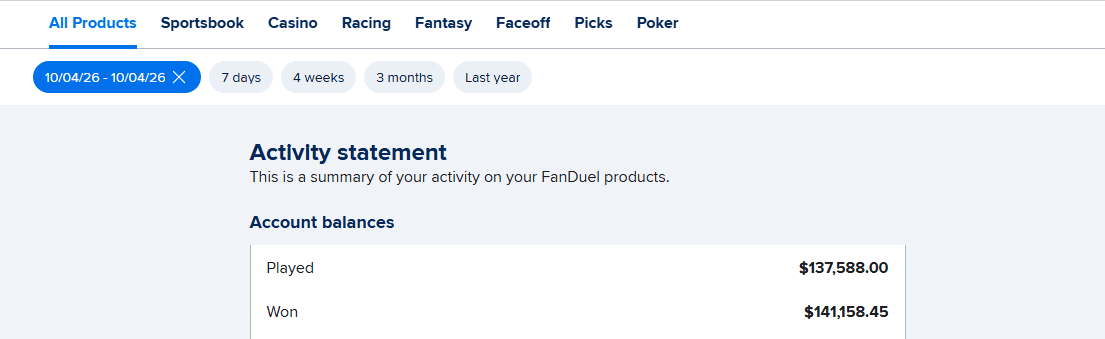
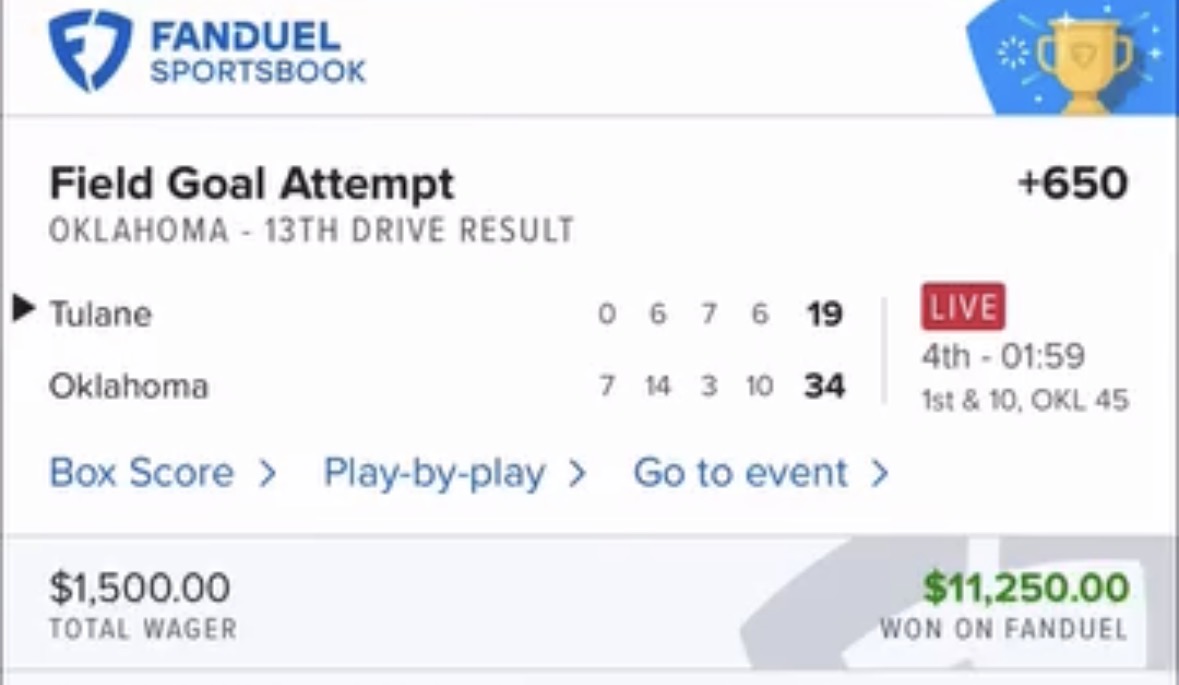
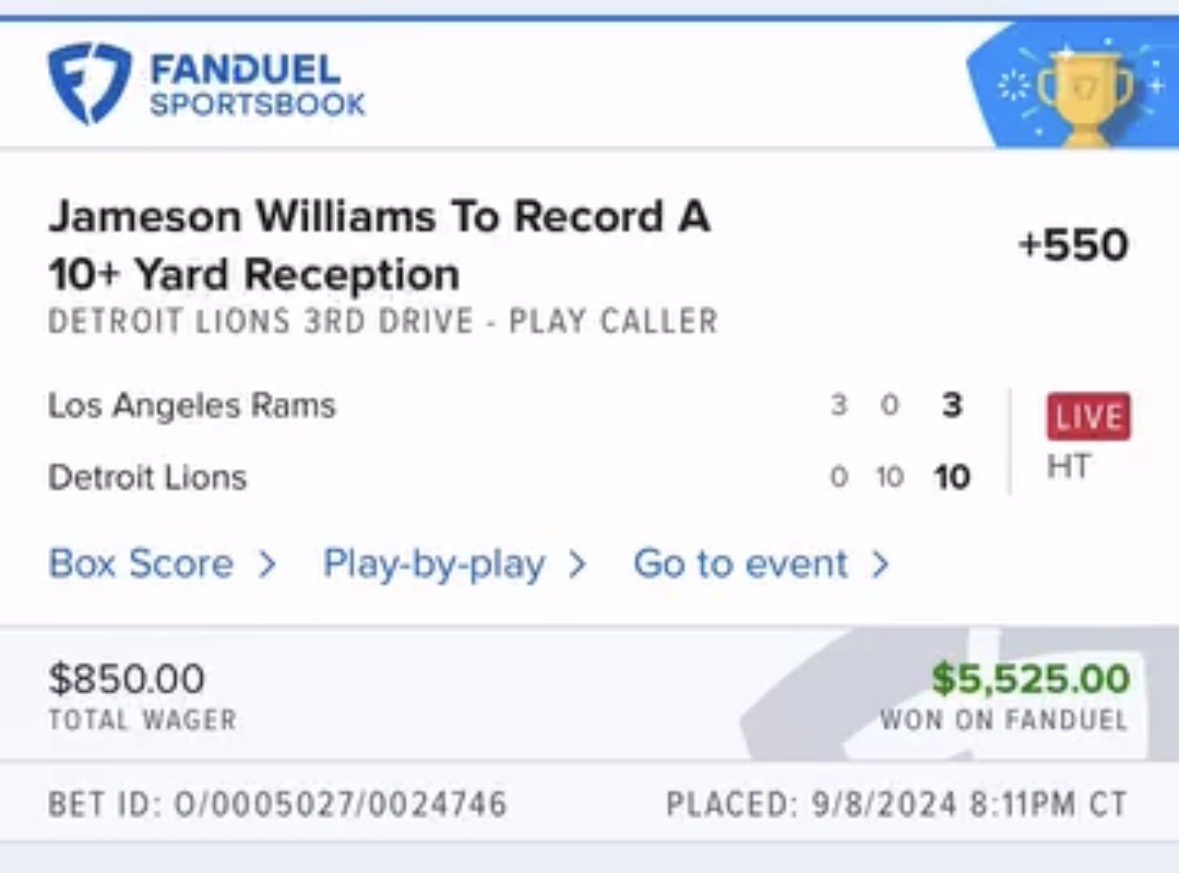
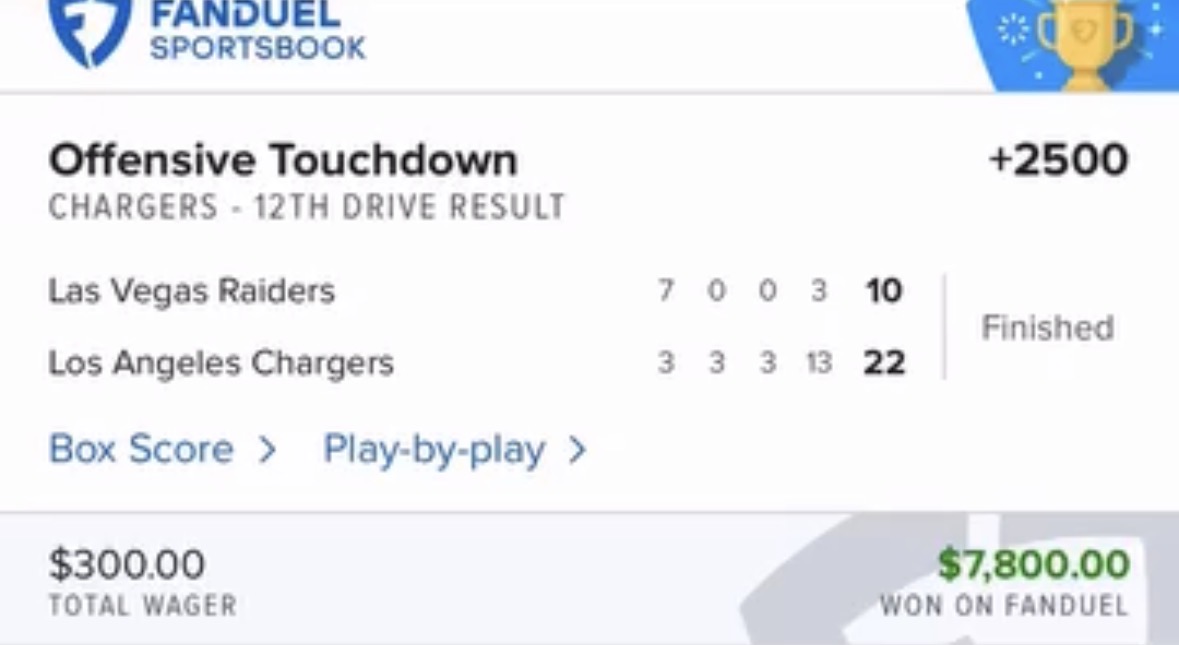
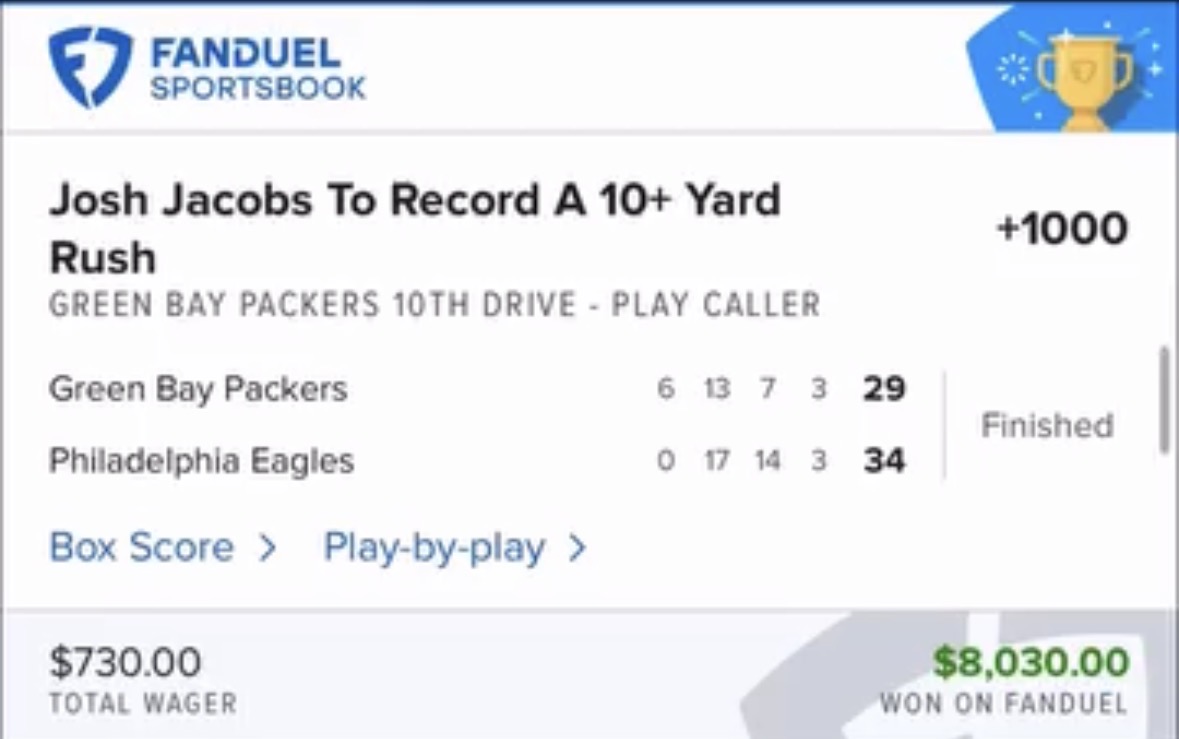
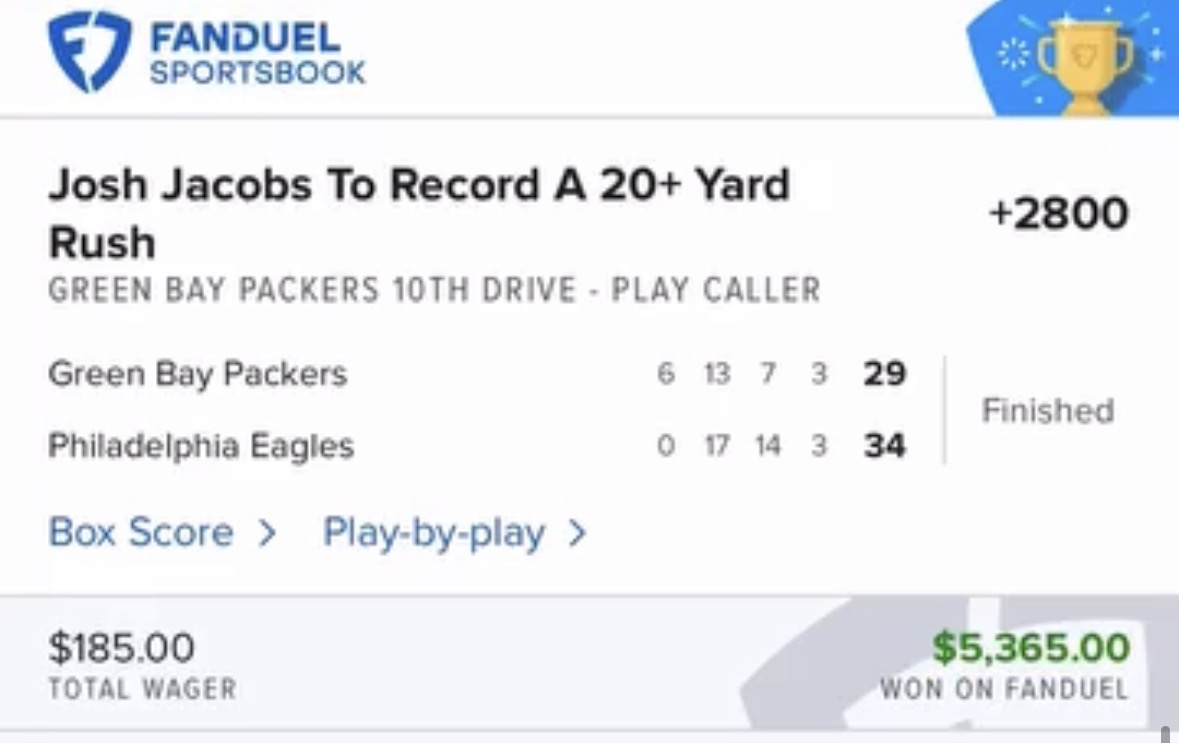
At The Best Bet on Sports, we are limited on all six major U.S. sportsbooks — FanDuel, DraftKings, Caesars, BetMGM, Fanatics, and ESPN BET — because we win too much during live action. Nights like the All-Star Game are exactly why: the pre-game number is dead, and the live board is alive with overreactions. See where the current action is on the live betting picks page, check the verified results, and when you would rather have the live windows called for you, our sports handicappers work the in-game board in real time.
Get Tonight's Live Picks
Want tonight's live in-game MLB picks delivered to your phone via Email and Discord during the game?
The Best Bet on Sports is the only live betting handicapping service limited on all six major U.S. sportsbooks (FanDuel, DraftKings, Caesars, BetMGM, Fanatics, ESPN BET) for winning too much during in-game action. Verified profit: $367,520+. Picks delivered via Email and Discord during games.
→ Get tonight's live picks: $199 first month — 1-Unit package, full live betting access → Try a free live pick first — reserve your spot for tonight's pick
Frequently Asked Questions
When and where is the 2026 MLB All-Star Game?
The 2026 MLB All-Star Game is Tuesday, July 14 at Citizens Bank Park in Philadelphia, with first pitch scheduled for 8 p.m. ET. It is the annual midseason exhibition between the American League and National League All-Star squads, played the night after the Home Run Derby at the same ballpark.
Who is favored in the 2026 All-Star Game?
The National League is the home favorite, priced roughly -135 to -142 on the moneyline depending on the sportsbook, with the American League around +100 to +120 as the underdog. The total is set near 7.5 runs. Cristopher Sanchez of the host Phillies starts for the NL and Dylan Cease of the Blue Jays starts for the AL. The price sits close to a coin flip because the exhibition format makes the outcome nearly random.
Should you bet the All-Star Game moneyline?
The pre-game moneyline is an efficiently priced near-coin-flip, so there is little value in firing your bankroll into it. Starters exit after an inning or two, lineups turn over completely by the middle innings, and no one is managing to win — which strips out the starting-pitching and lineup-continuity factors a normal baseball bet relies on. If you bet this game, the live in-game market offers far more value than the static pre-game side.
Why is the All-Star Game hard to handicap?
Because the two inputs that drive a regular-season baseball bet — the starting pitcher's five-to-seven-inning workload and a stable lineup — both disappear after two innings. Starters throw an inning or two, benches empty, and unfamiliar middle relievers finish the game while every hitter cycles out. That turns the outcome into something close to random, which is why the market prices it near a coin flip and why there is no reliable pre-game edge to exploit.
Where is the betting value in the All-Star Game?
In the live, in-game markets. Because the pitching quality lurches from front-line aces early to mixed-bag relievers late, live totals swing more than in a regular-season game, and books frequently overreact to early runs or scoreless innings. Every lead is softer than it looks because the trailing side is about to send fresh hitters against a middle reliever. Catching those live overreactions before the number corrects is the only genuine edge on All-Star Game night.
What is the total for the 2026 All-Star Game?
The over/under is posted near 7.5 runs. That number reflects a game that opens with two ace starters and then runs through a deep, uneven bullpen on both sides. Because the run environment shifts sharply once the starters leave, the live total tends to move more than the pre-game number implies — which is exactly why sharp bettors treat the live total as the real market and the pre-game total as a priced-in placeholder.
Is the All-Star Game a good night for live betting?
It is one of the best live-betting nights of the summer, precisely because the pre-game line is dead. The exhibition format produces more mispriced live moments than a regular-season game: uneven pitching across nine innings, soft leads, and books overreacting to events that mean less than they would with standings on the line. Bet it live, bet it small, and treat the live board as the only place the All-Star Game is genuinely bettable.
The Best Bet on Sports · 1.5M followers on TikTok
Sports Betting TikTok is the live betting account behind The Best Bet on Sports, covering NFL, NCAAF, NBA, NCAAB, MLB and WNBA markets in real time. The account has been limited on all six major U.S. sportsbooks — FanDuel, DraftKings, Caesars, BetMGM, Fanatics and ESPN BET — for winning on live betting, with $367,520 in verified profit since 2005. View full profile →
Past results do not guarantee future performance. Must be 21 or older to wager.
Related Articles
Astros vs. Rangers: Betting a Half-Game AL West Race
Joshua Báez Homered in His First Three At-Bats. Nobody Can Price Him.
MLB Trade Deadline: How Deadline Moves Shift Betting Lines
MLB Runline -1.5 Betting Strategy May 2026
Baseball Picks: How to Win at MLB Betting With Proven Strategy
MLB Handicapping Tips for Winning: Baseball Betting Strategies That Work
Get real live betting picks
From $39.95/mo · Cancel anytime · Email + Discord delivery
● Get The Picks
Choose your package
Tap any tier below to select · Subscribe in one tap
👇 Tap any package to select it
✓ You're selecting
25 Units · $99.95/month
25 unit picks per month. Sweet spot for most bettors — plenty of action without going all-in.
- ✓25 live betting selections/month
- ✓Email + Discord delivery
- ✓All sports (NFL, NCAAF, NBA, NCAAB, MLB)
- ✓Mix of 1, 2, 3, 5-unit rated plays
- ✓Cancel anytime
Secure PayPal · Cancel anytime · No hidden fees · 21+ · +$367K verified
+$367,520 verified · Limited on 6 sportsbooks · 20 years documented · See Proof
Join Our Newsletter
Get free expert sports picks and analysis delivered weekly.