MLB Second-Half Parlay Strategy: Betting the Deadline Stretch

MLB second-half parlays fail for a reason most bettors never diagnose: the roster that earned a team's season-long numbers is not the roster taking the field after the trade deadline. This guide covers how deadline buying and selling breaks the team profiles your parlay legs are priced on, which motivation gaps create real mispricing in August and September, and how to structure multi-leg tickets around a market in flux.
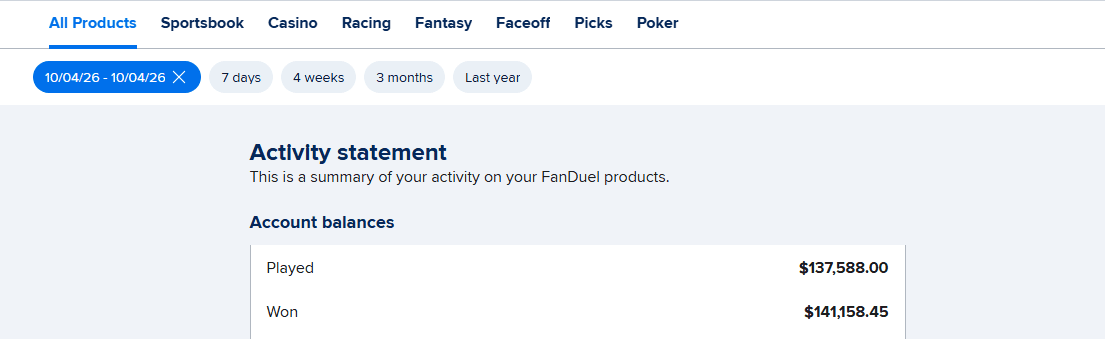
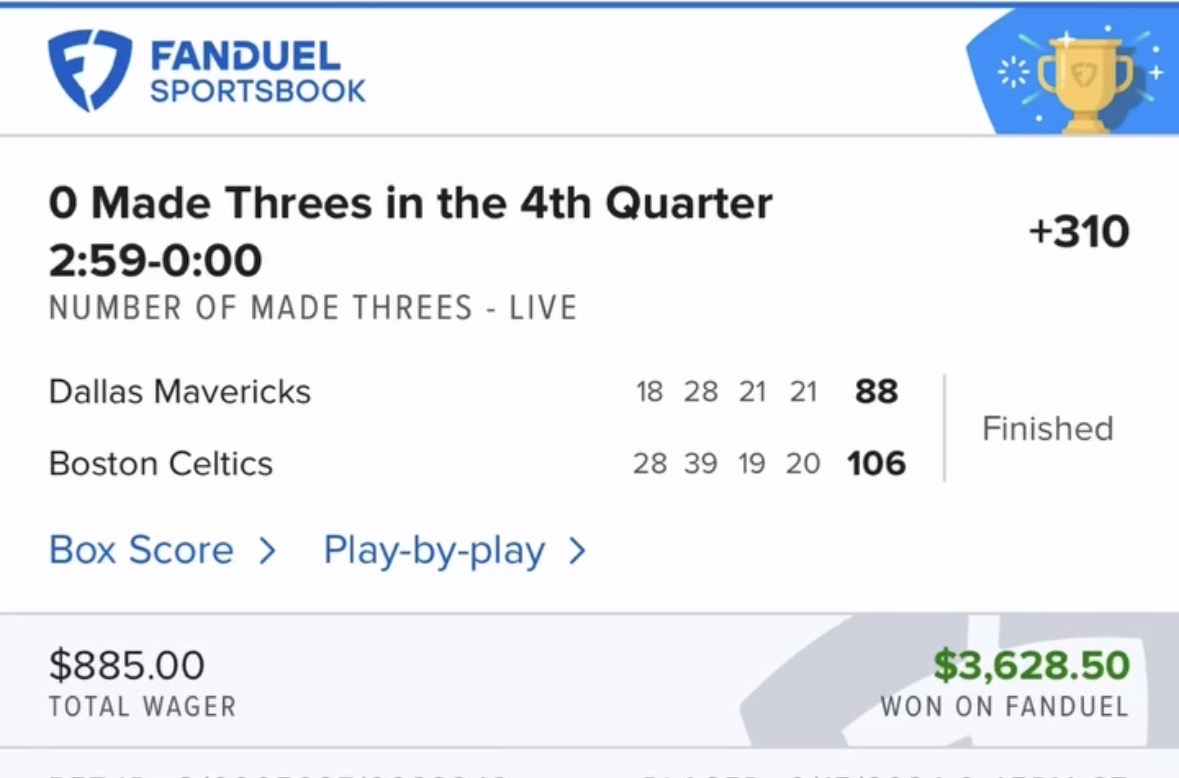
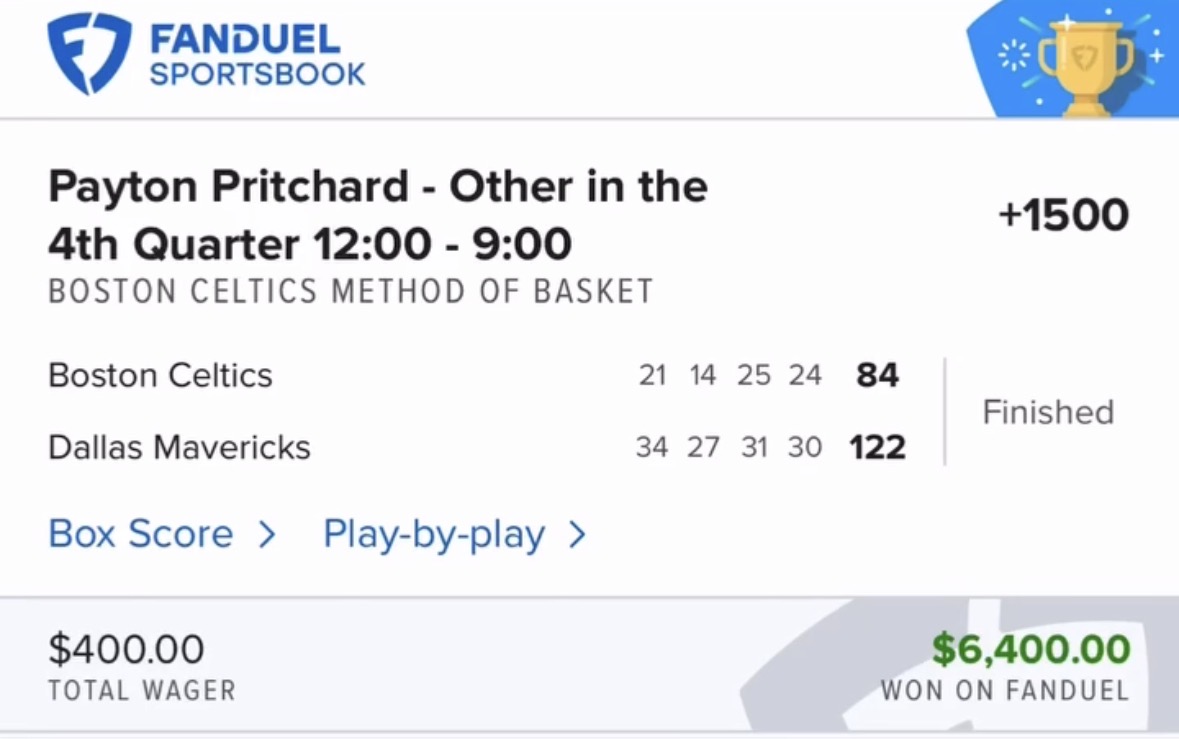
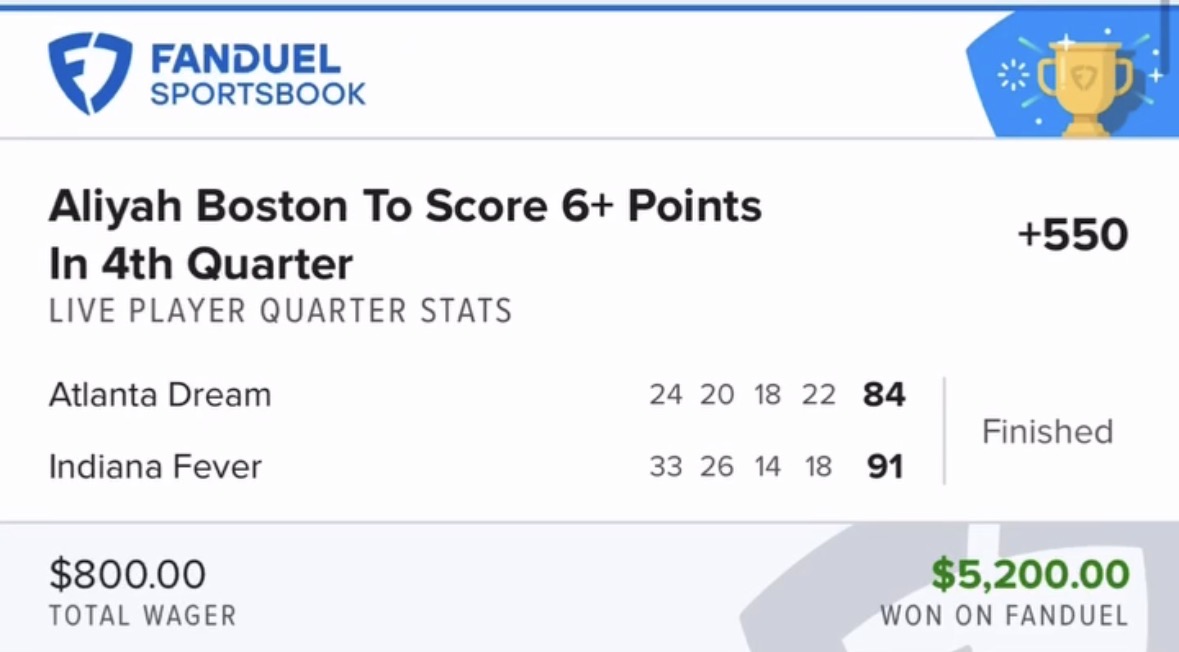
MLB second-half parlays lose for a reason most bettors never diagnose: the roster that generated a team's season-long numbers is frequently not the roster that takes the field after the August 3 trade deadline, yet the market — and the bettor — keeps pricing legs off four months of stale data. Baseball's second half is the only stretch of the sports calendar where a quarter of the league can materially change its own talent level in a single week, and where a third of the league stops caring about winning altogether. The Best Bet on Sports has built a verified profit of $367,520+ over more than twenty years — enough winning that all six major U.S. sportsbooks limit our accounts — and a meaningful share of that came from the window where team quality and team price drift apart. Here is how to build multi-leg MLB tickets through that window.
This is not a guide to parlay math. The payout mechanics are identical in July to what they were in April, and if you need those, the payout calculators cover them. This is about leg selection in the one part of the season where the inputs everyone else is using go quietly out of date.
Why Do MLB Parlays Get Harder After the All-Star Break?
A parlay is a bet that you are right about several independent things at once. That structure is unforgiving of any input error, because a single stale assumption doesn't cost you one leg's worth of value — it zeroes the ticket. And the second half is when inputs go stale fastest — which is exactly why our MLB picks desk reprices the board daily rather than leaning on preseason reads. The same word means something narrower in football, where second-half spread parlays are a within-game structure and the leverage they add is not the same thing as size.
Three things change simultaneously in late July and early August:
Rosters change by design. Contenders add. Sellers subtract. A team that traded its most valuable starter is a different team the next day, but its season-long run differential, its record, and every power rating built on those numbers still reflect the version that included him.
Motivation splits the league in half. By late August, a large group of teams is playing out the string while another group is fighting for a single wild-card spot. Those two groups play each other constantly, and the price rarely reflects the full gap in urgency.
Sample size stops being an excuse. In April, the market correctly distrusts small samples. By August, everyone — books included — treats the season numbers as real. That is usually correct, and occasionally very wrong for the specific teams whose composition just changed.
Each of those is survivable on a straight bet. Compounded across four or five legs, they are what turns a reasonable-looking ticket into a systematic loser.
What the 2026 Deadline Actually Looks Like
The 2026 season set up an unusually chaotic deadline, and understanding the landscape matters more than any single pick. Heading into the second half, 23 of the 30 teams sat within four games of a playoff position — a level of parity that makes the buyer-versus-seller split genuinely unpredictable. The Dodgers held the best record in baseball and the largest division lead. The Rays owned the best record in the American League. The White Sox, of all teams, were tied for the AL Central lead. The Marlins held an NL wild-card spot and the Phillies sat two games out of their division.
| Second-half factor | What it changes | Parlay implication |
|---|---|---|
| Aug. 3 trade deadline | Rotation and lineup composition | Legs priced on pre-deadline rosters go stale overnight |
| 23 of 30 teams near a playoff spot | Fewer clear sellers than usual | Less predictable roster movement; wait for confirmation |
| Contender vs. eliminated matchups | Urgency and lineup effort | Real motivation gaps the number partially misses |
| September roster expansion | Bench and pitching depth | Late-game outcomes get noisier |
| Elite arms in trade rumors | Starting pitcher matchups | Scheduled starters can change with one transaction |
That parity cuts both ways for a parlay bettor. It means fewer teams quit early, which reduces the number of easy motivation fades. It also means more teams buy, which increases the number of rosters that meaningfully improve mid-stream. Names like Tarik Skubal, Joe Ryan, and Sonny Gray were in circulation as the top available arms — and a single one of those moving changes the pitching matchup profile of two different teams for the final two months.
How Should You Adjust Parlay Leg Selection Before the Deadline?
The week before a deadline is the worst multi-leg betting environment in baseball. You are pricing legs against rosters that may not exist by the time the game is played, and against players whose focus is visibly divided. The correct adjustment is not cleverness — it is restraint.
Shorten the ticket. If you normally build four legs, build two in the deadline window. Every additional leg multiplies your exposure to the same roster uncertainty, and two-leg tickets are the only construction where a single stale input doesn't automatically compound.
Avoid legs tied to a specific named player. A parlay leg built around a starting pitcher who is on every trade board is a leg with an unpriced binary attached to it. The same applies to totals that depend on a particular bat being in the lineup.
Prefer teams whose direction is settled. The Dodgers know what they are. A team sitting one game out of a wild-card spot on July 30 does not, and neither does its front office. Ambiguity at the organizational level shows up as noise at the game level.
Wait for confirmation, not rumor. The market prices confirmed transactions within minutes. It does not price rumors well, but "does not price rumors well" is not the same as "rumors are a betting edge" — it usually just means the number is unreliable in both directions.
Where Does Real Second-Half Value Actually Come From?
Once the deadline passes, the picture clarifies, and the genuine edges appear in three places.
Newly subtracted teams, correctly repriced but overshot. A seller loses its ace and the market drops it a full run in the power ratings. Sometimes that is right. Often the market overreacts to the name and underweights that the replacement is a competent major-league arm. The public sells the headline; the number moves further than the talent did.
Newly added teams, incorrectly repriced. The reverse error is more common and more expensive. Acquiring a star does not fix a bad defense or a thin lineup, but it does move a line, because it moves public perception. Buying teams are frequently overbet for two weeks after a deadline splash.
Eliminated teams in September. This is the cleanest and most misunderstood edge in the sport. A team that is mathematically out is not "trying to lose" — but it is auditioning young players, protecting arms, and managing games with entirely different objectives. Those objectives produce different in-game decisions, particularly late. The market applies a discount. It is not always a large enough discount, but it is also frequently too large against a young roster playing loose. The direction of the error depends on the specific team, which is exactly why this is a research edge rather than a rule.
Notice that all three of these are single-game opinions. Stacking them into a five-leg ticket does not amplify the edge — it dilutes it under compounding vig, which is the same conclusion the broader parlay math reaches in every sport.
What Parlay Structures Survive a Volatile Second Half?
If you have several second-half opinions you actually believe, the straight parlay is the worst available way to express them, because it requires all of them to land in an environment defined by uncertainty. Better structures:
Two-leg tickets, more of them. Break a four-leg opinion into two independent two-leg tickets. Your ceiling drops; your probability of collecting something rises substantially. In a volatile stretch, collecting something is the point.
Round robins over straight multis. Six second-half opinions run as a round robin means one deadline surprise doesn't zero everything. You pay more upfront for a structure where being mostly right still pays — the correct trade when your inputs are less stable than usual.
Same-game constructions on settled teams only. Same-game parlays in MLB rely on correlation within a single game environment. That logic holds fine in the second half, but only for teams whose roster and motivation you can actually describe. Building a same-game ticket around a team in the middle of a fire sale is guessing dressed up as correlation.
Reduced stake, unchanged process. The single most common second-half mistake is chasing a disappointing first half with bigger multi-leg tickets. Deadline volatility is a reason to size down, not up — the logic behind disciplined unit sizing does not take a summer break.
How Does Live Betting Change the Second-Half Equation?
Everything above is a pre-game problem: you are trying to price a team whose composition just changed, using data generated before it changed. That is a genuinely hard problem, and it is hard for the sportsbook too — but the book gets to build in a margin, and you do not.
Live betting inverts that. In-game, you are not pricing a roster from a spreadsheet. You are watching the actual nine players on the field, seeing how the new acquisition is being used, watching whether an eliminated team's late-game decisions match its stated priorities — and the in-game market has to reprice all of that in seconds, under pressure. That speed is where the error lives. The second half is precisely when pre-game models are least reliable and in-game observation is most valuable, which is the general case for live betting over pre-game pricing sharpened by the calendar.
It is also why the books move fastest against live winners. Consistently beating in-game MLB numbers in August is the single most efficient way to get an account restricted, which is exactly why sportsbooks limit winning bettors and why every one of our graded plays is posted publicly on the results page.
Readers working through this should also see our companion piece on best MLB parlays tonight.
Get Tonight's Live Picks
Want tonight's live in-game MLB picks delivered to your phone via Email and Discord during the game?
The Best Bet on Sports is the only live betting handicapping service limited on all six major U.S. sportsbooks (FanDuel, DraftKings, Caesars, BetMGM, Fanatics, ESPN BET) for winning too much during in-game action. Verified profit: $367,520+. Picks delivered via Email and Discord during games.
→ Get tonight's live picks: $199 first month — 1-Unit package, full live betting access → Try a free live pick first — reserve your spot for tonight's pick
Frequently Asked Questions
What is the best MLB parlay strategy for the second half of the season?
The best second-half approach is fewer legs and fresher inputs. Roster composition changes around the August 3 trade deadline, which means the season-long numbers your legs are priced against can describe a team that no longer exists. Shorten tickets to two or three legs through the deadline window, avoid legs tied to players in trade rumors, and wait for confirmed transactions rather than betting on speculation. Once rosters settle, look for teams the market has repriced further than their actual talent moved.
How does the MLB trade deadline affect parlay betting?
The deadline changes both the talent on the field and the market's perception of it, and those two things move by different amounts. Buying teams typically get overbet for a week or two after a headline acquisition, because a star name moves public money more than it moves the actual win probability. Selling teams often get sold too hard for the same reason in reverse. For a parlay bettor, the practical risk is that a scheduled starting pitcher or a lineup fixture can change with one transaction, invalidating a leg's entire premise.
Should you bet parlays on eliminated MLB teams in September?
Cautiously, and rarely as multiple legs on the same ticket. Eliminated teams are not tanking, but they do shift objectives — auditioning young players, managing workloads, and making different late-game decisions. The market applies a discount for that, and the question is always whether the discount is too large or too small for the specific team. Some eliminated rosters play genuinely loose and competitive baseball. That variability makes them a poor foundation for a multi-leg ticket that needs everything to land.
How many legs should an MLB parlay have in August?
Two to three is the defensible range during the deadline window, versus whatever you would normally build. The reason is compounding: every additional leg multiplies your exposure to the same source of uncertainty, and in August that uncertainty is roster composition. A four-leg ticket built on pre-deadline data is not four independent opinions — it is one stale assumption repeated four times, which is far more correlated risk than the payout accounts for.
Is a round robin better than a straight parlay for second-half MLB?
For most bettors in a volatile stretch, yes. A round robin breaks your selections into every smaller combination, so one deadline surprise or one unexpected scratch doesn't zero the entire ticket. It costs more upfront because you are placing many smaller wagers instead of one, and the ceiling is lower. In exchange, being mostly right actually pays. When your inputs are less stable than usual, structures that survive a miss are worth the reduced ceiling.
Does the 2026 MLB parity change second-half betting?
It changes which edges are available. With 23 of 30 teams within four games of a playoff position entering the second half, there were far fewer obvious sellers and fewer teams playing out the string early. That removes some straightforward motivation fades and makes the deadline itself harder to predict. It also means more teams buying, which creates more rosters that improve mid-season and more opportunities for the market to overreact to a marquee acquisition.
Why is live betting better than pre-game parlays in the second half?
Because pre-game pricing depends on historical data, and the second half is when that data is least descriptive of the current roster. In-game, you are reacting to what is actually happening — how a new acquisition is being deployed, how an eliminated team is managing the late innings — while the sportsbook has to reprice the market in seconds under pressure. That combination of your fresh information and their speed constraint is where mispricing appears. It is also the market where books restrict winning accounts fastest.
The Best Bet on Sports · 1.5M followers on TikTok
Sports Betting TikTok is the live betting account behind The Best Bet on Sports, covering NFL, NCAAF, NBA, NCAAB, MLB and WNBA markets in real time. The account has been limited on all six major U.S. sportsbooks — FanDuel, DraftKings, Caesars, BetMGM, Fanatics and ESPN BET — for winning on live betting, with $367,520 in verified profit since 2005. View full profile →
Past results do not guarantee future performance. Must be 21 or older to wager.
Related Articles
Underdog Moneyline Parlays: 11 Years of Real Results
Divisional Underdog Parlays: 11 Years of Real Results
Primetime Under Parlays: 11 Years of Real Results
First Half Over, Game Under: The Parlay That Fights Itself
Lead at Halftime and Win: What That NFL Parlay Pays
Pick'em Apps vs. Sportsbook Parlays: The Per-Leg Price
Get real live betting picks
From $39.95/mo · Cancel anytime · Email + Discord delivery
● Get The Picks
Choose your package
Tap any tier below to select · Subscribe in one tap
👇 Tap any package to select it
✓ You're selecting
25 Units · $99.95/month
25 unit picks per month. Sweet spot for most bettors — plenty of action without going all-in.
- ✓25 live betting selections/month
- ✓Email + Discord delivery
- ✓All sports (NFL, NCAAF, NBA, NCAAB, MLB)
- ✓Mix of 1, 2, 3, 5-unit rated plays
- ✓Cancel anytime
Secure PayPal · Cancel anytime · No hidden fees · 21+ · +$367K verified
+$367,520 verified · Limited on 6 sportsbooks · 20 years documented · See Proof
Join Our Newsletter
Get free expert sports picks and analysis delivered weekly.