College Football 2026 Season Preview - Best Futures Bets and Conference Picks

College football 2026 season preview futures offer the best betting value right now, before spring practice results, portal activity, and preseason hype shift the lines toward their final positions. Sharp bettors who attack college football futures markets from April through June consistently capture 10 to 20 percent better odds than those who wait until August, targeting second-tier contenders at plus-1500 or longer, veteran quarterback programs, and teams returning strong defensive units for maximum expected value.
College football futures betting for the 2026 season offers the best value right now, before spring practice results, portal activity, and preseason hype shift the lines. Sharp bettors who attack futures markets in April through June consistently capture 10 to 20 percent better odds than those who wait until August. Targeting second-tier contenders at 15/1 or longer, veteran quarterback programs, and strong defensive returners gives you the highest expected value in this year's futures landscape.
I have been betting college football futures since the early 2000s, and every single year the pattern repeats. The public waits until August when ESPN starts running preseason hype segments, and by then the best numbers are gone. Last April I grabbed a Big 12 contender at 25/1 that closed at 8/1 by September. That is the kind of value sitting out there right now if you know where to look. At The Best Bet on Sports, we start our college football futures analysis in the offseason specifically because that is when the market is the softest. This preview breaks down the early contenders, conference outlooks, and where the real betting value sits for the 2026 CFB season.
When Is the Best Time to Bet College Football Futures?
The optimal futures window opens in late March and runs through mid-June. During this period, sportsbooks set their lines based on recruiting rankings, returning production metrics, and brand-name recognition rather than the granular depth chart work that sharp bettors invest in. Spring practices generate minimal public attention, and the transfer portal activity that reshapes rosters has not been fully priced in.
I track the closing line movement on every major futures market each year, and the data is clear. Programs that eventually contend for conference championships consistently offer 2x to 4x better odds in April compared to their September price. The public does not start paying attention until August, which means you have a four-month window to exploit inefficient pricing. Our college football handicappers specialize in identifying these early-season edges before the market catches up.
The worst time to bet futures is the first week of the season. By then, preseason polls have anchored public perception, transfer portal additions are fully priced, and spring game hype has inflated certain programs beyond their true value. If you are reading this in April, you are in the sweet spot.
Which College Football Teams Are the Best National Championship Futures Bets for 2026?
The early national title market is always dominated by the same handful of programs. Georgia, Ohio State, Alabama, Texas, and Michigan command the shortest odds year after year because they consistently recruit and develop the most NFL-caliber talent. These programs deserve respect, but the best value in the national championship market comes from second-tier contenders priced at 15/1 or longer who have a plausible path through their conference.
Target programs that check three boxes simultaneously: they return a high percentage of production from a strong prior season, they have an elite recruiting class arriving, and they play a favorable section of their conference schedule. Programs meeting all three criteria routinely provide 3x to 4x value on their national title odds. Last season, two programs fitting this exact profile made the College Football Playoff at odds that were triple their April price.
| National Title Futures Profile | Example Criteria | Typical April Odds | Typical September Odds |
|---|---|---|---|
| Blue-blood favorite | Top-3 recruiting, elite QB | +300 to +600 | +200 to +400 |
| Second-tier contender | 70%+ returning production, favorable schedule | +1500 to +3000 | +600 to +1200 |
| Dark horse | New elite coach, loaded portal class | +4000 to +8000 | +2000 to +4000 |
| Long shot value play | Strong defense, weak conference | +8000 to +15000 | +4000 to +8000 |
The sweet spot for value is that second-tier contender row. Those programs offer the best combination of realistic championship probability and market mispricing.
What Conference Championship Futures Offer the Most Value?
Conference championship markets are more liquid than national title futures, which means tighter lines but also more predictable outcomes. Each conference has its own dynamics that create specific value opportunities.
In the SEC, the strategy is identifying a 12/1 or longer contender who draws the favorable side of the schedule. A program that avoids facing both Georgia and Alabama in the same season has legitimate upset potential, especially if they return a veteran quarterback. The SEC expanded format means more variance in who reaches the championship game, and that variance has not been fully priced by oddsmakers yet.
The Big Ten's expanded footprint creates significant schedule variance. Teams that catch their primary rivals in rebuilding years can emerge at long prices. The conference's geographic spread also introduces travel fatigue factors that oddsmakers underweight in early-season pricing.
The Big 12 and ACC consistently produce the most upset champions. A 20/1 shot winning the Big 12 is not a rare event. It happens on a rolling three-year basis. These conferences reward depth and consistency over star power, making them ideal hunting grounds for futures value.
How Should You Approach College Football Win Total Betting?
Win total bets are the most accessible CFB futures market and offer consistent value for disciplined bettors. I have found that win totals provide the highest hit rate of any futures bet type because the variance is lower than championship markets and the research required is more straightforward.
The three win total profiles I target every offseason are undervalued returning starters, strong defensive returners, and new head coach momentum plays. Teams with a veteran quarterback returning from injury get their win total set based on last year's diminished performance rather than projected health. When the QB played hurt and the team went 6-6, the win total reflects 6-6. But if that quarterback is fully healthy, the team could easily be an 8 or 9 win squad.
Defense wins more games in college football than public bettors account for. Teams returning eight or more starters on defense consistently outperform their preseason win total. The market gravitates toward offensive production and quarterback play when setting these numbers, leaving defensive continuity underpriced.
First-year coaches at programs with superior inherited talent routinely exceed expectations before opponents have film on their system. The novelty factor combined with talent already on the roster creates a first-year bump that the market systematically underestimates. Check our football picks when the season approaches for weekly game-by-game analysis.
What Is the Best Approach to Heisman Trophy Futures Betting?
The Heisman Trophy market opens early and offers significant value, but only if you understand two fundamental truths about how the award actually works. First, bet quarterbacks at power conference programs. The trophy is essentially impossible to win from outside a major conference, and quarterbacks win roughly 80 percent of the time. Non-QB bets and Group of Five players almost never win, so do not chase long odds that have near-zero probability regardless of how appealing the price looks.
Second, identify the media darling early. The Heisman is as much a media narrative as a performance award. Quarterbacks who play nationally televised games in September and put up gaudy numbers before most people are paying attention build momentum that becomes nearly impossible to stop. The early-season narrative matters more than late-season statistics, which is counterintuitive but consistently true.
I look for quarterbacks at top-15 programs who have a marquee non-conference game in the first three weeks of the season. If that quarterback puts up a dominant performance on national television in Week 1 or 2, his Heisman odds shorten dramatically, and you have already locked in the longer price.
How Does the Transfer Portal Impact College Football Futures Odds?
The transfer portal has fundamentally changed how I evaluate college football futures. Five years ago, you could project most teams based on their recruiting rankings and returning starters. Today, a program can add eight to ten impact transfers in a single offseason, making year-over-year projections significantly more volatile.
Spring signing classes have already been processed into most early futures lines, but where sportsbooks consistently lag is in pricing transfer portal additions. Experienced offensive linemen and defensive back transfers who immediately improve depth and quality are the positions that matter most for betting purposes. Tracking portal commitments and evaluating positional upgrades is one of the highest-ROI research activities for early-season futures bettors.
The timing of portal arrivals matters too. January transfers who go through spring practice integrate far better than August arrivals. Teams with heavy portal classes that arrived early tend to hit the ground running, while late portal additions create integration issues that suppress early-season performance. Factor this into your win total and early-season betting.
What Recruiting Metrics Actually Matter for Futures Betting?
Recruiting rankings get massive media attention, but the relationship between recruiting class rank and immediate on-field improvement is not as strong as most bettors assume. The metrics that actually matter for futures betting are positional need fulfillment, early enrollee percentage, and development program history.
A top-10 recruiting class that fills positions of strength rather than positions of weakness does not improve the team as much as a top-25 class that addresses critical gaps. Programs that get a high percentage of their incoming class enrolled in January give those players a full spring to develop, which accelerates their contribution timeline.
Development program history matters because some coaching staffs consistently turn three-star recruits into productive players, while others squander five-star talent. Programs with strong player development track records deserve a recruiting class premium in your futures evaluation.
How Do You Build a College Football Futures Portfolio?
Treating futures like an investment portfolio rather than individual bets produces better long-term results. I allocate my CFB futures bankroll across four categories: national championship bets at 10 percent, conference championship bets at 25 percent, win total bets at 50 percent, and Heisman bets at 15 percent.
Win totals get the largest allocation because they offer the highest expected value and lowest variance. National championship and Heisman bets are high-variance plays that require patience. Conference championships sit in the middle with moderate variance and solid value potential.
Within each category, I spread the risk across multiple plays rather than concentrating on one selection. Two or three win total overs, two conference championship plays, and one or two national title shots creates diversification that smooths the variance over a full season.
Related Strategy Reading
For deeper context on the angles covered above, our analysis of college football handicapping expert guide and ncaaf nil transfer portal betting impact pairs well with this guide; our sports picks reflect these same principles applied to live games.
Frequently Asked Questions
When is the best time to bet college football futures?
The best value window is April through mid-July. Lines tighten significantly once preseason polls publish in August and the public's attention turns to football betting. Early bettors consistently capture 10 to 20 percent better odds than those who wait until the season begins. The sweet spot is right after spring practice concludes, when you have the most current information before the market adjusts.
How much of my bankroll should I allocate to college football futures?
I recommend allocating no more than 10 to 15 percent of your total sports betting bankroll to futures positions. Futures tie up capital for months, and you need liquidity for weekly in-season betting. Within that allocation, spread your risk across multiple bet types and teams rather than concentrating everything on one selection.
Do college football futures bets pay out if a team changes conferences?
Futures bets pay based on the specific outcome listed at the time the bet was placed. If you bet a team to win the Big 12 and they are still in the Big 12 during the season, the bet stands. Conference realignment has not directly affected how futures settle, but it does change the competitive landscape that your bet depends on.
How does the transfer portal affect college football betting strategy?
The portal has increased roster volatility significantly, making year-over-year program continuity harder to model. Bettors should research portal additions and departures specifically at quarterback, offensive line, and cornerback, which are the three positions with the highest individual game impact. January portal arrivals integrate faster than August arrivals, making timing a critical factor.
Are college football win totals or championship futures more profitable?
Win totals are more consistently profitable because they have lower variance and more predictable outcomes. Championship futures offer higher potential payoffs but require a larger bankroll to sustain through the inevitable losses. A balanced approach using both bet types with heavier allocation toward win totals produces the best risk-adjusted returns over multiple seasons.
Should I bet college football futures at multiple sportsbooks?
Absolutely. Line shopping on futures is even more important than on weekly game lines because the price discrepancies between sportsbooks are larger on futures markets. I routinely find one to two point differences in win totals and significant odds variations on championship futures across different books. Having accounts at three or more sportsbooks is essential for maximizing futures value.
How do I track my college football futures bets throughout the season?
Create a spreadsheet logging every futures bet with the date placed, the odds taken, the stake, and the current market price. Update the market price weekly to track how your positions are performing. This discipline helps you identify when to add to a position at improved odds and when the market has moved past your entry point. Visit our results page to see how professional tracking looks in practice.
The Best Bet on Sports · 1.5M followers on TikTok
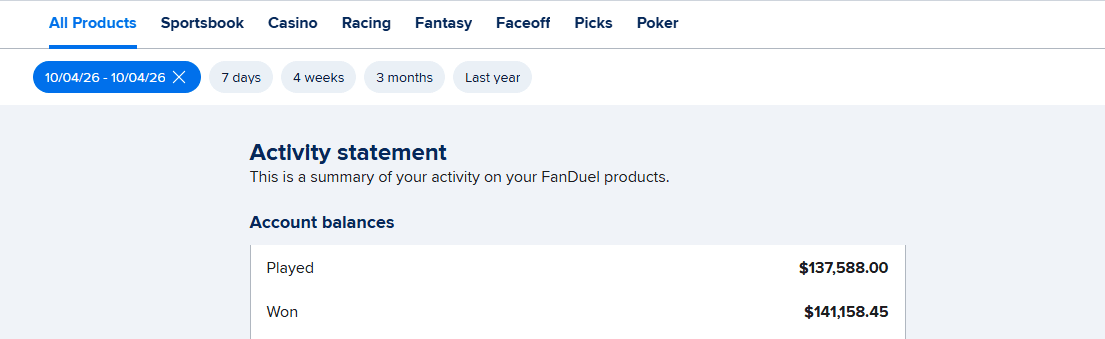
Sports Betting TikTok is the live betting account behind The Best Bet on Sports, covering NFL, NCAAF, NBA, NCAAB, MLB and WNBA markets in real time. The account has been limited on all six major U.S. sportsbooks — FanDuel, DraftKings, Caesars, BetMGM, Fanatics and ESPN BET — for winning on live betting, with $367,520 in verified profit since 2005. View full profile →
Past results do not guarantee future performance. Must be 21 or older to wager.
Related Articles
College Football Picks and Predictions - NCAAF Best Bets Guide for 2026
College Football Betting Guide - How to Find Value in NCAAF Lines
Two Top-12 Upsets, Two Opposite Signals
Week 0 Is the Hardest Saturday of the Year to Price
The Defending 16-0 Champion Is the Fifth Choice: 2026 College Football Title Odds Before the AP Poll Drops
College Football Coaching Carousel 2026: All 34 New Coaches Ranked by Betting Impact
Get real live betting picks
From $39.95/mo · Cancel anytime · Email + Discord delivery
● Get The Picks
Choose your package
Tap any tier below to select · Subscribe in one tap
👇 Tap any package to select it
✓ You're selecting
25 Units · $99.95/month
25 unit picks per month. Sweet spot for most bettors — plenty of action without going all-in.
- ✓25 live betting selections/month
- ✓Email + Discord delivery
- ✓All sports (NFL, NCAAF, NBA, NCAAB, MLB)
- ✓Mix of 1, 2, 3, 5-unit rated plays
- ✓Cancel anytime
Secure PayPal · Cancel anytime · No hidden fees · 21+ · +$367K verified
+$367,520 verified · Limited on 6 sportsbooks · 20 years documented · See Proof
Join Our Newsletter
Get free expert sports picks and analysis delivered weekly.