College Football Betting Guide - How to Find Value in NCAAF Lines

College football betting strategy produces more profitable opportunities than any other major sport because oddsmakers cannot devote equal attention to 130-plus FBS teams, creating soft lines in mid-major matchups, early-season non-conference games, and weeknight MACtion contests. Sharp bettors who specialize in specific conferences and track transfer portal activity consistently find edges that do not exist in the much more efficient NFL betting market, where lines are razor sharp and public information is priced in within minutes of release.
College football betting offers more profitable opportunities than any other major sport because oddsmakers cannot devote equal attention to 130-plus FBS teams, creating soft lines in mid-major matchups, early-season non-conference games, and weeknight MACtion contests. Sharp bettors who specialize in specific conferences and track transfer portal activity consistently find edges that do not exist in the much more efficient NFL betting market.
I fell in love with college football betting because the market rewards preparation more than any other sport. In the NFL, the lines are razor sharp and every injury is tracked by thousands of bettors in real time. In college football, I have seen sportsbooks set a line on a Tuesday night MAC game with a backup quarterback they did not know was starting. That is where money gets made. At The Best Bet on Sports, we have been exploiting these inefficiencies for over two decades, and this guide breaks down exactly how we approach the NCAAF betting market.
Why Are College Football Lines Softer Than NFL Lines?
The NFL is the sharpest betting market in the world. Oddsmakers have extensive data on 32 teams, the talent gap between clubs is relatively small, and millions of sophisticated bettors dissect every line within minutes of its release. College football operates in a completely different universe. The gap is measurable, and why NFL spreads are harder to beat than college spreads breaks down exactly where the pricing effort goes.
With 130-plus FBS teams and hundreds of games each week, oddsmakers cannot devote the same level of attention to every matchup. A Power Four marquee game between top-10 teams gets the same scrutiny as an NFL line, but a Tuesday night game between two Sun Belt teams does not. Mid-week MACtion games, Sun Belt matchups, and early-season non-conference games regularly feature softer lines with more value than anything you will find in professional football. That softness peaks before anyone has played, which is why Week 0 is the hardest Saturday of the year to price and why neutral-site season openers strip out the home-field assumption most models lean on.
The public betting patterns further soften college lines. Casual bettors overwhelmingly wager on programs they recognize, such as Alabama, Ohio State, Georgia, and Michigan. This brand-name bias inflates the lines on popular teams and creates value on their opponents. When 75 percent of public money lands on a blue-blood program, the sportsbook adjusts the line to balance its risk rather than to reflect true probability.
Information asymmetry is the third factor creating soft lines. NFL rosters are publicly documented in extreme detail, but college teams have 85 scholarship players, frequent transfers, unclear depth charts, and less transparent injury reporting. Bettors who invest time in tracking these details gain a measurable information edge.
How Do Coaching Mismatches Create Betting Value in College Football?
In the NFL, coaching differences between teams are marginal. Every NFL head coach is among the top 32 at their profession, and coordinator talent is distributed relatively evenly. College football could not be more different. The gap between a top-tier coach running a sophisticated offensive system and a rebuilding program's staff learning on the job can be enormous.
Our college football handicappers track coaching tendencies, scheme matchups, and how coordinators adjust throughout the season because these factors move games by 3 to 7 points. A first-year offensive coordinator installing a new system at a program that ran a completely different scheme the previous year creates predictable early-season dysfunction that the market often underestimates.
Coaching continuity is equally important. Programs returning their entire coaching staff, their starting quarterback, and their offensive line have a massive cohesion advantage in September and October. New coaching staffs need time to implement systems, build relationships, and establish culture. That integration period suppresses early-season performance in ways the market does not always price correctly.
| Coaching Situation | Historical ATS Impact | Best Betting Approach |
|---|---|---|
| First-year head coach, first 4 games | -3.2 points vs expectations | Fade in early season |
| Returning full coaching staff + QB | +1.8 points vs expectations | Back in September |
| New offensive coordinator | -1.5 points first half of season | Fade early, reassess |
| Promoted-from-within coordinator | +0.7 points vs external hire | Slight lean toward |
What Motivation Angles Matter Most in College Football Betting?
College players are amateurs with different motivations than professionals, and those motivations create betting edges that do not exist in the NFL. Bowl eligibility on the line turns a meaningless November game into a must-win situation. Rivalry week generates emotional intensity that overrides talent gaps. Senior day creates a performance boost for home teams that the market underprices.
Weather conditions for warm-weather teams traveling north in November create real competitive disadvantages. A team from Florida or the Gulf Coast playing in 30-degree temperatures at a Big Ten stadium faces conditions they have not practiced in all season. The impact on passing accuracy, ball security, and player comfort is measurable.
Travel fatigue affects college teams more than NFL teams because these are students who miss classes, sleep in hotel rooms, and deal with game-day logistics that professionals handle routinely. Cross-country travel for a noon kickoff is particularly impactful for West Coast teams going east.
The look-ahead factor hits college teams harder than NFL teams. A mid-tier program with a top-10 matchup the following week often sleepwalks through the current game against a lesser opponent. This creates value on the underdog in the current game, particularly when the public has loaded up on the favored team.
How Do You Exploit Line Movement and Public Money in College Football?
The public bets college football more casually than the NFL, which creates persistent inefficiencies in line movement. Casual bettors wager on name brands like Alabama, Ohio State, and Georgia regardless of the specific matchup dynamics. This predictable behavior pattern means that lines on popular teams are consistently inflated by public money rather than sharp analysis.
When 70 percent or more of the tickets land on one side, but the line moves in the opposite direction, that tells you sharp money is pushing against the public. Following where the money goes rather than where the tickets fall is a fundamental edge in college football betting. This concept, called reverse line movement, identifies spots where professional bettors disagree with the public consensus.
Tracking opening lines and comparing them to the number at kickoff reveals where value existed and how the market moved. I maintain a database of opening lines for every college football game each season, and the patterns are remarkably consistent. Public favorites in primetime games move the most, creating the biggest windows for sharp-side value.
What Makes Early Season College Football a Goldmine for Sharp Bettors?
The first three to four weeks of the college football season are the most profitable period in the entire sports calendar for prepared handicappers. Oddsmakers have limited data on new rosters, transfer portal additions, and scheme changes. Getting ahead of the market early is one of the biggest edges in NCAAF betting.
Opening weekend often features mismatches between FBS and FCS teams where the spread is set based on name recognition rather than current-year roster quality. Some FCS teams are significantly better than the market realizes, particularly programs that return a veteran quarterback and most of their defensive starters.
Early season non-conference road games between Power Four teams produce lines that often do not account for roster inexperience, new coaching staff adjustments, or the chaos of first-game execution. These are spots where brand-name bias is strongest and where the market most frequently misprices the actual matchup.
September games in the South feature heat and humidity that affect teams differently based on conditioning programs and roster depth. Experienced handicappers track these environmental factors because they directly impact scoring, turnovers, and fatigue-related penalties in the fourth quarter. Check our verified results to see how this approach performs over full seasons.
How Should You Build Your College Football Betting Approach?
The key to profitable college football betting is specialization. You do not need to bet every game. Focus on conferences you follow closely, build your own power ratings, and only bet when you see a genuine edge between your number and the market number.
Start by selecting one or two conferences and learning every roster, every coaching staff, and every schedule dynamic within those leagues. Deep knowledge of 14 to 16 teams is far more valuable than surface-level knowledge of 130 teams. Most profitable college football bettors I know focus on three conferences or fewer.
Build your own power ratings during the offseason and update them weekly during the season. Even a simple rating system based on returning production, recruiting class quality, and coaching stability gives you a baseline to compare against market lines. When your number and the market number disagree by more than two points, you have a potential play.
At The Best Bet on Sports, our college football picks focus on identifying the 5 to 10 best value plays each week across all conferences rather than trying to pick every game. Quality over quantity is the cornerstone of profitable college football betting.
What Advanced Strategies Separate Winning College Football Bettors?
Advanced college football bettors incorporate metrics that go beyond traditional statistics. Success rate, which measures how often an offense gains a sufficient percentage of the needed yards on each down, is more predictive than yards per play because it captures consistency rather than explosiveness.
Havoc rate measures how often a defense creates negative plays through tackles for loss, forced fumbles, and pass breakups. Defenses with elite havoc rates disrupt opposing offenses in ways that traditional statistics completely miss. A team with a moderate yards-per-play defense but an elite havoc rate is often undervalued by the market.
Red zone efficiency on both sides of the ball tells you whether a team converts opportunities into points. Some teams move the ball well between the twenties but stall in the red zone, making them unreliable favorites at big spreads. Others are ruthlessly efficient inside the 20, making them dangerous in close games where every possession matters.
Explosiveness metrics, which track the frequency of plays gaining 20-plus yards, reveal offensive upside that averages obscure. A team averaging 5.5 yards per play through consistent 6-yard gains plays a completely different game than a team averaging 5.5 through a mix of 2-yard runs and 40-yard bombs.
How Do You Manage Your Bankroll for a Full College Football Season?
Bankroll management is where most college football bettors fail, not in pick selection. The season runs from late August through early January, and proper money management ensures you survive the inevitable cold streaks to capitalize on the inevitable hot ones.
Set your unit size at 1 to 2 percent of your total bankroll and do not adjust it mid-season regardless of results. A 500-dollar bankroll means 5 to 10 dollar bets. A 5,000-dollar bankroll means 50 to 100 dollar bets. This consistency protects you during losing runs and prevents the emotional over-betting that destroys most recreational bettors.
Limit your plays to 5 to 8 games per Saturday. Some weeks you might only find 3 genuine edges, and that is perfectly fine. The weeks where you cannot find anything worth betting are the weeks that separate profitable bettors from losing ones. Passing is a play.
Visit our football picks page for current college football picks and predictions backed by the same disciplined approach outlined in this guide.
That same logic carries over to best college football parlays for Saturday, which covers the adjacent setup in detail.
Related Strategy Reading
For deeper context on the angles covered above, our analysis of college football picks predictions and college football betting as a beginner pairs well with this guide; our football betting reflect these same principles applied to live games.
Frequently Asked Questions
How many college football games should I bet per week?
Three to eight games per week is the optimal range for most bettors. This forces selectivity and ensures each bet receives adequate research time. Betting more than 10 games per Saturday typically means you are forcing plays on games without genuine edges, which erodes profitability over the season.
Is it better to bet college football spreads or totals?
Both markets offer value, but totals are often more predictable for bettors who track pace-of-play data, weather conditions, and defensive strength metrics. Spreads require deeper roster knowledge and situational analysis. The best approach combines both, playing whichever market presents the strongest edge for each individual game.
How do I build my own college football power ratings?
Start with a preseason base using returning production percentages, recruiting class rankings, and coaching stability metrics. Assign each team a numerical rating, then adjust weekly based on performance against opponent quality. A spreadsheet with these basic inputs produces surprisingly effective results once calibrated against several weeks of actual games.
What is the best conference to bet on for beginners?
The Big 12 and Big Ten are the most beginner-friendly conferences because they feature extensive media coverage, widely available injury reports, and clear style-of-play tendencies that make handicapping more straightforward. Avoid the Sun Belt and smaller conferences until you have developed strong research skills for finding information on lesser-known programs.
How does the College Football Playoff affect regular season betting?
The expanded playoff has increased late-season motivation for more teams, reducing the number of meaningless November games. Teams on the playoff bubble play harder in November than they did under the old system, which affects spread betting and totals in the final weeks of the regular season. Factor playoff implications into your situational analysis for every November game.
Do weather factors matter more in college football than NFL?
Yes, significantly. College players are less experienced, less physically developed, and less practiced in adverse conditions than NFL professionals. Wind, rain, cold, and heat affect college games more dramatically, particularly when one team has an environmental familiarity advantage. Always check weather forecasts before betting any outdoor college football game.
When should I start preparing for the college football betting season?
Serious preparation begins in February with coaching staff analysis and transfer portal tracking. By May, you should have preliminary power ratings for your focus conferences. Summer months are for refining ratings as fall camp reports emerge. Waiting until August means you have already missed the best futures value and lack the preparation foundation for informed weekly betting. Visit our football handicapping resources for tools and analysis you can use throughout the season.
The Best Bet on Sports · 1.5M followers on TikTok
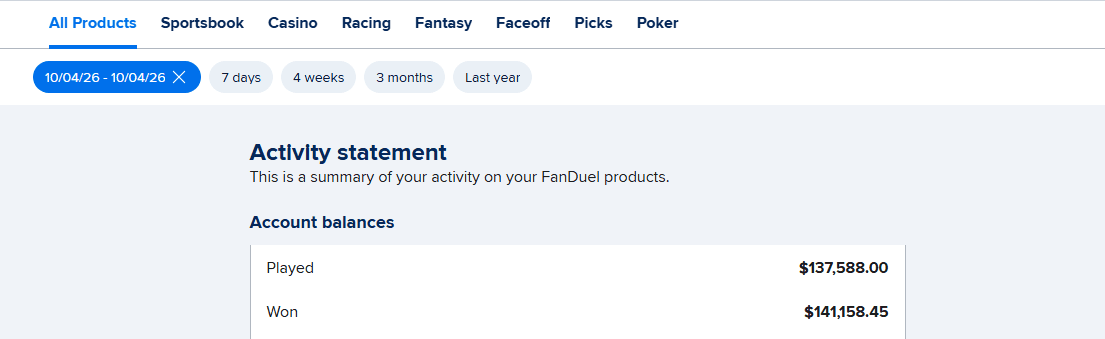
Sports Betting TikTok is the live betting account behind The Best Bet on Sports, covering NFL, NCAAF, NBA, NCAAB, MLB and WNBA markets in real time. The account has been limited on all six major U.S. sportsbooks — FanDuel, DraftKings, Caesars, BetMGM, Fanatics and ESPN BET — for winning on live betting, with $367,520 in verified profit since 2005. View full profile →
Past results do not guarantee future performance. Must be 21 or older to wager.
Related Articles
College Football Coaching Carousel 2026: All 34 New Coaches Ranked by Betting Impact
The Defending 16-0 Champion Is the Fifth Choice: 2026 College Football Title Odds Before the AP Poll Drops
College Football Picks and Predictions - NCAAF Best Bets Guide for 2026
Two Top-12 Upsets, Two Opposite Signals
College Football Conference Odds 2026: Power Four Board
College Football 2026 Season Preview - Best Futures Bets and Conference Picks
Get real live betting picks
From $39.95/mo · Cancel anytime · Email + Discord delivery
● Get The Picks
Choose your package
Tap any tier below to select · Subscribe in one tap
👇 Tap any package to select it
✓ You're selecting
25 Units · $99.95/month
25 unit picks per month. Sweet spot for most bettors — plenty of action without going all-in.
- ✓25 live betting selections/month
- ✓Email + Discord delivery
- ✓All sports (NFL, NCAAF, NBA, NCAAB, MLB)
- ✓Mix of 1, 2, 3, 5-unit rated plays
- ✓Cancel anytime
Secure PayPal · Cancel anytime · No hidden fees · 21+ · +$367K verified
+$367,520 verified · Limited on 6 sportsbooks · 20 years documented · See Proof
Join Our Newsletter
Get free expert sports picks and analysis delivered weekly.