College Football Conference Odds 2026: Power Four Board

The AP preseason poll landed Aug. 17 with Ohio State at No. 1. But the two shortest conference championship prices in the country belong to Miami (No. 7) and Texas Tech (No. 12). Here is the full Power Four futures board, why the poll and the conference market disagree so completely, and what that gap means for the 2026 season.
The two heaviest conference championship favorites in college football are Miami at -155 to win the ACC and Texas Tech at roughly -105 to win the Big 12. Neither is a top-10 team in the AP preseason poll released Aug. 17 — Miami is No. 7 and Texas Tech is No. 12. Meanwhile Ohio State, the unanimous-ish No. 1 with 40 first-place votes, is only about a 31–36 percent implied favorite to win its own league, and No. 4 Notre Dame cannot win a conference at all. This is not a mispricing. It is the market telling you that a conference title is a bet on a path, not a bet on quality, and that the four Power Four leagues are currently structured so differently from one another that they barely belong on the same board.
The preseason AP Top 25 dropped Monday, Aug. 17, with Ohio State No. 1, Oregon No. 2, Georgia No. 3, Notre Dame No. 4 and Texas No. 5. Defending champion Indiana came in at No. 6. Every one of those placements is defensible on roster talent.
Now look at what those same teams cost to win their own conferences, and the picture inverts almost completely.
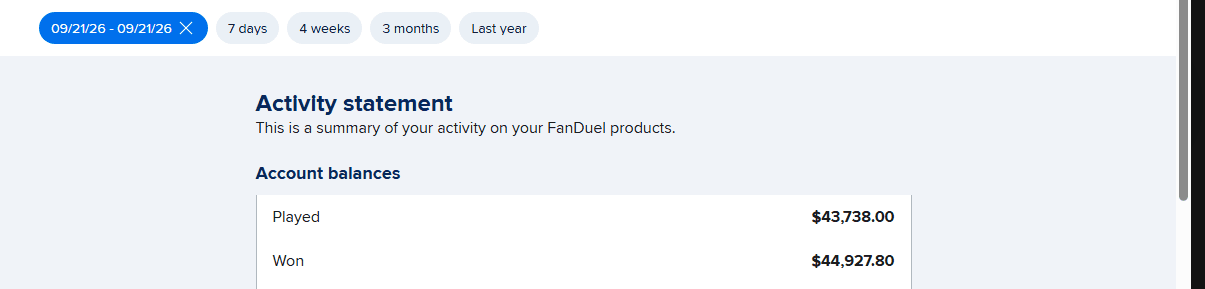
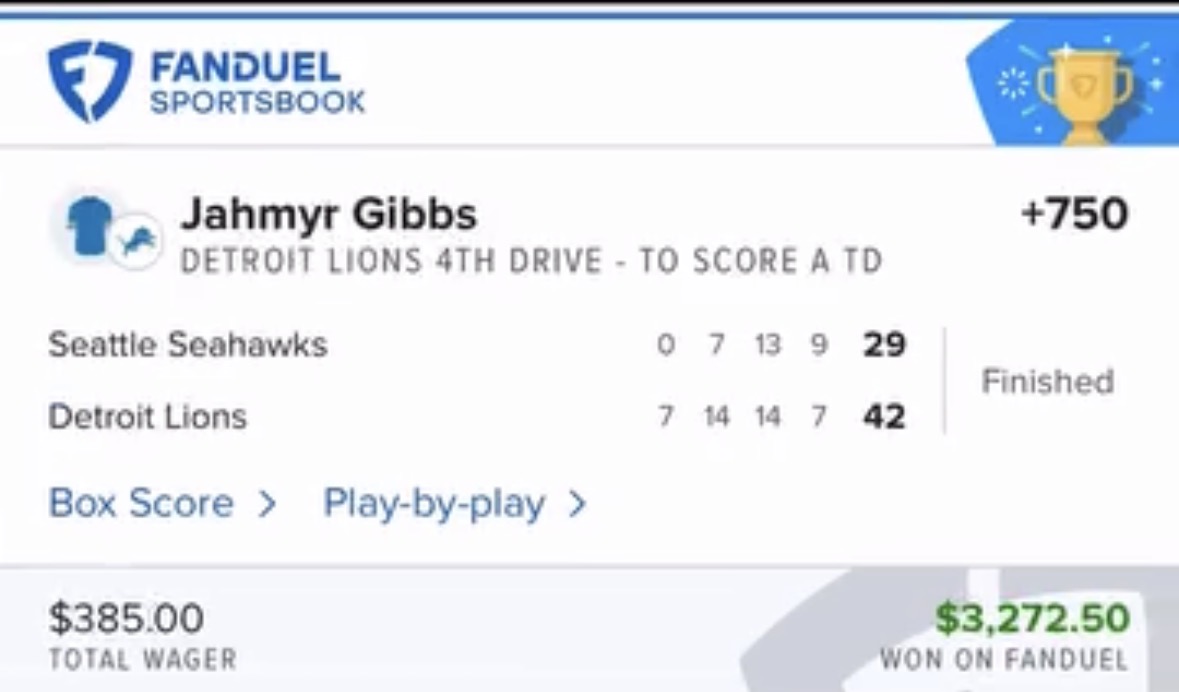
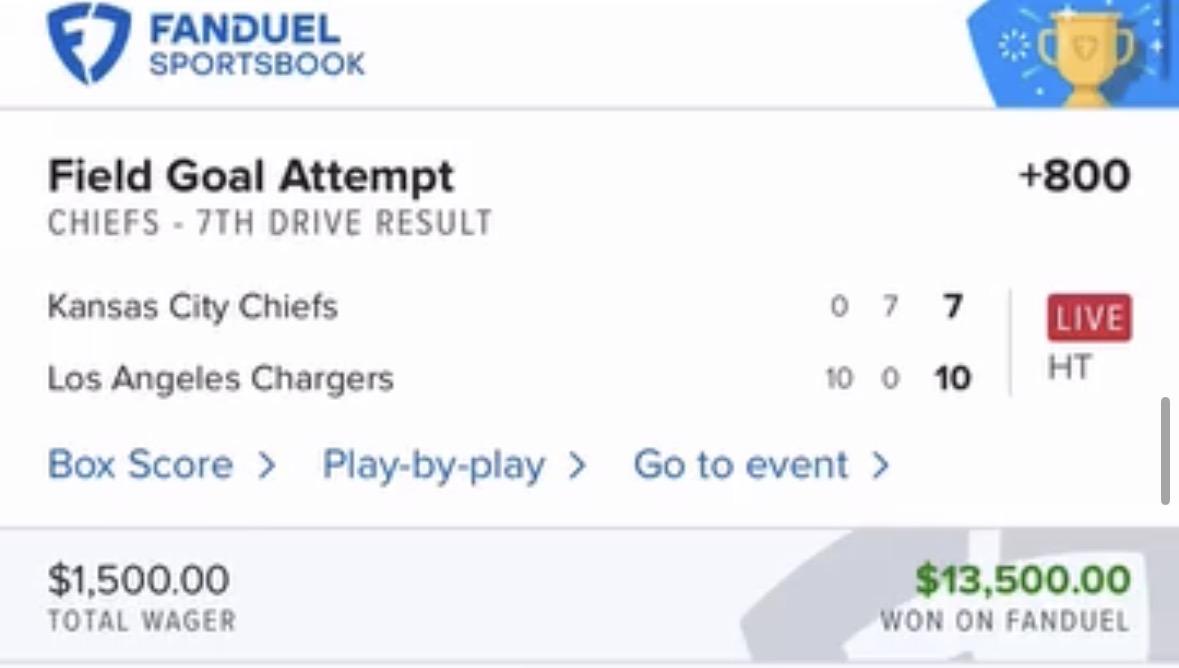
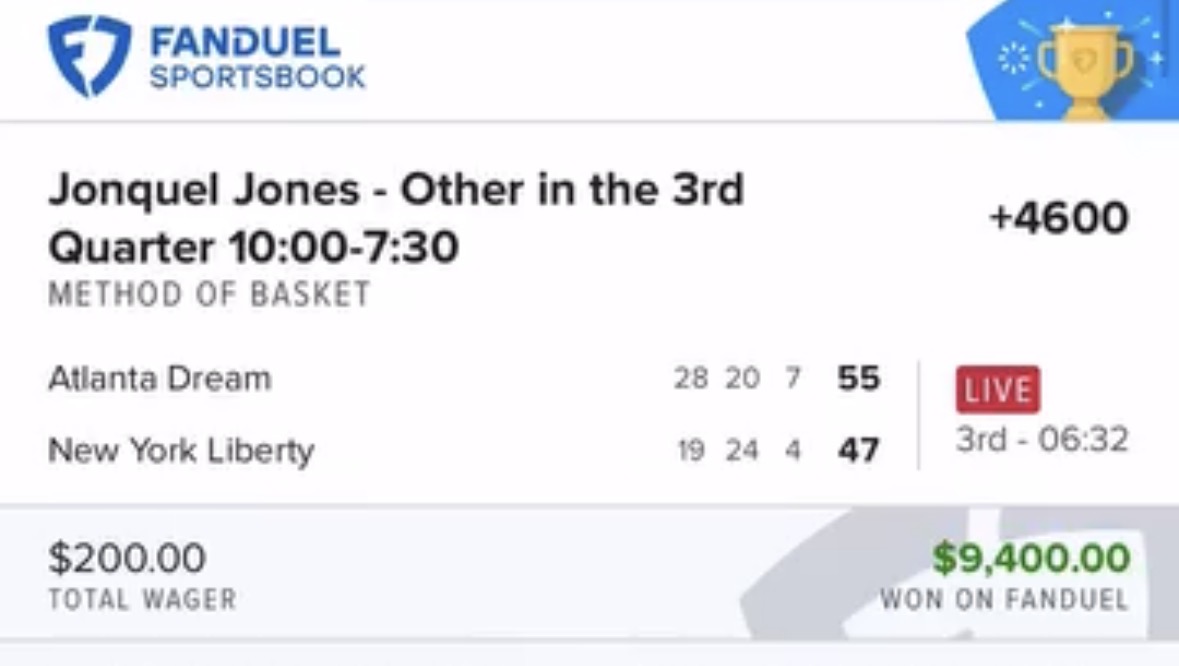
The Best Bet on Sports has built a verified profit of $367,520+ over more than twenty years, and all six major U.S. sportsbooks limit our accounts for winning during live betting. A meaningful piece of that comes from a habit that costs nothing: reading two related markets against each other instead of reading one in isolation. The poll and the conference board are the cleanest example on the calendar right now.
The Full Power Four Conference Board
| Conference | Favorite | Price | Implied | AP rank | Second choice |
|---|---|---|---|---|---|
| ACC | Miami | -155 | 60.8% | No. 7 | SMU +700 (12.5%) |
| Big 12 | Texas Tech | -105 | 51.2% | No. 12 | BYU +550 (15.4%) |
| Big Ten | Ohio State | +180 to +223 | 31–36% | No. 1 | Oregon / Indiana, both inside +320 |
| SEC | Georgia | +257 to +260 | ~28% | No. 3 | Texas +310 to +376 (21–24%) |
Prices reflect the market as of Aug. 18, 2026 and vary meaningfully between books — the Big Ten and SEC in particular are quoted across a wide range right now. Implied probabilities are calculated before the hold. Verify current numbers at your own book before committing to any position.
Two of these leagues have a favorite priced above 50 percent. Two have a favorite priced below 36 percent. That is an enormous structural difference, and it is worth understanding before you look at a single team.
Why the Poll and the Conference Board Disagree
A national ranking is an estimate of how good a team is. A conference championship price is an estimate of how likely that team is to survive a specific nine-game schedule and then win one more game in December. Those are different questions, and in 2026 they produce almost opposite answers.
Miami is the clearest case. The Hurricanes are No. 7 in the poll — very good, not elite by consensus. But they play in a league whose second-best futures price is SMU at +700 and whose fourth choice is Clemson at +1600. Miami does not have to be the best team in America. It has to be the best team in a conference where nobody else is priced above 12.5 percent. A -155 favorite in a 17-team league is close to a monopoly number, and it is worth noting that Miami has reached the ACC Championship Game exactly once since joining the conference in 2004. The market is not pricing history. It is pricing the current field.
Texas Tech is the same logic with a sharper edge. The Red Raiders won the Big 12 last season and made the Playoff, and they open at about -105 — an even-money favorite over an entire conference. BYU at +550 and Utah between +650 and +700 are the only other teams inside 16 percent. A league where one team is priced at 51 percent and the rest of the field splits the remainder is, functionally, a one-team conference until proven otherwise.
Now flip to the Big Ten. Ohio State is the No. 1 team in the country by a comfortable margin in the voting, and it is priced between +180 and +223 to win its own league. The reason is sitting directly behind it: Oregon (No. 2 in the poll) and Indiana (No. 6, and the defending national champion) are both inside +320. Three legitimate title contenders in one conference means all three carry conference prices that look far worse than their national reputations.
The SEC is the same shape with slightly less top-end talent and more depth. Georgia at roughly +260 is a lukewarm favorite over Texas, with Texas A&M, Alabama and LSU all clustered between +850 and +900. Five teams inside 11 percent is a gauntlet, and gauntlets produce long conference prices for good teams.
The Notre Dame Problem
Notre Dame is the No. 4 team in the preseason AP poll and appears on no conference championship board anywhere, because it is an independent. This is not a trivia note — it is the single largest structural advantage in college football futures.
An independent cannot lose a conference championship game. It cannot get upset in a league title game it had already earned its way into. In the expanded Playoff format, that removes an entire category of December variance that every other contender carries. When you see Notre Dame priced short nationally despite the absence of a conference title path, that is what the number is accounting for.
The practical read: comparing Notre Dame's national price to a conference favorite's national price is not an apples-to-apples exercise. One of them has a December elimination game built into its season and one does not.
What a Conference Title Is Actually Worth Now
Under the expanded Playoff, winning your conference is no longer the only entry ticket, which changes what these futures are worth as a proxy for anything else.
For Miami, the conference title is close to the whole season — win the ACC and the Playoff bid follows automatically; lose it and an at-large path through a schedule with few marquee wins gets genuinely difficult. The ACC's weakness is what makes Miami a 60.8 percent favorite and what makes that title nearly mandatory.
For Ohio State, Oregon or Georgia, the conference title is a bonus. All three can lose their league championship game and still make the field comfortably. That asymmetry is why the Big Ten and SEC boards are so flat: those leagues are strong enough that the title is hard to win and, simultaneously, not necessary to have a season.
So a 31 percent Big Ten price on Ohio State and a 61 percent ACC price on Miami describe two completely different things. One is a hard-to-win trophy inside a deep league. The other is a near-requirement inside a shallow one.
The Cross-Check Nobody Runs
There is a simple consistency test available on these boards, and almost nobody performs it: add up a conference's individual championship prices and see whether the total agrees with the rest of the market.
Take the Big 12. Texas Tech at 51.2 percent, BYU at 15.4 percent, Utah at 12.5 to 13.3 percent, Kansas State at 6.7 percent and Houston at 5.9 percent already reach roughly 92 percent before you price a single one of the league's remaining teams. That overage is the book's margin, and on this particular board it is concentrated almost entirely at the top — which is the tell. Books load the hold onto the side the public wants, and in a one-team conference the public wants the one team.
Now run it on the Big Ten. Ohio State at 31 to 36 percent, Oregon at 26 to 28 percent, Indiana at 24 to 29 percent, USC at 6.7 percent and Michigan at 6.25 percent land in the same neighborhood in total, but the margin is spread across three names instead of stacked on one. The practical consequence is that the favorite is the worst-value ticket on a lopsided board and closer to a fair number on a flat one — the opposite of the intuition most people bring to futures.
This is the useful habit: never read a single futures price on its own. Read it against the rest of its own board, and against the same team's price in a related market. A number that looks attractive in isolation frequently looks ordinary once you see where the hold is sitting. Our Big Ten football picks, SEC football picks, Big 12 football picks and ACC football picks pages track all four leagues week to week, and the full outright board lives on our college football national championship odds page.
The Honest Case Against Betting Any of This
Conference futures carry a steep hold. On a 16-to-18-team board the book's margin is far worse than on a Saturday side, your money is locked up for four months, and one injury or one bad October night can erase the position with no fair exit.
The far more useful application of everything above is not a ticket at all. It is context for the weekly market. Knowing the Big 12 is a one-team league tells you how to read Texas Tech's spread in a November road game. Knowing the ACC has no credible second contender tells you what a Miami loss in September does to the rest of that conference's numbers. Knowing the Big Ten has three real contenders tells you those head-to-head games in October and November will be priced tighter — and will matter far more — than anything on the August board.
That is where our work actually lives: in-game, on Saturdays, after the first two drives have shown you something the pregame number could not know. Week 0 opens Aug. 29 with eight games, headlined by USC hosting San Jose State and North Carolina meeting TCU in Dublin. Week 1 runs Sept. 3 through Sept. 7, with the marquee slate on Saturday, Sept. 5, and Notre Dame facing Wisconsin at Lambeau Field on Sunday, Sept. 6. Those early weeks carry the softest numbers of the season, because nobody — including the coaching staffs — knows what these teams are yet.
For how the outright title board reads against these conference numbers, see our breakdown of the 2026 national title odds before the AP poll, and how to handicap college football covers why conference-strength priors are the slowest thing in the market to update. The full schedule read is in our 2026 college football season preview.
Weekly coverage is on our college football picks hub and the Week 1 college football picks page. For the pro side, see NFL picks and football picks. Our documented record is on the results page, background on the service is at sports handicappers, and more analysis is on the blog.
→ Get this season's live picks: $199 first month — 1-Unit package, full live betting access → Try a free live pick first — reserve your spot
Frequently Asked Questions
Who is favored to win each Power Four conference in 2026?
Miami is the ACC favorite at -155, Texas Tech is the Big 12 favorite at roughly -105, Ohio State is the Big Ten favorite between +180 and +223 depending on the book, and Georgia is the SEC favorite at around +260. Prices vary between sportsbooks, particularly in the Big Ten and SEC, where the boards are tightly clustered.
Why is Miami such a heavy ACC favorite if it is only No. 7 in the AP poll?
Because a conference championship price measures the strength of the field, not the strength of the team. The ACC's next-best contenders are SMU at +700, Louisville at +1100 and Clemson at +1600 — nobody else in the league is priced above about 12.5 percent implied. Miami does not need to be a top-three team nationally to be a 60.8 percent favorite in that specific field.
Why is Ohio State the No. 1 team but only a 31–36 percent favorite in its own conference?
Because Oregon and Indiana are also in the Big Ten, and both are priced inside +320. When a league contains three teams that all belong in the national top 10, each one's conference price is dragged down by the other two. The same roster that makes Ohio State the No. 1 team nationally has to get through the two conference rivals ranked No. 2 and No. 6.
Which conference is hardest to win in 2026?
By the shape of the odds, the Big Ten. Three contenders priced within roughly a hundred points of one another means no team is above about 36 percent. The SEC is close behind and arguably deeper — Georgia and Texas at the top, with Texas A&M, Alabama and LSU all between +850 and +900 — but its favorite still carries a slightly cleaner path than the Big Ten's does.
Does Notre Dame appear on any conference championship board?
No. Notre Dame is an independent in football and has no conference to win, which is why it appears on the national championship board but nowhere on the conference futures market. In the expanded Playoff format this is a structural advantage, because an independent has no December conference title game that can eliminate it.
Is winning a conference still necessary to reach the College Football Playoff?
No, and that changes what these futures mean. Under the expanded format, strong at-large candidates from deep leagues can miss their conference title game and still make the field. That is why a conference championship matters far more to Miami — whose ACC schedule offers few marquee at-large wins — than it does to Ohio State, Oregon or Georgia, any of whom can lose a league title game and still be comfortably in.
Are conference championship futures worth betting in August?
They are worth reading much more than they are worth betting. The hold on a 16-plus-team futures board is significantly worse than on a weekly side or total, the money is locked up for four months, and a single injury can end the position with no fair exit. The stronger use is as context for weekly markets — knowing which leagues have one contender and which have three tells you how to read individual game numbers all season long.
The Best Bet on Sports · 1.5M followers on TikTok
Sports Betting TikTok is the live betting account behind The Best Bet on Sports, covering NFL, NCAAF, NBA, NCAAB, MLB and WNBA markets in real time. The account has been limited on all six major U.S. sportsbooks — FanDuel, DraftKings, Caesars, BetMGM, Fanatics and ESPN BET — for winning on live betting, with $367,520 in verified profit since 2005. View full profile →
Past results do not guarantee future performance. Must be 21 or older to wager.
Related Articles
Two Top-12 Upsets, Two Opposite Signals
College Football Coaching Carousel 2026: All 34 New Coaches Ranked by Betting Impact
The Defending 16-0 Champion Is the Fifth Choice: 2026 College Football Title Odds Before the AP Poll Drops
College Football Betting Guide - How to Find Value in NCAAF Lines
Week 0 Is the Hardest Saturday of the Year to Price
College Football 2026 Season Preview - Best Futures Bets and Conference Picks
Get real live betting picks
From $39.95/mo · Cancel anytime · Email + Discord delivery
● Get The Picks
Choose your package
Tap any tier below to select · Subscribe in one tap
👇 Tap any package to select it
✓ You're selecting
25 Units · $99.95/month
25 unit picks per month. Sweet spot for most bettors — plenty of action without going all-in.
- ✓25 live betting selections/month
- ✓Email + Discord delivery
- ✓All sports (NFL, NCAAF, NBA, NCAAB, MLB)
- ✓Mix of 1, 2, 3, 5-unit rated plays
- ✓Cancel anytime
Secure PayPal · Cancel anytime · No hidden fees · 21+ · +$367K verified
+$367,520 verified · Limited on 6 sportsbooks · 20 years documented · See Proof
Join Our Newsletter
Get free expert sports picks and analysis delivered weekly.