Week 0 Is the Hardest Saturday of the Year to Price

College football returns Aug. 29 with a short slate, no current-season tape, and one game that changed continents. NC State and Virginia were built as a neutral-site event in Rio de Janeiro and will now play in Charlottesville, which means a full home-field adjustment landed on a game where neither roster changed. Week 0 is the clearest annual demonstration that a large share of any spread is context rather than teams.
College football comes back on Saturday, Aug. 29, and the eight-game Week 0 slate is the least confidently priced day on the entire calendar. There is no 2026 tape on anyone, the schedule is dominated by matchups the market rarely models, and one of the two headline games has already relocated from Rio de Janeiro to Charlottesville — which forced a full home-field adjustment onto a game where nothing about either roster changed. The Best Bet on Sports has worked in-play college football for more than twenty years with a verified $367,520+ in profit across all sportsbooks, and the first Saturday is not a day for confident pregame opinions. It is a day for watching.
Here is what is actually on the board, per ESPN's announced slate. Friday, Aug. 28: Idaho at Cal Poly, 10 p.m. ET. Saturday, Aug. 29: North Carolina vs. TCU from Aviva Stadium in Dublin at noon ET, Southern vs. Alabama State in Birmingham at 3 p.m., NC State at Virginia at 3:30 p.m., Sacramento State at Eastern Michigan at 6:30 p.m., East Texas A&M at Mercer and Hawai'i at Stanford at 7 p.m., Alabama A&M vs. Howard in Atlanta at 7:30 p.m., and Prairie View A&M at Tarleton State at 9 p.m. Sunday, Aug. 30: West Alabama vs. Tuskegee in Montgomery.
That is the whole thing. Several of those games are below the FBS level. Compare it to a Saturday in October, which carries dozens of FBS games across four windows, and the structural strangeness of Week 0 becomes obvious immediately.
One Game Changed Continents, and That Is the Lesson
NC State and Virginia were scheduled to open the season at Nilton Santos Stadium in Rio de Janeiro. In early June, the promoter running the event informed the ACC and both schools that it could not be conducted, and the game was relocated. Virginia was the designated home team, so the Cavaliers now host in Charlottesville at the same date and time.
Stop and look at what that does to a betting line.
Nothing about either roster changed. No transfer, no injury, no coordinator hire, no depth chart move. The two football teams that were going to play each other are the identical two football teams. And yet the correct price for that game moved, and moved by a meaningful amount, because a neutral-site game became a true road game for one team.
College football home field is conventionally valued somewhere in the range of two to three points, with more at the loudest and most remote venues. When a game moves from neutral to home, that entire adjustment has to be applied to one side at once. A number that might reasonably have been near a pick'em in Rio is a different number in Charlottesville, and the difference has nothing to do with football played by either program.
This is the single cleanest illustration available of something that is true of every spread on every board and is almost never visible: a substantial fraction of any point spread is context rather than teams. Venue, travel, rest, kickoff time, altitude, surface, crowd. Most weeks that fraction is invisible because it stays fixed while everything else moves. This year, one game held the teams constant and moved the context, and the number had to follow.
It also removes a variable that was genuinely unmodelable. There is no history for American football played at Nilton Santos Stadium, no crowd baseline, no travel-recovery data for a South American trip in late August. That game was going to be priced on assumption. Now it is priced on an ordinary ACC road environment, which the market understands well. The relocation made one Week 0 game considerably easier to price — which tells you something about how hard the other one still is.
The Dublin Game Is Not a Noon Game
North Carolina and TCU kick at noon ET, which is 5 p.m. in Dublin. Neither of those is a normal football time for the people playing.
Aviva Stadium is a rugby and soccer ground. Both teams crossed an ocean. Both are operating on a schedule that no computer model has a meaningful sample for, because the sample is a handful of games spread across a decade of season-opening trips to Ireland. The conventional home-field question does not apply — there is no home team — but the conventional travel question applies twice over and has no clean answer either.
None of this means the game is mispriced. It means the honest error bar around whatever number is posted is unusually wide, and a wide error bar is not the same thing as an edge. Bettors routinely convert "this is hard to price" into "therefore I have an opinion," which is a category mistake and an expensive one. The correct reading of an unusually uncertain market is usually a smaller position, not a cleverer one.
There is a small piece of direct evidence available on exactly this point. Over the past week, reported opening numbers for the Dublin game have not agreed with each other across outlets — the spread and the total have both been published at more than one value inside the same seven-day window. That disagreement is not sloppiness. It is what a market looks like before enough money has passed through it to force convergence. Check your own book rather than any article, this one included, and expect the number to keep moving.
Nobody Has 2026 Tape
The larger problem underneath all of it: on Aug. 29, every college football number in the country is built on last season plus an estimate.
Rosters turn over hard now. Transfers, early departures, and a full coaching carousel mean the version of a team that finished last November is frequently not the version that takes the field in Week 0. Models handle this by regressing toward program-level ratings and adjusting for known personnel movement, which is a reasonable method and also an admission that the current-season input set is empty.
By Week 6 that is fixed. Every team has five games of current-year data, the ratings have been corrected repeatedly, and the market's collective opinion has tightened around something defensible. That process has not started yet. We wrote about how that curve behaves across a full season in why football picks get harder later in the season, and Week 0 is the far left edge of it — maximum dispersion, minimum evidence.
The short slate makes it sharper rather than softer. Every dollar of college football money in the country lands on eight games, most of which the market has limited reason to have modeled carefully. Concentrated money on thinly modeled markets produces violent line movement, and violent line movement is easy to mistake for information. Usually it is just money arriving somewhere with nowhere else to go.
Where the Week 0 Edge Actually Lives
Put those three things together — no current tape, unusual contexts, concentrated money — and the conclusion is not that Week 0 is a great pregame betting weekend. It is the opposite. Week 0 is a weekend where the pregame number and reality are both unknown, which is a bad trade rather than a good one.
What is different is what happens after kickoff.
An in-play model starts the game with the same untested prior everyone else has. When a team is being physically beaten at the line of scrimmage in the first quarter of a season opener, the live engine sees a score and a possession count, not a mismatch. Its correction mechanism is scoring events, and scoring events lag control by a drive or two. In Week 6 that lag barely matters, because the pregame rating the model falls back on is already accurate. In Week 0, the fallback is a guess, so the lag compounds.
That is the actual Week 0 opportunity, and it is not available to anyone who committed their money at 11:55 a.m. It is available to someone watching the third quarter of a game where the first quarter revealed something the number has not absorbed. The general version of that argument is in live betting vs pregame picks, and our college football picks and Week 1 college football picks pages track the slate as numbers post.
| Week 0 factor | Effect on pregame confidence | Effect on in-play opportunity |
|---|---|---|
| No current-season data | Lower — ratings are estimates | Higher — the live model shares the same bad prior |
| Short slate, concentrated money | Lower — movement is money, not information | Neutral |
| Unusual venues and travel | Lower — no comparable sample | Higher — the effect shows on the field before the number |
| Venue relocation (NC State–Virginia) | Higher — an ordinary ACC road game is well understood | Neutral |
| Roster turnover from the portal | Lower — last year's team may not exist | Higher — visible within two drives |
The one row pointing up in the pregame column is the relocated game, and it points up precisely because the strange context was removed.
A Note on What This Article Is Not
This is not a card. No sides, no totals, no numbers presented as recommendations, and deliberately so — a piece written eight days out about games with no current-season data would be dressing up guesses. What is defensible eight days out is a structural read: which parts of these prices are teams, which parts are context, and which of those parts just changed.
The parts that changed are knowable. Virginia gets a home game it was not going to have. North Carolina and TCU play an unusual game in an unusual building at an unusual hour, and the market has not yet settled on what that is worth. Everything past that gets decided by watching football, which nobody has done yet this year.
Get Tonight's Live Picks
Want live in-game college football picks delivered to your phone via Email and Discord while the game is happening — including opening-weekend games where the pregame number is a guess?
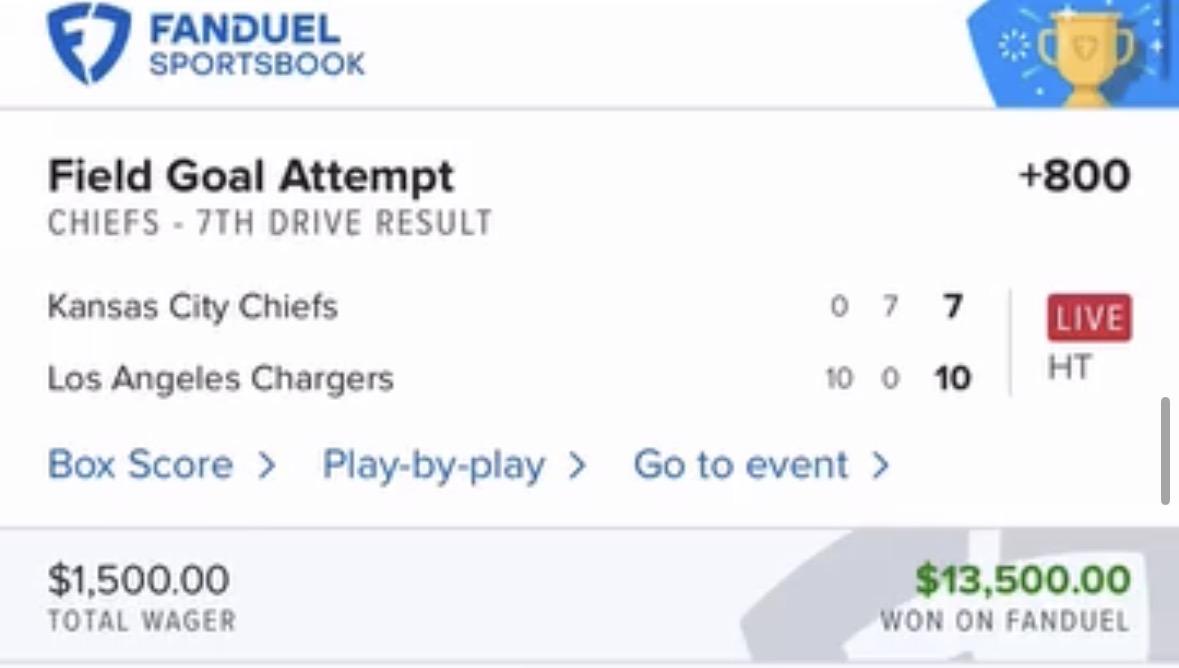
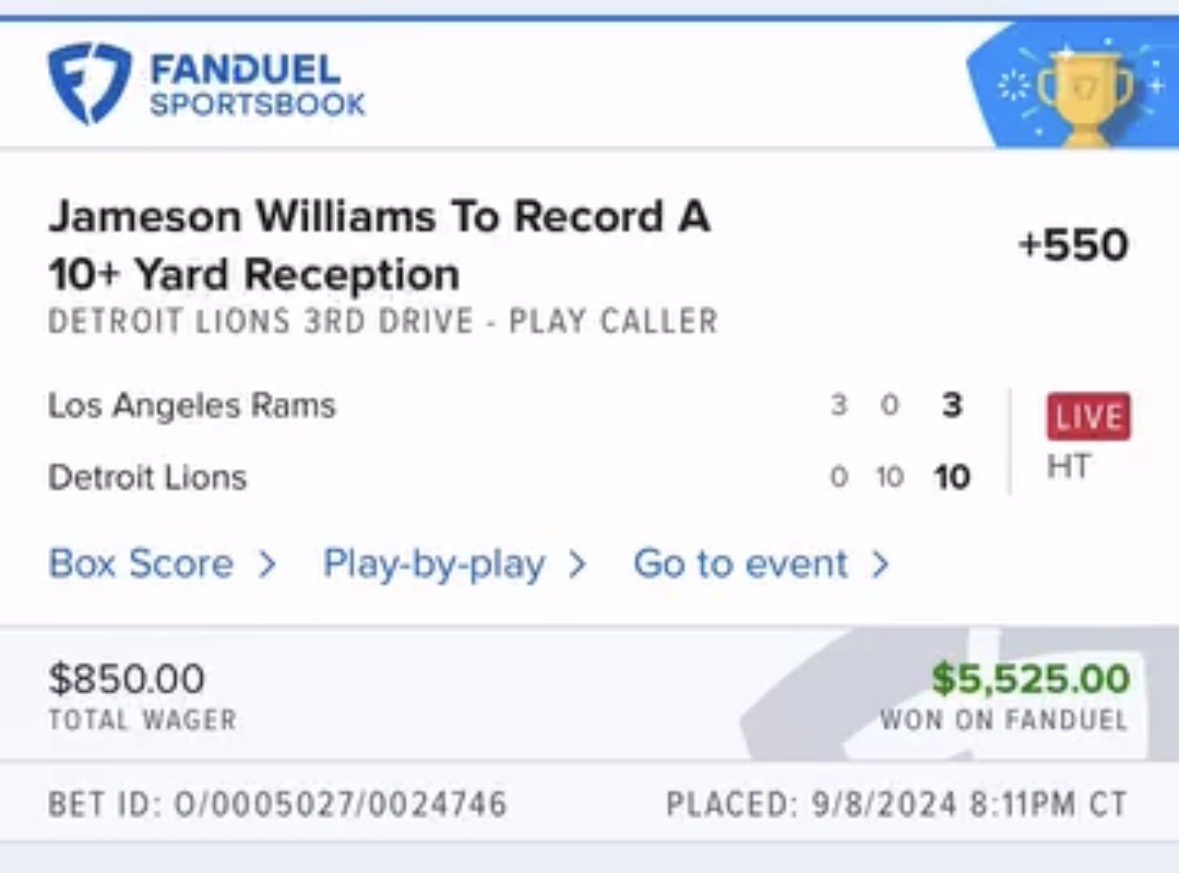
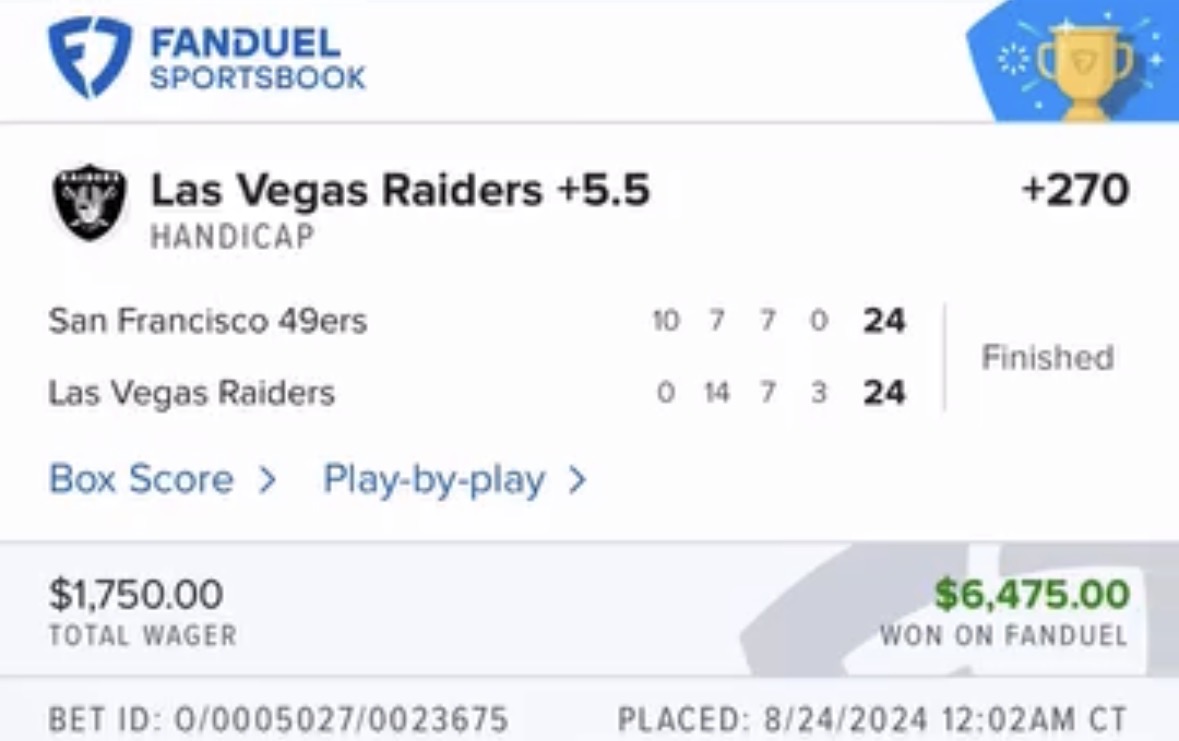
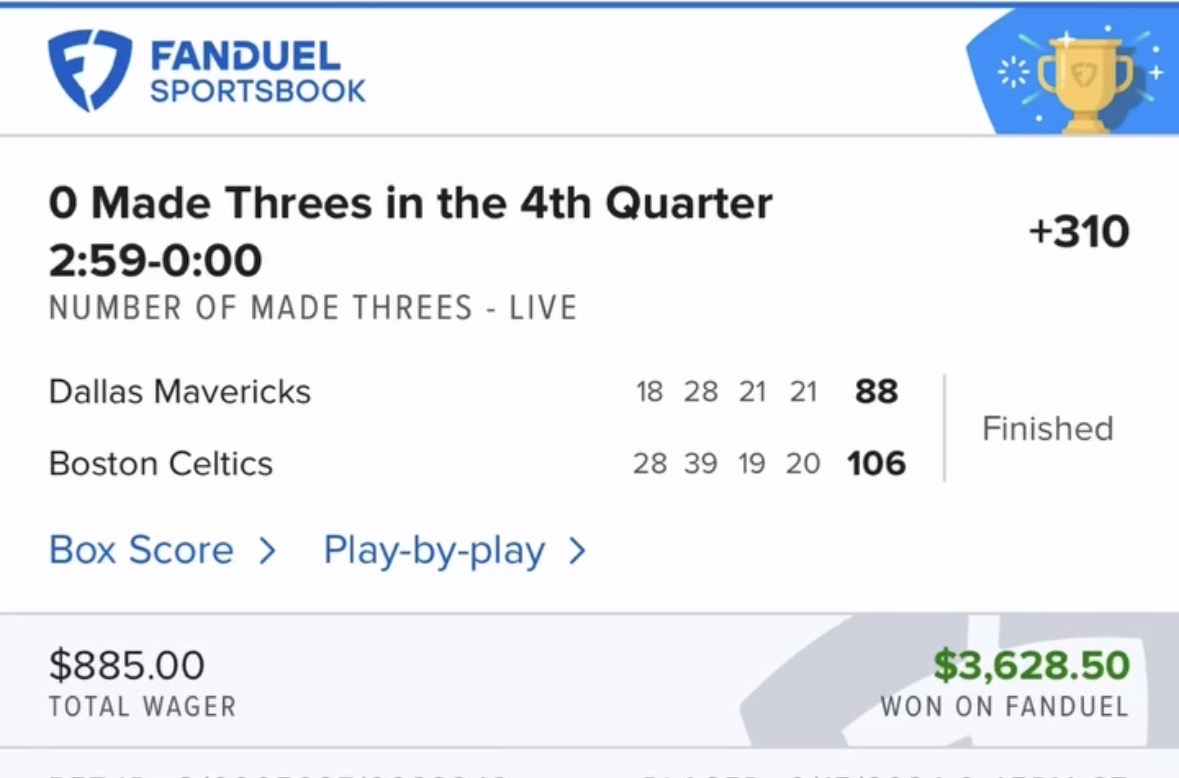
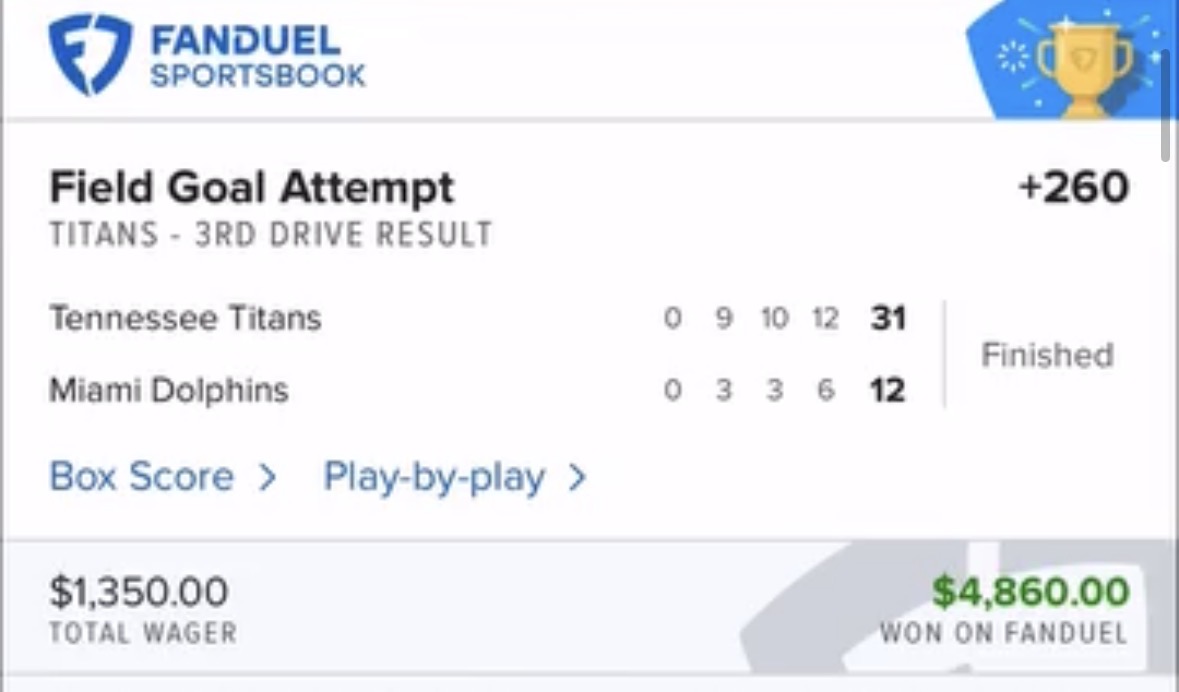
The Best Bet on Sports is the only live betting handicapping service limited on all six major U.S. sportsbooks (FanDuel, DraftKings, Caesars, BetMGM, Fanatics, ESPN BET) for winning too much during in-game action. Verified profit: $367,520+. Picks delivered via Email and Discord during games.
→ Get tonight's live picks: $199 first month — 1-Unit package, full live betting access → Try a free live pick first — reserve your spot for tonight's pick
More coverage at college football handicappers, football betting picks, football handicappers, expert sports picks, and our results.
Frequently Asked Questions
When does the 2026 college football season start?
Week 0 opens Friday, Aug. 28, with Idaho at Cal Poly at 10 p.m. ET, and the main slate runs Saturday, Aug. 29. The headline games are North Carolina vs. TCU from Aviva Stadium in Dublin at noon ET and NC State at Virginia in Charlottesville at 3:30 p.m. ET. A Sunday game between West Alabama and Tuskegee in Montgomery closes the weekend. The full Week 1 slate follows the next weekend.
Why did the NC State–Virginia game move from Brazil to Charlottesville?
The game was scheduled for Nilton Santos Stadium in Rio de Janeiro, and in early June the promoter organizing the event notified the ACC and both schools that it could not be conducted. Because Virginia was the designated home team for the matchup, the game was relocated to Charlottesville on the same date. The schools and the conference kept the Aug. 29 date and the ESPN broadcast window intact.
How much does a venue change move a college football point spread?
More than most bettors expect, because home field in college football is conventionally worth roughly two to three points and a neutral-site game carries none of it. Moving a game from a neutral venue to one team's home stadium applies that full adjustment to a single side at once, with no change to either roster. It is the clearest available demonstration that a meaningful share of every spread is context — venue, travel, rest, crowd — rather than the teams themselves.
Is Week 0 a good weekend to bet college football?
Not for confident pregame positions. There is no current-season data on any team, roster turnover through the transfer portal means last November's team may not exist, and the short slate concentrates all of the sport's money onto a handful of thinly modeled games. That combination produces large line movement that reflects money arriving rather than information. Wide uncertainty is not the same thing as an edge, and the correct response is usually a smaller position.
Why do different sites report different opening lines for the same Week 0 game?
Because not enough money has moved through the market yet to force the books into agreement. Reported opening numbers for the Dublin game have appeared at more than one spread and more than one total inside the same week. Early in a market's life, individual operators are pricing off their own models with little correction from professional money, so the numbers scatter. They converge as volume arrives. Always check the number at your own book rather than in an article.
Does live betting work differently in season openers?
Yes, and it is the most useful thing to understand about Week 0. An in-play model starts every game with the same untested pregame rating everyone else has, and it corrects mainly on scoring events, which lag actual control of a game by a drive or two. In Week 6 that lag is small because the underlying rating is already accurate. In an opener the rating is an estimate, so the gap between what the field shows and what the number reflects is at its widest.
What should I do with the Dublin game specifically?
Treat it as a game with an unusually wide honest error bar. Both teams crossed an ocean, the kickoff is noon ET and 5 p.m. local, and Aviva Stadium is a rugby and soccer ground with no meaningful American football history. There is no home team, so the usual venue adjustment does not apply, and there is no reliable travel sample for either side. That argues for watching the first half rather than committing to a number nobody has tested.
The Best Bet on Sports · 1.5M followers on TikTok
Sports Betting TikTok is the live betting account behind The Best Bet on Sports, covering NFL, NCAAF, NBA, NCAAB, MLB and WNBA markets in real time. The account has been limited on all six major U.S. sportsbooks — FanDuel, DraftKings, Caesars, BetMGM, Fanatics and ESPN BET — for winning on live betting, with $367,520 in verified profit since 2005. View full profile →
Past results do not guarantee future performance. Must be 21 or older to wager.
Related Articles
Two Top-12 Upsets, Two Opposite Signals
The Brazil Cancellation Put a Price on Home Field
College Football Coaching Carousel 2026: All 34 New Coaches Ranked by Betting Impact
College Football 2026 Season Preview - Best Futures Bets and Conference Picks
College Football Picks and Predictions - NCAAF Best Bets Guide for 2026
College Football Betting Guide - How to Find Value in NCAAF Lines
Get real live betting picks
From $39.95/mo · Cancel anytime · Email + Discord delivery
● Get The Picks
Choose your package
Tap any tier below to select · Subscribe in one tap
👇 Tap any package to select it
✓ You're selecting
25 Units · $99.95/month
25 unit picks per month. Sweet spot for most bettors — plenty of action without going all-in.
- ✓25 live betting selections/month
- ✓Email + Discord delivery
- ✓All sports (NFL, NCAAF, NBA, NCAAB, MLB)
- ✓Mix of 1, 2, 3, 5-unit rated plays
- ✓Cancel anytime
Secure PayPal · Cancel anytime · No hidden fees · 21+ · +$367K verified
+$367,520 verified · Limited on 6 sportsbooks · 20 years documented · See Proof
Join Our Newsletter
Get free expert sports picks and analysis delivered weekly.