Jonnu Smith to Green Bay: The Signing Is News About Musgrave

The Packers signed veteran tight end Jonnu Smith to a one-year deal on August 27, and the betting read is not about Smith's production. A team that adds a 31-year-old tight end two weeks before Week 1 is telling the market it does not expect Luke Musgrave back soon. Season win totals will not move, the prop board has no 2026 usage sample to price, and the answer arrives in the Week 1 snap count.
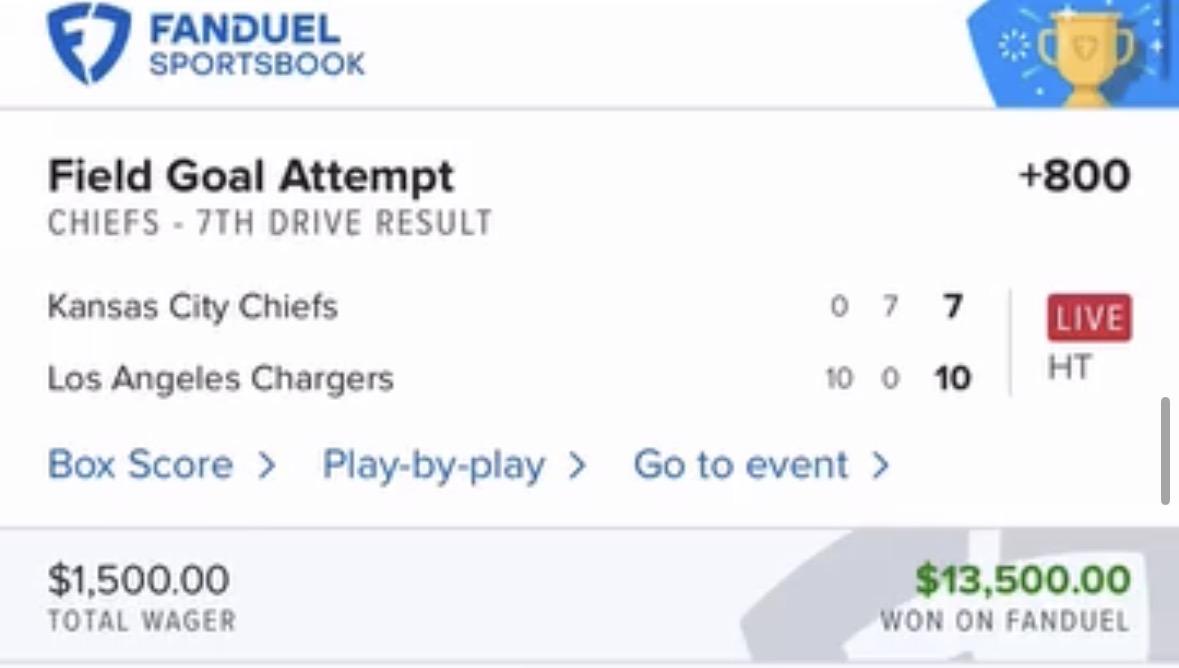
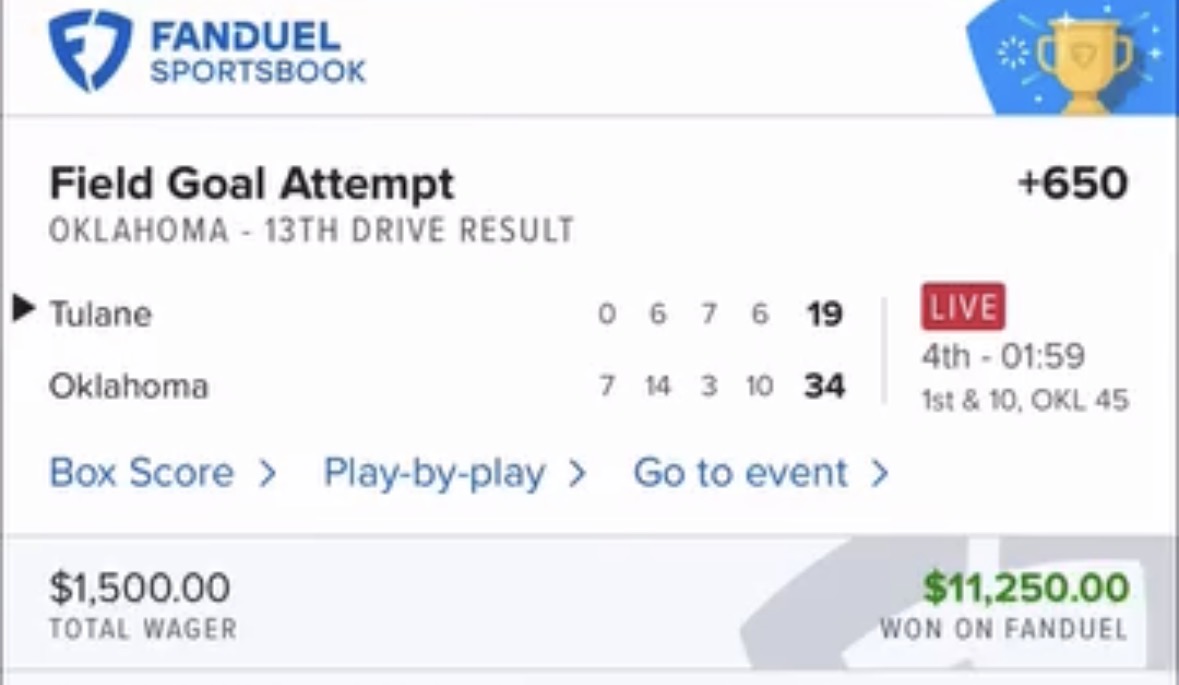
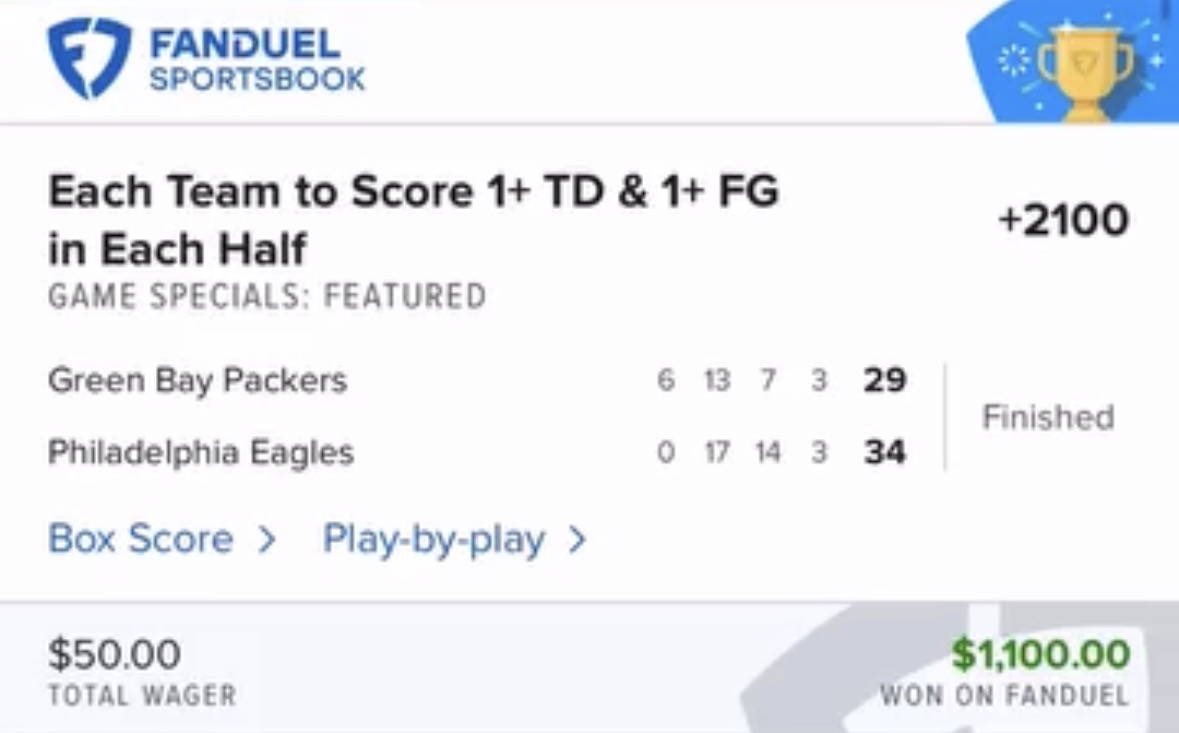
The Green Bay Packers signed veteran tight end Jonnu Smith to a one-year deal on August 27, 2026, and the useful betting information in that transaction is not about Jonnu Smith. It is about Luke Musgrave. A team that goes out and adds a 31-year-old tight end with two weeks left before Week 1 is telling the market, in the only language a roster move has, that it does not expect its injured tight end back on any timeline it can plan around. Season win totals should not move on this and will not. The prop board is the market that has no idea what to do with it, because there is no 2026 usage sample to price and there will not be one for weeks. The Best Bet on Sports has worked live NFL markets since 2005 for a verified $367,520+ in profit, and is limited on all six major U.S. sportsbooks (FanDuel, DraftKings, Caesars, BetMGM, Fanatics, ESPN BET) for winning too much in-game — which is where roster news like this actually becomes readable.
Late-August signings are the transactions bettors are trained to ignore, and usually that training is correct. This one is worth ten minutes because of when it landed, who the coach is, and what it implies about a player who is not on the field.
What Actually Happened
Smith agreed to a one-year deal with Green Bay on August 27, reported first by Jordan Schultz and confirmed across the league's beat coverage the same evening. He turned 31 this week. He was a third-round pick by Tennessee in 2017 and has played for the Titans, Patriots, Falcons, Dolphins, and Steelers, entering 2026 with 141 career games, 345 receptions, 3,529 receiving yards, and 30 touchdowns.
His outlier season was 2024 in Miami: 88 catches, 884 yards, and eight touchdowns, career highs across the board, fourth among all tight ends in both receptions and yards, and his first Pro Bowl. He spent last season in Pittsburgh. Green Bay's tight end room is led by Tucker Kraft; Luke Musgrave is out indefinitely with a neck injury. Green Bay spent the summer absorbing exactly this kind of news, from Micah Parsons opening camp on PUP to the broader pattern in which camp injuries reprice a win total only when they change who is actually on the field.
The connection that matters for scheme purposes: Matt LaFleur was Smith's offensive coordinator in Tennessee in 2018. Smith is not learning a language from scratch.
Why the Season Win Total Should Not Move — and Won't
Start with what this transaction is not. A tight end signed to a one-year deal in the last week of August is, on any honest accounting, worth a fraction of a win over a seventeen-game season. Team win totals and division prices are built from quarterback play, line health, defensive personnel, and schedule. A depth signing at tight end does not register at that altitude, and any book that moved a season number on it would be inviting you to bet the other side.
So if you are watching NFL futures or the Packers season board waiting for a reaction, there is not going to be one worth acting on. That is not the market being slow. That is the market being right.
The interesting mispricing lives one level down.
The Prop Board Has Nothing to Price Him With
Here is the structural problem. When Smith's receiving props open for Week 1, the market has to anchor them to something, and every available anchor is wrong:
| Possible anchor | What it says | Why it misleads |
|---|---|---|
| 2024 Miami season | 88 catches, 884 yards, 8 TDs | A featured, schemed-for role in a different offense two years ago |
| 2025 Pittsburgh season | A secondary role | Different scheme, different quarterback, different depth chart |
| "Backup tight end" default | Minimal volume | Ignores that he is a receiving tight end joining a coach who used him before |
| 2026 Green Bay usage | The only relevant number | Does not exist yet, and will not until games are played |
That is not a subtle problem. It is the entire problem. A prop number is a projection of role, and nobody — including Green Bay — knows his role yet, because he has not taken a rep in the offense. The prop market's usual solution is to price conservatively and widen the margin, which is a reasonable defense and also an admission that the number is a guess.
Note that this cuts in the opposite direction from a typical injury story. When a starter goes down, the market has a workload to reassign and a reasonable idea of who absorbs it. Here there is no workload to move — Kraft's role is unchanged — and instead a new player has been dropped into a room with an undefined share. Reassignment is a math problem. This is a blank.
The LaFleur Wrinkle That Breaks the Usual Heuristic
The standard read on a late-August veteran addition is that he will not matter until October. It takes weeks to learn a playbook, coordinators do not build packages for players who cannot execute them, and the early-season snap counts of late signings are usually a formality.
That heuristic is doing a lot of work in how any pregame number treats this player, and it is the part most likely to be wrong here. Smith played for LaFleur in Tennessee in 2018. Concepts, terminology, and the specific ways this coach likes to use a movable tight end are not new information to him. The install window that normally keeps a late signing off the field for a month is compressed, possibly a lot.
That does not make him a Week 1 volume play — Kraft is the tight end in this offense and nothing about this changes that. What it means is narrower and more useful: the reason his usage would normally be deferred does not apply as strongly, so the range of plausible Week 1 snap shares is wider than the market's default assumption. Wider ranges around a guessed midpoint are how prop mispricings happen, in both directions.
What the Signing Says About Musgrave
Now the part that is genuinely actionable, and it is not about Smith at all.
Teams do not add veterans at this point in the calendar for depth they think they already have. Every roster spot in the last week of August is contested, every dollar is accounted for, and a coaching staff that believed its injured tight end was two or three weeks away would ride it out with the players already in the building. Going outside for a 31-year-old with a known skill set is a decision made by people who have seen the medical timeline and do not like it.
"Out indefinitely with a neck injury" is a phrase that covers an enormous range. The signing narrows it. It is the clearest public signal available that Green Bay is planning its early season without Musgrave, which is information about the offense's structure across multiple weeks — and that is a far more durable input than any single player's prop line.
This is the general form of the lesson: a transaction is often a more honest injury report than the injury report. Availability language is deliberately vague and strategically managed. Roster moves cost money and spots, so they reveal what a team actually believes. Reading them that way is a real edge, and it is one of the few pregame edges left that does not require beating the market to a number.
The Second-Order Effect Nobody Prices: Red Zone Personnel
There is one place a tight end addition shows up disproportionately, and it is not in yardage totals. It is inside the twenty.
Red zone offense is a personnel problem before it is a play-calling problem. The field is compressed, there is no space to threaten vertically, and the throws that work are the ones where a big body wins a short-area matchup against a defender who has nowhere to hide. Teams with two credible receiving tight ends can put both on the field and force a defense to choose between an extra defensive back who gets outmuscled and an extra linebacker who gets out-run. Teams with one credible tight end cannot pose that question at all.
Green Bay had one — Kraft — and an injury that removed the second. It now has a second again, and specifically a receiving tight end with eight touchdowns in his best season, not a blocking specialist. That is a narrow change with a real footprint on a narrow part of the field.
The reason this matters more live than pregame is timing. A pregame team total cannot express "this offense may convert red zone trips into touchdowns at a slightly better rate than last month's roster suggested," because the effect is too small to move a number and nobody has seen it yet. But a live market has to reprice a team total every time a drive crosses midfield, and it does that from a model reading down, distance, field position, and score. It is not watching which two tight ends just jogged onto the field on first-and-goal. A person watching is.
That asymmetry — a small, real personnel effect that is invisible to a pregame number and visible on your screen in real time — is the everyday version of what in-game betting is.
What to Actually Do With This
Pregame: very little, honestly. Do not chase a season number that should not move. Treat any Week 1 receiving prop on Smith as a number built without data, which means a wide, uncertain price rather than an obvious side. If you are working the NFL Week 1 board, the more reliable expression of this news is in how you think about Green Bay's offensive structure over the first month, not in a single-game tight end line.
The moment the question actually gets answered is the Week 1 snap count — a public, free number that arrives after every pregame price is gone. That is the recurring shape of modern football information: the thing you needed becomes knowable at exactly the moment it stops being bettable pregame.
Which is the honest argument for the market where it still is bettable. In-game, a personnel question resolves in front of you in real time: you can see who is on the field in the red zone, who is running routes on third down, and how the offense is actually built — while the live model is still repricing off a score. That is the gap our live betting picks work in, and it is why six sportsbooks limited our accounts instead of beating us on the number. Our football betting picks desk and our results both operate on that basis.
Get Tonight's Live Picks
Want tonight's live in-game NFL picks delivered to your phone via Email and Discord during the game?
The Best Bet on Sports is the only live betting handicapping service limited on all six major U.S. sportsbooks (FanDuel, DraftKings, Caesars, BetMGM, Fanatics, ESPN BET) for winning too much during in-game action. Verified profit: $367,520+. Picks delivered via Email and Discord during games.
→ Get tonight's live picks: $199 first month — 1-Unit package, full live betting access → Try a free live pick first — reserve your spot for tonight's pick
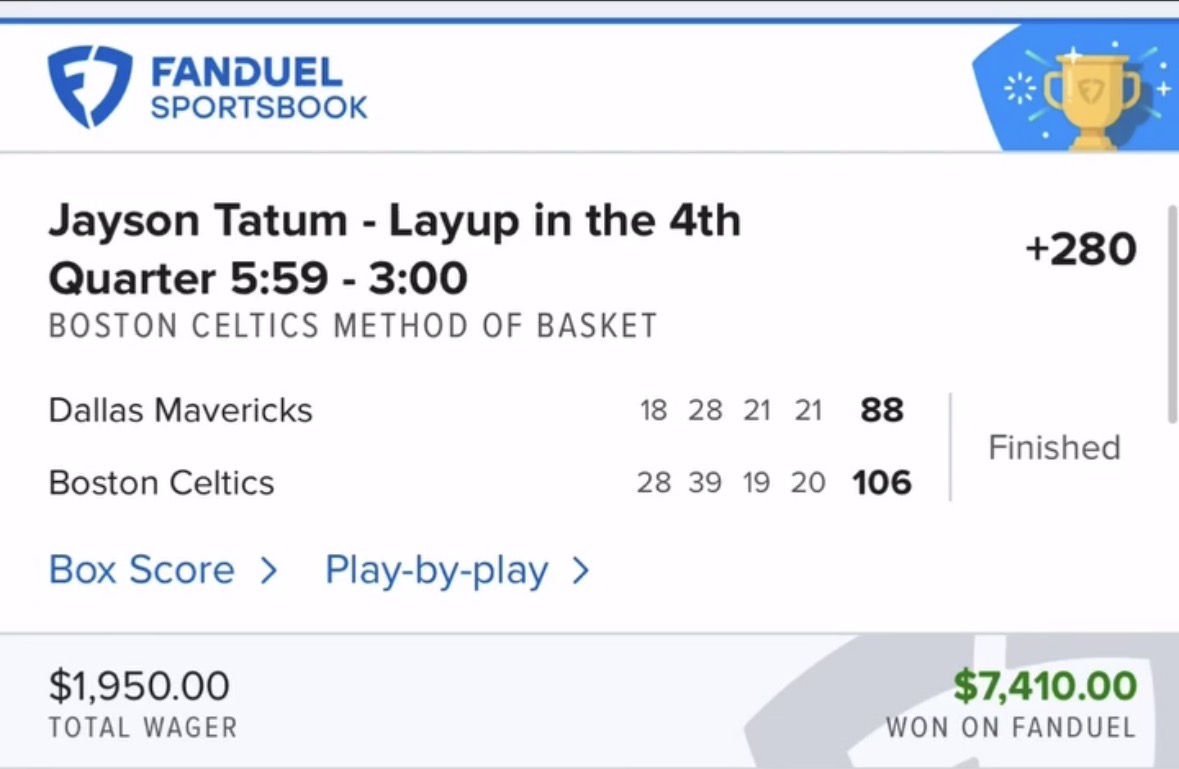
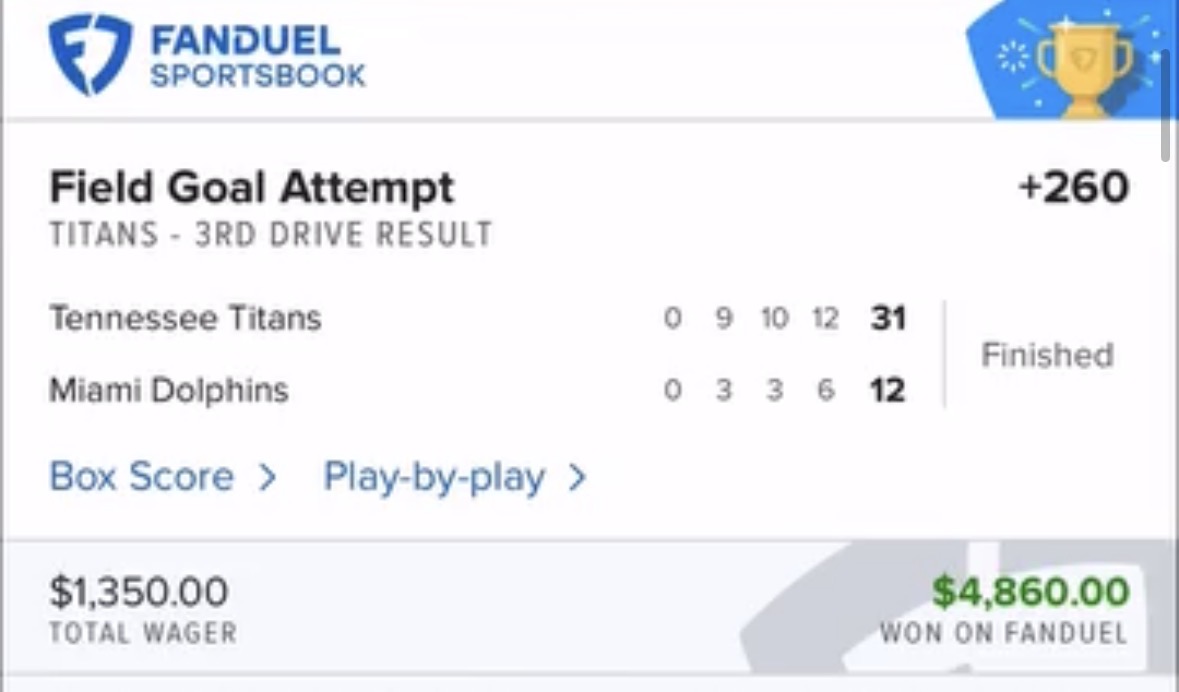
More coverage at pay for sports picks, expert sports picks, NFL handicappers, daily sports betting picks, and football handicappers.
Frequently Asked Questions
What are the terms of Jonnu Smith's contract with the Packers?
Green Bay signed Smith to a one-year deal reported on August 27, 2026. At this point in the calendar, deals of this type are typically structured near the minimum with incentive upside rather than as a significant committed salary, which is consistent with how the signing has been described. The short term is itself informative: it is a move to cover the current season, not an investment in a long-term role.
Why did the Packers sign a tight end two weeks before Week 1?
Because Luke Musgrave is out indefinitely with a neck injury and the team evidently does not expect him back on a timeline it can plan around. Tucker Kraft remains the primary tight end, so this is not a change at the top of the depth chart. It is a team choosing to spend a roster spot in the most contested week of the year rather than ride out an injury, which is the clearest available signal about how long that injury is expected to last.
Should Green Bay's season win total move on this signing?
No, and it will not. Season win totals are driven by quarterback play, offensive and defensive line health, and schedule. A one-year depth signing at tight end is worth a fraction of a win across seventeen games and does not register at that altitude. If a book did move a season number on it, that would be a reason to look at the other side rather than a reason to follow the move.
How should the market price Jonnu Smith's Week 1 receiving props?
Cautiously and wide, because every available anchor is wrong. His 2024 Miami season — 88 catches, 884 yards, eight touchdowns — reflects a featured role in a different offense two years ago. His 2025 Pittsburgh season reflects a different scheme and depth chart. The only relevant sample is his 2026 usage in Green Bay, which does not exist yet. A price built on no data is a guess with a margin around it, not a read.
Does the LaFleur connection actually matter for Week 1?
It matters for timing, not for volume. Matt LaFleur was Smith's offensive coordinator in Tennessee in 2018, so the terminology and the specific ways this coach uses a movable tight end are familiar to him. That compresses the install window that normally keeps a late signing off the field into October. It does not make him the primary tight end — Tucker Kraft is — but it widens the range of plausible Week 1 snap shares beyond the market's default assumption about late signings.
What is the general lesson from a signing like this?
That a transaction is often a more honest injury report than the injury report. Availability language is vague by design and strategically managed. Roster moves cost real money and a contested roster spot, so they reveal what a team actually believes about a player's timeline. Reading transactions as medical information is one of the few pregame edges that does not require beating the market to a number.
When will we actually know Jonnu Smith's role?
The Week 1 snap count, which is public and costs nothing to look up — and which arrives after every pregame price on the game is gone. That is the recurring structure of football information: the number you needed becomes knowable at the exact moment it stops being bettable pregame. The market where personnel questions resolve while they are still bettable is the in-game market, where you can see the actual formation and third-down usage while the live price is still being redrawn off the score.
The Best Bet on Sports · 1.5M followers on TikTok
Sports Betting TikTok is the live betting account behind The Best Bet on Sports, covering NFL, NCAAF, NBA, NCAAB, MLB and WNBA markets in real time. The account has been limited on all six major U.S. sportsbooks — FanDuel, DraftKings, Caesars, BetMGM, Fanatics and ESPN BET — for winning on live betting, with $367,520 in verified profit since 2005. View full profile →
Past results do not guarantee future performance. Must be 21 or older to wager.
Related Articles
The Cardinals' Win Total Moved Two Games Overnight
NFL Week 1 Overreaction Index: Ten Early-Season Traps Ranked
NFL Cut Day Moved to a Sunday: What the August 30 Deadline Actually Changes
Dallas Signed Von Miller. The Market Still Can't Price This Pass Rush.
NFL Week 1 Parlay Strategy: The Hidden Correlation
Denzel Ward's Record Extension: The Real Betting Impact
Get real live betting picks
From $39.95/mo · Cancel anytime · Email + Discord delivery
● Get The Picks
Choose your package
Tap any tier below to select · Subscribe in one tap
👇 Tap any package to select it
✓ You're selecting
25 Units · $99.95/month
25 unit picks per month. Sweet spot for most bettors — plenty of action without going all-in.
- ✓25 live betting selections/month
- ✓Email + Discord delivery
- ✓All sports (NFL, NCAAF, NBA, NCAAB, MLB)
- ✓Mix of 1, 2, 3, 5-unit rated plays
- ✓Cancel anytime
Secure PayPal · Cancel anytime · No hidden fees · 21+ · +$367K verified
+$367,520 verified · Limited on 6 sportsbooks · 20 years documented · See Proof
Join Our Newsletter
Get free expert sports picks and analysis delivered weekly.