MLB Over/Under Picks: How to Bet Baseball Totals and Win

MLB over/under picks require analyzing starting pitcher matchups, weather conditions, park factors, bullpen availability, and lineup construction to determine whether the posted total accurately reflects the expected run-scoring environment for each specific game. Profitable baseball totals betting separates bettors who mechanically play overs or unders from those who evaluate each game's unique combination of pitching quality, offensive form, and environmental factors to identify totals where the sportsbook's number diverges meaningfully from the true expected scoring output.
# MLB Over/Under Picks: How to Bet Baseball Totals and Win
MLB over/under betting is one of the most analytical and profitable markets in sports gambling because baseball generates more trackable variables per game than any other sport, and bettors who understand how starting pitching quality, park dimensions, wind direction, temperature, and bullpen workload interact can consistently find totals that are mispriced by sportsbooks operating on seasonal averages rather than game-specific conditions.
I have been betting baseball totals at The Best Bet on Sports for over twenty years, and totals remain my single favorite bet type in the entire sport. Two years ago I went on a 23-11 run on totals during a three-week stretch in May by targeting games at Wrigley Field and Coors Field where wind data contradicted the posted total. The sportsbooks had the number right for average conditions, but those were not average conditions. That is the essence of totals betting: finding the gap between what the book expects and what the specific conditions of that game actually predict. This guide lays out the complete framework.
How Do MLB Over/Under Bets Work?
A baseball total is set by the sportsbook, typically between 7 and 10 runs for most games, and you bet whether the combined final score of both teams will exceed the number (over) or fall short (under). The total applies to the full nine innings plus extras if the game goes past regulation, and most sportsbooks adjust the number right up until first pitch based on lineup cards and confirmed starting pitchers.
The standard juice on MLB totals is -110 on each side, meaning you need to win roughly 52.4% of your plays to break even. Some sportsbooks will move the total a half-run instead of adjusting the juice, while others keep the total static and change the price. Understanding which approach your book uses helps you time your bets for maximum value.
Total runs in baseball are influenced by more independent variables than almost any other sport, which creates both complexity and opportunity for sharp handicappers. Every game involves two starting pitchers, two bullpens, two lineups with specific handedness compositions, a specific ballpark with unique dimensions, and weather conditions that change by the hour. All of these factors interact to produce a run environment that can deviate significantly from what the posted total implies. That complexity is exactly why totals betting rewards research and punishes gut-feel bettors who bet overs because they like action and unders because they think the pitching matchup looks good on paper.
What Factors Matter Most When Making MLB Over/Under Picks?
Starting pitcher quality is the floor of any totals analysis, but ERA is the wrong metric to use. ERA tells you past performance but includes defensive performance and batted-ball luck that the pitcher does not control. MLB totals bettors need forward-looking metrics like strikeout rate, walk rate, hard-contact percentage, and velocity trends. A starter with a 4.20 ERA who has lost 2 miles per hour off his fastball in his last three starts is not a 4.20 ERA pitcher going forward. He is a pitcher whose stuff has declined, and his future results are likely to be worse than his season-long statistics suggest.
Ballpark factors create enormous and persistent differences in run scoring. Coors Field in Denver is the most famous example where high altitude produces dramatically more runs than any other park, but every stadium has a run-factor rating. Parks with short porch dimensions in left or right field inflate totals for pull hitters with the corresponding handedness. A game featuring two left-handed heavy lineups at a park with a short right field porch is going to produce a different run environment than the same lineups at a park with deep outfield dimensions. Knowing which park you are betting in is non-negotiable.
Weather deserves more attention than most bettors give it. A 15 mile-per-hour wind blowing out toward left-center is worth an additional 1 to 2 runs of scoring expectation in most analytical models. A cold front dropping temperatures 20 degrees from the seasonal average suppresses offense significantly. Humidity affects ball carry. Rain threatens game completion and affects pitcher grip. Most casual bettors ignore weather entirely, which is why they consistently lose money on totals over the long run.
Bullpen depth and recent usage round out the core variables. If a starter is on a pitch-count limit or coming off a heavy workload, the bullpen carries more innings. If that bullpen is fatigued from heavy usage in the previous two to three games, both runs allowed and game length become less predictable. Under bettors are exposed when a fatigued bullpen enters a close game because tired relievers walk batters and leave pitches over the plate.
| Totals Factor | Impact on Run Scoring | Data Source | How to Use It |
|---|---|---|---|
| Wind direction (blowing out) | +1.5 to +2 runs | Weather services | Bet over or adjust expected total |
| Wind direction (blowing in) | -1 to -1.5 runs | Weather services | Bet under or adjust expected total |
| Temperature below 55F | -0.5 to -1 run | Weather services | Lean under in April/October |
| Coors Field altitude | +2 to +3 runs vs. average | Park factor databases | Already priced in; look for weather stack |
| Bullpen fatigue (3 of 4 days used) | +0.5 to +1 run | Box score tracking | Lean over when both pens are tired |
| Elite starter (sub-3.00 FIP) | -1 to -2 runs | Pitching stats | Lean under, especially F5 |
When Is the Best Time to Bet MLB Totals?
Timing matters more for totals than for any other MLB bet type because the variables that drive run scoring change throughout the day. Early in the morning when lines first open, totals are set based on projected starters and average conditions. The single biggest line move happens when starting pitchers are officially confirmed. If a team's ace was projected but scratched for a lesser arm, the total can jump 1.5 to 2 runs within minutes.
Sharp bettors get ahead of these moves by monitoring beat reporters and team social media accounts for early indications of lineup and pitching changes. By the time the line adjusts at the major books, the value window is partially closed. This information edge is one reason The Best Bet on Sports monitors early injury reports and lineup changes as part of our daily MLB picks process.
Weather-driven moves come later in the day, typically in the two to three hours before first pitch when specific game-time conditions become clearer. A total posted in the morning based on a forecast of mild conditions might need to be adjusted when updated weather data shows 20 mile-per-hour winds blowing out. If you have access to reliable game-time weather forecasts and the book has not adjusted, that window is your opportunity.
Line shopping across multiple sportsbooks is even more important for totals than for moneylines because a half-run on a total is enormous value. The difference between betting the over at 8 versus 8.5 has a measurable impact on your long-term win rate. Always check multiple books before placing a totals bet and take the best number available.
Is It Better to Bet Overs or Unders in MLB?
Neither is inherently better over a large sample because the market prices both sides efficiently in aggregate. But there are situational biases that create opportunities in specific contexts.
Overs get more public money because recreational bettors like to see runs scored. Root for the offense. Celebrate home runs. This creates a small but persistent tendency for books to shade totals slightly high, making unders marginally better value on average. This bias is most pronounced in games featuring two elite starters where the public sees two low-scoring games as boring and bets the over hoping for fireworks. Pitcher-friendly park matchups with elite starters are historically strong under spots.
April unders are historically profitable because early in the season, hitters are shaking off rust, starting pitchers are being stretched out gradually with pitch-count limits, and cold weather in northern markets suppresses offense. The books know this general trend but they cannot fully adjust for the specific combination of factors in each game without overexposing themselves on the other side.
Summer overs have their own logic. July and August games in outdoor parks with temperatures above 85 degrees and high humidity produce measurably more runs. Hitters are in their groove, arms are fatigued, and ball carry increases in hot, humid conditions. The market adjusts for this but often not enough, particularly in games at hitter-friendly parks where the temperature effect stacks on top of already high park factors.
Our totals picks are tracked separately on our results page so you can evaluate our performance on overs and unders independently of our moneyline and run line results.
How Do Line Moves Signal Value in MLB Totals?
Significant line moves before first pitch are meaningful signals that sophisticated bettors use daily. If the total drops from 8.5 to 7.5, sharp money has hammered the under, likely based on pitching news, wind conditions, or weather information that the public has not processed yet. Following sharp line movement rather than public betting volume is a legitimate edge source.
Reverse line movement is the most powerful signal. This occurs when the majority of public bets are on the over but the line moves down, indicating that sharp money on the under outweighs the public volume on the over. Reverse line movement tells you that the sophisticated side of the market disagrees with the public, and historically, following the sharp side in these situations produces positive ROI.
Opening line comparison is another useful tool. When a total opens at 8.5 and immediately moves to 8, sharp bettors jumped on the under at opening. When a total opens at 8 and moves to 8.5, the sharp side liked the over. Understanding where the opening number sat relative to the current number tells you which direction the informed money is flowing.
At The Best Bet on Sports, our handicappers track early steam moves across major books to validate our own analysis or flag games where we might be on the wrong side of market consensus. When our analysis aligns with sharp line movement, our confidence increases. When it diverges, we dig deeper before releasing a play. For how the same principles apply to other bet types, see the MLB run line betting strategy guide and MLB first five innings (F5) betting guide. Check our MLB betting page and baseball picks hub for our daily process and real-time analysis.
How Do You Build a Daily MLB Totals Betting Process?
A repeatable daily process is what separates profitable totals bettors from those who bet randomly based on whatever game catches their eye. Here is the process I follow every single day during the baseball season.
Start with the starting pitcher matchup. Pull up FIP, xFIP, K rate, BB rate, and hard-hit rate for both starters. Compare their recent form over the last four to six starts against their season-long numbers. Identify any starters who are performing significantly better or worse than their expected metrics suggest, because those are regression candidates.
Layer in the park factor. Check the run-factor rating for the stadium and cross-reference it with the specific lineup compositions of both teams. A game at a hitter-friendly park with two lineups stacked with right-handed pull hitters plays differently than the same park with two contact-oriented lineups.
Check the weather. Pull up game-time weather including temperature, wind speed and direction, humidity, and precipitation probability. Compare the conditions to what the book's total seems to assume. If the total looks like it was set for average conditions but today's weather is extreme in either direction, that gap is your opportunity.
Evaluate bullpen workload. Check the last three days of box scores for both teams to identify which relievers have worked heavy innings. A bullpen that threw 6 combined innings yesterday is a different unit than one that was idle for two days.
Finally, compare your projected total to the posted line. If the gap is significant and your analysis is grounded in specific, verifiable data rather than gut feel, you have a play. If the gap is marginal, pass and wait for a better spot. Discipline in selection is the edge.
We go deeper on the related market in MLB extra innings ghost runner betting strategy.
What Common Mistakes Do MLB Totals Bettors Make?
The most common mistake is betting based on recent scoring trends rather than underlying factors. A team that scored 15 runs yesterday is not more likely to score a lot of runs today. If anything, their lineup might be less aggressive after a blowout win, and the pitching matchup is independent of what happened in the previous game. Recency bias is the single biggest profit killer in MLB totals betting.
Ignoring the first five innings option is another frequent error. Many totals situations have a strong starter component but an uncertain bullpen component. Betting the full-game total means you are exposed to bullpen variance that you have not analyzed. The first five innings total isolates your starter analysis and removes the late-game uncertainty.
Over-betting volume destroys profitability. With 15 games on the board most days, some bettors force totals plays on 6 to 8 games. That volume guarantee includes games where you have no meaningful edge, and those break-even or slightly negative plays erode the profit from your strong plays. Two to three carefully selected totals plays per day is more profitable than seven mediocre ones. For pre-screened daily baseball picks including totals analysis, visit our MLB picks page or explore our picks packages.
Failing to track results by category prevents you from optimizing your approach. If you discover that your over plays hit at 58% but your under plays hit at 49%, that tells you something important about your analytical strengths and weaknesses. Track overs and unders separately, track by park type, and track by weather condition to identify where your edge actually lives.
Frequently Asked Questions
What is an MLB over/under bet?
An MLB over/under, also called a total, is a bet on the combined number of runs scored by both teams in a game. You wager whether the total runs will be over or under the number set by the sportsbook, typically between 7 and 10 runs. The standard juice is -110 on each side, requiring a 52.4% win rate to break even. Totals are one of the most popular MLB bet types because they allow you to focus on run-scoring factors rather than picking a winner.
Does weather really affect MLB over/under picks?
Yes, weather is one of the most impactful variables in baseball totals betting. Wind direction and speed can add or subtract 1 to 2 runs from expected scoring. Temperature below 55 degrees suppresses offense measurably. Humidity affects ball carry, and rain creates unpredictable game conditions. Most casual bettors ignore weather entirely, which is exactly why it remains a consistent edge for those who incorporate it into their analysis.
Where can I get reliable MLB over/under picks?
The Best Bet on Sports releases daily MLB picks including detailed totals analysis during the regular season. Every totals recommendation includes the specific reasoning covering pitcher matchup, park factor, weather impact, and bullpen situation. Check our results page to review historical pick accuracy across all bet types before subscribing.
How many totals plays should I bet per day in MLB?
Limit yourself to two to four totals plays per day on a full 15-game slate. Selectivity is critical because totals analysis requires incorporating multiple variables for each game, and forcing plays on games where your information edge is thin dilutes your overall profitability. Only bet totals where your projected run total differs from the posted line by at least one full run.
Are first five innings totals better than full game totals?
First five innings totals are a superior bet when your edge is concentrated in the starting pitcher matchup. They isolate exactly the variable you have analyzed most carefully and remove bullpen variance. Full game totals are better when your analysis incorporates bullpen factors or when the late-game environment, such as a strong wind that will affect the entire game, is central to your thesis.
What is the most profitable MLB totals strategy?
The most consistently profitable strategy combines park factors, weather data, and starting pitcher analysis to identify games where the posted total is at least 0.5 to 1 run off from your projected total. Focus on under plays in pitcher-friendly parks with elite starters and over plays at hitter-friendly parks with below-average pitching matchups. Avoid games where all factors are close to average because those are the games where the book's total is most likely correct.
How do bullpen changes after the trade deadline affect totals betting?
The trade deadline creates some of the most dramatic bullpen changes of the season. Teams that sell off their top relievers see their late-inning run prevention collapse, pushing future games toward overs. Teams that acquire elite relievers improve their bullpen overnight, creating under value in their games. The market adjusts to these moves but often takes a week or two to fully price in the impact. Targeting games involving recently restructured bullpens in the first two weeks after the deadline is a historically profitable approach.
The Best Bet on Sports · 1.5M followers on TikTok
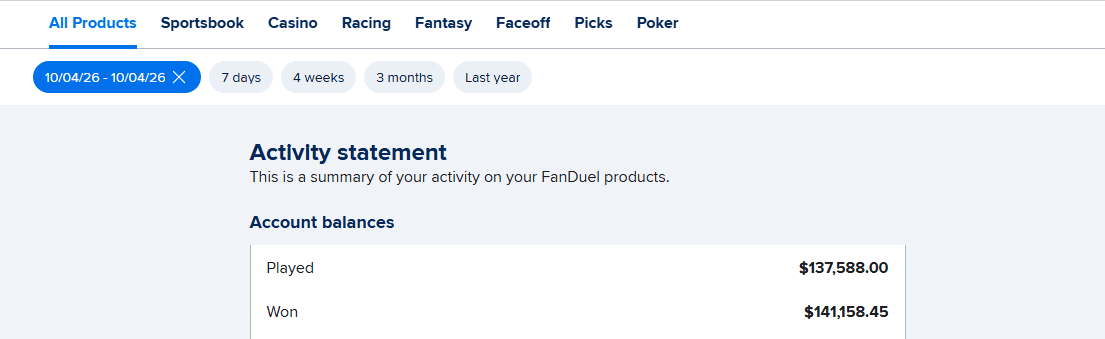
Sports Betting TikTok is the live betting account behind The Best Bet on Sports, covering NFL, NCAAF, NBA, NCAAB, MLB and WNBA markets in real time. The account has been limited on all six major U.S. sportsbooks — FanDuel, DraftKings, Caesars, BetMGM, Fanatics and ESPN BET — for winning on live betting, with $367,520 in verified profit since 2005. View full profile →
Past results do not guarantee future performance. Must be 21 or older to wager.
Related Articles
What Makes the Best MLB Handicapper? How to Evaluate Baseball Picks Services
MLB Picks Today: How to Find the Best Bets in Baseball Betting
MLB Ballpark Betting Factors: How Home and Away Splits Create April Edge
MLB Pitcher Matchup Analysis - How to Bet Baseball Using Starting Pitching
NFL Over/Under Betting Guide - How to Beat NFL Totals in 2026
MLB Home Plate Umpire Betting: How Umpires Move Totals and Strikeout Props
Get real live betting picks
From $39.95/mo · Cancel anytime · Email + Discord delivery
● Get The Picks
Choose your package
Tap any tier below to select · Subscribe in one tap
👇 Tap any package to select it
✓ You're selecting
25 Units · $99.95/month
25 unit picks per month. Sweet spot for most bettors — plenty of action without going all-in.
- ✓25 live betting selections/month
- ✓Email + Discord delivery
- ✓All sports (NFL, NCAAF, NBA, NCAAB, MLB)
- ✓Mix of 1, 2, 3, 5-unit rated plays
- ✓Cancel anytime
Secure PayPal · Cancel anytime · No hidden fees · 21+ · +$367K verified
+$367,520 verified · Limited on 6 sportsbooks · 20 years documented · See Proof
Join Our Newsletter
Get free expert sports picks and analysis delivered weekly.