Stefon Diggs to Washington: The Real Betting Impact

Washington signed Stefon Diggs to a one-year deal worth up to $12 million on August 5, 2026, adding a veteran Pro Bowl receiver next to Terry McLaurin in Jayden Daniels' offense. Unlike a contract extension, this is an actual personnel addition, which makes it a genuine repricing event. The market that moves most is not Washington's win total — it is the receiving props of the players already on the roster.
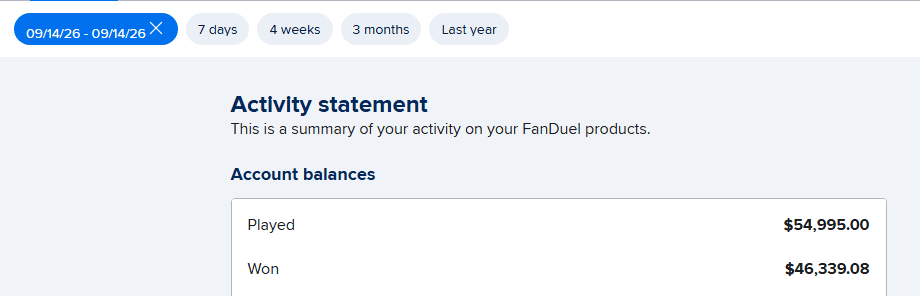
The Washington Commanders signed Stefon Diggs to a one-year contract worth up to $12 million on Wednesday, August 5, 2026, giving quarterback Jayden Daniels a second established receiver alongside Terry McLaurin. This is a different category of news than the contract extensions that have dominated the last two weeks of training camp — Diggs was not on the roster, and now he is, which means the market has to reprice something rather than nothing. The Best Bet on Sports has run live in-game betting for more than twenty years with a verified $367,520+ in profit across every major sportsbook, and the useful read here is narrower than the headline suggests: a mid-August receiver signing moves teammate prop markets far more reliably than it moves a team win total.
Diggs had been a free agent since March, when New England released him at the start of the league year with his cap charges scheduled to jump from $10.5 million to $26.5 million. He turned 32 this year. He is a four-time Pro Bowl selection and was a first-team All-Pro in 2020, the season he led the NFL with 127 receptions.
The relevant question for anyone with money on the 2026 season is not whether he is a good player. It is which numbers on the board were built without him, and how confident you should be that they are wrong now.
No odds or prop numbers are quoted in this article. Early-August prices move daily on camp news, and a stale number is worse than no number at all.
Why This Is a Different News Type Than an Extension
Over the past two weeks the camp news cycle has been dominated by contract extensions — players already under contract getting paid more. Those are almost always non-events for the current season's betting markets, because they do not change a single name on a Week 1 depth chart.
A signing is the opposite. Sort NFL offseason news by one question — does this change who is on the field in Week 1? — and the categories separate cleanly.
| News type | Changes Week 1 personnel? | Should the market move? |
|---|---|---|
| Extension for a player under contract | No | No |
| Restructure or cap move | No | No |
| Coach or coordinator hire | No, but changes usage | Slightly, on props |
| Hold-in that ends with a report date | No, if he was always going to play | Only if an absence was priced |
| Season-ending injury | Yes | Yes |
| Trade | Yes, for both teams | Yes |
| Free-agent signing in August | Yes | Yes |
Diggs sits in the bottom row. Washington's 2026 win total, its passing-game props, and its skill-position markets were all priced across the spring and early summer on a roster that did not include him. That does not automatically mean those numbers are wrong. It means they were built from a different input set, and that is the precondition for a real repricing rather than a headline. Green Bay's tight end room went through the same exercise when Jonnu Smith arrived in a signing that was really news about Musgrave — the name on the wire mattered less than the snaps it quietly reassigned.
The timing matters too. A March signing gets absorbed slowly — the market has months to digest it, and by the time win totals are widely posted the roster is already understood. An August signing lands on numbers that are already set and already being bet. There is less time for the adjustment to happen quietly.
The Market That Actually Moves Is Not the Win Total
Here is the part most bettors get backwards.
The instinct after a skill-position signing is to look at the team's win total or its division odds. Those are the wrong markets to check first, for a structural reason: a season win total absorbs sixty-odd independent variables — schedule, health, turnover luck, opponent quality, the entire defense — so any single roster addition is diluted into near-invisibility. One receiver is a small fraction of the input on a seventeen-game outcome.
Target share is not diluted. It is a closed pool. Every pass a team throws goes to exactly one player, and the totals across a roster have to sum to the same number whether Diggs is there or not. Adding a receiver who will command meaningful volume does not create new targets — it moves them from someone else's column into his.
That makes the highest-signal markets the receiving props of players already on the roster. Washington's receiving room going into camp was McLaurin plus depth — third-round rookie Antonio Williams, plus veterans including Treylon Burks and Van Jefferson. Any season-long reception or yardage number that was priced on that room now has a Pro Bowl-caliber target competitor in it who was not there when the number was set.
A signing tells you how a front office intends to distribute the ball. It does not tell you how many games the team will win. The first is a claim about a closed pool you can reason about. The second is a claim about everything.
What Diggs' 2025 Numbers Actually Signal
This is where the read gets more specific, and where a lot of casual analysis goes wrong.
Diggs caught 85 passes for 1,013 yards and four touchdowns for New England last season, leading all NFL receivers in catch rate at better than 82%. The headline number people latch onto is the thousand-yard season. The number that actually describes the role is the one you get by dividing: 1,013 yards on 85 receptions is 11.9 yards per catch.
That is a short-and-intermediate profile, not a field-stretching one. A league-leading catch rate paired with a modest yards-per-reception figure describes a receiver who is targeted often, at high-percentage depths, on routes designed to be completed. It is a genuinely valuable role — that catch rate did not happen by accident, and a possession target who converts at that rate is exactly what a young quarterback benefits from. But it is a different asset than the deep threat the name evokes from earlier in his career.
The prop-market implication follows directly. If you expect a role like the one he just played, the market to look at is receptions, not receiving yards, and certainly not touchdowns — four touchdowns on 85 catches is not a red-zone-heavy usage pattern. Bettors who reason from the name rather than the profile will price him as a yardage and touchdown asset. Bettors who reason from the tape will price him as a volume asset. It is the same trap we flagged in the Chris Olave contract extension, and a version of the broader reason most training camp news never moves a win total.
That gap between reputation and role is one of the few genuinely exploitable inefficiencies in August prop markets. Our NFL player props breakdown covers how to read usage signals more generally.
Three Reasons to Be Careful With This Read
Honest analysis includes the parts that cut against the thesis, and there are three here.
One year, up to $12 million, is a prove-it deal. It is not a commitment to a role. A team that intended to hand a player a permanent high-volume job would typically structure the contract to reflect that. A one-year deal for a 32-year-old is consistent with a range of intentions — a starter, a rotational third option, or insurance.
Insurance may be exactly what this is. Washington's receiving corps was gutted by injury in 2025: McLaurin missed seven games, Noah Brown missed thirteen, and five players not on the opening roster ended up catching passes. A front office that lived through that season has a strong non-football reason to add a proven veteran regardless of the projected snap count. If this signing is depth insurance rather than a role change, the target-share argument above is much weaker — and nothing available in August distinguishes those two cases.
August arrival compresses the runway. A receiver joining a team in the second week of August has limited time to install a full route tree and build timing with a quarterback before Week 1. Early-season usage for late additions frequently lags what their talent would suggest, and it does so unpredictably.
None of that argues the signing is meaningless. It argues that the magnitude is unknowable right now, which is a different thing — and a good reason not to chase a number in the first forty-eight hours after a signing, when the move has already happened and the information has not.
Where the Answer Actually Shows Up
Every question raised above has the same resolution point, and it is not a press conference. It is the first quarter of a football game.
Snap share, personnel groupings, who lines up in the slot on third down, whether Diggs is on the field in eleven personnel or only in three-receiver sets — all of it is invisible in August and completely observable within twelve minutes of live football. That gap between what a market has to guess in the summer and what is plainly visible in real time is the structural reason live betting exists as an edge at all.
Pregame numbers in Week 1 are priced on projection. In-game numbers are priced on what is happening, and they are priced fast, by a market that has to react before it has finished thinking. When a team debuts a new personnel package, the first drive is data everyone can see and almost no one has priced.
That is where we work. Not on a projection about how a 32-year-old veteran will be used in September, but on the mispricing that shows up once the answer is on the field. For more on the approach, see live betting picks and how to bet live during NFL games, or start with our NFL picks and NFL betting coverage for the season ahead.
Get Tonight's Live Picks
Want tonight's live in-game NFL picks delivered to your phone via Email and Discord during the game?
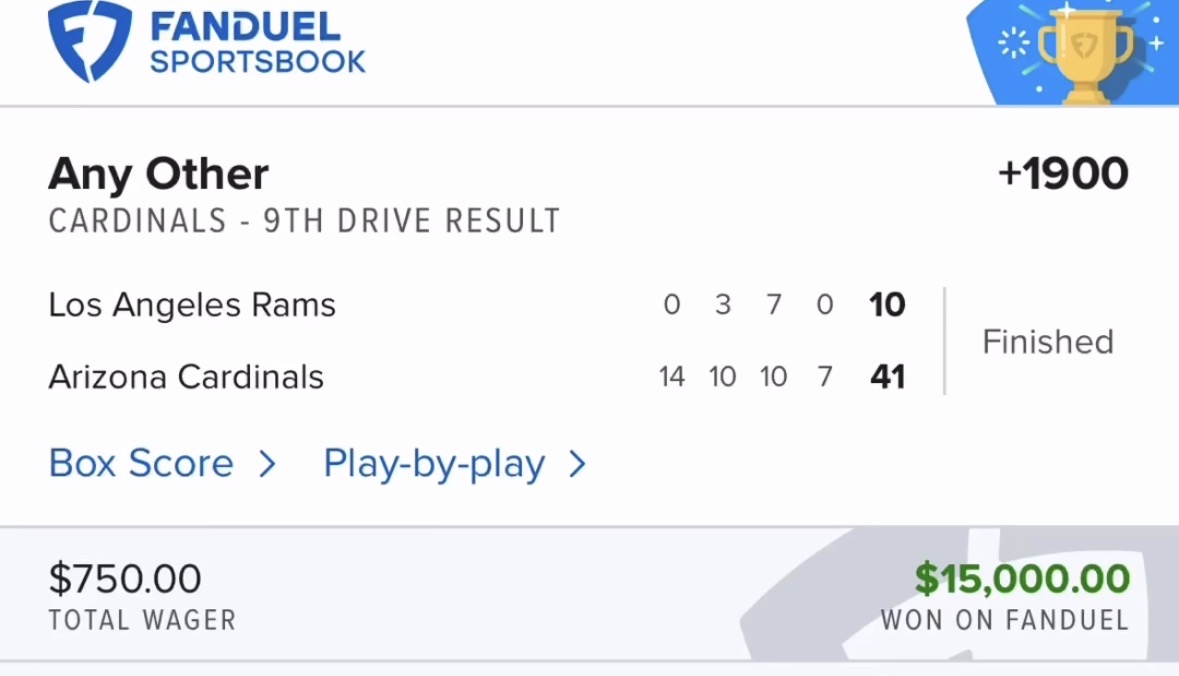
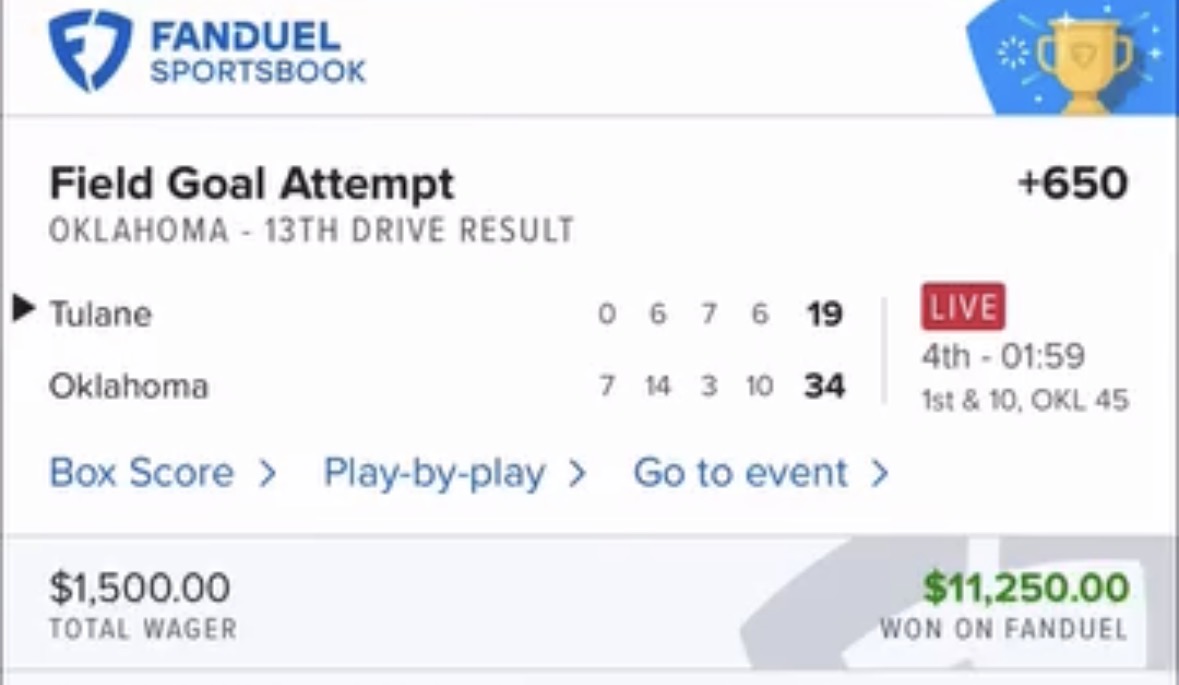
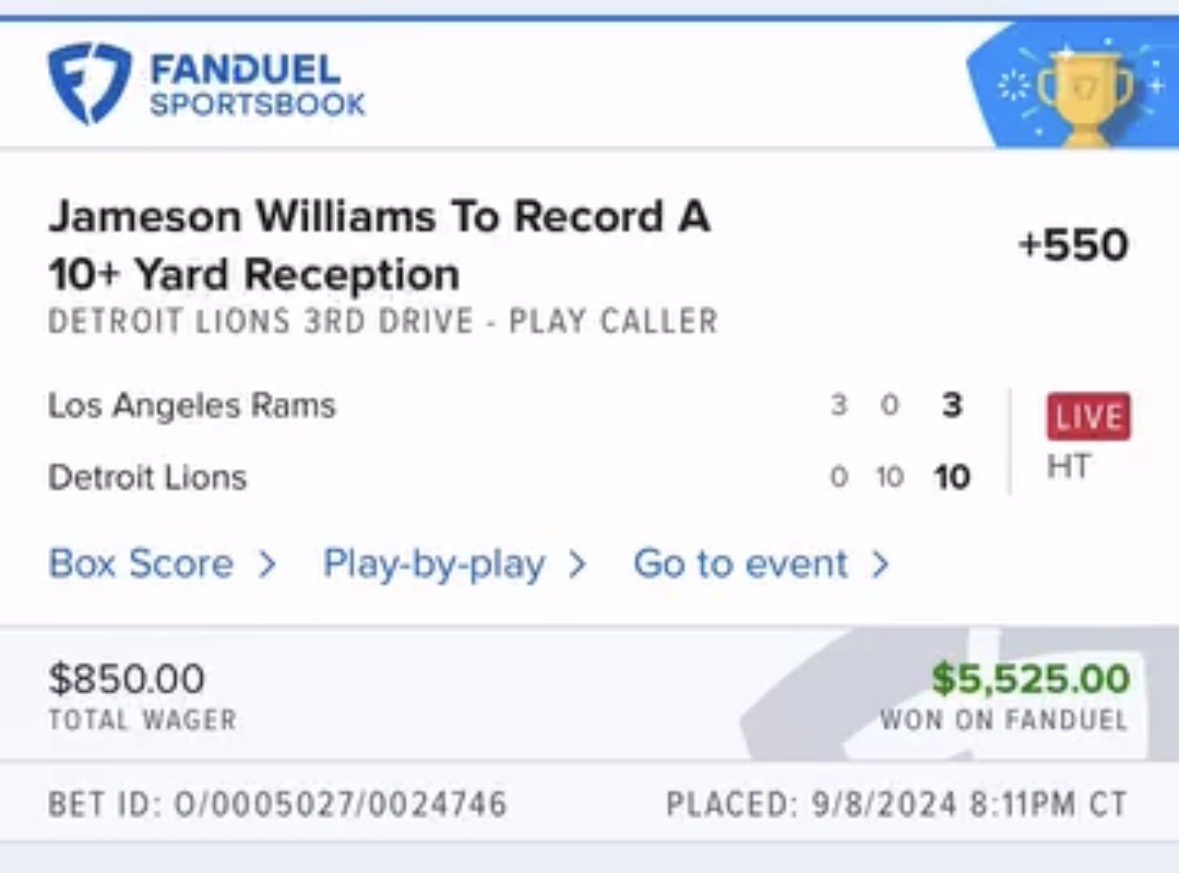
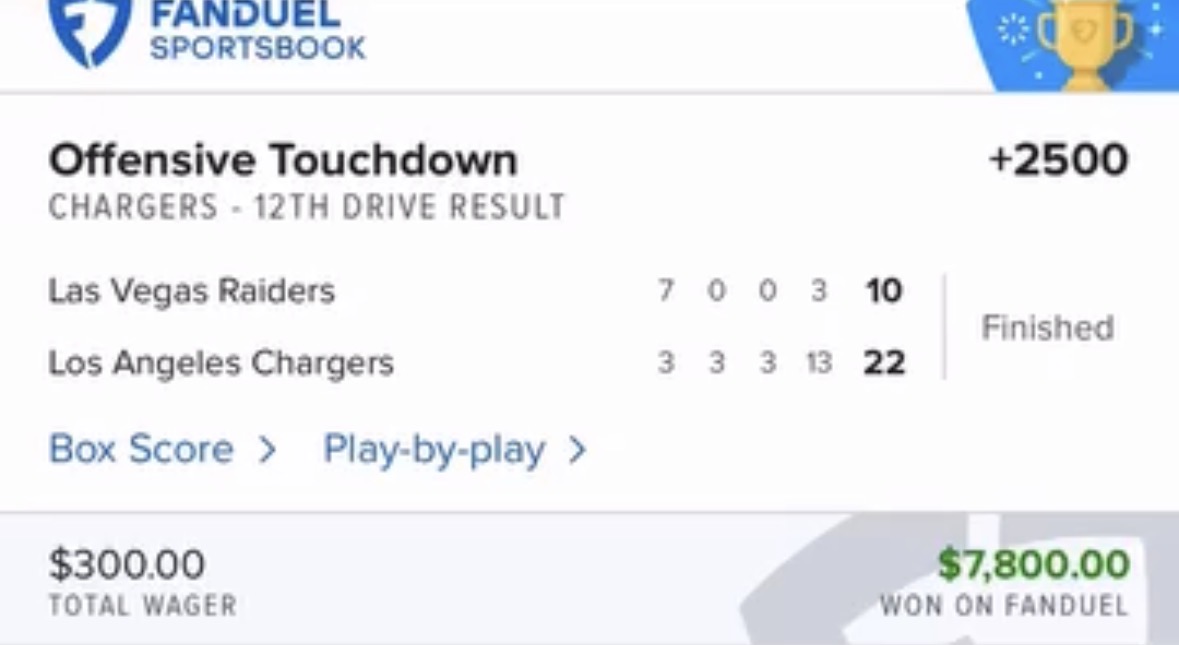
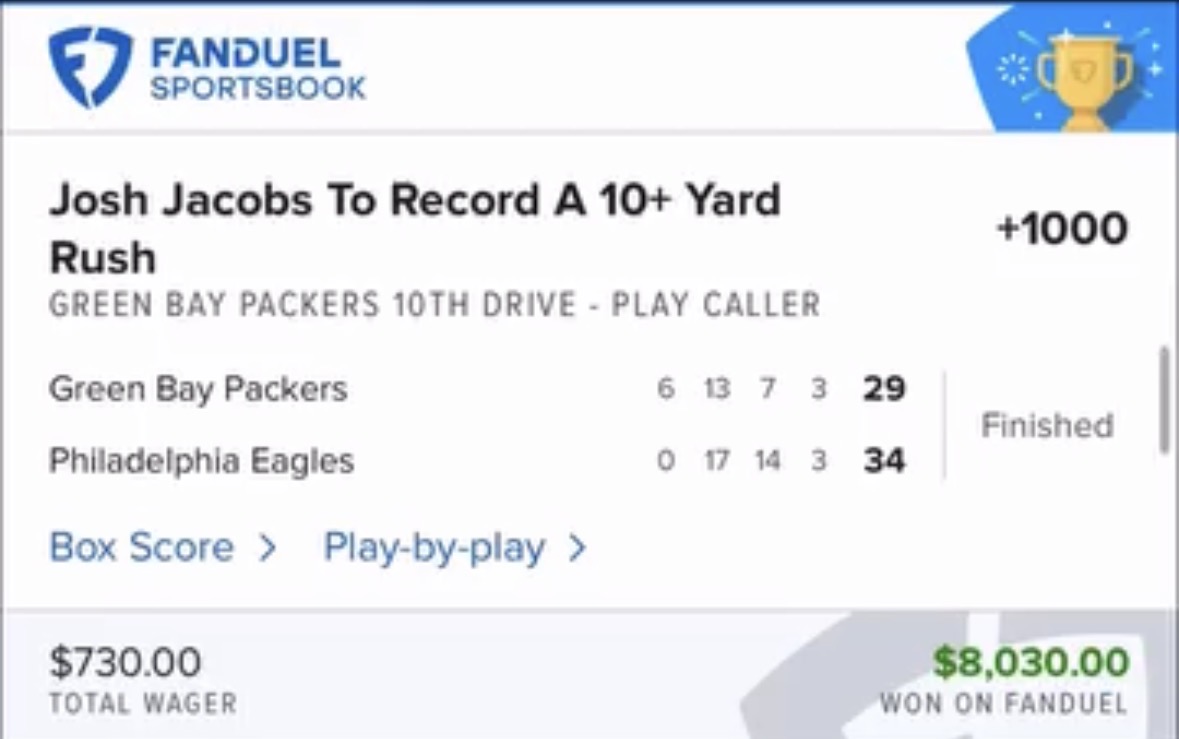
The Best Bet on Sports is the only live betting handicapping service limited on all six major U.S. sportsbooks (FanDuel, DraftKings, Caesars, BetMGM, Fanatics, ESPN BET) for winning too much during in-game action. Verified profit: $367,520+. Picks delivered via Email and Discord during games.
→ Get tonight's live picks: $199 first month — 1-Unit package, full live betting access → Try a free live pick first — reserve your spot for tonight's pick
Frequently Asked Questions
What are the terms of Stefon Diggs' contract with the Commanders?
Washington signed Diggs on August 5, 2026 to a one-year deal reported to be worth up to $12 million. He had been a free agent since March, when New England released him at the start of the 2026 league year with his cap charges scheduled to rise from $10.5 million to $26.5 million. A one-year contract for a 32-year-old receiver is a prove-it structure and should not be read as a commitment to a specific role or snap count.
Should the Diggs signing change how you bet the Commanders?
It is a legitimate repricing event, unlike the contract extensions that dominated late-July camp news. Diggs was not on the roster and now is, so Washington's markets were priced on a different input set. The caution is on magnitude rather than direction: a one-year deal, an August arrival, and a 2025 receiving room that was decimated by injury all leave open the possibility that this is depth insurance rather than a role change.
Which betting markets move most after a receiver signing?
Teammate receiving props, not the team win total. A season win total absorbs dozens of independent variables — schedule, defense, health, turnover luck — so one roster addition is diluted into near-invisibility. Target share behaves differently: it is a closed pool, and every target a new receiver commands comes out of someone else's column. That makes existing players' reception and yardage numbers the highest-signal markets to check first.
What do Stefon Diggs' 2025 statistics say about his role?
He caught 85 passes for 1,013 yards and four touchdowns and led all NFL receivers in catch rate at better than 82%. Dividing yards by receptions gives 11.9 yards per catch, which describes a short-and-intermediate possession role rather than a field-stretching one. The practical implication is that receptions, not receiving yards or touchdowns, are the market most likely to reflect how he is actually used.
Does a new receiver automatically improve a quarterback's numbers?
No. Adding a target competitor redistributes attempts rather than creating them, so the effect on a quarterback's volume is usually small. Efficiency can improve if the addition converts a higher share of targets, which a receiver with a league-leading catch rate plausibly would. But a passing offense's total attempts are driven mostly by game script, pace, and defensive quality — none of which a single signing changes.
Why is Washington's 2025 injury history relevant to this signing?
Because it offers a competing explanation for the move. McLaurin missed seven games last season and Noah Brown missed thirteen, and five players who were not on the opening roster ended up catching passes. A front office coming off that season has a strong reason to add a proven veteran purely as insurance, independent of any projected snap count. Nothing available in August distinguishes an insurance signing from a role change.
When will the real betting impact of the signing be clear?
In live game action, not in the preseason projections. Snap share, personnel groupings, and third-down alignment are unknowable in August and fully observable within the first quarter of a real game. That is the gap live betting exploits: pregame Week 1 numbers are priced on projection, while in-game numbers have to be repriced in real time by a market watching the same first drive you are.
The Best Bet on Sports · 1.5M followers on TikTok
Sports Betting TikTok is the live betting account behind The Best Bet on Sports, covering NFL, NCAAF, NBA, NCAAB, MLB and WNBA markets in real time. The account has been limited on all six major U.S. sportsbooks — FanDuel, DraftKings, Caesars, BetMGM, Fanatics and ESPN BET — for winning on live betting, with $367,520 in verified profit since 2005. View full profile →
Past results do not guarantee future performance. Must be 21 or older to wager.
Related Articles
NFL Week 1 Overreaction Index: Ten Early-Season Traps Ranked
NFL Division Odds 2026: The Eight Races Ranked by How Little the Market Knows
Two ACLs, One Tuesday, and No Game Was Played
Malik Nabers Took Seven Reps. The Market Prices Zero or All.
Dallas Signed Von Miller. The Market Still Can't Price This Pass Rush.
Pending NFL Discipline Is a Bet on a Calendar Nobody Publishes
Get real live betting picks
From $39.95/mo · Cancel anytime · Email + Discord delivery
● Get The Picks
Choose your package
Tap any tier below to select · Subscribe in one tap
👇 Tap any package to select it
✓ You're selecting
25 Units · $99.95/month
25 unit picks per month. Sweet spot for most bettors — plenty of action without going all-in.
- ✓25 live betting selections/month
- ✓Email + Discord delivery
- ✓All sports (NFL, NCAAF, NBA, NCAAB, MLB)
- ✓Mix of 1, 2, 3, 5-unit rated plays
- ✓Cancel anytime
Secure PayPal · Cancel anytime · No hidden fees · 21+ · +$367K verified
+$367,520 verified · Limited on 6 sportsbooks · 20 years documented · See Proof
Join Our Newsletter
Get free expert sports picks and analysis delivered weekly.