Can You Follow Live Betting Picks on a Prediction Market?

Prediction markets solve the problem bettors worry about most and fail at the two nobody thinks about. An exchange will not limit you for winning, because it has no reason to. But a live pick is an instruction denominated in a specific market, and that market has to exist at the right granularity and be deep enough to take your stake in the seconds it stays live. Sportsbooks fail the first test. Exchanges fail the second.
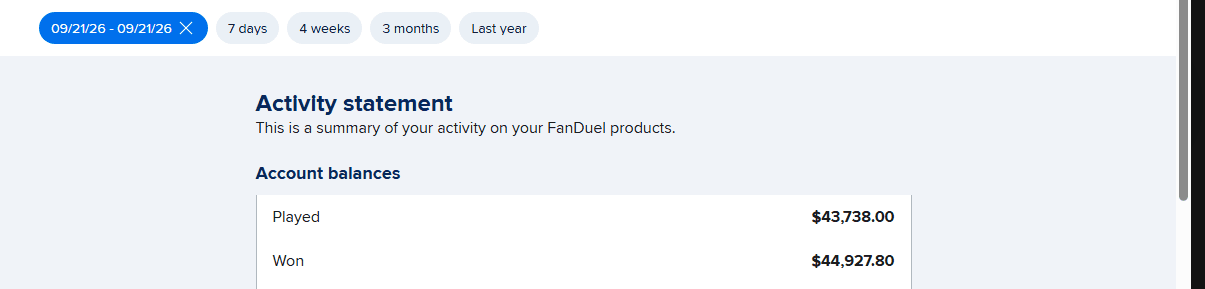
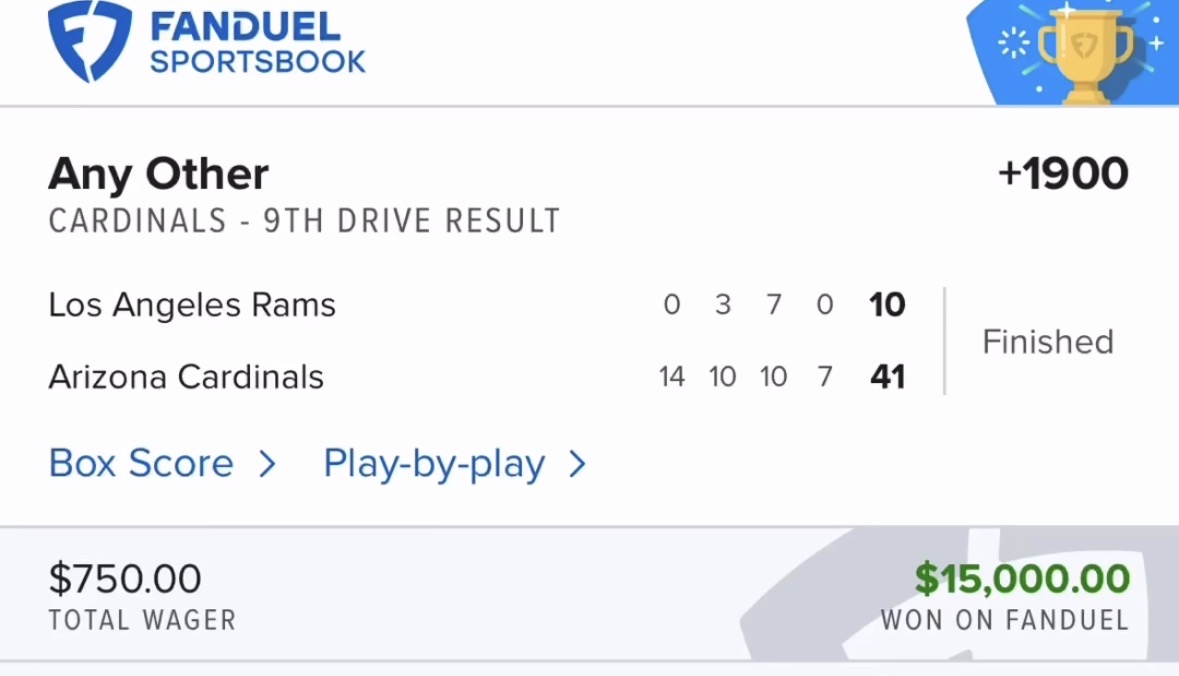
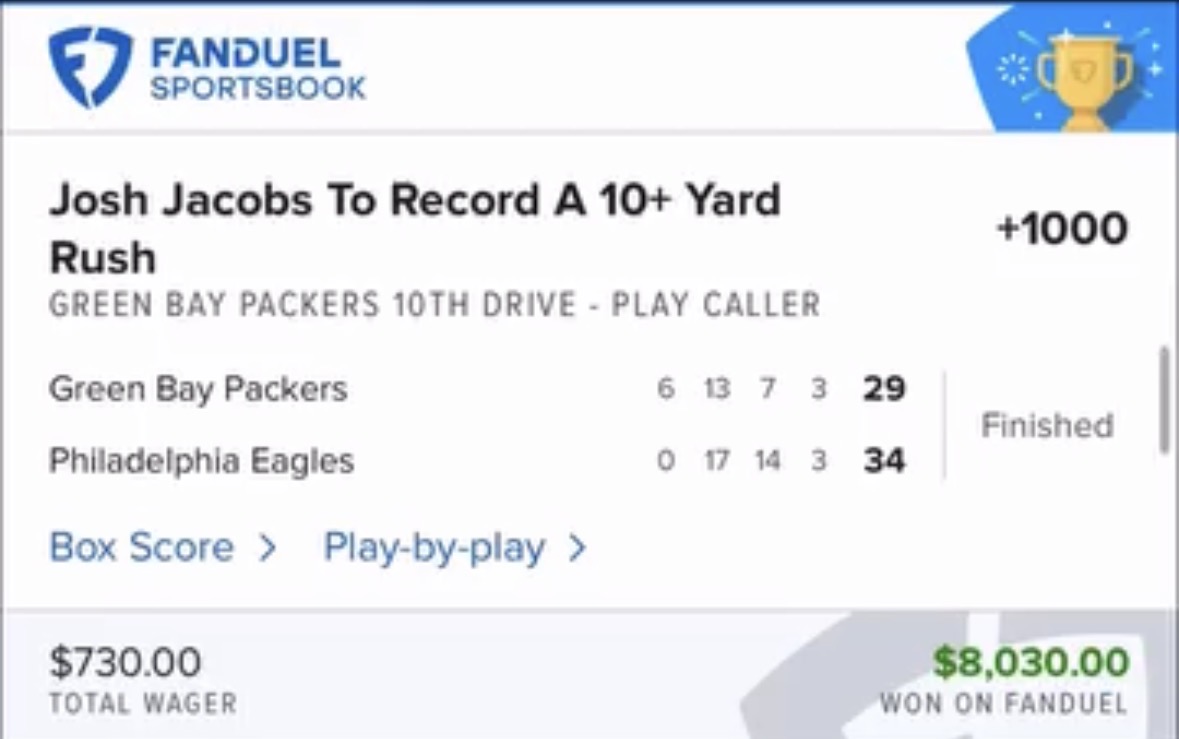
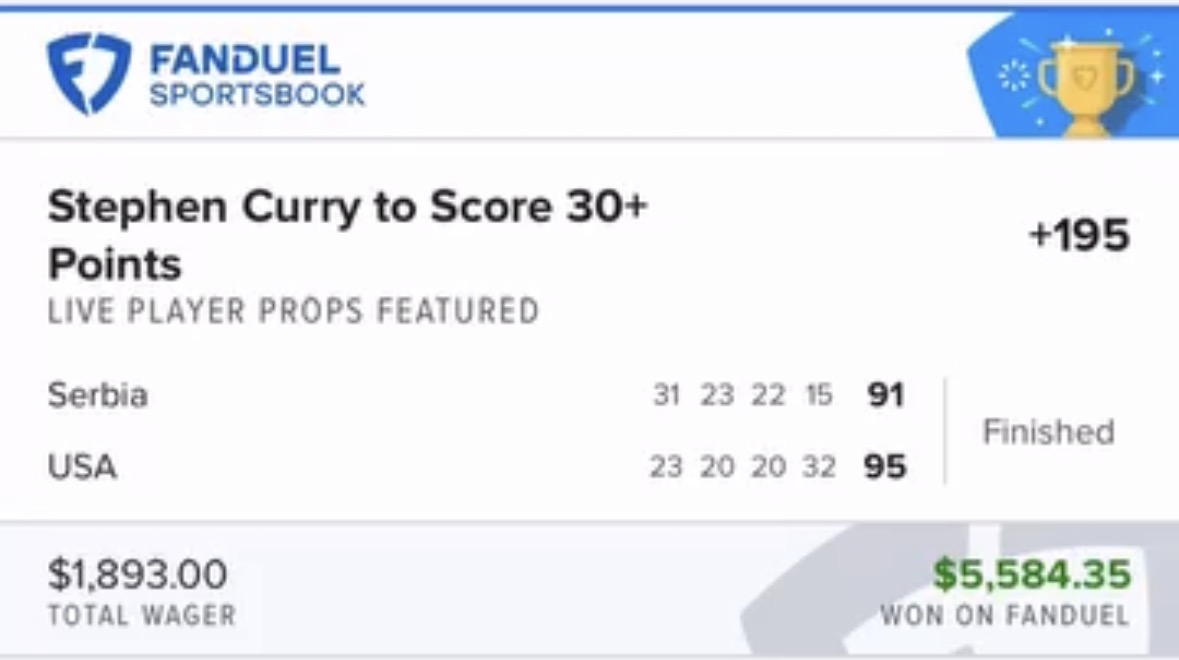
You can follow live betting picks on a prediction market, but not all of them, and the ones that fail are not the ones people expect. An exchange has no reason to limit a winning trader, which removes the single biggest long-term threat to anyone following a profitable service. What it does not remove is the requirement that the specific market a pick names actually exists on that venue, is open at that moment, and has enough depth on the other side to absorb your stake. Sportsbooks fail on limits and succeed on inventory. Exchanges do the reverse. The Best Bet on Sports has been limited on all six major U.S. sportsbooks for winning too much on live betting, with a verified $367,520+ in profit since 2005, so both halves of that trade-off are things we have lived through rather than theorized about.
This question arrives constantly now, and it usually comes in one of two forms. Either "I live in a state without legal sportsbooks, can I still use this," or "if you're limited everywhere, why not just trade on an exchange where nobody can limit you." Both are reasonable, and both deserve a more careful answer than the promotional one.
A Live Pick Is Not Information. It Is an Instruction.
Start here, because everything else follows from it.
A pregame pick is close to pure information. Someone tells you Team A at -3.5 is worth taking, and you have hours to find that number somewhere, at some price, on some platform. If your book has -4, you shop. If you cannot bet at all today, you bet tomorrow morning. The value degrades slowly.
A live pick is a different object. It says: this market, this side, this number, right now. It is an instruction that names a specific instrument, and it carries an expiry measured in seconds to a couple of minutes, because the game keeps moving and the number moves with it. We have written about what happens when you cannot get the stated number in what if you can't get the same line as the pick. The point here is upstream of that: before you can worry about the number, the market itself has to be there.
So a live pick has three requirements, and a venue either satisfies them or it does not:
1. The market exists at the granularity the pick names — not just "who wins," but the second-half total, the live spread, the team total, the specific prop. 2. The market is open at that instant, rather than suspended or not yet posted. 3. The market is deep enough to take your stake at something close to the quoted price.
Traditional sportsbooks are outstanding at one and two, mediocre at three, and — for a winner — get worse at three over time until they are unusable. Prediction markets invert almost that entire profile.
What an Exchange Genuinely Fixes
The structural difference is not cosmetic. On a sportsbook you are a customer of a counterparty that profits when you lose. On an exchange you are trading against other participants, with the venue taking a commission on volume rather than building a margin into the price.
That single change removes the mechanism behind account limiting. A sportsbook cuts a winner's maximum stake because that customer is a liability on its book — a decision it can make at any time, for any reason, with no appeal, which we covered in how sportsbooks limit winning bettors and again from the subscriber's side in will following picks get your account limited. An exchange that collects commission has the opposite incentive. A trader who wins consistently and trades often is a revenue source, not a risk. There is nothing to protect against.
Three other real advantages come with the structure. There is no built-in vig, so the price you see is the price other participants are willing to trade at rather than a number padded for margin. Positions are sellable before the event resolves, which is a cleaner and more transparent version of what a sportsbook calls cashing out. And the order book is visible, so you can see the depth on both sides instead of guessing at it — something no sportsbook has ever shown a customer.
For a live bettor following picks, that last one is genuinely valuable. Depth is the variable that determines whether an instruction is executable, and on an exchange you can read it before you act.
What an Exchange Does Not Fix
Now the other half, which gets much less attention.
Granularity. Sports event contracts have expanded a great deal — game outcomes, spreads and totals are broadly available on the major U.S. exchange, and player prop contracts have grown steadily. But a live betting service does not distribute picks on a menu it curated to match an exchange's listings. It names whatever market is mispriced at that moment. If tonight's read is a live team total in the third quarter of a mid-tier college football game, the question of whether a contract exists for that is not rhetorical.
Depth at the moment you need it. Liquidity concentrates hard. NFL and NBA contracts carry the deepest order books; championship and marquee-game markets stay liquid throughout a season; niche sports, secondary props and less-watched games show wider spreads and thinner volume. That is an entirely normal property of an exchange and not a criticism of one. It is, however, precisely the failure mode a live pick is vulnerable to, because live picks frequently live in exactly the markets that are least crowded — that is often why they are mispriced.
The price is other people, so it moves when you arrive. A sportsbook quotes a number and will honor it for your stake or reject you outright. An exchange fills you against resting orders, and a stake larger than the top of the book walks up through worse prices. On a thin in-play market a meaningful order can move the price against itself as it fills. Nobody limited you. You simply consumed the liquidity that made the trade worth doing.
| Requirement of a live pick | Traditional sportsbook | Prediction market exchange |
|---|---|---|
| Market exists at the named granularity | Excellent — deep prop and derivative menus | Good and improving on major sports; patchy below that |
| Market open in-play at that instant | Very good, with brief suspensions | Live trading supported; coverage narrower |
| Depth to absorb your stake | Adequate early, then cut as you win | Strong on NFL and NBA, thin elsewhere |
| Price stability while you execute | Quoted, honored or rejected outright | Fills walk the book on thin markets |
| Long-run treatment of a winner | Progressive limiting, then closure | No structural reason to restrict you |
| Cost structure | Vig built into the price | Commission on volume |
Read that table as a straight trade. Sportsbooks give you inventory now and take your capacity away later. Exchanges give you durable capacity on a narrower inventory.
The Legal Map Is Genuinely Unsettled
This has to be said plainly, because a lot of content on this subject is written as though the question is closed. It is not.
The status of sports event contracts has been contested in federal and state courts throughout 2026, and the rulings have not pointed the same direction. In April 2026 the Third Circuit held that the Commodity Exchange Act preempts state gambling law as applied to sports-related event contracts traded on CFTC-registered exchanges — the first federal appellate decision to reach that conclusion. Days later the Ninth Circuit heard Nevada's appeal on a related question. The CFTC filed suit against Arizona, Connecticut and Illinois in early April seeking to block state enforcement. In January a Massachusetts state judge issued a preliminary injunction barring in-state users from trading sports contracts on the leading exchange without a license.
Volume, meanwhile, has been enormous — roughly 87% of one exchange's reported $39.7 billion in annual trading was sports as of February 2026, on a product that only launched in January 2025.
The practical translation for a subscriber is short. Availability where you live may change without notice, and it may change because of a court rather than because of anything you did. We covered the tribal and state litigation in more detail in the Kalshi and Polymarket tribal lawsuit, and the sportsbook-side version of the access question is at can you use a live betting service in your state. Do not build a betting plan on the assumption that today's map is permanent in either direction.
The Honest Recommendation, by Situation
Three profiles, three different answers.
You have legal sportsbook access and are not limited. Use the sportsbooks. The inventory match to a live pick is far better, execution is a single tap at a quoted price, and the limiting problem is a future concern rather than a present one. An exchange is worth having as a second venue for the nights a book rejects you — which is not an unusual outcome and is explained in live bet rejected or requoted — but it should not be the primary account.
You are already limited on your books. This is where an exchange earns its place, and it is the honest answer to "why don't you just trade on one." A limited bettor's problem is capacity, and capacity is exactly what an exchange preserves. The trade-off is that you will only be able to act on the subset of picks whose markets exist and have depth there. That subset is largest in NFL and NBA and smallest everywhere else. Which sport a live service is worth paying for turns out to depend on how much you bet, an argument we made in full in live betting limits, and venue choice is the same argument one layer out.
You have no legal sportsbook access at all. An exchange may be your only route, and if so, size your expectations to what you can actually execute rather than to the full pick feed. Verify what is available to you in your own jurisdiction before subscribing to anything, not after — the legal position has moved multiple times this year and general articles, including this one, are not a substitute for checking your own access.
What This Means for a $199 Subscription
Subscription value is picks multiplied by the stake you can get down, and this article is about the second term.
If you can execute two-thirds of a live pick feed on an exchange at durable size, that is a materially better long-run position than executing all of it on sportsbooks that will progressively cut you to nothing. If you can execute a quarter of it, it is not, and no amount of structural elegance makes it so. The number that decides this is how much of the feed your venue can actually take, and it is a number you can measure rather than argue about.
The measurement is straightforward. Follow along without staking for a week or two, and for each pick record three things: whether the market existed on your venue, whether it was open, and what depth sat within a tick or two of the quoted price. That gives you an execution rate. An execution rate above roughly two-thirds makes the arithmetic work at most stake sizes. Below half, you are paying full price for a partial product and should say so out loud before renewing.
That is the same discipline we recommend for evaluating any service, and it is the reason we keep the graded record public at verified results and describe the actual product at live betting picks rather than asking anyone to take the outcome on faith. What the subscription includes is laid out at what a $199 pick service delivers.
Where This Argument Stops
This is a moving target. Contract listings, in-play coverage and depth on these venues have expanded fast and will keep expanding. Any specific claim about what is or is not available is a snapshot, and the granularity gap described above is likely to narrow. Check the venue, not this article.
We are not neutral and you should discount accordingly. We sell live picks. An honest reading of the incentive is that we benefit if you conclude the picks are executable somewhere. The counterweight is that telling someone with no viable venue to subscribe produces a refund request and a bad review, so the incentive to be accurate here is stronger than the incentive to be encouraging.
And none of this is legal or financial advice. The regulatory position on sports event contracts is being litigated in several courts at once, treatment differs by state and by venue, and the tax treatment of exchange positions is not identical to the treatment of sportsbook wagers. Those are questions for someone qualified to answer them about your specific situation, not for a betting site.
Get Tonight's Live Picks
Want tonight's live in-game picks delivered to your phone via Email and Discord, so you can execute them wherever your capacity actually is?
The Best Bet on Sports is the only live betting handicapping service limited on all six major U.S. sportsbooks (FanDuel, DraftKings, Caesars, BetMGM, Fanatics, ESPN BET) for winning too much during in-game action. Verified profit: $367,520+. Picks delivered via Email and Discord during games.
→ Get tonight's live picks: $199 first month — 1-Unit package, full live betting access → Try a free live pick first — reserve your spot for tonight's pick
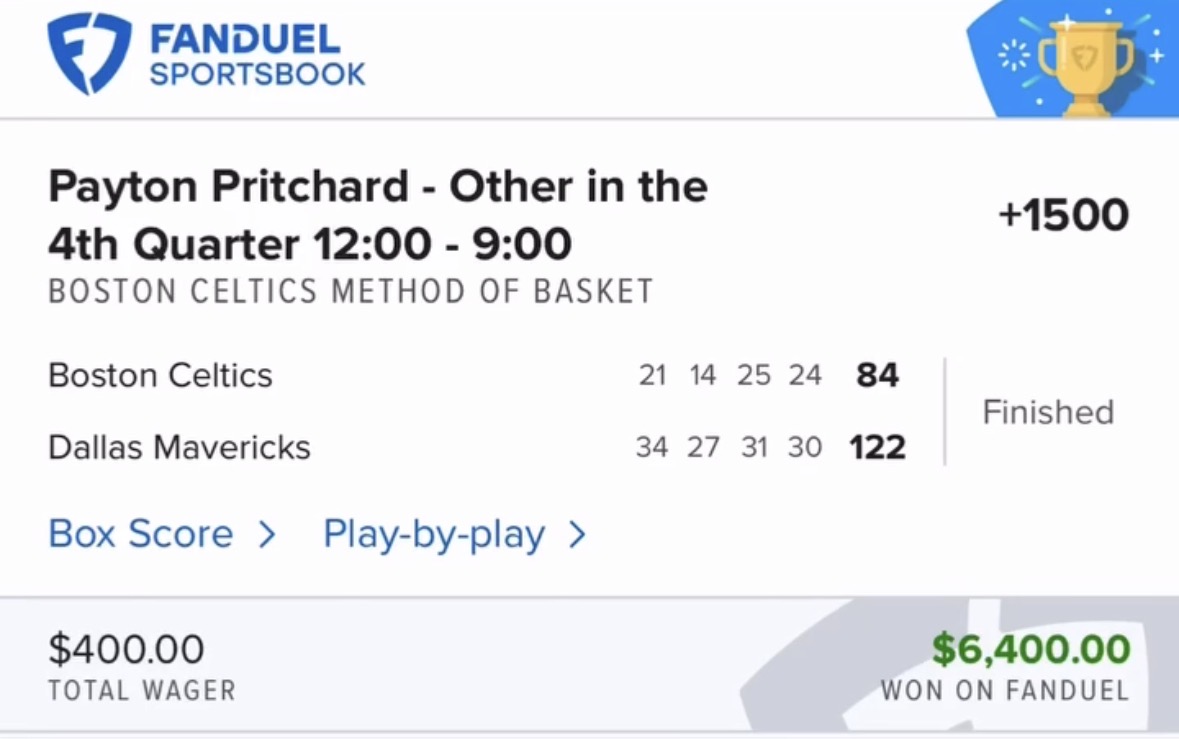
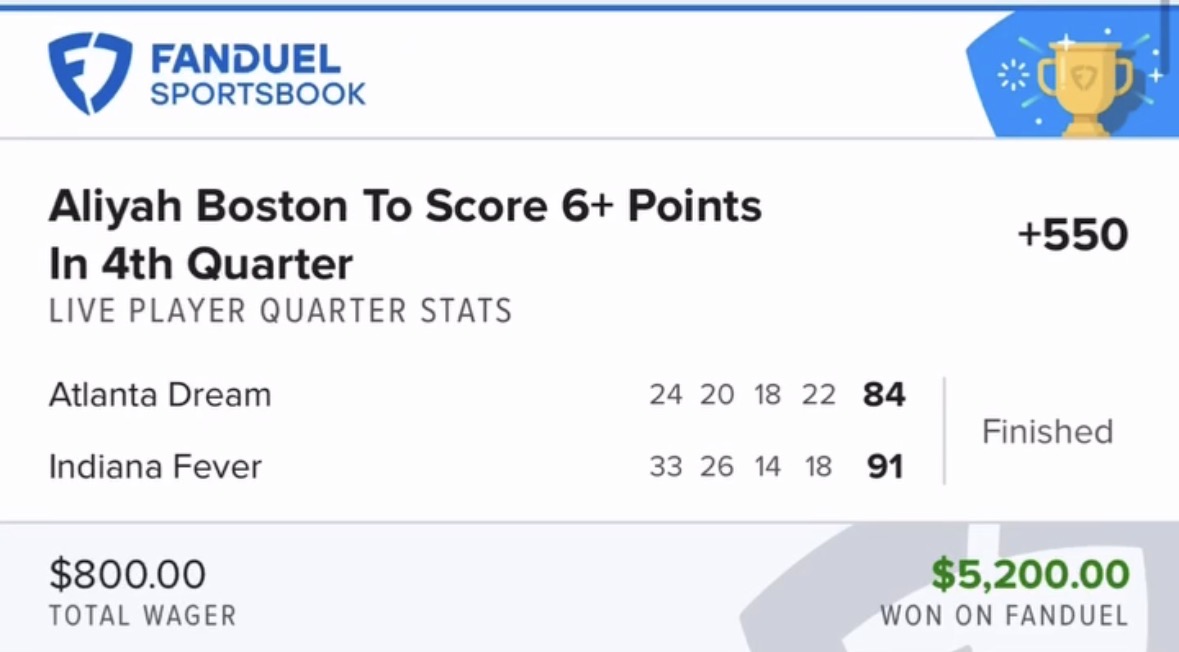
Sport coverage is at NFL picks, football picks, college football picks, NBA picks, and MLB picks. The broader case for paying for live analysis is at The Best Bet on Sports.
Frequently Asked Questions
Can prediction markets replace a sportsbook for following live picks?
Partially, and the limitation is inventory rather than legitimacy. Exchanges now list game outcomes, spreads, totals and a growing set of player prop contracts, with live in-game trading supported. But a live pick names whatever market is mispriced at that moment, not whatever an exchange happens to list, so coverage gaps appear quickly outside major sports. Treat an exchange as a venue that handles a large share of a pick feed rather than all of it, and measure your own execution rate before assuming it handles yours.
Will a prediction market limit me for winning?
There is no structural reason for it to. A sportsbook profits when you lose, so a consistent winner is a liability it manages by cutting maximum stakes. An exchange collects commission on volume and matches you against other participants, which makes an active winning trader a revenue source rather than a risk. That removes the single biggest long-term threat to anyone following a profitable service. What replaces it is a different constraint: the depth of the order book on the specific market you want, at the moment you want it.
What is the biggest downside of using an exchange for live betting?
Liquidity, and specifically liquidity at the moment a live pick fires. Order books concentrate in NFL and NBA markets and in marquee events; niche sports, secondary props and lower-profile games trade with wider spreads and thinner volume. Because your fill comes from resting orders rather than from a book quoting a price, a large order on a thin market walks up through progressively worse prices and can move the number against itself. Nobody restricted you — you simply used up the liquidity that made the trade attractive.
Are sports event contracts legal in my state?
That depends on where you live and it has been actively contested all year. A federal appeals court held in April 2026 that federal commodities law preempts state gambling law for sports event contracts on registered exchanges, while another circuit heard a state's appeal on a related question days later, the CFTC sued three states seeking to block enforcement, and a Massachusetts judge issued an injunction against in-state sports contracts in January. Availability can change because of a ruling rather than anything you did, so verify your own access directly with the venue before subscribing to anything.
Is there vig on a prediction market?
Not in the sportsbook sense. A sportsbook builds its margin into the price, so a two-sided market prices at something like -110 on both sides and the gap is the operator's cut. An exchange matches buyers and sellers and charges a commission on trading activity instead, so the quoted price reflects what other participants are willing to transact at. That does not automatically make it cheaper — a wide spread on a thin market can cost more than vig on a liquid one — but it does mean the cost is explicit rather than embedded.
How do I know whether an exchange can handle the picks I get?
Measure it before you commit capital. Follow the pick feed for a week or two without staking, and for each pick record whether the market existed on your venue, whether it was open at that moment, and how much depth sat within a tick or two of the quoted price. That produces an execution rate. Roughly two-thirds or better and the subscription arithmetic works at most stake sizes; below half, you are paying full price for a partial product, and it is better to know that before renewing than after.
Should I use both a sportsbook and an exchange?
If you have access to both, yes, and for a specific reason rather than as generic diversification. Sportsbooks give you the best inventory match to a live pick and a single-tap execution at a quoted price, which matters when an instruction expires in seconds. Exchanges give you capacity that does not shrink as you win. Running both means you take the sportsbook fill when it is available and have somewhere to go on the nights a bet is rejected or your maximum has been cut, which for a winning bettor is a question of when rather than whether.
The Best Bet on Sports · 1.5M followers on TikTok
Sports Betting TikTok is the live betting account behind The Best Bet on Sports, covering NFL, NCAAF, NBA, NCAAB, MLB and WNBA markets in real time. The account has been limited on all six major U.S. sportsbooks — FanDuel, DraftKings, Caesars, BetMGM, Fanatics and ESPN BET — for winning on live betting, with $367,520 in verified profit since 2005. View full profile →
Past results do not guarantee future performance. Must be 21 or older to wager.
Related Articles
Is a Live Betting Service Worth It for the NFL? An Honest Answer
Michigan's Hail Mary vs Western Michigan: What an 18.7% Live Price Actually Paid
The Number Moved. Do You Still Bet It?
Why Some Games Never Get a Live Pick
Can You Use a Live Betting Service in Your State?
Why Your Live Bet Got Rejected — And What It Tells You
Get real live betting picks
From $39.95/mo · Cancel anytime · Email + Discord delivery
● Get The Picks
Choose your package
Tap any tier below to select · Subscribe in one tap
👇 Tap any package to select it
✓ You're selecting
25 Units · $99.95/month
25 unit picks per month. Sweet spot for most bettors — plenty of action without going all-in.
- ✓25 live betting selections/month
- ✓Email + Discord delivery
- ✓All sports (NFL, NCAAF, NBA, NCAAB, MLB)
- ✓Mix of 1, 2, 3, 5-unit rated plays
- ✓Cancel anytime
Secure PayPal · Cancel anytime · No hidden fees · 21+ · +$367K verified
+$367,520 verified · Limited on 6 sportsbooks · 20 years documented · See Proof
Join Our Newsletter
Get free expert sports picks and analysis delivered weekly.