Should You Bet Every Pick the Same Size?

Scaling your stake to a pick service's unit rating only pays if those ratings are calibrated, meaning higher-rated plays actually win more often. If they are flat, scaling raises your risk without raising your return rate. If they run backwards, scaling costs you money on the identical pick set. Here is the arithmetic on all three cases, the calibration test you can run on any service's published results, and why most subscribers should flat-bet their first month.
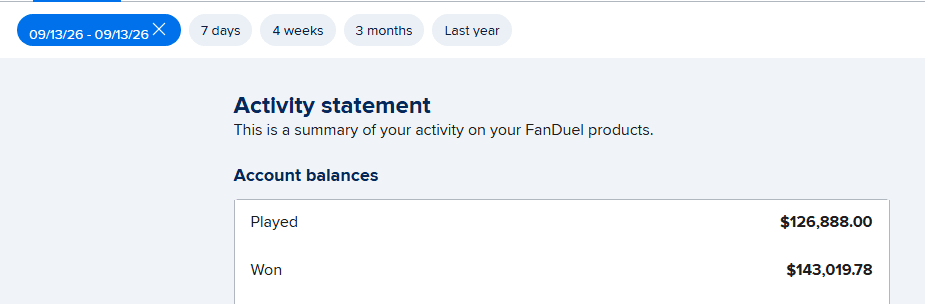
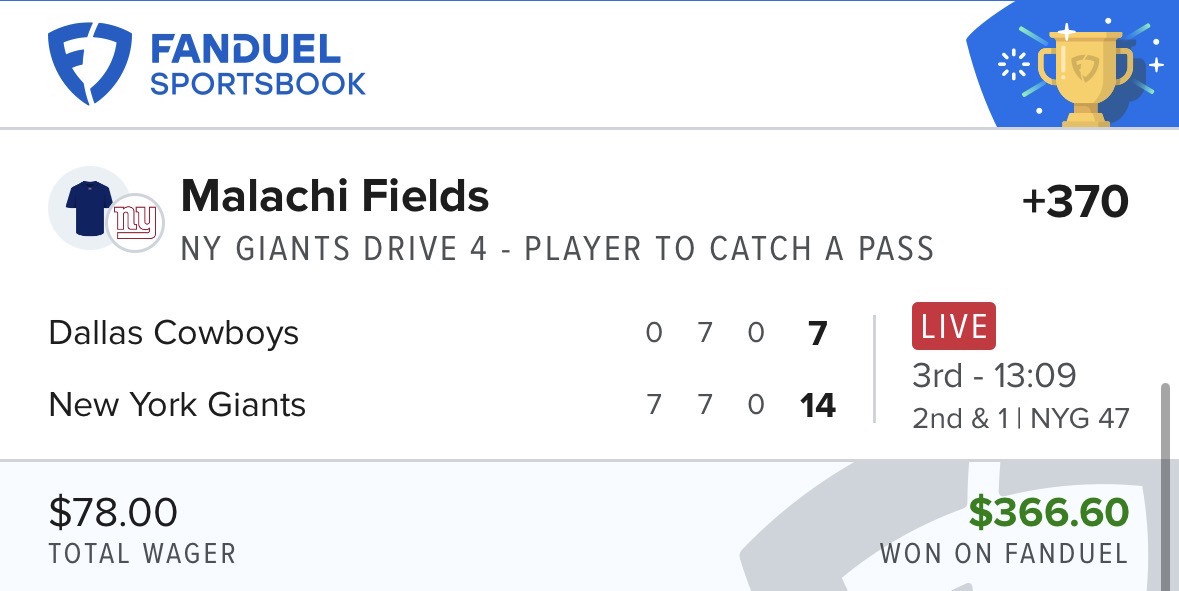
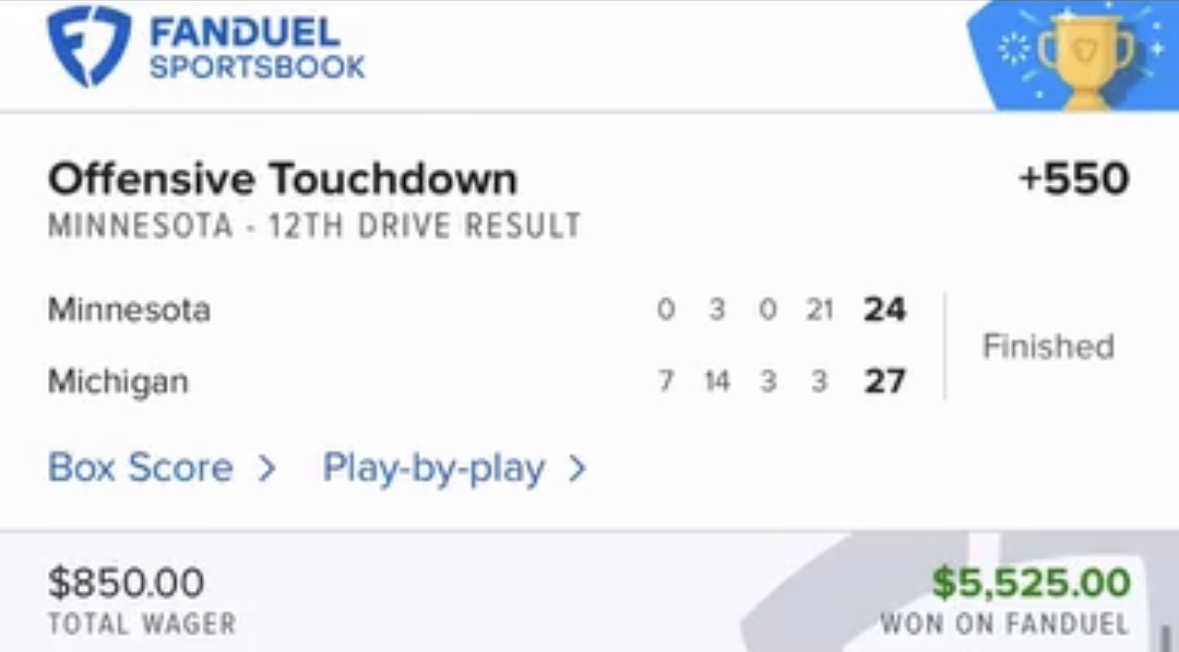
Most bettors who subscribe to a picks service scale their stake to the service's unit rating without ever asking whether that rating carries information. It only does if the ratings are calibrated — if the plays labeled three units genuinely win more often than the plays labeled one unit. When they are, scaling adds real return. When they are flat, scaling adds risk and nothing else. When they run backwards, scaling loses you money on the exact same set of picks. The Best Bet on Sports has run live in-game picks for more than twenty years with a verified $367,520+ in profit across all sportsbooks, and this is a question we would rather you answer with arithmetic than with trust.
The mechanics of unit sizing itself are well covered ground, and we are not re-running them here — our guide to how NFL betting units work handles what a unit is and how to size one against a bankroll. This is the narrower question that comes after you have already subscribed to something: a pick arrives labeled with a confidence rating, and you have to decide what that label does to your stake.
There are only two real answers. Flat-bet everything at one unit regardless of the label, or scale the stake up as the label goes up. Almost everybody scales, almost nobody checks, and the check is not difficult.
What the Three Cases Actually Cost
Take a hundred graded plays at standard -110 pricing, distributed the way a real service's board tends to look: mostly standard plays, a smaller band of elevated ones, a thin top tier. Seventy one-unit plays, twenty two-unit plays, ten three-unit plays.
Now run the same hundred picks through both staking plans under three different assumptions about whether the ratings mean anything. The win rates below are illustrative inputs chosen to make the comparison legible, not measured results from anyone's board.
Case one, calibrated ratings. One-unit plays hit 55%, two-unit plays 57%, three-unit plays 60%.
Case two, flat ratings. Every tier hits the same 55.9%, which is the blended rate of case one.
Case three, inverted ratings. One-unit plays hit 57%, two-unit plays 54%, three-unit plays 50%. The service is confident in the wrong direction.
| Case | Flat-bet profit | Flat ROI | Scaled profit | Scaled ROI | Units risked, scaled |
|---|---|---|---|---|---|
| Calibrated | +6.71u | 6.71% | +11.39u | 8.14% | 140 |
| Flat | +6.71u | 6.71% | +9.39u | 6.71% | 140 |
| Inverted | +6.33u | 6.33% | +6.04u | 4.31% | 140 |
Three things fall out of that table, and they are all worth stating plainly.
In the calibrated case, scaling is clearly correct. You made more money and you made it at a better rate per dollar risked. That is what a working rating system buys you, and it is a real benefit.
In the flat case, scaling made more total profit but the return rate did not budge. This is the outcome most people misread. You did not get better at betting; you just bet more. Your profit went up because your exposure went up by 40%, and your swings went up with it. If the underlying edge had been negative rather than positive, the identical mechanism would have deepened the hole at the same 40% rate. Leverage is not edge.
In the inverted case, scaling was worse on both counts — less money, at a materially worse rate, on 40% more risk. A bettor in this situation is paying for a rating system that is actively costing them, and they will not feel it, because they are still profitable. They are simply less profitable than flat-betting the identical picks would have been.
That third row is the reason this article exists. Nothing about your results screams at you when your ratings are inverted. You just quietly leave money on the table for a season.
The Calibration Test
Any service that publishes graded results lets you run this yourself. It takes about twenty minutes.
Pull the full graded history, not a highlight reel. Bucket every play by its released rating. Compute the win rate within each bucket. Then look at one thing: does the win rate rise as the rating rises?
That is the entire test. You are not looking for impressive numbers, you are looking for monotonicity — each tier beating the one below it. A rating system that produces 55%, 57%, 60% moving up the ladder is telling you something. One that produces 56%, 55%, 56% is a labeling convention, not information. One that produces 57%, 54%, 50% is a reason to flat-bet immediately.
Then do the second calculation, which almost nobody bothers with: take that same graded history and compute what it would have returned flat-bet at one unit per play, and what it would have returned scaled. Same picks, two staking plans, two bottom lines. The gap between those two numbers is the entire dollar value of the rating system, and it is measurable rather than assumed.
Our own graded history is posted on the results page with each play's unit rating attached, precisely so this test can be run against us rather than taken on faith. The same is true of any service worth subscribing to. A service that publishes a record but not the rating attached to each play has made the test impossible, which is itself an answer.
The Sample Size Problem, Stated Honestly
Here is where most articles on this topic quietly cheat, and we are not going to.
Telling a 55% bucket apart from a 60% bucket is not something you can do with thirty plays. Betting win rates sit close enough to a coin flip that the noise swamps the signal for a long time. Distinguishing those two rates with any real confidence takes hundreds of graded plays per bucket, not dozens. This is the same reason a service's monthly record tells you almost nothing, which we worked through in win rate vs ROI for a pick service and in how to read a betting track record.
Which leads to a recommendation that is inconvenient for anyone selling a tiered rating system, including us.
For your first month, flat-bet. Take every release at one unit regardless of what the label says. Record the rating in your ledger as a column, but do not let it touch your stake yet. You are not ignoring the rating — you are collecting the data you would need to justify acting on it.
That approach costs you something real in the calibrated case: you leave the extra 1.4 points of ROI on the table while you wait. It also protects you completely in the inverted case, and it removes the single largest way a new subscriber blows up, which is arriving at a top-rated play in week one, staking five times their normal size on it because the label said so, losing, and quitting.
There is a related structural point that cuts against our own format. A rating system whose top tier is used rarely — the five-unit play released a handful of times a season — cannot be calibrated by anyone, including the service running it. The bucket is too small to read, this year or next. Until a top tier has accumulated enough graded plays to evaluate, it is functionally a marketing signal rather than a measured one, and it should be treated that way no matter whose board it appears on. We release maximum-rated plays rarely for good reasons, but "rarely" and "verifiable" are in tension, and pretending otherwise would be dishonest.
If You Do Scale, Scale Sub-Linearly
Assume you have done the work and the ratings check out. Two constraints still apply.
Scale less than the label suggests. A three-unit rating does not have to mean three times your base stake, and a five-unit rating almost certainly should not mean five times. The rating is the service's statement about its own confidence. Your stake has to satisfy a second constraint the service knows nothing about, which is what your bankroll can absorb through a bad run. Fractional approaches to this problem are covered properly in our Kelly criterion breakdown, and the honest summary is that nearly everyone should be sizing well below whatever the aggressive answer suggests.
Second, run the picks on their own bankroll and their own ledger. If the service's plays and your own bets share a bankroll, you cannot evaluate either one, because a bad week of your own handicapping reads as a bad week from the service. We laid out how to structure that in should pick service bets have their own bankroll, and it matters twice as much once you are varying stake sizes, since the ledger now has to explain both what was bet and why it was that size.
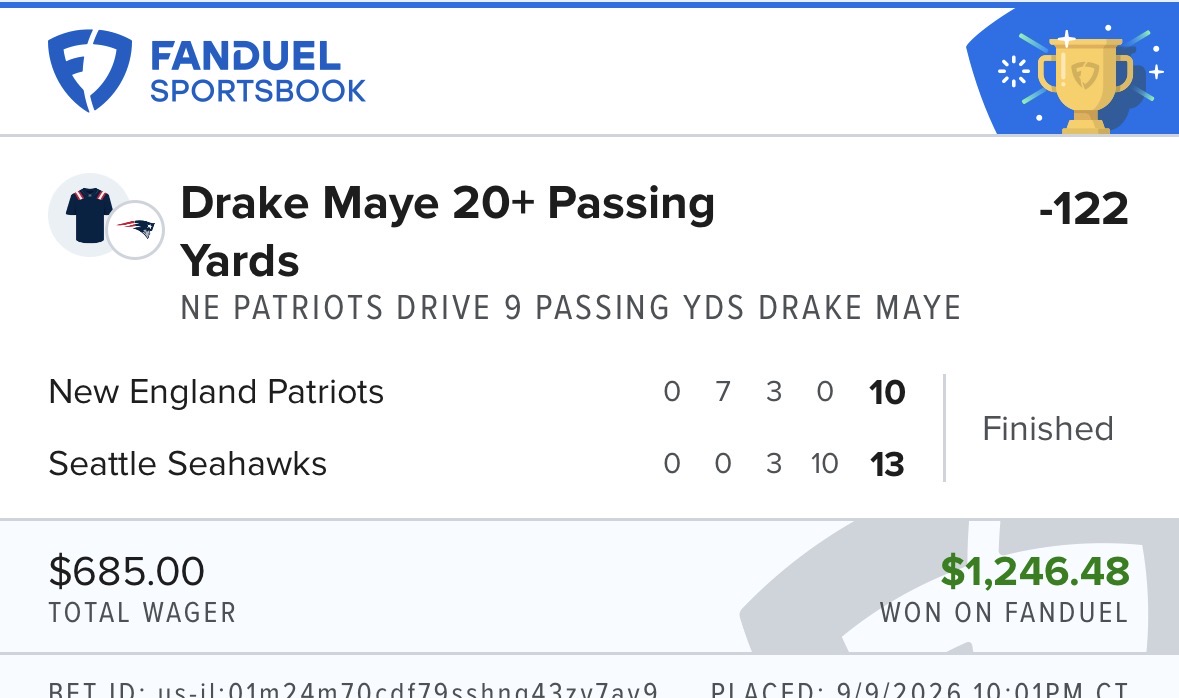
One more thing that trips people up: your results will differ from the posted record even if you follow every play, because you are getting different numbers at different books at different times. That is normal and it is not evidence of anything — we covered why in why your results differ from the service record. It does mean your calibration test should use your own fills, not the service's, once you have enough of them.
The Short Version
Flat-bet until a rating system has earned the right to move your money. Keep the rating in your records from day one so that the right to earn it exists. Check monotonicity before you scale, scale below what the label implies when you do, and keep the whole thing on a separate ledger so the answer stays readable.
If you want to see what a rated board actually looks like before paying for one, the daily sports betting picks and expert sports picks pages lay out how releases are structured, and the sports handicapping service page covers what the subscription includes.
Get Tonight's Live Picks
Want tonight's live in-game picks delivered during the game, with the unit rating attached to every release?
The Best Bet on Sports is the only live betting handicapping service limited on all six major U.S. sportsbooks (FanDuel, DraftKings, Caesars, BetMGM, Fanatics, ESPN BET) for winning too much during in-game action. Verified profit: $367,520+. Picks delivered via Email and Discord during games.
→ Get tonight's live picks: $199 first month — 1-Unit package, full live betting access → Try a live pick first — reserve your spot for tonight's pick
Compare the packages on the buy sports picks page, or read what the subscription actually covers before you pay for sports picks anywhere.

Frequently Asked Questions
Should I bet more on a pick service's higher-rated plays?
Only if those ratings are calibrated, meaning the higher-rated plays genuinely win at a higher rate across a large graded sample. When they are, scaling improves both your total profit and your return per dollar risked. When the tiers all win at about the same rate, scaling increases your exposure without improving your return rate at all. When the ratings run backwards, scaling costs you money on the identical set of picks while you take substantially more risk.
How do I test whether a service's unit ratings mean anything?
Pull the full graded history, bucket every play by its released rating, and compute the win rate inside each bucket. You are looking for monotonicity — each higher tier beating the one below it. Then calculate what that same history would have returned flat-bet at one unit per play versus scaled to the ratings. The difference between those two figures is the measurable dollar value of the rating system.
How many picks do I need before I can trust a rating system?
More than a month's worth. Betting win rates sit close enough to a coin flip that separating a 55% bucket from a 60% bucket with real confidence takes hundreds of graded plays per tier, not dozens. This is the same statistical reason a service's monthly record tells you very little, and it is why flat-betting early is the conservative choice rather than a timid one.
Is flat betting better than scaling to confidence ratings?
Flat betting is better when you cannot yet verify the ratings, which describes nearly every new subscriber. It is also better permanently if the ratings turn out to be flat or inverted. It is worse than scaling only in the case where the ratings are genuinely calibrated and you have enough graded history to know it. The cost of flat-betting while you find out is small, and the cost of scaling into an inverted system is not.
If a service rarely releases its top-rated plays, is that a problem?
It creates a verification problem rather than a quality problem. A tier used only a handful of times per season will not accumulate enough graded plays for anyone to evaluate, including the service itself. That does not mean the rating is wrong, but it does mean it is unmeasured, and an unmeasured rating should not be moving your stake by a large multiple regardless of whose board it appears on.
Should a five-unit play be five times my normal bet?
Almost certainly not. The rating expresses the service's confidence, which is one input. Your stake also has to satisfy a constraint the service knows nothing about — what your bankroll can survive during a bad run. Scaling sub-linearly, so that the top tier is perhaps two or three times your base rather than five, keeps the information in the rating while keeping the drawdown survivable.
Why do my results differ from the service's posted record?
Because you are betting different numbers at different sportsbooks at different moments, and small differences in the price you get compound over a season. This is expected and is not by itself evidence that a record is inaccurate. It does mean that once you have accumulated enough of your own graded plays, any calibration test you run should use your actual fills rather than the service's posted prices.
The Best Bet on Sports · 1.5M followers on TikTok
Sports Betting TikTok is the live betting account behind The Best Bet on Sports, covering NFL, NCAAF, NBA, NCAAB, MLB and WNBA markets in real time. The account has been limited on all six major U.S. sportsbooks — FanDuel, DraftKings, Caesars, BetMGM, Fanatics and ESPN BET — for winning on live betting, with $367,520 in verified profit since 2005. View full profile →
Past results do not guarantee future performance. Must be 21 or older to wager.
Related Articles
The Live Pick Arrived Late and the Number Moved: Bet It or Pass?
How Live Betting Picks Are Delivered: Discord, Email
Monthly vs. Pay-Per-Pick Sports Services: Which Is Better?
First-Month Pricing on Picks Services: What You Should Actually Compare
Your Sportsbook's Bet History Is a Receipt, Not a Record
What Makes a Good Live Betting Pick? How to Judge Pick Quality
Get real live betting picks
From $39.95/mo · Cancel anytime · Email + Discord delivery
● Get The Picks
Choose your package
Tap any tier below to select · Subscribe in one tap
👇 Tap any package to select it
✓ You're selecting
25 Units · $99.95/month
25 unit picks per month. Sweet spot for most bettors — plenty of action without going all-in.
- ✓25 live betting selections/month
- ✓Email + Discord delivery
- ✓All sports (NFL, NCAAF, NBA, NCAAB, MLB)
- ✓Mix of 1, 2, 3, 5-unit rated plays
- ✓Cancel anytime
Secure PayPal · Cancel anytime · No hidden fees · 21+ · +$367K verified
+$367,520 verified · Limited on 6 sportsbooks · 20 years documented · See Proof
Join Our Newsletter
Get free expert sports picks and analysis delivered weekly.