Ricky Pearsall's Injury: Why the 49ers Market Barely Moves

San Francisco lost Ricky Pearsall for the 2026 season to PCL surgery, and the market response was close to nothing. That is not the market being slow. It is the market pricing replacement cost instead of player value — and in the first week of August, replacement cost is the lowest it will be all year, because the veteran free agent market is still open and there are five weeks left to install.
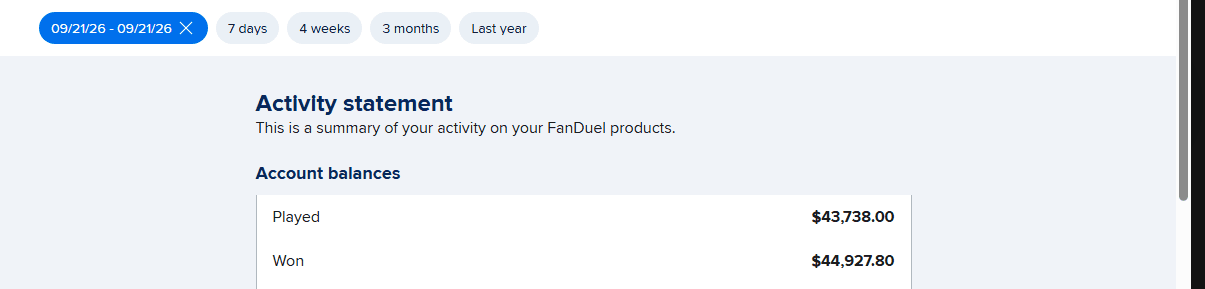
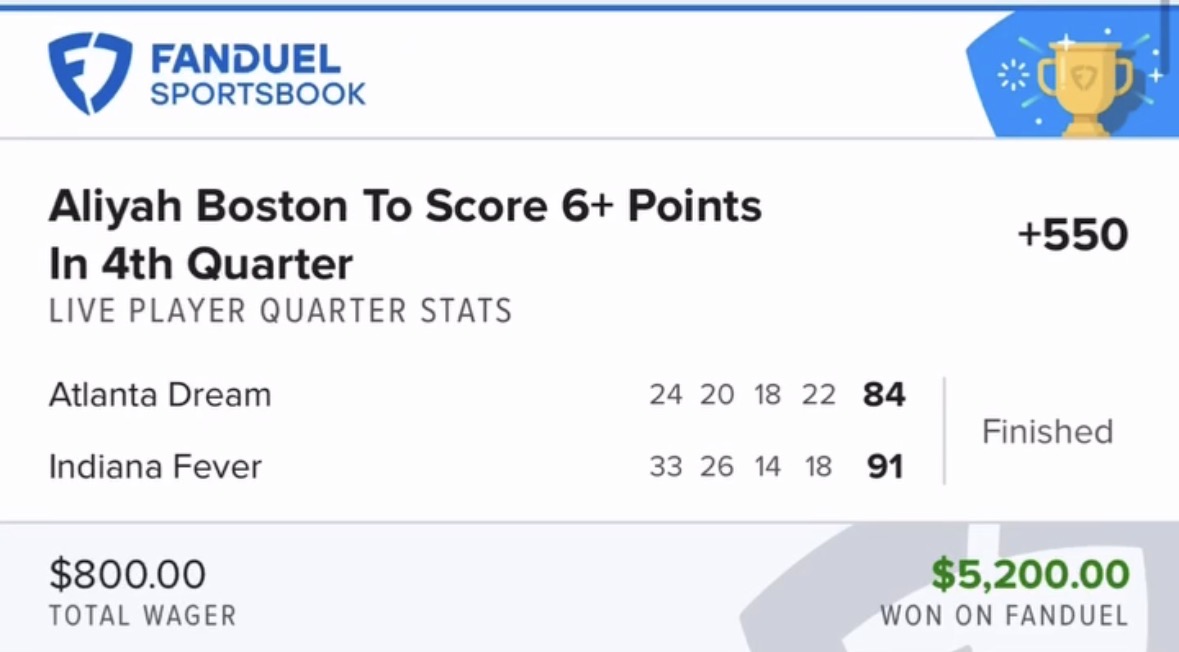
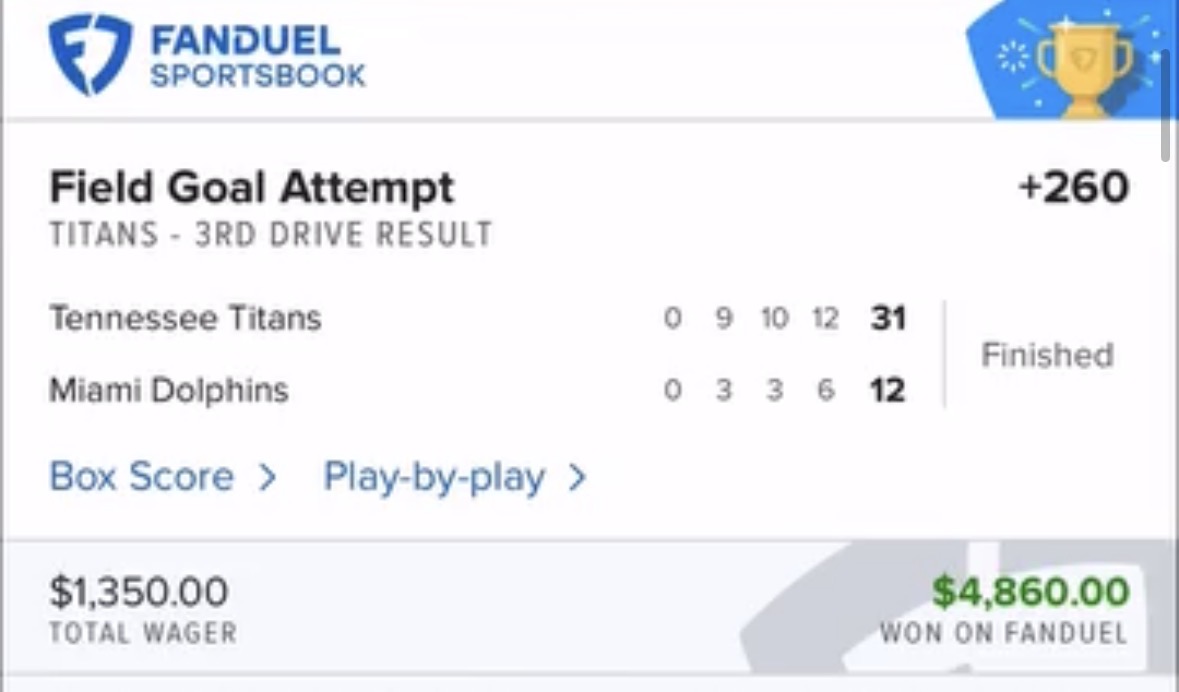
San Francisco 49ers general manager John Lynch announced on August 1 that wide receiver Ricky Pearsall will undergo PCL surgery and miss the entire 2026 season, and the team placed him on injured reserve. A season-ending injury to a former first-round receiver sounds like a market event. It mostly was not — and the reason is the single most useful thing an August injury can teach a bettor: sportsbooks do not price the player who got hurt, they price the gap between him and whoever takes his snaps. In the first week of August that gap is at its narrowest point of the entire calendar, because unsigned veterans are still available and there are five weeks to install a replacement. The Best Bet on Sports has run live in-game picks for more than twenty years with a verified $367,520+ in profit across all sportsbooks, and the discipline underneath all of it is separating news that changes a probability from news that only changes a depth chart.
The instinct with an injury this severe is to ask what it costs the 49ers. That is the wrong first question. The right one is: what does it cost them net of what they can do about it — and when, in the calendar, did it happen?
No odds, win totals, or prop numbers are quoted below. Early-August prices move daily and anything printed here would be stale before you read it. Confirm the current number and the latest reporting before betting anything.
What Actually Happened
Pearsall began having problems with the knee during the first week of training camp, an aggravation of an injury he originally sustained during the 2025 season. The team described swelling that concerned the organization. Within days the situation resolved into the worst available outcome: PCL surgery, injured reserve, and a recovery projection reported in the six-to-twelve-month range.
The availability history is relevant context rather than a talking point. Pearsall was the 49ers' 2024 first-round pick whose rookie debut was delayed after he was shot in the chest during an armed robbery near San Francisco's Union Square in August 2024. In 2025 he appeared in ten games including the playoffs, missing eight with the knee issue while also dealing with a hamstring problem. This is a player the roster had already learned to plan around.
And plan around it they did, well before this happened. San Francisco added six-time Pro Bowl receiver Mike Evans back in March, and following the Pearsall news brought Deebo Samuel back on a one-year deal reported at $7 million.
That last transaction is the whole story, and almost nobody treated it as a betting event.
Why the Market Prices Replacement Cost, Not Player Value
A sportsbook setting a team total or a win number is not asking "how good is Ricky Pearsall." It is asking "how many points does this offense score," and the answer to that depends on the eleven players who will actually be on the field. The injured player's ability only matters through the difference between him and his replacement.
That difference — call it replacement cost — is not a fixed property of the injured player. It is a function of what the team can go buy. And what a team can go buy changes dramatically across the calendar:
| When the injury happens | Replacement market | Install time before it matters | Effective cost |
|---|---|---|---|
| Early August (camp week 1–2) | Unsigned veterans still available | ~5 weeks + preseason reps | Lowest of the year |
| Late August (final cuts) | Large cut-down pool, thin quality | ~2 weeks | Low to moderate |
| Weeks 1–4 | Practice squads, minor trades | Days | Moderate |
| Weeks 5–9 (trade deadline) | Trade market, at a premium price | Days, mid-season install | Moderate to high |
| After the deadline | Practice squad only | None | Highest of the year |
Read the top row and the bottom row against each other. The identical injury to the identical player is worth a fraction as much in the first week of August as it is in Week 12, and the difference has nothing to do with the player. It is entirely about whether a market exists to replace him and whether there is time to teach the replacement the offense.
The market understands this. Most bettors do not, which is why "star player out for the year" headlines in August generate more reaction from the public than from the number.
The Part Most People Skip: Signing a Replacement Is the Market Event
Here is the counterintuitive piece. In an August injury, the injury is usually not the tradeable news. The roster response is, and it arrives one to seven days later, when everyone has stopped paying attention.
The injury tells you a team has a hole. The signing tells you three things the injury did not:
How big the team thinks the hole is. A front office that replaces a season-ending loss with a minimum-salary depth body is telling you it believes the position group can absorb it. A front office that spends real money is telling you the opposite. The dollar figure is a public estimate of replacement cost, published by the people with the most information.
Whether the offense's structure is about to change. A replacement with a different skill profile than the injured player forces a different distribution of routes and personnel groupings. A replacement with a similar profile does not.
Whether the team believes the install time is sufficient. Signing in early August is a bet by the team itself that five weeks is enough. Teams do not make that bet in October.
Applied here: San Francisco lost a receiver who had already missed half of the prior season, and replaced him with a veteran who has run this exact offense before, at a modest one-year price, into a room that had already added a six-time Pro Bowler in March. Every one of those facts pushes replacement cost down. It is very hard to build a case that the 49ers' scoring distribution is meaningfully different than it was on July 31.
That is why the number barely moved. It is not that the market is slow. It is that the market already did the arithmetic.
Where the Actual Betting Value Is
None of the above means there is nothing here. It means the value is not in the market everyone looks at first.
Not the win total. A seventeen-game win total absorbs sixty-plus variables. One receiver, replaced at low cost with five weeks of runway, dilutes to nearly nothing inside that number. This is the same conclusion we reached on the training camp injury board and for the same structural reason.
Not the season-long team total. Same dilution problem, slightly less severe.
Yes, the replacement's props — and specifically the shape of them. Prop markets are slower than team markets after a roster change, because a prop requires a role estimate and roles are not observable until someone plays. A team market can be adjusted with a shrug. A receiving-yards line cannot be set without an opinion about snap share and route participation, and nobody has that opinion in the first week of August. The same lag shows up in the backfield, which is why a featured back's ankle is a props problem before it is a sides problem — the team number barely flinches while the rushing and reception lines sit unpriced for days.
Yes, the personnel-grouping read in September. A reshuffled receiver room means the offense's early-season 11-personnel and 12-personnel usage is genuinely unknown, including to the team. It becomes observable in the first drive of a real game and stays unpriced for considerably longer than that.
The practical rule that falls out of this: rank August injuries by whether a replacement exists on the open market, not by how good the injured player is. A backup-quality loss on a team with no cap space and no available free agent at the position is a bigger market event than a starter-quality loss on a team that can go sign a veteran on Tuesday. That ordering is close to the opposite of how injury news gets reported.
Where This Framework Breaks
Three honest limits, because a framework you can't break is a framework you shouldn't trust.
It does not hold at quarterback. There is no meaningful August market for a starting-caliber quarterback, so replacement cost at that position is high regardless of the calendar. Everything in this piece applies to positions with liquid replacement markets — receiver, corner, interior line, edge in some years. It does not apply to the one position that moves numbers on its own. Our piece on Patrick Mahomes' return covers the quarterback version of injury pricing, which follows different rules.
Low replacement cost is not zero replacement cost. A veteran signed in August is usually older and frequently less durable than the player he replaced. That risk shows up later in the season, not now, and it is a real cost that the August price does not fully carry.
"Similar profile" is an assumption, not a measurement. Whether a replacement genuinely absorbs the vacated role is knowable in September and guessable in August. Anyone telling you they know the snap distribution right now is telling you about their confidence, not about the 49ers.
Those limits are also the bridge to the part of this that is actually actionable.
Why This Story Points at Live Betting
Everything unresolved here — who plays which snaps, which groupings the offense favors, whether the new arrangement produces the same efficiency — is unknowable in August and fully observable in the first quarter of a real game.
That is the structural gap live betting exists to attack. A pregame market has had all offseason to price the 49ers. A live in-game model has to reprice them while watching a receiver room it has never seen operate, off priors that were set before the room existed in this form. The gap between what a live model assumes and what the field is showing is at its widest in exactly this situation: a roster that changed late, in a week when nobody has current-season data.
That is the same reason the six major U.S. sportsbooks limited us for in-game action rather than for pregame sides, and the same reason our live betting picks do their heaviest work in September. It is also why a Week 1 ticket built pregame carries risk that a ticket built after kickoff does not — a point we work through in detail in the Week 1 parlay guide.
If you want the broader framework for turning camp news into positions rather than opinions, training camp news and win totals is the general version, and our NFL picks page covers how we structure the opening weeks of a season. For the coaching-side version of "the headline is scarier than the number," see our breakdown of Kyle Shanahan's camp absence.
Get Tonight's Live Picks
Want tonight's live in-game predictions delivered to your phone via Email and Discord during the game?
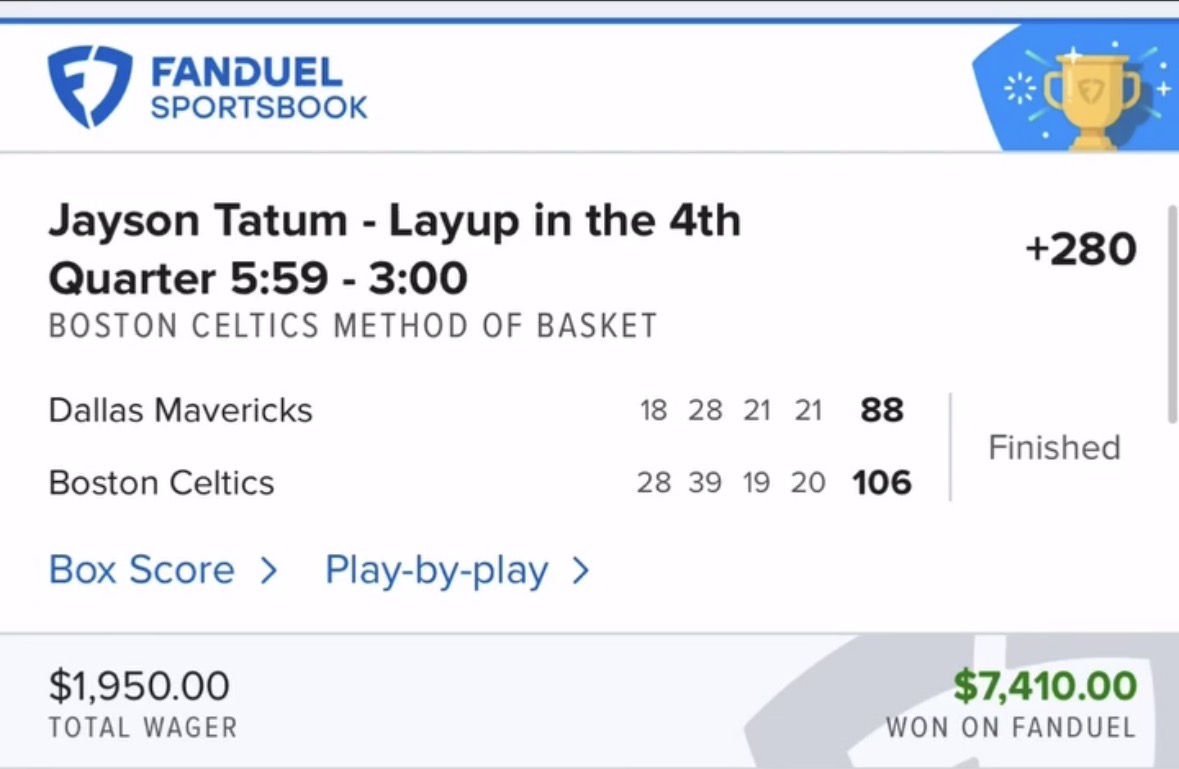
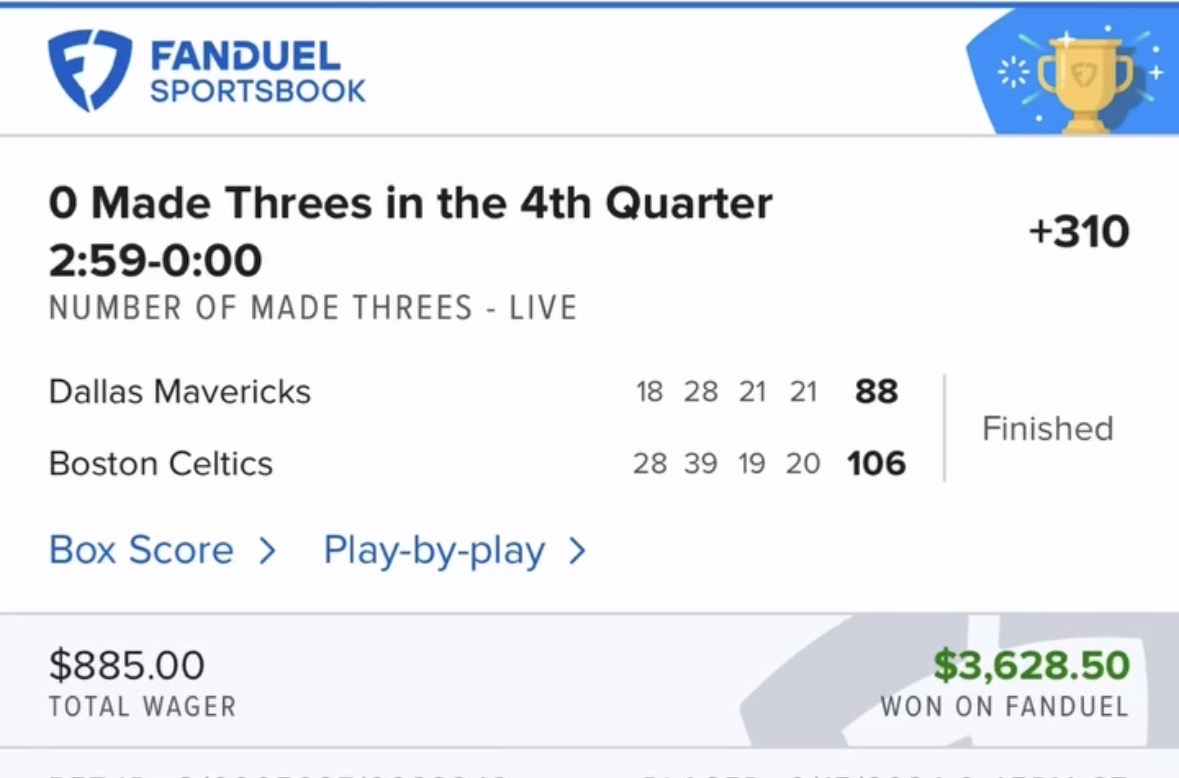
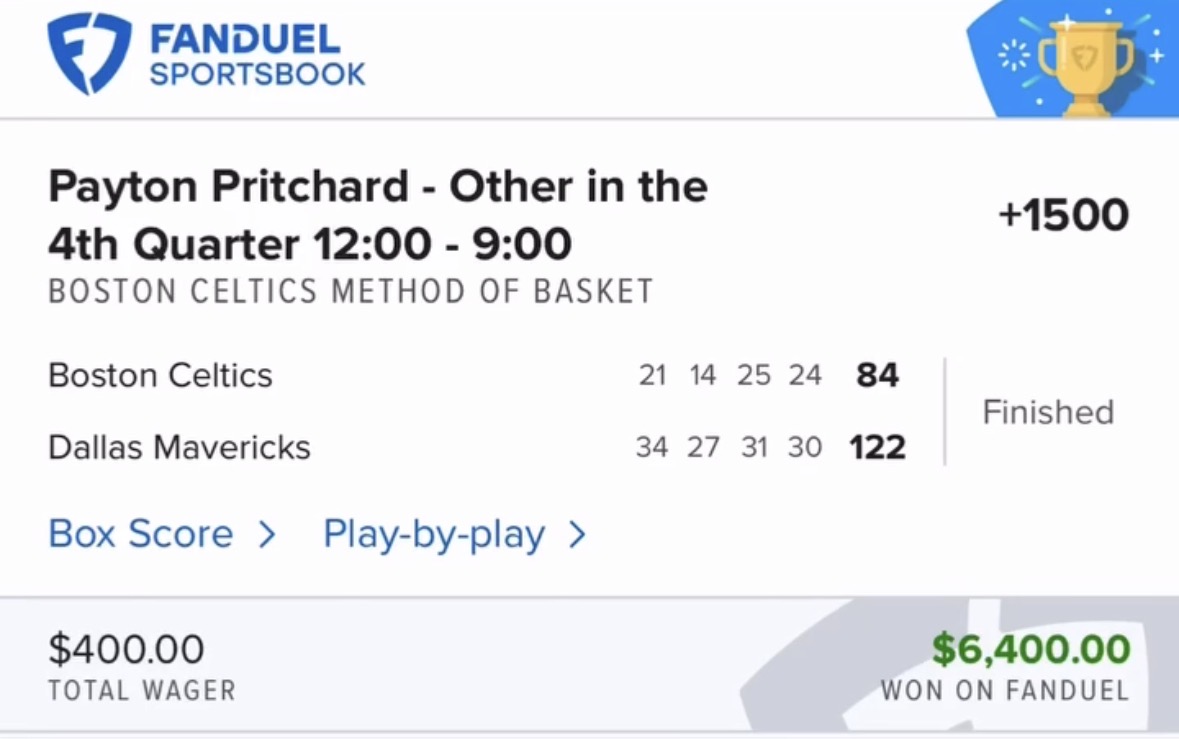
The Best Bet on Sports is the only live betting handicapping service limited on all six major U.S. sportsbooks (FanDuel, DraftKings, Caesars, BetMGM, Fanatics, ESPN BET) for winning too much during in-game action. Verified profit: $367,520+. Picks delivered via Email and Discord during games.
→ Get tonight's live picks: $199 first month — 1-Unit package, full live betting access → Try a free live pick first — reserve your spot for tonight's pick
Frequently Asked Questions
How much did Ricky Pearsall's injury move the 49ers' betting numbers?
Very little, and that is the correct response rather than a slow one. Sportsbooks price the gap between an injured player and his replacement, not the injured player in isolation. San Francisco had already added Mike Evans in March and responded to the Pearsall news by bringing Deebo Samuel back on a reported one-year, $7 million deal — a veteran who has run this offense before, signed with five weeks left before the opener. Those facts collapse the replacement cost, and the market had done that arithmetic before most bettors saw the headline.
Why does an August injury move betting lines less than an in-season injury?
Because replacement cost depends on what the team can go buy and how long it has to teach him. In the first week of August, unsigned veterans are still on the market and there are roughly five weeks plus preseason reps to install a replacement. After the trade deadline, a team has practice-squad options and no install time. The identical injury to the identical player is worth a fraction as much in early August as it is in Week 12, and nothing about that difference concerns the player.
What is replacement cost in sports betting?
Replacement cost is the difference in expected output between an injured player and whoever actually takes his snaps. It is the number a sportsbook is really adjusting when injury news breaks. A star losing his job to a competent veteran can be a smaller market event than a mid-tier starter losing his job to an undrafted rookie, because the second team has no way to fill the hole. Ranking injuries by player reputation instead of by replacement cost is one of the most common August mistakes.
Should I bet against the 49ers because of the Pearsall injury?
Nothing in this analysis supports a directional bet either way, and the honest reading is that the roster response neutralized most of the news. Fading a team on an injury the market has already absorbed means paying a price that includes the injury while betting as though it does not. The more defensible position is that season-long markets are the wrong instrument here entirely, and that the unresolved parts — snap share, personnel groupings, route distribution — resolve during games rather than before them.
Which betting markets actually react to a receiver injury?
Prop markets, and more slowly than team markets. A team total can be nudged without much thought, but a receiving-yards or receptions line cannot be set without an estimate of snap share and route participation, and that estimate does not exist until someone plays. That lag is where the tradeable content of a receiver injury usually lives. Team totals and season win totals dilute a single receiver to near-invisibility across a seventeen-game sample.
Does the replacement-cost framework work for every position?
No. It breaks completely at quarterback, where there is no meaningful August market for a starting-caliber replacement, so the cost stays high no matter when the injury happens. It also reads differently at tight end, where a competent backup keeps the yardage but not the red zone leverage — the distinction laid out in what a tight end loss really moves. The framework applies most cleanly to positions with liquid replacement markets — receiver, cornerback, interior offensive line, and in some years edge rusher. Knowing which positions have an August market and which do not is most of the work.
How do injuries like this connect to live betting?
Everything left unresolved by a late roster change — who plays which snaps, which personnel groupings the offense favors, whether the new arrangement produces the same efficiency — is unknowable before kickoff and observable within a drive or two. Live in-game models are working from priors set before the roster changed, so they are repricing an offense they have never watched operate in its current form. That gap between model assumption and what the field is showing is exactly what live betting attacks, and it is at its widest in September.
The Best Bet on Sports · 1.5M followers on TikTok
Sports Betting TikTok is the live betting account behind The Best Bet on Sports, covering NFL, NCAAF, NBA, NCAAB, MLB and WNBA markets in real time. The account has been limited on all six major U.S. sportsbooks — FanDuel, DraftKings, Caesars, BetMGM, Fanatics and ESPN BET — for winning on live betting, with $367,520 in verified profit since 2005. View full profile →
Past results do not guarantee future performance. Must be 21 or older to wager.
Related Articles
Laremy Tunsil's Injury: The Betting Impact Sits in the Tails
Ashton Jeanty's Ankle: A Props Problem, Not a Sides Problem
Aaron Rodgers to the Steelers: How Sportsbooks Repriced the AFC North and Where the Bet Value Is Now
Myles Garrett's Knee Keeps Coming Back: The Relapse the Market Never Prices
Tua Tagovailoa's Oblique: The Injury a Spread Can't Price
Sam Darnold's Hip: What It Does to Seattle's Numbers
Get real live betting picks
From $39.95/mo · Cancel anytime · Email + Discord delivery
● Get The Picks
Choose your package
Tap any tier below to select · Subscribe in one tap
👇 Tap any package to select it
✓ You're selecting
25 Units · $99.95/month
25 unit picks per month. Sweet spot for most bettors — plenty of action without going all-in.
- ✓25 live betting selections/month
- ✓Email + Discord delivery
- ✓All sports (NFL, NCAAF, NBA, NCAAB, MLB)
- ✓Mix of 1, 2, 3, 5-unit rated plays
- ✓Cancel anytime
Secure PayPal · Cancel anytime · No hidden fees · 21+ · +$367K verified
+$367,520 verified · Limited on 6 sportsbooks · 20 years documented · See Proof
Join Our Newsletter
Get free expert sports picks and analysis delivered weekly.