Sports Betting Splits Explained: How to Read Tickets vs Money Percentages in May 2026

Sports betting splits show the percentage of tickets and the percentage of money on each side of a market, and reading them correctly is the foundation of contrarian and sharp-money strategy. The Best Bet on Sports breaks down what tickets vs money percentages reveal, how reverse line movement signals sharp action, and how to translate split data into actionable edges in May 2026.
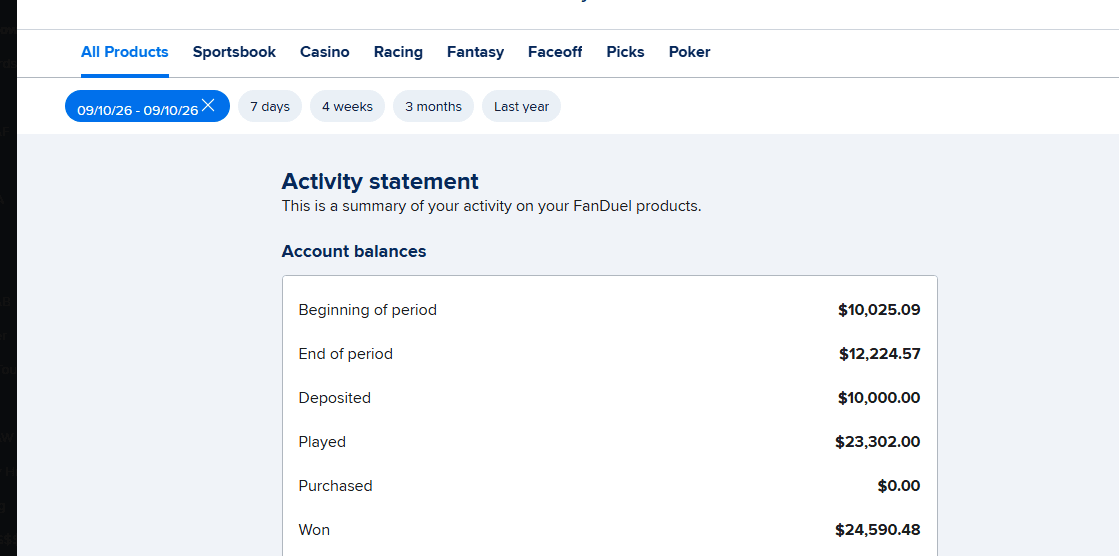
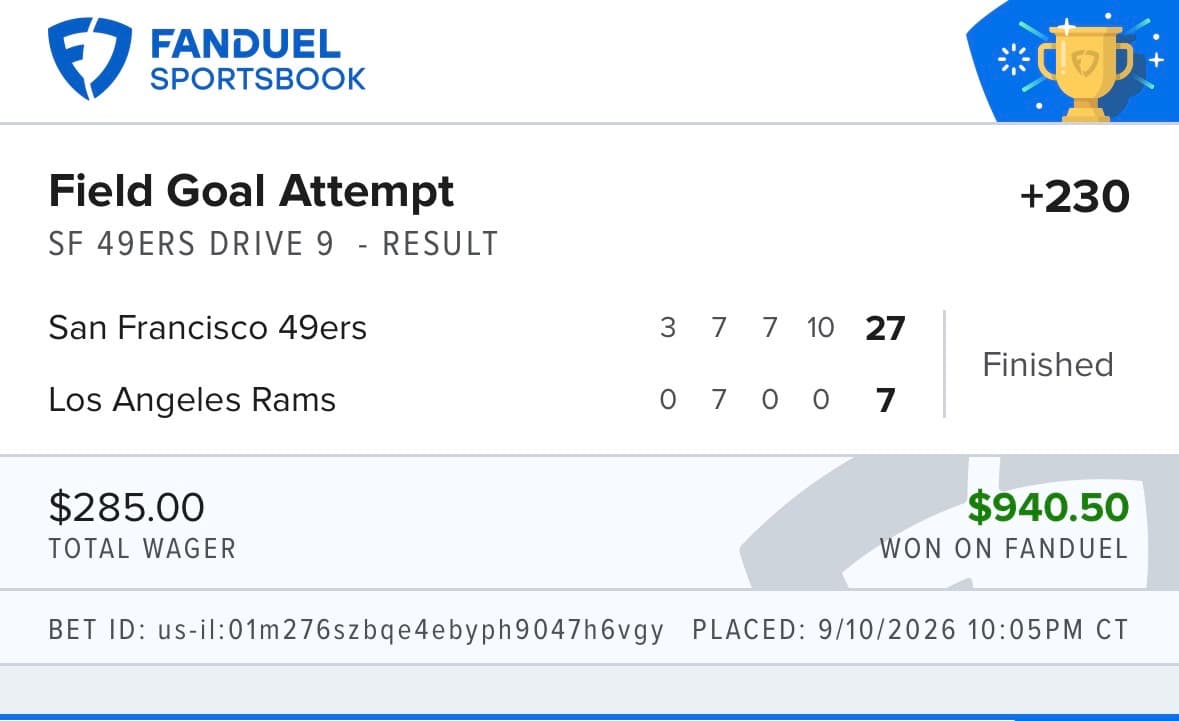
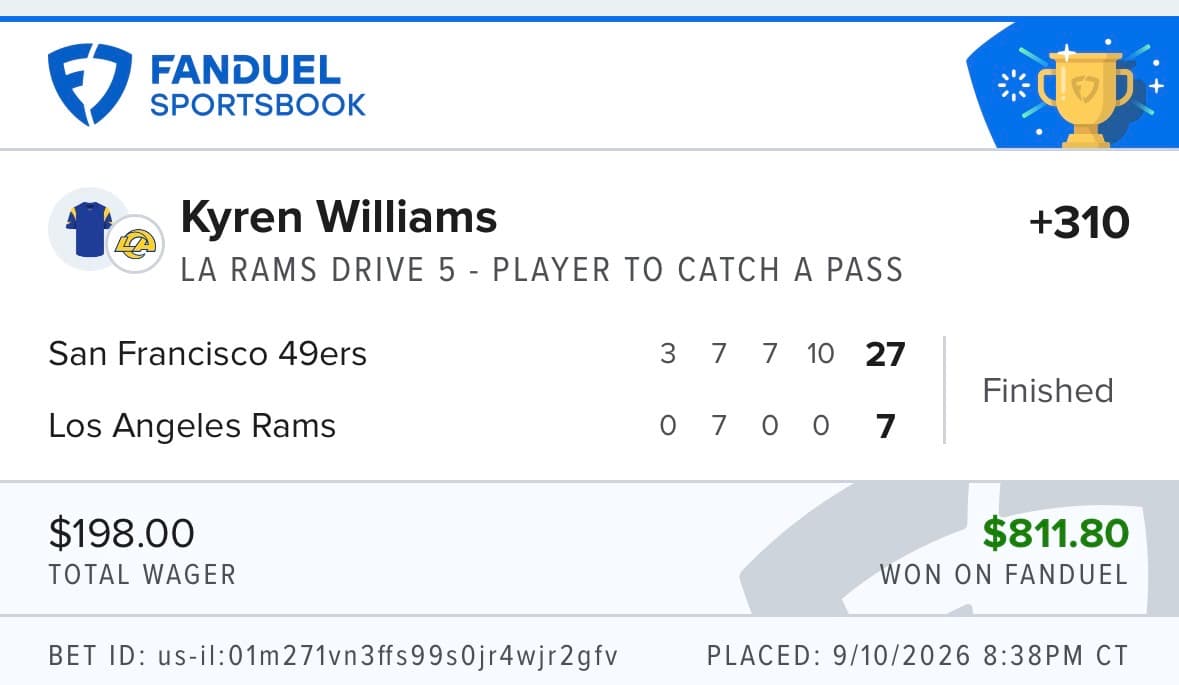
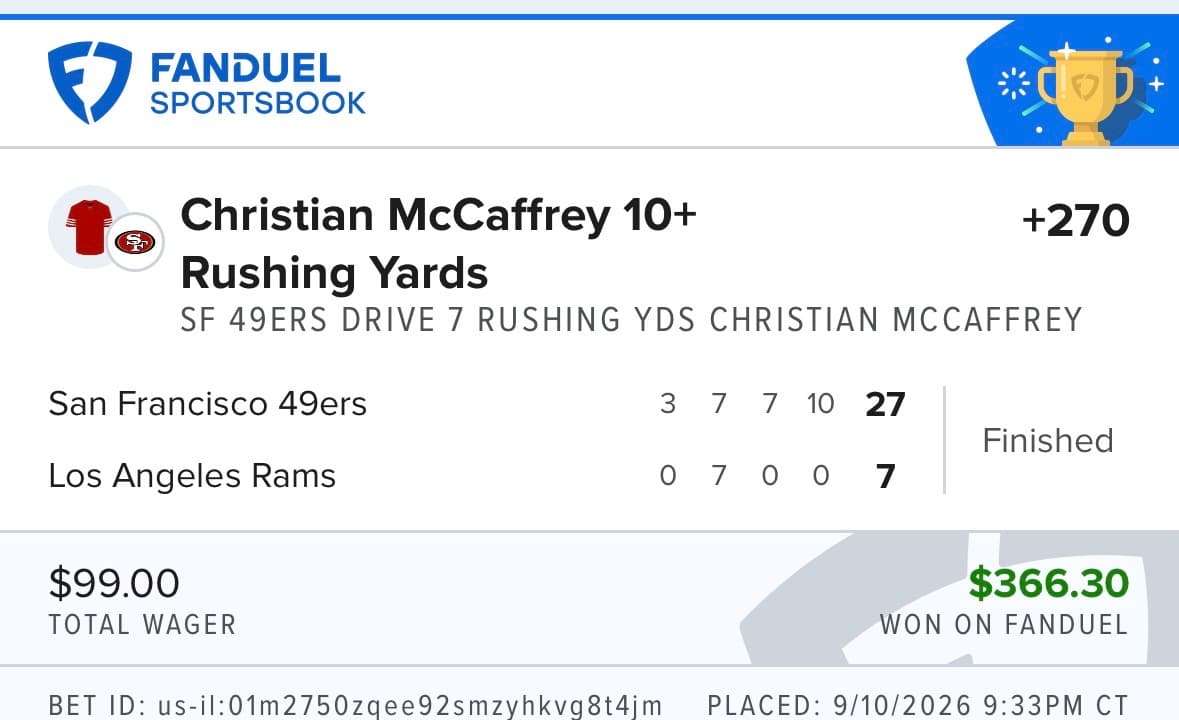
Sports betting splits are the percentage of tickets and the percentage of money on each side of a market, and reading them correctly separates contrarian intuition from genuine sharp-money signal because the gap between ticket count and money percentage is the closest public proxy for where professional bets are placing their stakes. Across 20+ years and a verified +$367,520 in tracked profit, The Best Bet on Sports has built a framework for using splits as a confirmation signal rather than a primary trigger, and the discipline around when to trust splits and when to ignore them is one of the highest-leverage habits a bettor can develop. Jake Sullivan, Senior Sports Analyst, breaks down what splits reveal, what they do not, and how to apply them in May 2026.
Most bettors look at splits for the wrong reason. They check the ticket percentages, see that 75% of the public is on one side, and bet the other side because "fade the public" sounds like a strategy. The reality is more nuanced: splits are diagnostic, not prescriptive, and the cleanest signal usually lives in the gap between two numbers rather than in either number on its own. Our betting strategy framework treats splits as a confirmation input alongside line movement, market context, and underlying handicap.
What Are Sports Betting Splits?
Sports betting splits are two paired percentages reported by sportsbook data aggregators: the percentage of bets (tickets) on each side of a market, and the percentage of money (handle) on each side. The two percentages can differ significantly because individual bet sizes vary by orders of magnitude. A market can show 80% of tickets on Team A while showing 60% of money on Team B if the bets on Team B are systematically larger.
The four standard split data points are:
- Ticket percentage. Share of total bets placed on each side, regardless of bet size
- Money percentage. Share of total handle on each side, weighted by bet size
- Sharp ticket percentage. Share of bets above a defined size threshold (often $1,000+)
- Sharp money percentage. Share of handle from bets above the threshold
Most public split data shows ticket and money percentages. Sharp split data is harder to find publicly and is often estimated from line movement rather than reported directly by books. The gap between ticket and money percentages is the most reliable public proxy for where bigger bets are landing.
What Does the Ticket vs Money Gap Actually Reveal?
The gap between the ticket percentage and the money percentage on the same side is a directional indicator of bet sizing. When 70% of tickets are on Team A but only 50% of money is on Team A, the implication is that the bets on Team B are systematically larger. Larger bets tend to come from professional bettors more often than recreational bettors, so the money side often reflects the sharper opinion.
| Ticket % | Money % | Interpretation |
|---|---|---|
| 70% on A | 70% on A | Public lopsided, no sharp disagreement |
| 70% on A | 50% on A | Sharp money likely on B |
| 70% on A | 30% on A | Strong sharp money signal on B |
| 50% on A | 50% on A | No directional signal |
| 50% on A | 70% on A | Sharp money on A despite split tickets |
The strongest signals are the third and fifth rows: large gaps in the same or opposite direction as the ticket lean. A 40-point gap between tickets and money is the kind of signal that frequently confirms a sharp position. A 0-point gap typically means the public and the larger bets agree, which carries no contrarian or sharp signal at all.
The applied rule for our sports handicappers team: a split with a 30-point or larger gap between tickets and money is a confirmation signal. A split with less than a 15-point gap is noise. The middle range requires context.
What Is Reverse Line Movement and How Does It Confirm Splits?
Reverse line movement (RLM) is when the betting line moves in the opposite direction of the majority of tickets. If 75% of tickets are on Team A but the line moves toward Team B, the line is responding to money flow that is heavier on Team B despite the ticket lean. RLM is the cleanest single signal that sharp money is on the side opposite the public.
The mechanics: sportsbooks move lines to balance their exposure, but they also move lines in response to bets they respect more than others. A book that respects a $10,000 bet from a known sharp account will move the line off that bet even if the ticket count stays heavily on the other side. The result is a line that moves against the ticket count, which is the definition of RLM.
The strongest RLM confirmation pattern combines three signals:
1. Ticket percentage heavily on one side (70%+) 2. Money percentage closer to 50/50 or reversed (gap of 25+ points) 3. Line movement in the direction of the money, not the tickets
When all three align, the sharp-money signal is as clean as it gets in publicly available data. The applied position is to bet with the line movement and against the ticket lean, sized at quarter-Kelly or smaller because no single signal is reliable enough to justify large exposure. Our reverse line movement framework treats this combination as the highest-confidence public split signal.
When Should Bettors Ignore Splits?
Splits are noisy and should be ignored or heavily discounted in three scenarios:
1. Low-handle markets. A small-conference college basketball game or a midweek hockey game may carry such low total handle that one $5,000 bet can swing the money percentage by 20 points. The signal is not generalizable and the apparent sharp action may be a single recreational whale.
2. Pre-priced sharp markets. Markets where the books open with sharp prices in mind — major game sides, key totals at primary numbers — often show tight splits because the price is already aligned with sharp opinion. A 55/45 ticket split with a 55/45 money split on a major NFL game is not a signal, just noise.
3. Public-bias markets. Bowl games, prime-time games, and high-profile playoff games often draw lopsided public action that does not reflect any real handicap. The ticket lean is informative as a public-sentiment data point but does not necessarily mean the line is mispriced. The fade-the-public reflex is wrong as often as it is right in these markets.
The discipline is to use splits as one of several inputs and to weight them by market depth, market type, and the gap between tickets and money. Treating splits as a primary trigger leads to systematic losses across the medium term.
How Do Sharp Books vs Square Books Affect Split Reading?
Different sportsbooks attract different bettor profiles, and the splits at a sharp-respected book carry different signal than the splits at a public-heavy book. The general patterns:
- Sharp books tend to attract a higher share of professional handle, so their money percentages skew toward the sharp side and their lines move first
- Public books tend to attract recreational handle, so their ticket percentages skew toward popular teams and their lines often follow sharp books with a lag
When the splits at a sharp book and a public book diverge significantly — for example, the sharp book's money is 60% on Team A while the public book's money is 50% on Team A — the divergence is informative. The sharp book is showing where the larger bets are landing, and the public book is showing the broader handle distribution. Bettors who can compare splits across multiple book types capture more signal than bettors who look at any single book in isolation. Our results tracking compares cross-book splits as part of the standard pre-bet workflow.
How Should Splits Influence Live Betting?
Live betting splits carry a different signal than pregame splits because the live market has compressed time horizons and faster repricing. Live splits are often dominated by reactive bets — bets placed in response to a recent run or a recent stop — rather than considered positions. The signal-to-noise ratio is lower than in pregame splits.
The applied approach to live splits:
- Treat live ticket percentages as weakly informative and live money percentages as moderately informative
- Look for live RLM where the live line moves against the live ticket count, especially around natural breakpoints (halftime, end of innings, between sets)
- Cap live exposure at smaller sizes than pregame given the noise in the underlying signal
This is one reason The Best Bet on Sports has been limited on all six major U.S. sportsbooks — FanDuel, DraftKings, Caesars, BetMGM, Fanatics, and ESPN BET — for winning too much in live betting markets. The live edge is real but requires disciplined application of split data combined with line-movement reads, rather than raw split percentages on their own.
What Is the Right Way to Build a Position From Split Data?
Split data should be the third or fourth input in a position, not the first. The applied sequence:
1. Form an underlying handicap based on matchup, situational factors, and price evaluation 2. Check line movement since the opener and identify whether the market has moved with or against the handicap 3. Check splits for confirmation that money is flowing where the handicap suggests, and identify the ticket-money gap 4. Check cross-book splits for divergence between sharp-respected and public-heavy books 5. Size the position based on the cumulative confirmation, with full size reserved for positions where multiple signals align
This sequence treats splits as confirmation rather than as the trigger. Bettors who reverse the order — starting with splits and looking for handicaps to justify the bet — systematically lose because they are betting on signals that do not survive without underlying analysis. Our picks tracking reflects positions built in the correct sequence.
Related Strategy Reading
For deeper context on the angles covered above, our analysis of free vs paid sports picks which is worth it and sports betting mistakes to avoid pairs well with this guide; our sports picks reflect these same principles applied to live games.
Frequently Asked Questions
What are sports betting splits?
Sports betting splits are two paired percentages: the share of total bets (tickets) on each side of a market, and the share of total money (handle) on each side. The two percentages often differ because bet sizes vary widely. A market can show 80% of tickets on Team A while showing 40% of money on Team A if the bets on Team B are systematically larger. The gap between ticket and money percentages is the most reliable public proxy for where larger, often professional, bets are landing.
How do I read the gap between ticket and money percentages?
A gap of 30 points or more between the ticket percentage and the money percentage on the same side is a meaningful signal. A gap of 15 points or less is noise. The middle range requires context. When 70% of tickets are on Team A but only 30% of money is on Team A, the implication is strong: bets on Team B are systematically larger and likely sharper. The clearest application is when the gap aligns with line movement against the ticket count.
What is reverse line movement?
Reverse line movement (RLM) is when the betting line moves opposite to the majority of tickets. If 75% of tickets are on Team A but the line moves toward Team B, the line is responding to money that is heavier on Team B despite the ticket lean. RLM is the single cleanest publicly visible signal that sharp money is on the side opposite the public, especially when combined with a large ticket-money gap and a sharp-respected book showing the move first.
When should I ignore betting splits?
Ignore splits in low-handle markets where a single large bet can swing percentages, in pre-priced sharp markets where the open is already aligned with sharp opinion, and in public-bias markets like bowl games or prime-time games where the ticket lean reflects sentiment rather than handicap. Splits are diagnostic, not prescriptive, and treating them as a primary trigger without market depth and context leads to systematic losses.
How do sharp books and public books differ on splits?
Sharp-respected books attract a higher share of professional handle, so their money percentages skew toward sharp opinion and their lines move first. Public-heavy books attract recreational handle, so their ticket percentages skew toward popular teams and their lines often follow sharp books with a lag. Comparing splits across book types is more informative than reading any single book in isolation.
Are live betting splits useful?
Live betting splits are noisier than pregame splits because the live market has compressed time horizons and many reactive bets. Treat live ticket percentages as weakly informative and live money percentages as moderately informative. Look for live reverse line movement around natural breakpoints — halftime, end of innings — and cap exposure at smaller sizes than pregame to account for the lower signal-to-noise ratio.
How should splits factor into building a position?
Splits should be the third or fourth input, not the first. The applied sequence is to form an underlying handicap based on matchup and price, check line movement against the handicap, check splits for confirmation that money is flowing in the same direction, check cross-book splits for divergence, and then size the position based on cumulative confirmation. Reversing the order — starting with splits and reverse-engineering a handicap — systematically loses because the signals do not survive without underlying analysis.
Senior Sports Analyst, The Best Bet on Sports
Jake Sullivan is a senior sports analyst at The Best Bet on Sports with over 20 years of experience covering NFL, NCAAF, NBA, NCAAB, MLB, and WNBA betting markets. He provides in-depth analysis, betting strategy guides, and expert commentary for the sports betting community. View full profile →
Past results do not guarantee future performance. Must be 21 or older to wager.
Related Articles
Should Pick Service Bets Have Their Own Bankroll?
The 2026 NFL Rule Changes That Move Live Betting Numbers
Do Parlay Legs Include Overtime? How Each Leg Settles
What If a Live Pick Is on the Other Side of Your Bet?
Why Being Good at Fantasy Football Doesn't Make You Good at Betting
The 300-to-1 Rule: Why Your Parlay Pays Less Than the Slip Says
Get real live betting picks
From $39.95/mo · Cancel anytime · Email + Discord delivery
● Get The Picks
Choose your package
Tap any tier below to select · Subscribe in one tap
👇 Tap any package to select it
✓ You're selecting
25 Units · $99.95/month
25 unit picks per month. Sweet spot for most bettors — plenty of action without going all-in.
- ✓25 live betting selections/month
- ✓Email + Discord delivery
- ✓All sports (NFL, NCAAF, NBA, NCAAB, MLB)
- ✓Mix of 1, 2, 3, 5-unit rated plays
- ✓Cancel anytime
Secure PayPal · Cancel anytime · No hidden fees · 21+ · +$367K verified
+$367,520 verified · Limited on 6 sportsbooks · 20 years documented · See Proof
Join Our Newsletter
Get free expert sports picks and analysis delivered weekly.