MLB Extra Innings Ghost Runner Betting Strategy May 2026: How the Zombie Runner Rule Reshapes Totals, Run Lines, and Live Bets

MLB extra innings ghost runner betting in May 2026 hinges on one fact: the runner-on-second rule cut extra-inning length to 1.4 frames and lifted scoring.
MLB extra innings ghost runner betting in May 2026 starts with one rule that changed every total, run line, and live bet that touches the 10th frame: every extra inning starts with a runner on second base. That rule cut average extra-inning length from roughly 2.4 frames in 2019 to roughly 1.4 frames since 2023, and it pushed extra-inning run scoring from about 0.6 runs per frame to roughly 1.4. Across the +$367,520 in verified profit our team at The Best Bet on Sports has booked across all six major U.S. sportsbooks since 2005, the cleanest edges in the live MLB market over the past four seasons have come from totals priced for pre-2020 extra-inning math when the actual scoring rate is more than double. Sportsbooks have caught up partially. Live in-game totals at the bottom of the 9th still lag the new math by 0.3 to 0.5 runs in tied late-game situations.
The ghost runner — also called the zombie runner or Manfred Man — has been a permanent regular-season MLB rule since 2023, but the betting market is still incompletely priced. The team at The Best Bet on Sports has been logging late-game live MLB tickets that exploit this gap since the rule went permanent, and it remains one of the most repeatable edges in the sport.
What is the MLB ghost runner / zombie runner rule?
The ghost runner rule places a runner on second base at the start of every half-inning beginning in the 10th. The runner is the player who made the final out of the previous inning (or a pinch-runner substitute). The rule was originally introduced in 2020 as a COVID-era tiebreaker mechanism to shorten games. It became a permanent regular-season rule in 2023.
The rule does not apply to postseason games. That distinction matters because:
- Regular-season extra-inning totals are priced under the ghost runner regime
- Postseason extra-inning totals revert to traditional baseball math
- A bettor who confuses the two regimes is leaving 0.5+ runs of expected value on the table
For our broader take on MLB markets across the regular season, see our MLB betting page.
How has the ghost runner changed extra-inning math?
Three structural shifts since the rule went permanent in 2023:
| Metric | 2015-2019 (no ghost runner) | 2023-2026 (ghost runner) |
|---|---|---|
| Average extra-inning length | 2.4 frames | 1.4 frames |
| Runs per extra-inning frame | 0.6 | 1.4 |
| Probability of game ending in 10th | 38% | 64% |
| Probability of game extending past 12th | 18% | 4% |
| Sacrifice bunt rate in extras | 8% | 31% |
The headline number is the runs per frame jump from 0.6 to 1.4 — more than double. That came from two compounding effects: the runner is already in scoring position with no outs, and offenses are dropping bunts to advance the runner to third with one out, manufacturing high-leverage RBI opportunities that did not exist under traditional rules.
The compressed length is just as important for live betting. A bet on "game ends in the 10th" used to be a 38% probability event. Now it is nearly two-thirds.
What is the betting edge on MLB totals in extra-inning probability?
Sportsbooks bake an extra-inning probability into every MLB total. For a 9.0 total in a tied game entering the 9th, the implied extra-inning probability is roughly 12-15%, and the books layer 0.2 to 0.3 runs of extra-inning expectation on top.
Under the old rules, that 0.2 to 0.3 figure was correct. Under the ghost runner regime, the actual extra-inning expectation is closer to 0.4 to 0.5 runs. That is a 0.2-run gap on every tied or one-run game heading into the 9th. The edge compounds across a season because tied late-game situations are not rare — they happen in roughly 18% of MLB games.
The team at The Best Bet on Sports has logged this gap as one of the most repeatable live betting edges in the sport since the rule went permanent, and our verified results page shows the live MLB tickets that came from it.
How do you bet live MLB totals in tied 9th-inning situations?
The cleanest live betting trigger is a tied game heading to the bottom of the 9th, with both bullpens at full strength.
Trigger checklist:
- Score is tied OR within one run
- Both teams have 2+ usable bullpen arms left
- Park factor is neutral or pitcher-leaning
- Game total is at or above the original opening total
If those four boxes check, the math says the live OVER on the alternate total — usually +0.5 or +1.0 over the live posted total — has positive expected value at standard juice (-110 to -115). The reasoning: live books are pricing for traditional extra-inning length, but the ghost runner means a 10th inning alone adds nearly a full run of expected scoring.
How does the ghost runner shift run line bets?
Run line bets — the standard 1.5-run baseball line — are also affected, but the impact runs in the opposite direction. Because games end faster in extras under ghost runner rules, the probability of a one-run game extending and being resolved on a single hit is much higher.
Practical impact:
- The +1.5 underdog run line in tied late-game situations has slightly higher conditional probability than pre-2020
- The -1.5 favorite run line in tied late-game situations has lower conditional probability, because the favorite needs to win by 2+ in extras and the ghost runner makes "win by 2 in the 10th" no easier than under old rules
Most run-line bettors do not adjust for this. The live market does — sportsbook traders rebuilt their run-line live models in 2022-2023 — but the pre-game market is slower to adjust. Our MLB run line betting strategy guide walks through how to spot the spots where the -1.5 favorite still has positive expected value despite the ghost runner shift.
What about NRFI / YRFI markets in extras?
NRFI (no run first inning) and YRFI (yes run first inning) markets are unaffected by the ghost runner rule. They settle in the 1st inning. But the related "runs in any inning" markets have been repriced significantly, especially the "10th inning to score" prop, which has shifted from a +180 typical price to roughly -130 because of the runner on second.
The "longest scoreless streak" prop on a player or team has also shifted — extras are no longer scoreless events 60% of the time; they are scoring events 73% of the time. Subscribers get specific in-game alerts on these props through our live betting picks service.
How do bullpen depth and ghost runner interact?
The ghost runner rule rewards teams with deep bullpens disproportionately. Why? Because the runner on second forces the pitcher to either issue an intentional walk (low-leverage strategy) or pitch around the bat with first base open (medium-leverage). Either path requires command. Teams with command-heavy late-inning relievers — pitchers with sub-10% walk rates — handle ghost runner innings significantly better than power relievers who pitch off the strike zone.
For betting purposes, this means:
- Teams with two or more sub-3.00 ERA relievers available in extras have a 5-7 percentage point higher win probability than teams with one or zero
- The team with bullpen advantage in extras is often mispriced 100-150 basis points in live moneyline markets
This is the angle that pays the most. The bullpen advantage is publicly knowable but rarely fully priced into the live moneyline by the time the 10th starts. For the deeper read on how to evaluate which bullpens hold up under late-inning pressure, see our MLB bullpen betting strategy guide.
How does the rule affect MLB futures and season-long props?
Ghost runner has shifted season-long expectations. Total-wins futures lines for high-bullpen-depth teams have moved up 1-2 wins on the back of the rule, because deep-bullpen teams gain disproportionately in the roughly 12% of games that go to extras. Player props for setup men and closers have also climbed — saves have gone up, win-the-9th holds have gone up, and the "innings pitched in extras" prop has become a real market for top closers in the highest-leverage spots.
For 2026 season picks across all sports, see our sports handicappers page. For the package that includes daily MLB live alerts as the regular season runs through October, see our paid live betting packages.
Frequently Asked Questions
What is the MLB ghost runner rule and when does it apply?
The MLB ghost runner rule, formally the extra-inning runner rule, places a runner on second base at the start of every half-inning beginning in the 10th. It was introduced in 2020 as a COVID-era tiebreaker, became permanent in 2023, and applies to all regular-season games. It does not apply to postseason games, where extra innings revert to traditional rules.
How much has the ghost runner rule changed extra-inning scoring?
Runs per extra-inning frame have risen from approximately 0.6 in the 2015-2019 era to roughly 1.4 since the rule went permanent in 2023. The probability of a game ending in the 10th inning has climbed from 38% to 64%, and the probability of a game extending past the 12th has dropped from 18% to 4%. Sacrifice bunt rate in extras has nearly quadrupled because manufacturing the runner to third with one out is now a high-leverage decision.
How do sportsbooks price extra innings into MLB totals?
Sportsbooks layer an extra-inning probability premium of roughly 0.2 to 0.3 runs on top of the regulation total for tied or one-run games entering the 9th inning. Under ghost runner math, the actual extra-inning expectation is closer to 0.4 to 0.5 runs — a 0.2-run gap that creates positive expected value on alternate over totals in tied late-game situations.
Is the over the right side in tied 9th-inning live MLB betting?
The live over on alternate totals (typically +0.5 to +1.0 above the live posted total) has had positive expected value in tied 9th-inning situations since the ghost runner rule went permanent. The trigger requires a tied or one-run game, both bullpens with usable arms, neutral or pitcher-leaning park factor, and a game total at or above the opening line. Standard juice (-110 to -115) makes the math work over a season-long sample.
Does the ghost runner rule apply to MLB playoffs?
No. The ghost runner rule applies only to regular-season games. Postseason extra innings revert to traditional baseball rules — no runner on second to start the inning. This creates a structural mispricing window for postseason extra-inning totals if a bettor confuses the two regimes; postseason extra-inning expectation is closer to the pre-2020 figure of 0.6 runs per frame, not the regular-season 1.4.
How does ghost runner affect MLB run line bets?
Run line bets are affected indirectly. The +1.5 underdog run line gains slightly higher conditional probability in tied late-game situations because the ghost runner makes a one-run extra-inning resolution more likely. The -1.5 favorite run line loses conditional probability because the favorite needs to win by 2+ in extras, which the runner on second does not particularly help. The pre-game run line market is slower to adjust than the live market.
Which bullpen profiles benefit most from the ghost runner rule?
Bullpens with command-heavy relievers — pitchers with sub-10% walk rates and high strike percentage — handle ghost runner innings significantly better than power relievers who pitch off the strike zone. Teams with two or more sub-3.00 ERA relievers available in extras have a 5-7 percentage point higher win probability than teams with one or zero usable arms. This bullpen advantage is rarely fully priced into the live moneyline market.
The Best Bet on Sports · 1.5M followers on TikTok
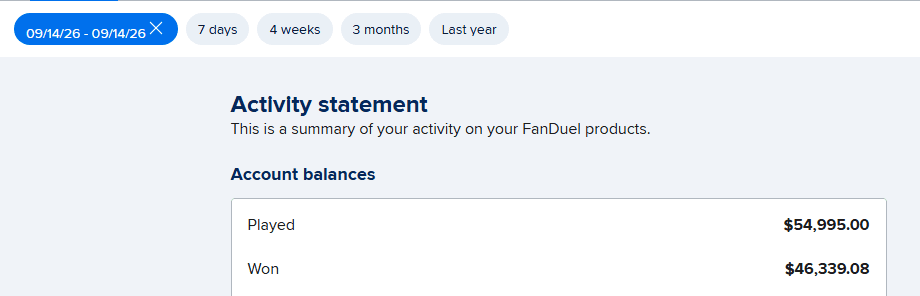
Sports Betting TikTok is the live betting account behind The Best Bet on Sports, covering NFL, NCAAF, NBA, NCAAB, MLB and WNBA markets in real time. The account has been limited on all six major U.S. sportsbooks — FanDuel, DraftKings, Caesars, BetMGM, Fanatics and ESPN BET — for winning on live betting, with $367,520 in verified profit since 2005. View full profile →
Past results do not guarantee future performance. Must be 21 or older to wager.
Related Articles
MLB Pinch Hitter and Double Switch Live Betting Strategy May 2026
MLB Catcher Framing Pop Time Totals Props May 2026
MLB Lefty-Righty Platoon Splits Betting in May 2026: How LHP/RHB Matchups Reshape Run Lines, Totals, and Player Props
MLB NRFI/YRFI Betting Strategy: First Inning Run Markets April 2026
MLB Moneyline Betting Guide 2026 - Best Bets for the Early Season
MLB Pitcher Matchup Analysis - How to Bet Baseball Using Starting Pitching
Get real live betting picks
From $39.95/mo · Cancel anytime · Email + Discord delivery
● Get The Picks
Choose your package
Tap any tier below to select · Subscribe in one tap
👇 Tap any package to select it
✓ You're selecting
25 Units · $99.95/month
25 unit picks per month. Sweet spot for most bettors — plenty of action without going all-in.
- ✓25 live betting selections/month
- ✓Email + Discord delivery
- ✓All sports (NFL, NCAAF, NBA, NCAAB, MLB)
- ✓Mix of 1, 2, 3, 5-unit rated plays
- ✓Cancel anytime
Secure PayPal · Cancel anytime · No hidden fees · 21+ · +$367K verified
+$367,520 verified · Limited on 6 sportsbooks · 20 years documented · See Proof
Join Our Newsletter
Get free expert sports picks and analysis delivered weekly.