Computer Picks vs. Expert Picks: What You're Buying

Computer picks and expert picks are sold with identical language and built from opposite inputs. A model ranks a full slate against stable historical priors; a human position is a small number of situations someone believes are mispriced, for a stated reason. The difference that decides which is worth paying for is that the price you are betting into is itself a model output, so agreement is not edge.
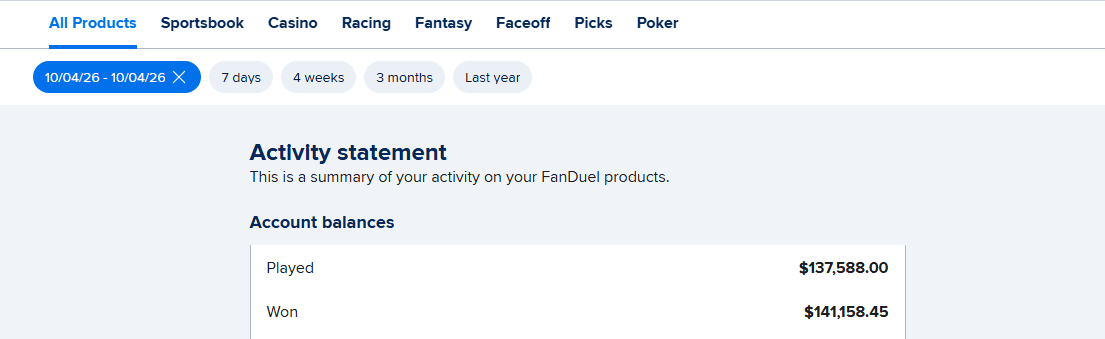
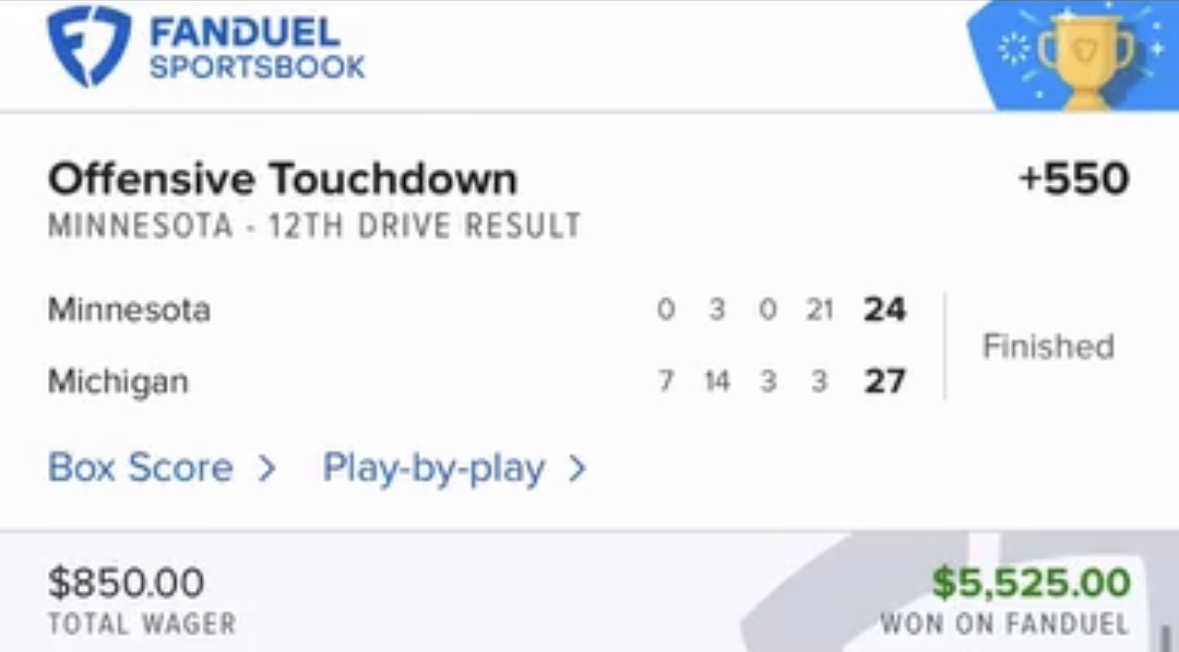
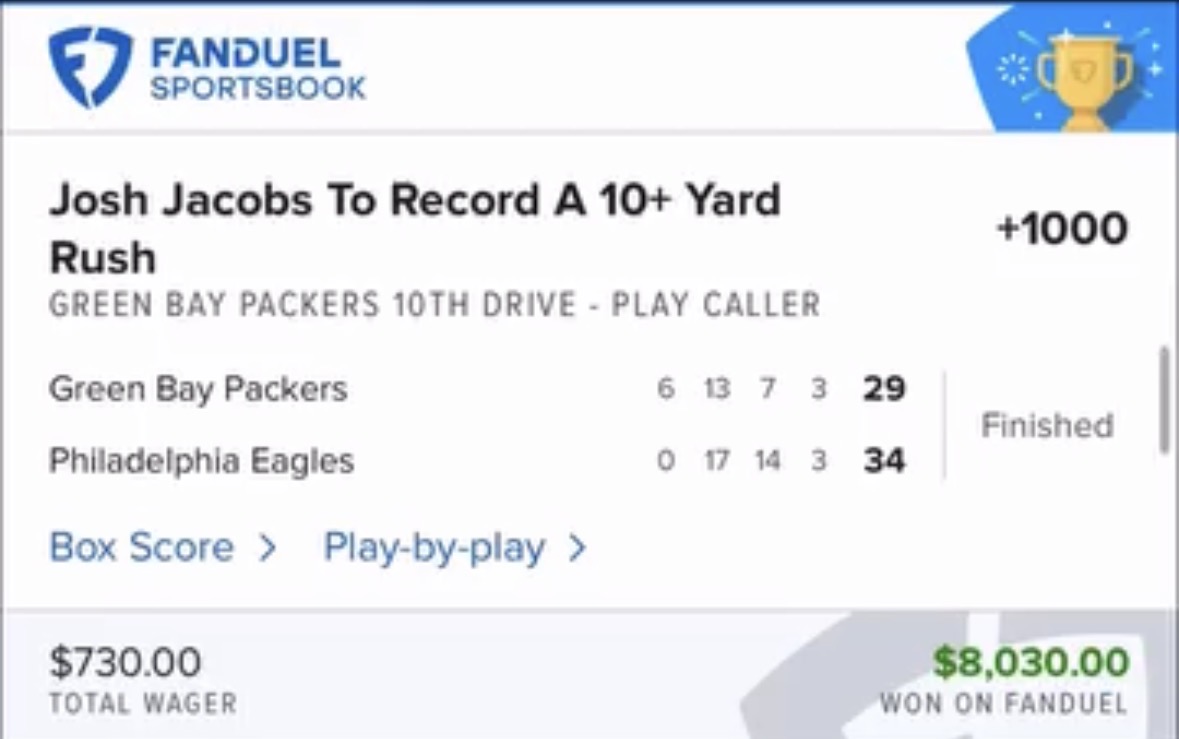
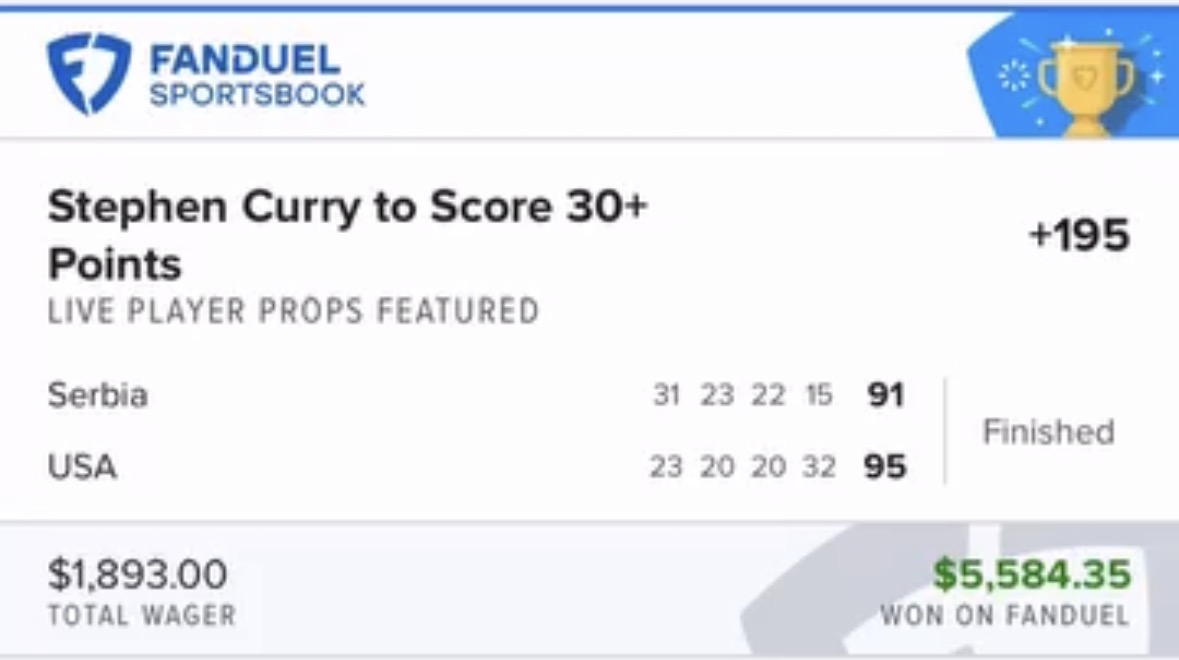
Search for football picks and you will be sold two products described in nearly the same words. One is generated by a projection system that rates every team, simulates every game and flags the largest gaps against the market. The other is a person telling you they think a specific number is wrong, and why. Both get marketed as "expert." Both get marketed as "proven." The distinction that actually determines which is worth paying for is one almost no seller mentions: the price you are betting into is itself a model output, so a model that agrees with the book has not found you anything. The Best Bet on Sports has worked in-play football markets for more than twenty years with a verified $367,520+ in profit across all sportsbooks, and this is an honest breakdown of what each product can and cannot do — including where ours does not apply.
What a Computer Pick Actually Is
Strip the marketing and a model-driven pick is a chain of four steps.
It builds ratings from historical results — points scored and allowed, efficiency by down and situation, pace, opponent adjustments — so that every team carries a number representing its strength. It applies situational modifiers for things like rest, travel, personnel availability and home field. It projects a margin for each game on the slate. Then it compares that projection to the posted number and surfaces the games where the two disagree most.
That is the entire product. Every variation — "simulations," "power ratings," "systems," "handicapping software" — is a different implementation of the same four steps, and the honest ones will tell you so. Our sports handicapping software and sports betting algorithms pages walk through how these systems are constructed in more detail.
What that chain is genuinely good at is not in dispute:
Consistency. A model applies the same standard to Week 3 that it applied to Week 12. It does not chase a loss, it does not get attached to a team, and it does not bet bigger after a bad Saturday.
Coverage. It can evaluate every game on a fifty-game college slate in the time a person takes to look at four.
Memory. It does not forget what happened in September because December was loud.
Those are real advantages and anyone dismissing them is selling something. The problem is not that models are weak. It is what they are being compared against.
The Price Is Also a Model
Here is the structural point the entire category tends to skip.
The number you are betting into was not produced by intuition. Sportsbooks generate opening prices with rating systems and projection engines built along the same four steps described above — frequently with more data, more staff and more computing behind them — and then let money move the number from there. By kickoff, a major football spread has absorbed a week of professional and public capital on top of that starting projection.
So when your model and the book's number agree, nothing has been discovered. And when they disagree, there are two possible explanations, not one:
1. The market is wrong about something your model captured. 2. Your model is missing something the market has already priced.
The second is more common, because the market's version has more inputs and a correction mechanism your model does not have — people with money who lose it when they are wrong. This is why a model-driven service's real question is never "is the model good," which is unanswerable in the abstract. It is "what does this model know that the market's model does not." If a seller cannot answer that in one sentence, the product is a projection engine competing against better-funded projection engines, and the outcome of that competition is predictable.
What an Expert Pick Actually Is
A judgment-driven position is the opposite construction. It is not a ranking of a slate. It is a small number of specific situations where a person believes something is mispriced and can state the reason in a sentence.
The value is not that humans out-calculate machines. They do not. The value is that the reason can be examined. A projection that says a team is 2.5 points better than the posted number is not falsifiable in advance. A statement that a particular offensive line is losing at the point of attack in a way the score does not yet reflect is something you can watch and grade in real time.
That difference matters most in the places where models have the least to work with.
| Model-driven picks | Judgment-driven picks | |
|---|---|---|
| Built from | Historical results and stable priors | A specific observed or reasoned mispricing |
| Volume | Full slate, ranked | A handful of positions, or none |
| Strongest where | Large samples, repeatable situations, pregame markets | Thin samples, novel situations, in-play markets |
| Structural blind spot | Anything without a prior; anything happening right now | Human inconsistency, tilt, memory, limited coverage |
| How you verify it | Backtest and calibration over hundreds of games | The stated reason, graded against what happened |
| What it competes with | The book's own projection engine | The lag between a visible event and a repriced number |
Where Models Are Structurally Blind
Three categories, and they are not edge cases in football season.
No prior. A model needs history to rate something. A Week 1 roster assembled eleven days earlier at the cutdown deadline, a first-time starter, a new coordinator's third-down tendencies, a scheme changed over an offseason — none of these have a sample. The model does not refuse to price them. It substitutes something close and keeps going, which is a reasonable engineering decision and a genuine analytical hole. September football is the densest concentration of that hole all year.
Thin samples generally. Two data points do not become reliable because a system processed them. Anything built on a handful of games inherits enormous uncertainty that a projected margin, printed to one decimal place, does not visually communicate.
Anything happening at this moment. This is the largest one, and it is the reason our work sits where it does. Automated in-play pricing engines reprice primarily on discrete events — scoring plays, turnovers, possession changes, the clock. A team that is being physically overwhelmed but has not yet been punished on the scoreboard looks, to that engine, roughly like a team that has had bad luck. The gap between what a viewer can see and what the number reflects is measured in a drive or two, and it opens and closes constantly. It is not a permanent inefficiency; it is a recurring one. Related reasoning on which games are even worth watching for it is in why some games never get a live pick.
The Marketing Tells You Nothing
Both categories use the same vocabulary, so the words on a sales page cannot separate them. Four questions can.
What number, at what book, at what time? A pick without a number is not a pick. "Take the home side" is an opinion; "the home side at −3, posted at this price" is a position that can be graded. This is the single fastest way to tell a real product from a content product.
How many positions per slate, and what happens on a night with nothing? A service that produces a play on every game on the board is describing a model output, and it should say so plainly. A service that sometimes produces nothing is claiming selectivity, and that claim should be visible in the record rather than only in the marketing.
What is the stated reason? For a model product, the honest answer is "the projection disagreed with the number by X." For a judgment product, it is a sentence about a specific situation. Either is acceptable. "Our team of experts likes it" is not an answer, and the difference between real analysis and the alternative is worked through in touts vs. real sports pick services and how to evaluate sports handicapping sites.
What does the seller's own exposure look like? Whether a service takes its own positions is a fair question and is covered in do pick services bet their own picks.
Notice that "what is your win rate" is not on that list. It is the first question most buyers ask and among the least informative, because a percentage without the prices attached does not tell you whether a service made money — the reasoning is in win rate vs. ROI.
Which One Fits How You Bet
This is a fit question, not a quality question, and the honest answer excludes us for some readers.
A model-driven product fits you if you bet pregame sides and totals across a full slate, place a large number of wagers, want coverage rather than selection, and are comfortable evaluating a process over hundreds of games rather than dozens. That is a coherent way to bet and a model is the right tool for it. What you need to confirm is the seller's answer to the "what does this know that the market does not" question.
A judgment-driven, in-play product fits you if you bet a smaller number of positions, can be near a phone during games, and want the reason attached to the number. It requires availability that pregame products do not, which is a real cost and worth being honest about before you pay for anything.
Ours is the second kind. The positions come from watching football and pricing what is visible before the market finishes absorbing it, delivered during games via Email and Discord. The credential we lead with is not a projection accuracy figure — it is that The Best Bet on Sports is limited on all six major U.S. sportsbooks for winning at in-game markets, which is the market's own assessment rather than ours. More on why that restriction is the relevant signal is on the expert sports picks page and in why live betting services cost more.
Get Tonight's Live Picks
Want tonight's live in-game football picks delivered to your phone via Email and Discord during the game?
The Best Bet on Sports is the only live betting handicapping service limited on all six major U.S. sportsbooks (FanDuel, DraftKings, Caesars, BetMGM, Fanatics, ESPN BET) for winning too much during in-game action. Verified profit: $367,520+. Picks delivered via Email and Discord during games.
→ Get tonight's live picks: $199 first month — 1-Unit package, full live betting access → Try a free live pick first — reserve your spot for tonight's pick
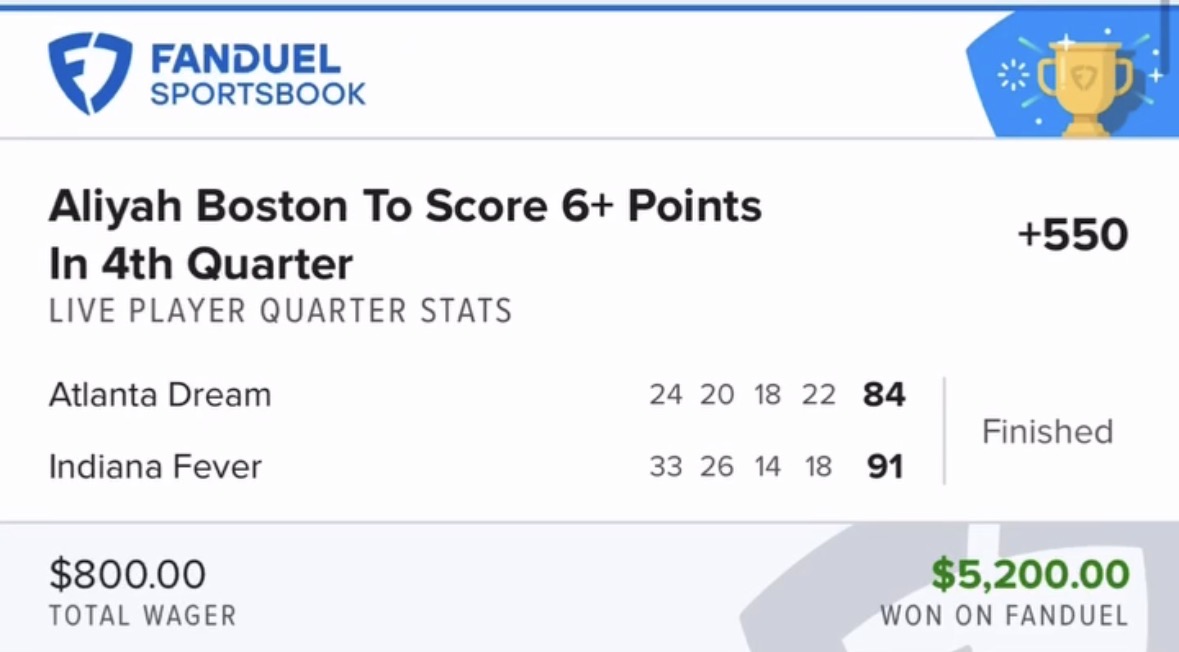
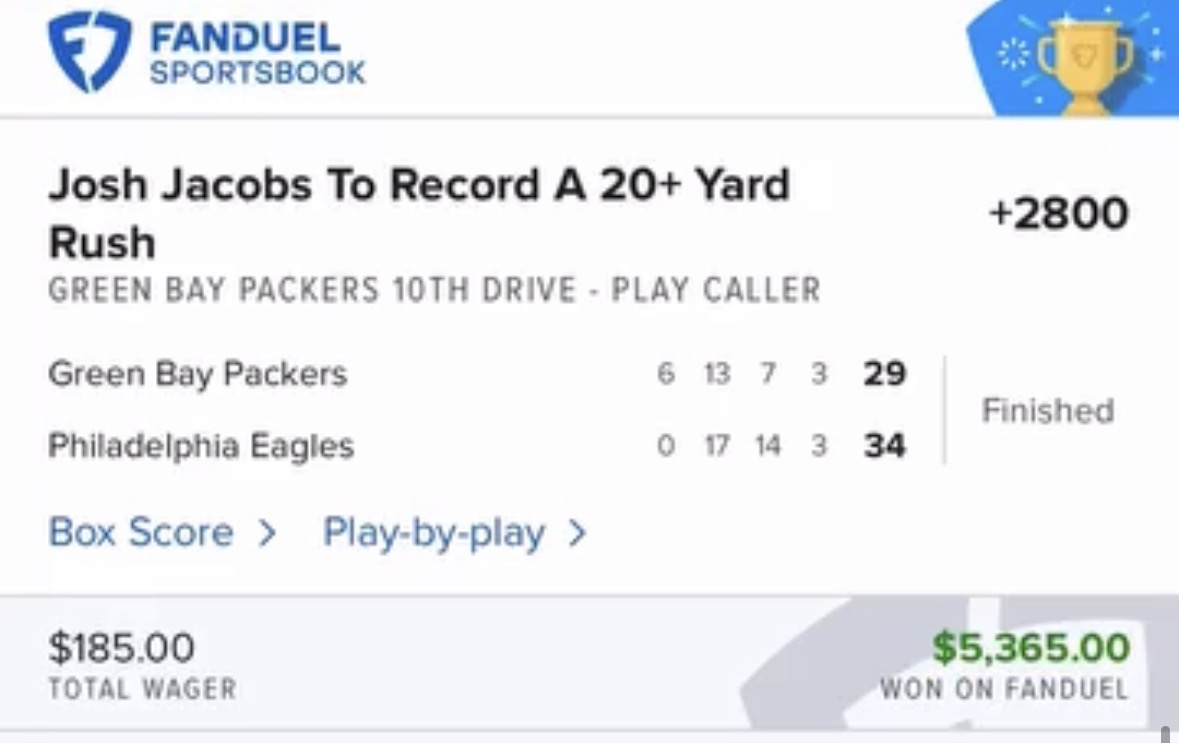
More coverage at buy sports picks, sports handicapping service, pay for sports picks, football handicappers, daily sports betting picks, and our results.
Frequently Asked Questions
What is the difference between computer picks and expert picks?
A computer pick is produced by a projection system that rates every team from historical results, applies situational adjustments, projects a margin for each game and flags where that projection disagrees most with the posted number. An expert pick is a small number of specific positions a person believes are mispriced, with a stated reason attached. The first is a ranking of an entire slate; the second is a selection, and its reasoning can be examined and graded rather than only backtested.
Are computer picks more accurate than human picks?
Accuracy is the wrong measurement, because the comparison is not human versus machine — it is your model versus the book's model. Sportsbooks build opening prices with projection systems of their own, often with more data behind them, and then let market money correct the number further. A model that agrees with the resulting price has found nothing, and when it disagrees, the more common explanation is that it is missing an input the market already priced rather than that it caught something.
Where do betting models perform worst?
In three places. Situations with no historical prior, such as a first-time starter, a new scheme, or a Week 1 roster assembled days before the opener. Situations with very thin samples, where a projected margin printed to one decimal place hides enormous uncertainty. And anything happening in real time, because in-play pricing engines reprice mainly on discrete events like scores, turnovers and possession changes, so a team being physically overwhelmed without scoreboard punishment reads to the engine like a team that has had bad luck.
How can I tell whether a picks service uses a model or human judgment?
Ask how many positions it produces per slate and what happens on a night with nothing. A service that plays nearly every game is describing a model output and should say so. Then ask what number, at what book, at what time — a pick without a price attached cannot be graded by anyone, including the seller. Finally, ask for the reason behind a specific position; both "the projection disagreed by X" and a sentence about an observed situation are legitimate answers.
Is one type better for football season specifically?
They fit different behavior. Model products suit bettors placing a high volume of pregame wagers across full NFL and college slates, where coverage matters more than selection. Judgment and in-play products suit bettors placing fewer positions who can be near a phone during games. Early-season football is where models are weakest, because Week 1 and Week 2 rosters and schemes have no sample, but that also makes those weeks noisier for everyone.
Why does The Best Bet on Sports not sell model-generated picks?
Because the edge we work is not available to a projection built on historical priors. In-play numbers move on visible events, and the gap worth acting on is the lag between what is happening on the field and what the posted number reflects — a gap that closes within a drive or two and requires someone watching. The verification we point to is not a projection-accuracy figure but account restrictions on all six major U.S. sportsbooks, which is the market's judgment rather than a claim we make about ourselves.
Do I need to watch the games to use an in-play service?
You need to be reachable, which is a lower bar than watching every snap but higher than a pregame product requires. Positions arrive during games via Email and Discord, and in-play numbers have short shelf lives, so the practical requirement is having a phone available and a funded account ready. If you cannot be available during game windows, a pregame product is the more sensible purchase regardless of how good the in-play work is.
The Best Bet on Sports · 1.5M followers on TikTok
Sports Betting TikTok is the live betting account behind The Best Bet on Sports, covering NFL, NCAAF, NBA, NCAAB, MLB and WNBA markets in real time. The account has been limited on all six major U.S. sportsbooks — FanDuel, DraftKings, Caesars, BetMGM, Fanatics and ESPN BET — for winning on live betting, with $367,520 in verified profit since 2005. View full profile →
Past results do not guarantee future performance. Must be 21 or older to wager.
Related Articles
Does a Picks Service Still Pay After Taxes?
What 'Vegas NFL Picks' Actually Means, and Who Is Really Selling Them
First-Month Pricing on Picks Services: What You Should Actually Compare
Why NFL Spreads Are Harder to Beat Than College Spreads
What Is a Good ATS Record in College Football? The Honest Math
Are Sports Betting Pick Screenshots Real? How to Verify Proof
Get real live betting picks
From $39.95/mo · Cancel anytime · Email + Discord delivery
● Get The Picks
Choose your package
Tap any tier below to select · Subscribe in one tap
👇 Tap any package to select it
✓ You're selecting
25 Units · $99.95/month
25 unit picks per month. Sweet spot for most bettors — plenty of action without going all-in.
- ✓25 live betting selections/month
- ✓Email + Discord delivery
- ✓All sports (NFL, NCAAF, NBA, NCAAB, MLB)
- ✓Mix of 1, 2, 3, 5-unit rated plays
- ✓Cancel anytime
Secure PayPal · Cancel anytime · No hidden fees · 21+ · +$367K verified
+$367,520 verified · Limited on 6 sportsbooks · 20 years documented · See Proof
Join Our Newsletter
Get free expert sports picks and analysis delivered weekly.