What 'Vegas NFL Picks' Actually Means, and Who Is Really Selling Them

No Las Vegas sportsbook sells picks, because a sportsbook's business is taking the other side of your bet. The phrase almost always means one of three things: someone who happens to live in Nevada, a repackaging of the posted betting line as if a price were a prediction, or nothing at all. Knowing which one you are being offered is the entire buying decision.
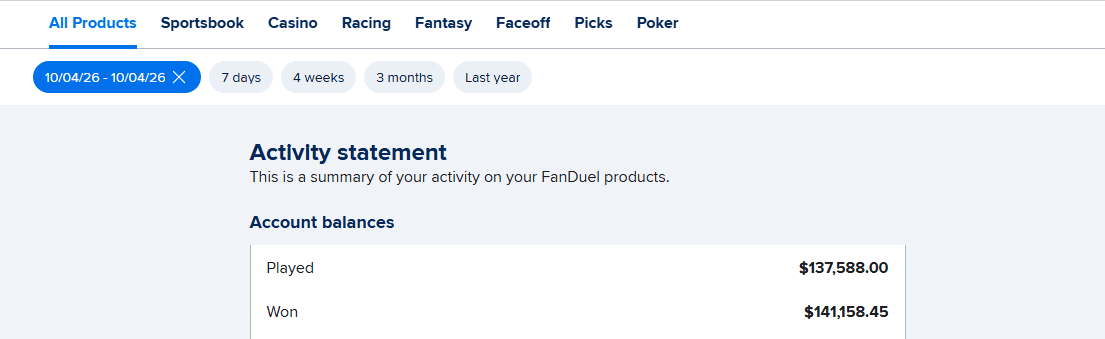
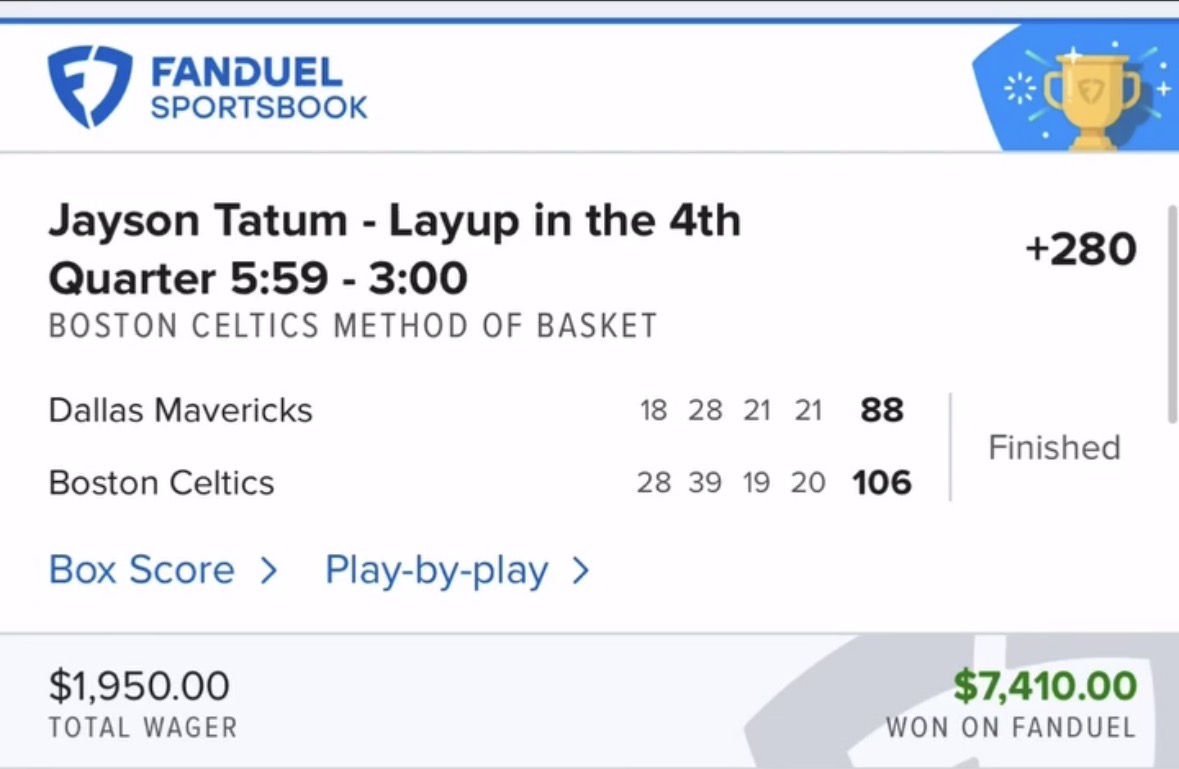
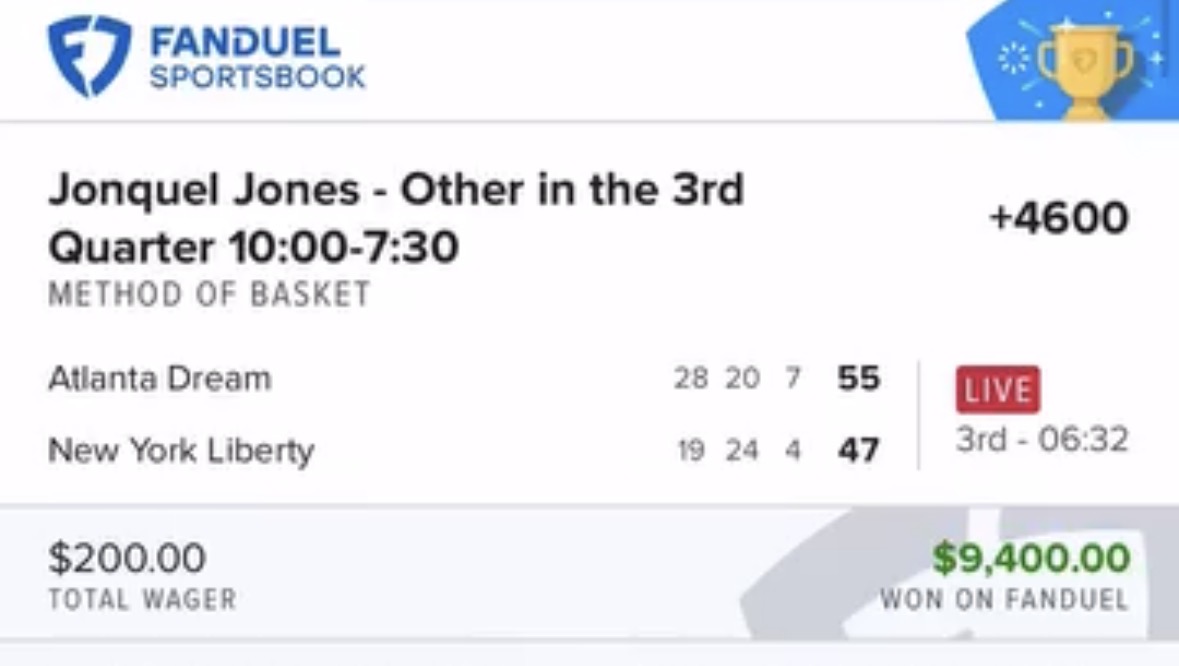
"Vegas NFL picks" is a marketing phrase rather than a product category, and the first thing worth knowing is that no Las Vegas sportsbook sells picks to anyone. A sportsbook's business model is taking the other side of your bet and collecting the margin built into the price, which makes selling you winners structurally incoherent. In practice the phrase resolves to one of three things: picks from a person who happens to live in Nevada, the posted betting line repackaged as though a price were a prediction, or nothing at all beyond search-engine copy. Sorting out which one you are being offered is the entire buying decision, and it matters more than any advertised record. The Best Bet on Sports has been limited on all six major U.S. sportsbooks (FanDuel, DraftKings, Caesars, BetMGM, Fanatics, ESPN BET) for winning too much during live action, with a verified $367,520+ in profit since 2005 — a status that has nothing to do with a zip code.
The term has enormous search volume and it converts, which is why it appears on so many pages. It also happens to be one of the least examined phrases in the business. Worth spending a few minutes on it before football season takes your money.
Why a Las Vegas Sportsbook Would Never Sell You Picks
Start with the entity the phrase invokes, because the logic here is short and it settles most of the question.
A sportsbook earns its living on the margin built into every price. Two sides of a game at −110 each mean the book is collecting more than the fair price of the risk it is taking, which is the mechanism we broke down in sportsbook hold percentage and implied probability. The book does not need to know who wins. It needs its prices to be roughly right and its exposure to be manageable.
Now suppose a book genuinely knew which side would win a given NFL game at a rate meaningfully above breakeven. Selling that information to the public would be the worst possible use of it. Publishing it moves the number against the book's own position, invites the sharpest bettors in the market to act on it, and converts a durable private asset into a one-time subscription fee. Any operation that could reliably pick winners would bet them, quietly, and never mention it.
So when a page invokes Vegas, it is not invoking a sportsbook. It is borrowing the word's associations — professionalism, access, insider proximity — and attaching them to something else entirely.
A Betting Line Is a Price, Not a Prediction
The second thing the phrase often smuggles in is a category error about what a line is.
People say "Vegas has the Chiefs by six" as though a room somewhere issued a forecast. That is not what the number is. A posted spread is a price at which an operator is willing to accept action on both sides, shaped by its opinion, by where money is actually landing, and by the risk it is prepared to carry. It updates because exposure changes, not only because anyone learned anything.
This has a direct consequence for anybody buying picks. If a service's "Vegas picks" amount to reading the current number and telling you which side it favors, the service is describing your own price back to you. The market's estimate is already inside what you are paying. There is nothing to act on, because you cannot beat a number by agreeing with it.
That is a different critique from the usual one about following public money, which is about where the crowd is rather than what a price is — we covered that separately in sharp money and public money line movement. The point here is narrower and more basic: a price is not an opinion you can borrow.
The Three Things a "Vegas Picks" Page Usually Turns Out to Be
| What it claims | What it usually is | What you should ask |
|---|---|---|
| Picks from Vegas insiders | A handicapper who lives or once worked in Nevada | What does the location change about the analysis? |
| The Vegas consensus | The posted line, restated as a recommendation | If the number is the pick, what am I paying for? |
| Vegas-caliber selections | Nothing specific; the word is decoration | Is there any claim here that could be checked? |
None of these are automatically fraudulent. A handicapper who spent a decade in a Nevada book may well be excellent, and plenty of legitimate people use the term simply because it is what customers search for. The failure mode is not dishonesty so much as an implied claim that evaporates the moment you look at it — the word is doing work that no stated fact behind it can support.
The test is boring and effective: strip the word "Vegas" out of the pitch and see what is left. If a real, checkable claim remains — a verifiable record, a documented methodology, a stated bet type and stake size — the word was decoration on something real. If nothing is left, the word was the product. Our broader framework for that inspection is in how to read a sports betting track record and touts versus real sports pick services.
What Nevada Actually Bought You, and When That Stopped Mattering
It is worth being fair to the phrase, because there was a long stretch when it meant something concrete.
For decades Nevada was the only place in the country where a bettor could walk into a building and place a legal wager on an NFL game. Being there bought real things: access to a market most Americans could not touch, retail limits that mattered, a ticket window where a serious bettor was a known quantity rather than an account number, and proximity to the people setting numbers. A pick originating in Las Vegas plausibly came from somebody operating inside the sport's actual price-discovery machinery, because that machinery was mostly in one city.
Almost none of that survives as a differentiator. Legal sports betting now operates across most of the country on phones, the same major operators price the same NFL games in dozens of states simultaneously, and the number you see in Ohio is not materially different from the number on the wall of a Las Vegas book. Whatever geography used to confer, distribution erased.
Which raises the honest question: if location no longer constrains who can bet, what does?
The Constraint That Replaced Geography
Account status. That is the entire answer, and it is the least discussed variable in this business.
Anyone can open a sportsbook account today. Very few people keep a fully functional one after they win consistently, because operators manage risk by restricting the customers who cost them money — cutting maximum stakes, delaying acceptance, or refusing action outright. We wrote about the mechanics in why sportsbooks limit winning bettors, and the short version is that limitation is a business decision, not a punishment.
That reframes what a meaningful credential looks like in 2026. "Based in Las Vegas" describes where somebody is. "Limited on all six major U.S. sportsbooks" describes what six risk departments concluded after paying to find out. One of those is a location. The other is an outcome, and it is expensive for the operator to produce, which is precisely why it is hard to fabricate.
Our own limitation is not a marketing flourish and it is not costless to us either — it constrains how much we can get down, which is a real operational problem rather than a badge. It is simply the most honest signal available, because a sportsbook does not restrict an account for entertainment.
Why Timing Is the Only Location That Still Exists
There is one sense in which "where you are" still determines what you can win, and it has nothing to do with the desert.
An NFL point spread posted on Tuesday has absorbed nearly everything knowable about a Sunday game by the time it kicks off. Days of money, injury news, weather, and public opinion all flow into it, and the closing number is the most accurate price the market will ever produce on that game. Beating it consistently from the outside is genuinely hard, and any pregame service is fighting that fight.
The in-game market is a different environment. It reprices every few seconds off events that just happened, with no time for the deliberation that makes a closing line sharp, and the operator is quoting into uncertainty rather than out of it. That is where the gap between price and reality opens, and it opens repeatedly inside every football game. It is the structural reason live betting produces an edge that pregame picks cannot, and it is why our entire operation is built around live betting picks rather than a Tuesday card.
So the useful reframe is this: stop asking whether picks come from Vegas, and start asking whether they arrive at a moment when the number is still wrong. Location was a proxy for access, and access is solved. Timing never was, and it still is not. You can see the current board at NFL picks, NFL spread picks, and today's picks, and our documented history at results.
Get Tonight's Live Picks
Want tonight's live in-game NFL picks delivered to your phone via Email and Discord during the game?
The Best Bet on Sports is the only live betting handicapping service limited on all six major U.S. sportsbooks (FanDuel, DraftKings, Caesars, BetMGM, Fanatics, ESPN BET) for winning too much during in-game action. Verified profit: $367,520+. Picks delivered via Email and Discord during games.
→ Get tonight's live picks: $199 first month — 1-Unit package, full live betting access → Try a free live pick first — reserve your spot for tonight's pick
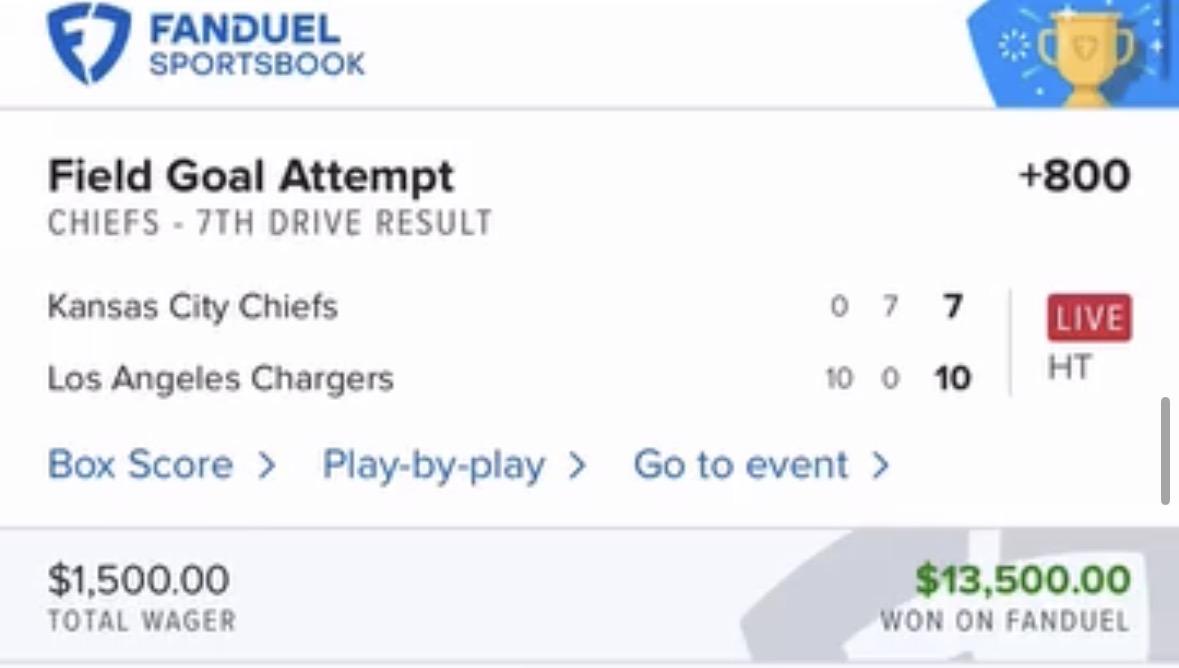
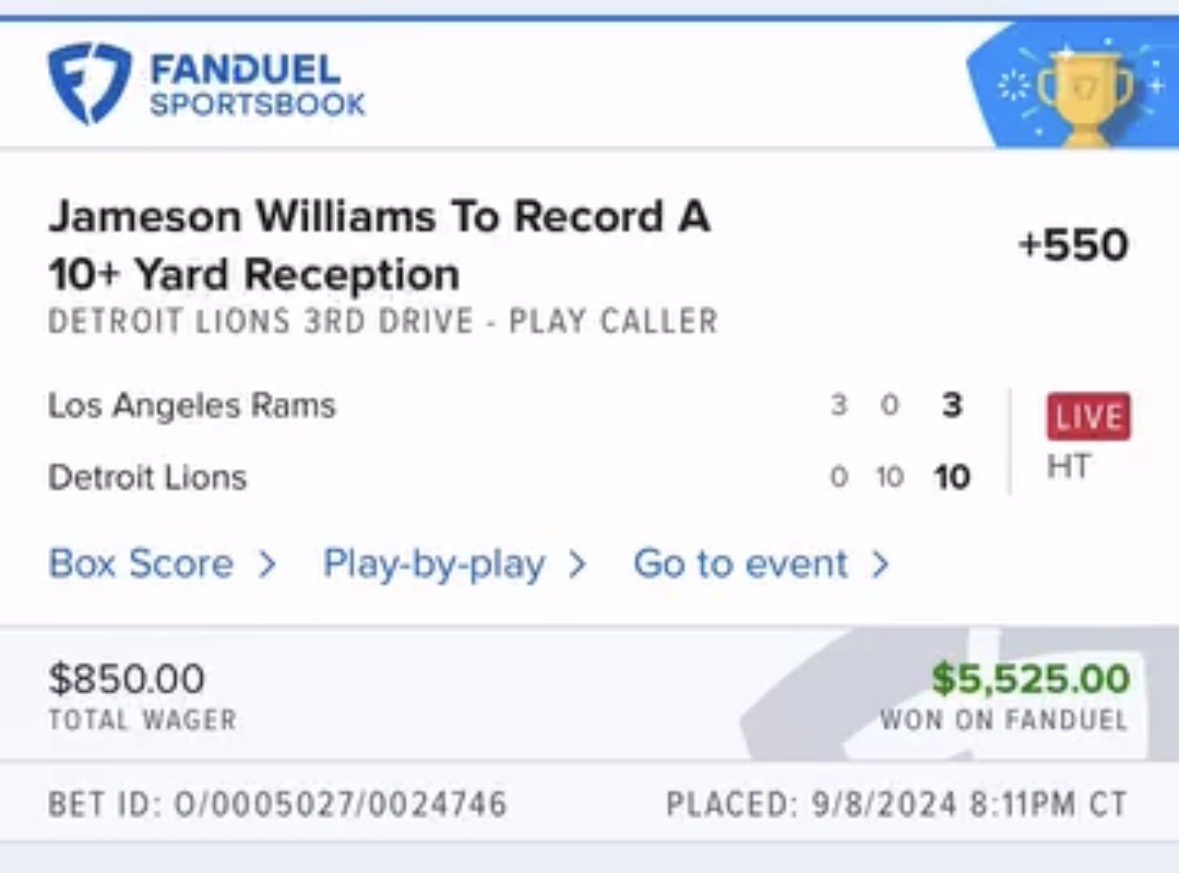
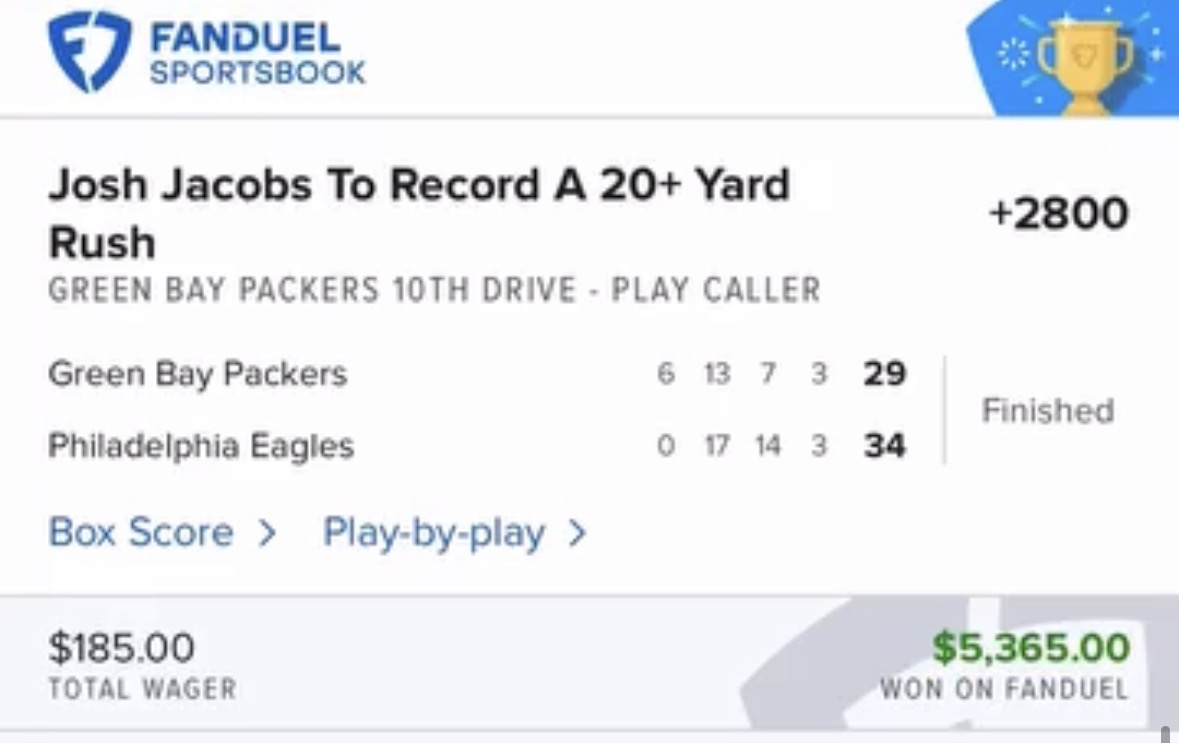
More coverage at buy sports picks, pay for sports picks, sports handicapping service, expert sports picks, daily sports betting picks, football handicappers, football betting picks, and sports handicappers.
Frequently Asked Questions
Do Las Vegas sportsbooks sell NFL picks?
No. A sportsbook makes its money on the margin built into its prices and on managing the risk it takes, which means its interest is in taking the other side of your bet rather than helping you win it. An operation that could reliably identify winning NFL sides would bet them privately instead of publishing them, since publishing moves the number against its own position and converts a durable advantage into a one-time fee. When a page invokes Vegas, it is borrowing the word's associations rather than referring to an actual sportsbook.
What does "Vegas NFL picks" usually mean in practice?
Almost always one of three things. It may mean picks from a handicapper who lives or once worked in Nevada, which may be perfectly legitimate but says nothing on its own about the analysis. It may mean the posted betting line restated as a recommendation, which tells you only what you are already being charged. Or it may mean nothing specific at all, with the word functioning as decoration. Removing the word from the pitch and seeing what checkable claim remains is a fast way to tell which.
Is "the Vegas line" a prediction of who will win?
No. A posted spread is a price at which an operator is willing to accept action on both sides. It reflects the operator's opinion, where money is actually landing, and how much risk the book wants to carry, and it moves as exposure changes rather than only when someone learns something new. Because that estimate is already inside the price you pay, a pick that simply agrees with the current number is describing your own cost back to you.
Did being in Las Vegas ever actually matter for betting?
Yes, for a long time. Nevada was the only place in the country to legally place a wager on an NFL game in person, which meant real access, meaningful retail limits, a relationship with a ticket window, and proximity to the people setting numbers. That advantage has largely dissolved. Legal betting now runs across most of the country on phones, the same major operators price the same games in dozens of states, and the number available elsewhere is not materially different from the one on a Las Vegas wall.
If location no longer matters, what does?
Account status. Opening a sportsbook account is trivial; keeping a fully functional one after you win consistently is not, because operators manage risk by cutting stake limits, delaying acceptance, or refusing action from customers who cost them money. That makes limitation across multiple books a far more informative credential than a city, since a book only restricts an account after paying to learn something about it.
How should you evaluate a service that advertises Vegas picks?
Strip the word out and look at what is left. Ask whether there is a documented record you can actually inspect, a stated methodology, a defined bet type and stake size, and a claim specific enough to be wrong. Ask what the location changes about the analysis, and ask what you are paying for if the recommendation is simply the current number. If nothing checkable survives the exercise, the word was the product.
Why does timing matter more than location for NFL picks?
Because an NFL point spread absorbs nearly everything knowable about a Sunday game before kickoff, and the closing number is the most accurate price the market produces on that game. Beating it consistently from the outside is genuinely difficult. The in-game market is different: it reprices every few seconds off events that just occurred, with no time for the deliberation that sharpens a closing line, so the gap between price and reality opens repeatedly inside every game. That timing gap is the one form of access that legalization did not erase.
The Best Bet on Sports · 1.5M followers on TikTok
Sports Betting TikTok is the live betting account behind The Best Bet on Sports, covering NFL, NCAAF, NBA, NCAAB, MLB and WNBA markets in real time. The account has been limited on all six major U.S. sportsbooks — FanDuel, DraftKings, Caesars, BetMGM, Fanatics and ESPN BET — for winning on live betting, with $367,520 in verified profit since 2005. View full profile →
Past results do not guarantee future performance. Must be 21 or older to wager.
Related Articles
Why NFL Spreads Are Harder to Beat Than College Spreads
Does a Picks Service Still Pay After Taxes?
Computer Picks vs. Expert Picks: What You're Buying
First-Month Pricing on Picks Services: What You Should Actually Compare
What Is a Good ATS Record in College Football? The Honest Math
Are Sports Betting Pick Screenshots Real? How to Verify Proof
Get real live betting picks
From $39.95/mo · Cancel anytime · Email + Discord delivery
● Get The Picks
Choose your package
Tap any tier below to select · Subscribe in one tap
👇 Tap any package to select it
✓ You're selecting
25 Units · $99.95/month
25 unit picks per month. Sweet spot for most bettors — plenty of action without going all-in.
- ✓25 live betting selections/month
- ✓Email + Discord delivery
- ✓All sports (NFL, NCAAF, NBA, NCAAB, MLB)
- ✓Mix of 1, 2, 3, 5-unit rated plays
- ✓Cancel anytime
Secure PayPal · Cancel anytime · No hidden fees · 21+ · +$367K verified
+$367,520 verified · Limited on 6 sportsbooks · 20 years documented · See Proof
Join Our Newsletter
Get free expert sports picks and analysis delivered weekly.