If-Bets and Reverses: The Parlay Alternative Explained

An if-bet is a sequence rather than a ticket: the second wager is placed only if the first one wins, so a one-for-two weekend costs a fraction of a unit instead of the entire stake. A parlay pays more precisely because it treats that same split result as a total loss, and it charges roughly double the hold to do it. Here is how if-bets, action reverses and parlays actually differ.
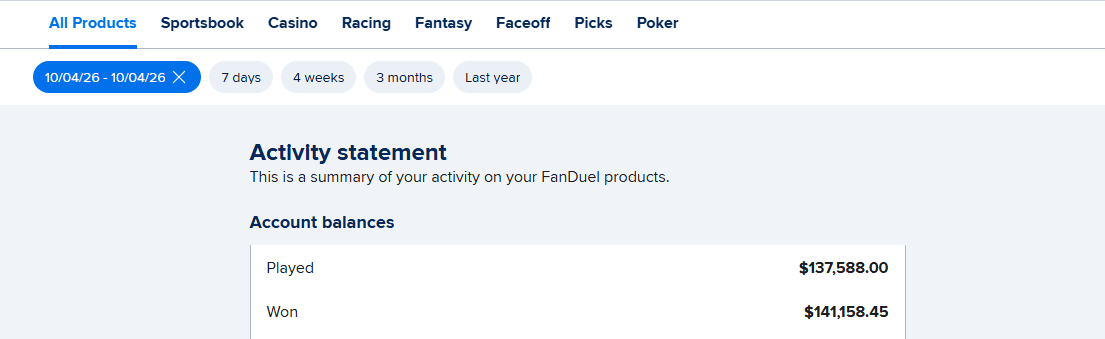
Most bettors who build a two-leg parlay are not trying to buy variance. They are trying to say something simpler: I like these two sides, and I want the second one to matter more if the first one lands. There is a wager that does exactly that, it has existed for decades, and almost nobody explains it. An if-bet places your second wager only when the first one wins. The result is that a one-for-two weekend costs you about a tenth of a unit instead of your whole stake — and unlike a parlay, it does not double the house's take on your money. The Best Bet on Sports has worked football and in-play markets for more than twenty years with a verified $367,520+ in profit across all sportsbooks, and the ticket structure you choose changes your results more than most bettors believe.
This article covers if-bets and action reverses specifically — conditional, sequential wagers. It is not a general parlay primer; the payout arithmetic of standard multi-leg tickets is handled in how parlay payouts are calculated, and the case against stacking legs for its own sake is in why most parlays lose.
What an If-Bet Actually Is
An if-bet is two or more wagers placed as a single instruction, executed in a stated order, where each wager after the first is triggered only by a condition on the one before it.
You submit it as one ticket. The book places wager A immediately. Wager B sits unplaced until A settles. If A meets the condition, B goes down at whatever price was locked when you submitted. If A does not, B never happens and you were never at risk on it.
There are three common trigger conditions, and the difference between them is not cosmetic:
| Trigger type | Second leg fires when the first leg... | Effect |
|---|---|---|
| If Win | Wins outright | Strictest. A push kills the sequence. |
| If Win or Push | Wins or ties the number | Standard on spreads and totals. A push simply passes the stake forward. |
| If Action | Settles at all, win or lose | No conditionality — this is two straight bets in a queue. |
"If Action" is worth naming so you can avoid selecting it by accident. It removes the entire point of the structure: both wagers get placed regardless, which is just two straight bets with extra steps. Almost every useful application of this instrument uses If Win or Push on point spreads and totals, and If Win on moneylines where a push is not a realistic outcome.
The critical mechanical detail: the second leg's price is fixed at submission, not at trigger. If you submit a Saturday sequence in the morning and the second game's number moves three points by kickoff, you get the number you locked. That cuts both directions and it is why the sequence has to be built from opinions you already hold, not opinions you expect to develop.
The Split Result Is the Entire Difference
Here is where the structure earns its place. Assume two standard -110 sides, a $100 base, and label them A and B in that order.
| Outcome | Two straight bets ($200 at risk) | Two-leg parlay ($100 at risk) | If-bet A→B ($100 at risk) |
|---|---|---|---|
| Both win | +$181.82 | +$264.46 | +$181.82 |
| A wins, B loses | −$9.09 | −$100.00 | −$9.09 |
| A loses, B wins | −$9.09 | −$100.00 | −$100.00 |
| Both lose | −$200.00 | −$100.00 | −$100.00 |
Read the second column against the fourth. The if-bet matches two straight bets exactly in the top two rows while committing half the bankroll, and it loses half as much when both sides miss. It is worse in exactly one cell: A loses and B wins. That cell is the price of the whole arrangement.
Which means an if-bet is not primarily a wager on two teams. It is a wager on your own ranking. You are stating that if you are wrong about the first opinion, you would rather not have had the second one down at all.
The Hold Is the Part Nobody Mentions
The comparison above is a single scenario. The structural argument is stronger and it lives in the pricing.
A single -110 wager carries a theoretical hold of about 4.5% — the house's expected share of every dollar you put through it. Two -110 legs parlayed at the standard 2.6446-to-1 return carry a hold of roughly 8.9%, because the vig is applied twice to one stake rather than once each to two stakes. That figure is not a book being predatory. It is arithmetic: the fair return on two coin flips is 4.0-to-1, and 2.6446 is what remains after both prices are taken out.
An if-bet does not do this. Each leg is a straight wager at a straight price. The first leg is charged 4.5%. The second leg, on the occasions it fires, is charged 4.5%. Nothing compounds, because nothing is being multiplied.
So the honest summary is that the parlay and the if-bet are not two versions of the same product. The parlay is a leverage instrument that costs roughly double the hold to operate. The if-bet is a staking rule — a way of deciding how much action to have out and when — that costs nothing extra at all. Anyone reaching for a parlay because they want the second bet to depend on the first has picked the expensive tool for a job the cheap one does better.
Order Is a Position, Not a Preference
A parlay is order-independent. Multiplying three prices produces the same number no matter which leg you enter first, which is convenient and also means the ticket never asks you a question.
An if-bet asks. The first leg is the only wager in the sequence that is certain to get placed, so putting a side first is a statement that it is your strongest opinion. Everything downstream is contingent on it.
That constraint is more useful than it sounds. Most bettors do not rank their weekend opinions. They hold four or five of them at roughly equal weight and bet them at roughly equal size, which is a way of saying the ranking does not exist. An instrument that will not accept the ticket until you have ordered your convictions is doing something a parlay slip never does. The same discipline problem shows up in ticket construction generally — see parlay ticket overlap for how unexamined structure creates exposure people did not intend.
The Action Reverse
The obvious objection to sequencing is that you may not know which opinion is strongest. The action reverse is the answer, and it is simply two if-bets submitted together in both directions: A→B and B→A.
That doubles the money committed. A "$100 reverse" on two sides risks $200, because it is two separate $100 sequences.
| Outcome | Two straight bets ($200 at risk) | $100 reverse ($200 at risk) | $200 two-leg parlay ($200 at risk) |
|---|---|---|---|
| Both win | +$181.82 | +$363.64 | +$528.93 |
| One wins, one loses | −$9.09 | −$109.09 | −$200.00 |
| Both lose | −$200.00 | −$200.00 | −$200.00 |
The reverse sits between the two familiar instruments, which is exactly what you would expect. It doubles your return on a clean sweep relative to straight bets, matches them on a total miss, and charges you about a unit for the split. The parlay pushes further in both directions.
Notice that the reverse has quietly re-introduced the compounding problem in a smaller dose: on a split you are now down $109 instead of $9, because one of the two sequences placed its losing second leg. There is no version of this that hands you the upside without selling something for it. The choice is only ever about which outcome you are willing to be paid for accepting.
Availability, Sequencing, and the Fine Print
Three practical constraints, stated plainly.
The legs must settle in order. An if-bet is meaningless if both events end simultaneously, and books will generally not accept a sequence whose second leg begins before the first one finishes. This is a real limitation on an NFL Sunday, where the entire early window kicks at once. It is much less of a limitation on a college Saturday, where start times are staggered across twelve hours by design, or across a Thursday-to-Monday football week.
Availability varies considerably by operator. If-bets and reverses are a long-standing part of the wagering menu but are not offered everywhere, and where they are offered, the interface is frequently buried and the maximum number of legs, minimum stake and permitted markets differ. Check your book's rules before you plan a weekend around the structure rather than after.
The stake does not grow. In a standard if-bet, the second leg is placed for the base amount, not for the base plus the winnings from the first. Some books offer a rolling variant; most do not by default. If you assumed the profit rolls forward, your projected returns are wrong.
Where This Fits With Live Numbers
One honest clarification, because the natural next thought is to make a live pick the second leg of a sequence.
You cannot. An if-bet fixes both prices at submission, and an in-play number does not exist until the game is being played. There is no book that will hold a slot open for a wager whose market has not been created yet.
What you can do is run the logic manually, which is the part worth keeping. The staking rule underneath an if-bet — put down the second position only if the first one has already settled a winner — is something a person with a phone can execute in real time, on markets that appear during games. Bet the early position. If it wins, take the later live number. If it does not, sit out. That is an if-bet in everything except the paperwork, and it works on markets no ticket structure can reach in advance.
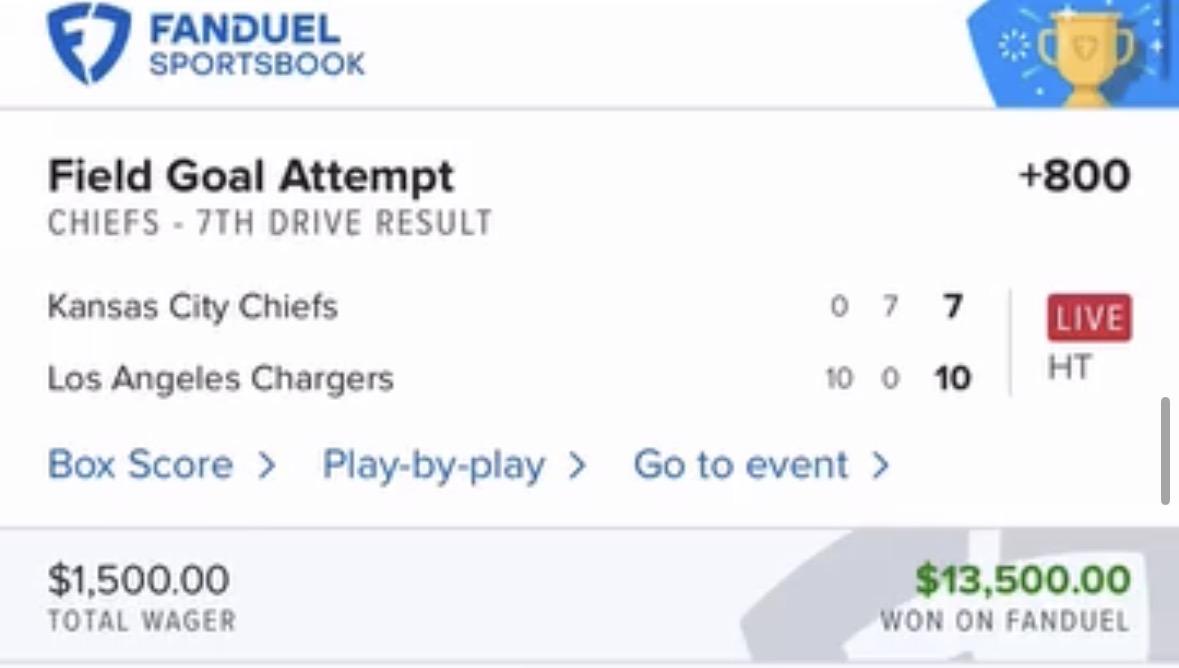
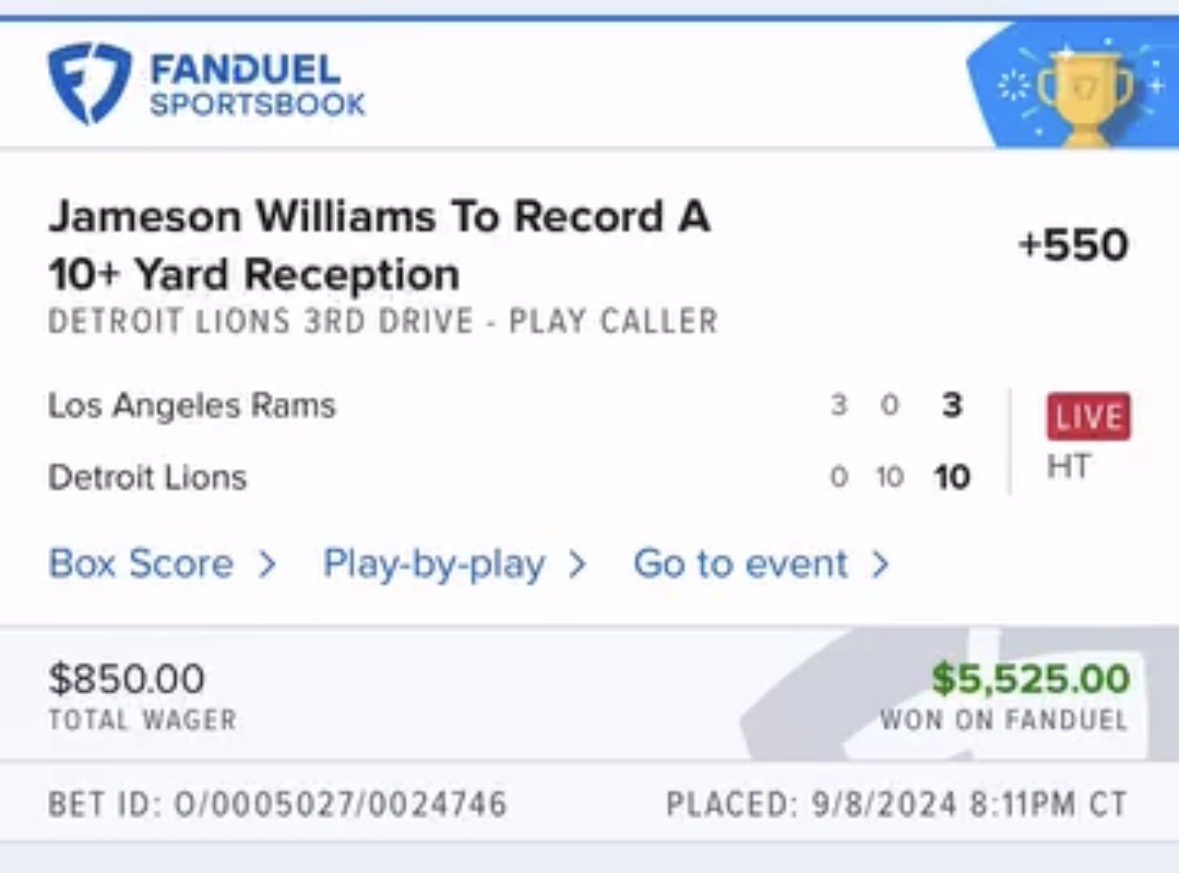
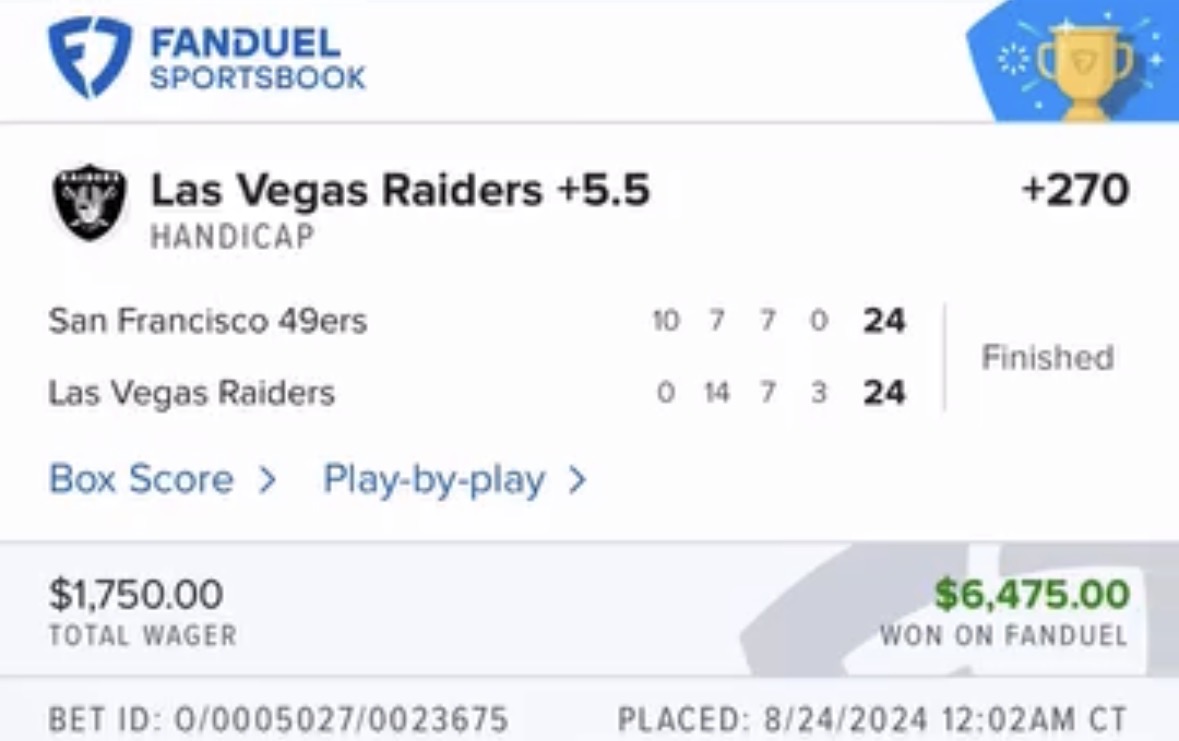
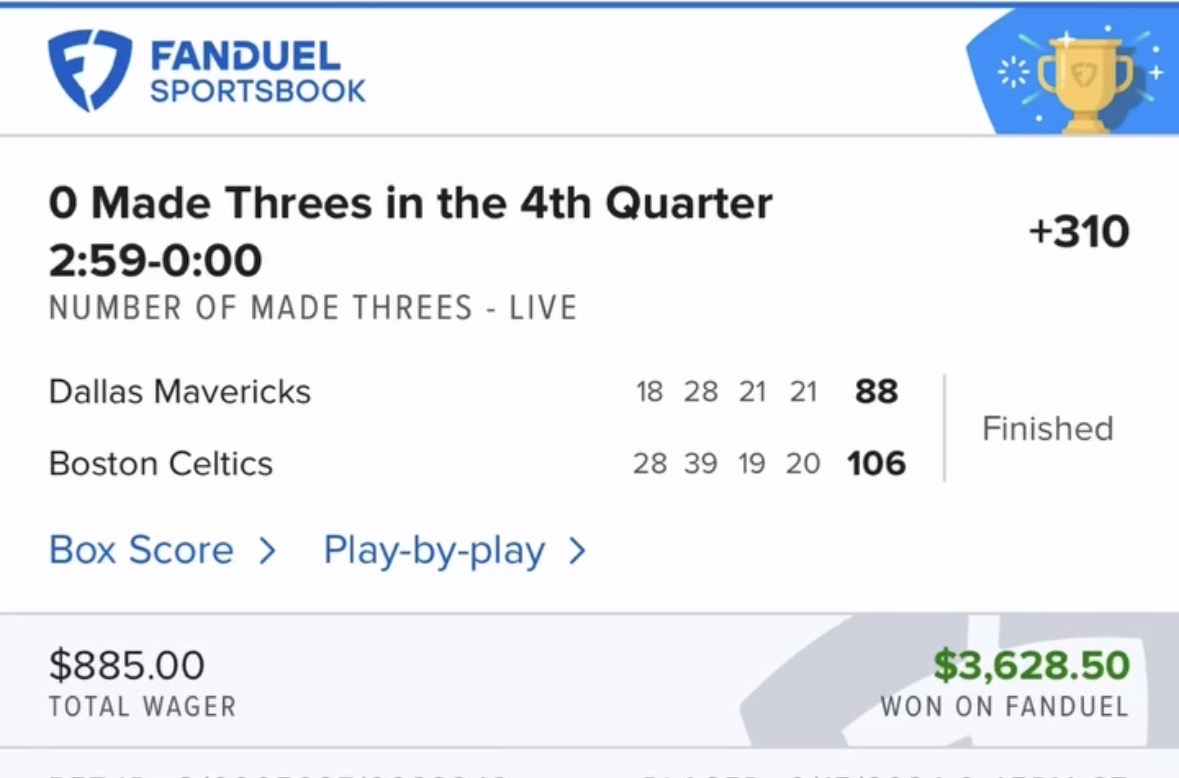
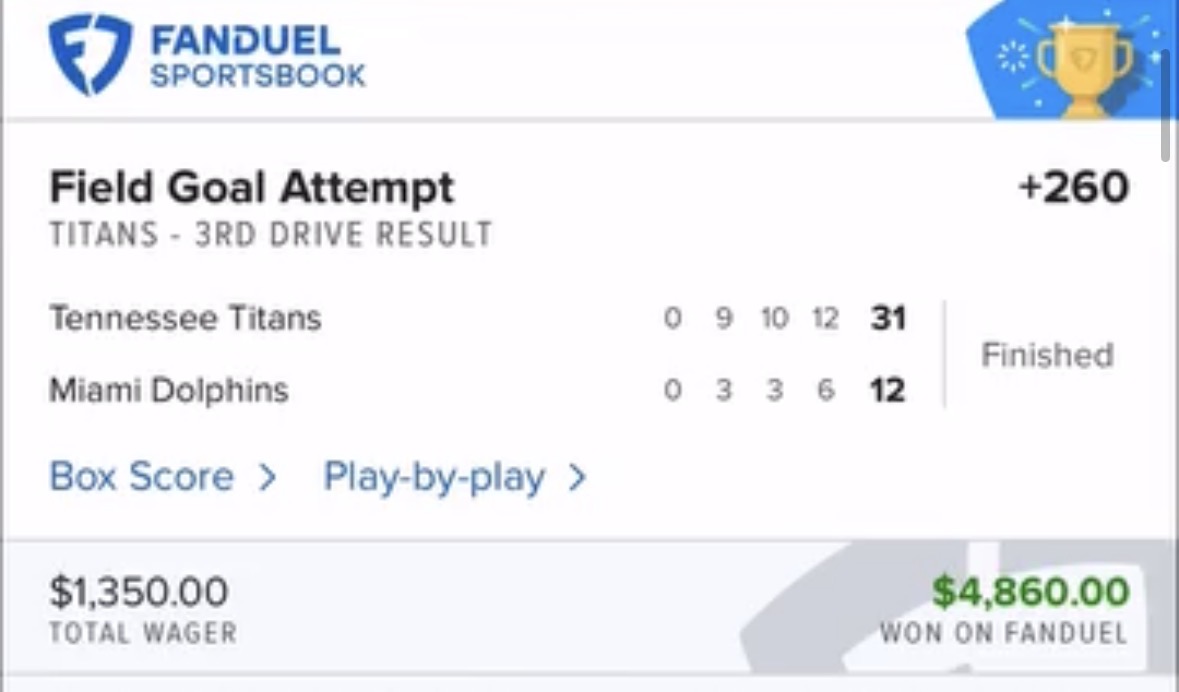
That is also why the in-play side of this business looks the way it does. The numbers we work are generated in minutes and carry small maximums, which is what makes the live betting limits conversation unavoidable. The Best Bet on Sports has been restricted on all six major U.S. sportsbooks for winning at in-game markets, and the football handicappers page leads with that restriction rather than a win-rate claim for a reason: the ceiling is the market's own verdict.
Choosing Between the Three
The short version, without hedging.
Bet straight when your opinions are independent and you want each one to stand on its own. This is the default and it should be, because it is the cheapest way to have money on a number.
Bet an if-bet when your opinions are ranked and you genuinely want the weaker one to depend on the stronger one landing first — or when your bankroll for a weekend is small enough that you would rather not have both down at once. It costs the same hold as straight betting and it caps your exposure on a bad start.
Bet a parlay when the goal is leverage on a stake you are comfortable losing, and you have accepted both the hit rate and the doubled hold. It is a legitimate instrument for that purpose and a poor substitute for every other purpose. The related question of how many legs is too many is worked through in how many legs should a parlay have, and what happens when one of them ties is in what happens when a parlay leg pushes.
Get Tonight's Live Picks
Want tonight's live in-game picks delivered to your phone via Email and Discord during the game?
The Best Bet on Sports is the only live betting handicapping service limited on all six major U.S. sportsbooks (FanDuel, DraftKings, Caesars, BetMGM, Fanatics, ESPN BET) for winning too much during in-game action. Verified profit: $367,520+. Picks delivered via Email and Discord during games.
→ Get tonight's live picks: $199 first month — 1-Unit package, full live betting access → Try a free live pick first — reserve your spot for tonight's pick
More coverage at buy sports picks, expert sports picks, football betting picks, daily sports betting picks, live betting picks, and our results.
Frequently Asked Questions
What is an if-bet in sports betting?
An if-bet is two or more wagers submitted as one instruction and executed in a stated order, where each wager after the first is placed only if the previous one satisfies a condition. The book places the first leg immediately and holds the rest. If the first leg meets the trigger, the next one is placed automatically at the price locked when you submitted. If it does not, the remaining legs are never placed and you were never at risk on them.
How is an if-bet different from a parlay?
A parlay combines legs into a single all-or-nothing outcome and multiplies the prices together, so one loss voids the ticket. An if-bet keeps each leg as a separate straight wager and only controls whether the next one gets placed. The practical difference shows up when you go one-for-two: a two-leg parlay loses your entire stake, while an if-bet whose first leg won loses roughly a tenth of a unit, because the winnings from leg one absorb most of the loss on leg two.
Do if-bets have lower vig than parlays?
Yes, and this is the strongest argument for them. Each leg of an if-bet is priced as a normal straight wager, so a standard -110 leg carries about 4.5% theoretical hold and nothing compounds. A two-leg parlay at the standard 2.6446-to-1 return carries roughly 8.9%, because the price is taken twice out of one stake. The fair return on two independent coin flips is 4.0-to-1, and the gap between that and 2.6446 is the cost of combining them.
Does the order of legs matter in an if-bet?
It matters more than anything else in the ticket. The first leg is the only wager certain to be placed, so whichever side you list first is the opinion you are actually betting. If your first leg loses, the rest of the sequence never happens regardless of how those games finish. A parlay is order-independent and never forces this decision, which is precisely why it lets bettors avoid ranking opinions they have not really ranked.
What is an action reverse?
An action reverse is two if-bets submitted together covering both possible orders — A then B, and B then A. It removes the sequencing problem at the cost of doubling the money committed, so a "$100 reverse" on two sides risks $200. On a clean sweep it returns about double what two straight bets would; on a total miss it matches them; on a split it costs roughly a full unit, because one of the two sequences placed its losing second leg.
Can a live in-game pick be the second leg of an if-bet?
No. An if-bet fixes the price of every leg at the moment you submit it, and an in-play market does not exist until the game is underway, so there is nothing for the book to hold. What works instead is running the same staking rule by hand: place the earlier position, and take the later live number only if the first one has already settled as a winner. That reproduces the logic on markets no pre-placed ticket structure can reach.
Are if-bets available at every sportsbook?
No. If-bets and reverses are long-standing wager types but they are not offered universally, and where they exist the option is often buried in the interface rather than presented on the main bet slip. Maximum leg counts, minimum stakes, eligible markets and the available trigger conditions all differ by operator. Confirm what your book supports before building a weekend plan around the structure, and check whether the default trigger is set to "If Win," "If Win or Push," or "If Action."
The Best Bet on Sports · 1.5M followers on TikTok
Sports Betting TikTok is the live betting account behind The Best Bet on Sports, covering NFL, NCAAF, NBA, NCAAB, MLB and WNBA markets in real time. The account has been limited on all six major U.S. sportsbooks — FanDuel, DraftKings, Caesars, BetMGM, Fanatics and ESPN BET — for winning on live betting, with $367,520 in verified profit since 2005. View full profile →
Past results do not guarantee future performance. Must be 21 or older to wager.
Related Articles
Second-Half Spread Parlays: Leverage Is Not Size
You Hit a Big Parlay: How Long Will You Keep It?
4-of-5 Again: Was Your Parlay Unlucky or Badly Built?
Why Your Sportsbook Keeps Recommending Parlays
How Many Legs Should a Parlay Have? The Sweet Spot
Progressive Parlay Strategy: How the Miss-a-Leg Bet Works
Get real live betting picks
From $39.95/mo · Cancel anytime · Email + Discord delivery
● Get The Picks
Choose your package
Tap any tier below to select · Subscribe in one tap
👇 Tap any package to select it
✓ You're selecting
25 Units · $99.95/month
25 unit picks per month. Sweet spot for most bettors — plenty of action without going all-in.
- ✓25 live betting selections/month
- ✓Email + Discord delivery
- ✓All sports (NFL, NCAAF, NBA, NCAAB, MLB)
- ✓Mix of 1, 2, 3, 5-unit rated plays
- ✓Cancel anytime
Secure PayPal · Cancel anytime · No hidden fees · 21+ · +$367K verified
+$367,520 verified · Limited on 6 sportsbooks · 20 years documented · See Proof
Join Our Newsletter
Get free expert sports picks and analysis delivered weekly.