Can You Parlay a Game That Already Started? The Mixed-Ticket Problem

Every major sportsbook lets you combine an in-play leg with a game that has not kicked off, but the two legs are not the same age. The live leg is priced off information from the last few minutes. The pregame leg is priced off information that will keep arriving for hours, and putting it on the ticket now forfeits all of it. On a two-leg ticket at standard pricing that costs roughly seventeen dollars per hundred risked.
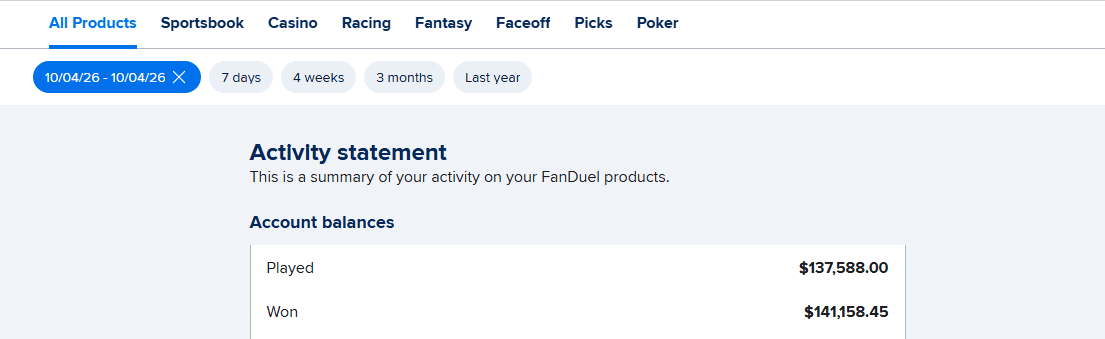
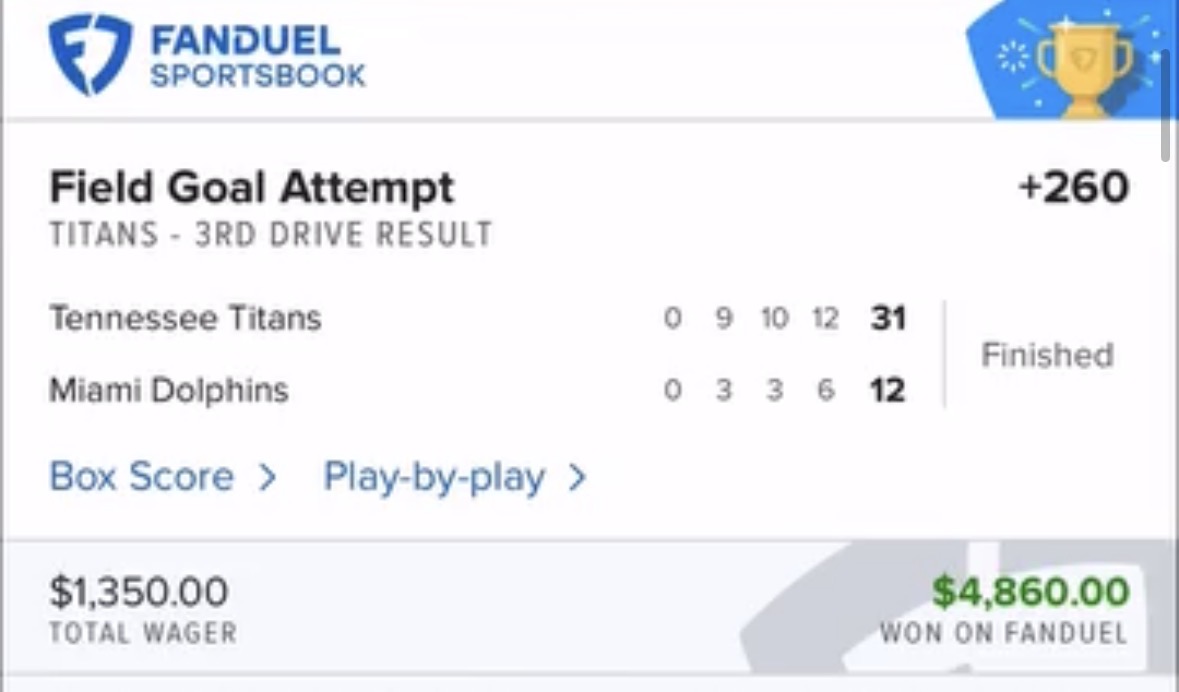
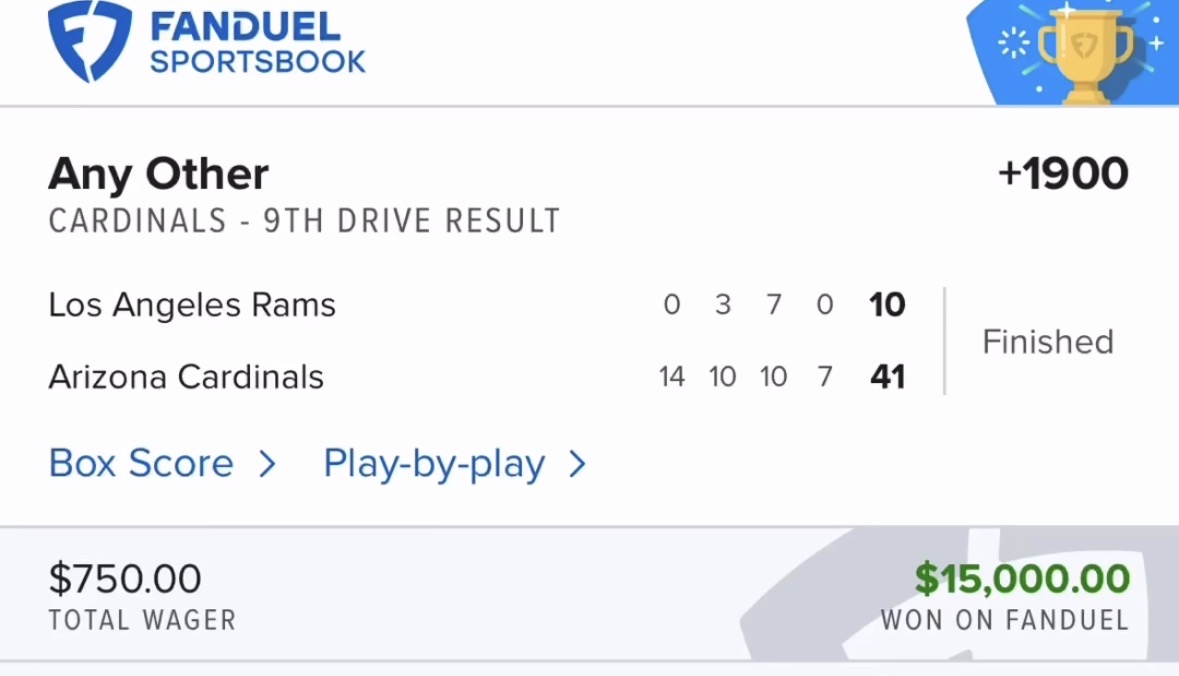
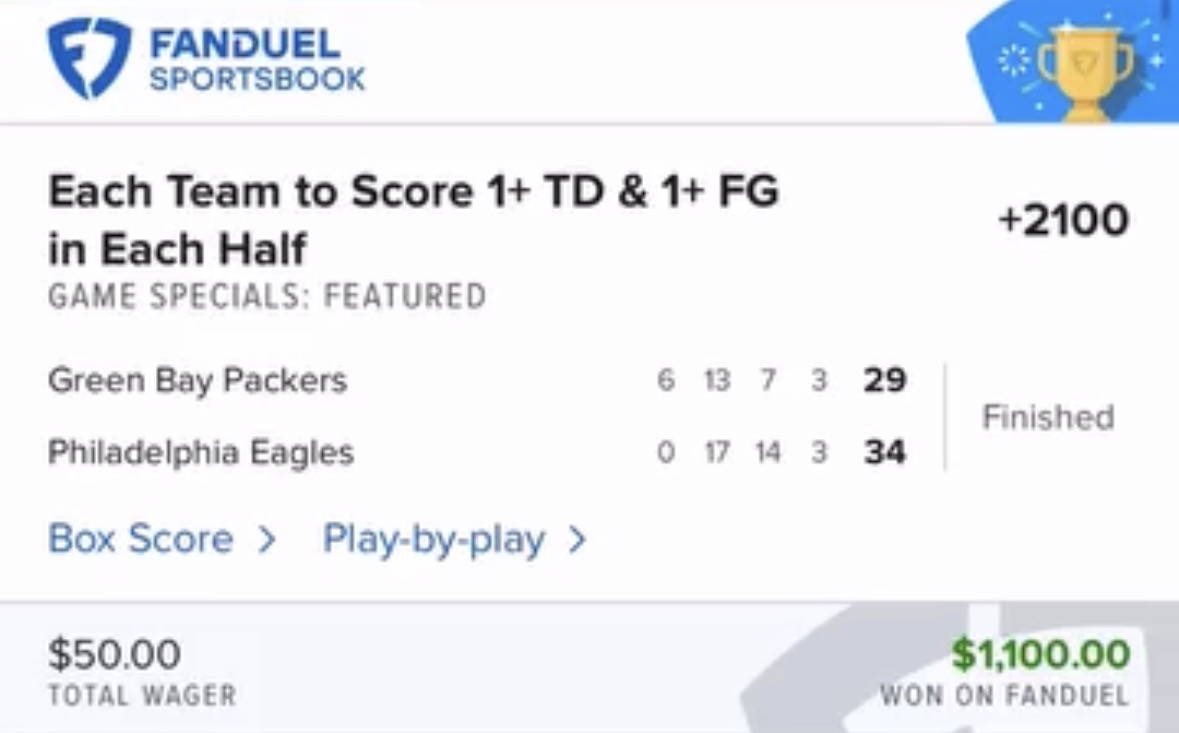
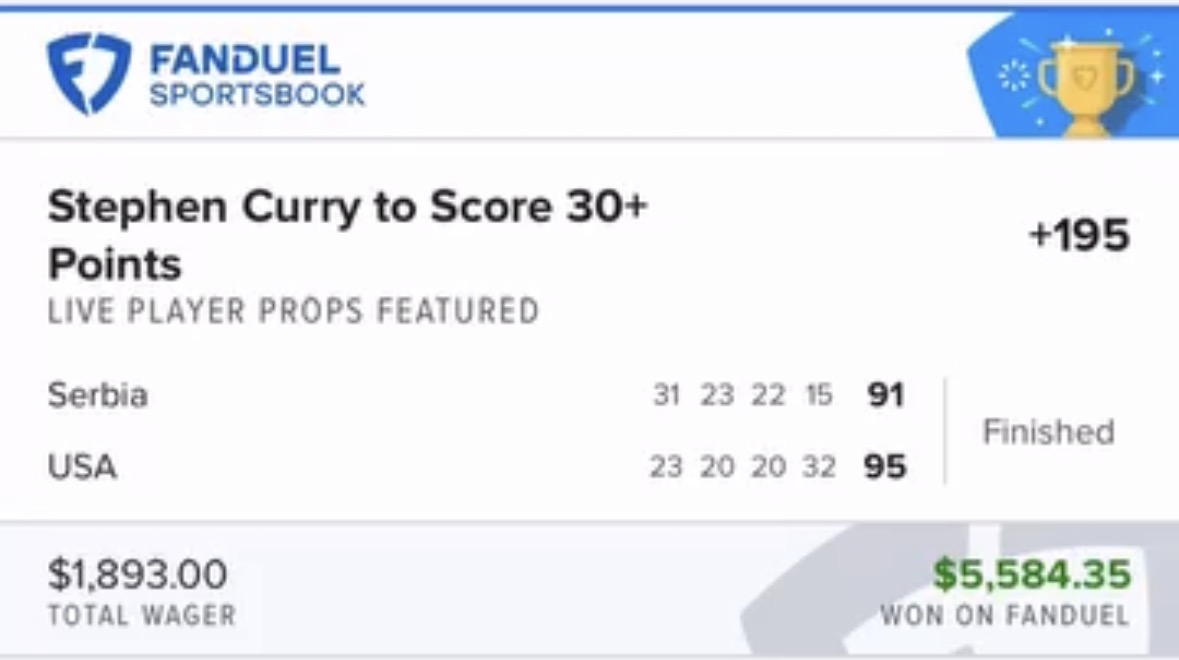
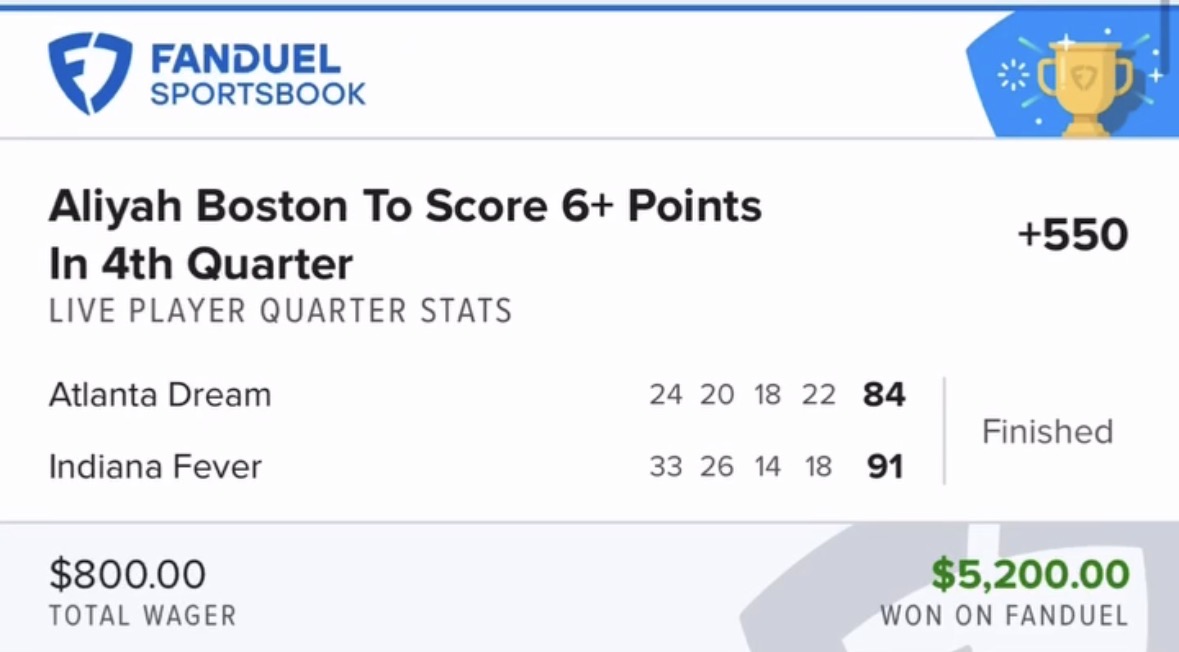
Yes — every major U.S. sportsbook will let you build a parlay that combines a game already in progress with a game that has not kicked off yet, and the slip will accept it without complaint. The problem is not whether the bet is allowed. The problem is that the two legs are not the same age. Your in-play leg is priced off everything that has happened in the last few minutes, which is exactly why it might be worth taking right now. Your pregame leg is priced off information that is still arriving and will keep arriving until kickoff, and putting it on the ticket at 1:45 for a 3:30 game forfeits every bit of it for nothing in return. At standard −110 pricing, committing that second leg early instead of at kickoff costs roughly seventeen dollars per hundred risked on a two-leg ticket. The Best Bet on Sports has run live in-game positions since 2005 for a verified $367,520+ in profit, and is limited on all six major U.S. sportsbooks (FanDuel, DraftKings, Caesars, BetMGM, Fanatics, ESPN BET) for winning too much during in-game action.
This comes up constantly on a football Saturday, because the schedule invites it. A noon game is in the third quarter and something on the board looks wrong. A 3:30 game you already had an opinion about is sitting there on the same app. The bet slip does not distinguish between them, so it feels natural to put them on one ticket.
It is worth understanding what you actually built when you do that.
What Happens Mechanically When You Add an In-Play Leg to a Pregame Slip
Nothing exotic. Because the two legs are in different games, the book treats the ticket as a traditional parlay: it converts each leg's American price to decimal, multiplies them together, and quotes you the product. There is no correlation model involved, which is the same arithmetic we walked through in how parlay payouts are calculated.
The in-play leg simply enters at whatever the in-game market is showing at the instant the wager is accepted. The pregame leg enters at the posted number. From the book's side it is one ticket with one settlement path, and it grades when the last game finishes.
So the mechanics are fine. The pricing is honest. What is not obvious from the slip is that you just made two decisions with completely different justifications and gave them the same timestamp.
Why the Two Legs Are Not the Same Age
An in-play price exists because a game is producing new information faster than a market can absorb it. A turnover happens, a starter limps off, a team goes to a hurry-up look it has not shown all day, and for some number of seconds the posted number reflects the game as it was rather than the game as it is. That gap is the entire reason to bet in play. The number has a reason to be taken right now, and the reason expires.
A pregame price is the opposite object. It has been forming for days, and it is not finished forming. Between an early Saturday afternoon and a late-afternoon kickoff, a pregame football number absorbs availability updates, weather, and the last wave of money — most of the day's total handle on that game arrives in the final hours before it starts. The number at 3:29 is meaningfully better informed than the number at 1:45.
Put those two objects on one ticket and you have frozen one at its most informed moment and the other at its least informed moment.
That asymmetry is the whole article. It is a different problem from the one that shows up when you try to combine two separate in-play plays, which is a sequencing issue we covered separately in should you parlay live betting picks. Here both legs are available simultaneously. Nothing forces you to take them at the same time — the slip just makes it easy to.
What Committing the Pregame Leg Early Actually Costs
Put a number on it, because the cost is not abstract.
Say you are building a two-leg ticket. The in-play leg is at −110 and has a genuine reason to be taken immediately. The 3:30 leg is also at −110 right now, and you believe the number will still be somewhere reasonable at kickoff — you just have no particular reason to think it moves your way.
Two ways to play it:
| Approach | Leg 1 (in-play) | Leg 2 (pregame) | Decimal multiplier | Return on $100 |
|---|---|---|---|---|
| Both legs taken now | 1.9091 | 1.9091 | 3.6446 | $364.46 |
| Live leg now, pregame leg at kickoff at −100 | 1.9091 | 2.0000 | 3.8182 | $381.82 |
| Live leg now, pregame leg at kickoff at −115 | 1.9091 | 1.8696 | 3.5692 | $356.92 |
The middle row is not a fantasy. Waiting until kickoff does not promise you a better price — the third row is the other branch, and it is just as real. That is precisely the point. You accepted a coin flip on line movement and the parlay paid you nothing for accepting it. The multiplier is identical whether the number was going to move toward you or away from you; you simply chose to find out after you were already committed rather than before.
The spread between those two branches is $24.90 per $100 risked, and the upside branch alone is worth $17.36. On a three-leg ticket where two legs are pregame, the same arithmetic runs from $695.84 to $763.64 — a $67.80 swing per hundred, because every leg you commit early compounds into the same multiplier.
Compare that to the in-play leg, where waiting is not neutral at all. Wait five minutes on a live number and it is frequently gone. That leg has a timing reason to exist. The pregame leg is riding along on a schedule that belongs to a different bet.
The Submission Window: Requotes, Suspensions, and Whole-Ticket Rejection
There is a second, more practical cost, and it lands at the moment you press the button.
In-play markets are not quoted continuously to you in the way pregame markets are. The book holds your wager for a short acceptance delay while it checks the price against the live feed. If the number has moved during that delay, you get a requote, and depending on your bet-slip settings the ticket either sits waiting for you to accept or is rejected outright. We covered what is happening on the book's side of that in what a rejected live bet and a requote actually mean.
On a single live wager that is an annoyance. On a mixed ticket it is worse, because the requote applies to the whole slip, not just the leg that moved. The pregame leg you were perfectly happy with gets re-priced along with everything else, and if the in-play market suspends entirely — a snap, a scoring play, an injury stoppage — the entire ticket dies, including a leg that was never in any danger.
You are also carrying the odds-change setting on your bet slip into a situation it was not really designed for. Set it to accept any change and you are agreeing to a repricing on a leg that can move several points in under a minute. Set it to reject changes and your ticket will frequently fail to place at all during exactly the windows worth betting.
When a Mixed Ticket Is Actually Defensible
There are two cases, and they are narrower than most people assume.
The pregame number is one you expect to disappear. If you believe the 3:30 line is stale and about to move against you — a total that has not yet responded to a weather forecast, a spread that has not adjusted to news that just landed — then taking it now is the whole point. You are not passively committing early. You are betting that the current number is better than the kickoff number will be, which is a real opinion with a real reason behind it.
The second game kicks off in minutes. If the age gap is five minutes rather than two hours, the cost described above shrinks toward zero, because there is very little remaining information for you to forfeit.
Outside those two cases, the honest answer is that the mixed ticket is a convenience feature, and you are paying for the convenience.
The Structure That Solves It
There is a version of this bet that does not have the problem, and it is not complicated: wait until the second game has started, then take both legs in play.
Now both legs carry current information. Neither one is riding a schedule set by the other. You have given up the pregame number, which will usually cost you something in price, and in exchange every leg on the ticket is being taken for the same reason at the same time — which is the only structure where a multi-leg live ticket makes sense. That is the same logic behind building a same-game parlay after kickoff rather than before it, and it is the core of why live entry produces an edge that pregame picks structurally cannot.
The general rule is short enough to remember at the bet slip: only put a leg on a ticket if that leg needs to be bet now. If the answer for the pregame leg is "not really, I just happened to be here," it does not belong on this ticket yet. Bet the live leg straight, come back at kickoff, and decide on the second game with the information you were about to throw away.
That discipline is unglamorous and it is worth real money over a football season. Our full framework for in-play tickets is in the live parlay strategy guide, and the broader case for treating the in-game market as the primary market rather than the leftover one runs through everything we do at live betting picks and parlay picks.
Get Tonight's Live Picks
Want tonight's live in-game football picks delivered to your phone via Email and Discord during the game?
The Best Bet on Sports is the only live betting handicapping service limited on all six major U.S. sportsbooks (FanDuel, DraftKings, Caesars, BetMGM, Fanatics, ESPN BET) for winning too much during in-game action. Verified profit: $367,520+. Picks delivered via Email and Discord during games.
→ Get tonight's live picks: $199 first month — 1-Unit package, full live betting access → Try a free live pick first — reserve your spot for tonight's pick
More coverage at buy sports picks, sports handicapping service, expert sports picks, football betting picks, football handicappers, and daily sports betting picks. Game-day boards are at today's picks, NFL picks, and college football picks.
Frequently Asked Questions
Can you parlay a game that has already started?
Yes. Every major U.S. sportsbook allows an in-play leg and a pregame leg on the same parlay, and because the legs are in different games the book prices the ticket as a traditional parlay — it converts each leg to decimal odds and multiplies them, with no correlation model applied. The ticket is accepted normally and grades when the last game finishes. The question worth asking is not whether the book permits it, but whether committing the pregame leg hours before kickoff is doing anything for you.
What happens if the live leg's price changes while you are placing the parlay?
The book holds your slip for a short acceptance delay while it verifies the in-play price against the live feed, and if the number has moved you get a requote or a rejection. On a mixed ticket that requote applies to the entire slip rather than just the leg that moved, so the pregame leg you were satisfied with gets re-priced too. If the in-play market suspends outright for a snap, a score, or an injury stoppage, the whole ticket fails, including legs that were never in danger.
Is a mixed live-and-pregame parlay priced differently than a regular parlay?
No. When the legs are in separate games the arithmetic is identical to any traditional parlay — the decimal prices multiply, and any difference between sportsbooks is inherited from the individual leg prices rather than from the ticket. Correlation models only enter the picture on same-game parlays. The in-play leg simply enters at whatever the in-game market shows at the moment of acceptance rather than at a posted pregame number.
Why is committing a pregame leg early a problem?
Because a pregame football number keeps improving right up to kickoff. Availability updates, weather, and the largest share of the day's money all arrive in the final hours before a game starts, so the number available at kickoff reflects meaningfully more information than the number available two hours earlier. Putting that leg on a ticket at 1:45 for a 3:30 game means accepting a coin flip on line movement, and the parlay multiplier pays you exactly the same whether the move goes toward you or away from you.
How much does committing the pregame leg early actually cost?
On a two-leg ticket where both legs are −110, the multiplier is 3.6446 and $100 returns $364.46. If waiting until kickoff would have gotten that second leg at −100, the multiplier becomes 3.8182 and the same $100 returns $381.82 — a difference of $17.36. If the number instead moves to −115, you return $356.92. The spread between those branches is $24.90 per $100 risked, and on a three-leg ticket with two pregame legs the same arithmetic runs from $695.84 to $763.64.
When does it make sense to mix a live leg with a pregame leg?
Two cases. The first is when you believe the pregame number is stale and about to move against you, in which case taking it now is an actual opinion rather than passive early commitment. The second is when the second game kicks off within a few minutes, so there is very little remaining information to forfeit. Outside those situations the mixed ticket is a convenience feature and the convenience has a price.
What is the better structure for a multi-leg live ticket?
Wait until the second game has started and take both legs in play. Every leg then carries current information and none of them is riding a schedule that belongs to a different bet. You give up the pregame price, which usually costs something, and in return the whole ticket is being taken for the same reason at the same time. The practical rule at the bet slip is that a leg belongs on the ticket only if that leg needs to be bet right now.
The Best Bet on Sports · 1.5M followers on TikTok
Sports Betting TikTok is the live betting account behind The Best Bet on Sports, covering NFL, NCAAF, NBA, NCAAB, MLB and WNBA markets in real time. The account has been limited on all six major U.S. sportsbooks — FanDuel, DraftKings, Caesars, BetMGM, Fanatics and ESPN BET — for winning on live betting, with $367,520 in verified profit since 2005. View full profile →
Past results do not guarantee future performance. Must be 21 or older to wager.
Related Articles
College Football Round Robin Strategy: The 3-of-5 Line
Your Parlay Leg Moved After You Bet It. Here's What That's Worth.
First Half Over, Game Under: The Parlay That Fights Itself
Lead at Halftime and Win: What That NFL Parlay Pays
The Last Two Minutes Kill More Parlays Than Bad Picks Do
You Hit a Big Parlay: How Long Will You Keep It?
Get real live betting picks
From $39.95/mo · Cancel anytime · Email + Discord delivery
● Get The Picks
Choose your package
Tap any tier below to select · Subscribe in one tap
👇 Tap any package to select it
✓ You're selecting
25 Units · $99.95/month
25 unit picks per month. Sweet spot for most bettors — plenty of action without going all-in.
- ✓25 live betting selections/month
- ✓Email + Discord delivery
- ✓All sports (NFL, NCAAF, NBA, NCAAB, MLB)
- ✓Mix of 1, 2, 3, 5-unit rated plays
- ✓Cancel anytime
Secure PayPal · Cancel anytime · No hidden fees · 21+ · +$367K verified
+$367,520 verified · Limited on 6 sportsbooks · 20 years documented · See Proof
Join Our Newsletter
Get free expert sports picks and analysis delivered weekly.