Can You Split a Sports Pick Subscription With Friends?

Splitting a sports pick subscription with friends looks like obvious math — $199 divided three ways is about $66 each — but in practice it breaks the two things that make a subscription profitable: the speed of the picks and the accountability of the results. Relayed picks arrive late at worse numbers, one person becomes an unaccountable middleman, and most services prohibit sharing outright. Here is the honest breakdown of what splitting saves versus what it quietly costs.
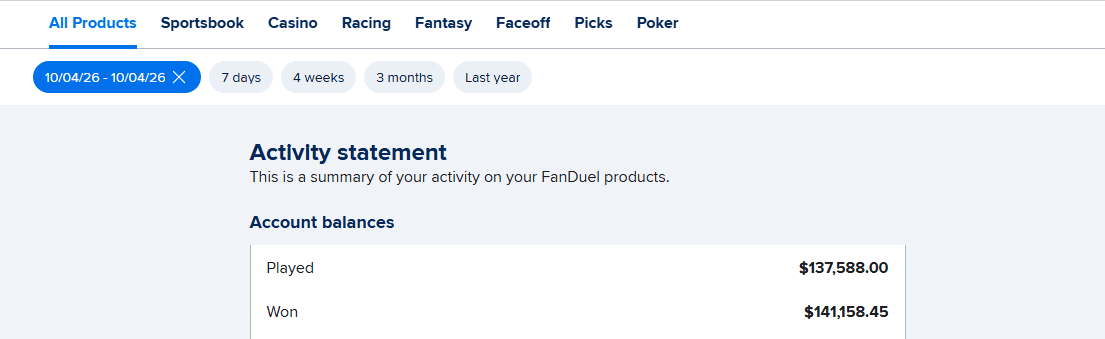
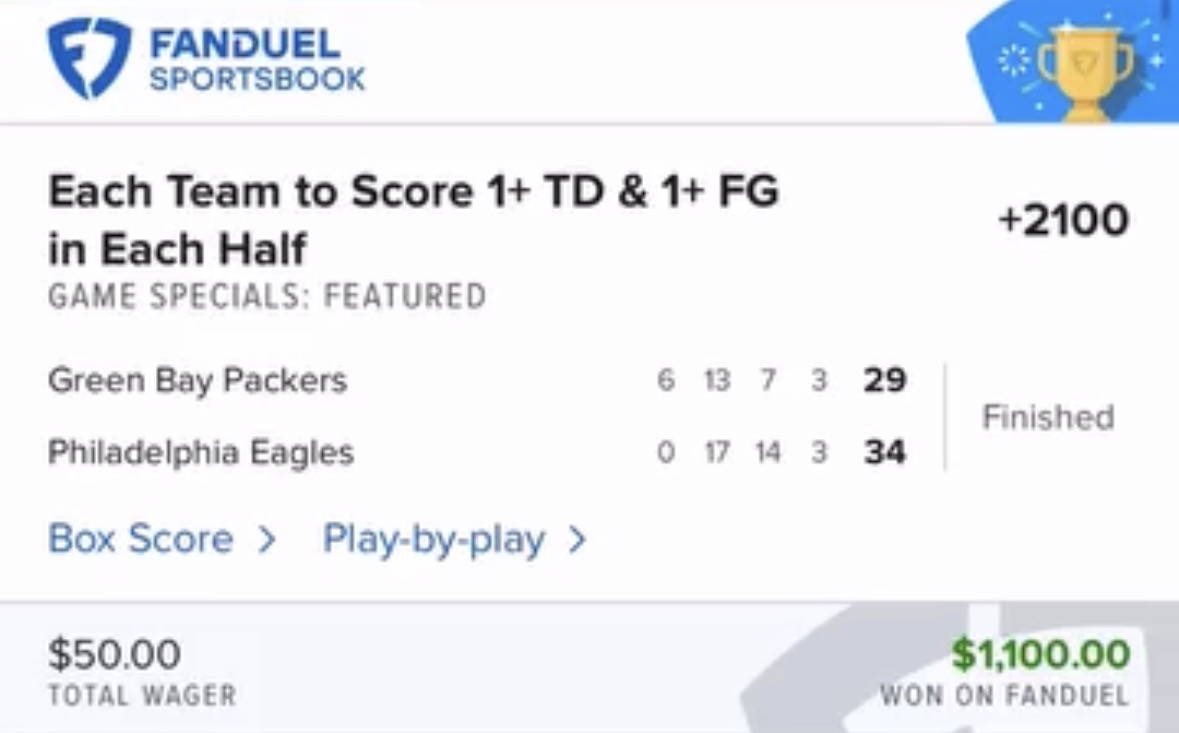
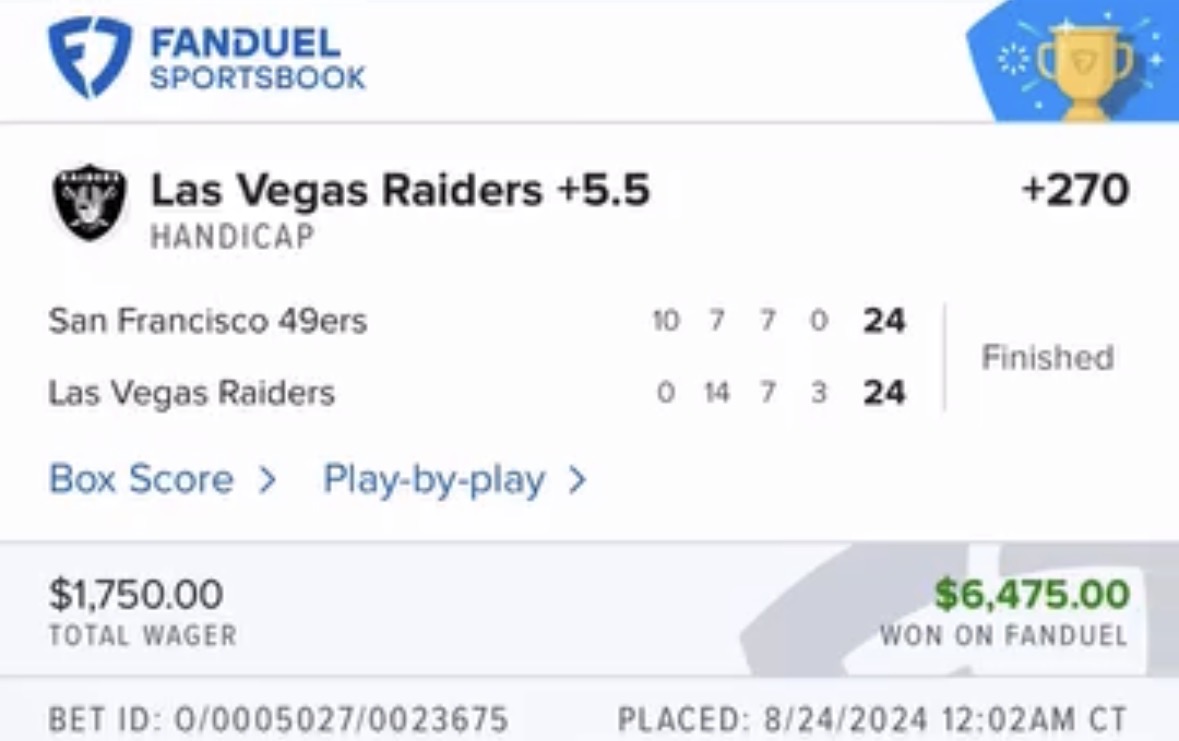
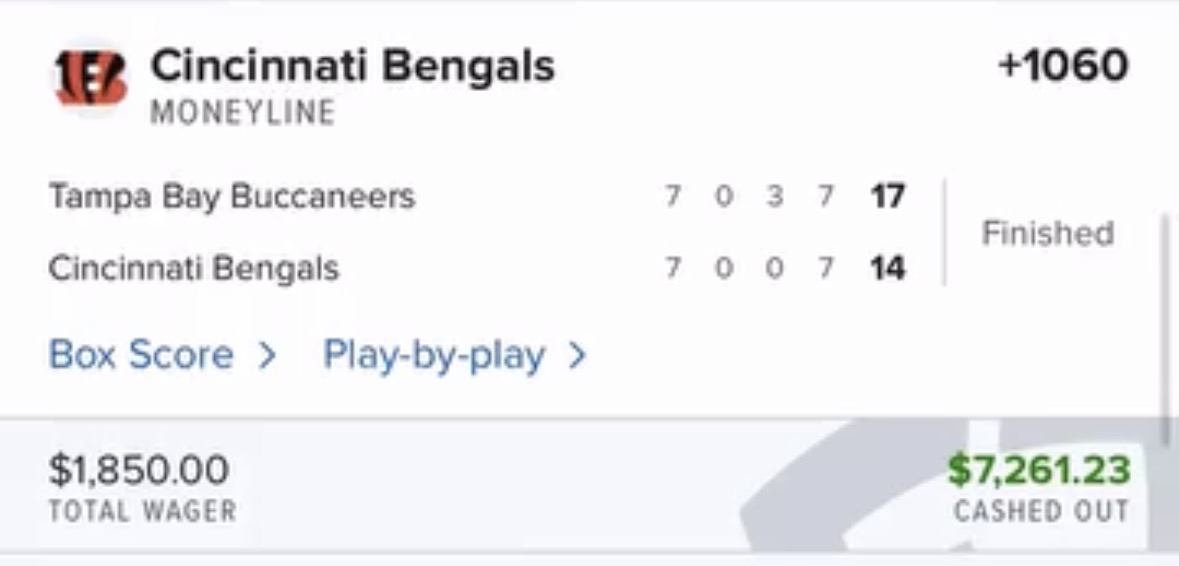
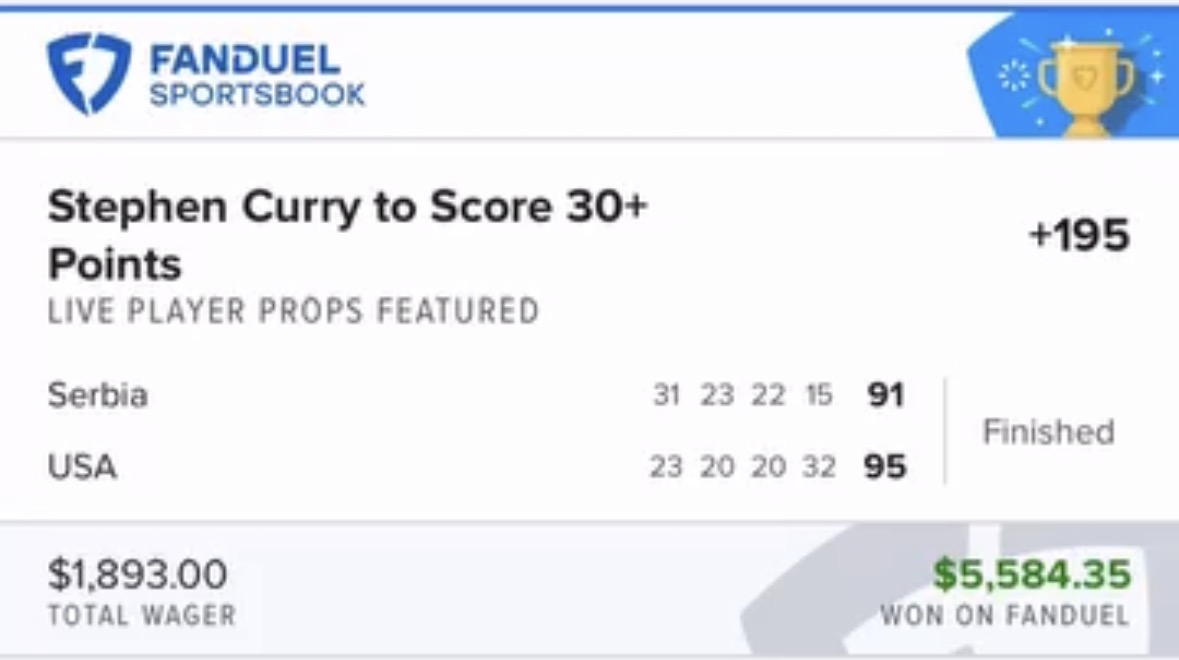
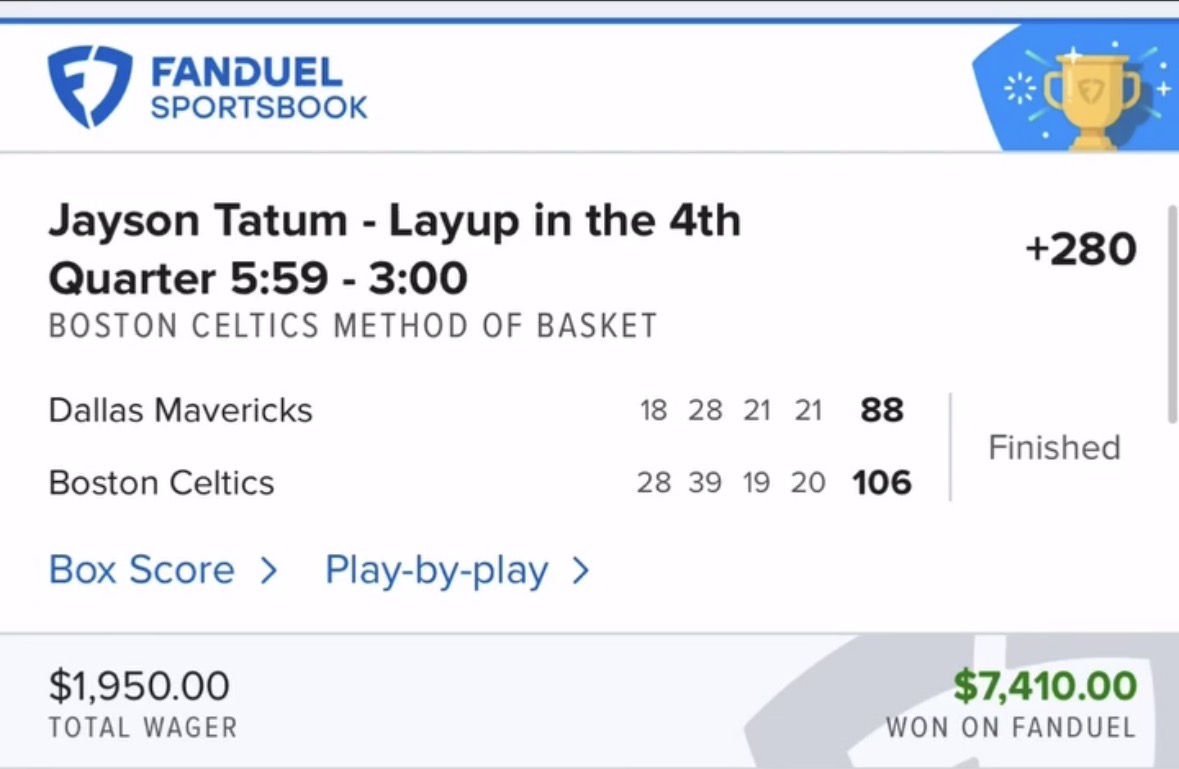
Splitting a pick subscription with friends looks like the smartest money move in sports betting — $199 divided three ways is about $66 a head — but in practice it breaks the two things that make a subscription worth anything: the speed of the picks and your ability to know whether the service is actually winning for you. The relay lag alone can turn a profitable live pick into a losing one, the friend running the account becomes an unaccountable middleman, and nearly every legitimate service prohibits sharing in its terms. The Best Bet on Sports has built a verified $367,520+ profit over more than twenty years — enough winning that all six major U.S. sportsbooks limit our accounts — and that edge was built on getting the right number at the right second, which is precisely what a shared subscription destroys. Here is the honest math.
If you and two buddies are talking about going in together on a sports picks service, this is the guide to read before anyone sends a payment. Not because splitting is against the rules (though it usually is), but because the discount is smaller than it looks and the hidden costs land on the exact people trying to save money.
Why Splitting Looks Smart — and What It Actually Saves
The surface math is real: three people sharing one $199 subscription pay about $66 each. Over a year at the regular $299 monthly rate, that is nearly $1,200 saved per person versus everyone subscribing individually. Nobody should pretend that is nothing — for a bettor working with a modest bankroll, it is a genuinely tempting number.
But the number you are saving is the subscription cost, and the number you are risking is your betting results — and those are not the same order of magnitude. A bettor placing $50-$100 live bets several nights a week has far more money moving through their sportsbook account each month than through the subscription. A sharing arrangement that saves you $133 a month while costing you a half-point of value on every relayed pick is a terrible trade, and that is the trade most groups unknowingly make. This is the same category error covered in the hidden costs of cheap picks services: optimizing the smallest line item in your betting operation while leaking money through the largest one.
The Relay Problem: Shared Picks Arrive Late
Here is the mechanical failure. In a split arrangement, one person holds the account and receives the picks; everyone else gets them second-hand — a screenshot to the group chat, a forwarded text, a "yo, bet this" ten minutes later. For a pre-game pick, that lag might cost you a bit of line movement. For live picks, it is fatal. Live betting value exists in a window measured in seconds to a couple of minutes — the market reprices constantly during the game, and whether you can even place the pick in time is already the tightest constraint in the entire model when the alert comes to you directly.
Now add a relay hop. The account holder sees the alert, bets it, then forwards it. By the time friend two and friend three tap their apps, the number that made the pick valuable is gone — the market moved, the window closed, and they are betting a worse price than the one the service actually recommended. The result: the account holder gets roughly the service's real performance, and everyone downstream gets a systematically degraded copy of it. That degradation is invisible in the group chat, which is why it produces so many unfair verdicts about sports handicappers that were never actually tested. Same picks, same service, different results — purely from timing. Understanding how live picks are delivered makes it obvious why the delivery is per-person by design: Email and Discord alerts exist so every subscriber is inside the window, not waiting on a group chat.
The Accountability Problem: Nobody Can Evaluate the Service
The second failure is quieter but just as expensive. When three people share one account, nobody has a clean sample. The account holder bets the real numbers; the others bet late numbers; everyone skips different picks based on their own schedule and nerve. Three months in, one friend is up, one is flat, one is down — and the group cannot agree on whether the service works, because none of them is actually measuring the same thing. That destroys the single most important discipline in using any service: reading the track record against your own results over a real sample. If your results cannot be compared to the published record because every pick reached you late, you have no way to distinguish a bad service from a bad arrangement — and no fair basis for the "should we cancel?" argument the group will inevitably have.
Here is the trade-off in one table:
| What splitting three ways saves | What it quietly costs |
|---|---|
| ~$133/month per person on the subscription | Worse numbers on every relayed pick, every night |
| One shared login to manage | Two of three people betting outside the value window |
| Lower barrier to "just trying it" | No clean sample — nobody can tell if the service works |
| Feels lower-risk | Terms-of-service violation risks losing access entirely |
| — | Group-chat discipline replaces personal bankroll discipline |
The Rules Problem: Sharing Usually Violates the Terms
The unglamorous part: nearly every legitimate pick service — ours included — sells subscriptions per person, and sharing credentials or redistributing picks violates the terms of service. That is not arbitrary. A service's picks are its product; redistribution is the one thing every paid-content business has to prohibit to exist. Services enforce it because mass-shared picks also move the market faster, which damages the numbers for every paying subscriber. Practically, this means the arrangement your group builds its betting around can be shut down without notice — and a group that just lost its shared login mid-season is worse off than a person who never subscribed. A service that is winning enough to get limited by the sportsbooks has every incentive to protect the tightness of its distribution; the ones that look the other way on sharing are usually the ones whose picks were not moving anything anyway — a distinction that matters when you are sorting real services from touts.
What the $66 Instinct Is Really Telling You
If $199 feels like it needs to be split three ways to be affordable, that is worth listening to — but the message is about bankroll, not subscriptions. A subscription only makes sense when your betting volume is large enough that a real edge on your bets outearns the fee, which is the entire calculation behind how long a service takes to pay for itself. If your bankroll is small enough that $199 is a strain, the disciplined answer is to right-size the whole operation first — bankroll management for $100-to-$500 bettors lays out what stakes your roll actually supports — and treat the subscription decision honestly: either it earns its fee on your volume or it does not. Splitting does not fix that math; it just hides it, while degrading the product for two of the three people paying.
There is also a legitimate version of the group instinct: friends who each hold their own subscription and sweat the same picks together. That preserves per-person delivery, clean samples, and everyone's standing with the service — the group chat becomes the fun part instead of the delivery mechanism. What does not work is one login pretending to be three. And if the group genuinely cannot justify three subscriptions, the honest move is for each person to run the worth-it evaluation on their own numbers — starting with which package actually fits their betting volume — rather than committing to a shared arrangement that gives all three a distorted answer.
The Bottom Line on Splitting a Subscription
You can try to split a pick subscription, but you should not — the discount is real and small, the damage is hidden and large. Relayed picks arrive after the value window closes, shared accounts make honest evaluation impossible, and the arrangement violates the terms of nearly every service worth paying for. The $66 math only works if the picks were equally valuable at any speed, and in live betting they are emphatically not. Subscribe alone at a size your bankroll supports, measure your own results against the published record over a real sample, and let the group chat be for celebrating the wins — not delivering the picks late. Everything we send — what the $199 service actually delivers — is built around per-person, real-time delivery, and our full record is graded on the results page.
Get Tonight's Live Picks
Want tonight's live in-game picks delivered to your phone — directly, in real time, not relayed through a group chat — via Email and Discord during the game?
The Best Bet on Sports is the only live betting handicapping service limited on all six major U.S. sportsbooks (FanDuel, DraftKings, Caesars, BetMGM, Fanatics, ESPN BET) for winning too much during in-game action. Verified profit: $367,520+. Picks delivered via Email and Discord during games.
→ Get tonight's live picks: $199 first month — 1-Unit package, full live betting access → Try a free live pick first — reserve your spot for tonight's pick
Frequently Asked Questions
Can you share a sports pick subscription with friends?
Technically people try, but nearly every legitimate service prohibits it in its terms — subscriptions are sold per person, and sharing credentials or redistributing picks can get the account closed without notice. Beyond the rules, sharing degrades the product itself: only the account holder receives picks in real time, and everyone downstream bets late, at worse numbers than the service actually recommended.
How much does splitting a pick subscription actually save?
Three people splitting a $199 first-month subscription pay about $66 each, and around $100 each at the regular $299 rate — a real saving on paper. But the saving is on the smallest line item in a bettor's operation. If relayed, late-arriving picks cost each downstream bettor even a small amount of line value per bet, the monthly damage across normal betting volume exceeds the subscription discount, usually by a wide margin.
Why do shared picks perform worse for everyone except the account holder?
Because of relay lag. Live betting picks are valuable inside a window measured in seconds to a couple of minutes — the in-game market reprices constantly. The account holder gets the alert directly and can bet the recommended number; everyone waiting on a forwarded screenshot bets after the market has moved. Same service, same picks, but the downstream bettors systematically get worse prices, which compounds into meaningfully worse results over a season.
Does splitting a subscription make it harder to know if a service works?
Yes, and this is the most underrated cost. Evaluating a service requires comparing your own results to its published record over a real sample of plays. In a shared arrangement, each person bets different numbers at different times and skips different picks, so nobody's results cleanly reflect the service's actual performance. The group ends up arguing about whether to cancel based on three distorted samples instead of one honest one.
Is it against the rules to split a picks service?
Almost always. Paid pick services sell per-person access, and their terms prohibit credential sharing and redistribution — the picks are the product, and uncontrolled redistribution both undercuts the business and moves betting markets faster, hurting every paying subscriber. A shared arrangement can lose its access without warning, which leaves the whole group stranded mid-season.
What should a group of friends do instead of sharing one account?
Each hold their own subscription and sweat the picks together — that keeps per-person real-time delivery, gives everyone a clean sample to evaluate, and keeps everyone in good standing. If three subscriptions genuinely are not justifiable, that is useful information: it means each person should run the worth-it math on their own betting volume first, and size their bankroll and package choice honestly rather than papering over the gap with a shared login.
If $199 a month feels too expensive, is splitting the answer?
No — the feeling is telling you something about bankroll, not about the subscription. A pick service earns its fee when your betting volume is large enough that the edge on your bets outearns the cost. If $199 strains the budget, the disciplined moves are right-sizing your stakes to your actual bankroll and choosing the package that matches your volume, not degrading the product three ways. Splitting hides the affordability problem; it does not solve it.
The Best Bet on Sports · 1.5M followers on TikTok
Sports Betting TikTok is the live betting account behind The Best Bet on Sports, covering NFL, NCAAF, NBA, NCAAB, MLB and WNBA markets in real time. The account has been limited on all six major U.S. sportsbooks — FanDuel, DraftKings, Caesars, BetMGM, Fanatics and ESPN BET — for winning on live betting, with $367,520 in verified profit since 2005. View full profile →
Past results do not guarantee future performance. Must be 21 or older to wager.
Related Articles
Do You Have to Bet Every Pick a Service Sends?
Should You Quit a Pick Service After a Losing Week?
Round Robin vs Parlay: Which Is Actually Better?
Why No Honest Pick Service Offers a Money-Back Guarantee
Do You Need to Watch the Game to Follow Live Betting Picks?
Does a Pick Service Stop You From Learning to Bet?
Get real live betting picks
From $39.95/mo · Cancel anytime · Email + Discord delivery
● Get The Picks
Choose your package
Tap any tier below to select · Subscribe in one tap
👇 Tap any package to select it
✓ You're selecting
25 Units · $99.95/month
25 unit picks per month. Sweet spot for most bettors — plenty of action without going all-in.
- ✓25 live betting selections/month
- ✓Email + Discord delivery
- ✓All sports (NFL, NCAAF, NBA, NCAAB, MLB)
- ✓Mix of 1, 2, 3, 5-unit rated plays
- ✓Cancel anytime
Secure PayPal · Cancel anytime · No hidden fees · 21+ · +$367K verified
+$367,520 verified · Limited on 6 sportsbooks · 20 years documented · See Proof
Join Our Newsletter
Get free expert sports picks and analysis delivered weekly.