NFL Preseason Parlay Strategy: Why August Football Breaks the Math

Preseason NFL parlays fail for a reason that has nothing to do with handicapping: you are pricing legs on rosters that will not play the snaps you are betting on. Playing-time uncertainty, not team quality, is the dominant variable in August football. Here is how to adjust leg count, market selection, and timing so preseason parlays are built on information you actually have.
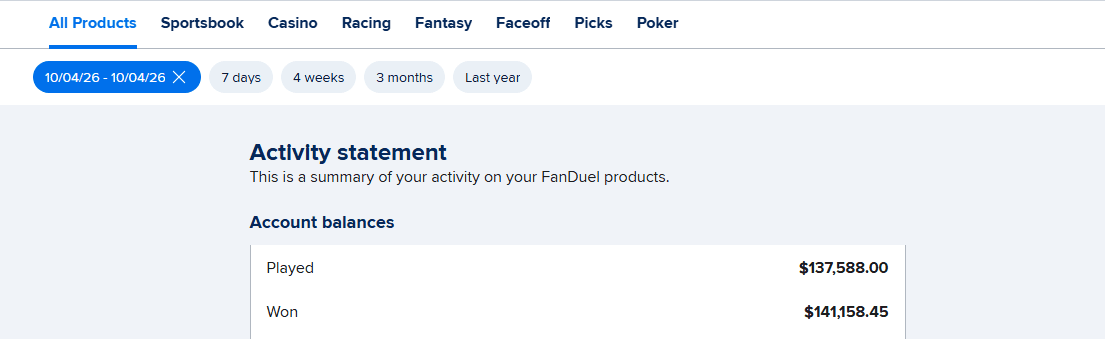
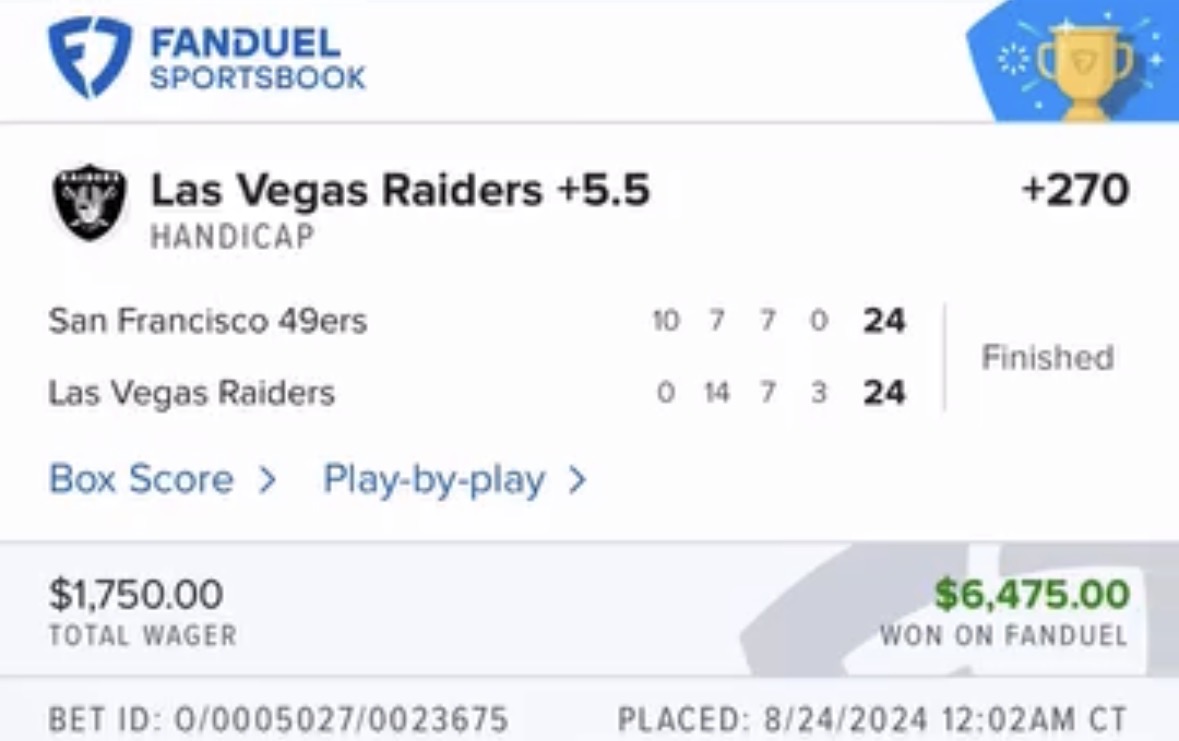
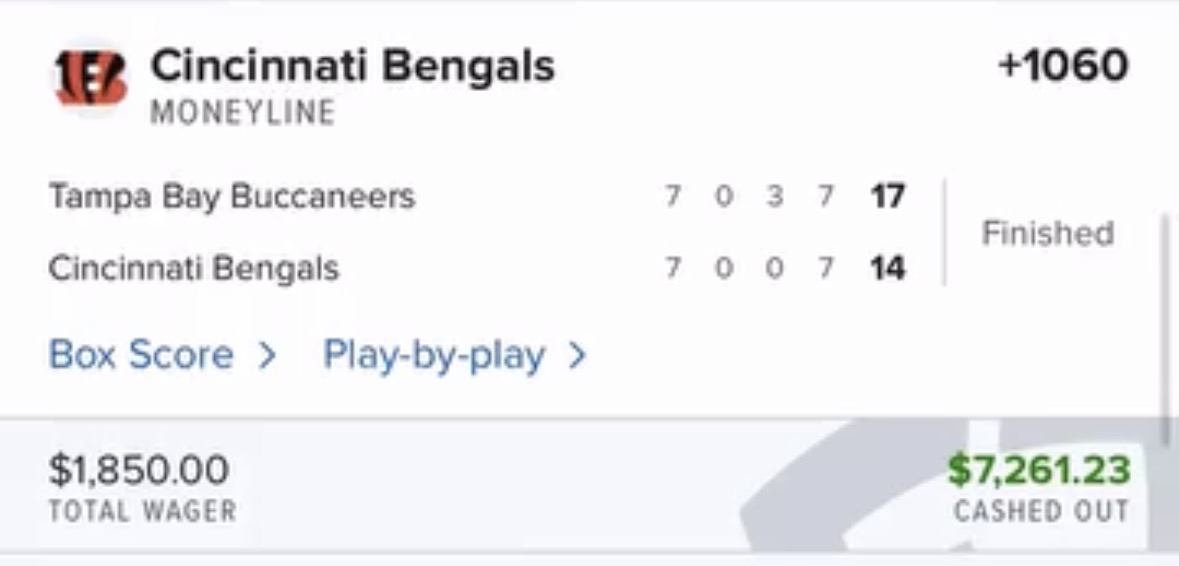
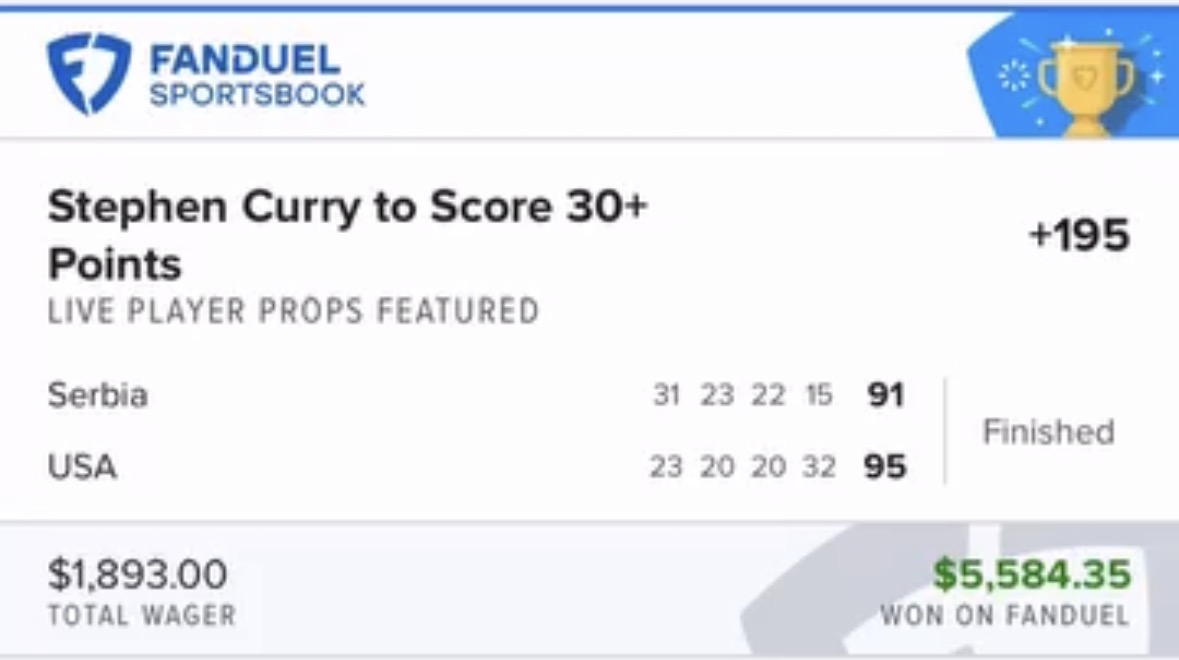
Preseason NFL parlays lose at a higher rate than regular-season parlays, and the reason is not that bettors handicap August football poorly — it is that they handicap the wrong thing entirely. In the regular season, a parlay leg is a bet on which team is better. In the preseason, it is a bet on how long each team's coaching staff decides to play people who will be on the roster in September, and that decision is usually not announced until the day of the game. The Best Bet on Sports has built a verified profit of $367,520+ across more than twenty years — enough sustained winning that all six major U.S. sportsbooks have limited our accounts — and preseason is the stretch of the calendar where we cut ticket size the hardest. Not because there is no edge in August. Because the edge lives after kickoff, not before it.
With the 2026 Hall of Fame Game set for August 6 and the rest of the preseason slate starting August 13, this is the window where a lot of bettors get impatient after a long summer and start stacking football legs again. This is how to do it without donating.
Why Do Preseason Parlays Fail More Often Than Regular-Season Parlays?
A parlay multiplies your correlated exposure to whatever variable dominates the outcome. In the regular season, that variable is roughly "which roster is better," which is a thing you can research — and it is the foundation our NFL picks are built on once the games start counting. In the preseason, the dominant variable is playing-time allocation, and it has three properties that are brutal for multi-leg tickets:
It is decided privately. A head coach's plan for how many series the starters take is an internal decision. Some staffs announce it during the week. Many say nothing until warmups, and some change their minds when a starter tweaks something in Thursday's practice.
It varies wildly between teams. One staff plays its projected Week 1 offense for a quarter of the second preseason game. Another plays them for zero snaps all August. Both are defensible coaching decisions. They produce completely different games.
It is uncorrelated with team quality. The better team frequently plays fewer starters, because the better team has less to evaluate. This is the part that trips up bettors importing regular-season instincts: in August, the roster you would bet on is often the roster that sits.
Stack four legs on top of that and you have not built a four-leg parlay on football. You have built a four-leg parlay on four separate coaching staffs' unannounced snap plans. That is why most parlays lose even when the reasoning behind each individual leg sounds fine.
How Many Legs Should a Preseason Parlay Have?
Fewer than you would run in the regular season. Our working rule during August is two legs, occasionally three, and effectively never more.
The logic is the same one that governs any unstable-input environment. Each leg carries both handicapping risk and information risk. In the regular season, information risk is small — you know who is playing, because inactives are published and the participation question is mostly settled. In the preseason, information risk is the larger of the two, and it compounds multiplicatively across legs exactly the way the payout does.
| Factor | Regular season leg | Preseason leg |
|---|---|---|
| Do you know who plays? | Largely yes | Frequently not until kickoff |
| Dominant outcome variable | Team quality | Playing-time allocation |
| Does motivation align with winning? | Yes | Not reliably — evaluation is the goal |
| Value of pre-game research | High | Moderate at best |
| Value of in-game observation | High | Very high |
| Sensible leg count | 2-4 depending on approach | 2, occasionally 3 |
If you want the general framework for sizing a ticket, how many legs a parlay should have covers the math in the normal case. Preseason is that math with a much larger uncertainty term, so the answer moves down.
There is a structural alternative worth knowing here. When your inputs are unstable but you still want multiple positions, a round robin rather than a straight parlay lets one bad leg cost you part of the ticket instead of all of it. That trade — lower ceiling, meaningfully better survival rate — is close to correct for August. It is the same adjustment that applies during the MLB trade deadline stretch, and for the same underlying reason: when you cannot trust the roster inputs, you want a structure that tolerates being wrong once.
Which Preseason Markets Are Actually Bettable?
Not all preseason markets carry the same playing-time risk. Ranked roughly from most to least exposed:
Player props — highest risk. A prop on a specific player is a direct bet on that player's snap count, which is the one thing you are least able to verify. A quarterback prop is a bet that a coach plays a quarterback. In August, that is a coin flip dressed up as an over/under.
Full-game totals — high risk. A preseason total is an aggregate bet on how many of the eventual second- and third-string units play, and how quickly the game deteriorates into a scrimmage. These numbers are set with wide uncertainty and are among the softest lines on the board — but soft is not the same as beatable, because you are just as blind as the book is.
Sides and spreads — moderate risk. Still exposed to playing time, but at least you are betting on a comparison of two unknowns rather than on a single unknown in isolation. If you are building preseason legs at all, this is where they belong.
Team totals — moderate risk, better shape. A team total isolates one team's playing-time decision instead of compounding two. If you can get reliable reporting on one team's plan and not the other's, betting the side you have information on is strictly better than betting the game.
In-game markets — lowest risk, by a wide margin. Once the game kicks off, the single largest unknown resolves itself. You can see who is on the field.
That last line is the entire preseason thesis. The information you need to price an August football game becomes available approximately fifteen minutes after the market has already committed to a number. That gap is the opportunity.
Why Is Live Betting the Right Structure for Preseason Football?
Consider how a normal preseason game actually unfolds. The total opens at some number built on assumptions about starter usage. The game kicks off. Within a series or two, you know something the pre-game market did not: whether the starting offense is out there, whether the backup quarterback took the first snap, whether the staff is treating this as a real evaluation or a glorified walkthrough.
At that moment the market has to reprice with the same new information you just got — but the number does not always move as far as the reality warrants, particularly in a market with thin liquidity and light attention. Preseason live markets are watched by fewer sharp bettors than a Week 8 game, and the repricing is correspondingly less efficient.
This is the general case for live betting over pre-game betting, and the preseason is its cleanest illustration. In September, the pre-game number is sharp because thousands of serious bettors have priced it. In August, the pre-game number is a guess about coaching decisions, and the post-kickoff number is a partially-updated guess. The distance between those two things is where the money is.
The practical translation for parlay builders: if you want multi-leg preseason exposure, build it live. Wait for the opening series of each game, confirm the playing-time picture, and then construct a two-leg ticket out of games where you have actually seen the field. You will get worse prices than the pre-game number offered. You will also be betting on football instead of on a snap-count rumor.
What Should You Actually Watch For in August?
A few things carry real signal into the regular season, and they are worth tracking whether or not you bet the preseason games themselves:
Offensive line configuration. Line combinations get shuffled in camp — Detroit's tackle arrangement is a live question this summer — and continuity along the line is one of the few preseason observations that reliably matters in September.
Quarterback competitions with actual stakes. The 2026 camp slate has several genuine ones: Minnesota, Atlanta, Cleveland, and Las Vegas all opened camp without a settled starter. Those teams have a reason to play quarterbacks meaningful snaps, which makes their preseason games less useless than most.
Injury returns. Players working back from significant injuries are on their own timelines, and how a staff manages August reps is informative about Week 1 availability — which is what season win totals are actually priced on.
Joint practices. The joint-practice window runs August 11-27. Reporting out of joint practices is frequently more informative than the preseason games themselves, because starters participate in joint practices at a rate they do not participate in games.
None of that is a betting angle on its own. All of it makes you less blind when the regular season arrives, which is when preseason preparation pays.
How Does Preseason Fit Into a Full-Season Approach?
Honestly? It is a small part of it. August football is a low-stakes environment with soft numbers and terrible information, and the correct posture is smaller tickets, fewer legs, and patience. The bettors who get hurt in the preseason are the ones treating it as the season starting early rather than as the on-ramp it actually is.
Where August genuinely earns its keep is preparation. It is the best month of the year to get your execution mechanics working — notifications configured, stake sizing settled, the muscle memory of placing an in-game bet inside a short window — before NFL Weeks 1 through 4 arrive with your largest stakes of the year. Whatever unit framework you run, the bankroll structure should be set before September, not during it.
And if you are going to build same-game NFL parlays once the real season starts, August is when you learn how the correlations behave without paying full price for the lesson.
Get Tonight's Live Picks
Want tonight's live in-game parlay legs and picks delivered to your phone via Email and Discord during the game?
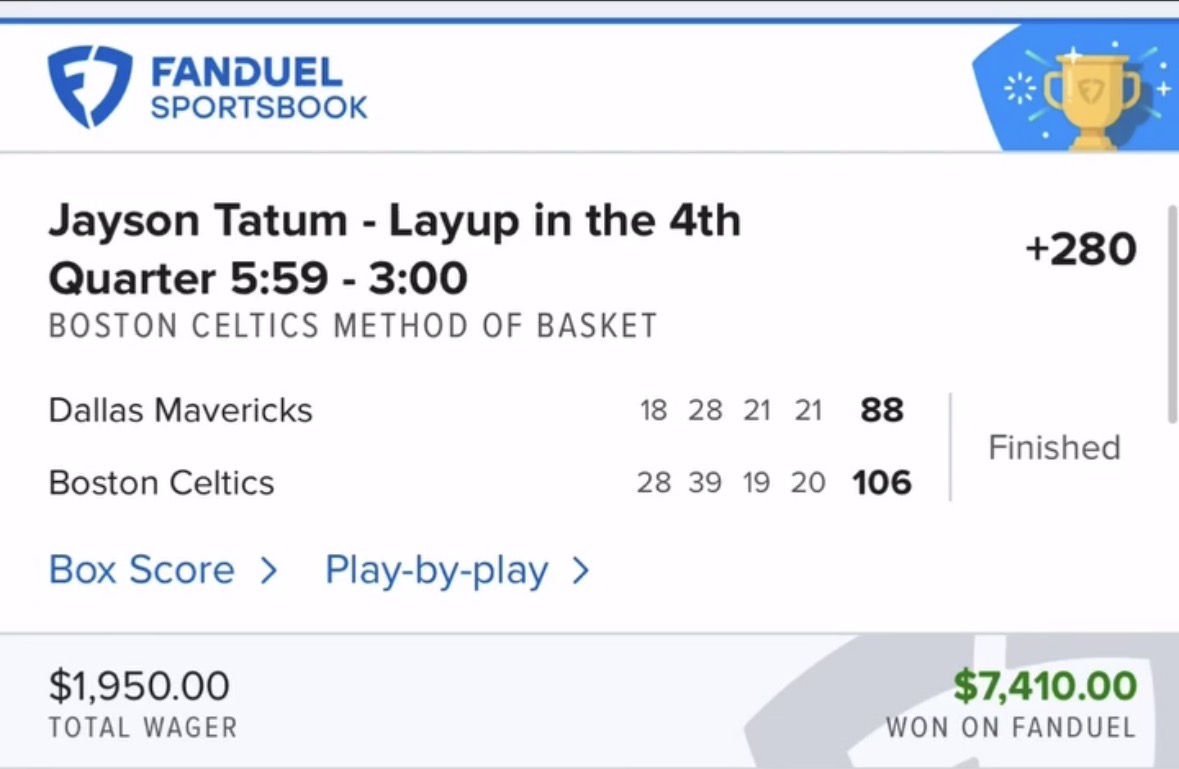
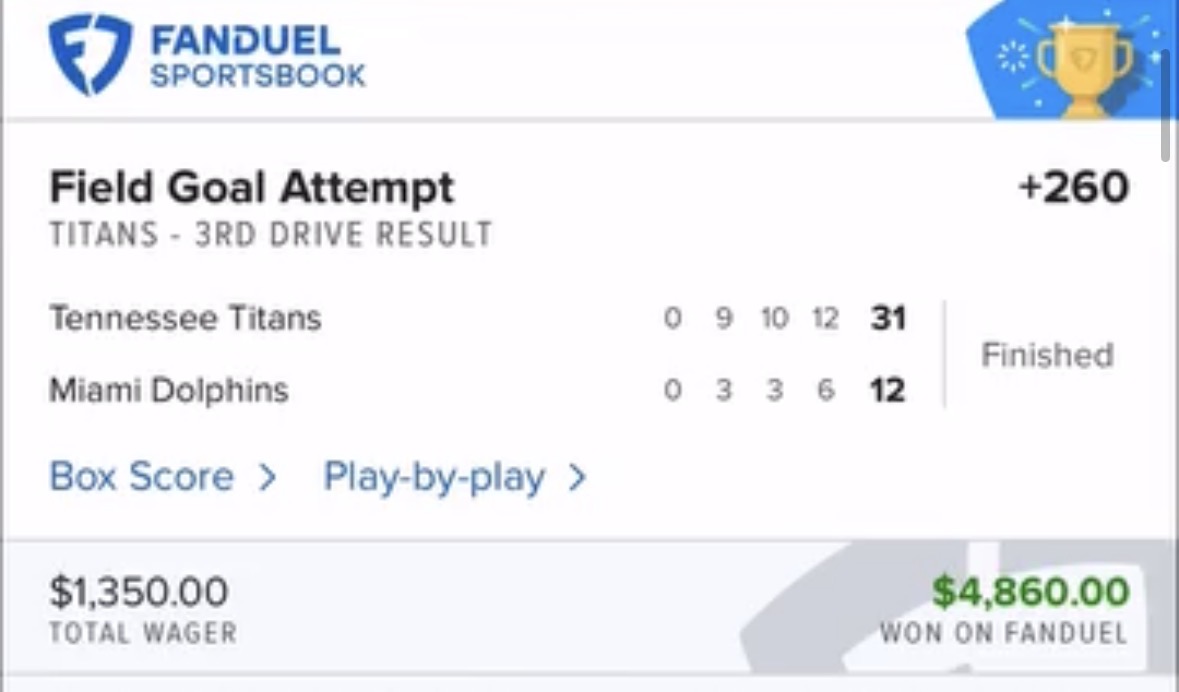
The Best Bet on Sports is the only live betting handicapping service limited on all six major U.S. sportsbooks (FanDuel, DraftKings, Caesars, BetMGM, Fanatics, ESPN BET) for winning too much during in-game action. Verified profit: $367,520+. Picks delivered via Email and Discord during games.
→ Get tonight's live picks: $199 first month — 1-Unit package, full live betting access → Try a free live pick first — reserve your spot for tonight's pick
Frequently Asked Questions
Should you bet NFL preseason parlays at all?
You can, but with fewer legs and smaller stakes than you would use in the regular season. The dominant variable in a preseason game is how long each coaching staff plays players who matter, and that decision is usually unannounced before kickoff. A parlay multiplies your exposure to that unknown across every leg. Two legs is a reasonable ceiling in August, and building those legs after kickoff — once you can see who is actually on the field — is meaningfully better than committing pre-game.
How many legs should an NFL preseason parlay have?
Two, occasionally three. In the regular season, leg count is governed by handicapping confidence. In the preseason, it is governed by information risk, which is much larger because participation is unknown. Each additional leg adds another coaching staff's unannounced snap plan to your ticket. If you want more than two positions, a round robin is a better structure than a straight parlay, because one wrong leg costs you part of the ticket rather than all of it.
Why are preseason lines considered soft?
Because the books face the same information problem you do. A preseason total or spread is priced on assumptions about starter usage that the oddsmaker cannot verify any better than the public can. Softness in a line means the number carries more uncertainty than usual — it does not mean the number is beatable. You only profit from a soft number when you know something the price does not reflect, and before kickoff in August, usually nobody does.
Do NFL preseason results predict the regular season?
Preseason won-loss records have very little predictive value, because teams are not optimizing to win those games. Specific observations from August can matter — offensive line combinations, how a quarterback competition is being repped, how a staff manages a player returning from injury — but the scoreboard itself is close to noise. Bet the observations if you bet anything; do not extrapolate the results.
What is the best market to bet in an NFL preseason game?
In-game markets, by a wide margin. Once the opening series is played, the largest unknown in the entire game — who is actually on the field — has resolved, and preseason live markets are watched by fewer sharp bettors than regular-season games, so the repricing tends to be slower. Among pre-game markets, sides and team totals carry less playing-time risk than full-game totals, and player props carry the most.
Should you bet preseason player props?
They are the riskiest preseason market. A player prop is a direct bet on one specific player's snap count, which is the single hardest thing to verify in August. A quarterback passing-yards prop is functionally a wager on whether the coach plays that quarterback and for how long, and coaching staffs frequently decline to announce that until warmups. If you want prop exposure in the preseason, waiting until you have seen the rotation is the only version that makes sense.
When does the 2026 NFL preseason start?
The Hall of Fame Game is scheduled for August 6, 2026, with the rest of the preseason slate beginning August 13. Training camps open across the league in the July 22-28 window, and the joint-practice period runs August 11-27. Joint practices are often more informative than the games themselves, because starters participate in them at a rate they do not participate in preseason games.
The Best Bet on Sports · 1.5M followers on TikTok
Sports Betting TikTok is the live betting account behind The Best Bet on Sports, covering NFL, NCAAF, NBA, NCAAB, MLB and WNBA markets in real time. The account has been limited on all six major U.S. sportsbooks — FanDuel, DraftKings, Caesars, BetMGM, Fanatics and ESPN BET — for winning on live betting, with $367,520 in verified profit since 2005. View full profile →
Past results do not guarantee future performance. Must be 21 or older to wager.
Related Articles
The Last Leg Decides Your Parlay: Build the Ticket for Its Exit
Why Your Sportsbook Keeps Recommending Parlays
Best NFL Parlays for Thursday Night Football: One Game, No Escape Route
How Many Legs Should a Parlay Have? The Sweet Spot
Progressive Parlay Strategy: How the Miss-a-Leg Bet Works
First Half Over, Game Under: The Parlay That Fights Itself
Get real live betting picks
From $39.95/mo · Cancel anytime · Email + Discord delivery
● Get The Picks
Choose your package
Tap any tier below to select · Subscribe in one tap
👇 Tap any package to select it
✓ You're selecting
25 Units · $99.95/month
25 unit picks per month. Sweet spot for most bettors — plenty of action without going all-in.
- ✓25 live betting selections/month
- ✓Email + Discord delivery
- ✓All sports (NFL, NCAAF, NBA, NCAAB, MLB)
- ✓Mix of 1, 2, 3, 5-unit rated plays
- ✓Cancel anytime
Secure PayPal · Cancel anytime · No hidden fees · 21+ · +$367K verified
+$367,520 verified · Limited on 6 sportsbooks · 20 years documented · See Proof
Join Our Newsletter
Get free expert sports picks and analysis delivered weekly.