Why Your Sportsbook Keeps Recommending Parlays

The parlays your betting app surfaces on the home screen are a product, not advice. A suggestion engine selects them on two criteria — how much margin the ticket carries and how likely you are to tap it — and those two properties happen to travel together, which is why the recommended slate is consistently the highest-hold inventory on the board. Understanding the selection rule is more useful than arguing about any individual suggestion.
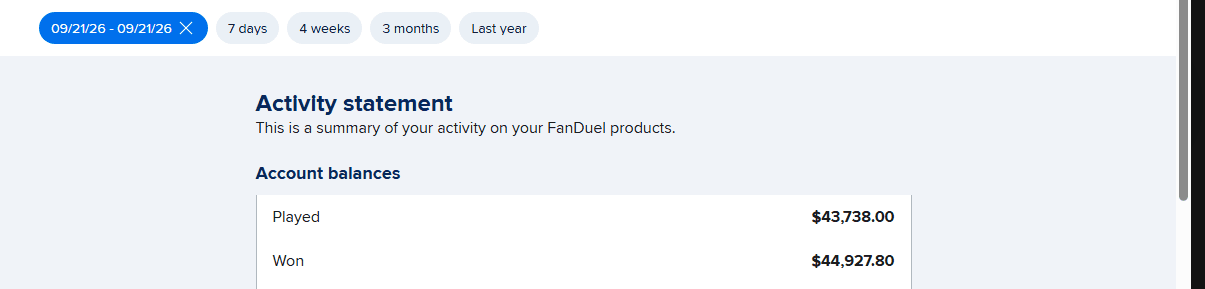
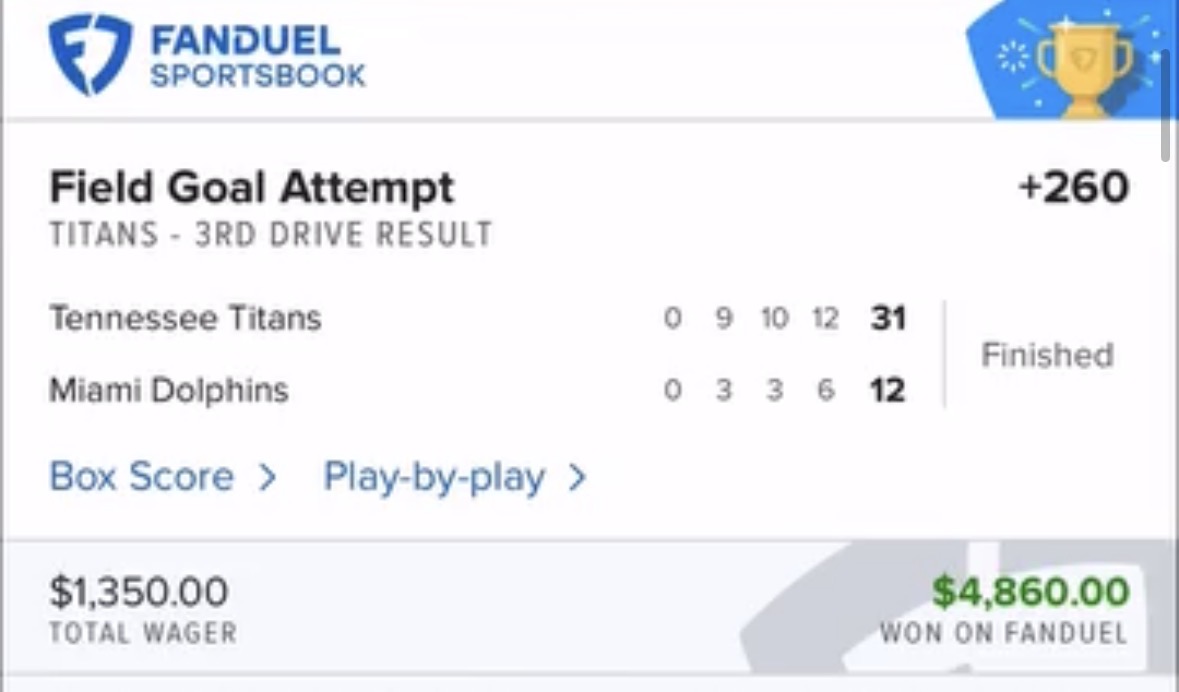
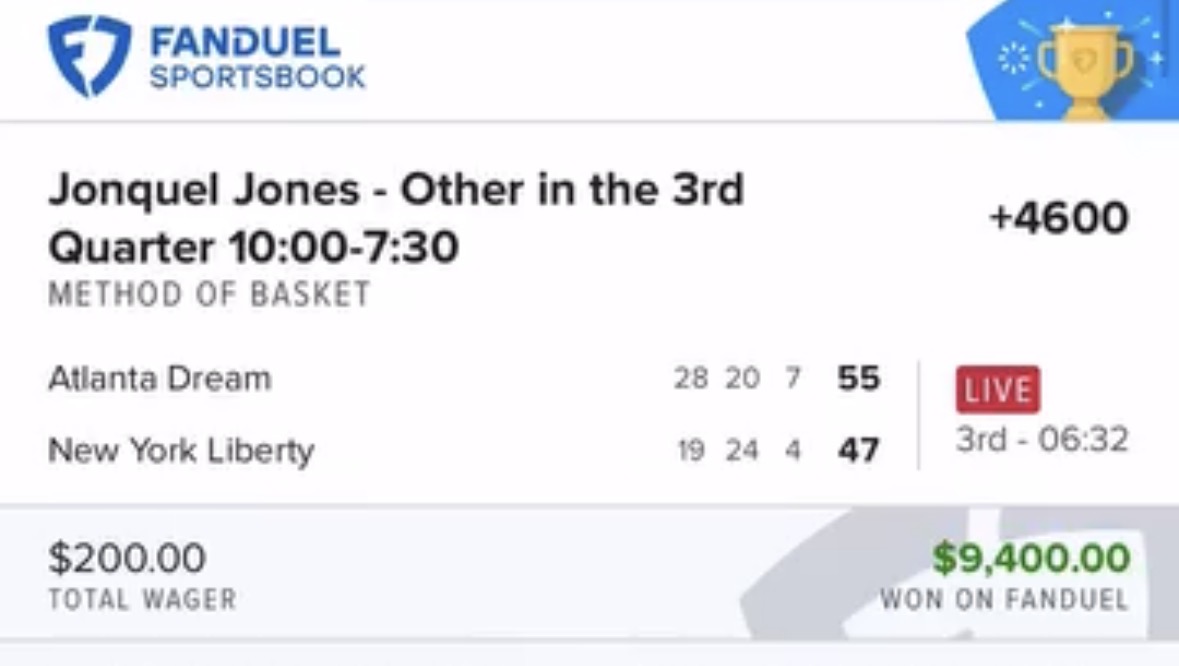
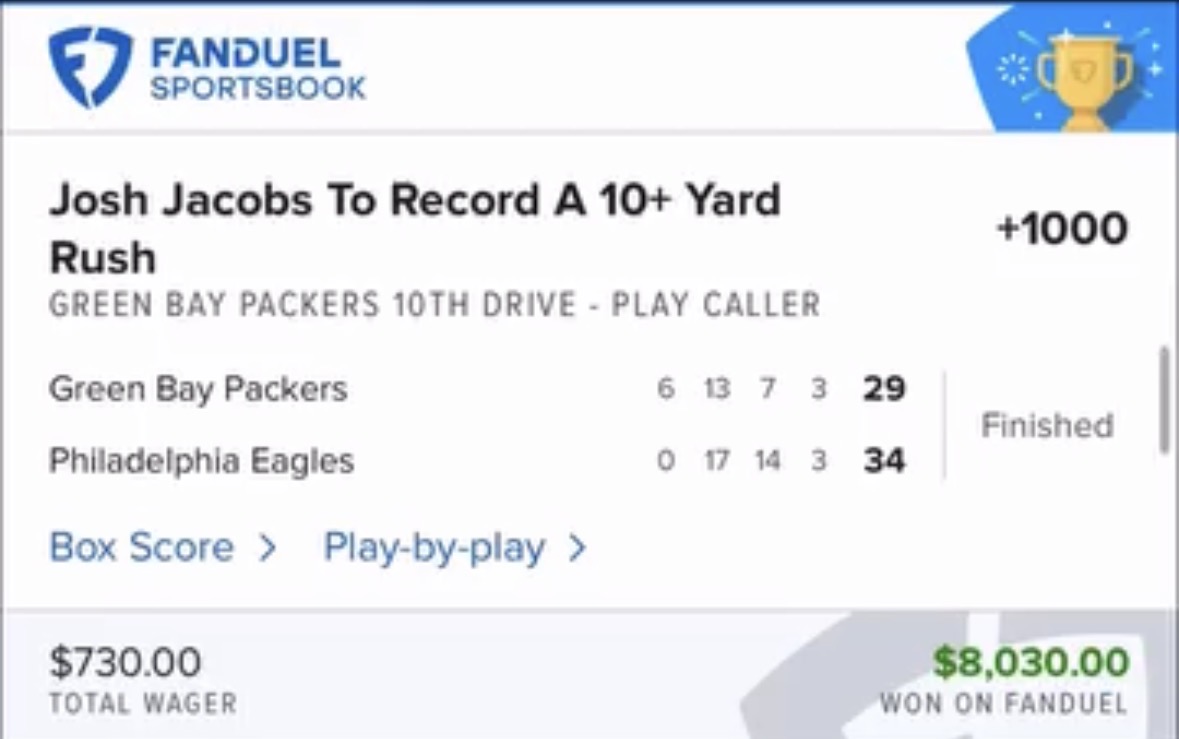
Open any major betting app and the first thing you see is a parlay you did not ask for. It has a name, a graphic, a payout in large type, and three or four legs assembled by the book itself. That ticket is inventory, selected the way a supermarket selects what goes at eye level: by margin and by the odds you reach for it. Those two properties are correlated, which is the entire reason the recommended slate looks the way it does. The Best Bet on Sports has run live in-game picks for more than twenty years with a verified $367,520+ in profit across all sportsbooks, and almost none of it came from a ticket somebody else built and put on a home screen.
This is not an argument that parlays lose. That argument already exists, it is mathematical, and it is covered in full in why most parlays lose. Take the compounding as settled and assume for the rest of this article that you already know a five-leg ticket carries roughly a fifth of your stake as house margin.
The question here is different and almost never asked: of the tens of millions of parlays a book could construct on any given night, why does it show you these four?
The Premise, Stated Once
Margin compounds with every leg. Multiplying standard -110 prices together:
| Legs | Win probability at fair coin flips | Decimal payout | House margin |
|---|---|---|---|
| 1 | 50% | 1.909 | 4.5% |
| 2 | 25% | 3.645 | 8.9% |
| 3 | 12.5% | 6.958 | 13.0% |
| 4 | 6.25% | 13.283 | 17.0% |
| 5 | 3.125% | 25.357 | 20.7% |
One leg costs four and a half cents on the dollar. Five legs cost more than twenty. That is the premise, not the point. The point is what a business does once it knows that table.
A Suggestion Engine Optimizes Two Things, and Neither Is Your Return
A book deciding what to surface is solving a straightforward commercial problem. It wants to maximize expected revenue per impression, which is margin multiplied by the probability that you place the bet.
Nothing in that objective is hostile. It is the same objective a restaurant has when it prints the menu, and the same one a hotel has when it puts the minibar at eye level. But it is worth saying plainly, because bettors routinely read a surfaced parlay as a recommendation in the ordinary sense — an assertion that this ticket is good. It is not that. It is an assertion that this ticket is sellable.
The uncomfortable part is what happens when you optimize for both terms at once. A high-margin ticket is one with many legs and long prices. A high-tap-rate ticket is one with a story: a quarterback and his top receiver, three favorites everyone likes, a superstar to score at any time. Those descriptions are the same description. The legs that carry the widest margins are, disproportionately, the legs that read best in a headline.
That correlation is why the recommended slate feels exciting rather than boring. Excitement is not being added on top of the margin. Excitement is how the margin was found.
Why Same-Game Parlays Sit at the Top of the Menu
Look at where the promotion is concentrated and you will notice it is not on straight three-team parlays across three cities. It is on same-game builders, and there is a structural reason.
A spread is a shoppable price. You can pull up the same game at four books, compare -110 against -105, and know within seconds which one is better. That transparency puts a hard ceiling on what any single book can charge, and it is why sides and totals carry the thinnest margins on the board. Cross-book price differences on parlays are real and worth understanding — why parlay odds differ by sportsbook walks through where they come from — but on a standard multi-game ticket you can at least run the comparison.
A four-leg same-game builder cannot be shopped in any meaningful sense. The legs are specific to that game, the correlation adjustment is proprietary to that book, and the resulting price exists nowhere else. There is no reference number. You are quoted +1400 and you have no way to know whether the honest price is +1400, +1700, or +2200.
Markets without reference prices carry wider margins. That is not a claim about any particular book's ethics; it is what happens to price discipline whenever comparison shopping becomes impossible. The same-game builder is the least transparent product on a betting app, which is exactly why it gets the most screen space. The mechanics of how those builders are assembled and where they occasionally break in the bettor's favor are covered in correlated parlays explained and in the same game parlay vs traditional parlay comparison.
"Popular With Other Bettors" Is an Anti-Signal
Most apps now show you what other people are betting: percentage of tickets on a side, most-placed parlays, a leaderboard of trending legs. Bettors read this as a crowd-sourced tip. It is closer to the opposite.
Consider what makes a leg popular. It is a recognizable team, a marquee player, a favorite, a narrative the broadcast has been pushing for two weeks. Now consider which games a book models most carefully and watches most closely. The same ones. Attention flows to money, and money flows to the same marquee games that generate popular legs.
So the popular ticket is, almost by definition, assembled from the most heavily scrutinized prices on the board. Whatever softness exists in a book's numbers on a given night is not going to be found in the market with the most eyes on it. If anything, prices on heavily backed public sides tend to be shaded toward that public money, which means the popularity indicator is pointing you at the numbers most likely to be a shade worse than fair.
None of that makes a popular leg a losing leg. It makes popularity uninformative about price, while feeling extremely informative. That gap — between how much a signal feels like evidence and how much evidence it actually contains — is where most recreational money goes.
The Boost on Top Is Not a Separate Question
Surfaced parlays frequently arrive with a boost attached, and the boost is doing real work on your perception. A price you cannot evaluate becomes a price you cannot evaluate plus 30 percent, and the second number is the only one that feels concrete.
The arithmetic problem is that a percentage increase applied to an unknown baseline tells you nothing about whether the final number is good. Boosting an unfair price by 30 percent can leave you with a still-unfair price. Whether any given boost survives contact with the underlying math is its own subject, worked through in are parlay boosts and insurance worth it. For the purposes of this article, the only relevant observation is a selection one: boosts are applied to the tickets the book most wants placed, and those are chosen by the same two criteria as everything else on the menu.
The Honest Counterpoint: A Menu Is Not a Con
It would be easy to end here with the implication that suggested parlays are a trap, and that would be both cheap and wrong.
A book surfacing its own inventory is doing ordinary commerce. Nobody is being deceived about what a parlay is. The payouts shown are the payouts paid. The legs are real markets you could have found yourself. Plenty of people place a surfaced ticket on a Sunday, enjoy three hours of television, lose ten dollars, and have received precisely the product they wanted. That transaction is fine, and pretending otherwise is the kind of moralizing that makes betting content unreadable.
The failure mode is narrower and more specific: using the menu as a source of ideas. A menu arranged by margin is a perfectly good place to shop if you walked in with a list. It is a terrible place to decide what you want. Everything on it was selected by someone whose interests run opposite to yours on exactly the dimension you are trying to evaluate — price.
The practical version of that distinction is simple. If you built the position yourself and the app happens to offer it, the app is a vendor and you are a buyer, which is the correct relationship. If the app built the position and you are deciding whether you like it, the roles have quietly reversed.
What a Suggestion Engine Structurally Cannot Do
There is one more thing worth noticing about surfaced parlays, and it explains a lot about where they show up and where they do not.
Every suggested ticket you have ever seen was generated from a static price sheet before kickoff. That is not a limitation of effort — it is a limitation of the problem. A correlation adjustment between two legs in the same game depends on the game state: down, distance, score margin, time remaining, personnel on the field. Pregame, those variables have one distribution and can be modeled once. Twenty minutes into the second half, they have changed completely, and they change again on the next possession.
That is why the in-play section of a betting app is a list of markets rather than a shelf of curated tickets. Nobody is merchandising you a four-leg live builder at the two-minute warning, because the correlation structure that would price it has a shelf life measured in seconds.
The consequence is the part worth carrying: in-play, there is no menu. There are just prices moving faster than the modeling behind them, which is why live positions have to come from a person watching the game rather than from a shelf. The relationship between that speed and the resulting edge is laid out in live betting vs pregame picks, and the practical version of playing in that window is covered at live betting picks. It is also the reason a service that operates there gets restricted rather than tolerated — the mechanics of which are documented at why sportsbooks limit winning live bettors.
A Working Rule
Three sentences, and none of them require you to have an opinion about whether books are villains.
Build from positions, not from tickets. Decide what you actually think about a game — a side, a total, a player number — and only then check whether the app will package those thoughts together. If you cannot state the parlay as a list of things you would have bet individually, you did not build it; you accepted it.
Use the menu as a price check and nothing else. Its one legitimate function is telling you what the book will pay for a combination you already wanted. That is genuinely useful information, and it costs nothing to look.
Treat "popular" and "trending" as decoration. They describe attention, not value, and the two are close to unrelated on a betting board.
None of this makes parlays unplayable. A structured approach to leg count is covered in how many legs should a parlay have, and the case for the shortest tickets is made in why two-leg parlays win. The point is only that the tickets somebody else assembled and pushed to your home screen are the last place you should go looking for one.
Get Tonight's Live Picks
Want tonight's live in-game picks delivered to your phone via Email and Discord during the game — positions built from watching the game rather than pulled off a pregame shelf?
The Best Bet on Sports is the only live betting handicapping service limited on all six major U.S. sportsbooks (FanDuel, DraftKings, Caesars, BetMGM, Fanatics, ESPN BET) for winning too much during in-game action. Verified profit: $367,520+. Picks delivered via Email and Discord during games.
→ Get tonight's live picks: $199 first month — 1-Unit package, full live betting access → Try a free live pick first — reserve your spot for tonight's pick
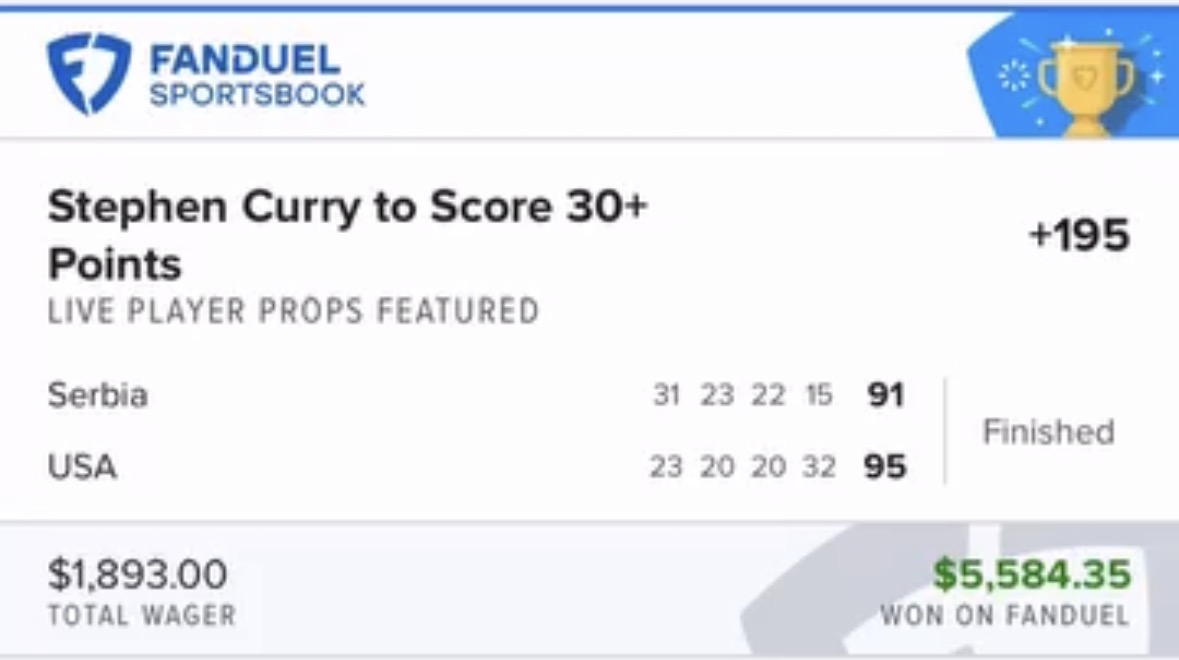
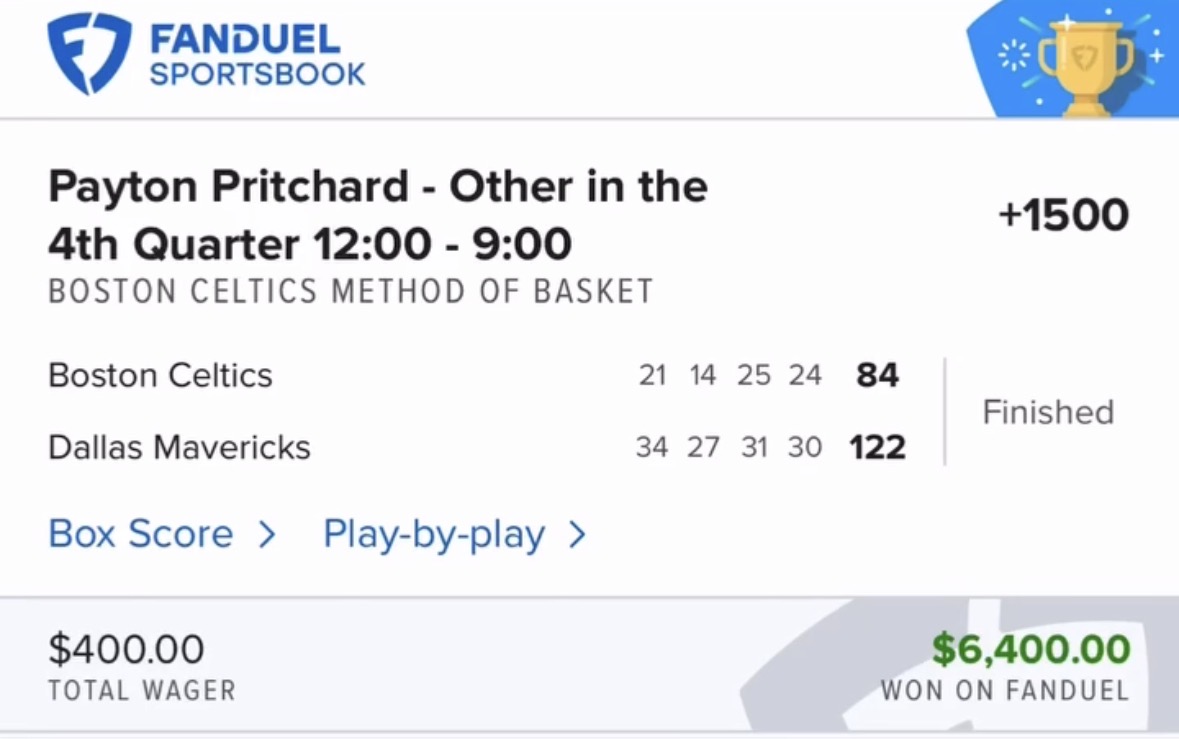
More coverage at parlay picks, NFL same game parlay, NFL picks, and our results.
Frequently Asked Questions
Why does my sportsbook app keep showing me parlays instead of straight bets?
Because a parlay carries several times the house margin of a single wager, and the app's home screen is inventory placement rather than advice. A one-leg bet at standard pricing costs about four and a half cents on the dollar; a five-leg ticket costs more than twenty. A book maximizing revenue per impression will surface the higher-margin product, and it will select the specific ticket by how likely you are to place it. Neither of those criteria has anything to do with whether the price is good for you.
Are the parlays a sportsbook suggests worse than ones I build myself?
Not automatically worse in price, but selected on criteria that are unrelated to your return. The tickets that get surfaced tend to be same-game builders and long-odds combinations, both of which carry wider margins than straight sides and totals. A parlay you assemble from positions you would have bet individually at least starts from your own opinion. A surfaced ticket starts from the book's inventory priorities, and you are deciding whether to accept it rather than deciding what you want.
Why are same-game parlays promoted more heavily than regular parlays?
Because they cannot be price-shopped. You can compare a spread across four books in seconds and see immediately which price is better, and that comparison pressure keeps margins on sides and totals thin. A four-leg same-game builder is specific to one game and one book's correlation model, so no reference price exists anywhere. Markets without a comparison price sustain wider margins, and the product with the widest margin gets the most screen space.
Does "most popular bet" or "trending parlay" tell me anything useful?
Very little about price, though it feels like it should. Popular legs are recognizable teams, marquee players and public favorites — which are exactly the markets a book models most carefully and watches most closely, because that is where the money is. Whatever soft numbers exist on a given night are not in the most scrutinized market on the board. Heavily backed public sides also tend to be priced with that money in mind, so the popularity indicator is a description of attention rather than of value.
If a suggested parlay comes with a boost, does that fix the problem?
Not by itself, because a percentage applied to an unknown baseline still leaves you with an unknown result. You cannot verify what a same-game builder should pay, so you cannot verify whether the boosted number is fair, generous or still short. Boosts are also applied selectively to the tickets a book most wants placed, which means the presence of a boost is information about the book's preferences rather than about the ticket's value.
Why doesn't my app suggest live in-game parlays the same way?
Because the correlation between legs in a live game changes on every possession, and a curated ticket would be stale before you could tap it. Pregame, the relationships between two outcomes in one game can be modeled once against a fixed distribution of game states. In the third quarter, down, distance, score margin and personnel have all moved, and they will move again. That is why the in-play section is a list of live prices rather than a shelf of packaged tickets, and why in-play positions have to come from someone actually watching.
How should I actually use the recommendation section?
As a price check on something you already decided you wanted, and for nothing else. If you have formed a view on a game and want to know what the book will pay to combine two parts of that view, the builder answers the question quickly and costs nothing to consult. The failure mode is browsing it for ideas, because every ticket on it was chosen by someone optimizing the one variable you are trying to evaluate. Arrive with a list and the menu is useful. Arrive without one and the menu decides.
The Best Bet on Sports · 1.5M followers on TikTok
Sports Betting TikTok is the live betting account behind The Best Bet on Sports, covering NFL, NCAAF, NBA, NCAAB, MLB and WNBA markets in real time. The account has been limited on all six major U.S. sportsbooks — FanDuel, DraftKings, Caesars, BetMGM, Fanatics and ESPN BET — for winning on live betting, with $367,520 in verified profit since 2005. View full profile →
Past results do not guarantee future performance. Must be 21 or older to wager.
Related Articles
First Half Over, Game Under: The Parlay That Fights Itself
Lead at Halftime and Win: What That NFL Parlay Pays
If-Bets and Reverses: The Parlay Alternative Explained
Second-Half Spread Parlays: Leverage Is Not Size
Best NFL Parlays for Thursday Night Football: One Game, No Escape Route
The Last Leg Decides Your Parlay: Build the Ticket for Its Exit
Get real live betting picks
From $39.95/mo · Cancel anytime · Email + Discord delivery
● Get The Picks
Choose your package
Tap any tier below to select · Subscribe in one tap
👇 Tap any package to select it
✓ You're selecting
25 Units · $99.95/month
25 unit picks per month. Sweet spot for most bettors — plenty of action without going all-in.
- ✓25 live betting selections/month
- ✓Email + Discord delivery
- ✓All sports (NFL, NCAAF, NBA, NCAAB, MLB)
- ✓Mix of 1, 2, 3, 5-unit rated plays
- ✓Cancel anytime
Secure PayPal · Cancel anytime · No hidden fees · 21+ · +$367K verified
+$367,520 verified · Limited on 6 sportsbooks · 20 years documented · See Proof
Join Our Newsletter
Get free expert sports picks and analysis delivered weekly.